
About Nara,
Asuka and Fujiwara
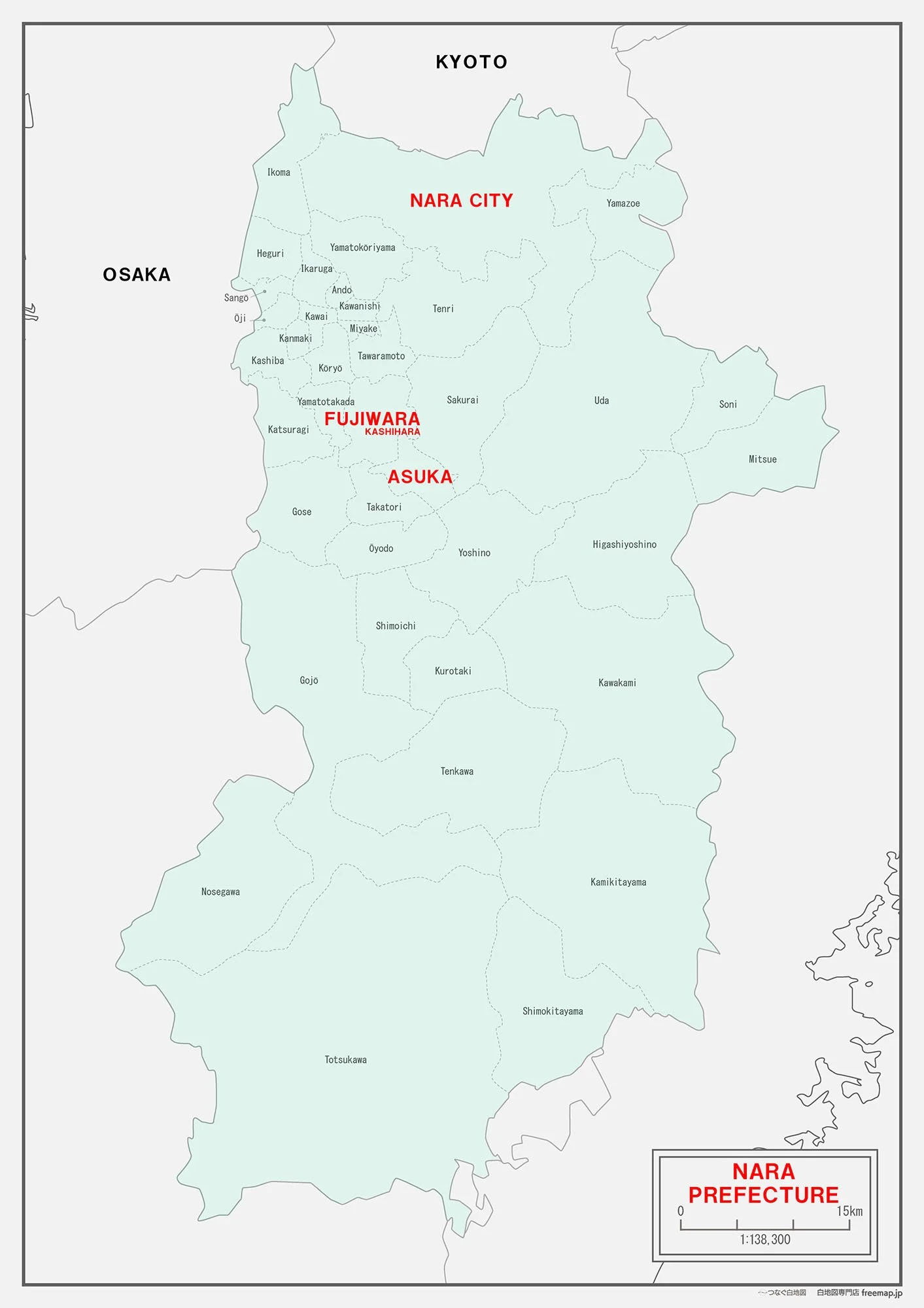
Nara Prefecture is home to some of the most important places in Japanese history, including Nara City, Asuka Village, and the Fujiwara area of present-day Kashihara. For many travelers, these names can be confusing at first. This page will help you understand where these places are, how they relate to one another, and why they matter so deeply in the story of ancient Japan.
Where Is
Nara?
- Nara City is Your Gateway to Ancient Japan
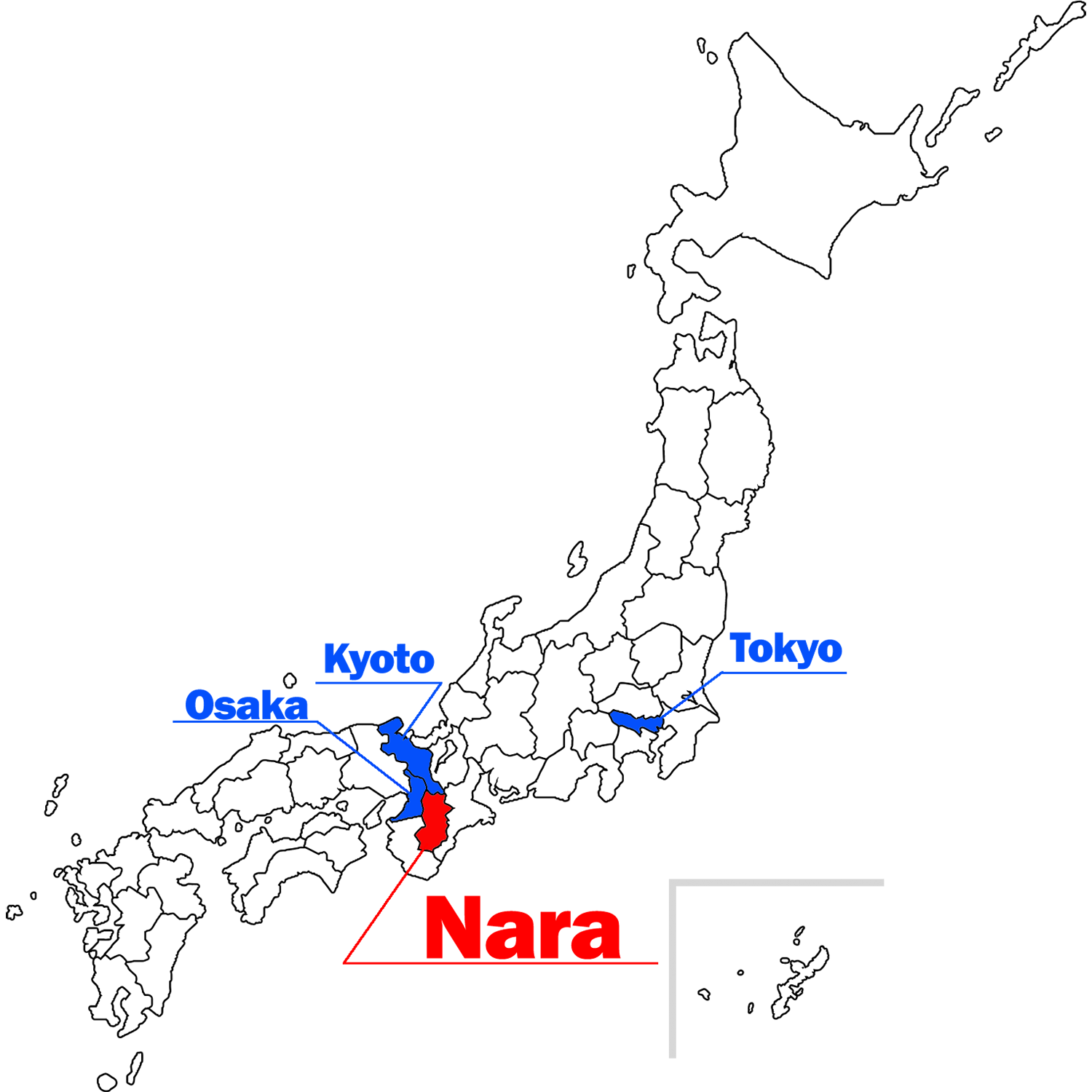
Nara Prefecture is located in the Kansai region of western Japan, close to Osaka and Kyoto. Although it is easy to reach from major cities, it feels very different in atmosphere — quieter, slower, and more deeply connected to Japan’s early history and spiritual traditions.
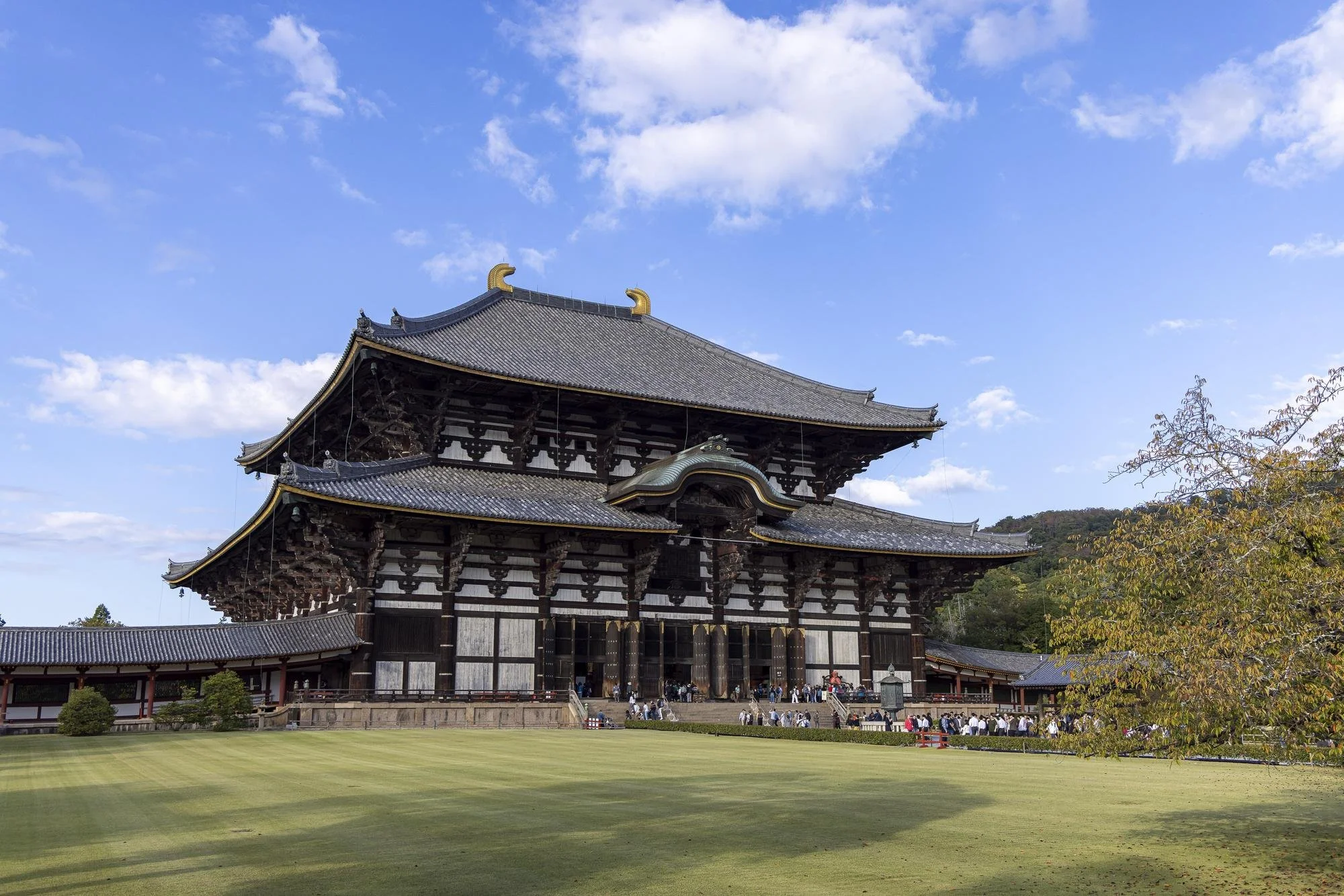
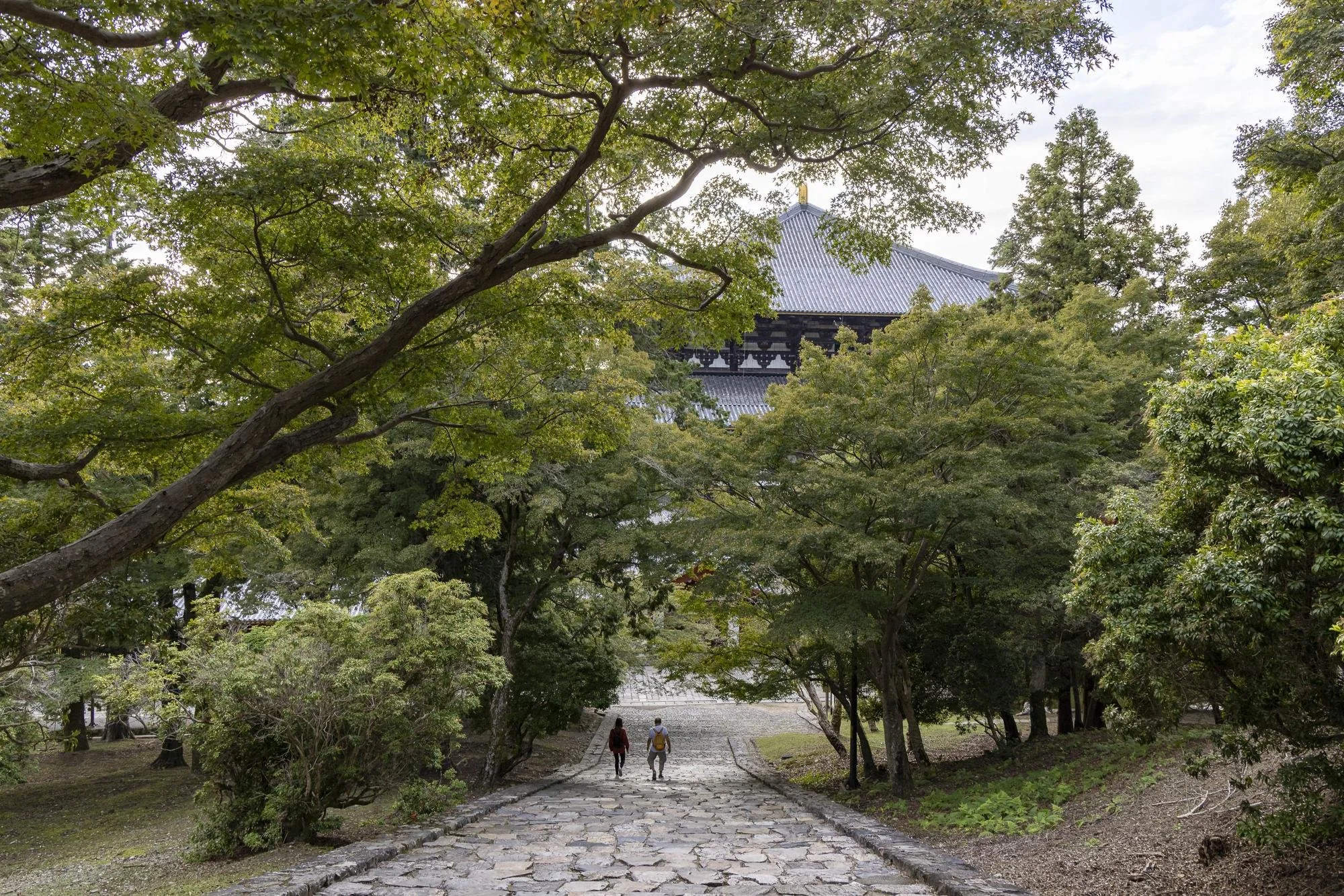
Nara City, the prefectural capital, is one of Japan’s best-known historic destinations. It is famous for places such as Todai-ji Temple, Nara Park, and Kasuga Taisha, and is often the first stop for travelers exploring the region.
Access to Nara City
From Tokyo: about 2.5–3 hours by JR Shinkansen to Kyoto or Osaka, then transfer to Nara (Kintetsu or JR lines)
From Osaka: about 40–60 minutes by train (Kintetsu or JR lines)
From Kyoto: about 45–60 minutes by train (Kintetsu or JR lines)
Nara City is a convenient gateway to the wider prefecture and an excellent starting point for discovering ancient Japan.
A Journey to Japan’s Beginnings
Where Are
Asuka & Fujiwara?
Asuka and Fujiwara are historic areas in the central part of Nara Prefecture, now mainly associated with Asuka Village and Kashihara City. This region is widely regarded as one of the birthplaces of Japan, where some of the country’s earliest capitals, imperial sites, temples, and burial mounds were established more than 1,400 years ago.
Unlike Nara City, which is more widely known among international travelers, Asuka and Fujiwara remain quieter and less visited. That is part of their appeal. Here, ancient history is woven into peaceful rural scenery, traditional landscapes, and sites that still feel deeply rooted in the past.
Why Asuka
and Fujiwara Matter
If Nara City introduces visitors to the grandeur of ancient Japan, Asuka and Fujiwara reveal its beginnings.
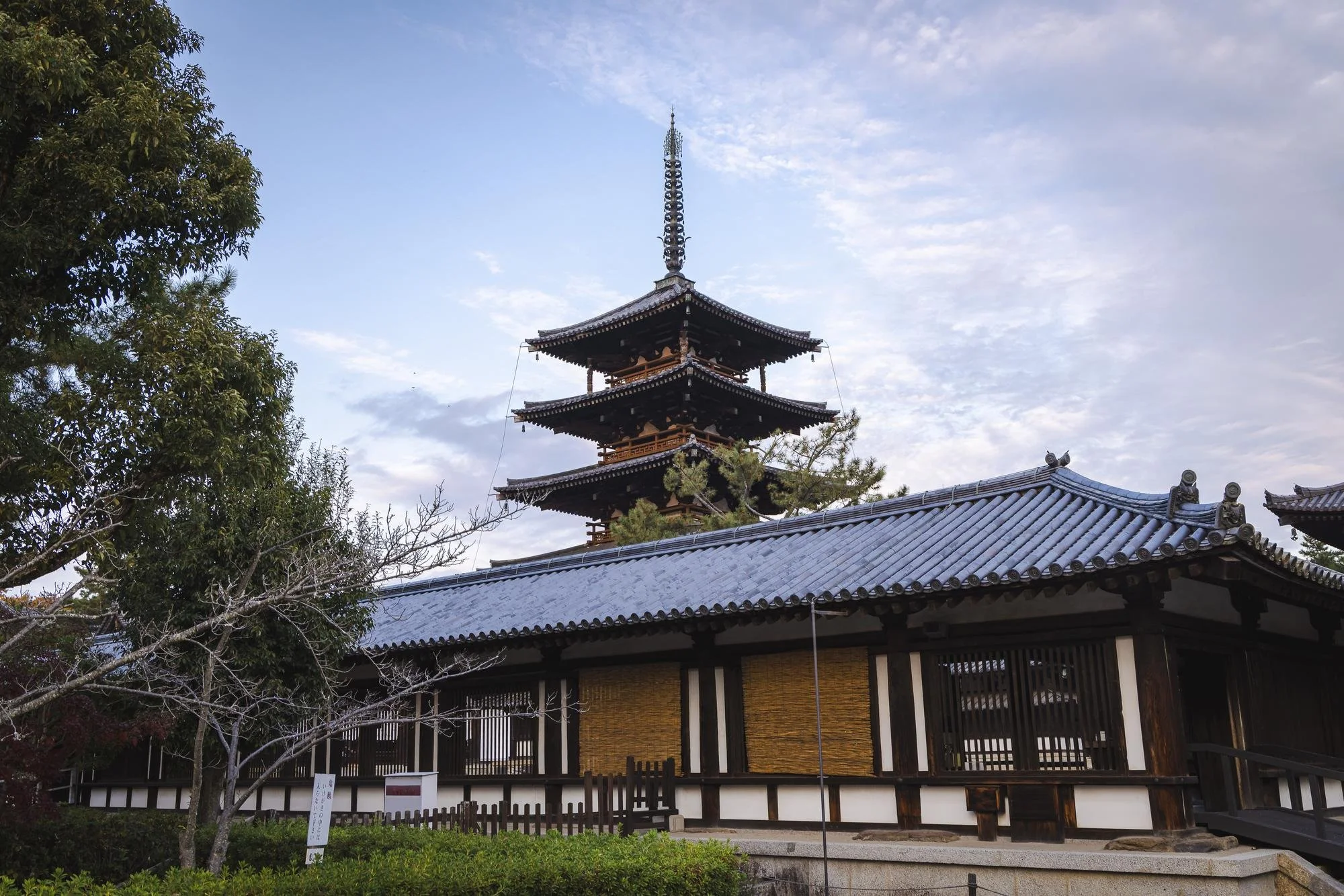
This region played a central role in the formation of early Japan. It was here that court culture developed, Buddhism took root, and some of the country’s earliest political and religious institutions were shaped. Temples, kofun burial mounds, palace sites, and sacred places throughout the area offer a powerful sense of Japan’s origins.
For travelers interested in ancient history, archaeology, religion, and quieter cultural landscapes, Asuka and Fujiwara provide a deeper and more intimate experience than the better-known tourist routes.
How to Get to
Asuka and Fujiwara
The most convenient gateway to the Asuka & Fujiwara region is Kintetsu Kashiharajingu-mae Station, which provides easy access to many of the area’s most important historical sites.
Access to Kashiharajingu-mae Station
From Tokyo: take the JR Shinkansen to Kyoto, then transfer to Kintetsu Line; total travel time is about 5–6 hours
From Osaka Namba: about 1–1.5 hours by Kintetsu Line with a transfer at Yamato-Yagi Station
From Osaka Abenobashi: about 40–60 minutes by direct Kintetsu Line
From Kyoto: about 1–1.5 hours by Kintetsu Line
From Nara City: about 40–60 minutes by Kintetsu Line with a transfer at Yamato-Saidaiji
From Kashiharajingu-mae Station, many major sites in Asuka can be reached by car, local bus, or rental bicycle.
Nara Prefecture and Nara City:
What’s the Difference?
This is one of the most common points of confusion for visitors.
Because both are often called simply “Nara,” many travelers assume they refer to the same place. In fact, Nara Prefecture includes several distinct historical areas, including Nara City, Asuka Village, and Kashihara.
Understanding this difference is helpful when planning your trip. Nara City is ideal for famous landmarks such as Todai-ji and Nara Park, while Asuka and Fujiwara offer a more off-the-beaten-path journey into the earliest foundations of Japan.
Explore Ancient Japan
with Discover Nara
At Discover Nara, we specialize in tours of Asuka and Fujiwara as well as other historic areas of Nara Prefecture. Our tours are designed for travelers who want more than surface-level sightseeing — people who want to understand the places they visit and experience the deeper cultural roots of Japan.
Whether you begin in Nara City or travel directly into Asuka and Fujiwara, this region offers an unforgettable journey through sacred landscapes, ancient capitals, and the living memory of Japan’s past.