From Asuka to Heian
How Japan’s Capitals Took Shape
The Evolution of
Japan’s Capitals
In ancient Japan, the capital was not always a fixed place. In the early stages of state formation, political authority followed the emperor himself. When the emperor moved his residence, the capital moved with him.
The history of Japan’s early capitals is therefore not simply a story of cities rising and falling, but a long and deliberate process through which the Japanese state was gradually built.
Asuka: The Beginning of Centralized Rule
The story begins in Asuka, in the mid-seventh century.
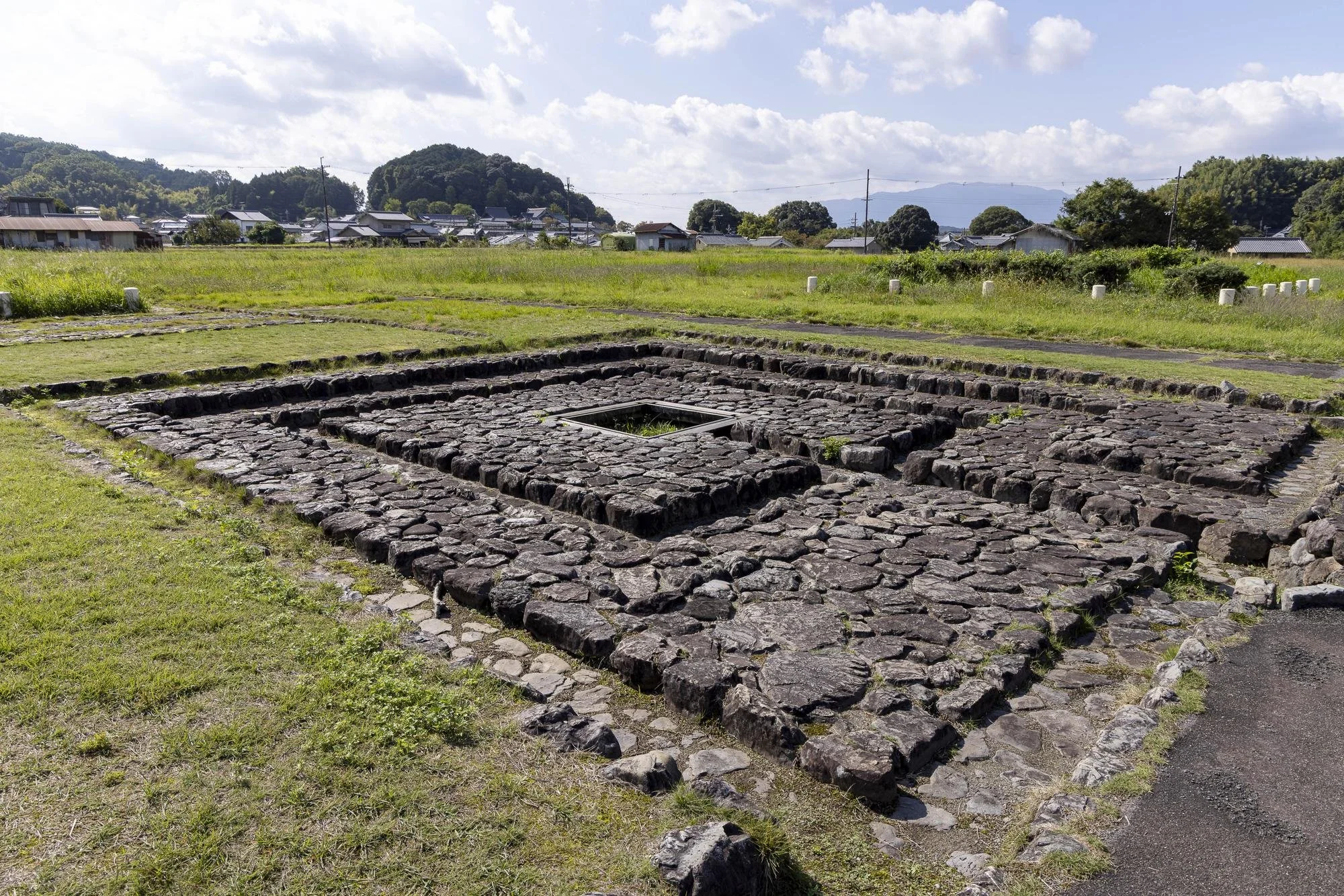
In 645, a major political coup known as the Isshi Incident took place at Itabuki Palace in Asuka. At the time, Empress Kogyoku was already ruling from this palace, and the incident unfolded at the very heart of the imperial court.
This event marked a turning point in Japanese history, initiating sweeping political reforms aimed at strengthening central authority.
Soon afterward, Emperor Kotoku ascended the throne and moved the capital to Naniwa, in present-day Osaka. This relocation symbolized Japan’s growing commitment to a centralized system of government inspired by models from China.
Return to Asuka and Strategic Relocation
Following Emperor Kotoku’s death, Empress Saimei returned the court to Asuka, ruling from several different palaces in the region.
At this stage, the capital was still closely connected to the emperor’s personal residence, rather than to a single permanent city.
Later, Emperor Tenji moved the capital to Omi Otsu, near Lake Biwa. This location was chosen for strategic reasons, offering both defensive advantages and access to major transportation routes.
Civil War and the Birth of a Legal State
After Emperor Tenji’s death, a civil war known as the Jinshin War broke out.
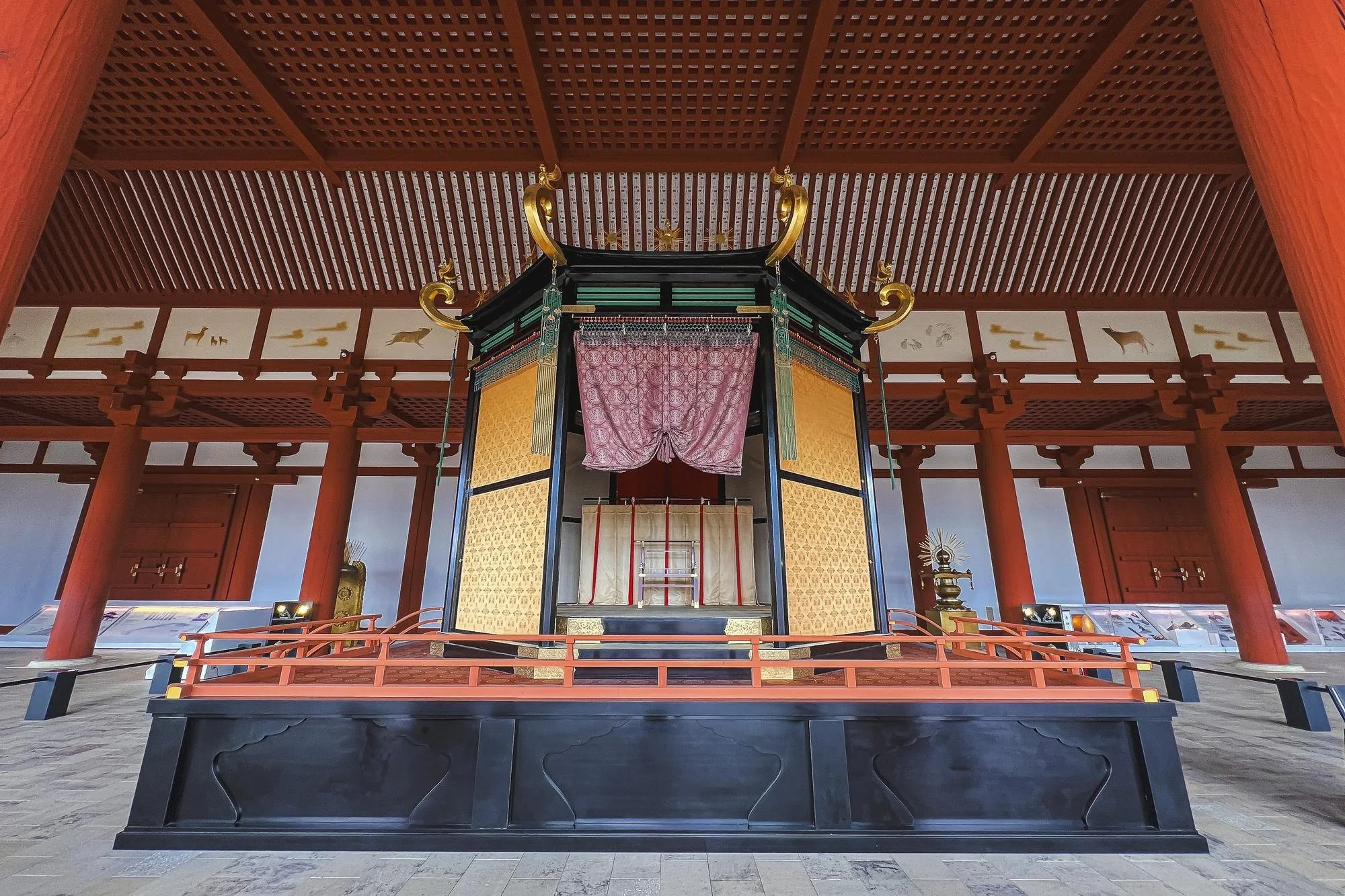
The victor, Emperor Tenmu, returned the capital to Asuka and ruled from Asuka Kiyomihara Palace. Together with his successor, Empress Jito, he laid the foundations of Japan’s legal and administrative system, strengthening imperial authority and governance.

Fujiwara-kyo: Japan’s First Planned Capital
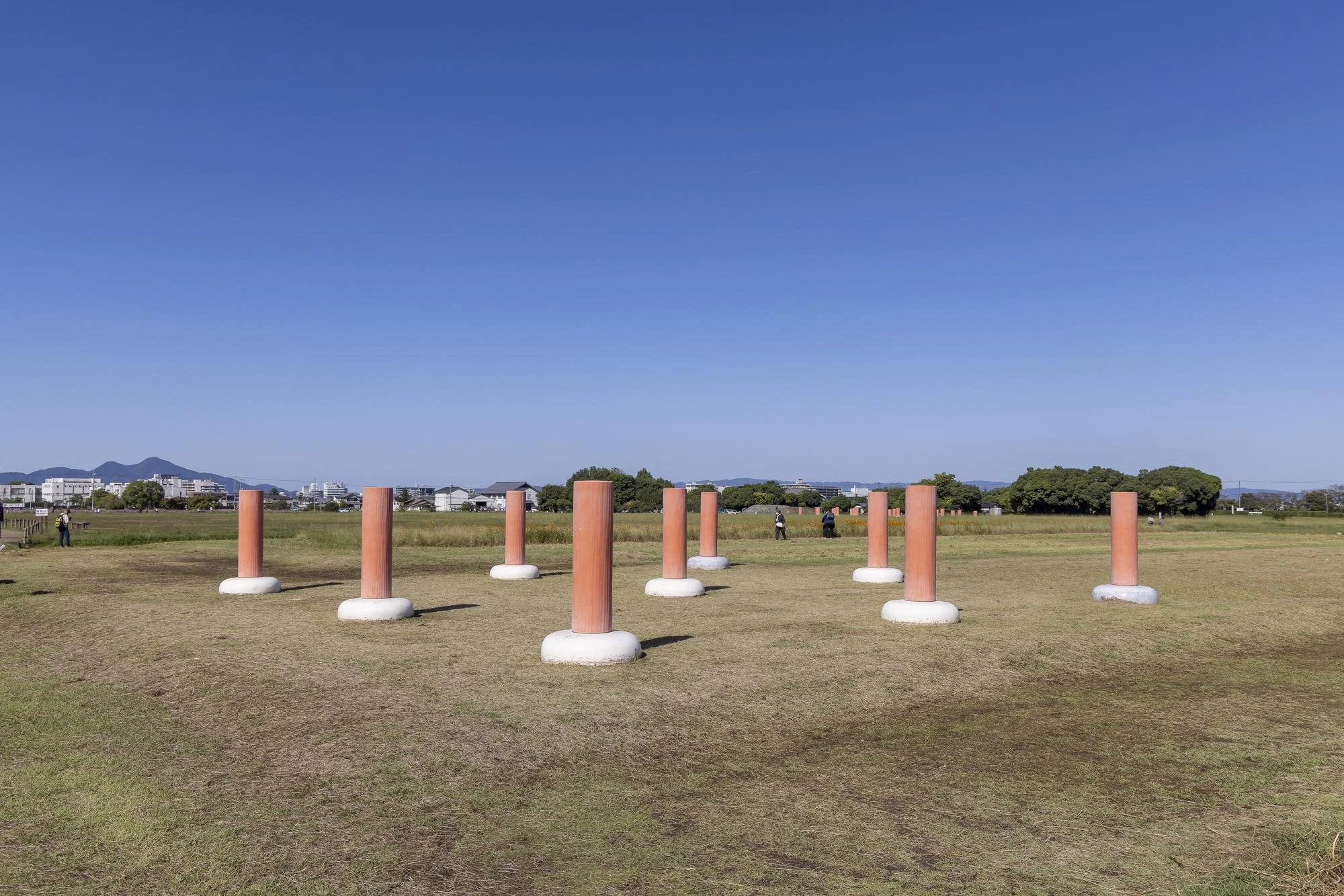
In 694, Empress Jito made a decisive move by transferring the capital to Fujiwara-kyo.
Fujiwara-kyo was Japan’s first full-scale planned capital, laid out in a grid pattern modeled after the great cities of Tang China. From this new capital, three rulers governed the country: Empress Jito, Emperor Monmu, and Empress Genmei.
For the first time, Japan possessed a capital designed not as a temporary residence, but as a city intended to endure.
Heijo-kyo (Nara): Power and Tension
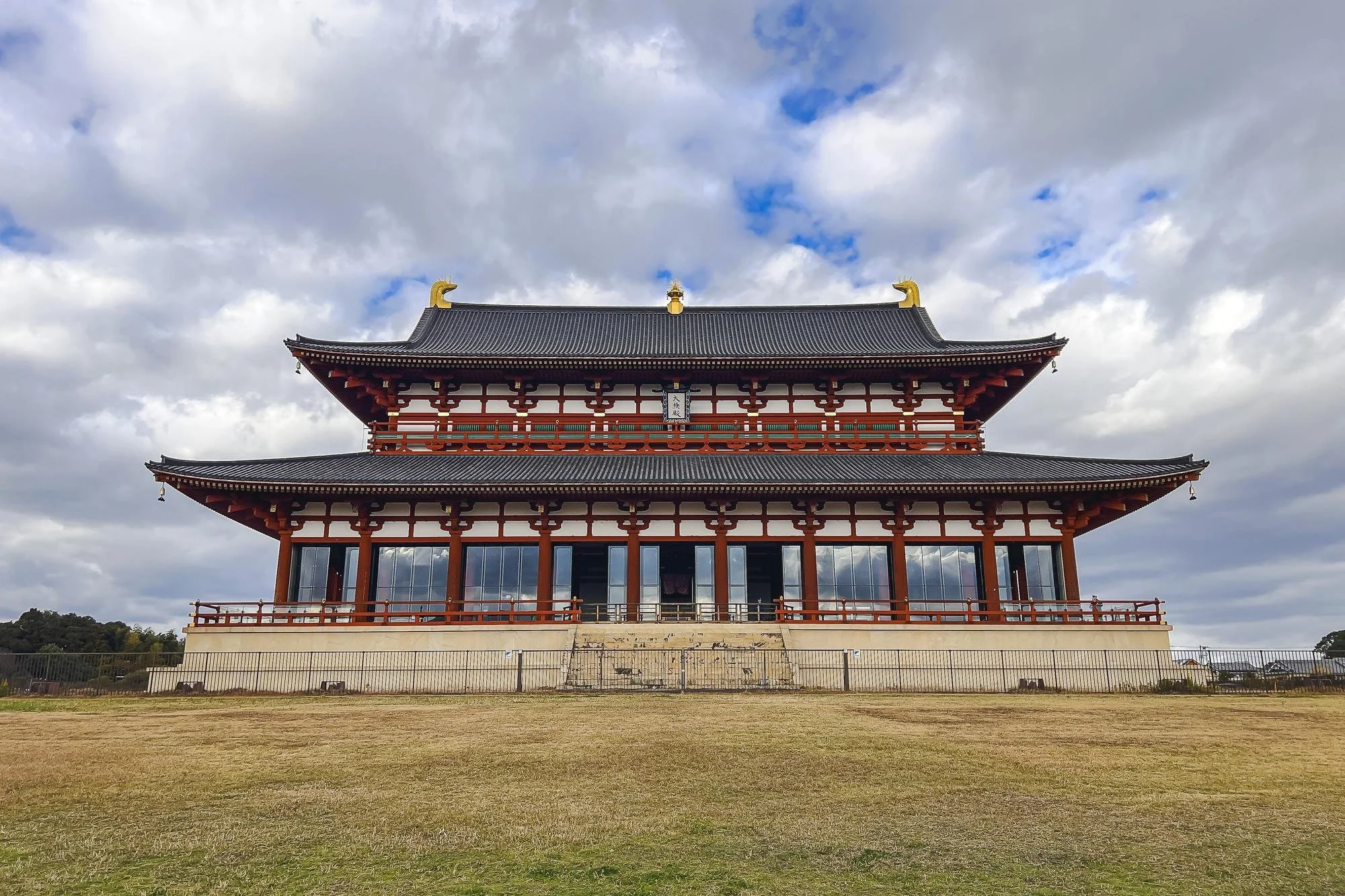
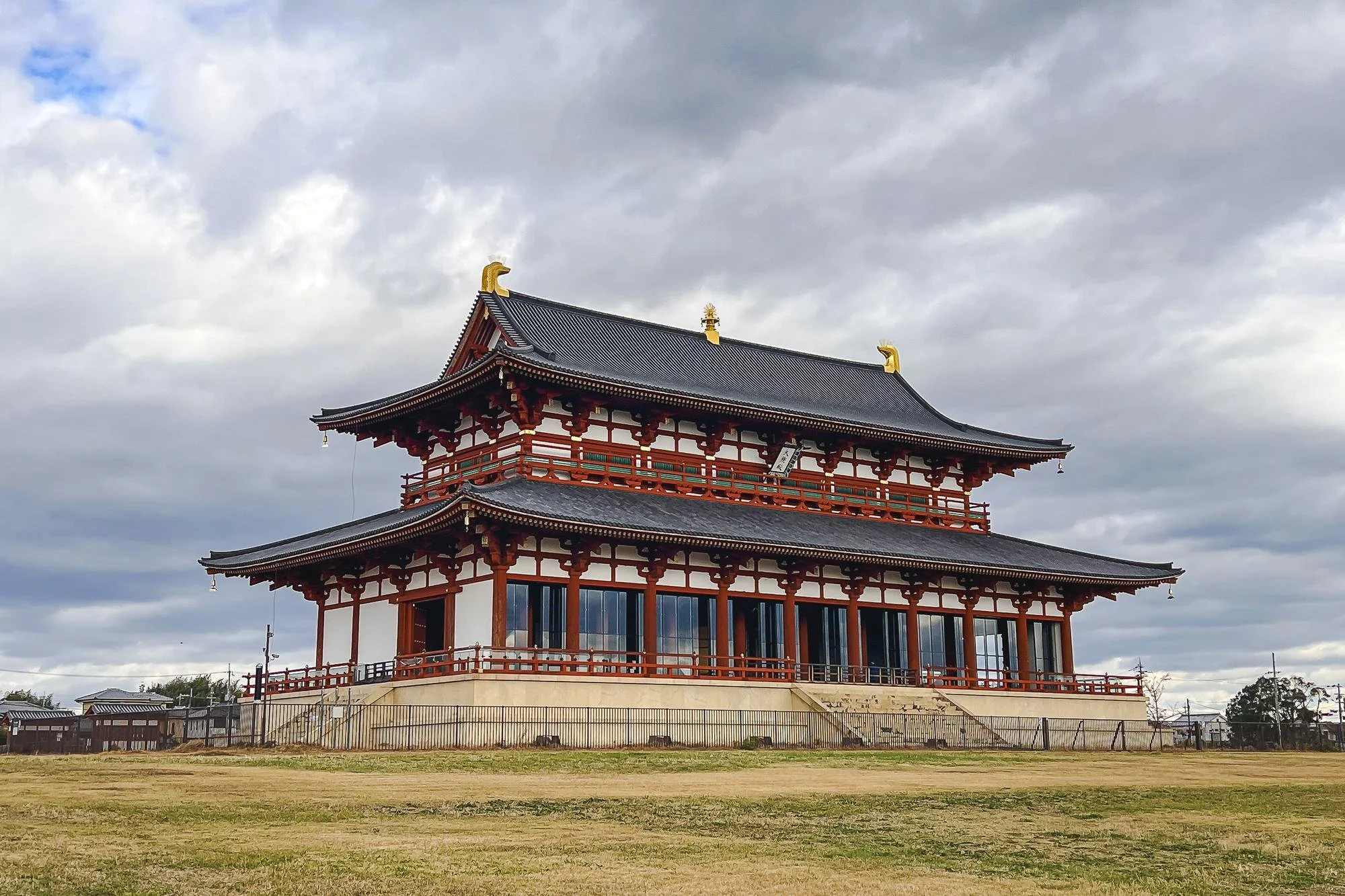
In 710, Empress Genmei moved the capital to Heijo-kyo, in what is now Nara.
Nara flourished as the political and cultural center of the country. At the same time, powerful Buddhist temples grew increasingly influential, and religious institutions began to play a significant role in court politics.
Over time, this close relationship between religion and government became a growing concern for the imperial family.
Emperor Kanmu and the Search for Stability
In 781, Emperor Kanmu ascended the throne.
Determined to restore strong imperial authority and reduce the influence of Nara’s temples, he moved the capital to Nagaoka-kyo in 784.
However, the new capital was plagued by political violence, natural disasters, and deaths within the imperial family. These events were widely interpreted at the time as signs of spiritual pollution.

Heian-kyo: A Capital Designed to Endure
Finally, in 794, Emperor Kanmu established Heian-kyo, modern Kyoto.
The city was carefully designed, taking into account geography and governance. It was protected by surrounding mountains, less vulnerable to flooding, and planned so that major temples were placed away from the political center.
Heian-kyo would remain Japan’s capital for more than one thousand years, marking the beginning of a long period of relative political stability.
Conclusion
From Asuka to Kyoto, Japan’s capitals moved repeatedly, each relocation reflecting the challenges and ambitions of its time.
Rather than a sign of instability alone, these moves represent a steady progression toward a lasting political system and a durable vision of the state.
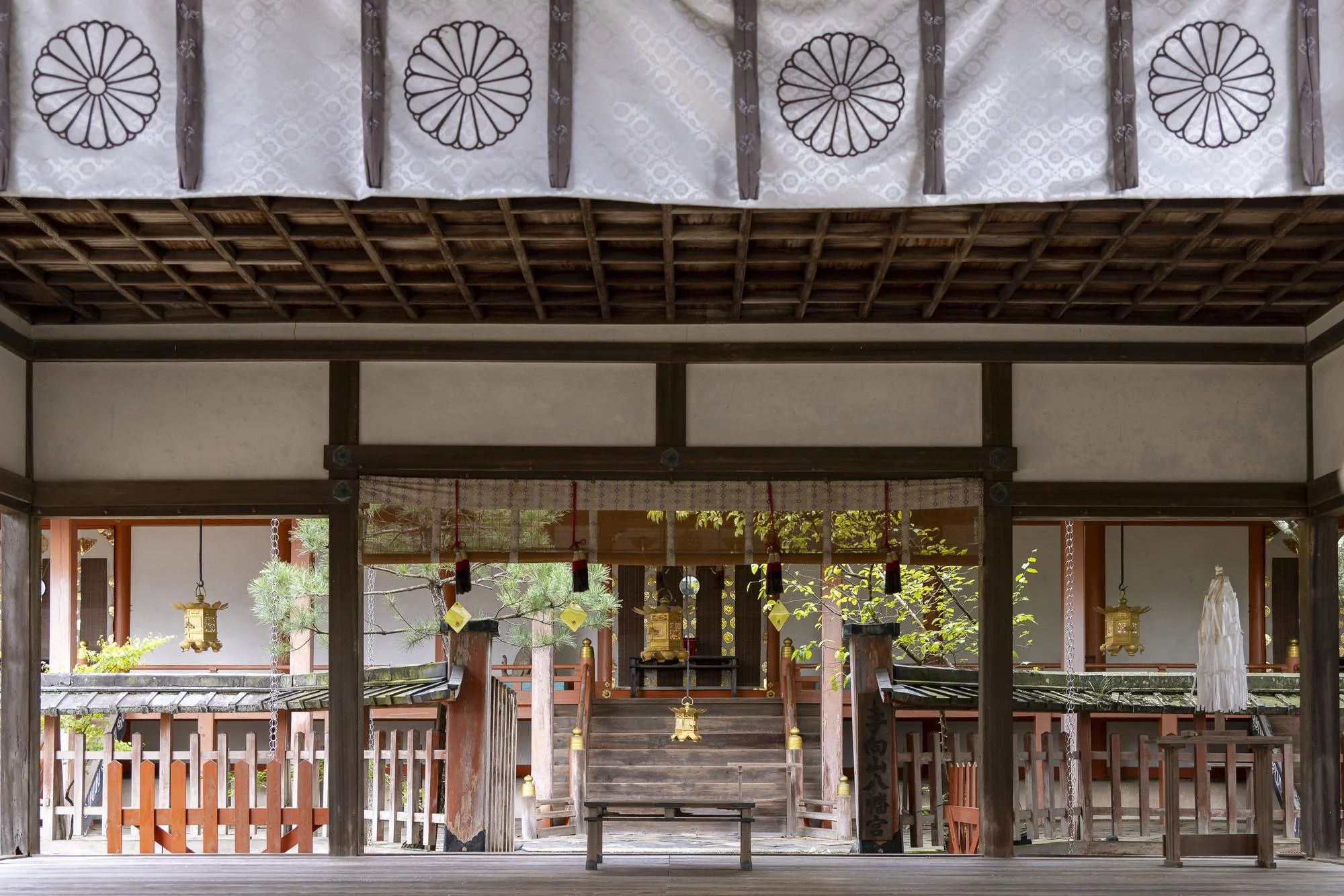

Japan’s early capitals moved frequently, but each move brought the country closer to a capital designed for the future.