Shoso-in
正倉院
A Wooden Archive Preserving
1,200 Years of History
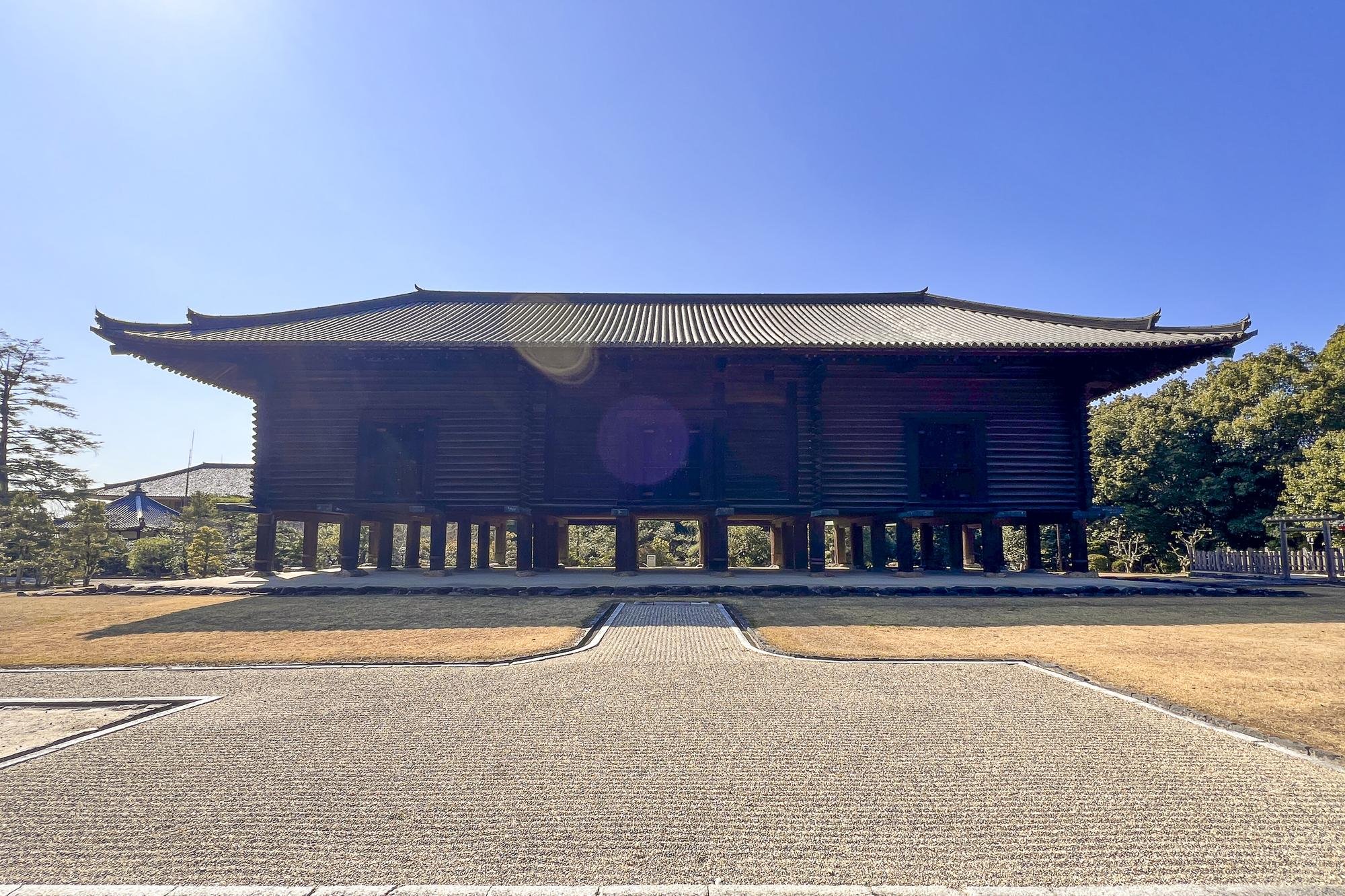
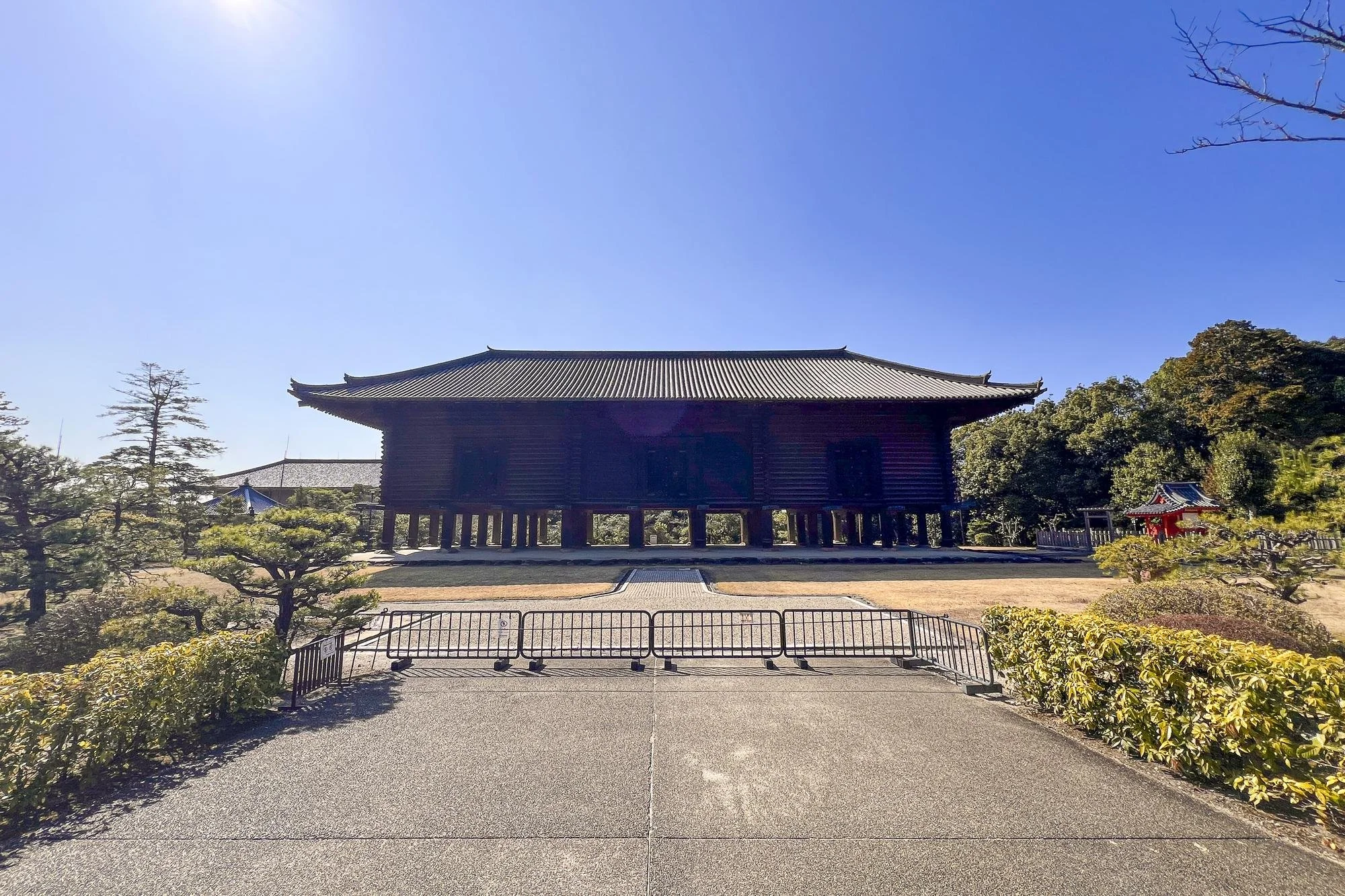
Built in the 8th century, the Shoso-in is one of Japan's most important historic storehouses and one of the world's finest surviving examples of ancient wooden architecture. Constructed to preserve treasures associated with Emperor Shōmu and Todai-ji Temple, it has safeguarded an extraordinary collection of cultural treasures for more than 1,200 years.
Equally remarkable is its azekura-zukuri (log-cabin) construction, a traditional architectural style that naturally helps regulate temperature and humidity. Inside are thousands of objects, including textiles, musical instruments, documents, glassware, and other works of art, many of which reflect the cultural exchange between Japan and regions across Asia along the Silk Road.
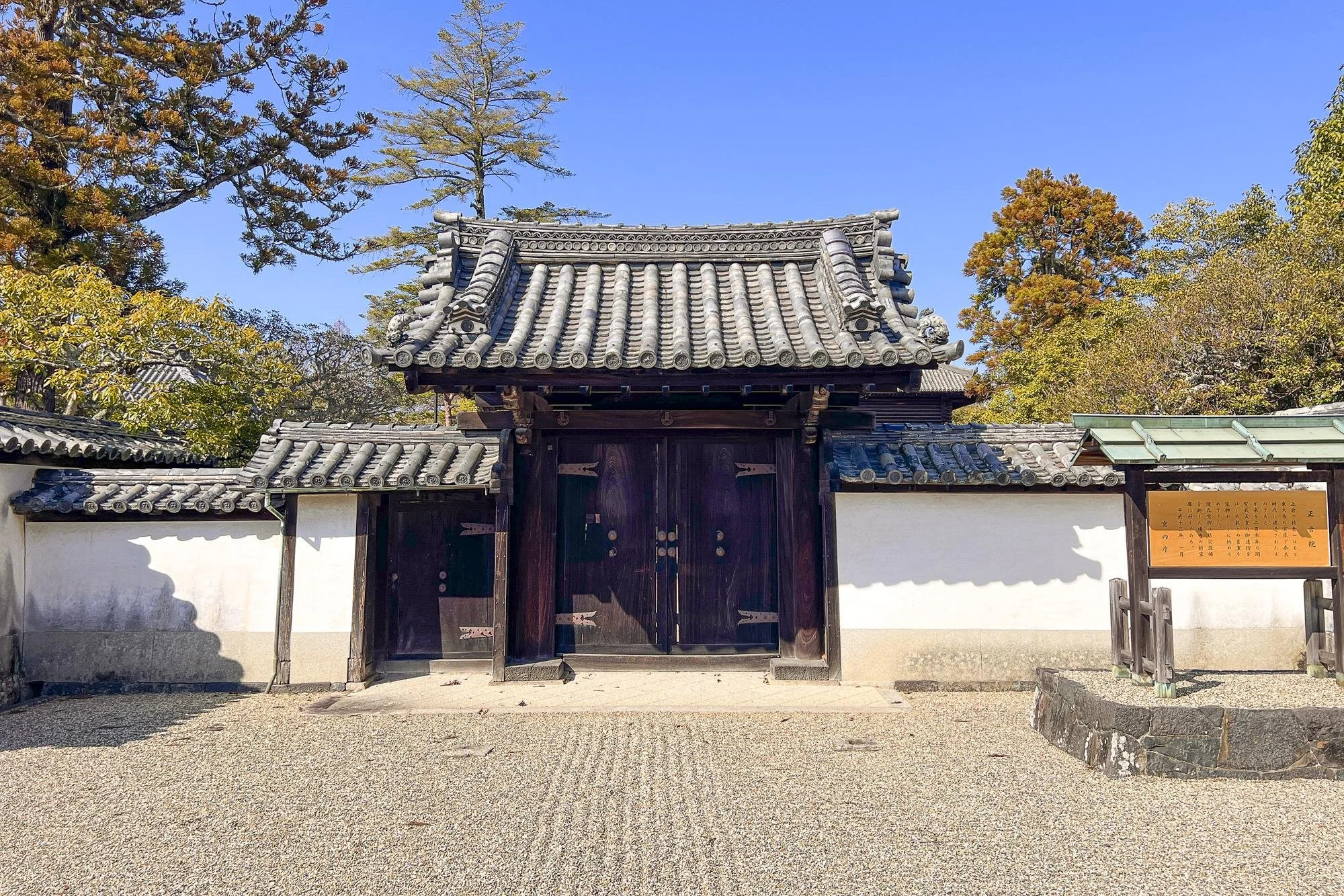
Although the storehouse itself is not open to visitors, selected treasures are displayed each autumn at the Shōsō-in Exhibition held at the Nara National Museum.
For visitors interested in ancient history, art, and international cultural exchange, the Shoso-in offers a remarkable introduction to the global connections that shaped Nara during the 8th century.