UNESCO World Heritage Sites
in Asuka & Fujiwara, Nara
Walk Through the Origins of Japan
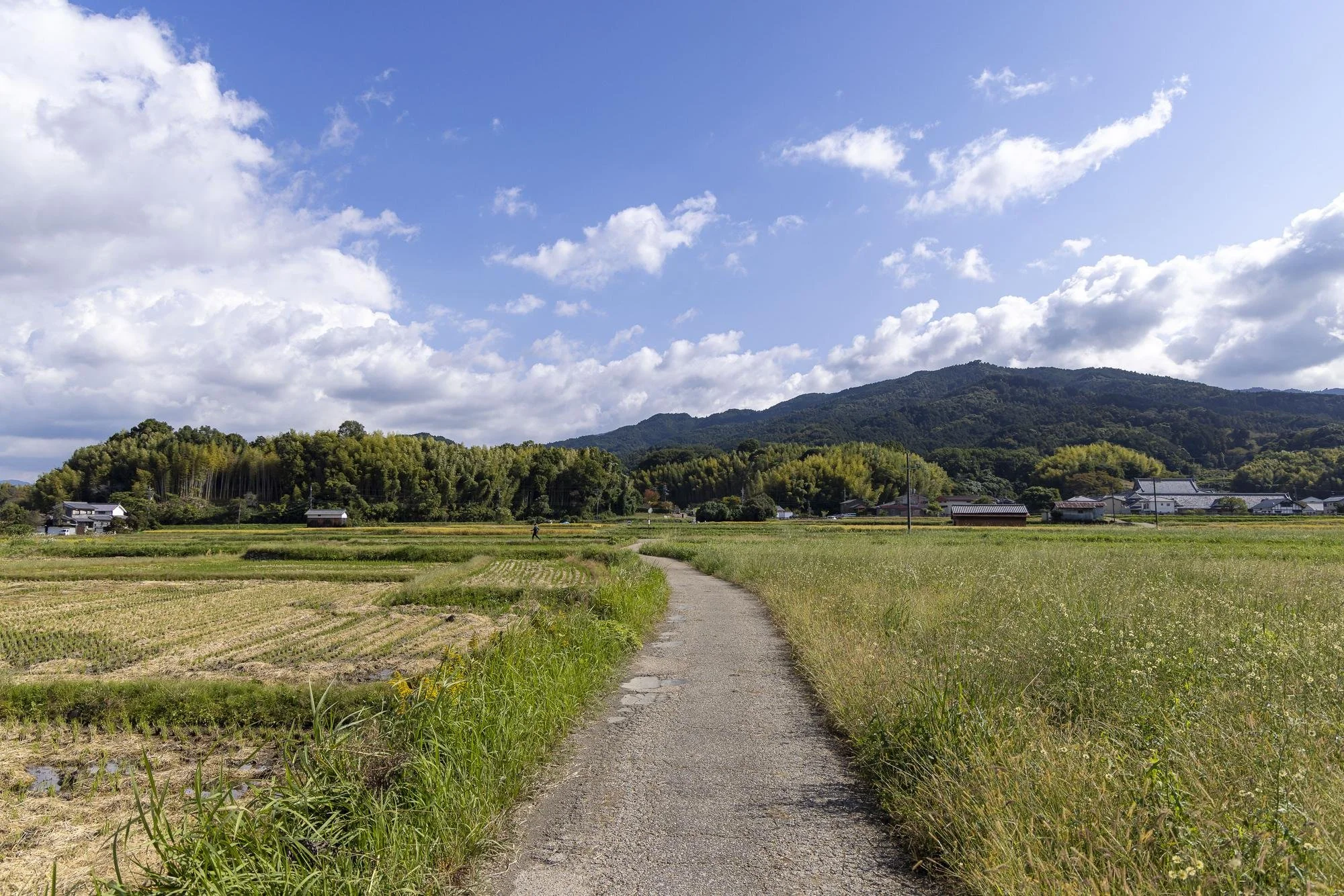
In the peaceful countryside of southern Nara Prefecture—spanning Kashihara City, Asuka Village, and Sakurai City—lies the Asuka–Fujiwara region, widely recognized as the birthplace of the Japanese nation. In July 2026, its 19 archaeological sites were officially inscribed as a UNESCO World Heritage Site, recognizing their outstanding universal value and their pivotal role in the formation of Japan's earliest centralized state.
From the late 6th to the early 8th centuries, this region served as Japan's political and cultural center. Influenced by ideas, technologies, and institutions introduced from China and the Korean Peninsula, Japan underwent a remarkable transformation. Palace complexes, government offices, Buddhist temples, and imperial tombs reveal how imported knowledge blended with native traditions, laying the foundations of the Ritsuryō legal system and the Japanese imperial state.
This guided heritage tour invites you to walk through the landscapes where emperors ruled, Buddhism first flourished, and new architectural and artistic traditions took shape. Surrounded by peaceful countryside, ancient stone monuments, and beautiful mountain scenery, you will experience the birthplace of Japan in a way that can only be found in Asuka and Fujiwara.
HIGHLIGHTS
-
Asuka Palace Site|飛鳥宮跡
Hidden in the peaceful fields of Asuka Village lies a site of profound historical importance: the Asuka Palace Site, the political heart of Japan in the 7th century. Constructed in 592 AD under Empress Suiko, this was the first…
-
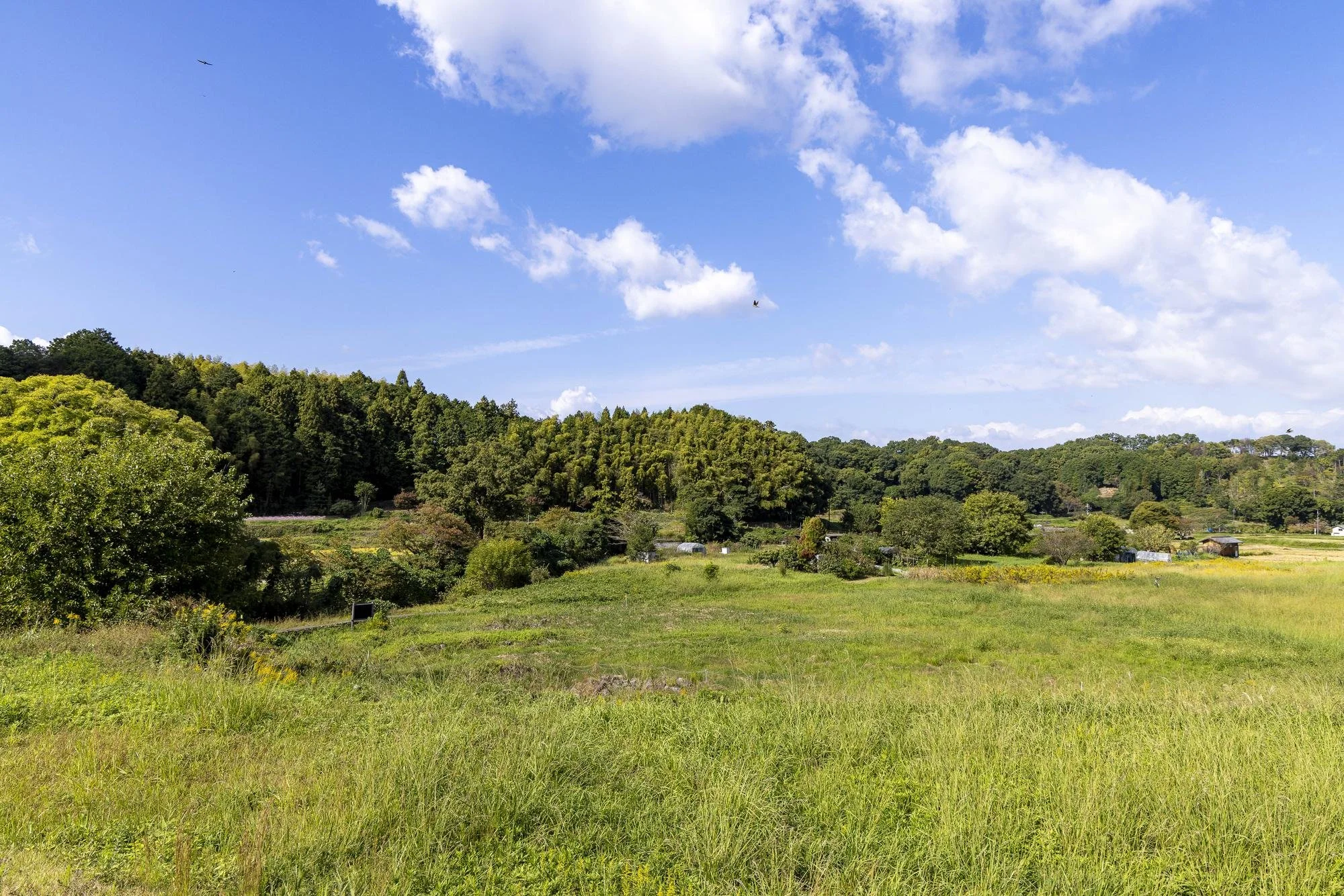
Asuka Pond Garden Site|飛鳥京跡苑池
Beneath the quiet countryside of Asuka Village lies one of Japan’s most extraordinary archaeological finds: the Asuka Pond Garden Site a meticulously designed imperial garden dating back to the…
-
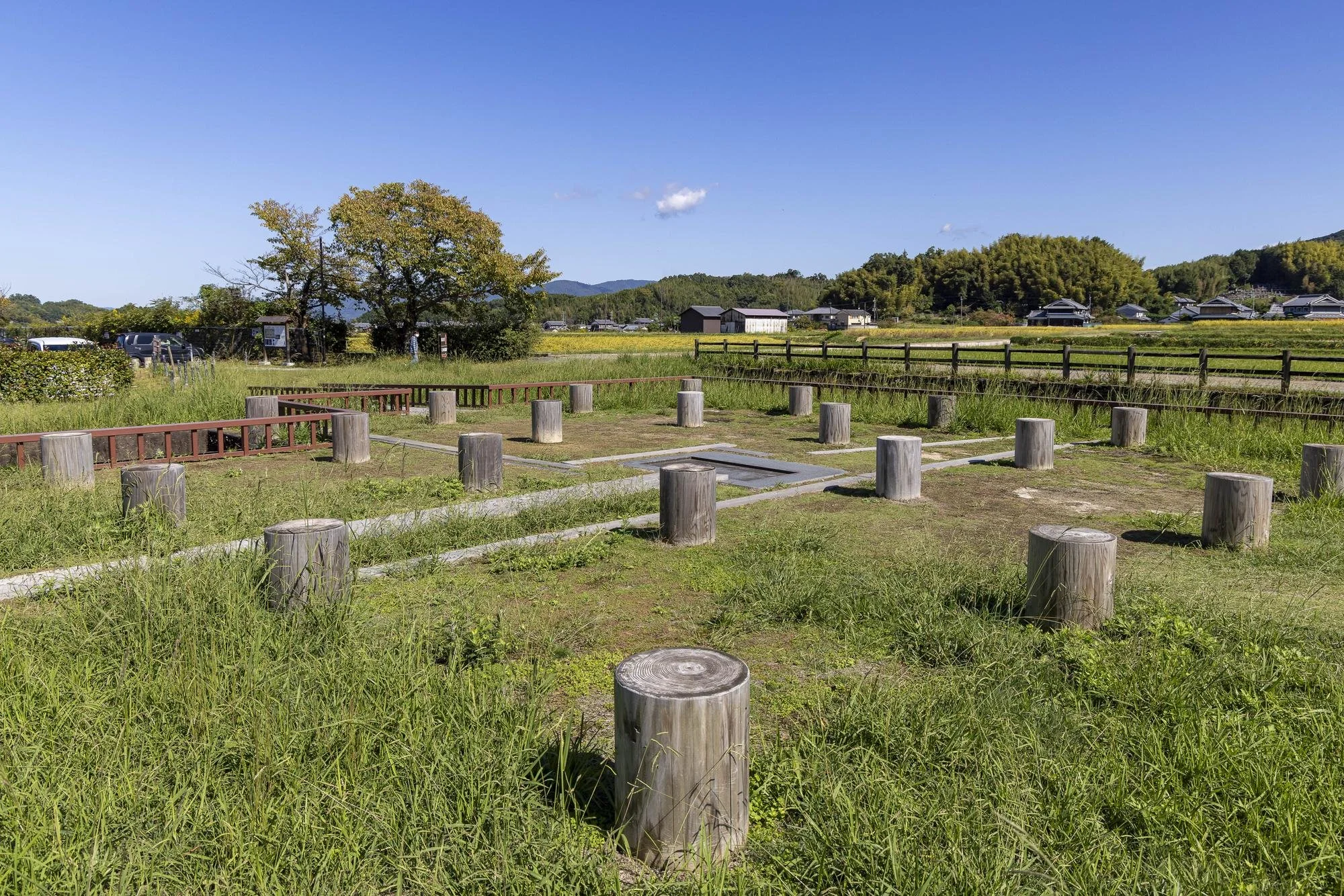
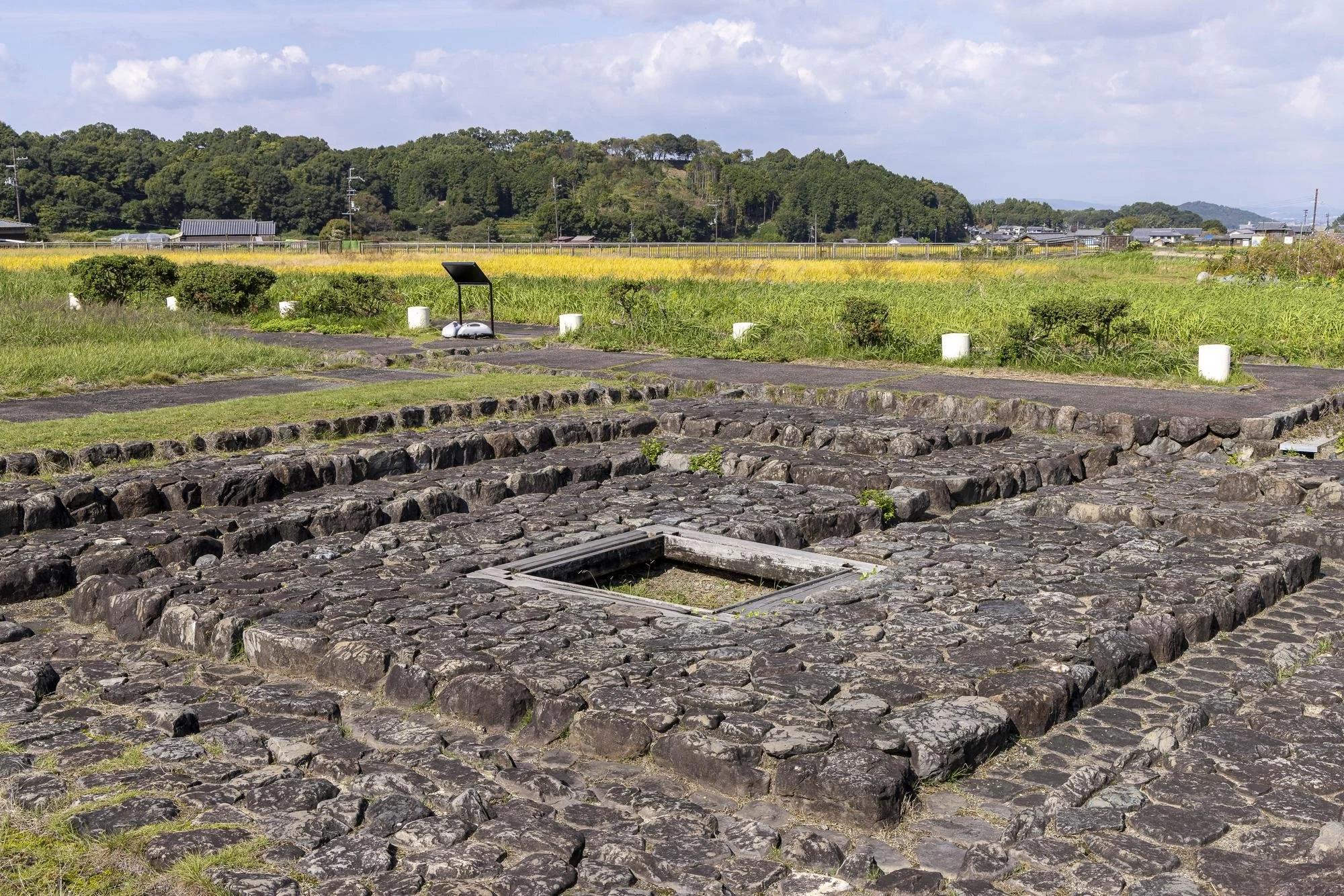
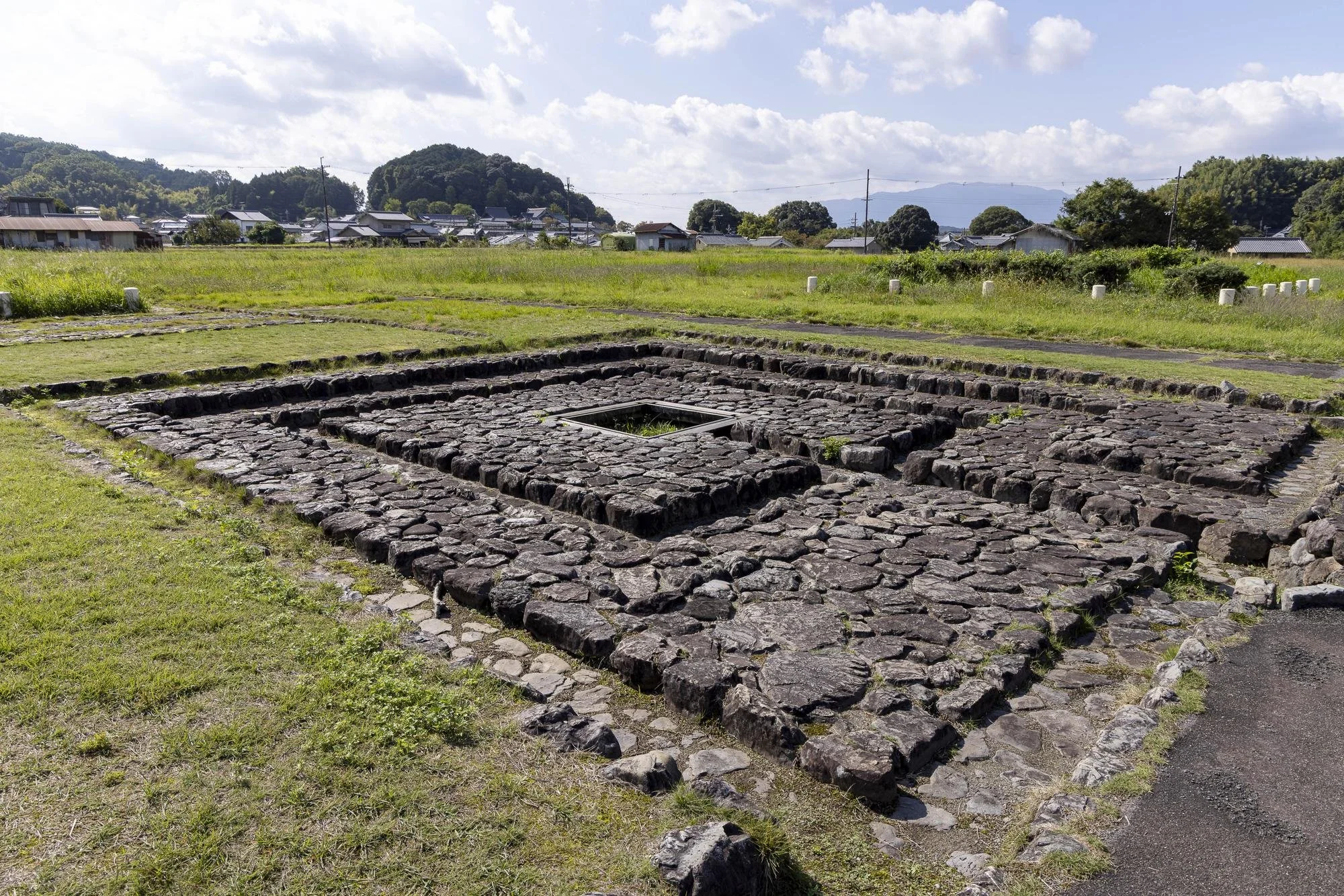
Asuka Water Clock Site|飛鳥水落遺跡
Tucked away in the historical heart of Asuka Village, the Asuka Water Clock Site is a hidden gem of ancient Japanese innovation. Dating back to 660 AD, this archaeological site preserves the remains of…
-
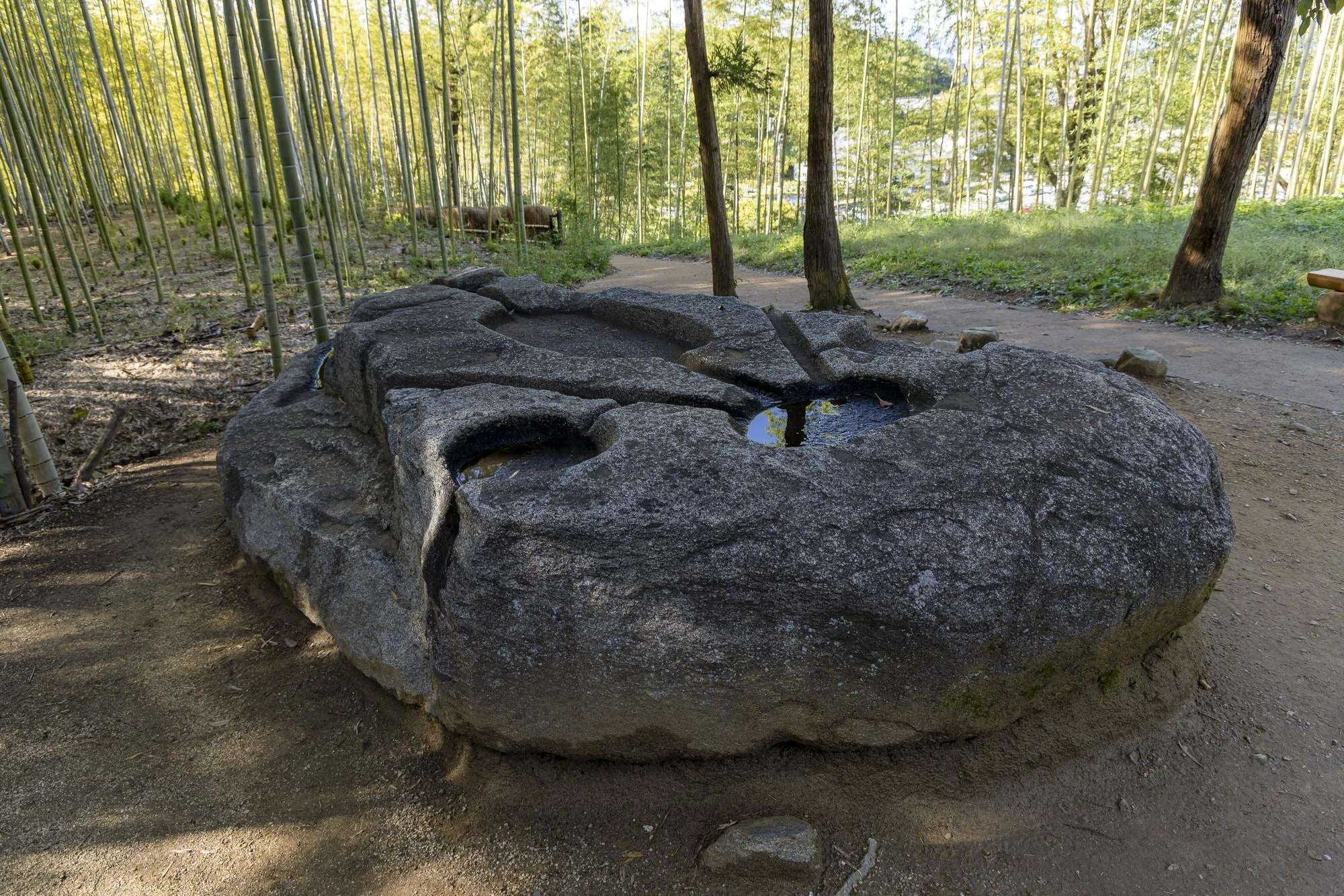
Sakafuneishi Ritual Site|酒船石遺跡
Hidden among the wooded hills of Asuka Village lies one of Japan’s most intriguing archaeological enigmas — Sakafuneishi, or the "Sake Ship Stone." Carved from a single massive boulder,…
-
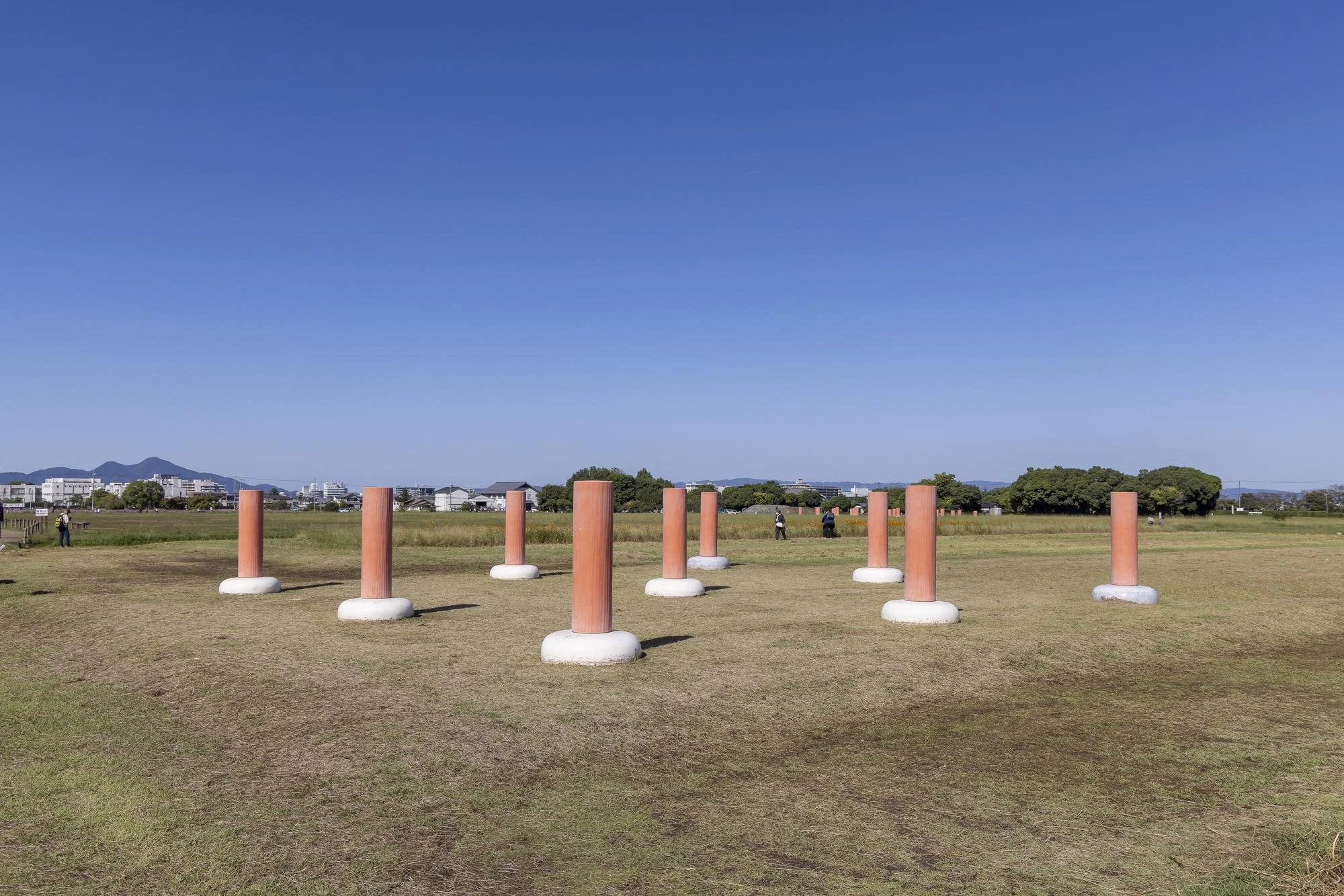
Fujiwara Palace Site|藤原宮跡
Long before Kyoto and Nara, Japan’s imperial court once stood here—at the Fujiwara Palace, the first full-scale capital city built on a grid plan modeled after Chinese cities. Established in 694 CE during…
-
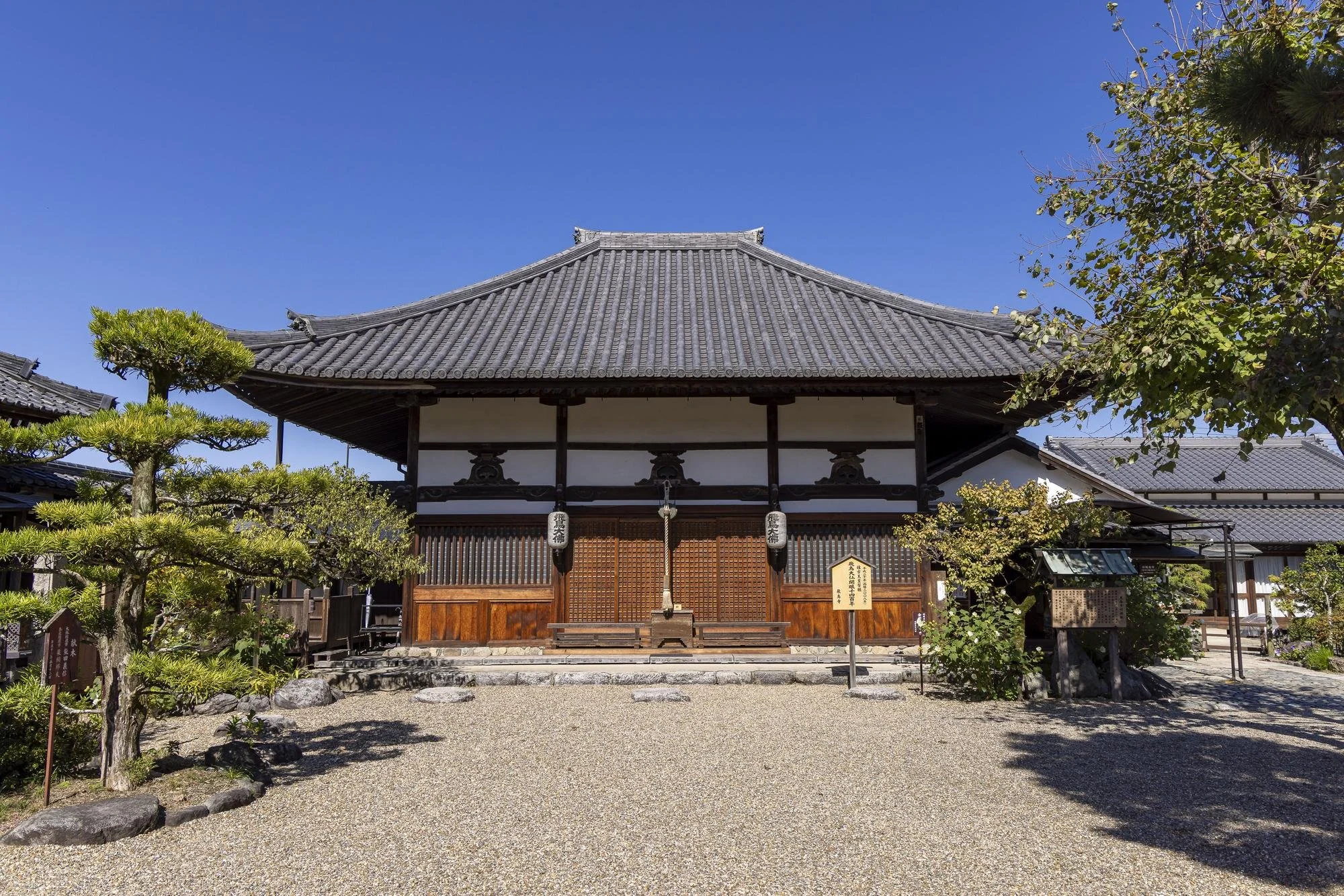
Asuka-dera Temple Site|飛鳥寺跡
Nestled in the quiet countryside of Asuka Village, Nara, Asuka-dera is more than just a temple—it’s the cradle of Japanese Buddhism. Founded in the late 6th century by the powerful Soga clan, it holds the
-
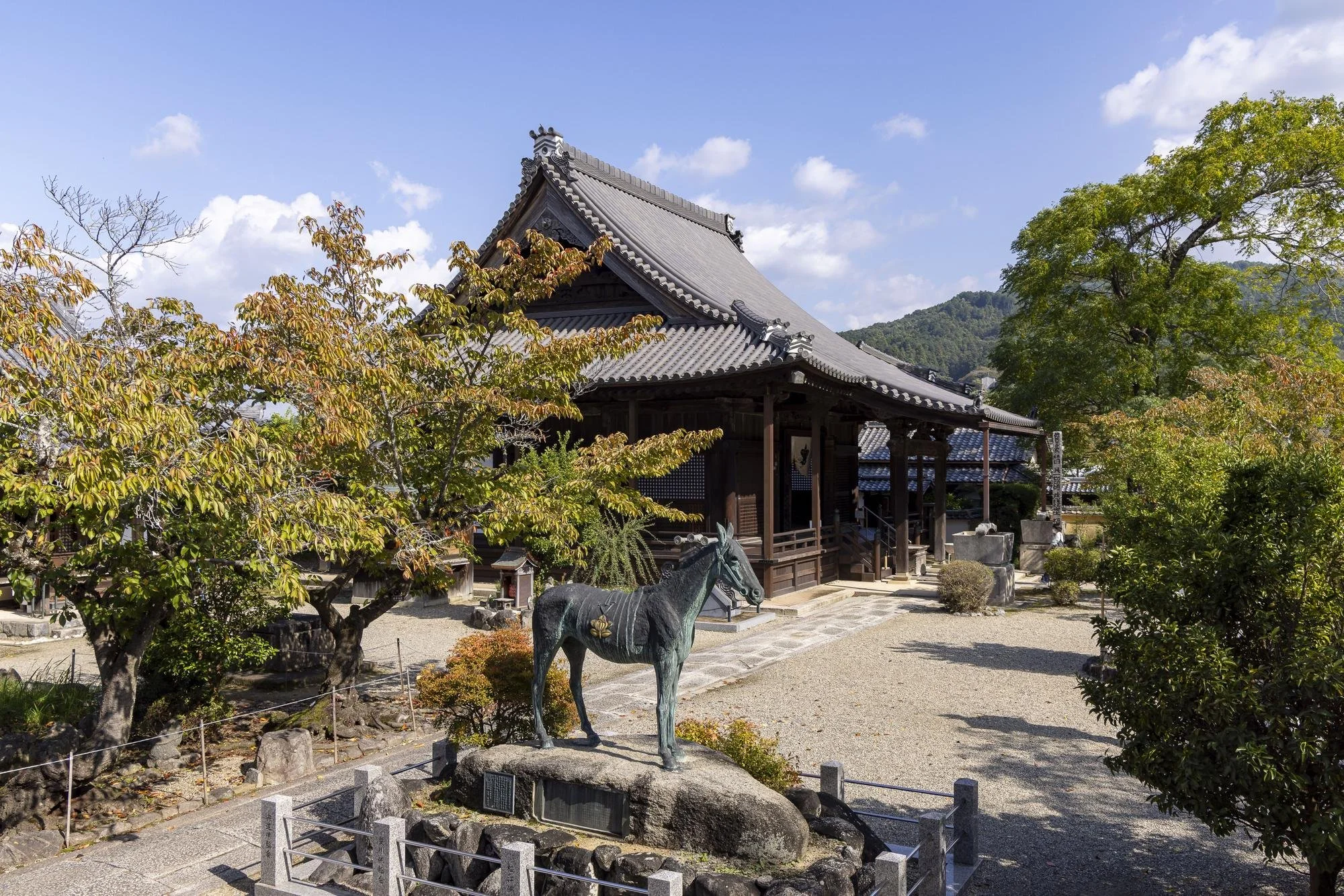
Tachibana-dera Temple Site|橘寺跡
Tucked away in the peaceful landscape of Asuka Village, Tachibana-dera stands as one of Japan’s most historically significant temples. Believed to be the birthplace of Prince Shōtoku—a legendary figure who…
-
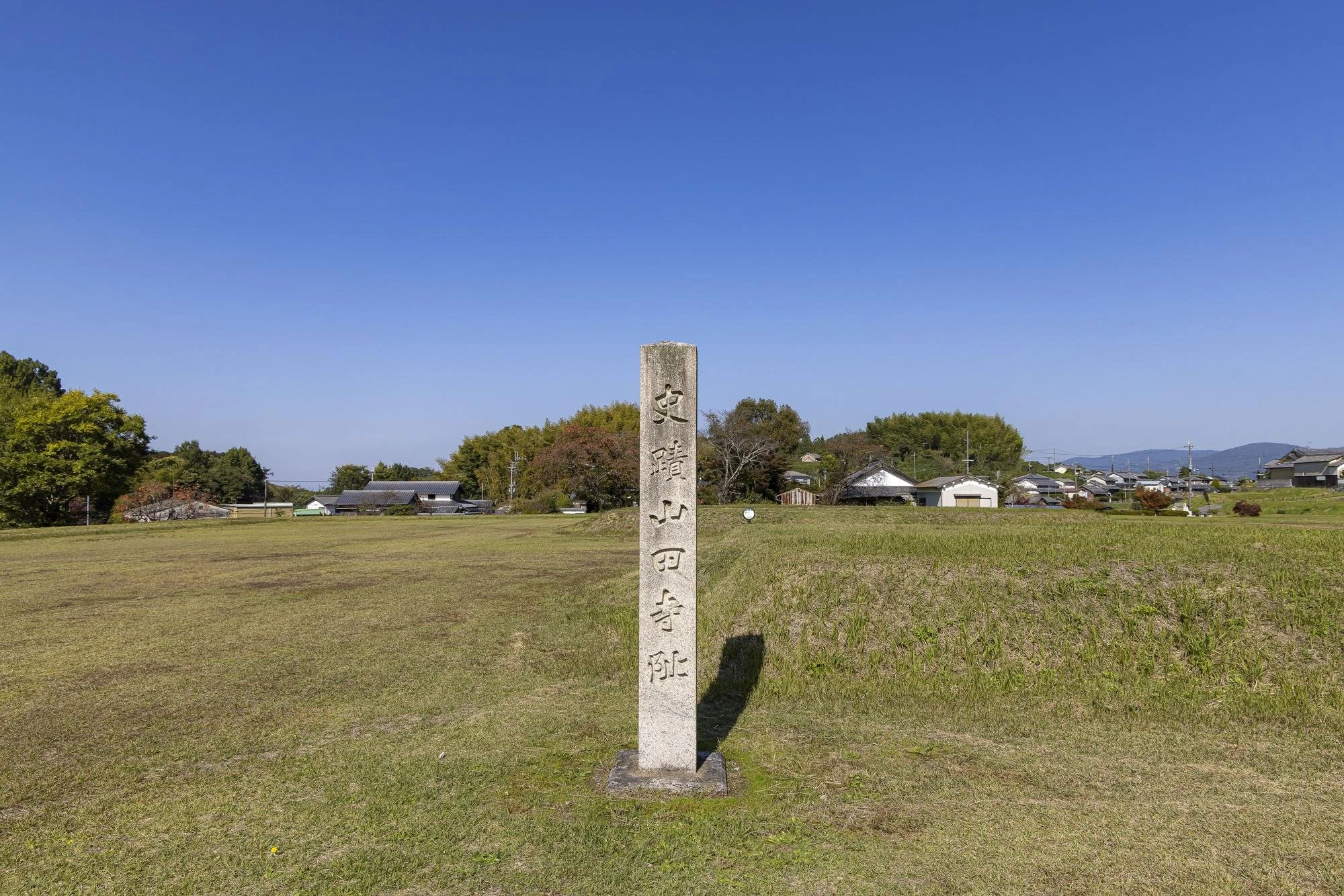
Yamada-dera Temple Site|山田寺跡
Hidden in the peaceful countryside of Asuka, the Yamada-dera Temple Ruins offer a rare glimpse into the architectural and political ambitions of Japan’s Asuka Period. Founded in 641 AD by Soga no Kurayamada no Ishikawa no Maro…
-
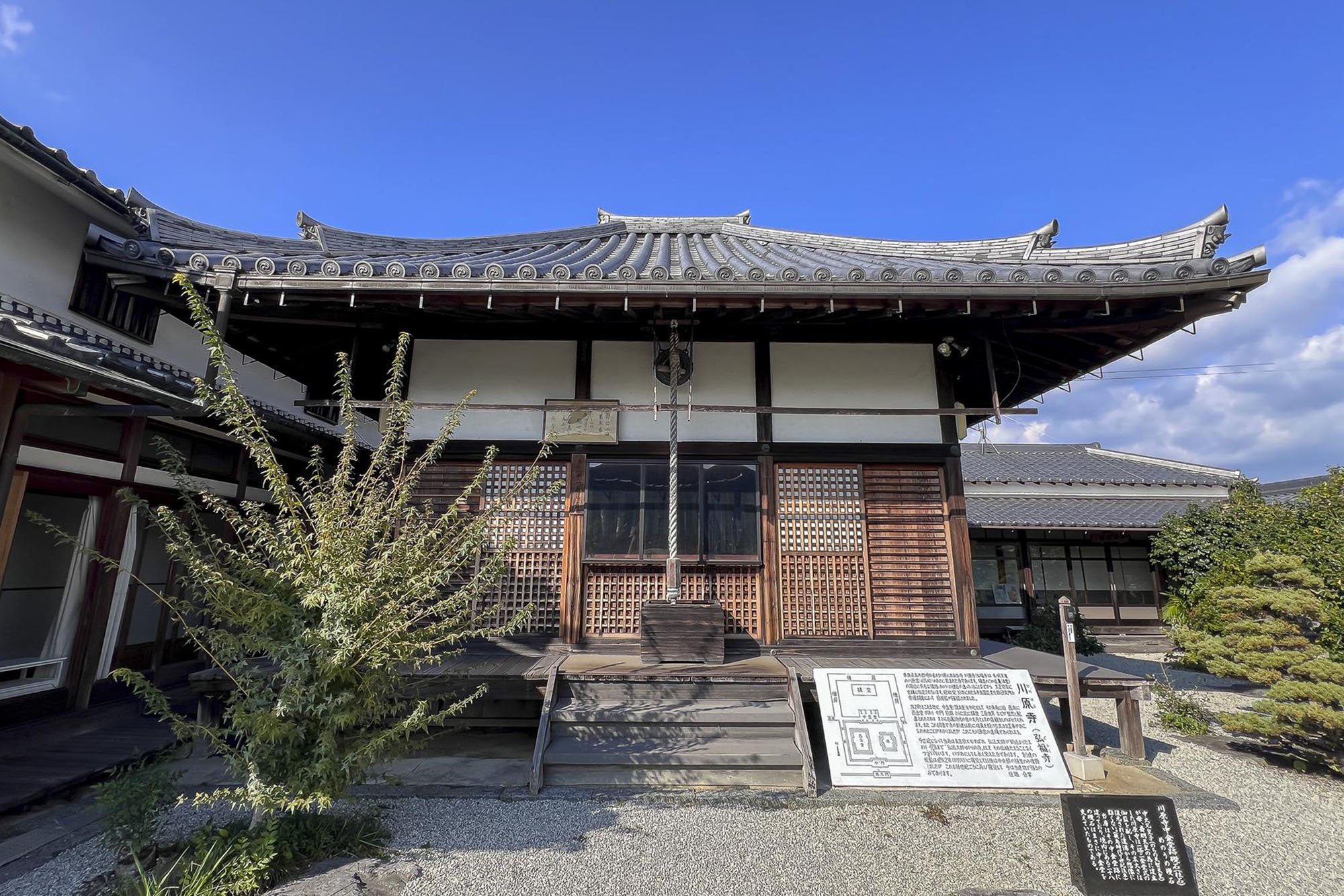
Kawara-dera Temple Site|川原寺跡
Tucked away in the serene landscape of Asuka Village in Nara Prefecture, Kawara-dera may not be as well-known as Asuka-dera or Hōryū-ji—but in ancient Japan, it was one of the largest and most influential Buddhist temples…
-
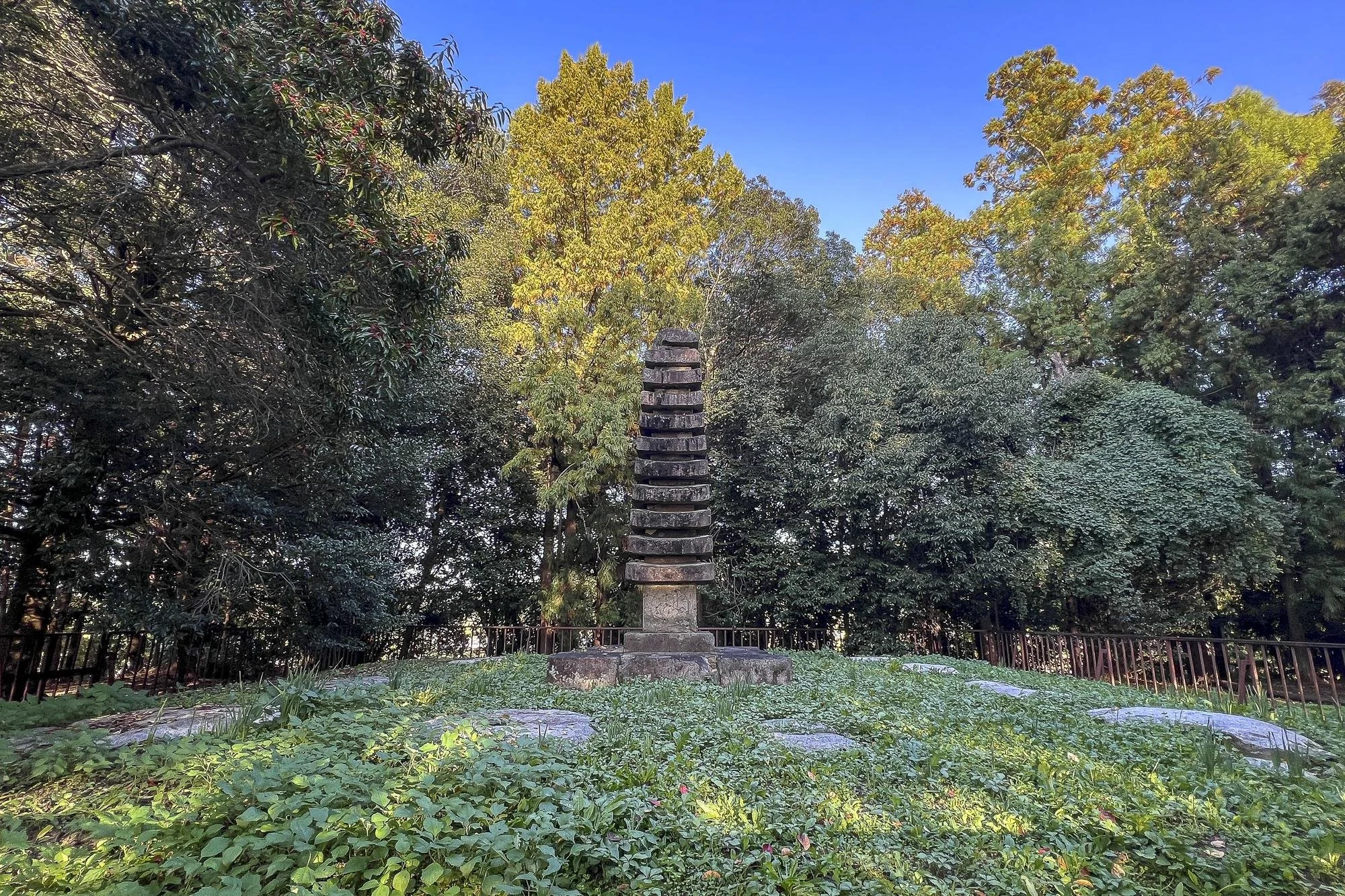
Hinokuma-dera Temple Site|檜隈寺跡
Tucked quietly in the scenic hills of Asuka Village, the Hinokuma-dera Temple Site may be little-known today, but it once stood at the crossroads of faith, power, and imperial legacy in ancient Japan. Believed to have been founded…
-
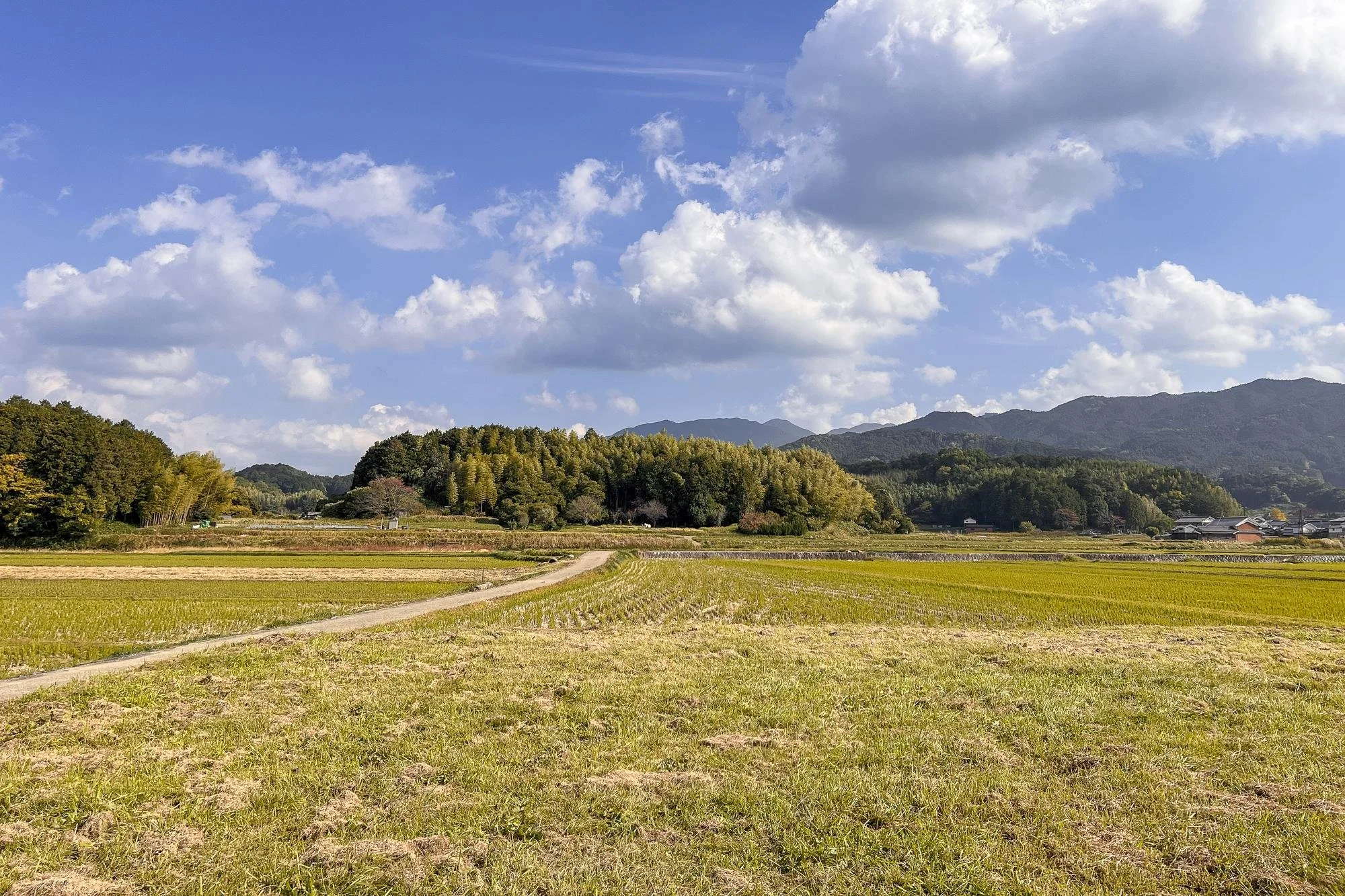
Daikandaiji Temple Site|大官大寺跡
Long before Nara became the ancient capital, the Daikandaiji Temple stood as a powerful symbol of the fusion between politics and Buddhism in 7th-century Japan. Originally known as Ōtera (“Great Temple”), this vast complex was established under the…
-
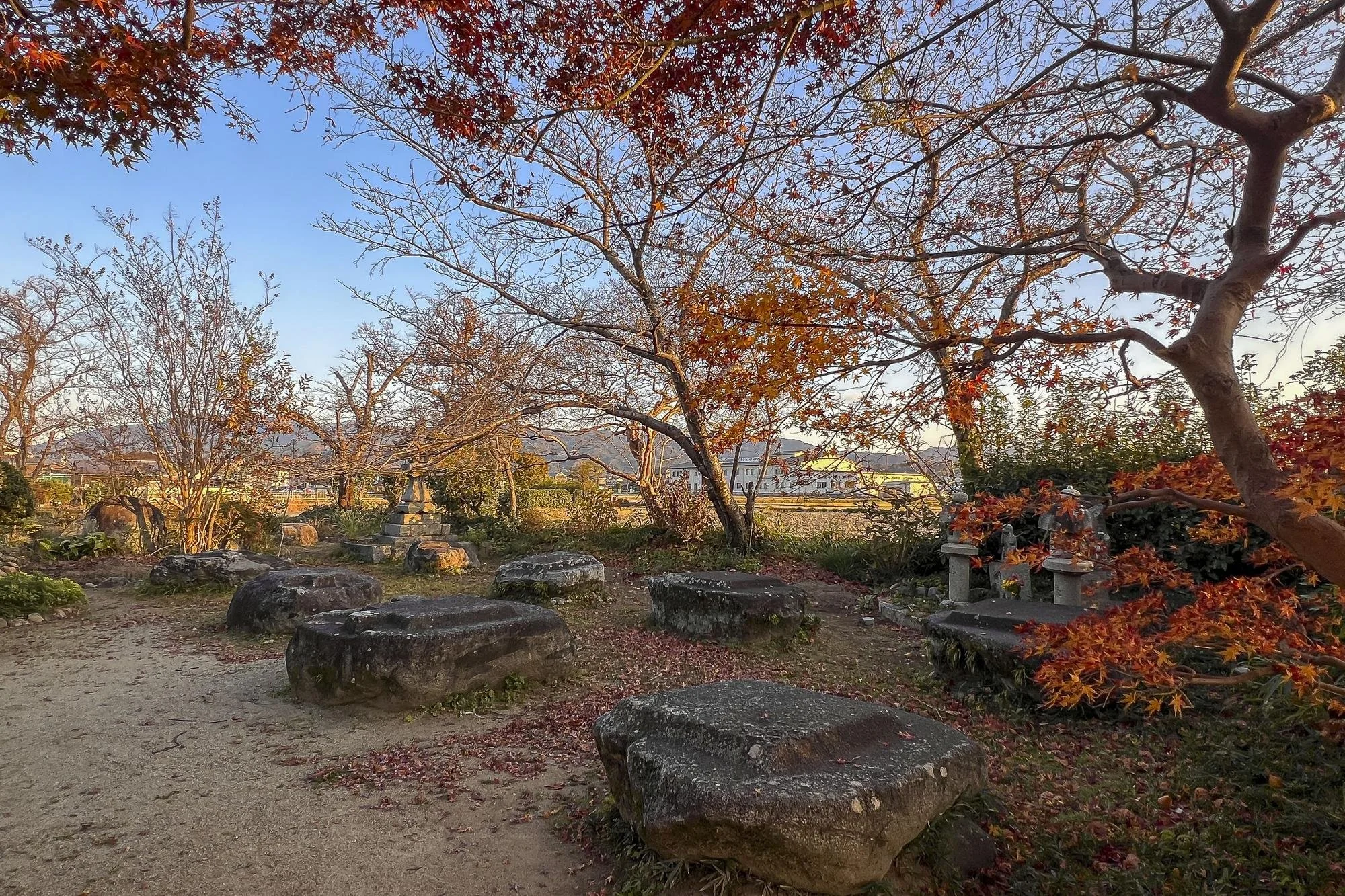
Motoyakushiji Temple Site|本薬師寺跡
Once a grand monument of faith and power in the late 7th century, the Motoyakushiji Temple was commissioned by Emperor Tenmu in 680 CE as a prayer for the recovery of his ill empress. Built in the ancient capital of…
-
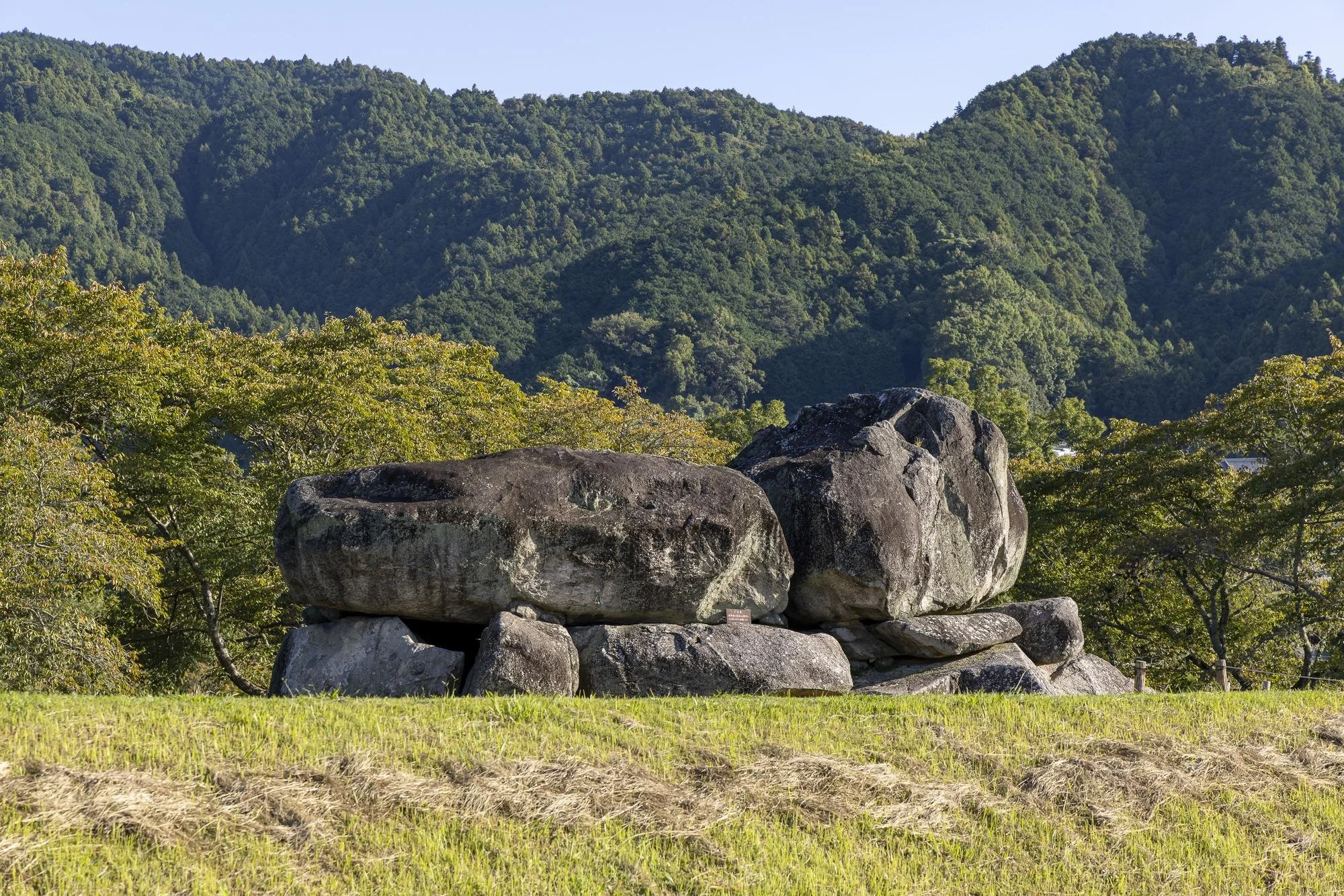
Ishibutai Mounded Tomb|石舞台古墳
Hidden among the quiet hills and rice fields of Asuka Village in Nara, the Ishibutai Kofun is a massive stone tomb that sparks the imagination. Believed to be the burial site of Soga no Umako—a powerful statesman who played a …
-
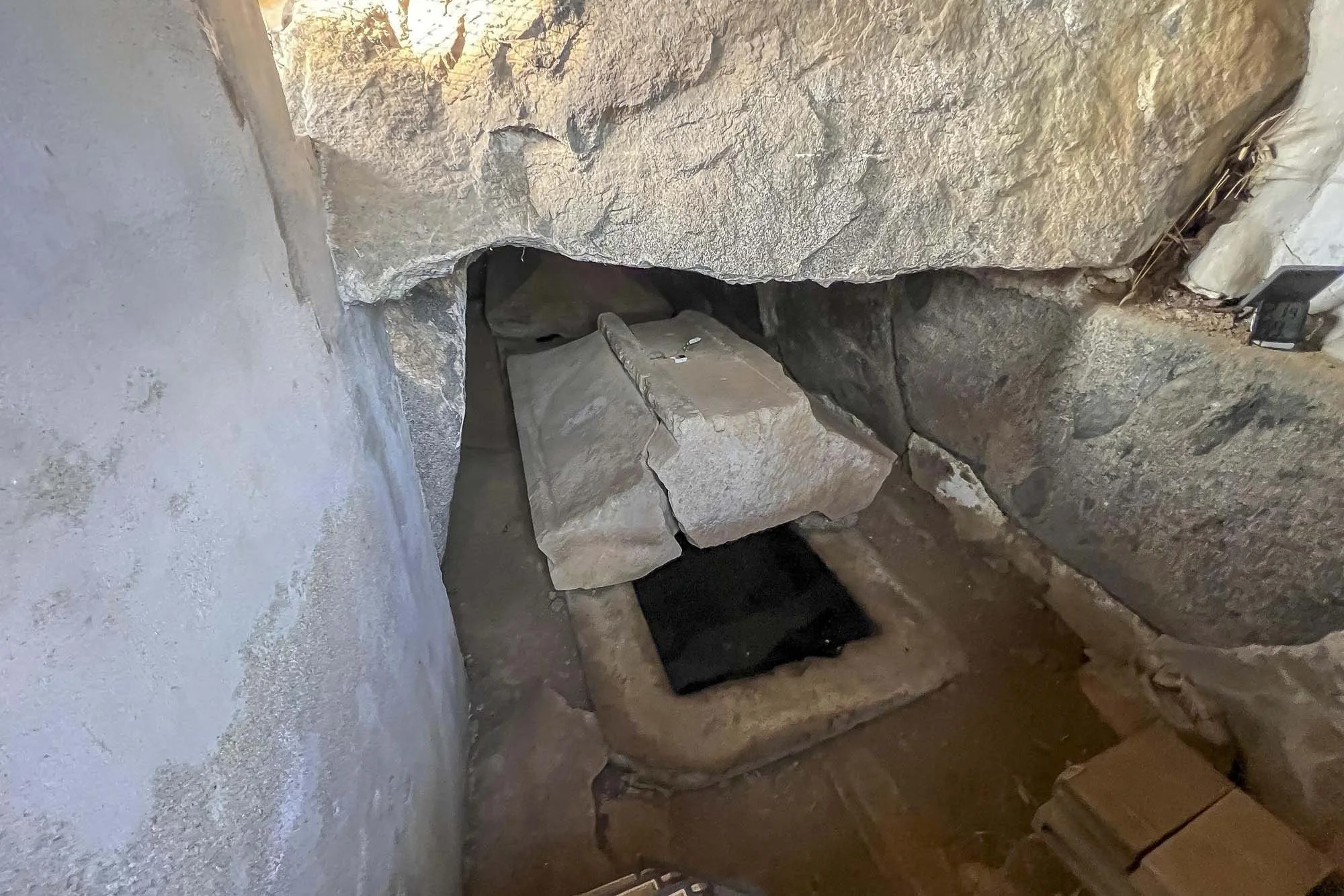
Shobuike Mounded Tomb|菖蒲池古墳
Tucked away in the tranquil landscape of Asuka, the Shobuike Mounded Tomb is a lesser-known but historically significant burial site dating back to the late 7th century—a time of political transformation and consolidation in Japan…
-
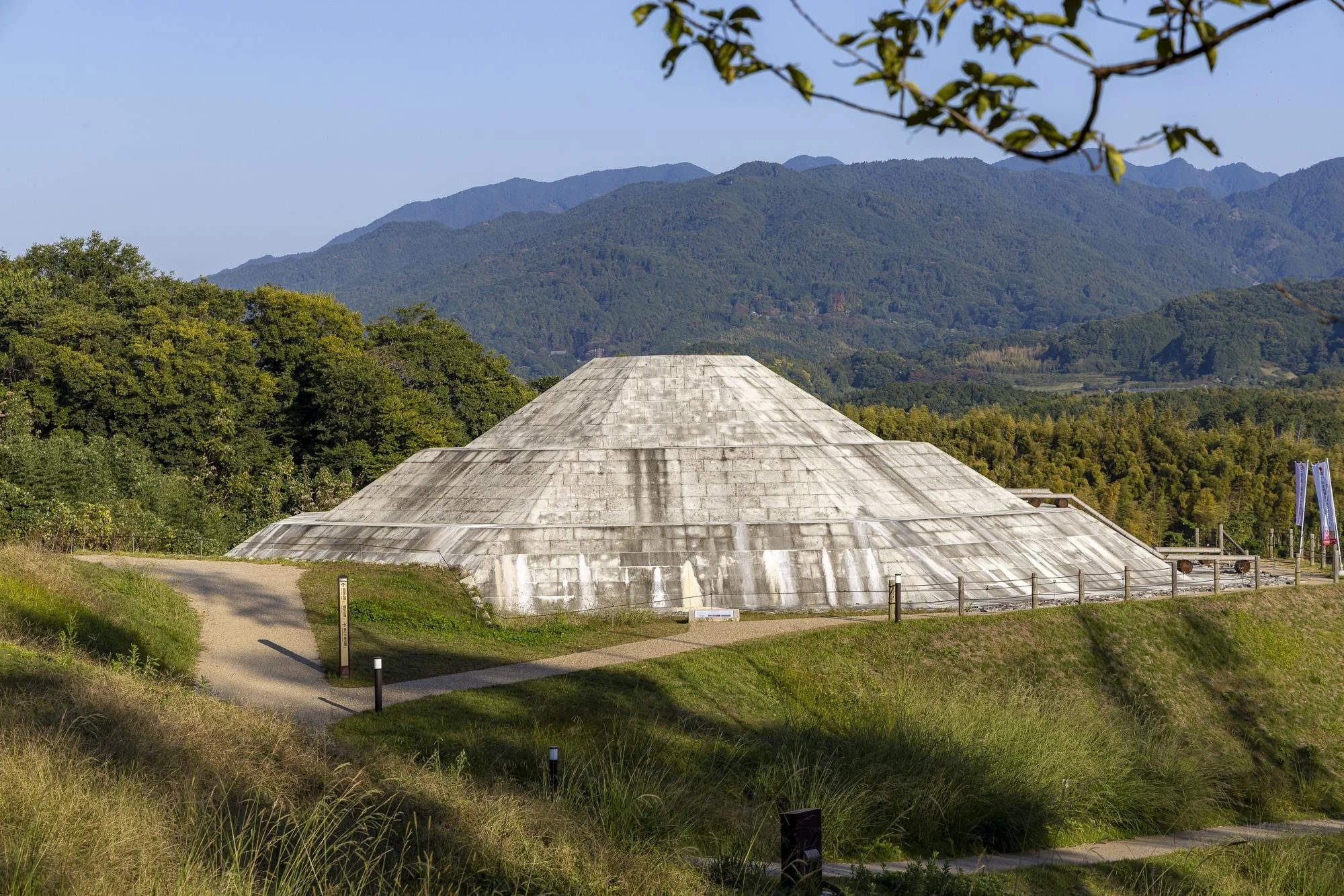
Kengoshizuka Mounded Tomb|牽牛子塚古墳
Located in the historic heart of Asuka Village, the Kengoshizuka Mounded Tomb is a uniquely shaped octagonal burial mound dating back to the mid-7th century. This rare form, combined with its scale and sophisticated stone chamber…
-
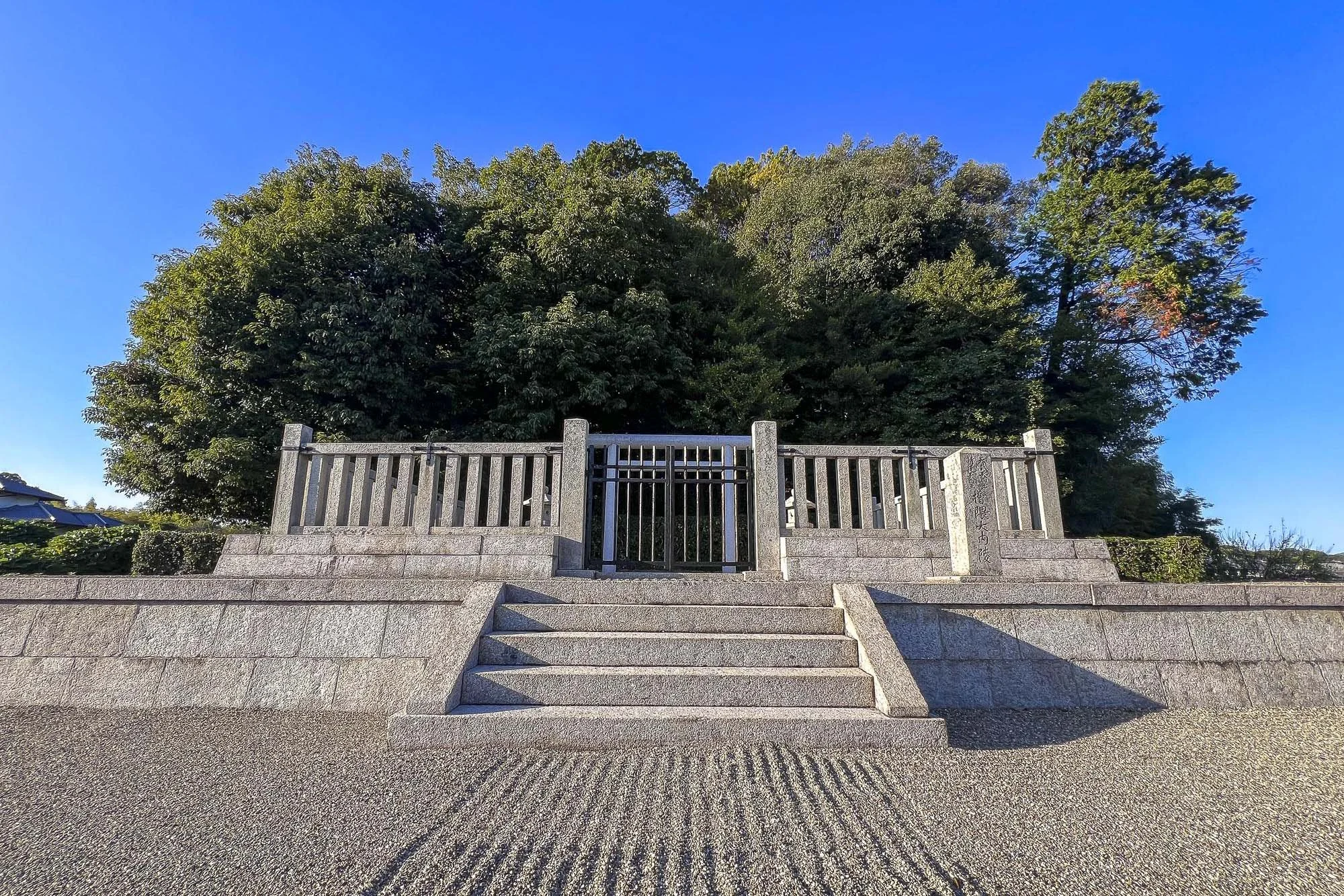
Mounded Tomb of Emperor Temmu and Empress Jito|天武・持統天皇陵古墳/ Tour #4, 9
Nestled in the peaceful landscape of Asuka, Nara, the joint tomb of Emperor Temmu (r. 673–686) and Empress Jitō (r. 686–697) marks the burial site of one of ancient Japan’s most powerful imperial couples. Emperor Temmu was…
-
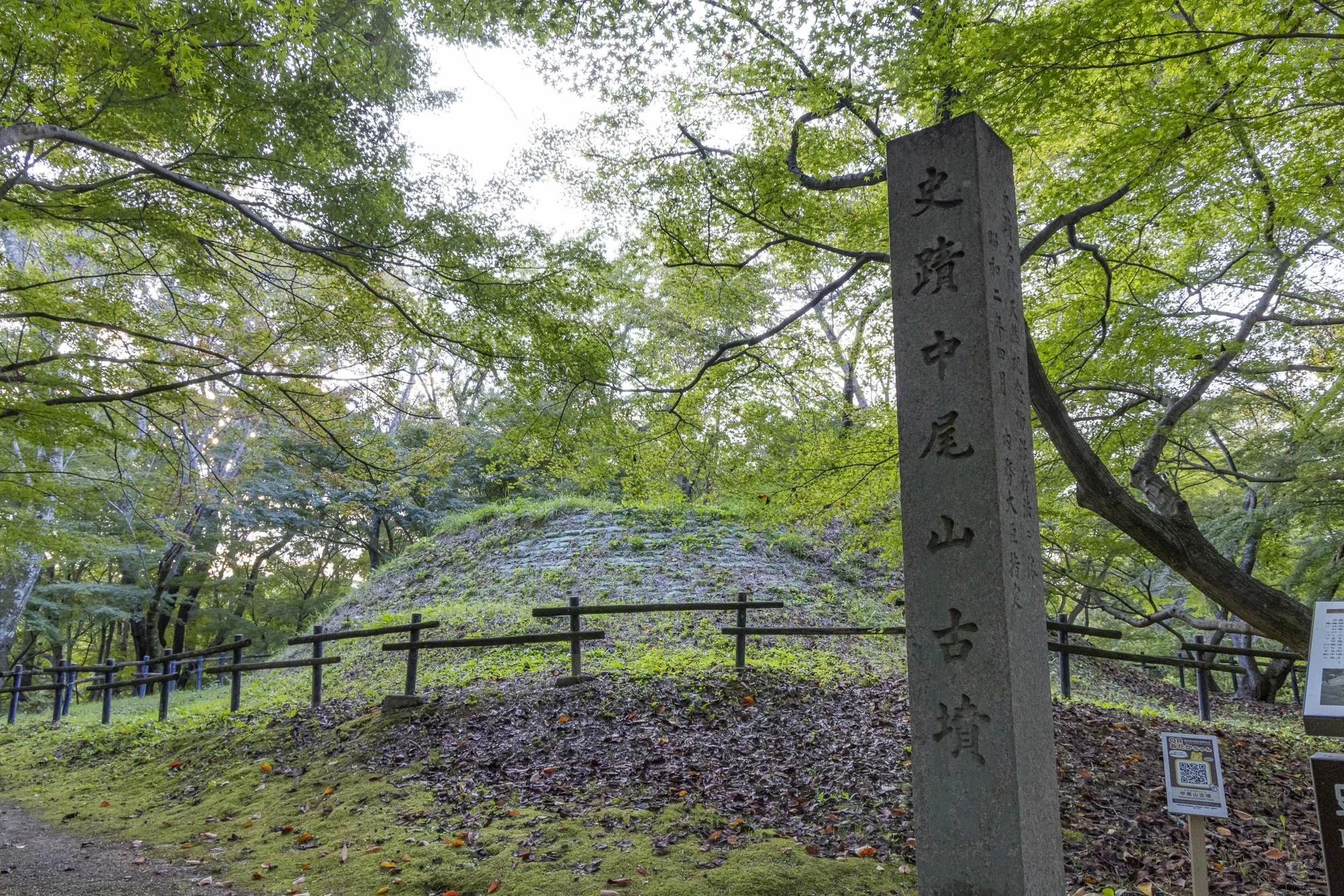
Nakaoyama Mounded Tomb|中尾山古墳
Tucked away in the quiet countryside of Asuka, the Nakaoyama Mounded Tomb dates back to the late 7th century and is believed to be the possible burial site of Prince Ōtsu, the ill-fated son of Emperor Tenmu…
-
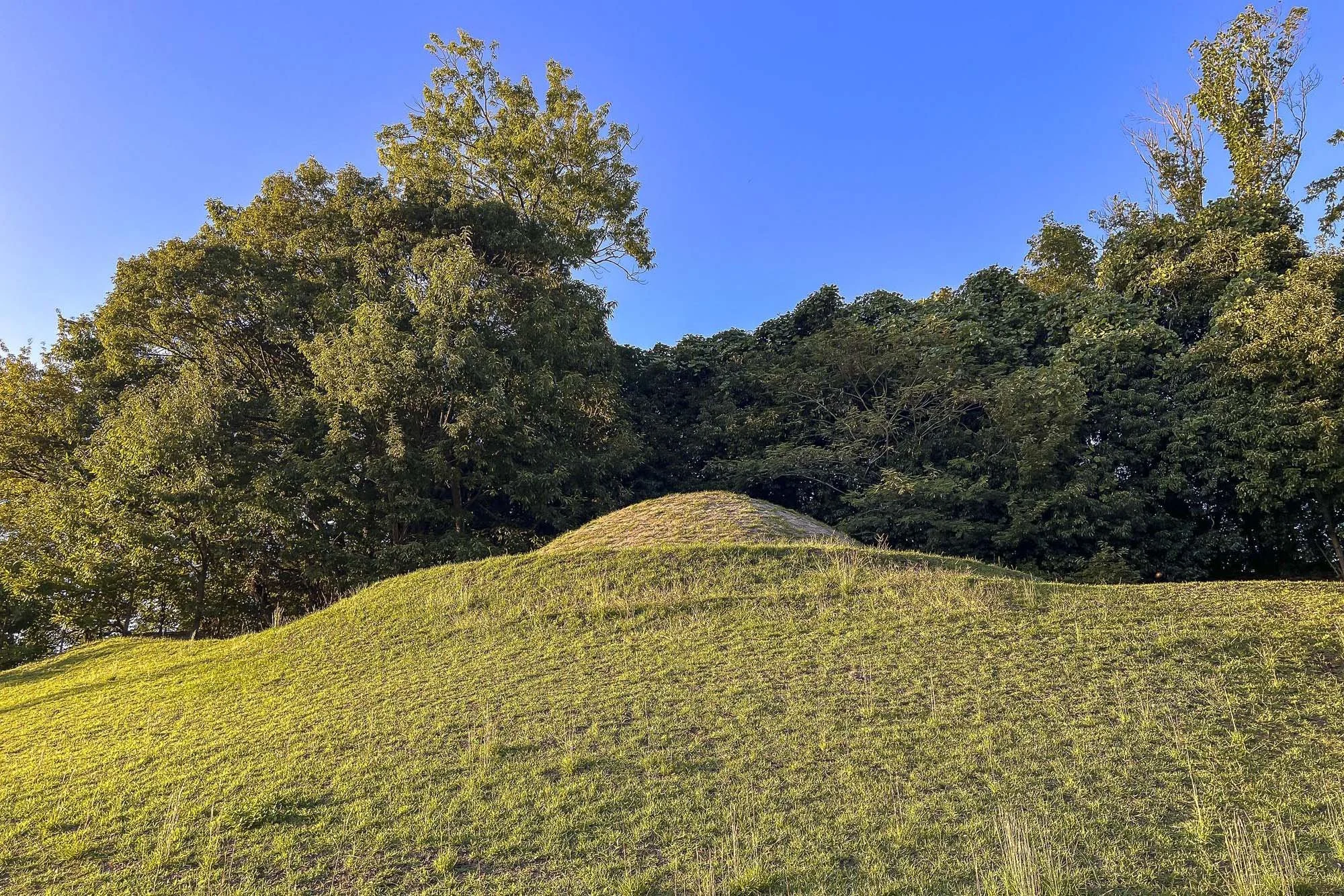
Kitora Mounded Tomb |キトラ古墳
Located in the serene hills of Asuka Village, the Kitora Tumulus is a 7th–8th century burial site famous for its celestial wall paintings and intricate astronomical knowledge. Discovered in 1983, this smaller but richly decorated tomb features…
-
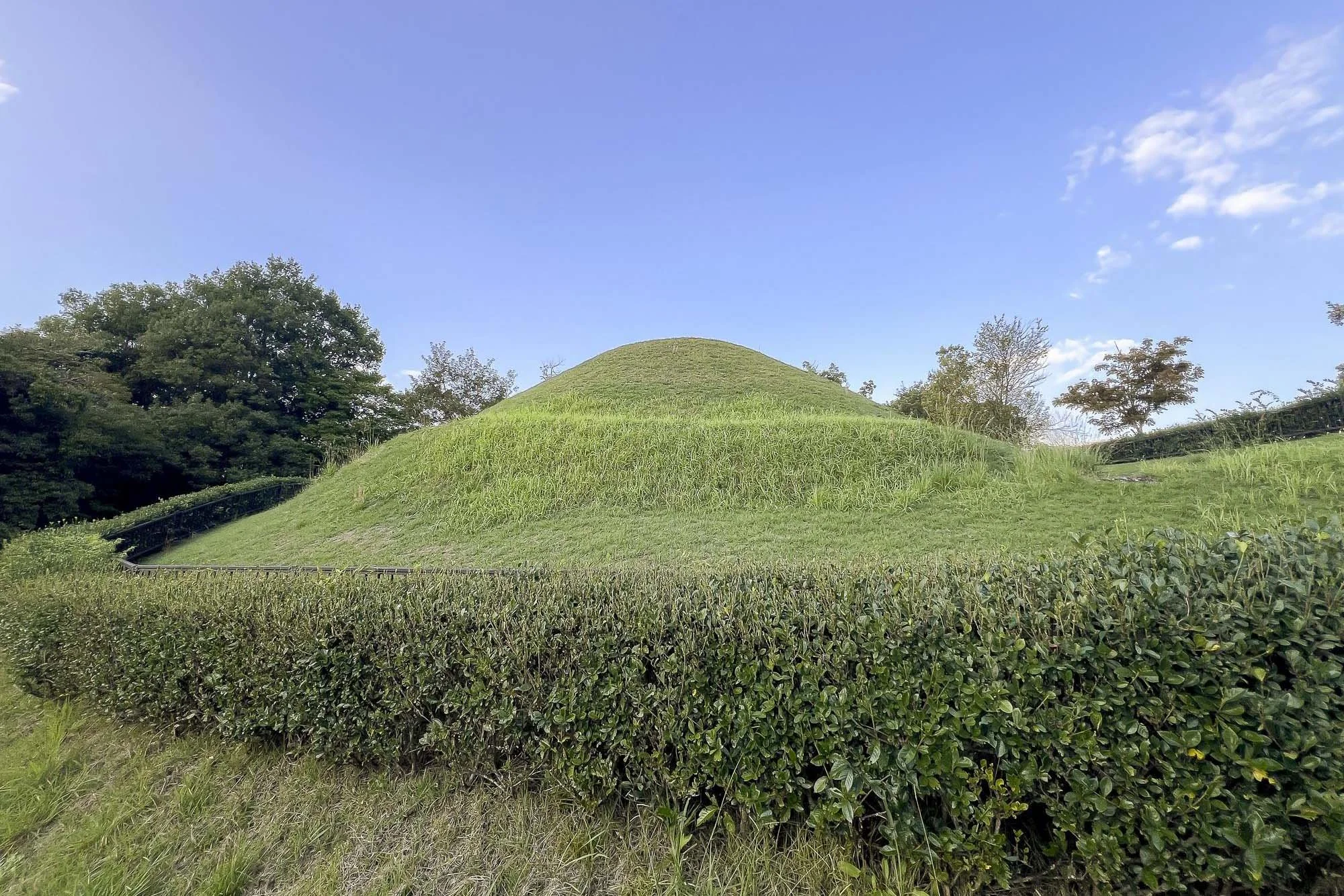
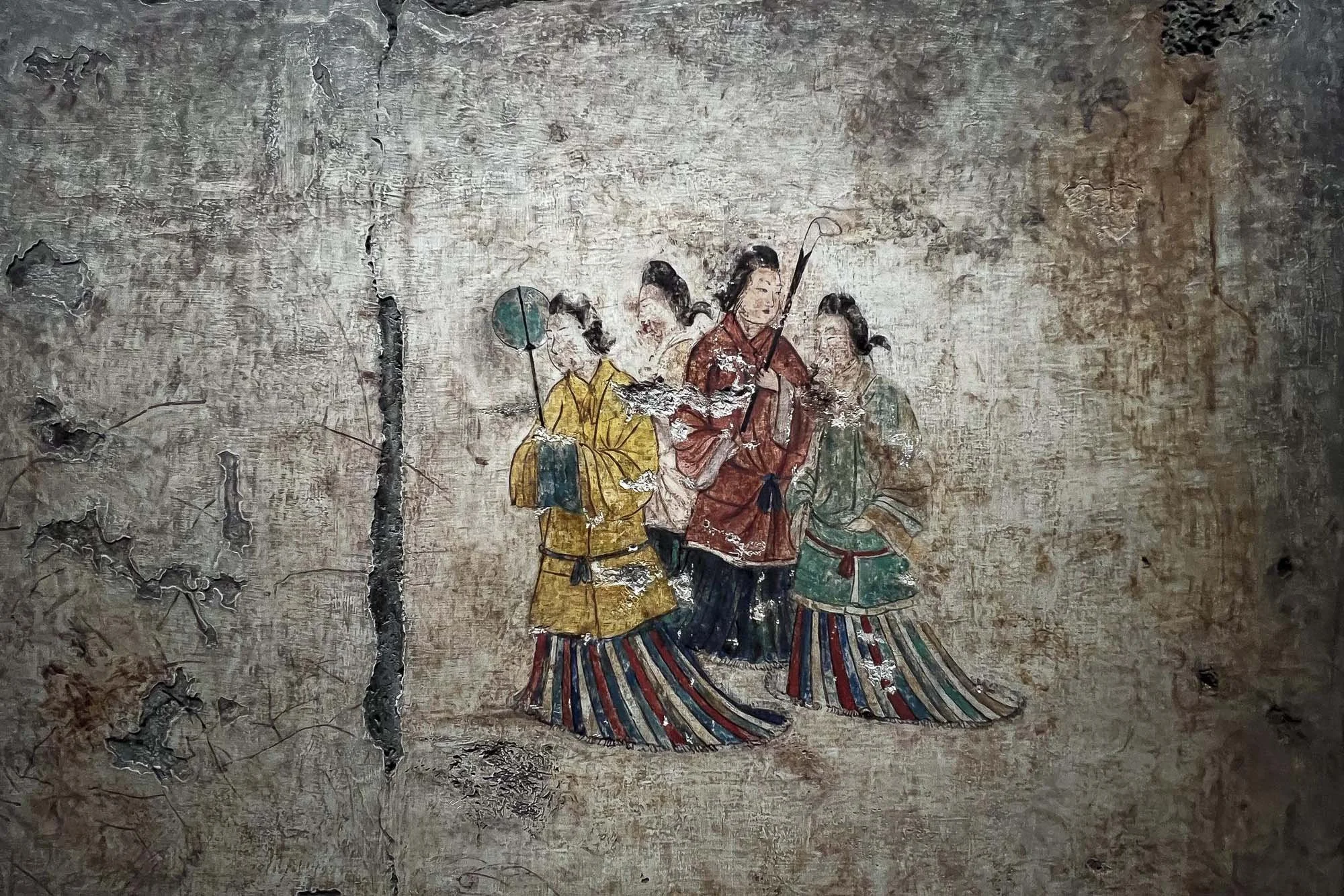
Takamatsuzuka Mounded Tomb|高松塚古墳
Nestled in the heart of Asuka Village, Takamatsuzuka Kofun is a small burial mound with a monumental legacy. Discovered in 1972, this 7th–8th century tomb stunned the world with its vividly preserved wall paintings…