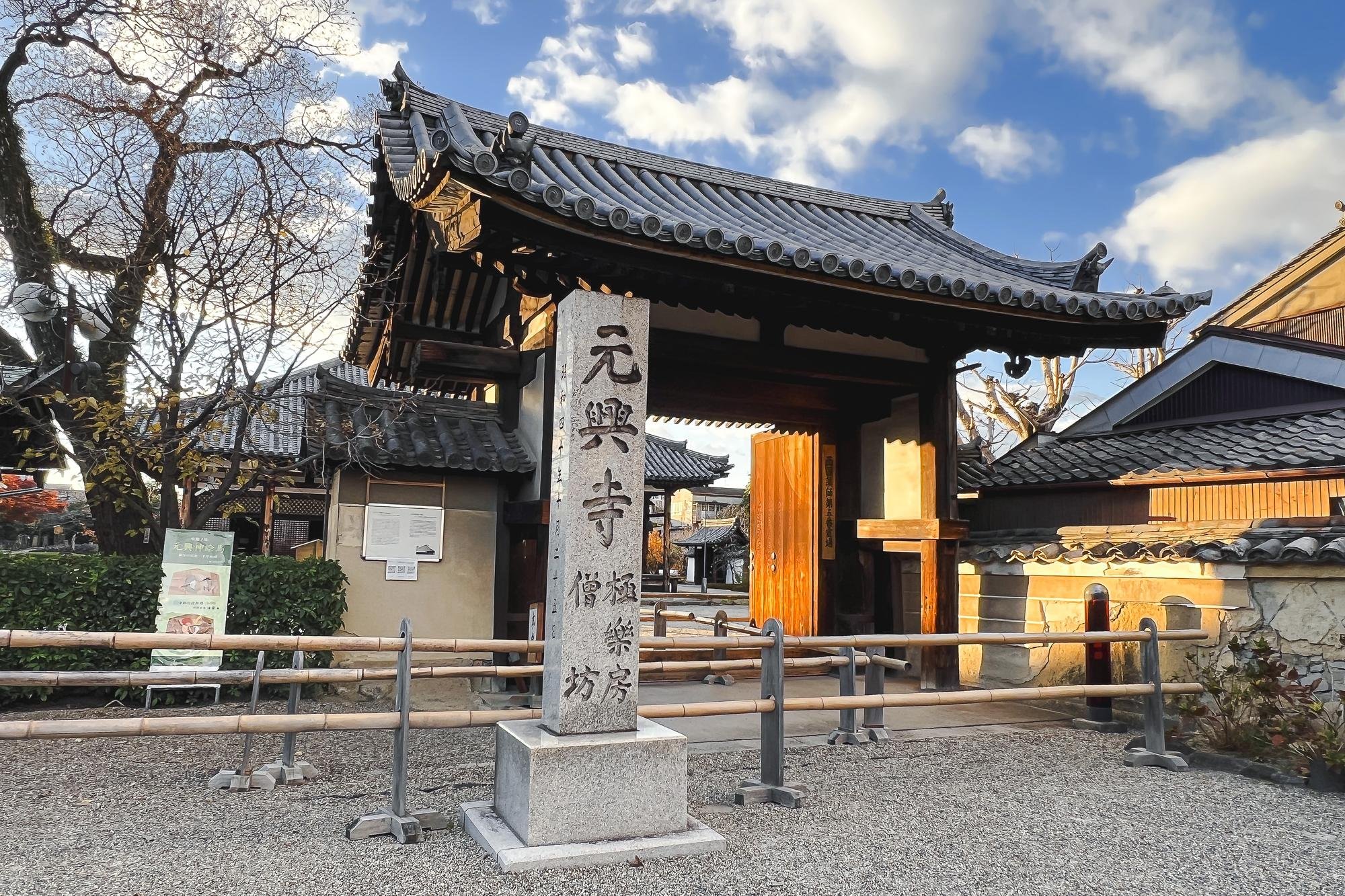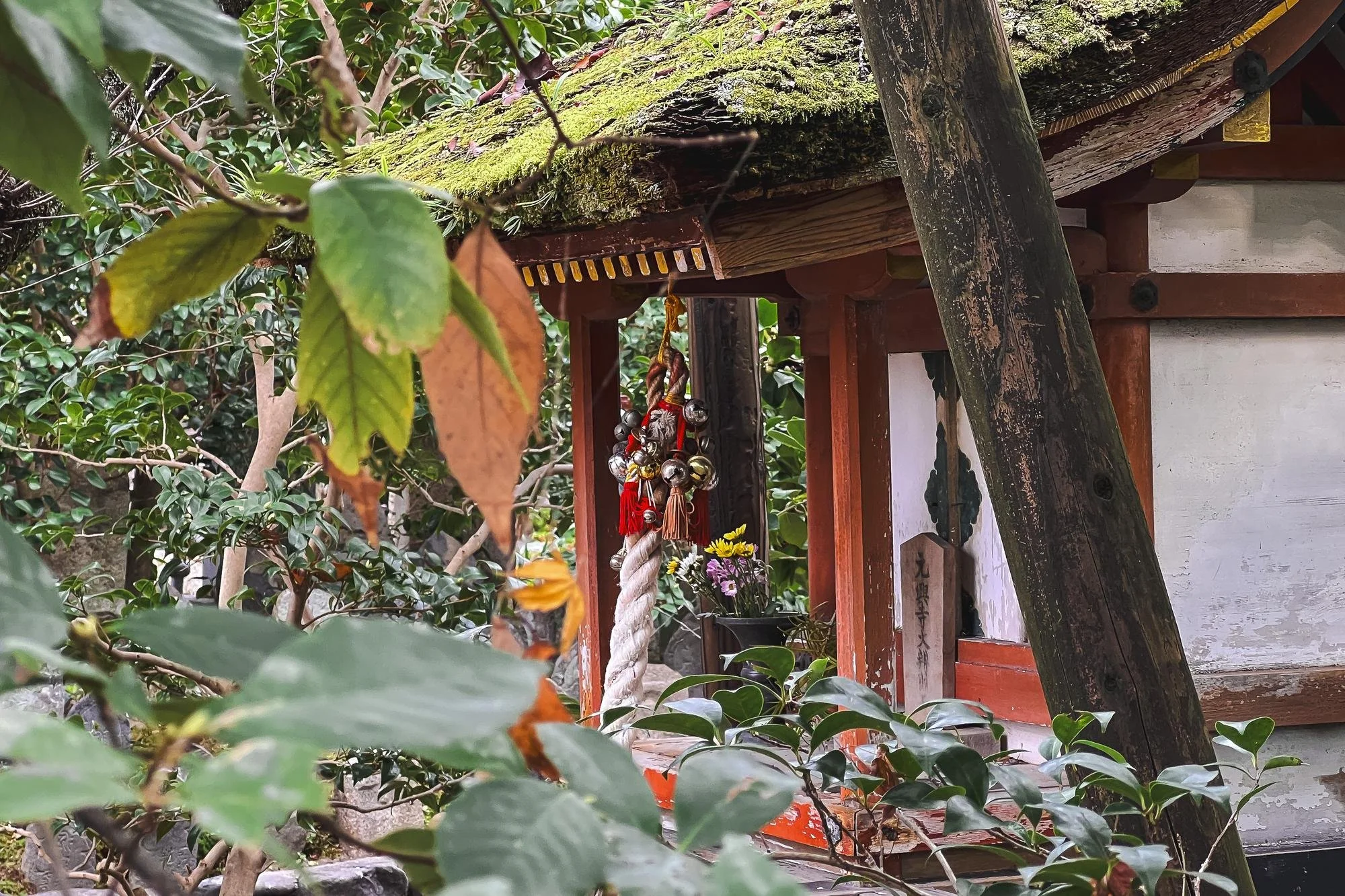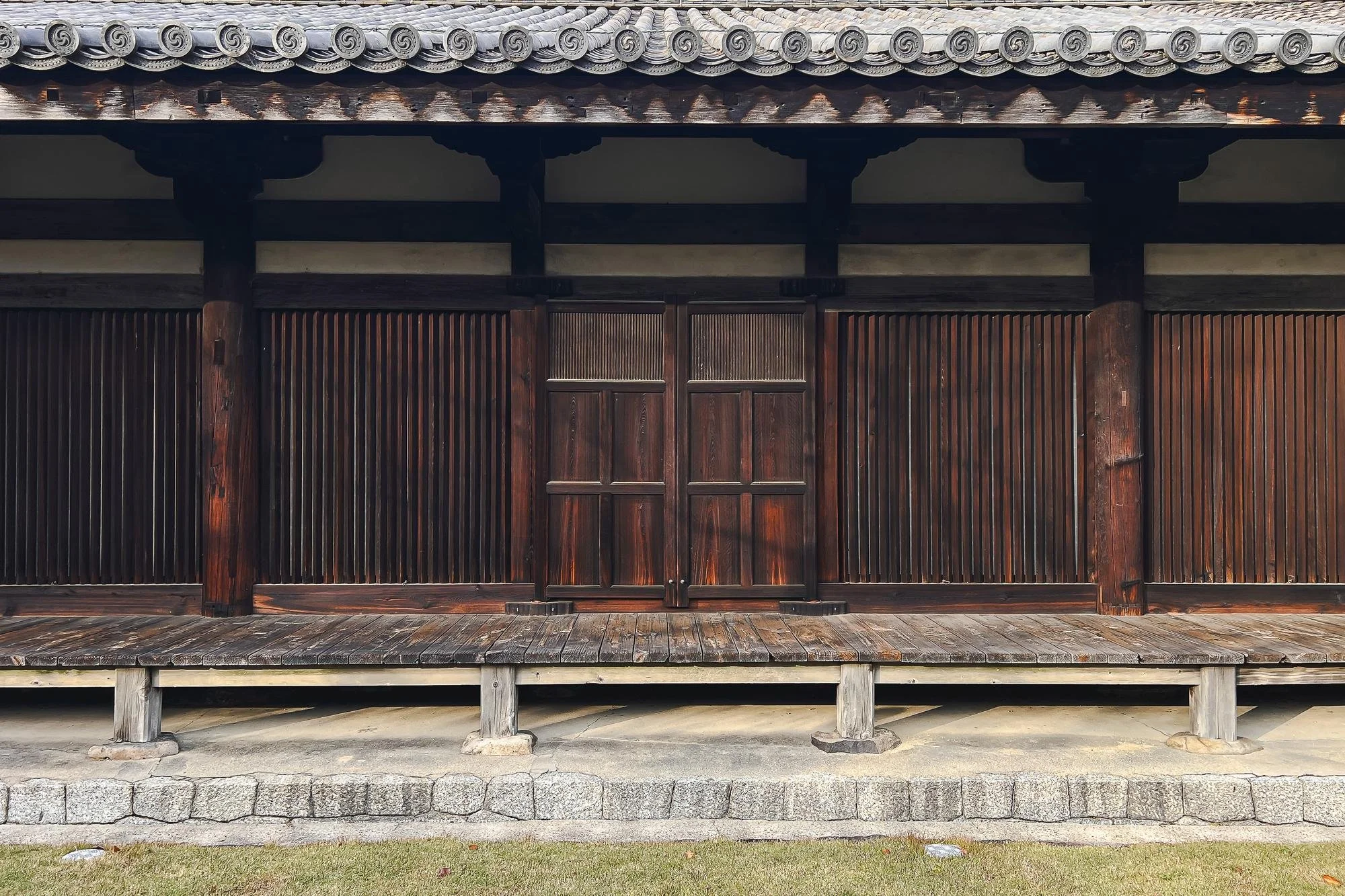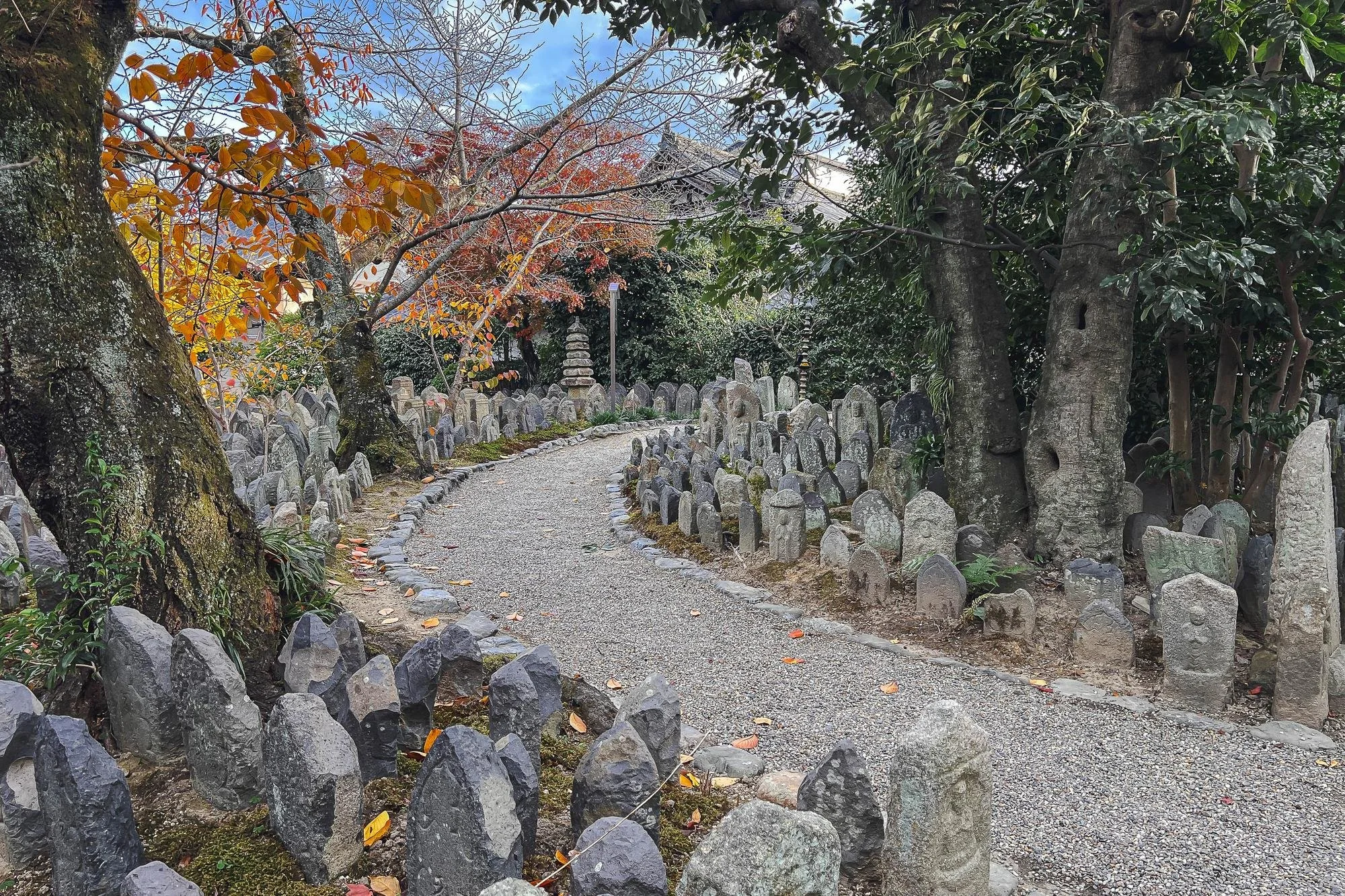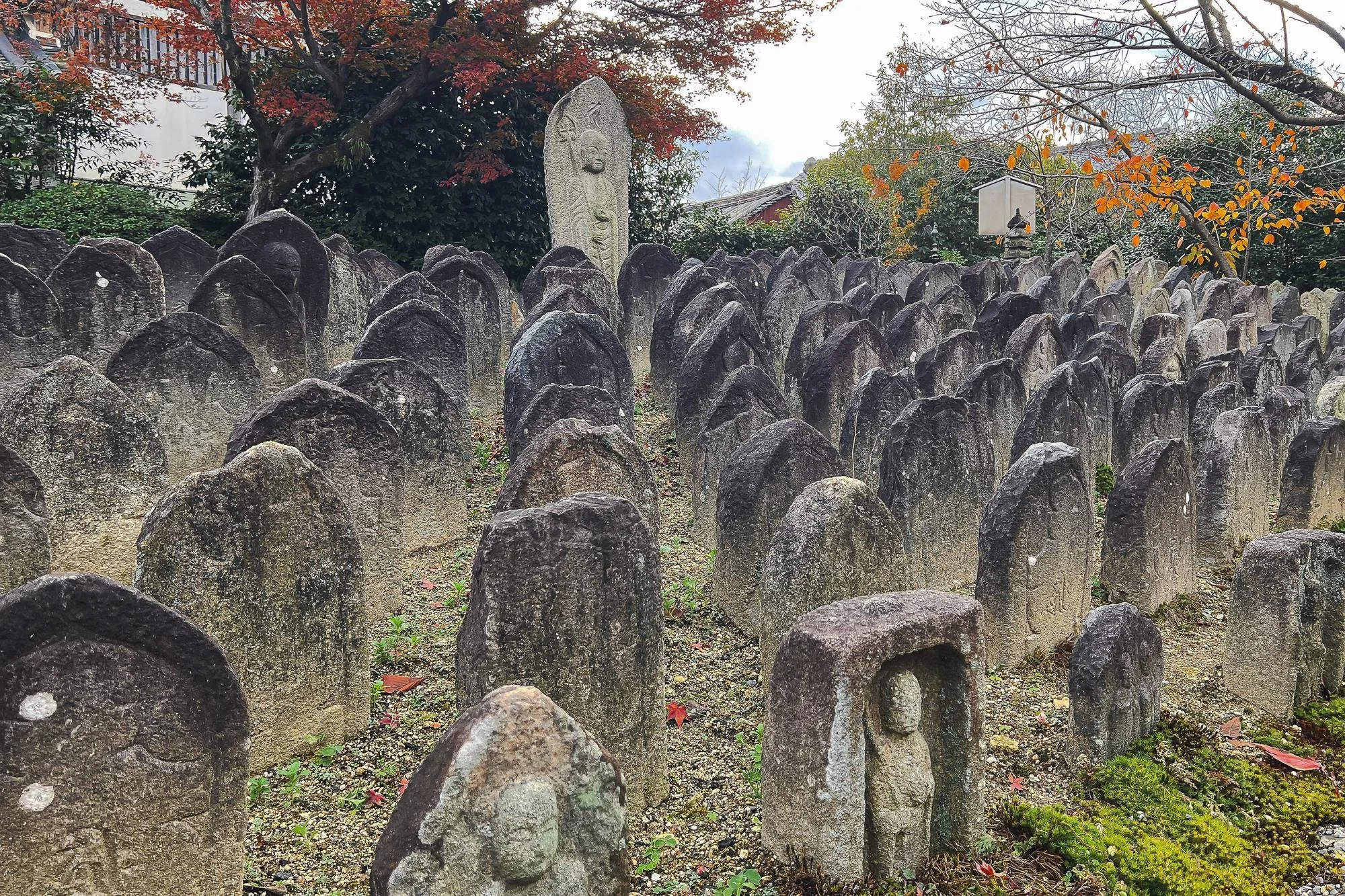
Gango-ji Temple
元興寺
A Historic Temple
Linking Asuka and Ancient Nara
Gango-ji Temple is one of the eight UNESCO World Heritage Sites that make up the Historic Monuments of Ancient Nara. Its origins lie in Asuka-dera, the early temple established in Asuka, and the temple was transferred to Nara when the capital moved to Heijo-kyo in the 8th century. In this way, Gangoji helps connect the Buddhist world of Asuka with the urban and religious development of ancient Nara.
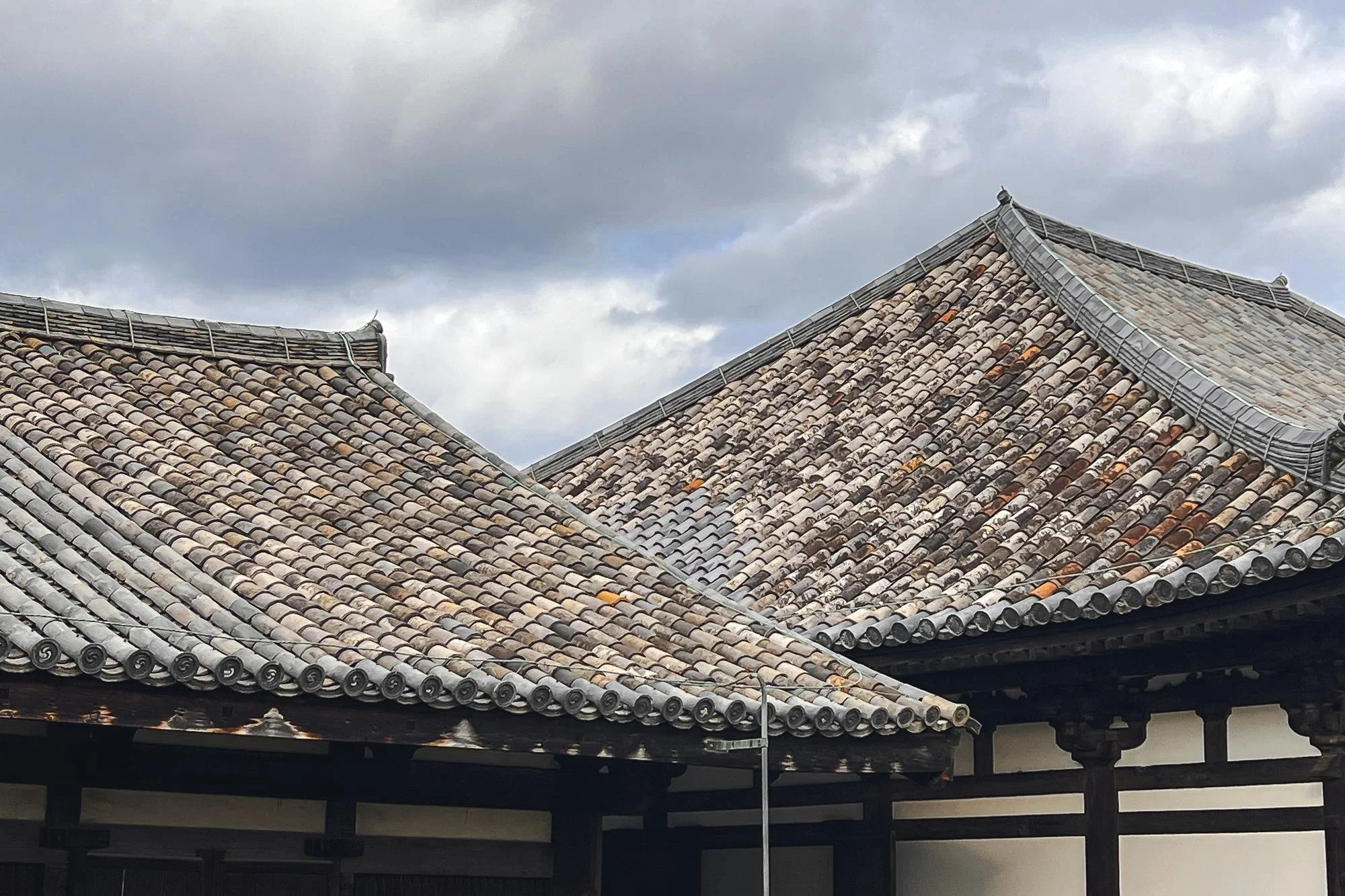
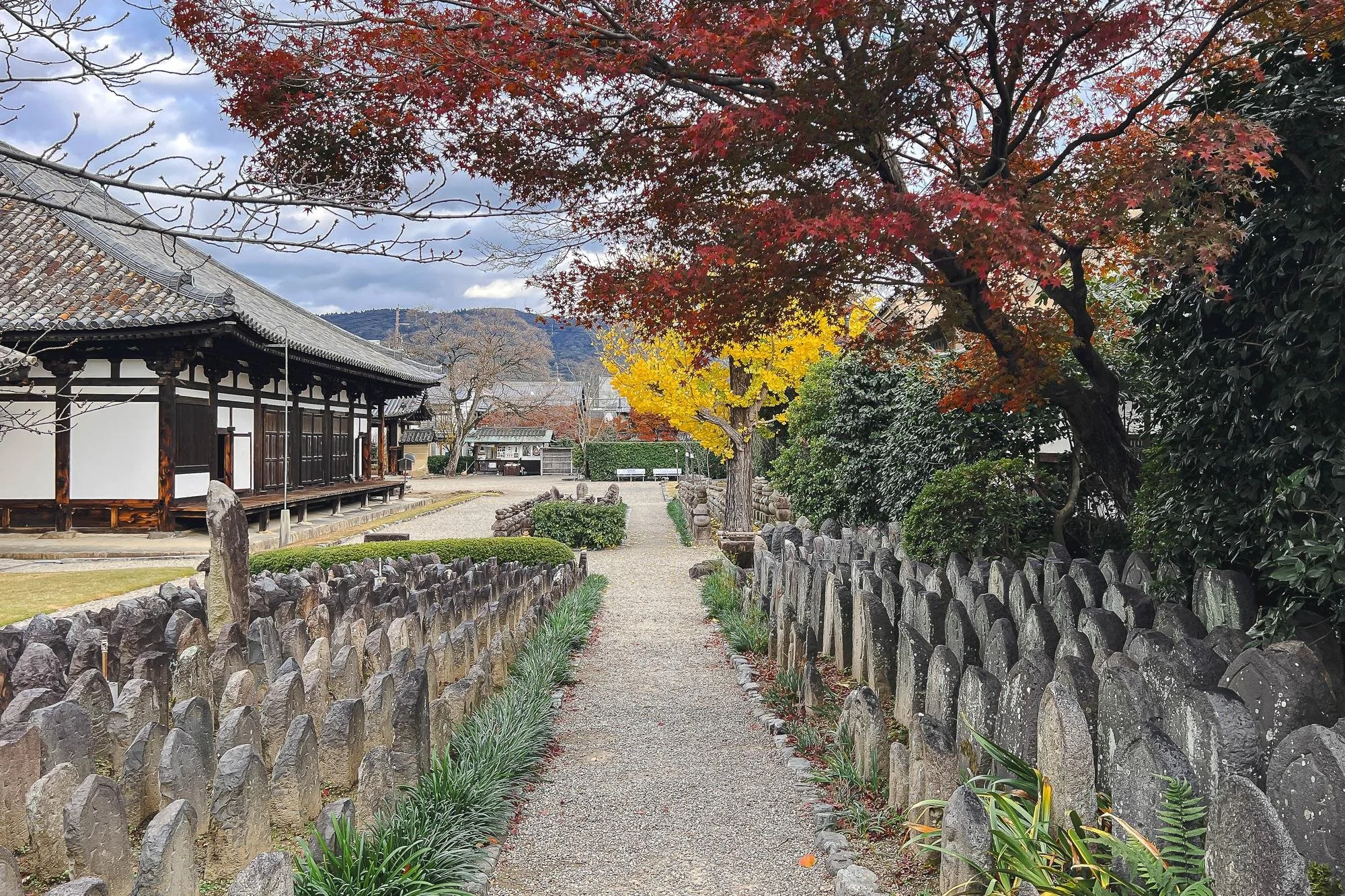
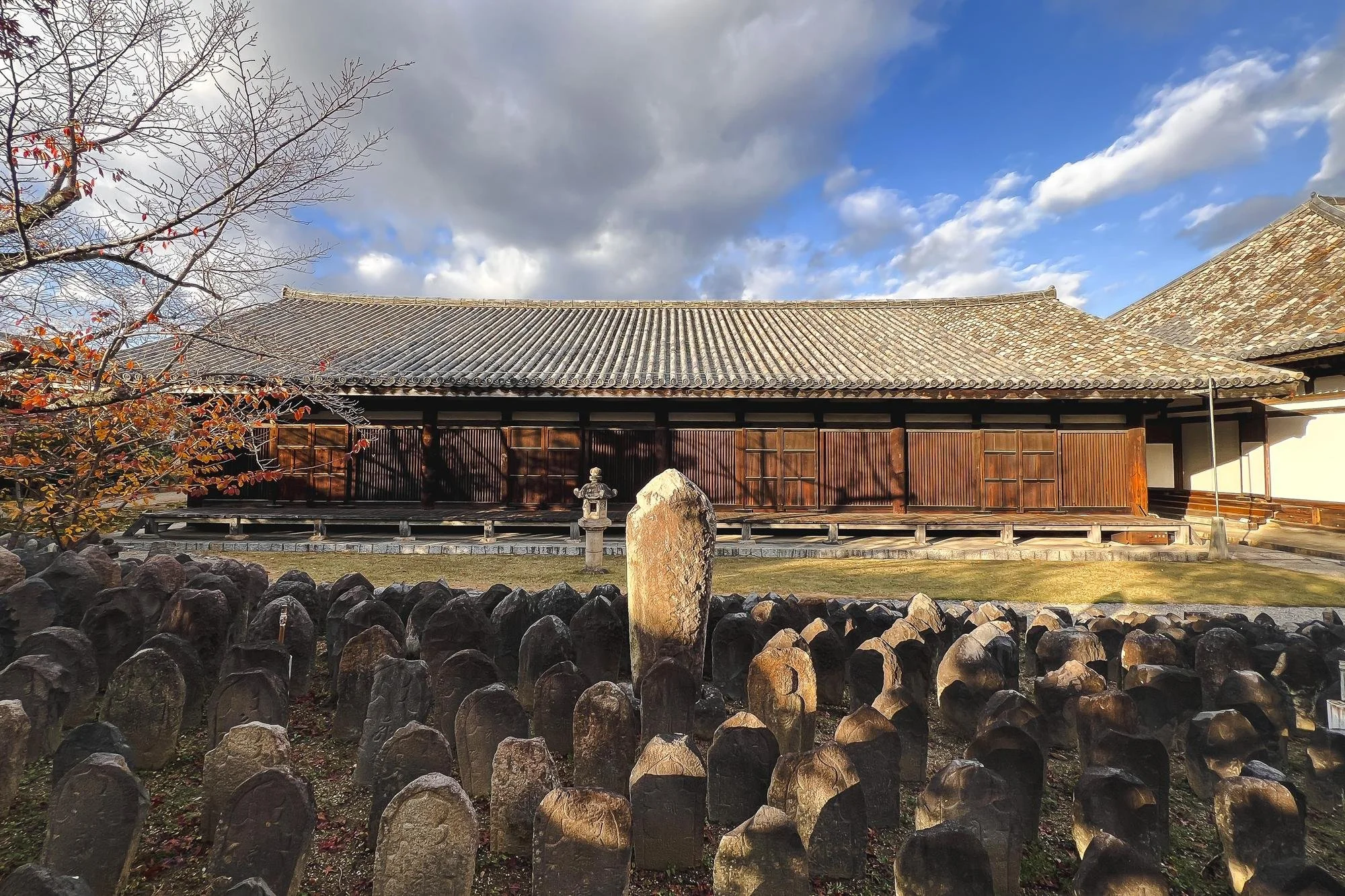
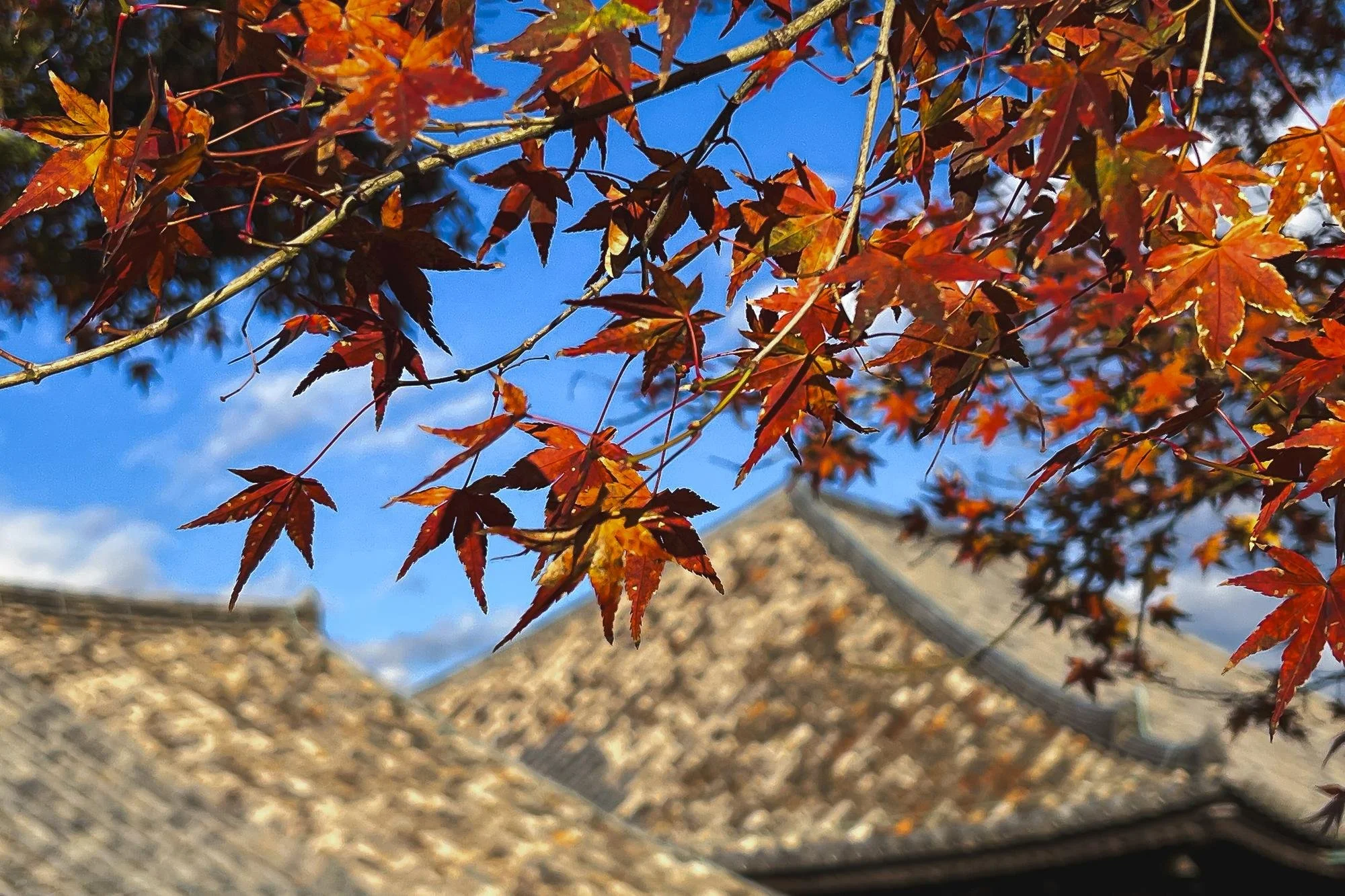
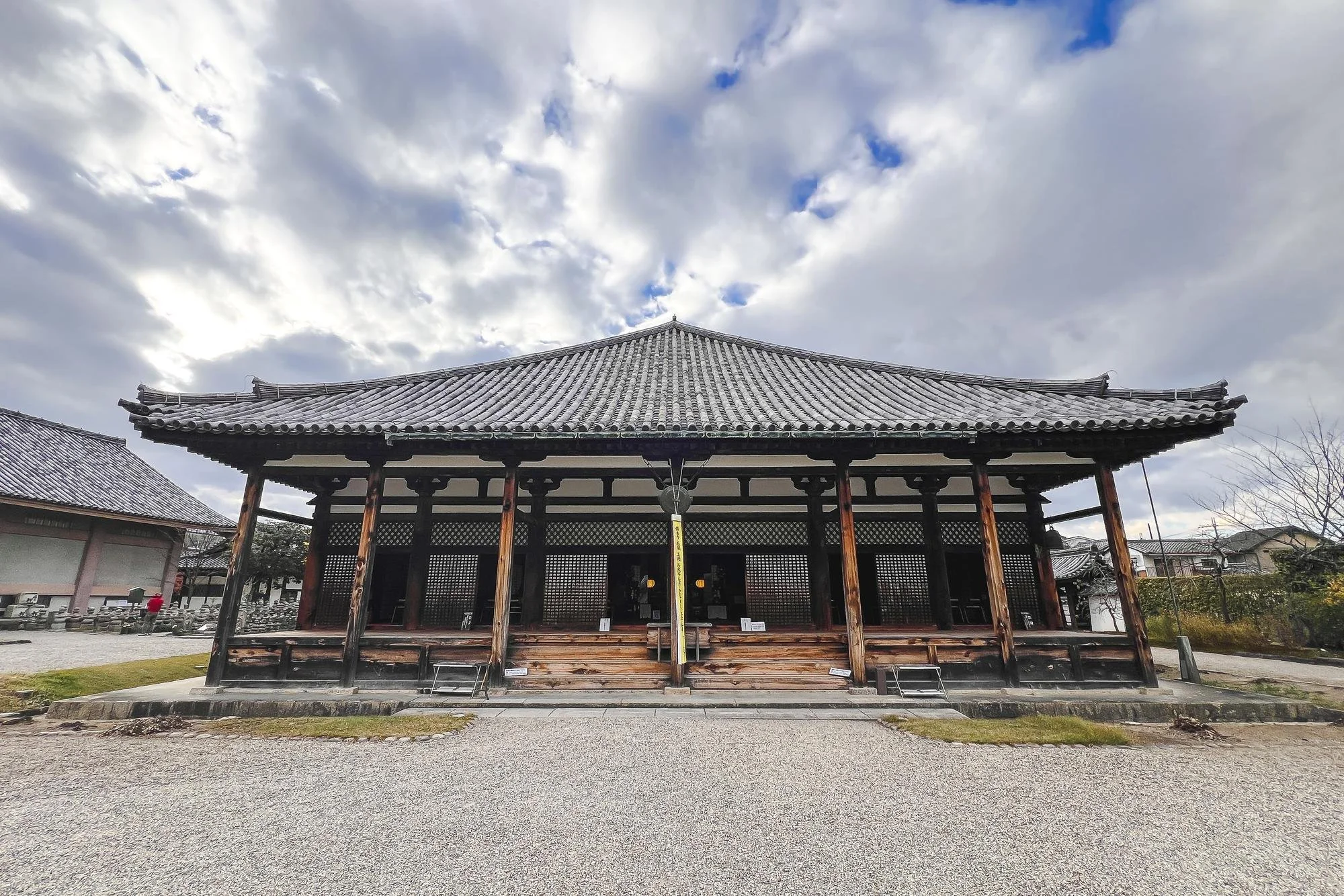
Although the original precinct was once much larger, today the surviving Gokurakubo area preserves major historic buildings, including Gokurakudo Hall and the Zen Room. Parts of their roof tiles are understood to date back to the Asuka period, making the site especially valuable for the study of early temple architecture.
For visitors, Gangoji offers a clear introduction to the long continuity of Japanese Buddhism, from its early establishment in Asuka to its later development in the heart of Nara.