Ikaruga
Shigi, Ikoma
Journey Into the Roots of Japanese Buddhism
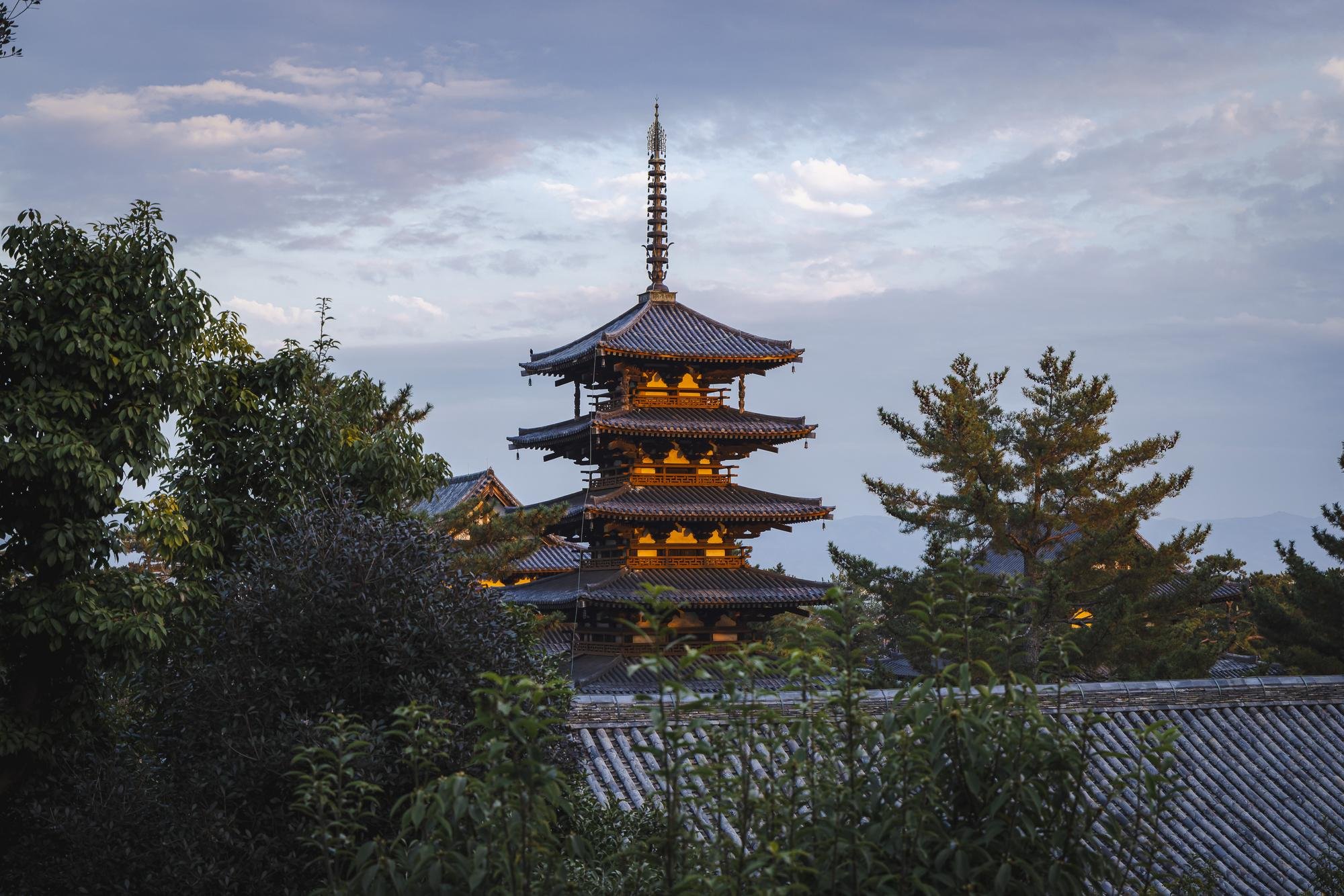
The Ikaruga area, located in northern Nara Prefecture, is one of the most historically significant centers of early Japanese Buddhism. From the Asuka period through the early Nara period, the region flourished culturally under the strong influence of Prince Shōtoku, who played a pivotal role in the promotion of Buddhism and the construction of temples. These developments laid the foundation for Japan’s spiritual culture, governance, and artistic traditions. Today, numerous temples and long-preserved Buddhist traditions remain, making Ikaruga one of Japan’s most important cultural and historical landscapes.
Mount Shigi is a sacred mountain known for its many legends and deep-rooted mountain worship traditions. It has long flourished as a spiritual center of Shugendō practice and is widely recognized as a major site of devotion to Bishamonten (Vaiśravaṇa). Numerous legends associated with samurai warriors and historical figures are preserved here. The mountain embodies a unique spiritual culture shaped by the fusion of esoteric Buddhism and mountain asceticism, offering a powerful contrast to the refined temple culture of Ikaruga.
Mount Ikoma has long been closely connected to the spiritual and daily lives of local communities. Scattered with temples and shrines amid quiet forests, the mountain has traditionally served as a place of prayer, pilgrimage, and ascetic practice for monks and worshippers alike. In this harmonious blend of nature and faith, visitors can experience another sacred dimension of Nara’s cultural and spiritual heritage.
Ikaruga, Mount Shigi, and Mount Ikoma each possess distinct historical backgrounds and spiritual traditions, yet all have played an important role in shaping Japan’s religious and cultural identity. From the early development of Buddhism to mountain worship and locally rooted devotional practices, these regions together preserve a rich and diverse spiritual landscape that continues to the present day.
HIGHLIGHTS
-
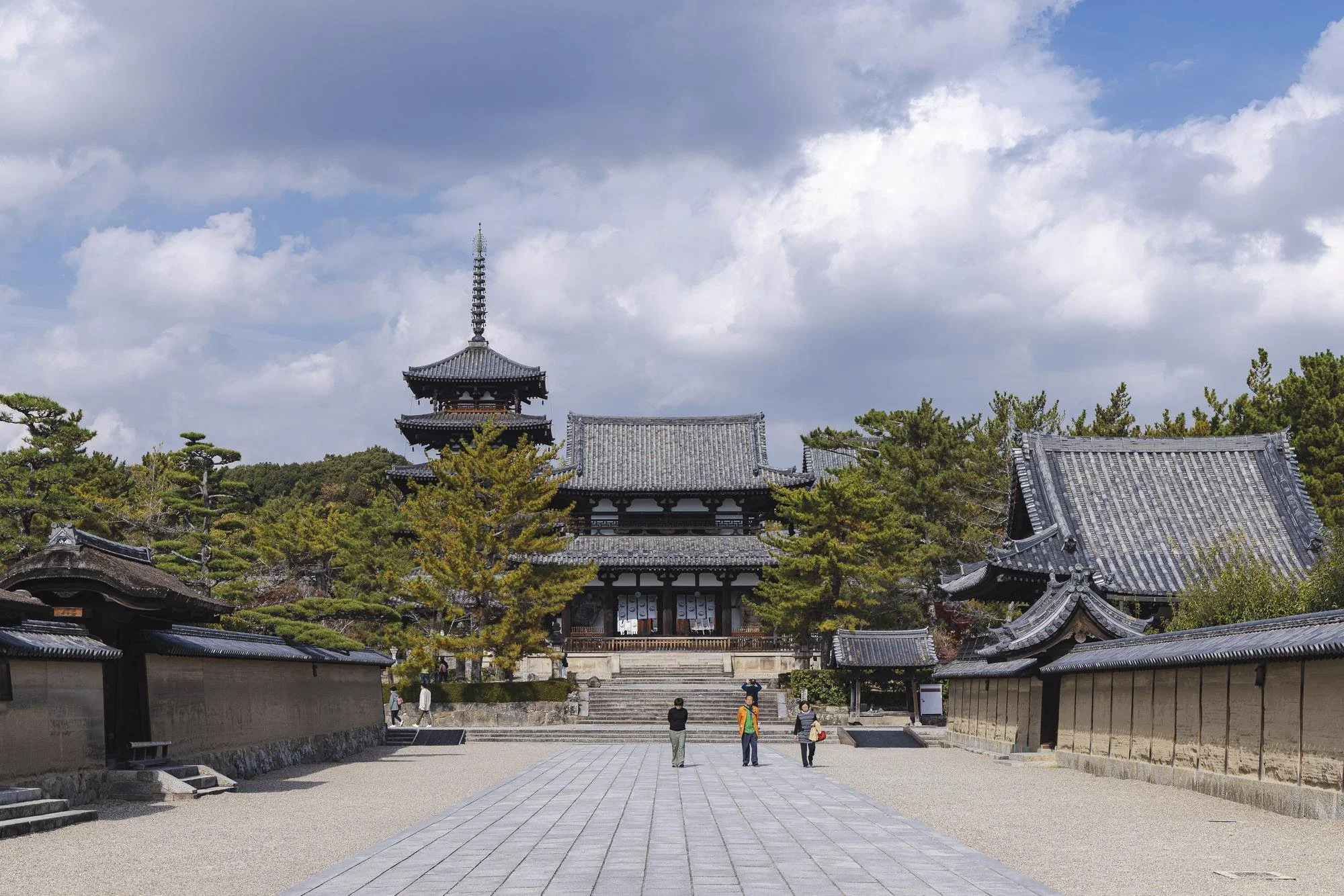
Horyu-ji Temple | 法隆寺
Located in Ikaruga, just west of central Nara, Hōryū-ji Temple is a UNESCO World Heritage Site and a living monument to Japan’s earliest Buddhist culture. Originally commissioned by Prince Shōtoku in 607 AD, this…
-
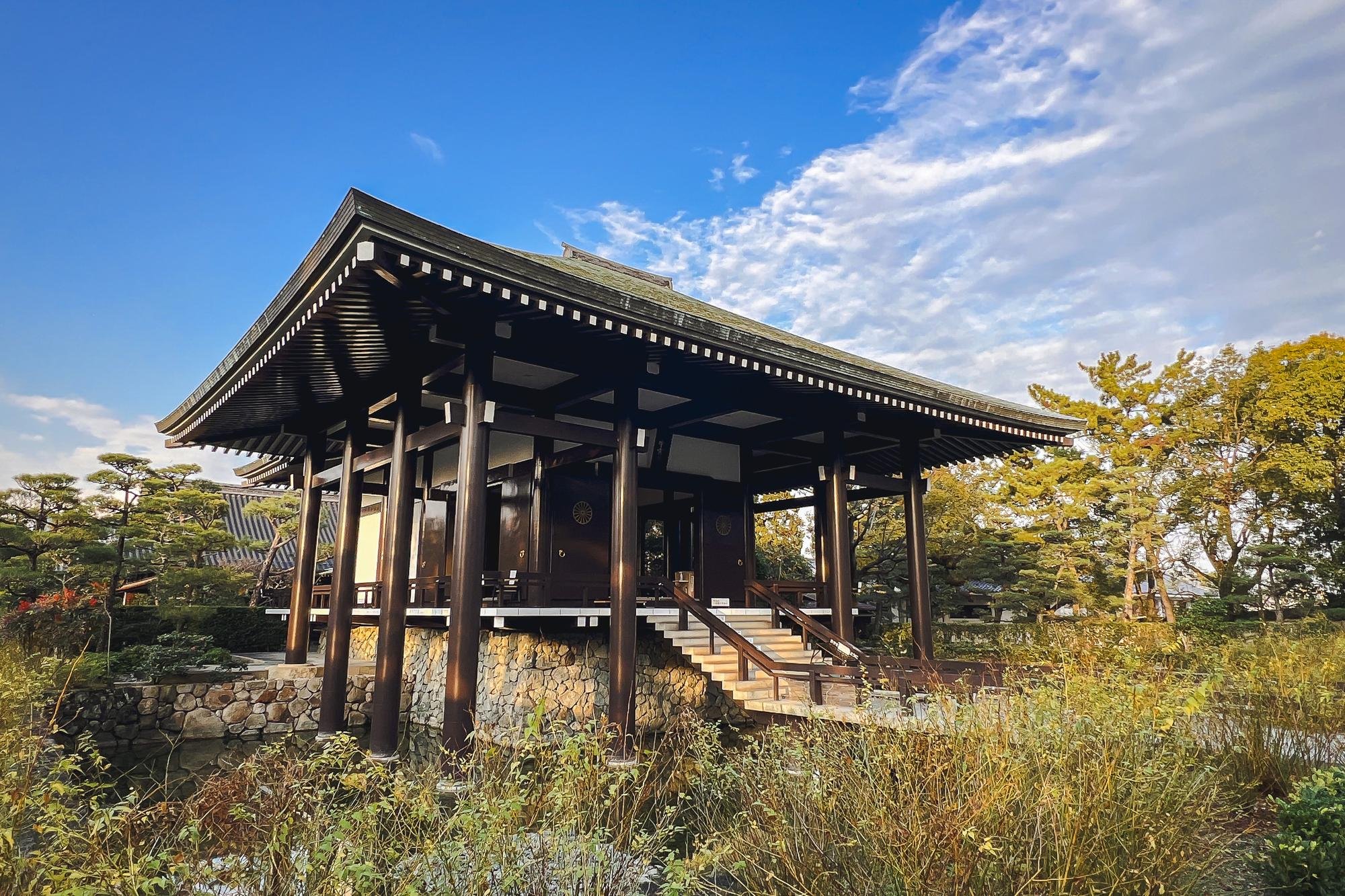
Chugu-ji Temple | 中宮寺
Located just east of Hōryū-ji in the historic town of Ikaruga, Chūgū-ji is a serene monastic temple with origins dating back to the late 6th century (circa 593 AD). Traditionally attributed to Prince Shōtoku, it was founded as a…
-
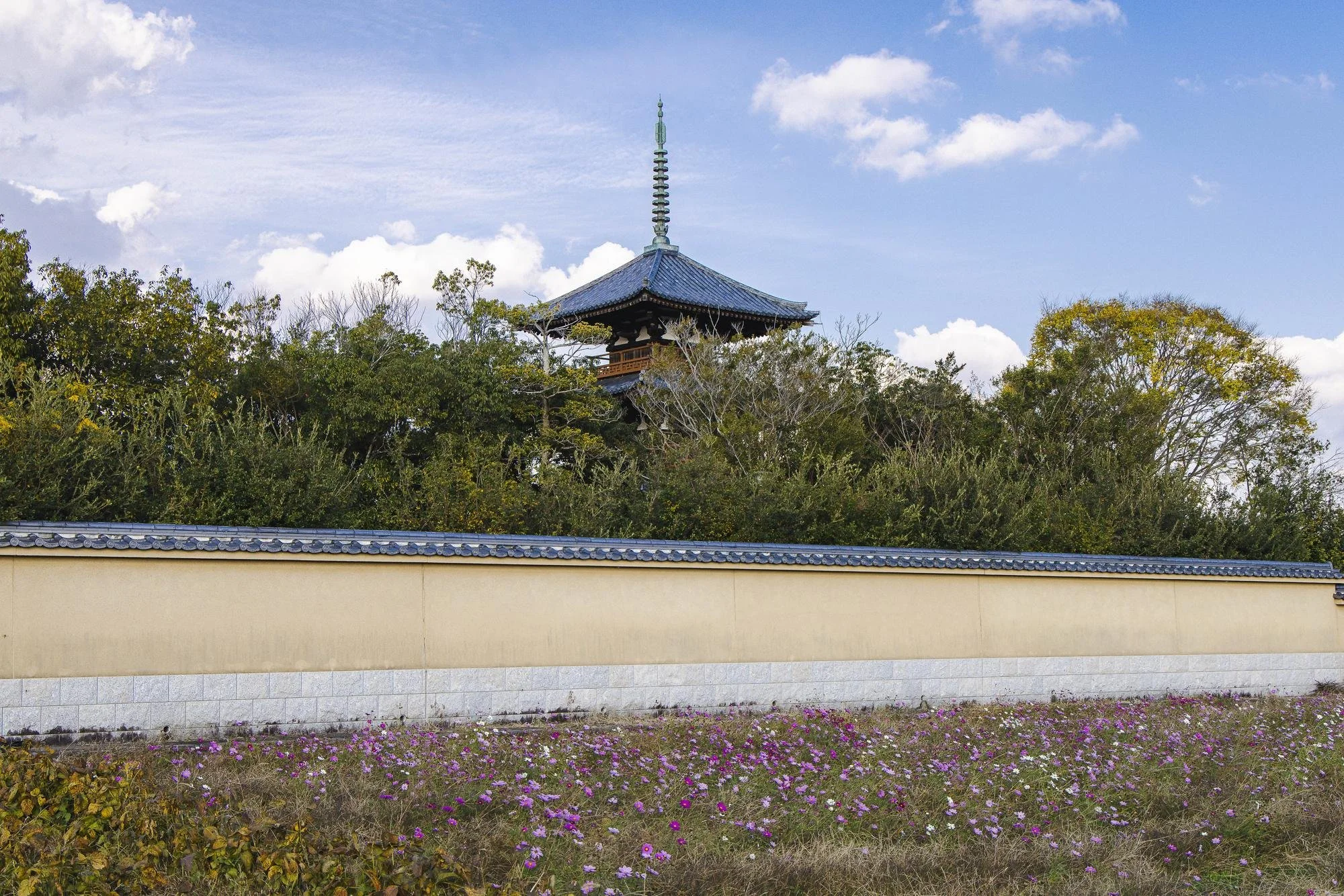
Hoki-ji Temple | 法起寺
Nestled in the quiet countryside of Ikaruga near Hōryū-ji, Hōki-ji Temple is one of Japan’s oldest Buddhist temples and a UNESCO World Heritage Site. Originally founded in 638 AD on the grounds of a palace…
-
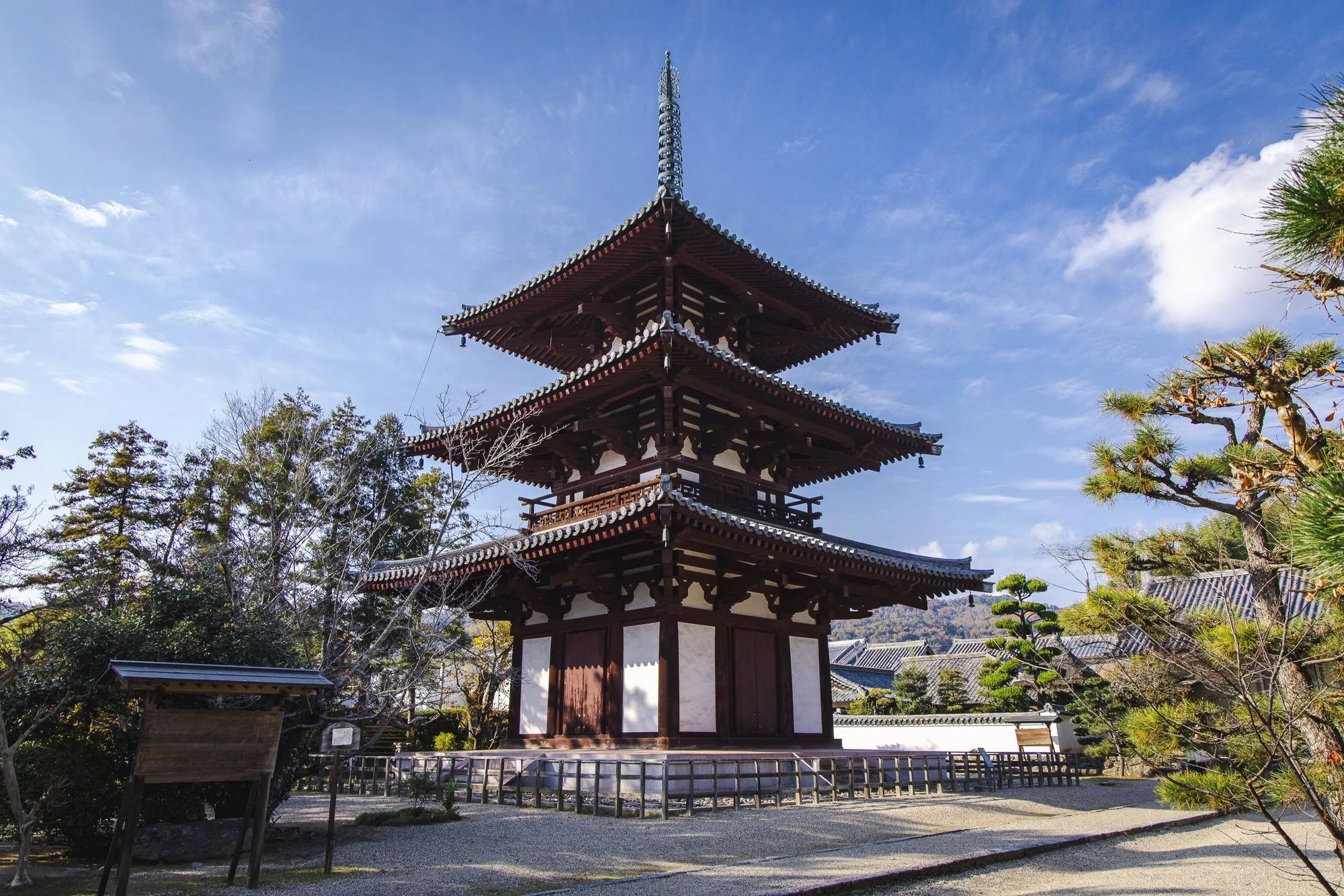
Horin-ji Temple | 法輪寺
Nestled just north of the famous Hōryū-ji, in the quiet village of Mii in Ikaruga, Horin-ji Temple stands as a testament to Japan’s early Buddhist era and the legacy of royal lineage. According to tradition,…
-
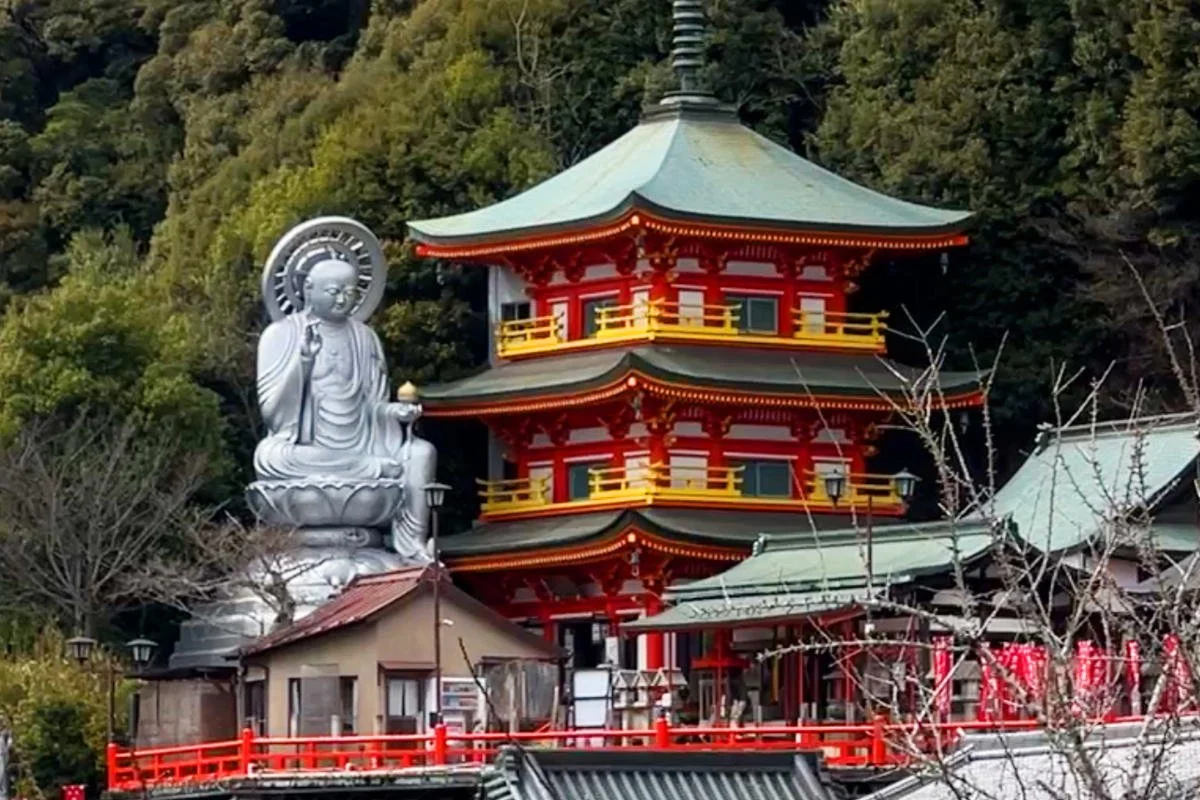
Chogosonshi-ji Temple | 信貴山朝護孫子寺
Perched atop Mt. Shigi in Nara Prefecture, Chōgosonshi-ji Temple is one of Japan’s most storied spiritual sites—a mountain monastery whose origins trace back to 587 AD, when Prince Shōtoku is said to…
-
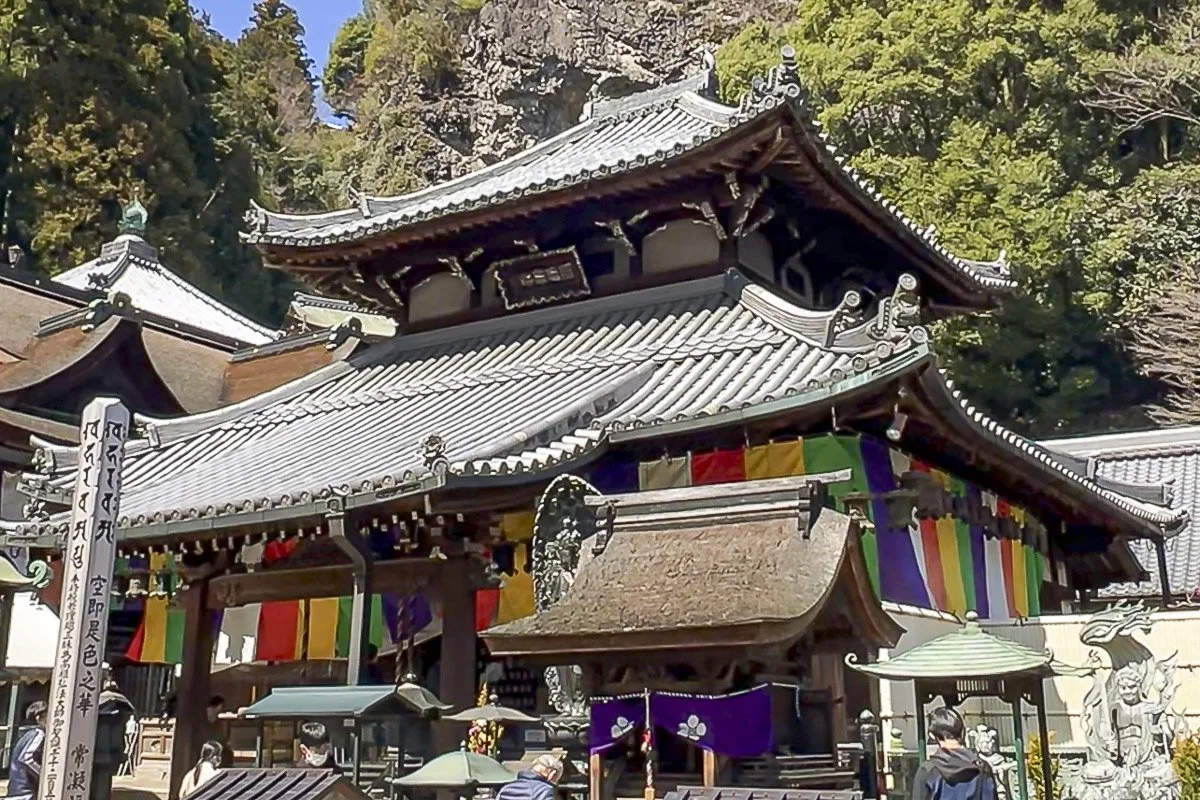
Hozan-ji Temple | 寳山寺
Nestled on the forested slopes of Mt. Ikoma, Hōzan-ji Temple is one of Nara’s most atmospheric spiritual sanctuaries—an esoteric Buddhist complex whose origins date back to 1678, when the revered monk Kōben (Tenkai) revitalized the…