Japanese Etiquette & Travel Manners
A Guide to Understanding Everyday Life in Japan
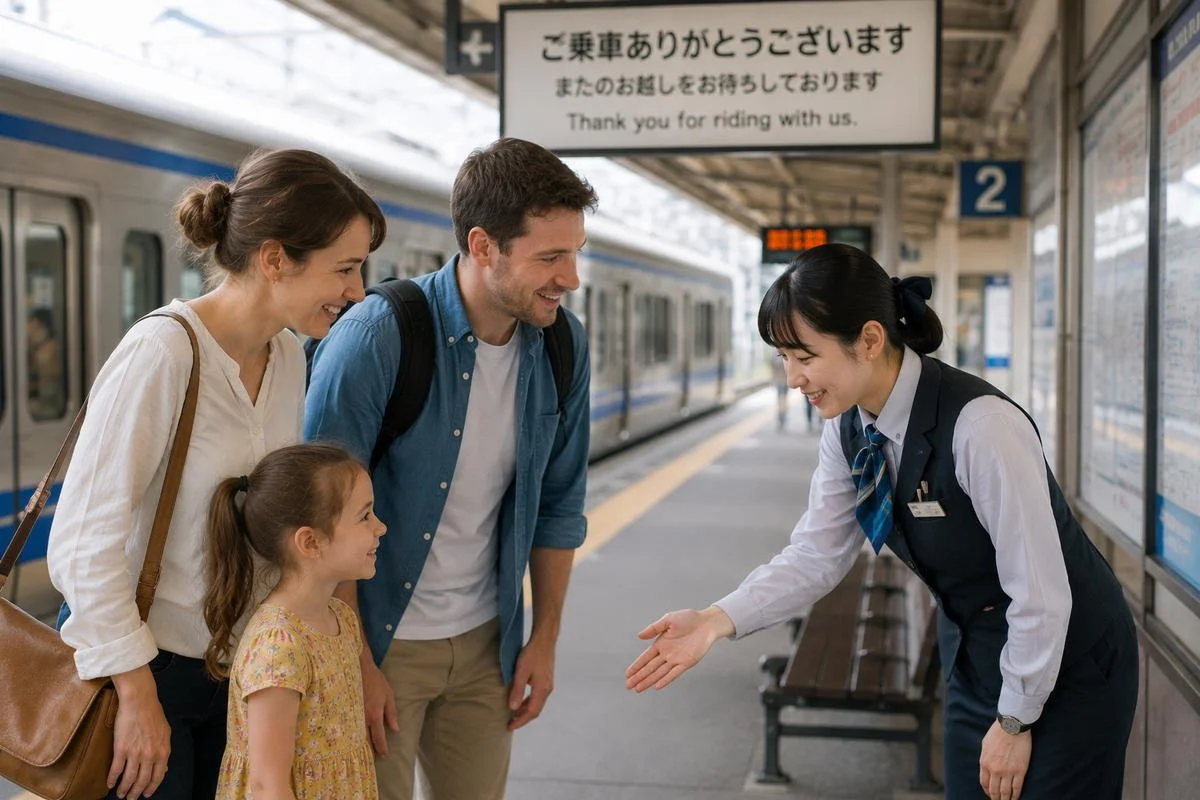
Japanese Etiquette Is Simpler Than It Seems
When planning a trip to Japan, it's easy to come across long lists of things you should and shouldn't do. You may read that you shouldn't talk on trains, that you need to remove your shoes before entering certain buildings, or that tipping isn't customary.
While these lists are useful, they often make Japanese etiquette seem like a collection of complicated rules that visitors are expected to memorize.
In reality, everyday manners in Japan are much simpler than they appear.
Most customs are not based on strict laws or formal etiquette. Instead, they reflect a shared way of thinking—one that values consideration for others, respect for shared spaces, and appreciation for the people and places around us.
Once you understand this idea, many everyday customs begin to make sense.
Speaking quietly on a train isn't about enforcing silence. Removing your shoes isn't simply a tradition. Waiting patiently in line isn't only about maintaining order.
These habits all reflect a common desire to make shared spaces comfortable for everyone.
This way of thinking has developed naturally over many generations. Although customs continue to evolve, the underlying values remain remarkably consistent.
You Don't Need to Be Perfect
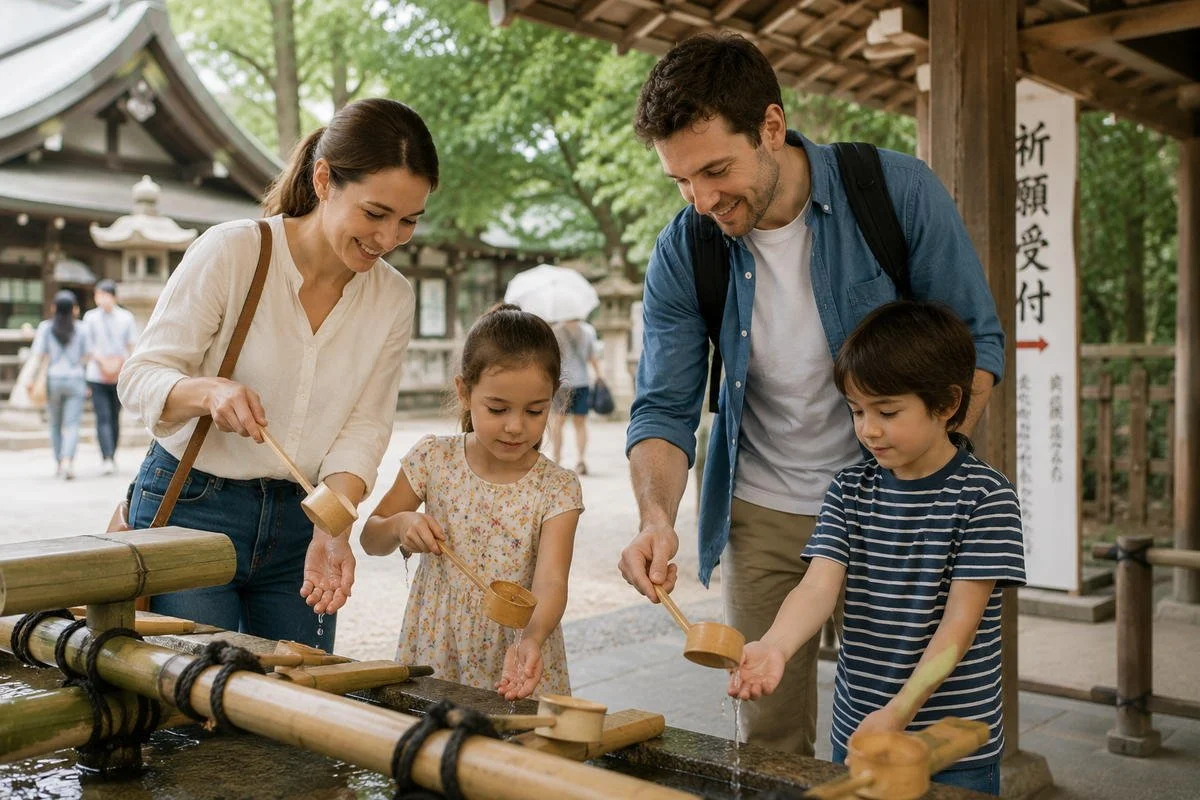
As locals, we don't expect visitors to know every custom before arriving in Japan.
In fact, most Japanese people understand that travelers come from different countries, cultures, and traditions. Nobody expects you to behave exactly like someone who has lived here all their life.
Making mistakes is perfectly normal.
If you accidentally stand in the wrong place, forget to remove your shoes, or speak a little too loudly on a train, most people will simply assume that you're unfamiliar with local customs. These small misunderstandings rarely become serious problems.
What leaves the strongest impression is not perfection, but attitude.
Visitors who show patience, observe their surroundings, and make an effort to respect local customs are almost always welcomed warmly.
Many Japanese customs are also remarkably practical.
Removing shoes helps keep indoor spaces clean.
Standing neatly in line allows thousands of people to move efficiently through busy stations every day.
Speaking quietly creates a peaceful atmosphere that everyone can enjoy, whether they are commuting to work, reading a book, or simply taking a moment to relax.
These customs are less about restricting individual freedom than about making everyday life more comfortable for everyone sharing the same space.
Understanding the Values Behind Everyday Life
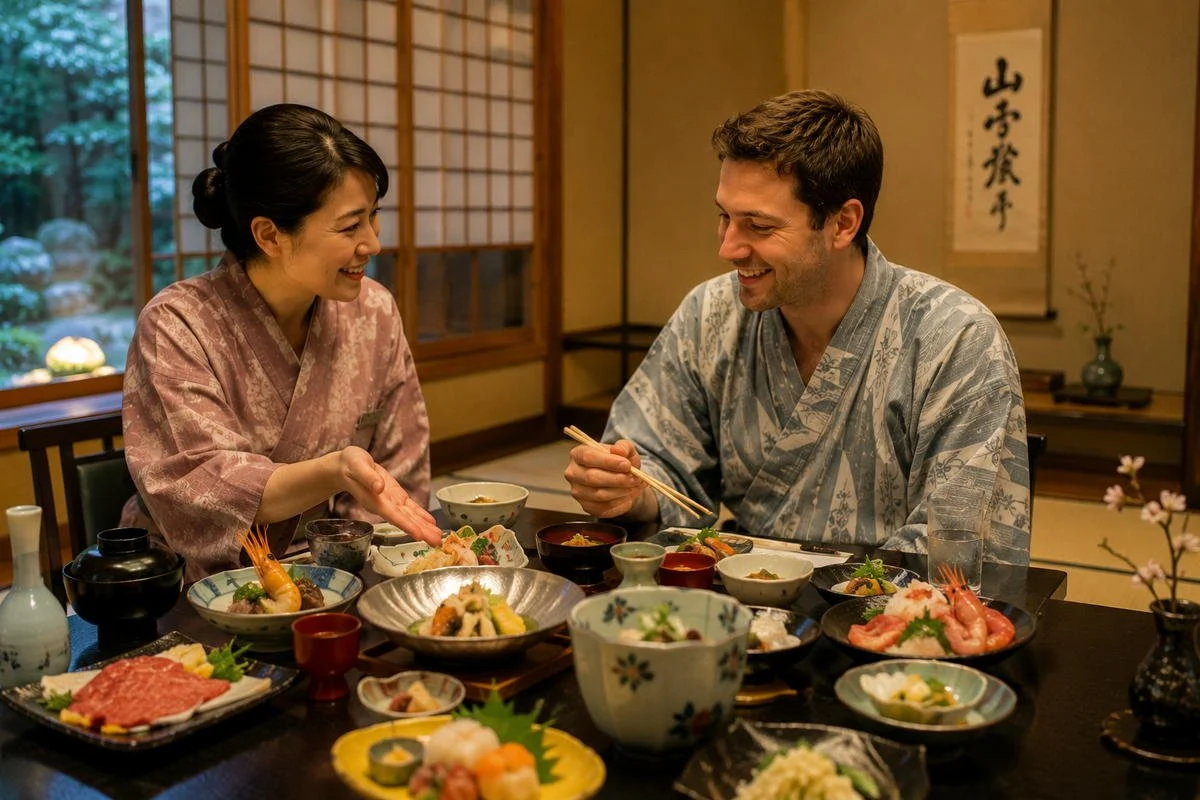
One of the most rewarding parts of traveling is discovering not only famous landmarks but also the values that shape everyday life.
The quiet atmosphere inside a centuries-old temple, the orderly flow of passengers boarding a train, the cleanliness of public parks, and the kindness shown by strangers are all connected by the same spirit of mutual respect.
Understanding these customs allows you to experience Japan in a deeper and more meaningful way.
Rather than wondering whether you are following every rule correctly, you begin to appreciate why people behave as they do.
This shift in perspective often changes the entire travel experience.
Instead of simply observing Japan, you begin to understand it.
At Discover Nara, we believe that history and culture cannot be separated.
Ancient temples, historic towns, and archaeological sites are certainly worth visiting, but they tell only part of Japan's story.
The other part is found in everyday life—in the quiet habits, thoughtful gestures, and small acts of consideration that continue to shape Japanese society today.

Travel Japan with Confidence, Curiosity, and Respect
Whether you're walking through the peaceful countryside of Asuka, exploring the historic streets of Naramachi, visiting one of Nara's World Heritage Sites, or traveling across Japan for the first time, understanding these everyday customs will help you connect more naturally with the people and places you encounter.
This guide introduces the etiquette, customs, and practical manners that every visitor should know before traveling in Japan.
Rather than simply telling you what to do, we'll also explain why these customs exist, how they developed, and how they can help you enjoy a smoother and more rewarding journey.
Along the way, you'll also find practical advice, local tips, and interesting cultural insights that many first-time visitors never discover until after they arrive.
Our hope is simple.
By the end of this guide, you'll feel less concerned about making mistakes and more excited about experiencing Japan with confidence, curiosity, and respect.
Because understanding Japan isn't about memorizing rules.
It's about understanding the people.
And once you begin to understand the people, the places become even more memorable.
Before We Begin
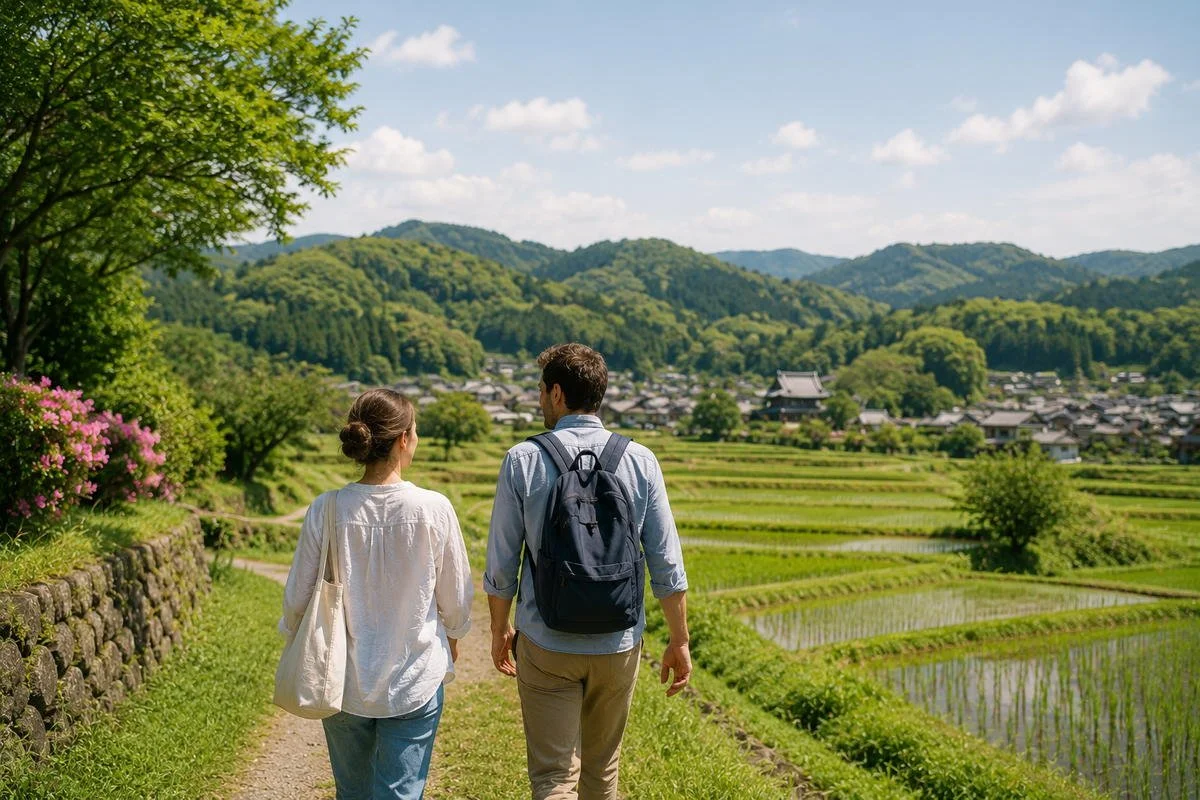
One final piece of advice before we explore Japan's everyday etiquette. If you're ever unsure about what to do, take a moment to look around. You'll often find the answer by quietly observing the people around you.
In Japan, many customs are learned this way—not through written rules, but by paying attention to others and acting with consideration.
That same approach will serve you well throughout your journey. So relax, stay curious, and don't worry about being perfect. A sincere smile, an open mind, and a willingness to learn will take you much further than memorizing a long list of rules ever could.
Let's begin with one of the places where visitors spend the most time during their trip: Japan's world-famous public transportation system.
Japanese Etiquette & Travel Manners
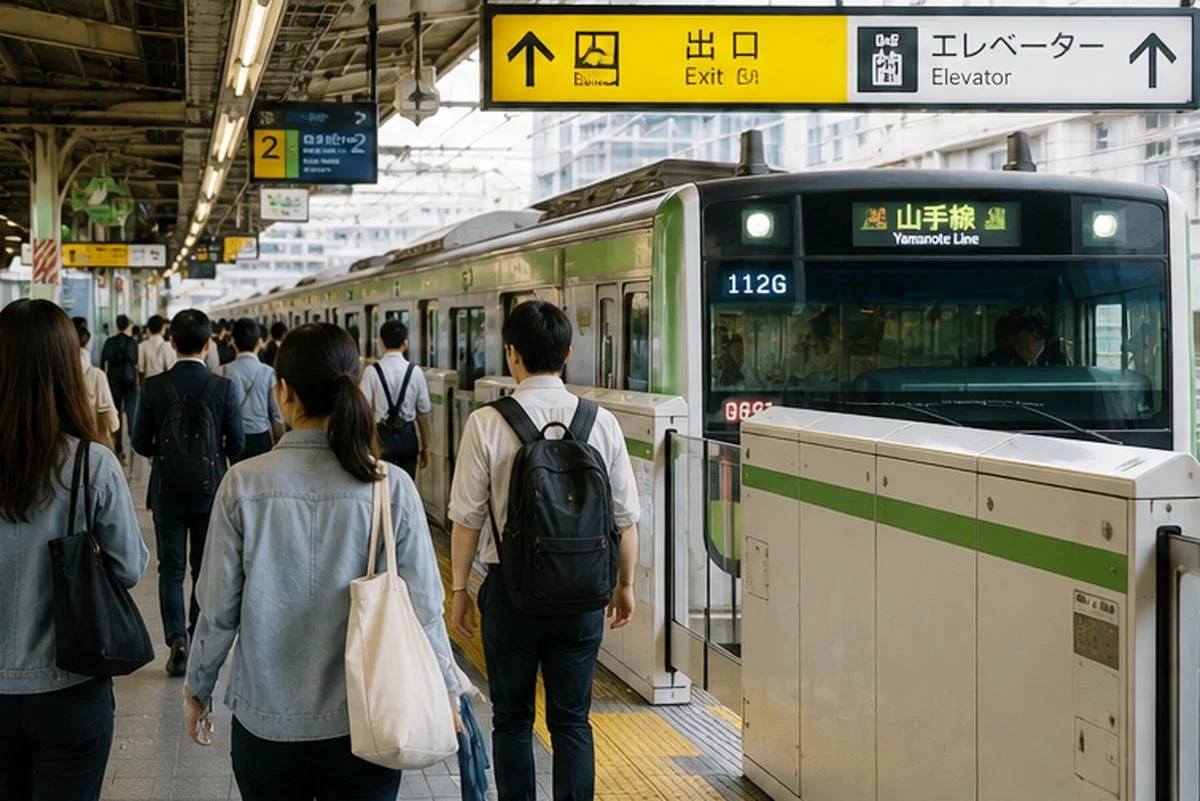
Japanese Public Transportation Etiquette

Convenience Stores in Japan: A Guide to Japanese Konbini

Convenience Store Food in Japan: A Guide to Japanese Konbini Food
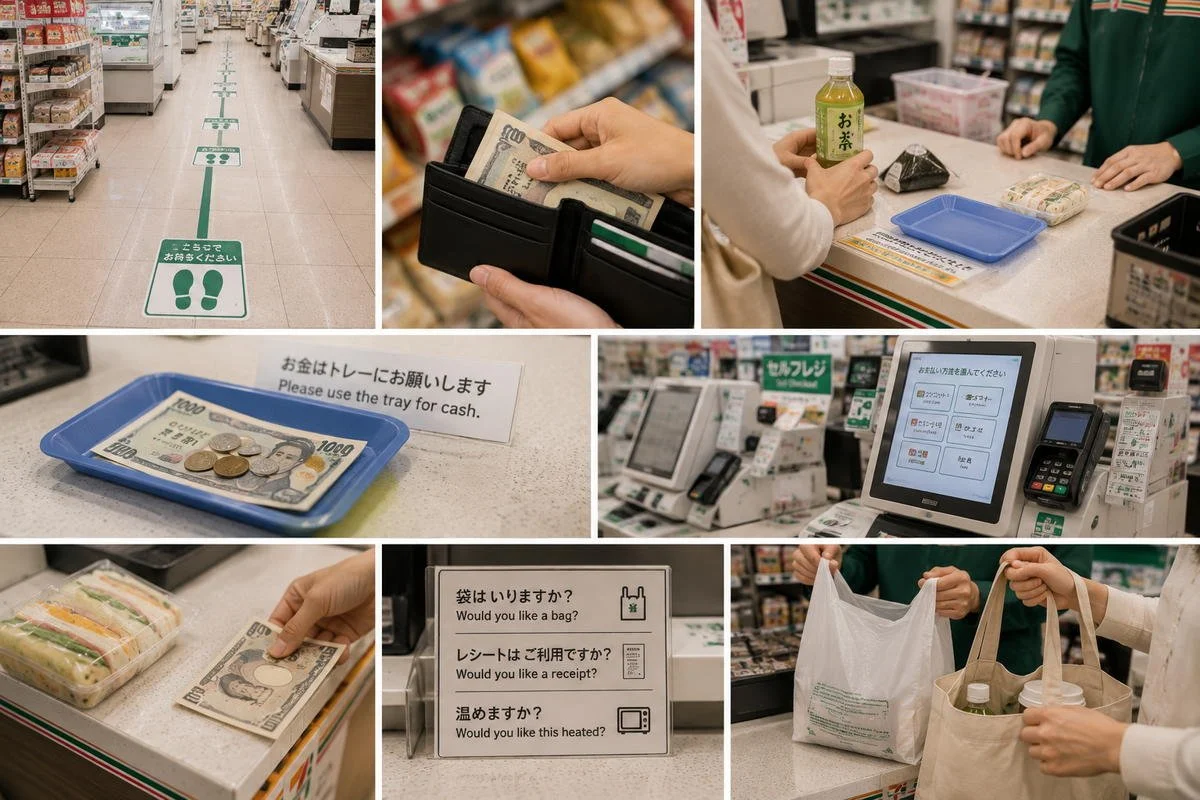
Convenience Store Checkout in Japan: Etiquette & Payment Guide

Convenience Store Services in Japan: A Practical Guide for Travelers

Convenience Store Etiquette in Japan: Common Mistakes & Local Tips
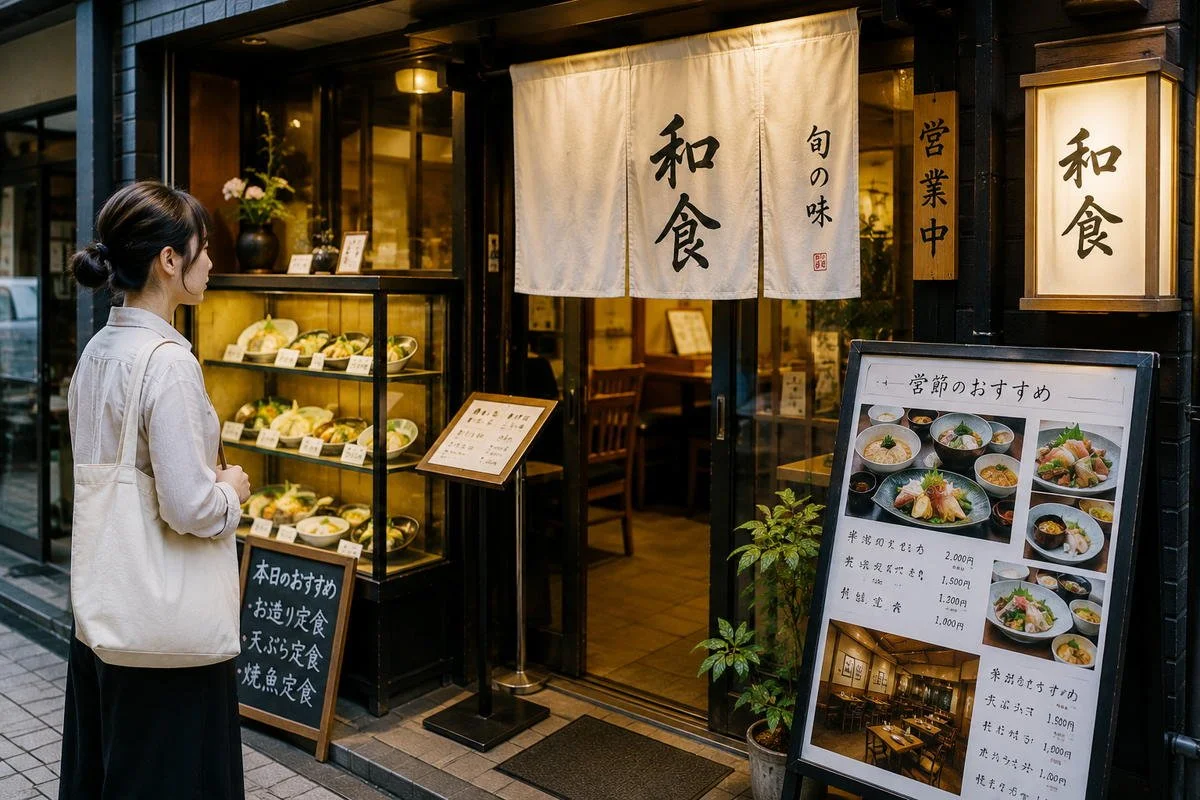
Dining in Japan: A Guide to Japanese Restaurants
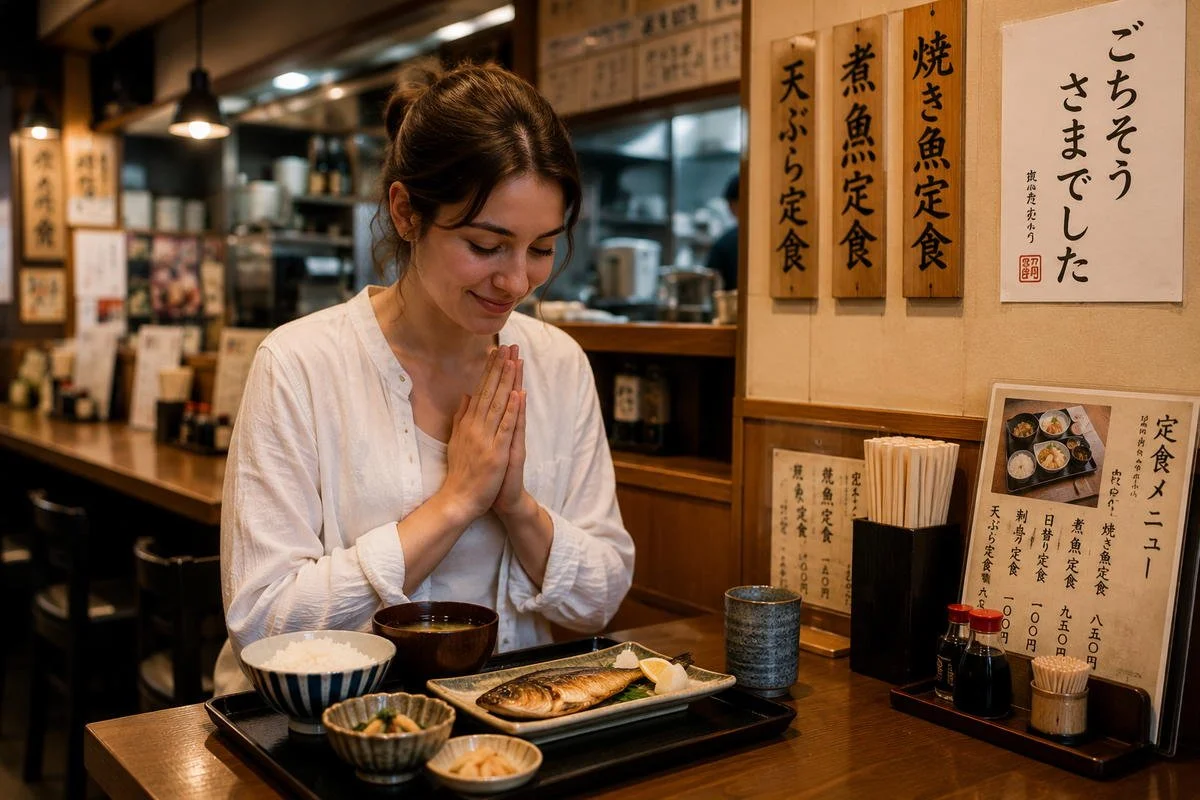
Japanese Dining Etiquette: Chopsticks, Noodles & Table Manners
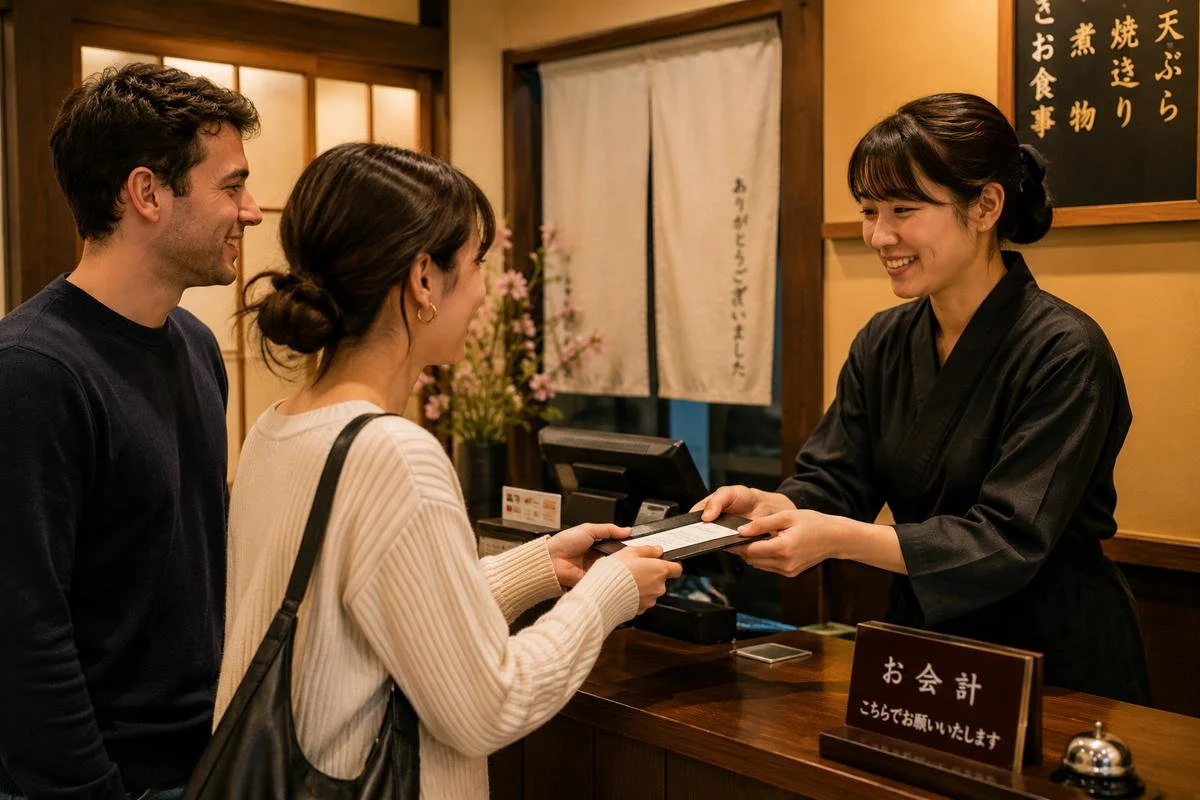
Restaurant Etiquette in Japan: Paying, Tipping & Practical Tips
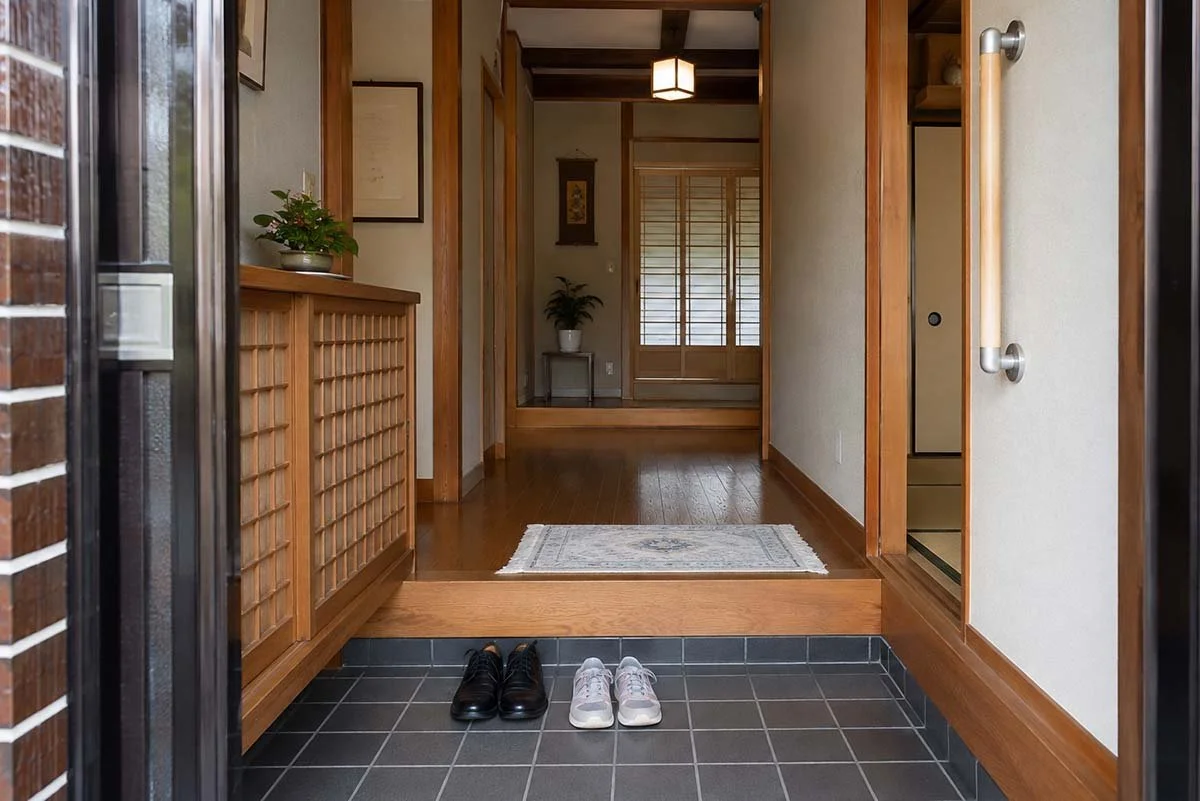
Taking Off Your Shoes in Japan: A Guide to Indoor Etiquette
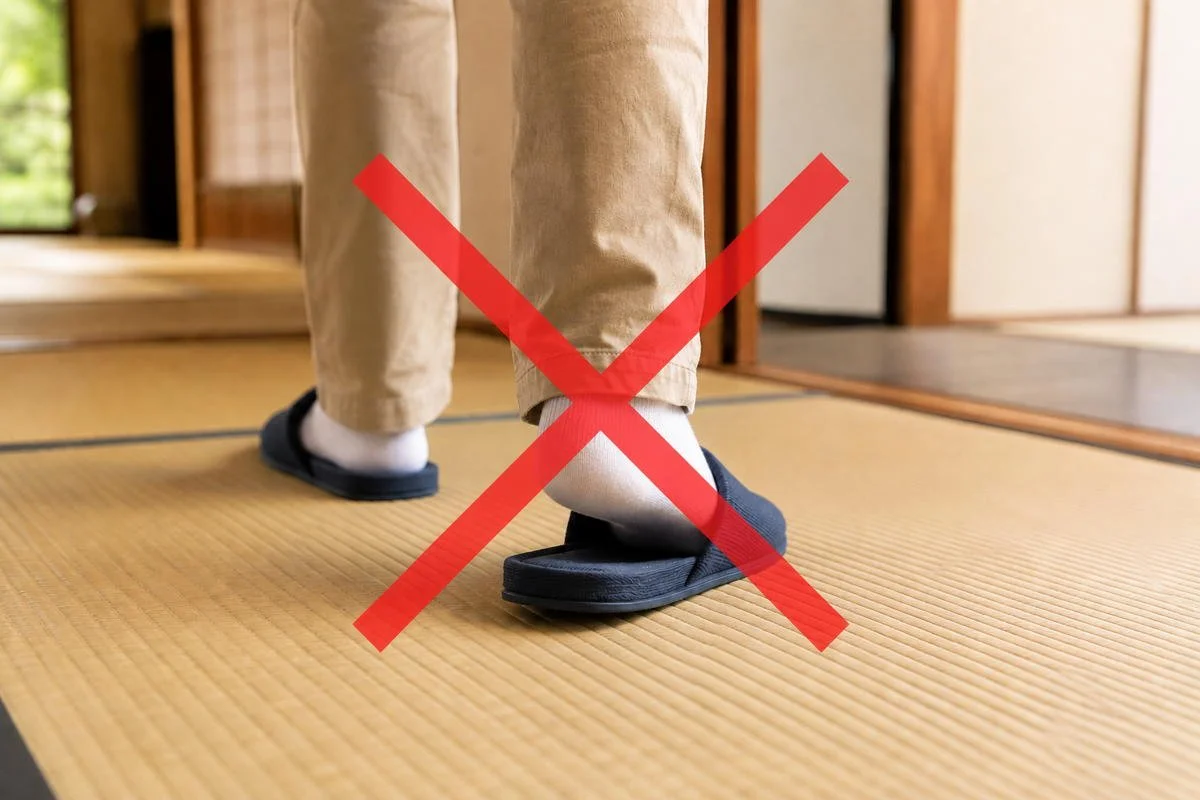
Slippers & Tatami in Japan: A Guide to Indoor Etiquette
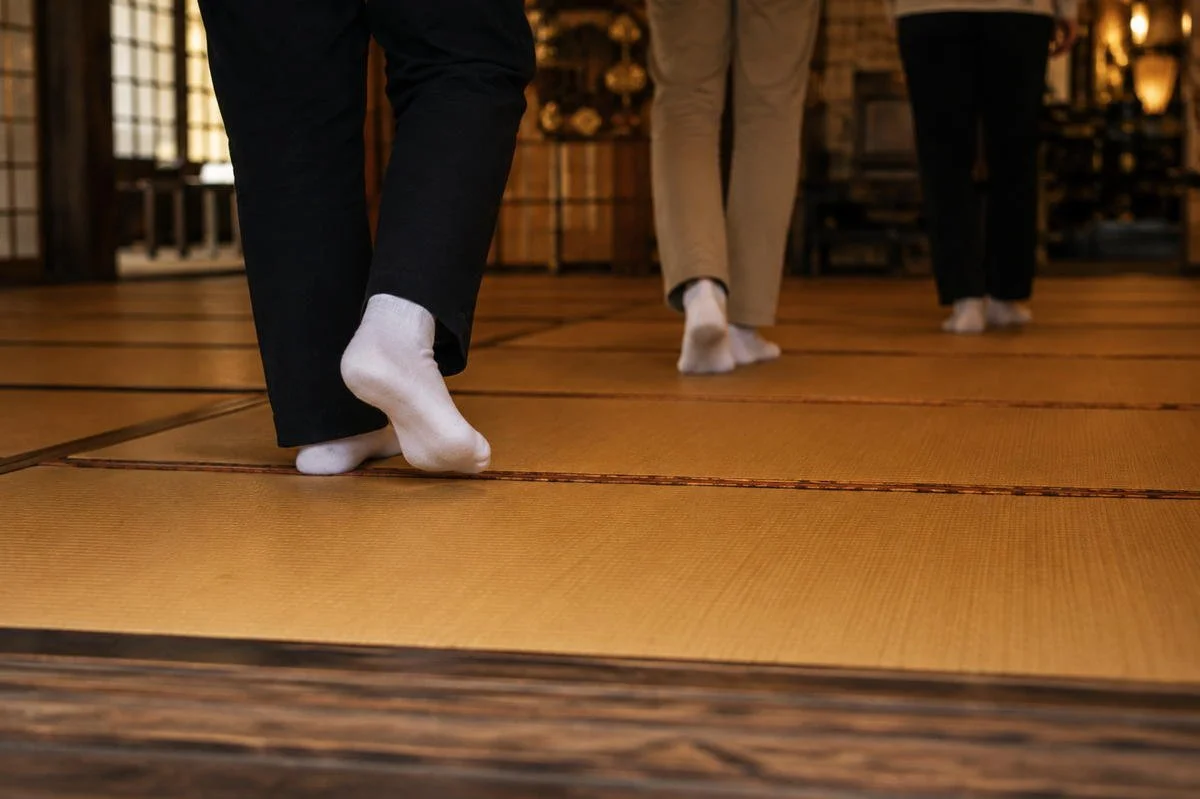
Shoe Etiquette in Japan: Common Mistakes & Sightseeing Tips

Onsen in Japan: A Guide to Japanese Hot Spring Culture

How to Use an Onsen in Japan: A Step-by-Step Guide
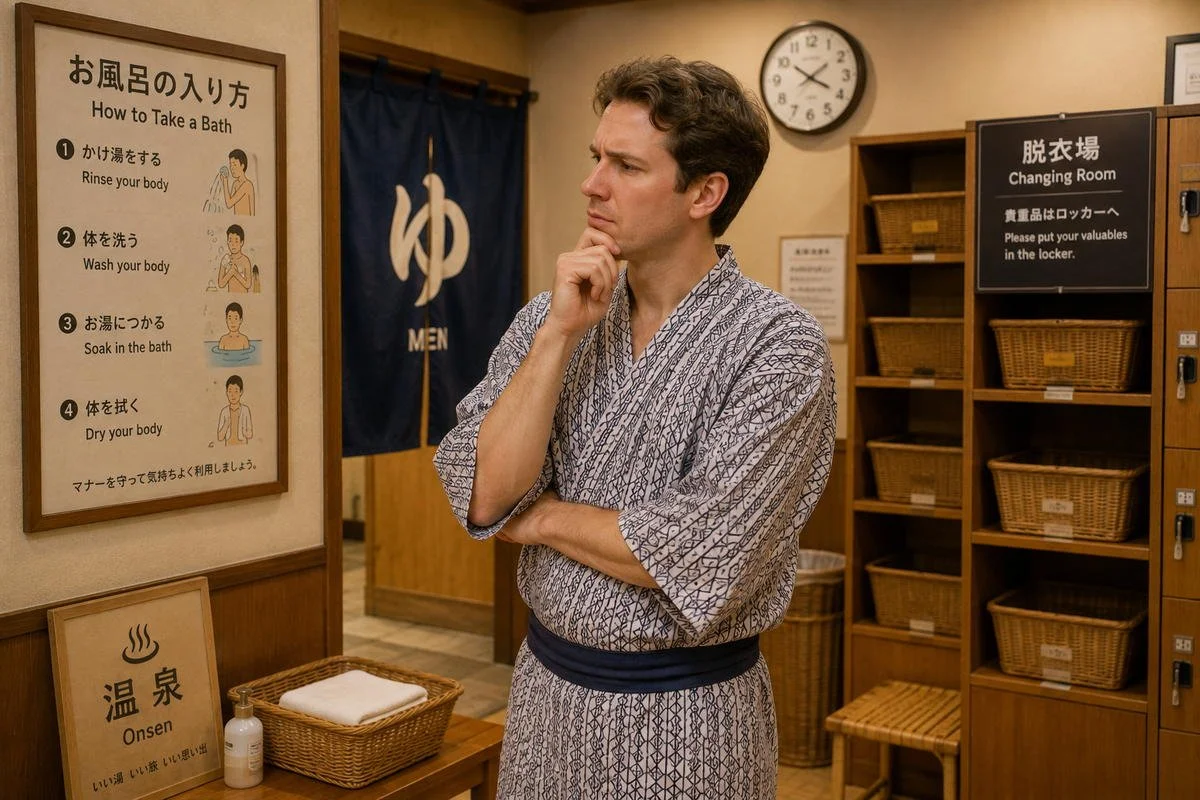
Onsen Etiquette in Japan: Tattoos, Rules & First-Time Tips
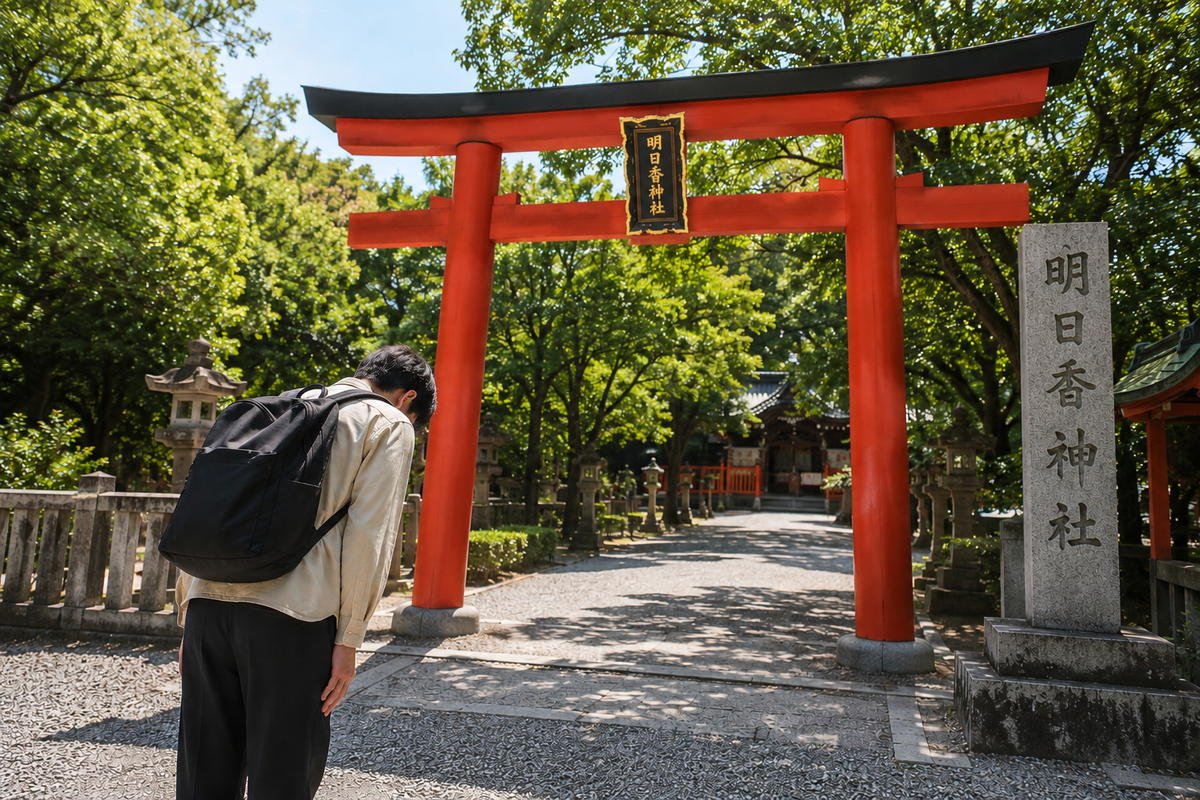
Temples & Shrines in Japan: A Guide to Sacred Spaces
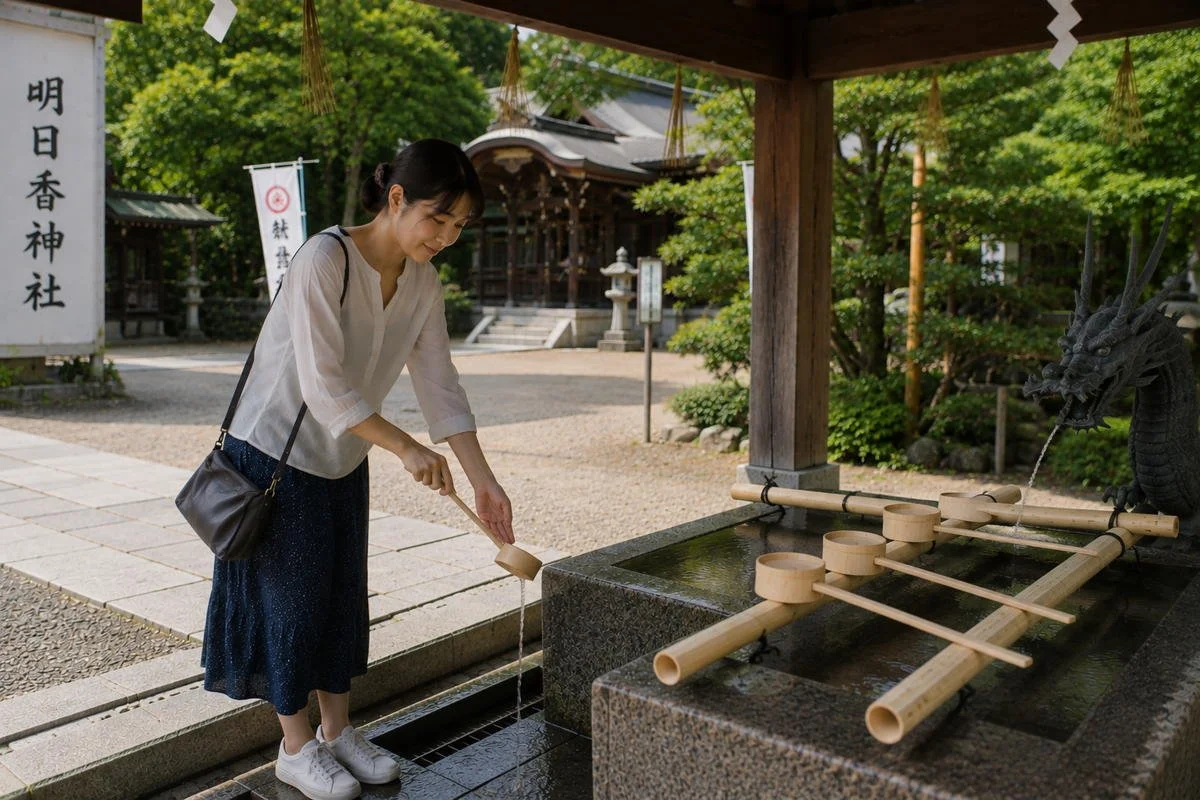
How to Pray at Shrines & Temples in Japan: A Worship Guide
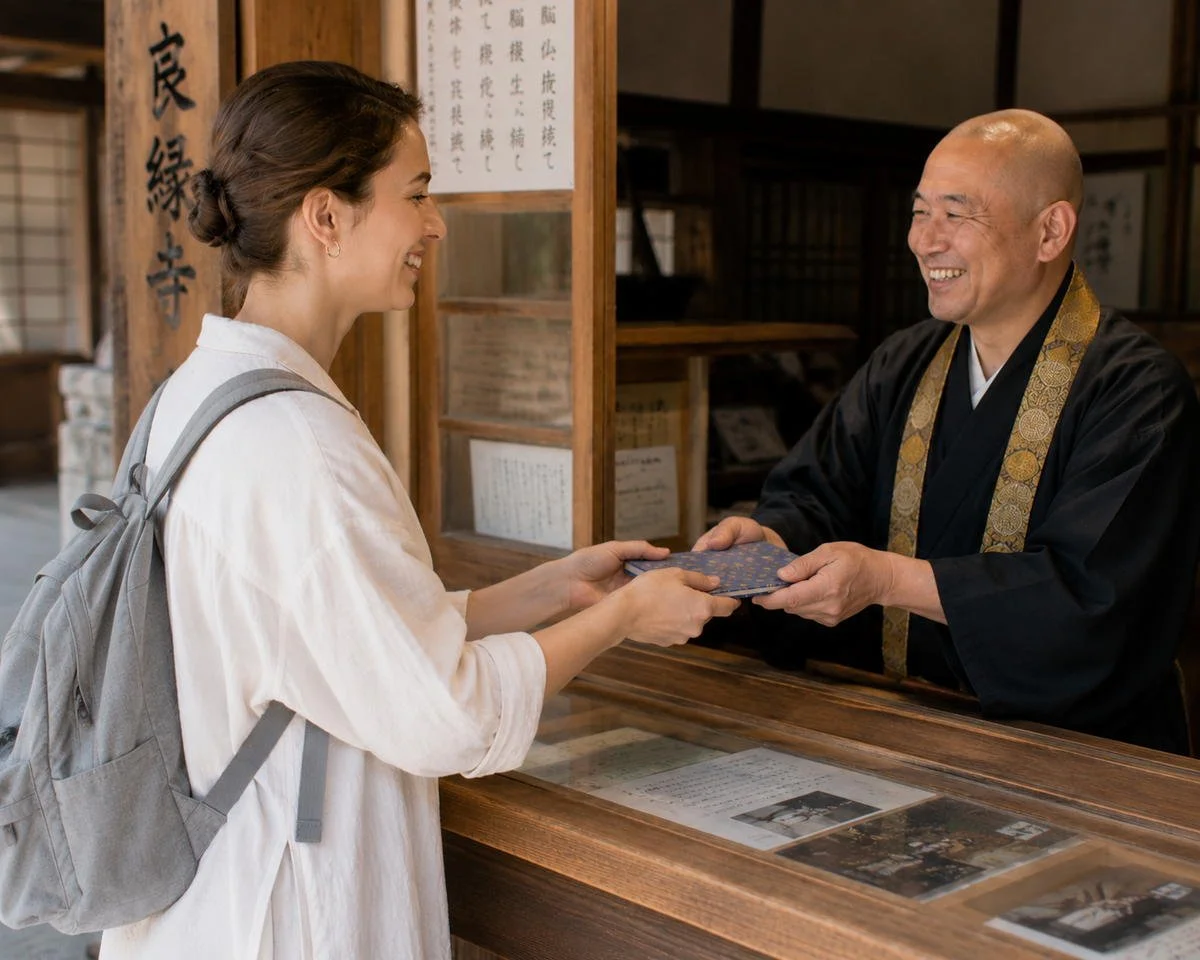
Temple & Shrine Etiquette in Japan: Goshuin, Photography & Respect

Trash in Japan: Why There Are So Few Public Trash Bins
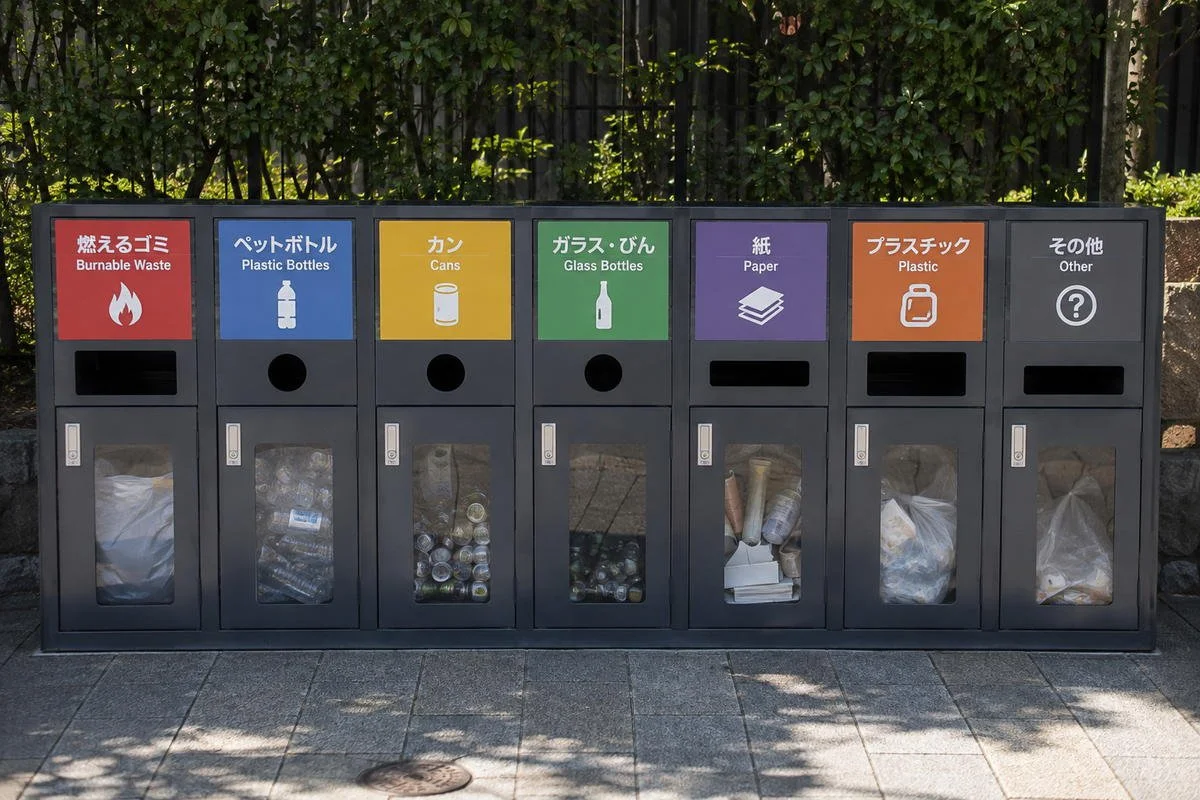
How to Dispose of Trash & Recycling in Japan
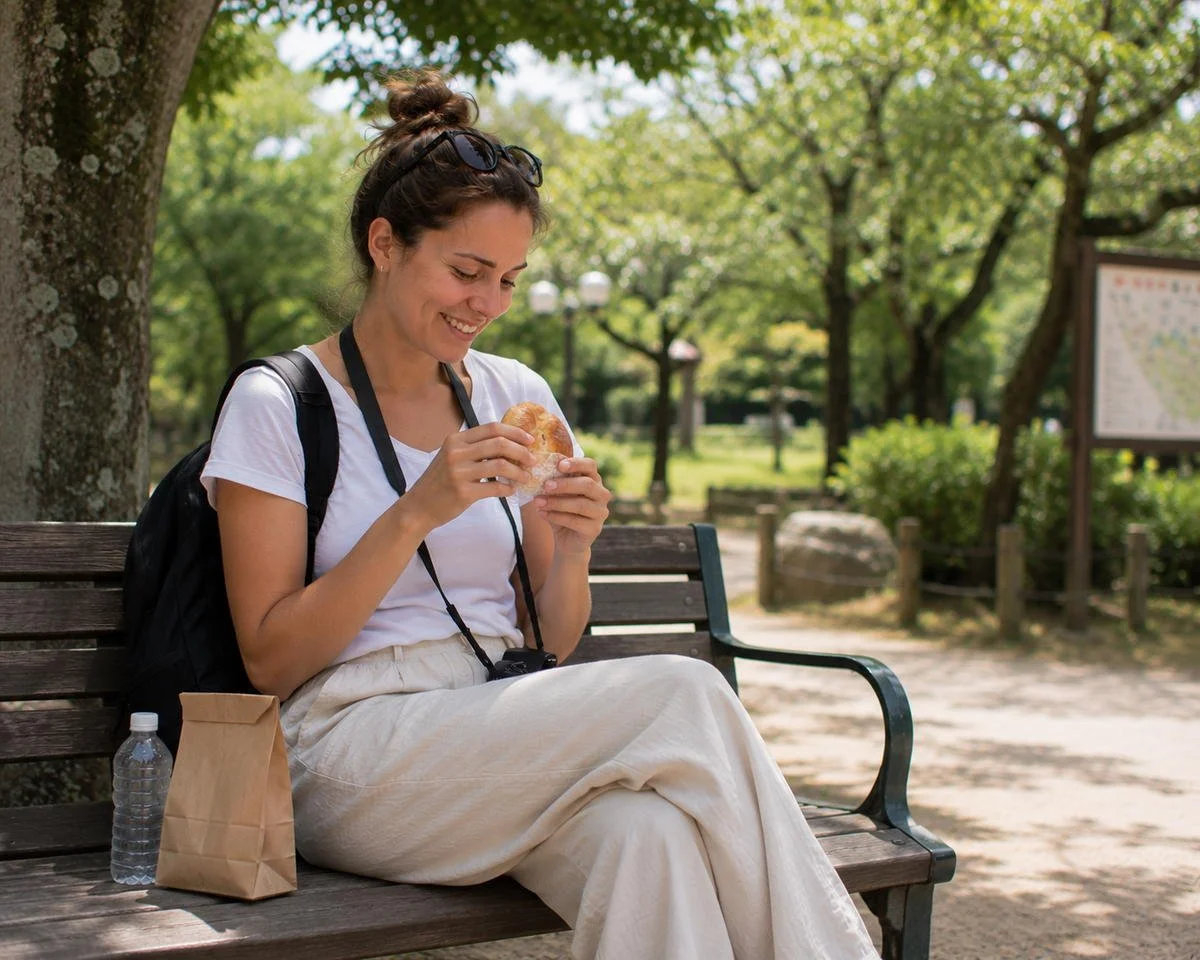
Keeping Japan Clean: Everyday Etiquette for Travelers
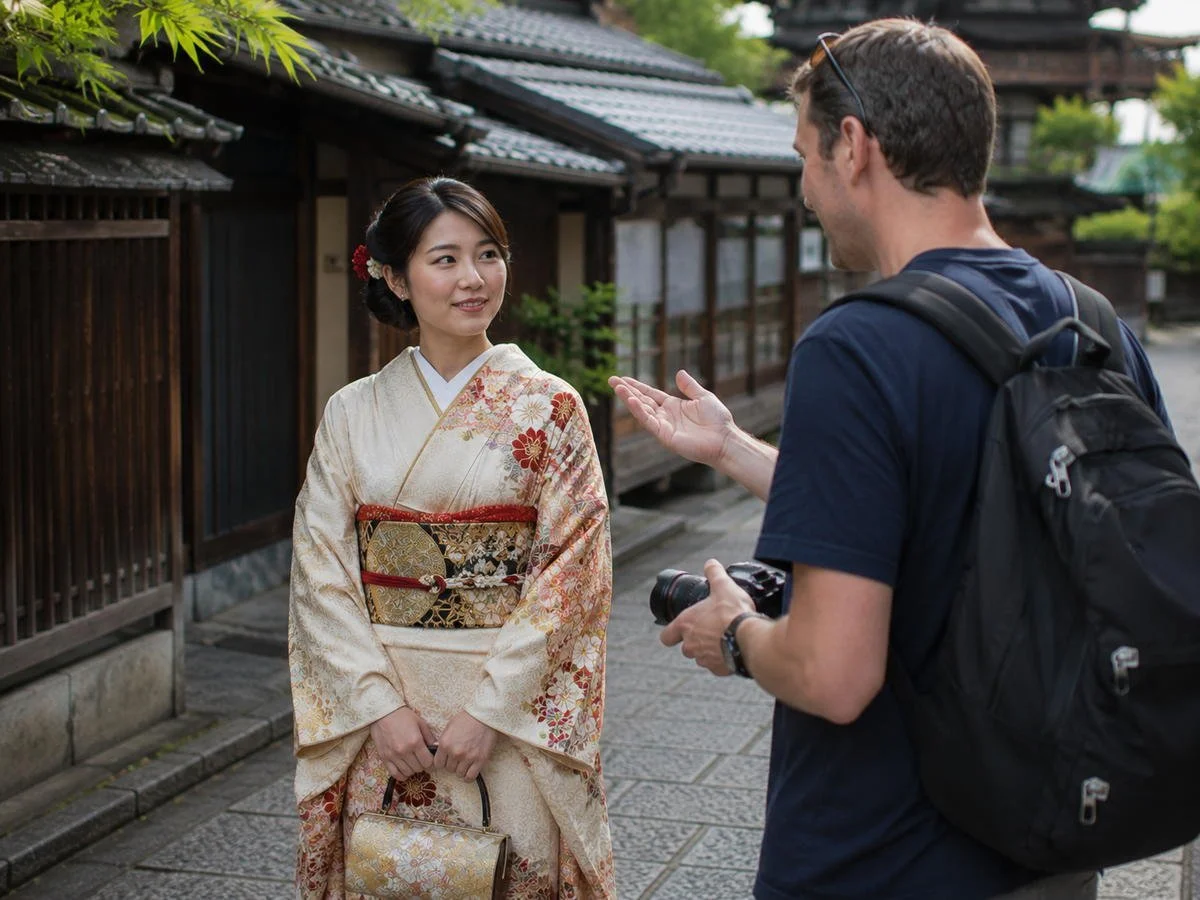
Photography Etiquette in Japan
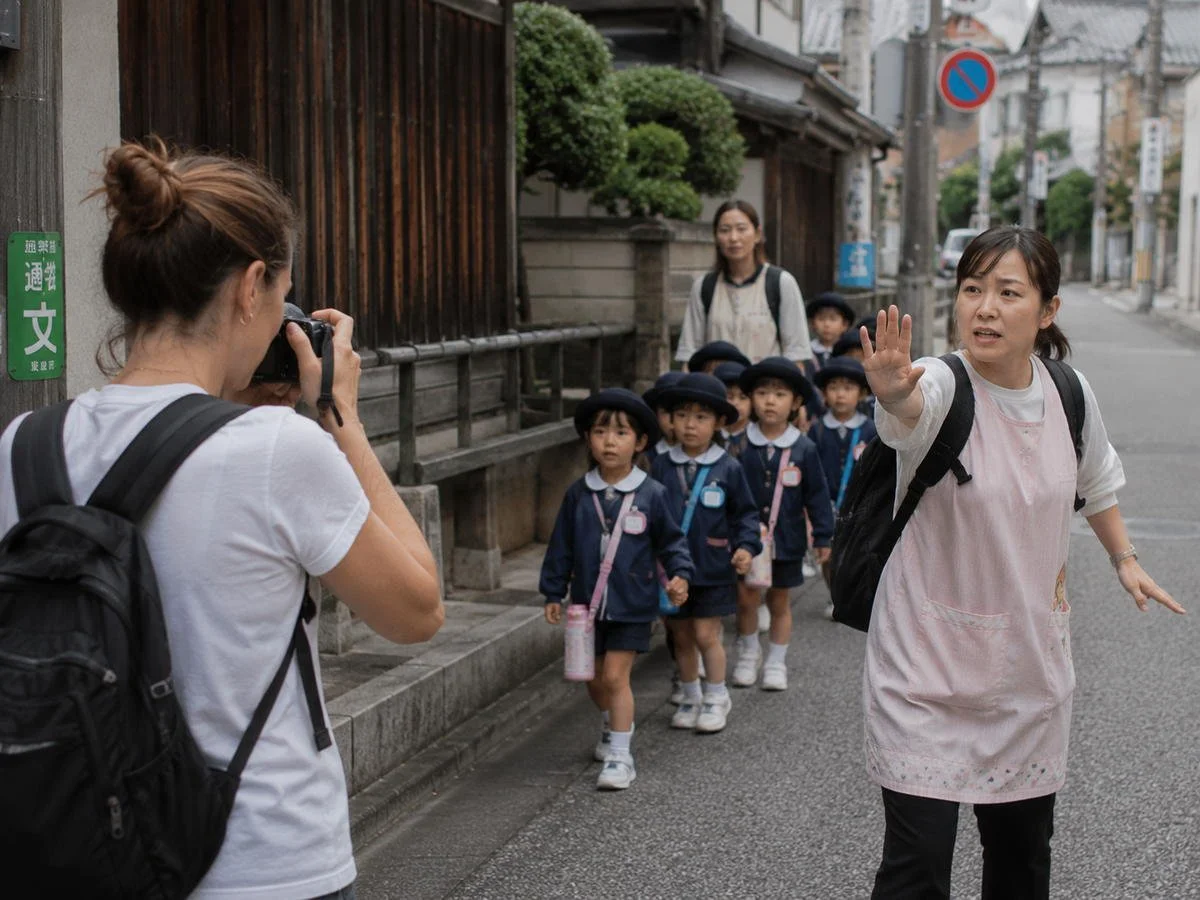
Photographing People in Japan: Privacy & Etiquette
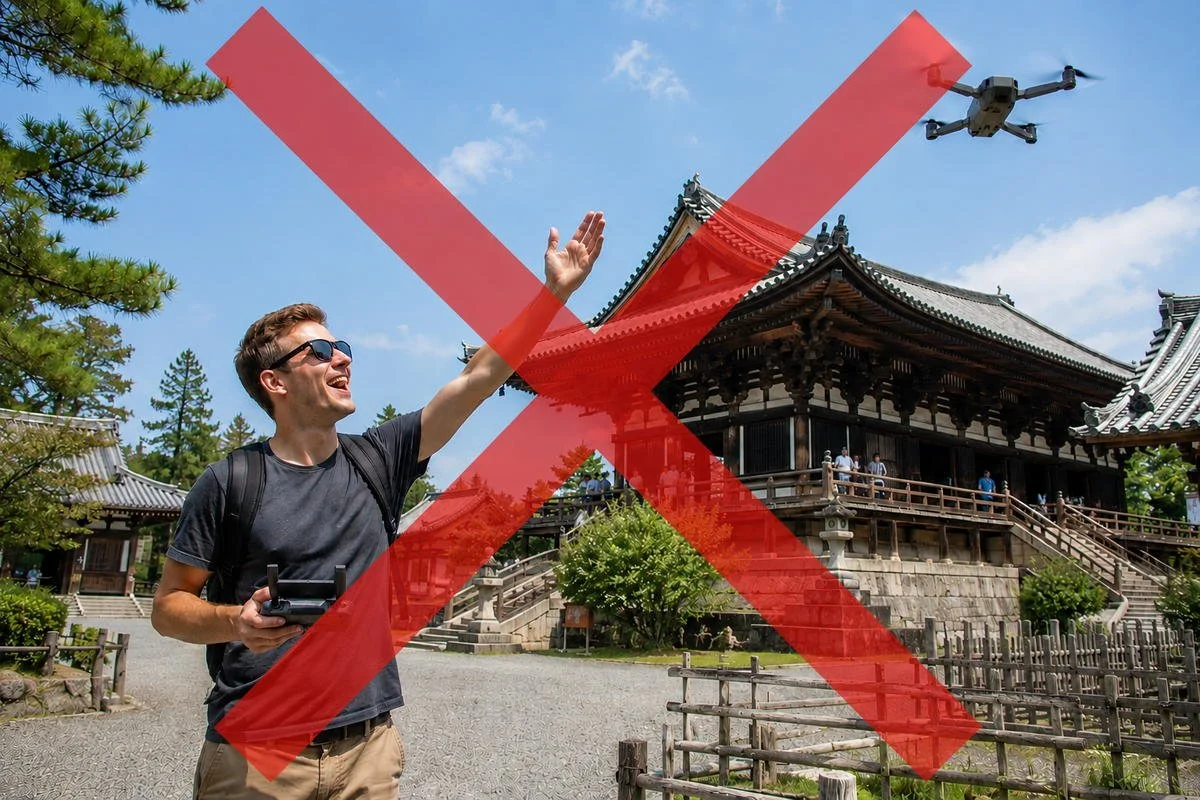
Photography in Japan: Drones, Social Media & Respect

Cash & Cards in Japan: A Guide to Payments

Paying in Japan: Checkout, Cash & Card Etiquette
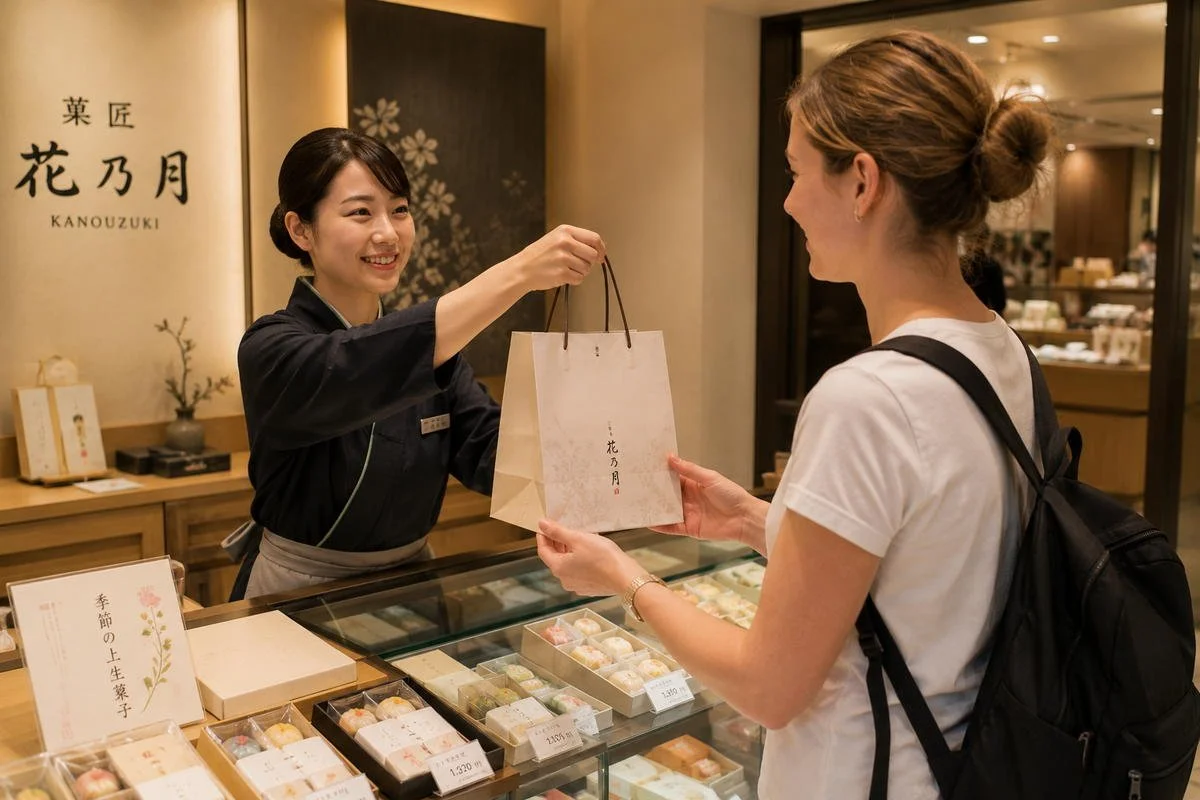
Shopping & Payment Tips in Japan: Tax-Free, Receipts & Returns
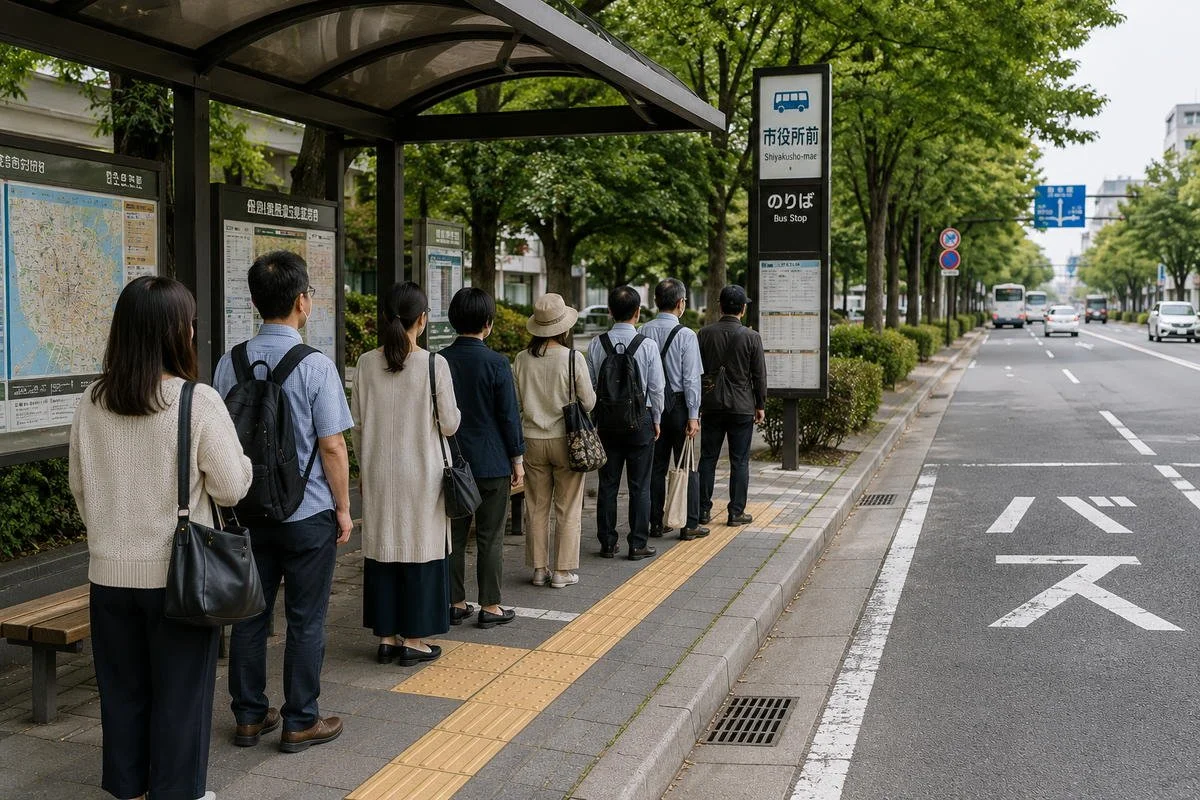
Queuing in Japan: Lines, Personal Space & Everyday Etiquette
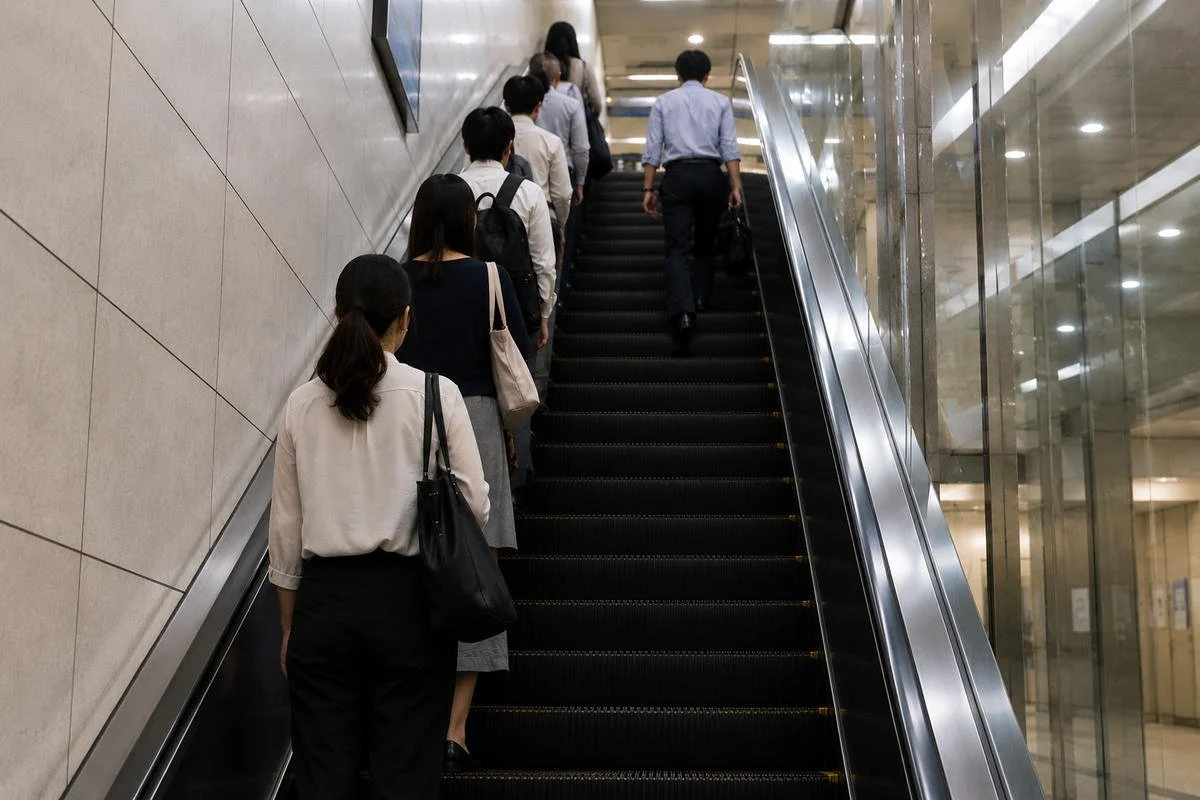
Queuing in Japan: Escalators, Elevators & Everyday Situations
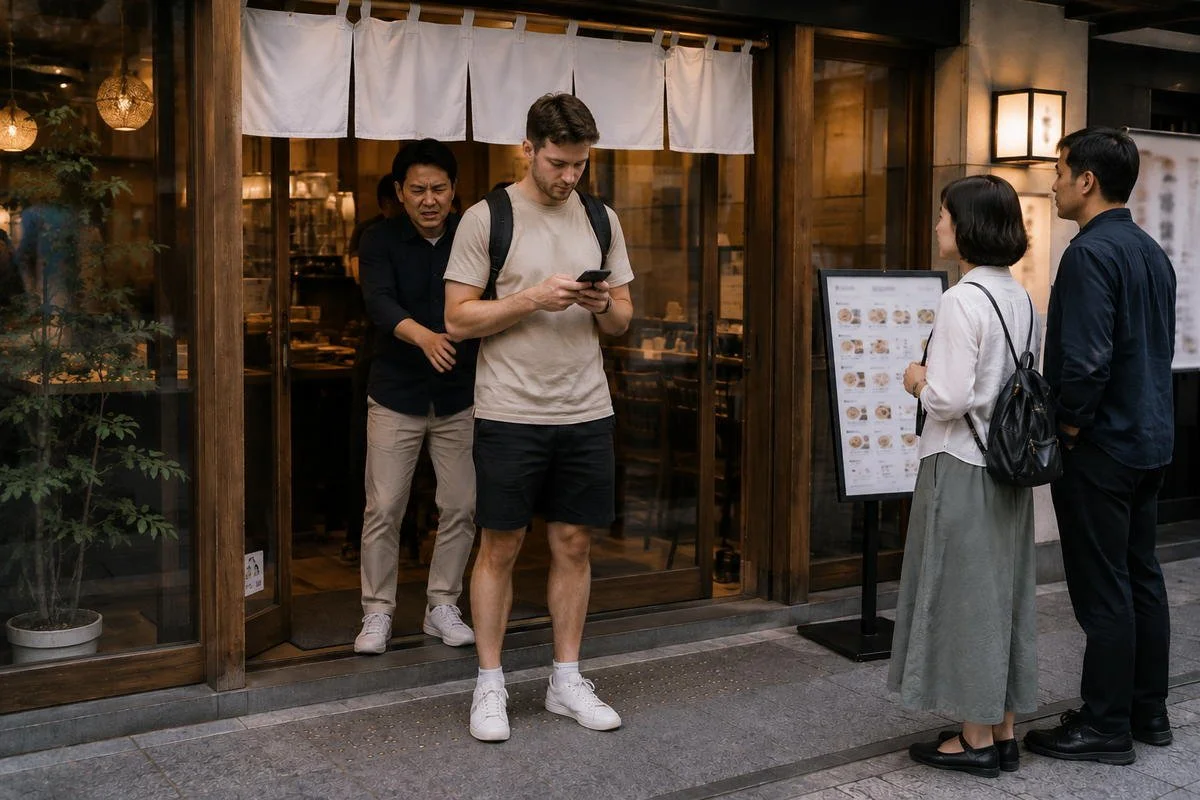
Personal Space in Japan: Courtesy in Shared Spaces
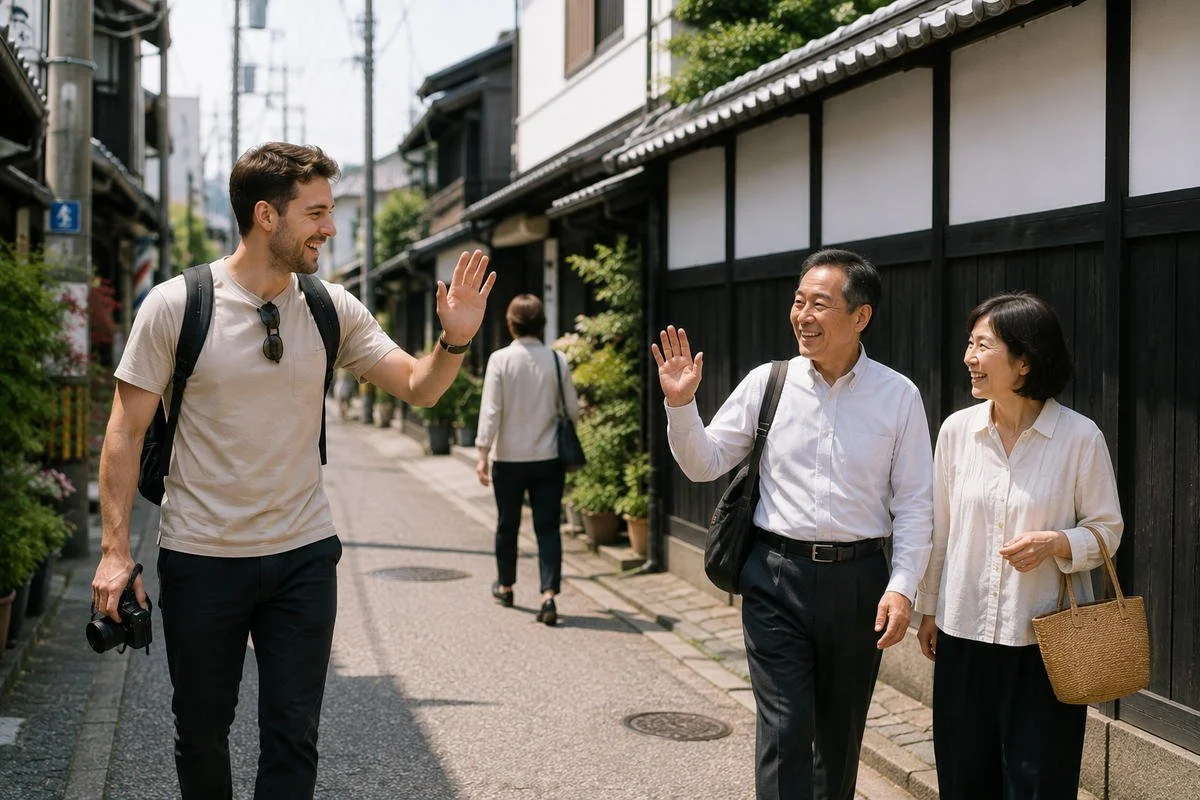
Walking Etiquette in Japan: Streets, Sidewalks & Public Spaces
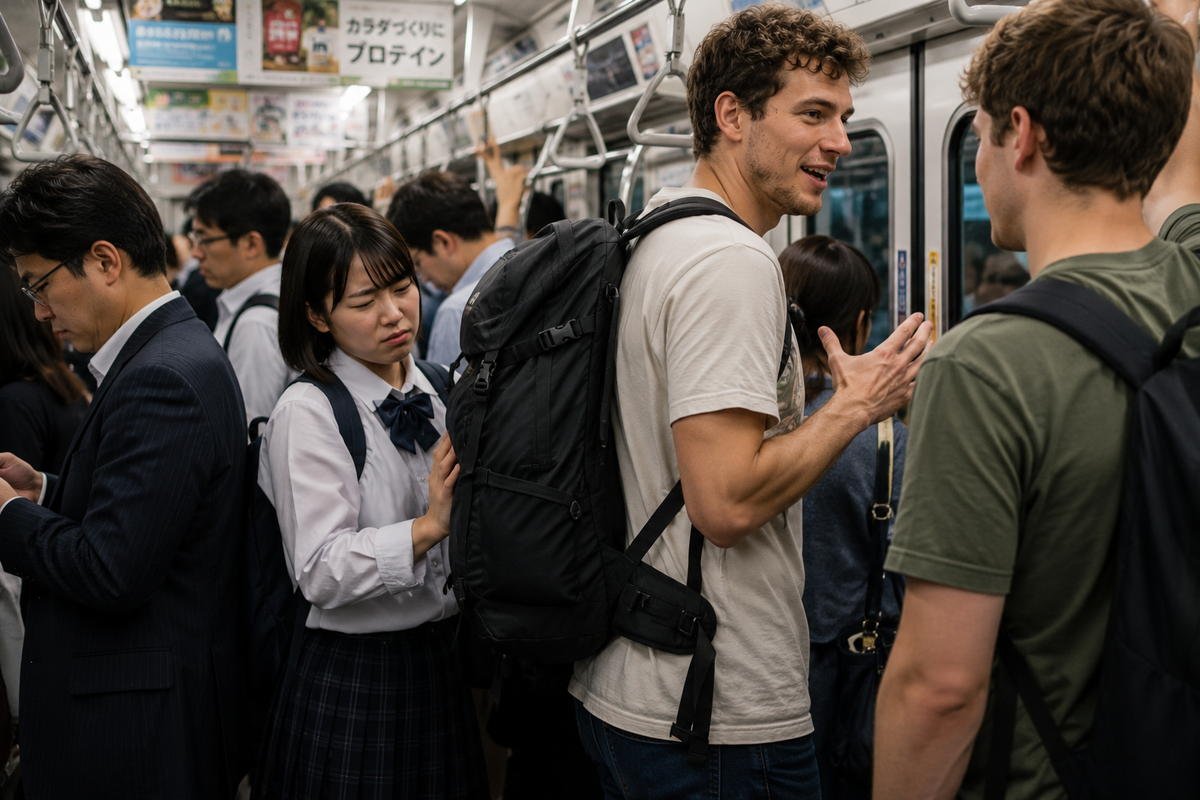
Walking Etiquette in Japan: Busy Streets, Stations & Tourist Areas

Walking Etiquette in Japan: Awareness & Consideration

Visiting Rural Japan: Local Communities & Countryside Etiquette
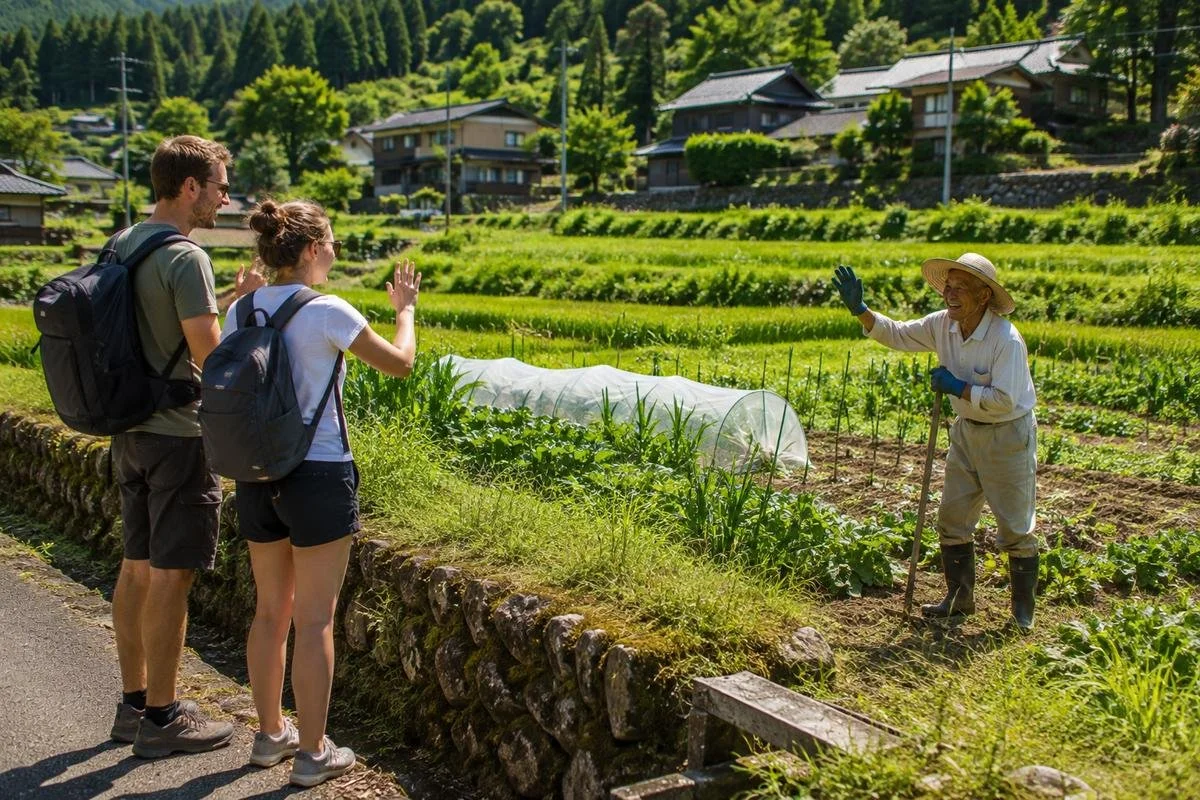
Visiting Rural Japan: Local Communities & Everyday Life
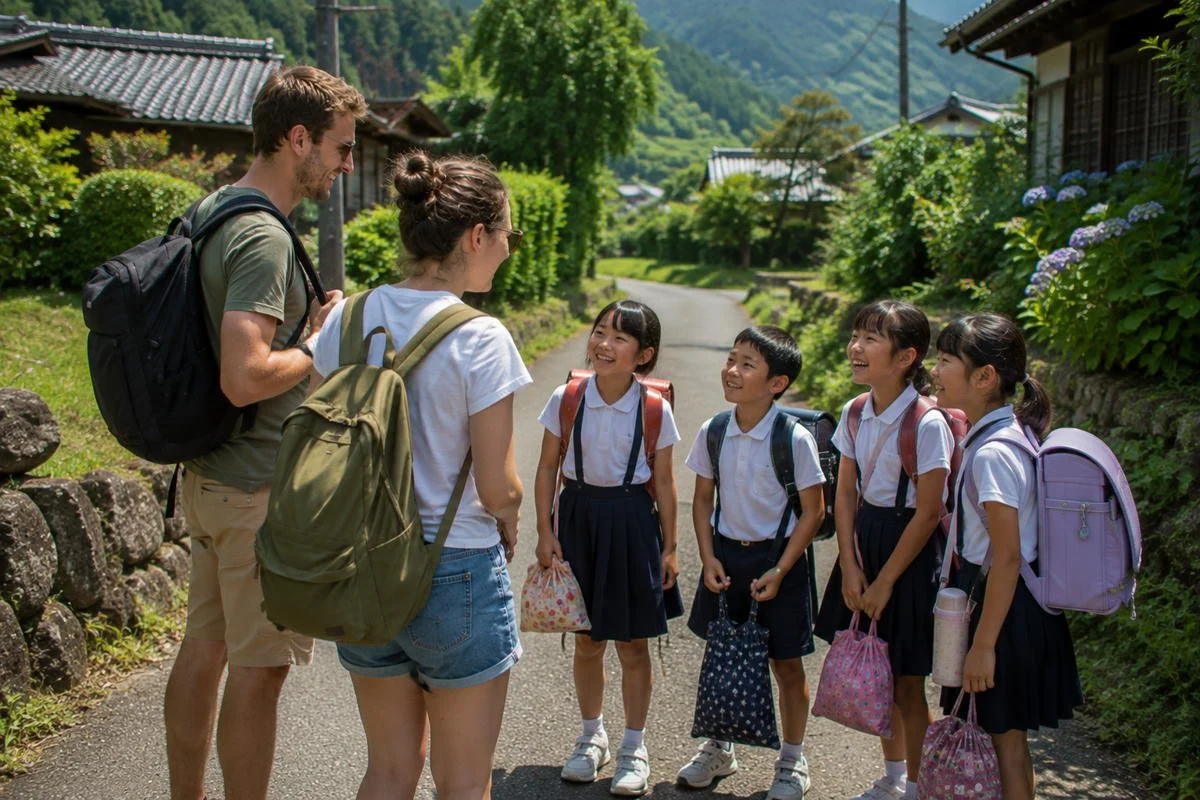
Visiting Rural Japan: Thoughtful & Sustainable Travel
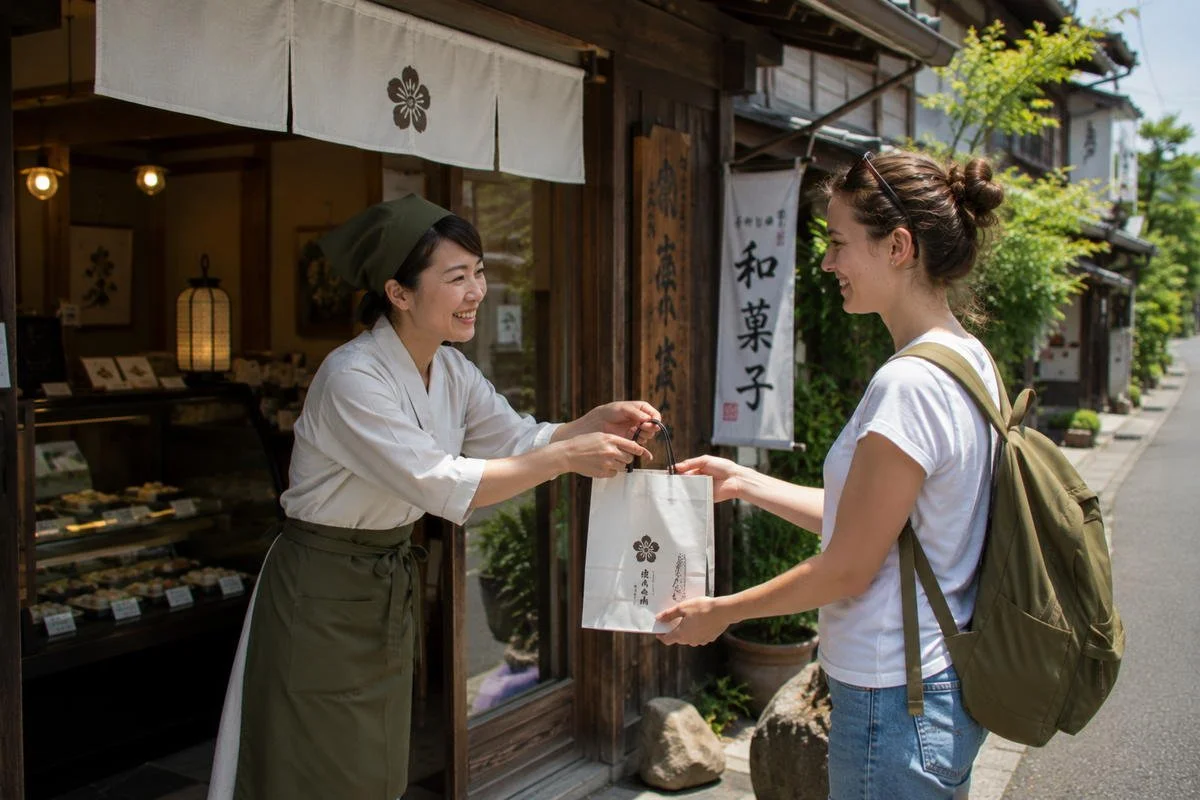
Gift-Giving & Japanese Hospitality: The Spirit of Omotenashi
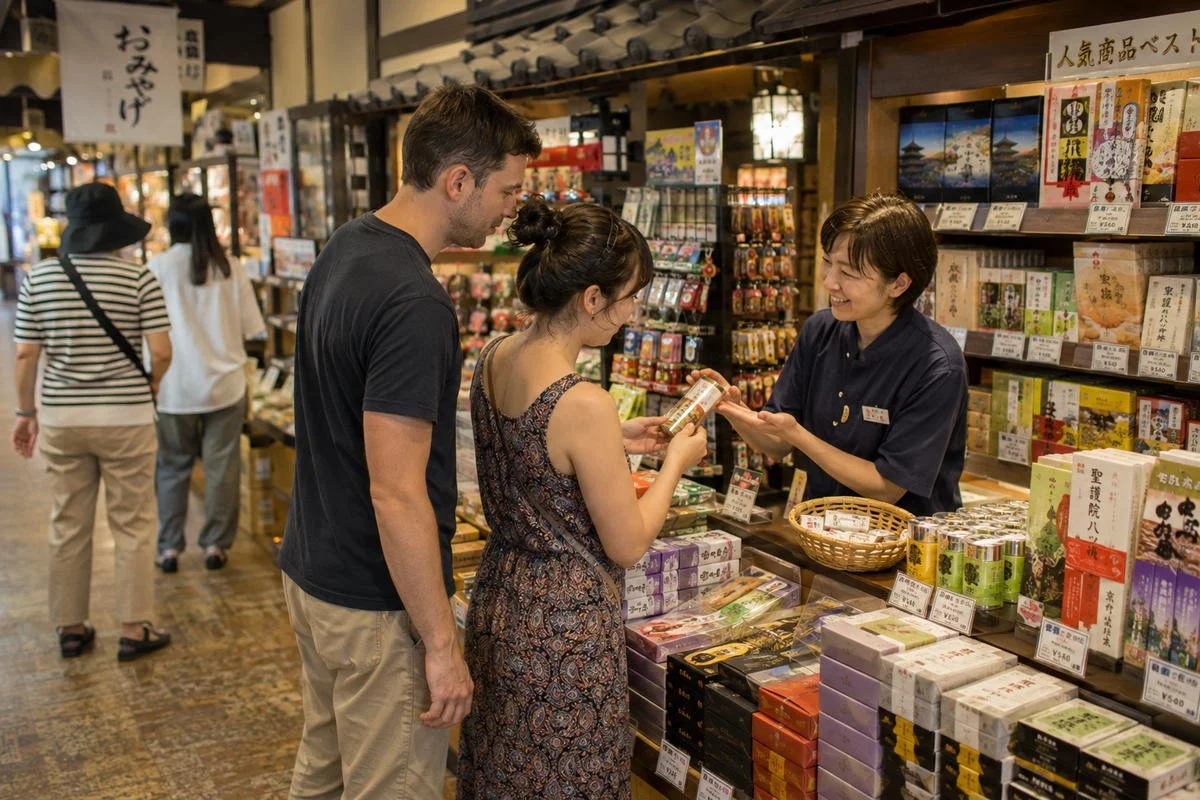
Gift-Giving in Japan: Omiyage, Gifts & Thoughtful Traditions
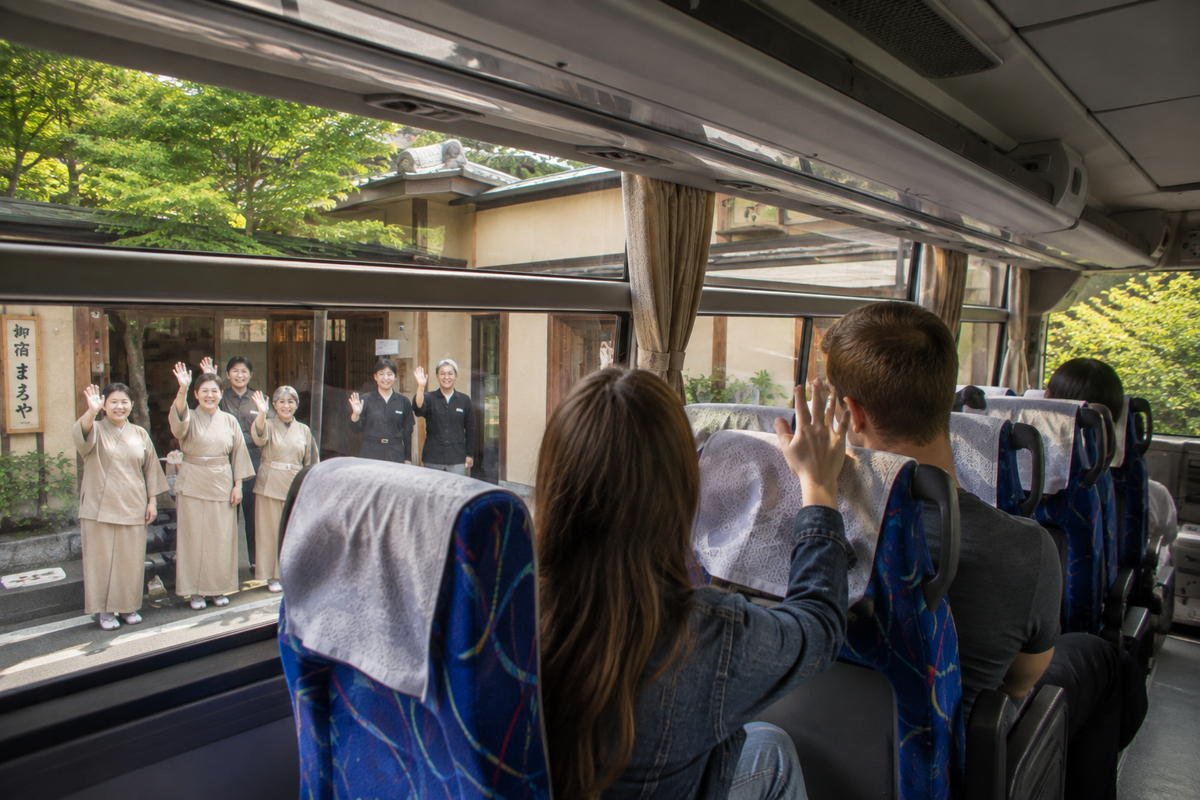
Japanese Hospitality: Thoughtfulness, Gratitude & Kindness
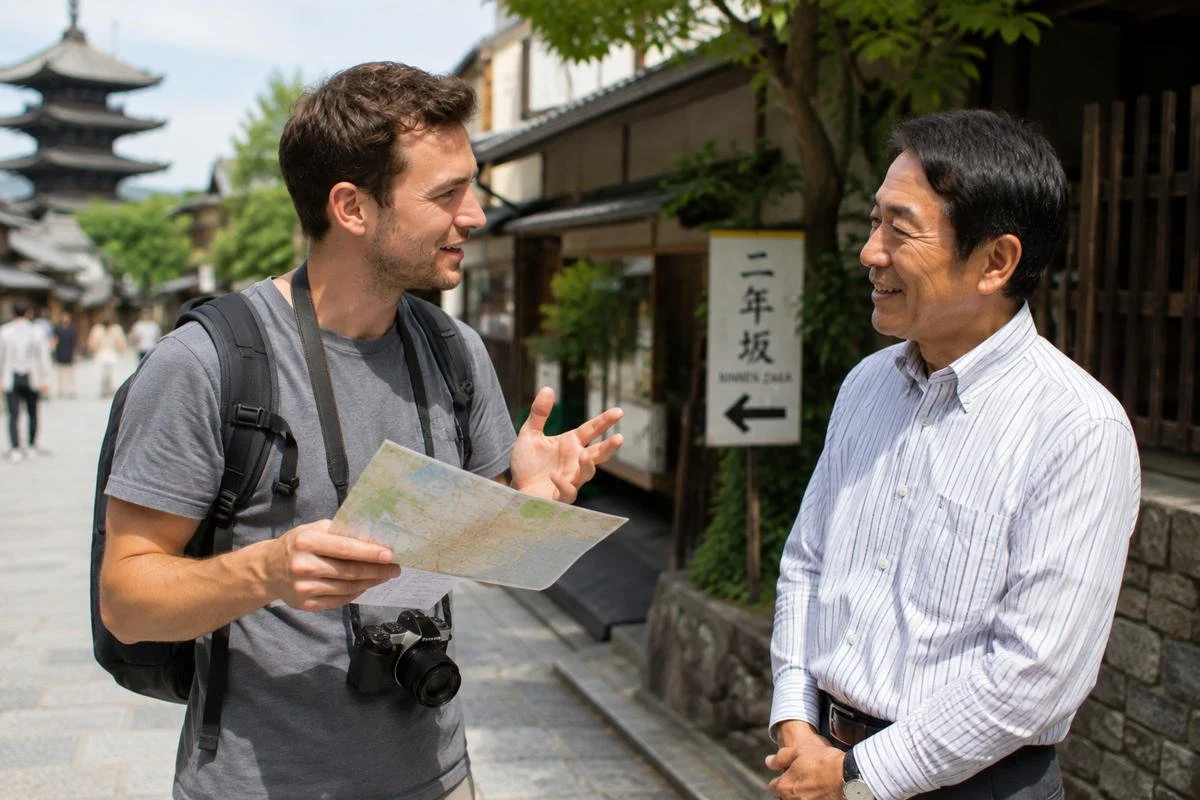
Helpful Japanese Expressions for Travelers: Greetings & Everyday Words

Helpful Japanese Expressions for Travelers: Everyday Phrases
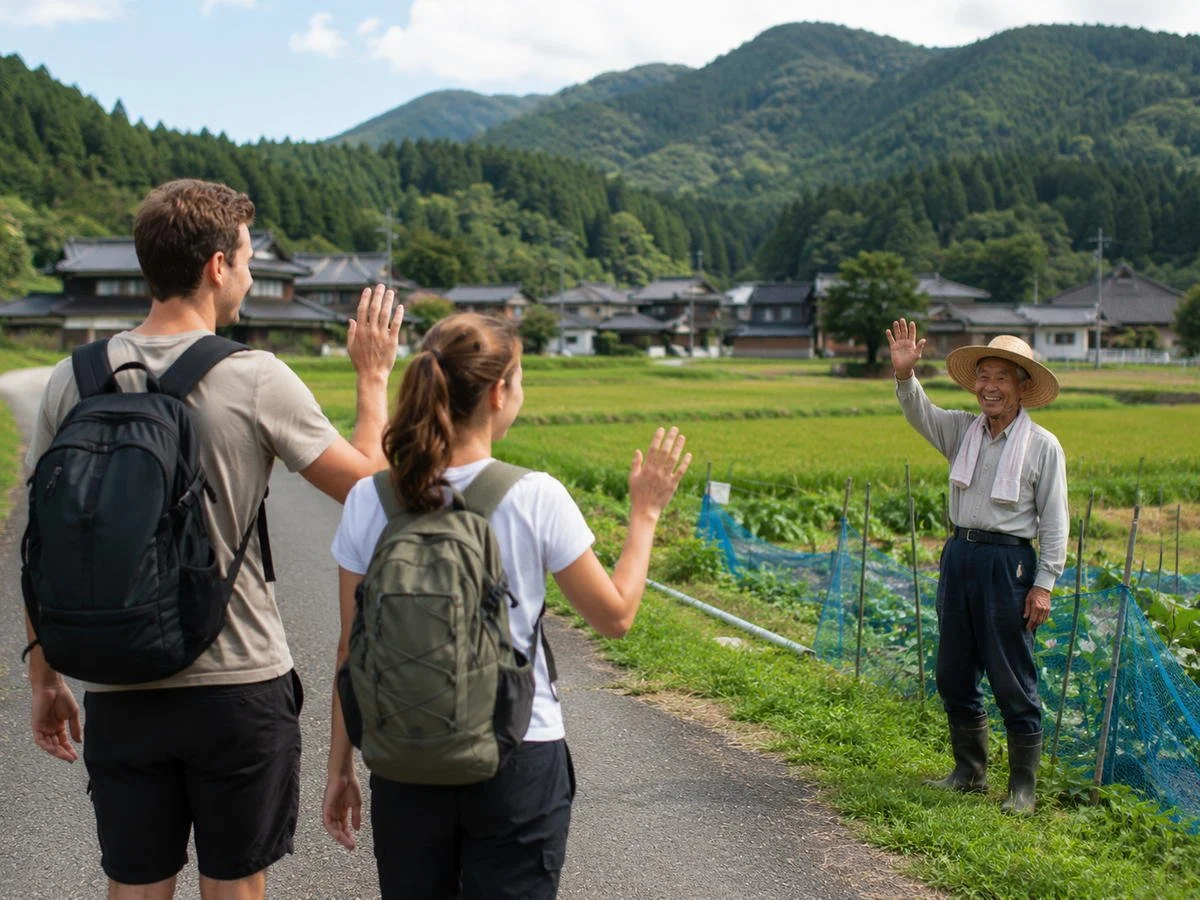
Helpful Japanese Expressions for Travelers: Communicating with Respect