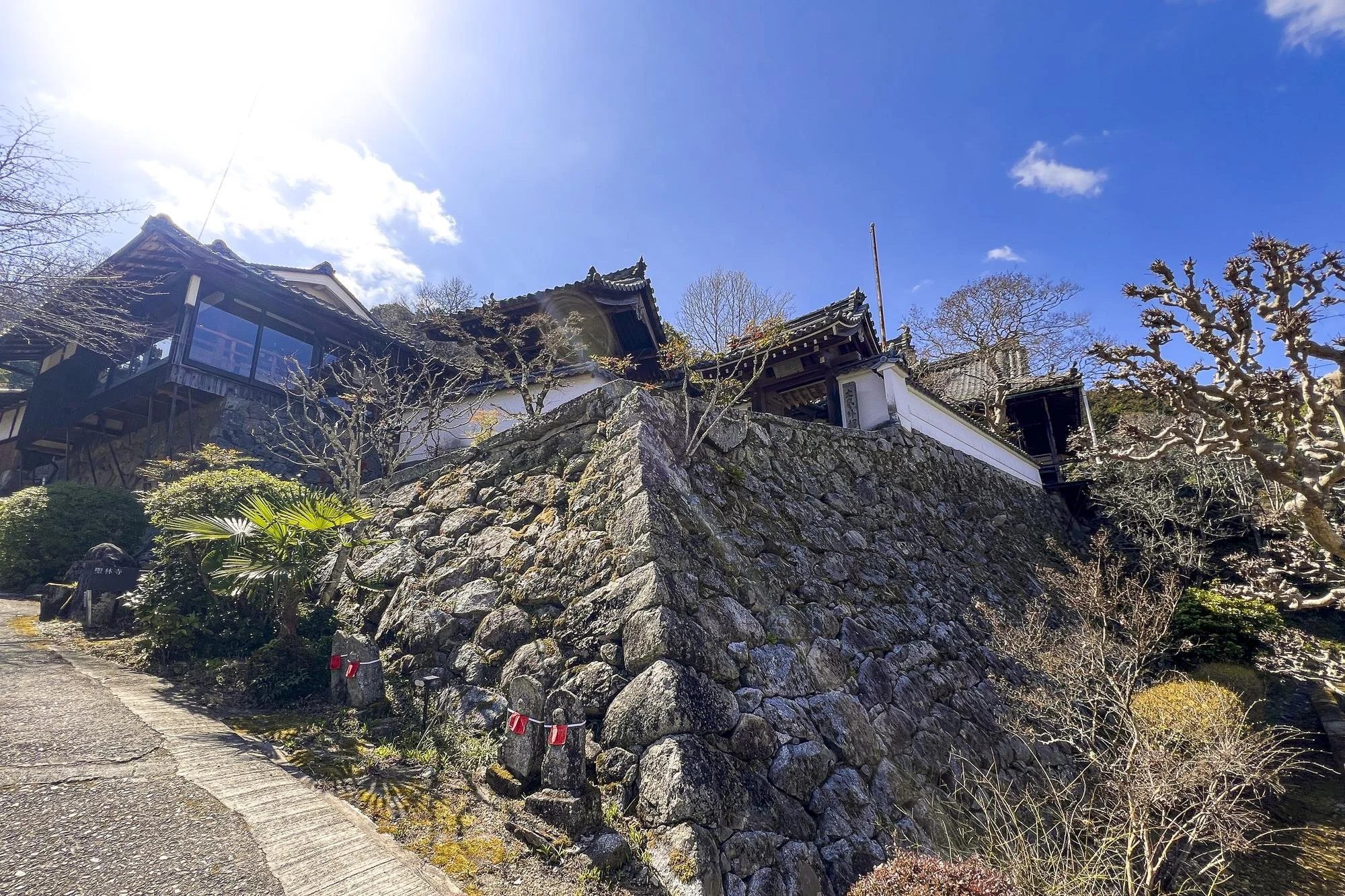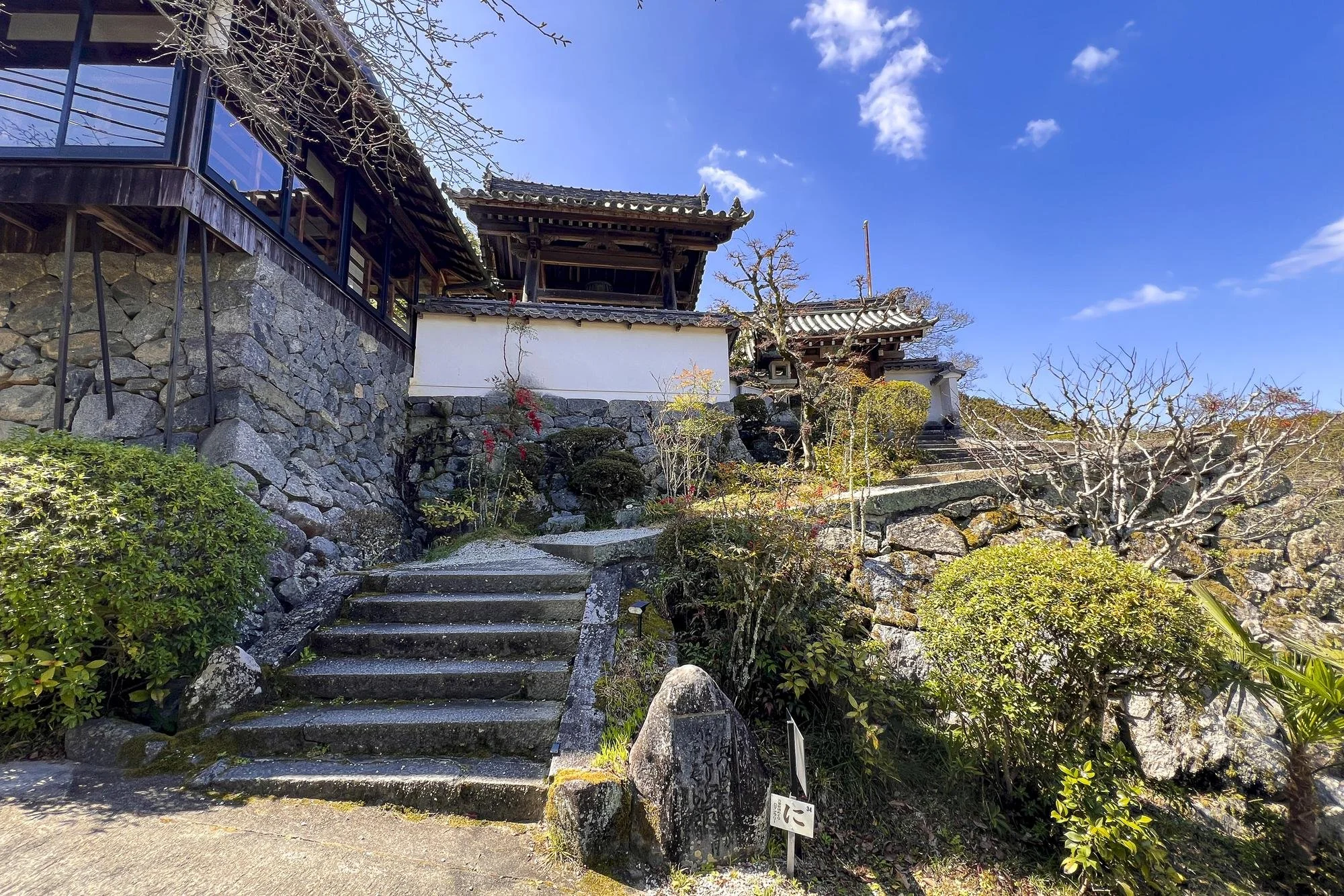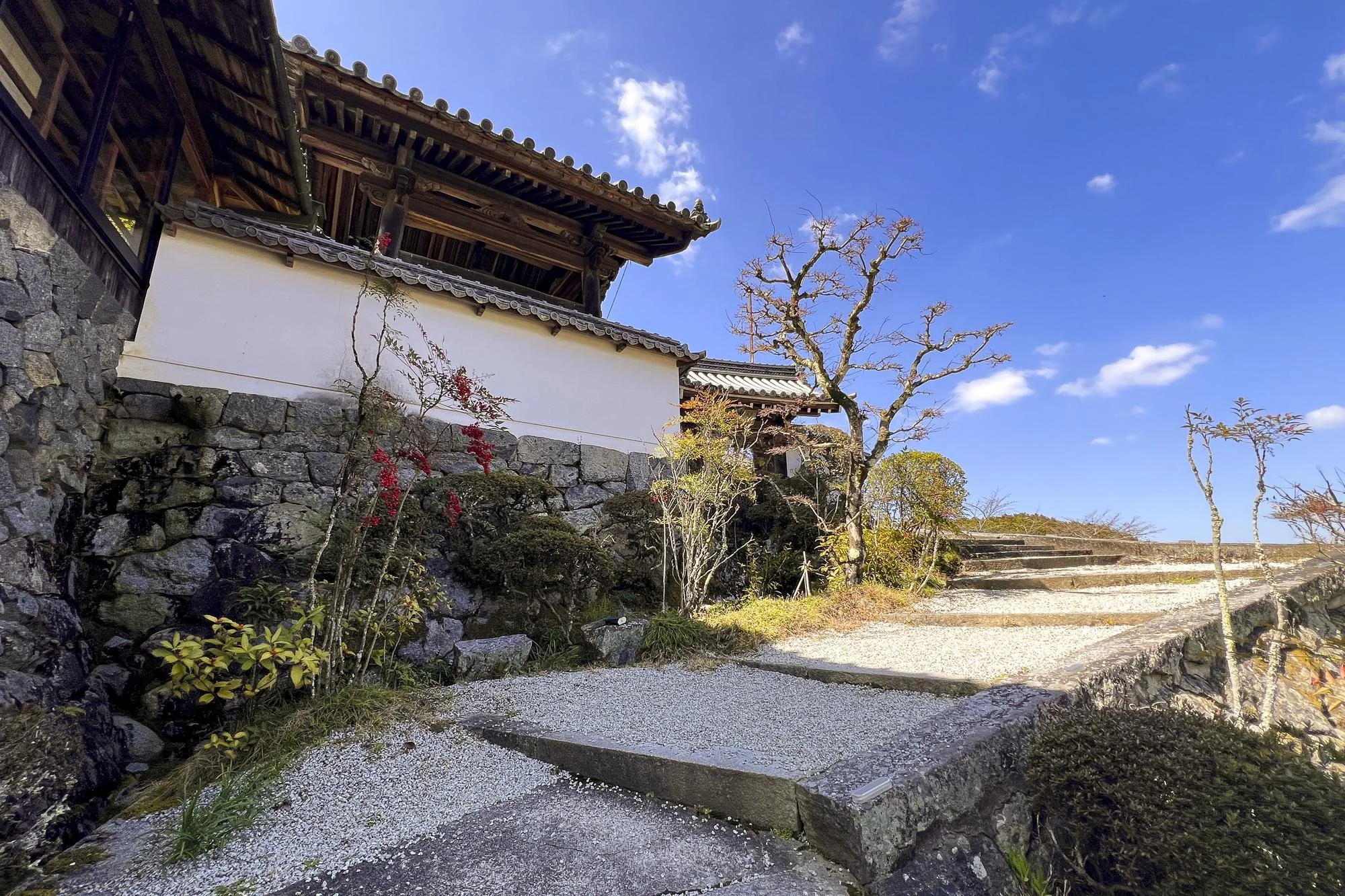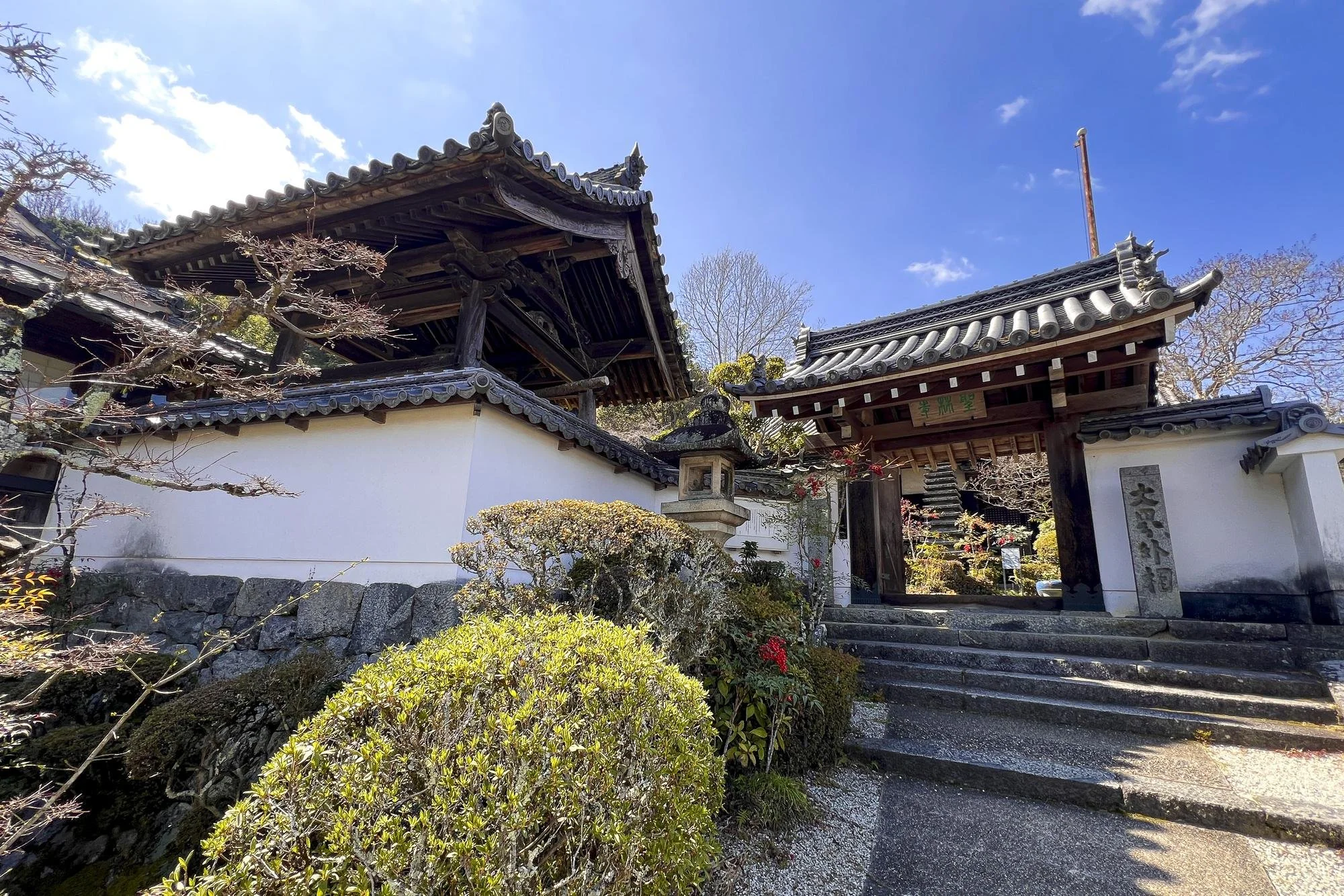
Shorin-ji Temple
Home of the Graceful Eleven-Headed
Kannon of Ancient Nara
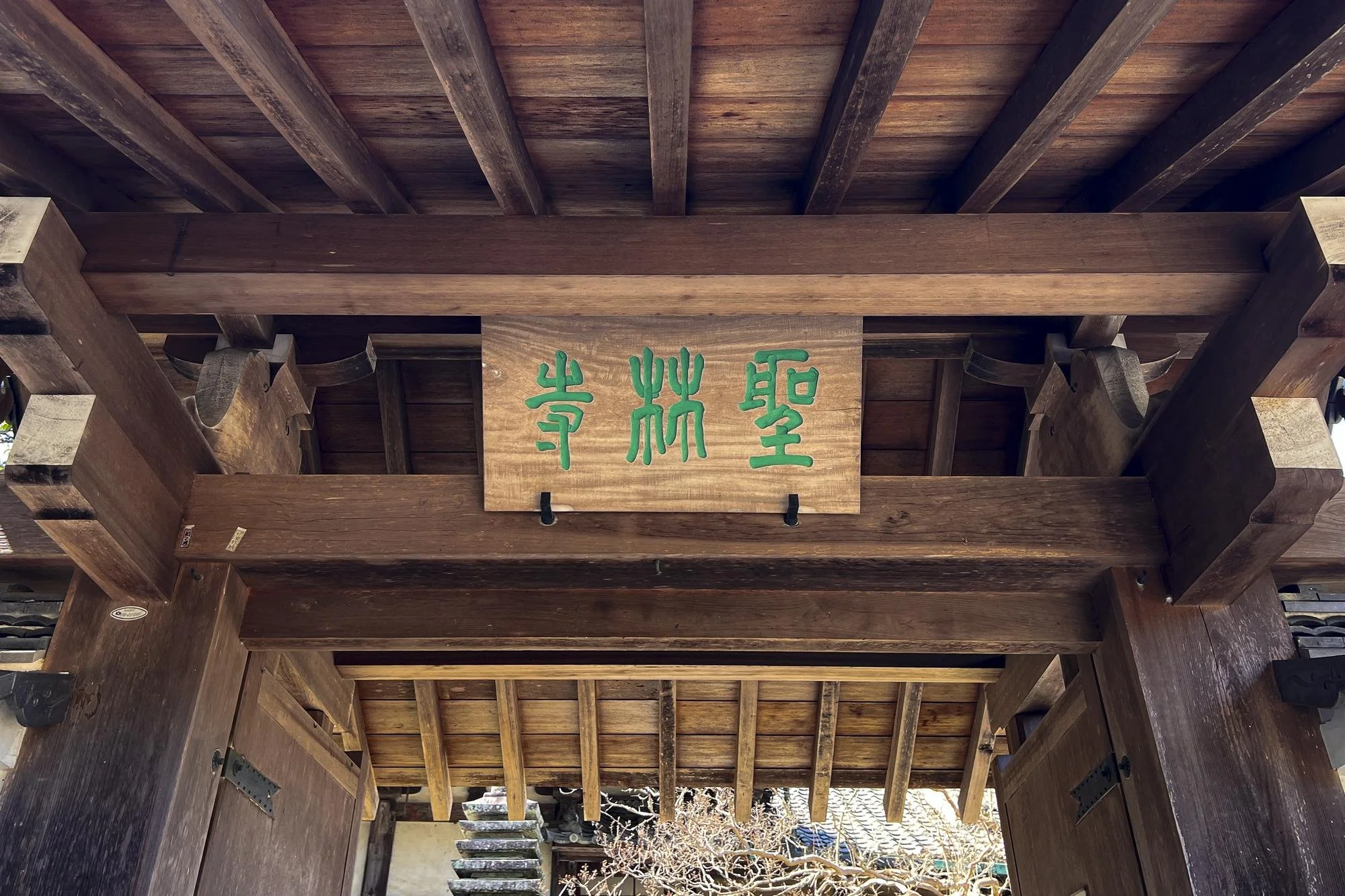
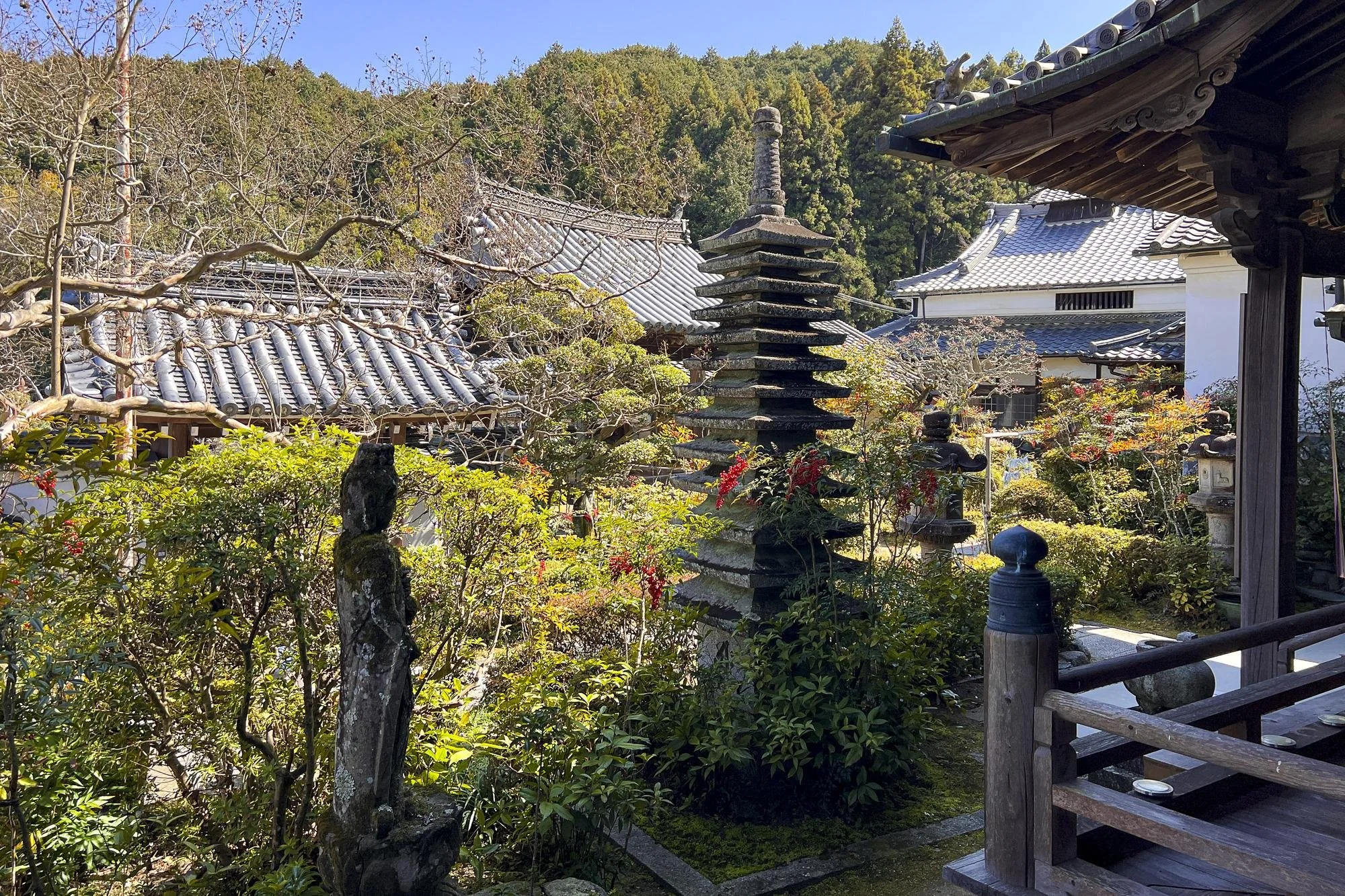
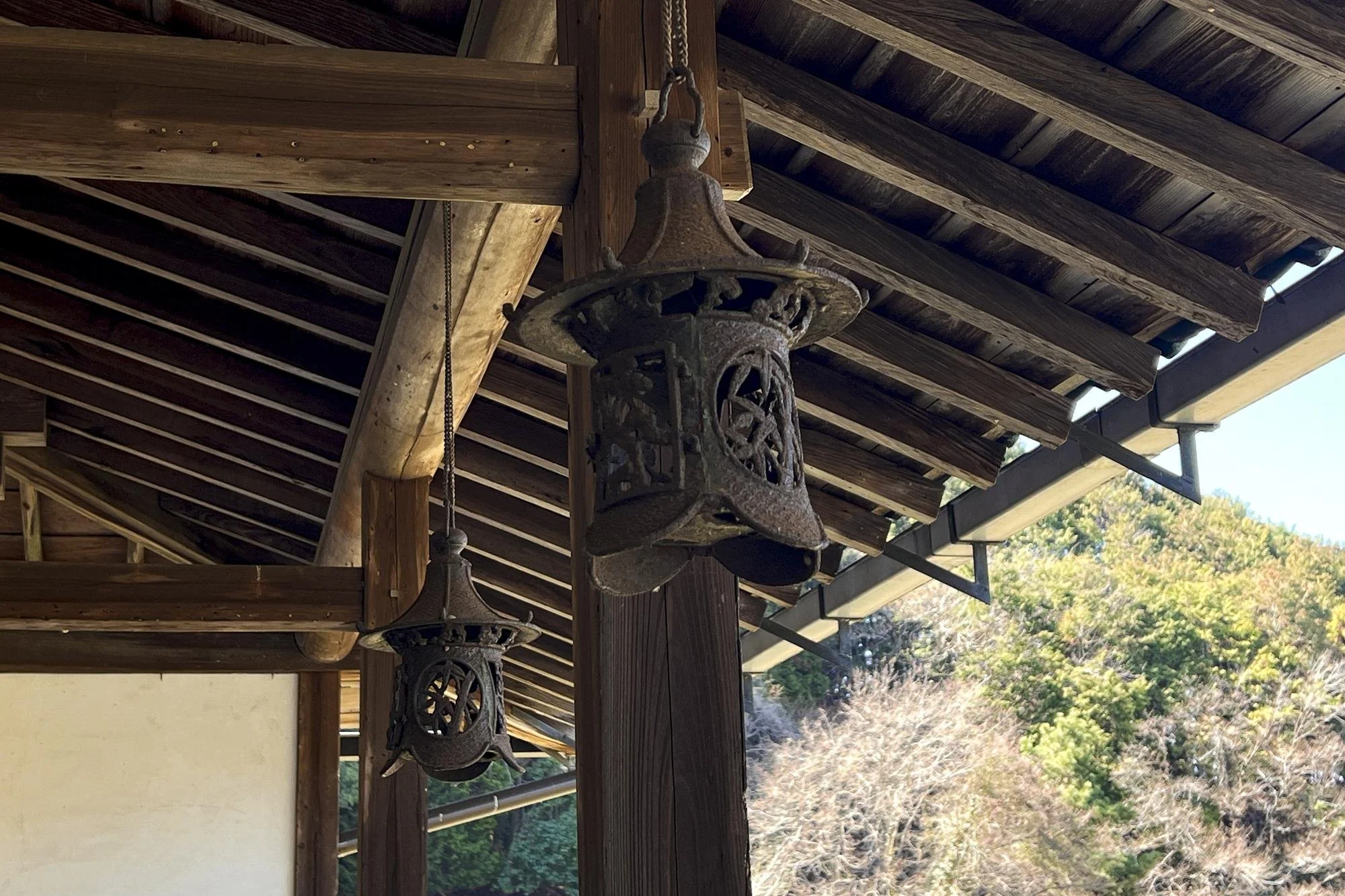
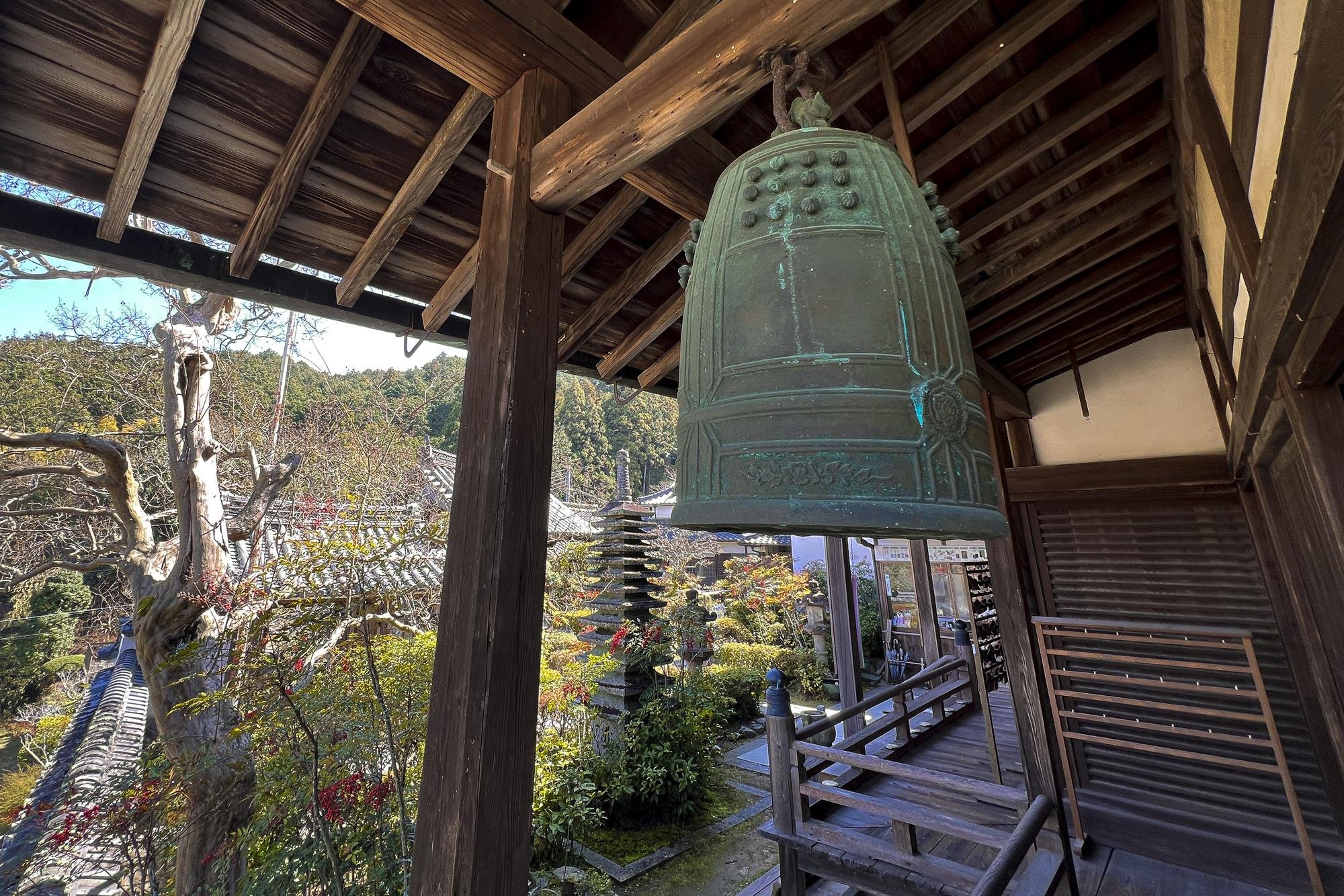
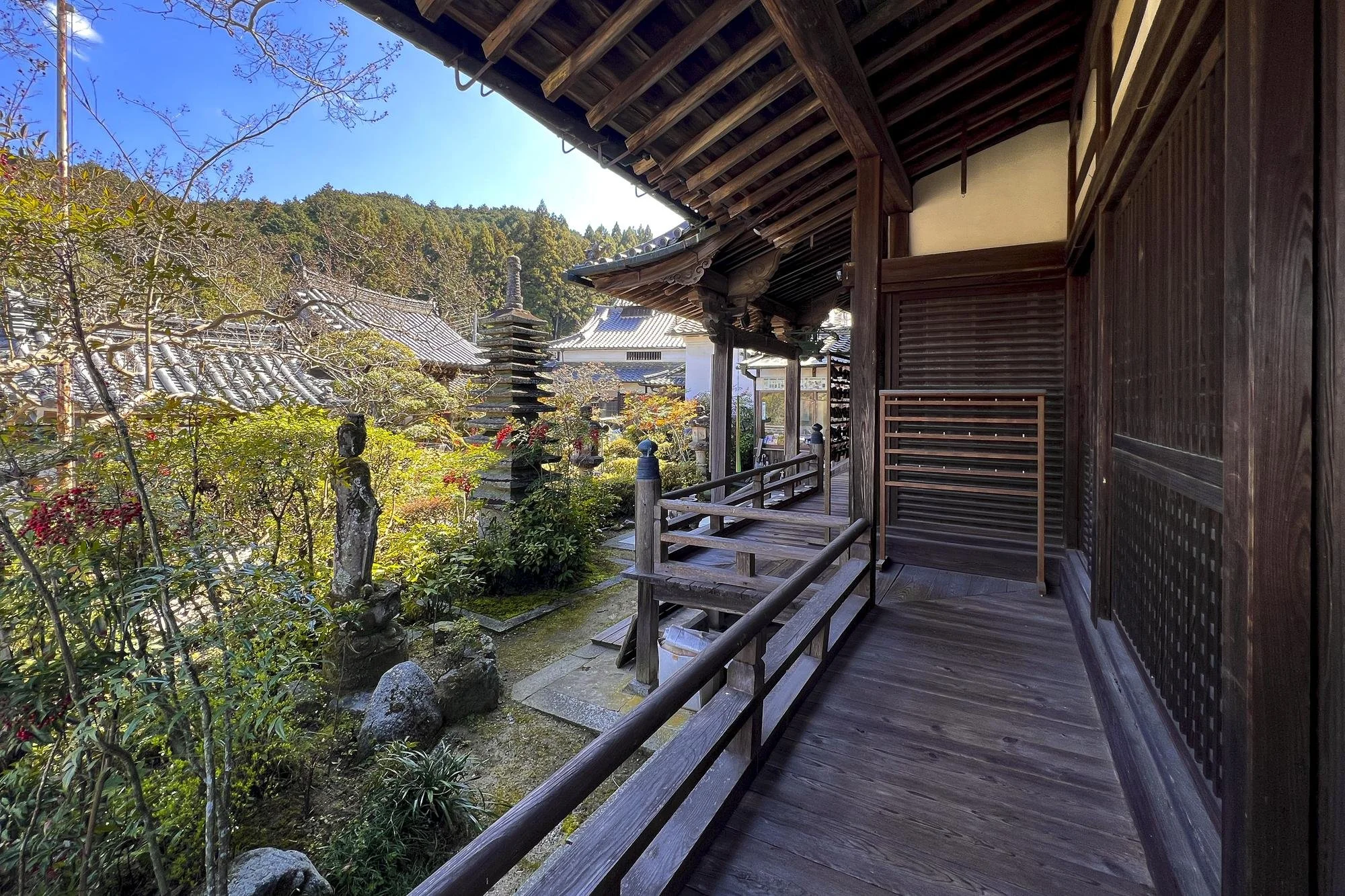
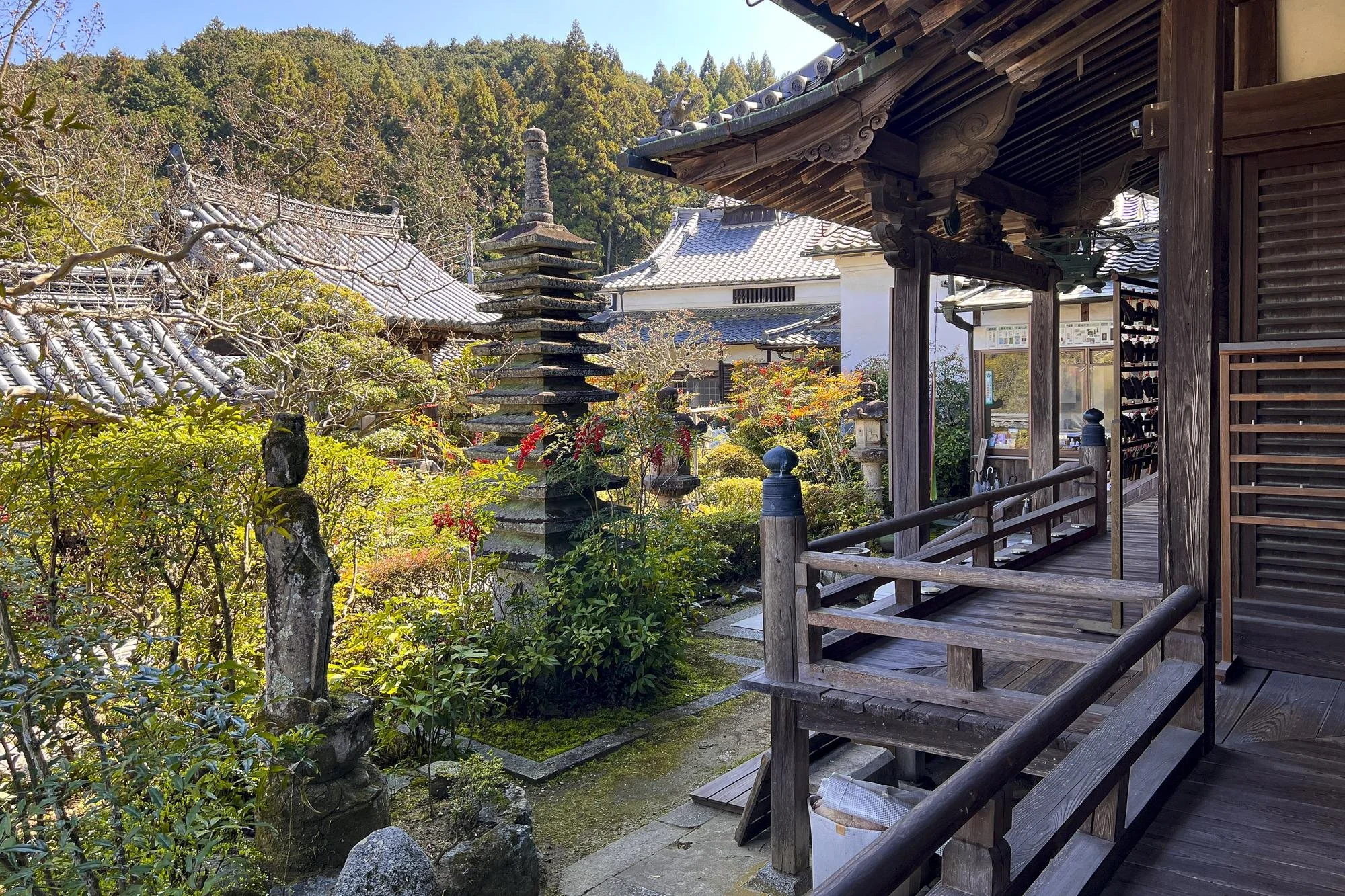
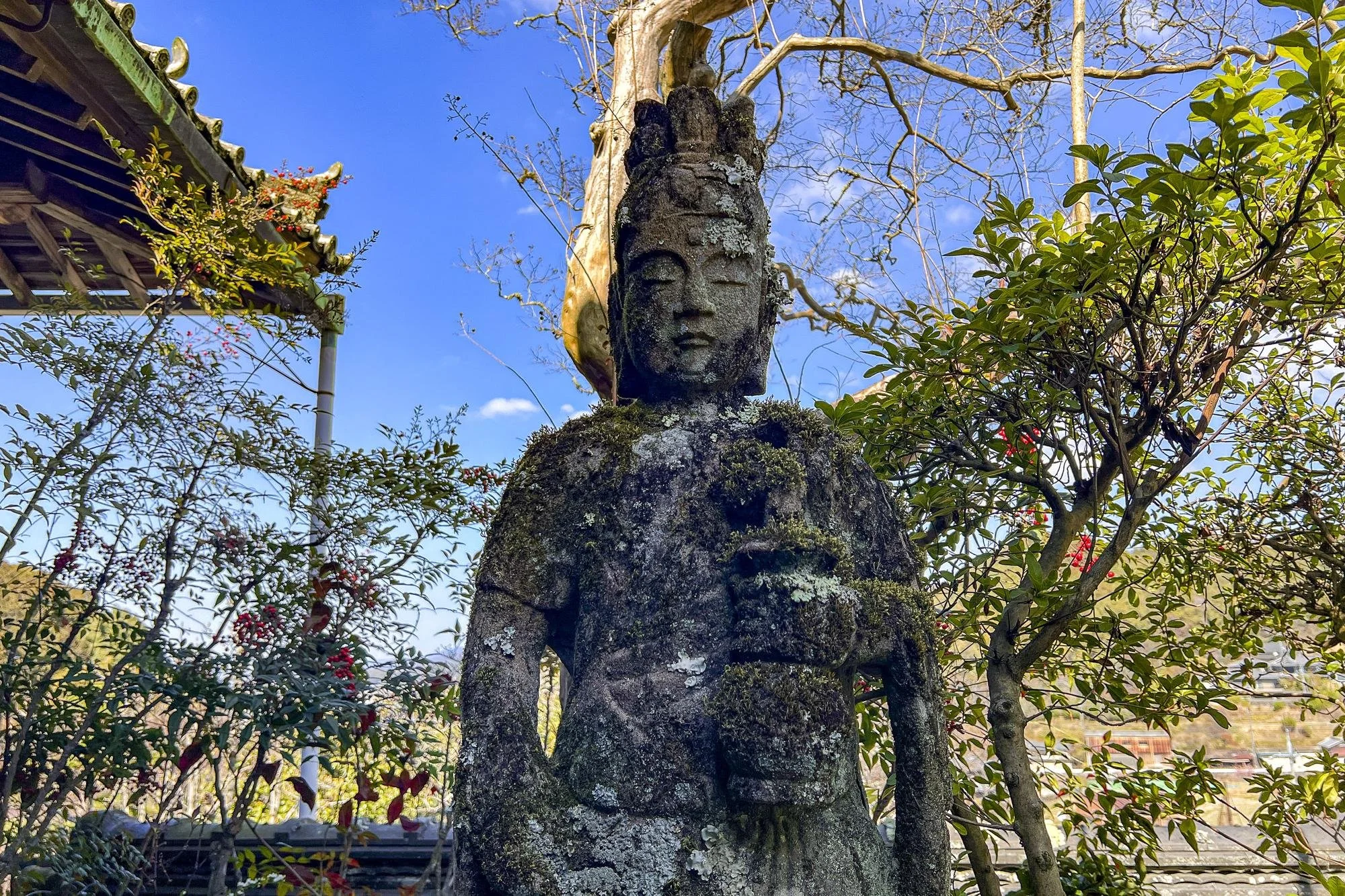
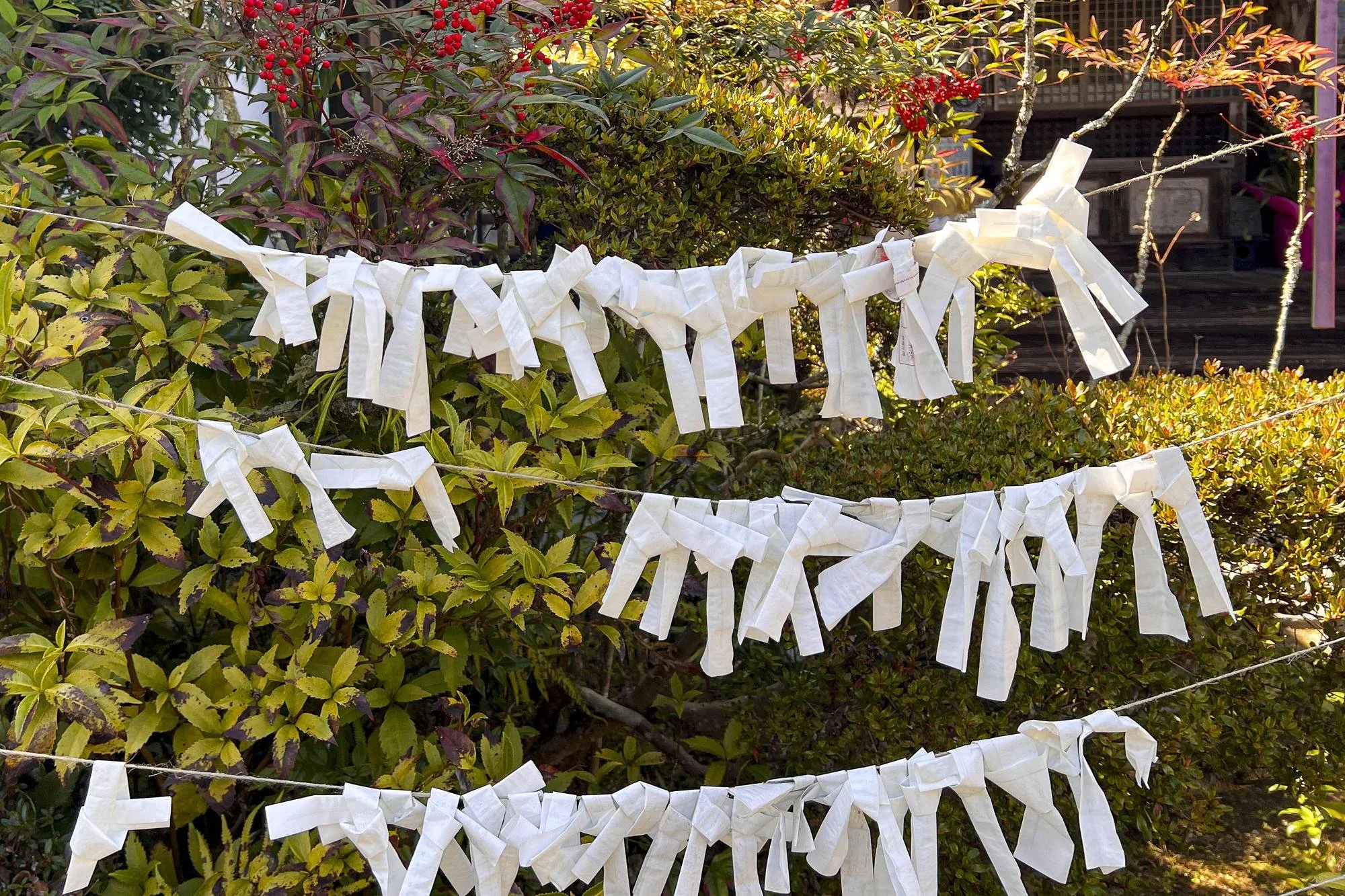
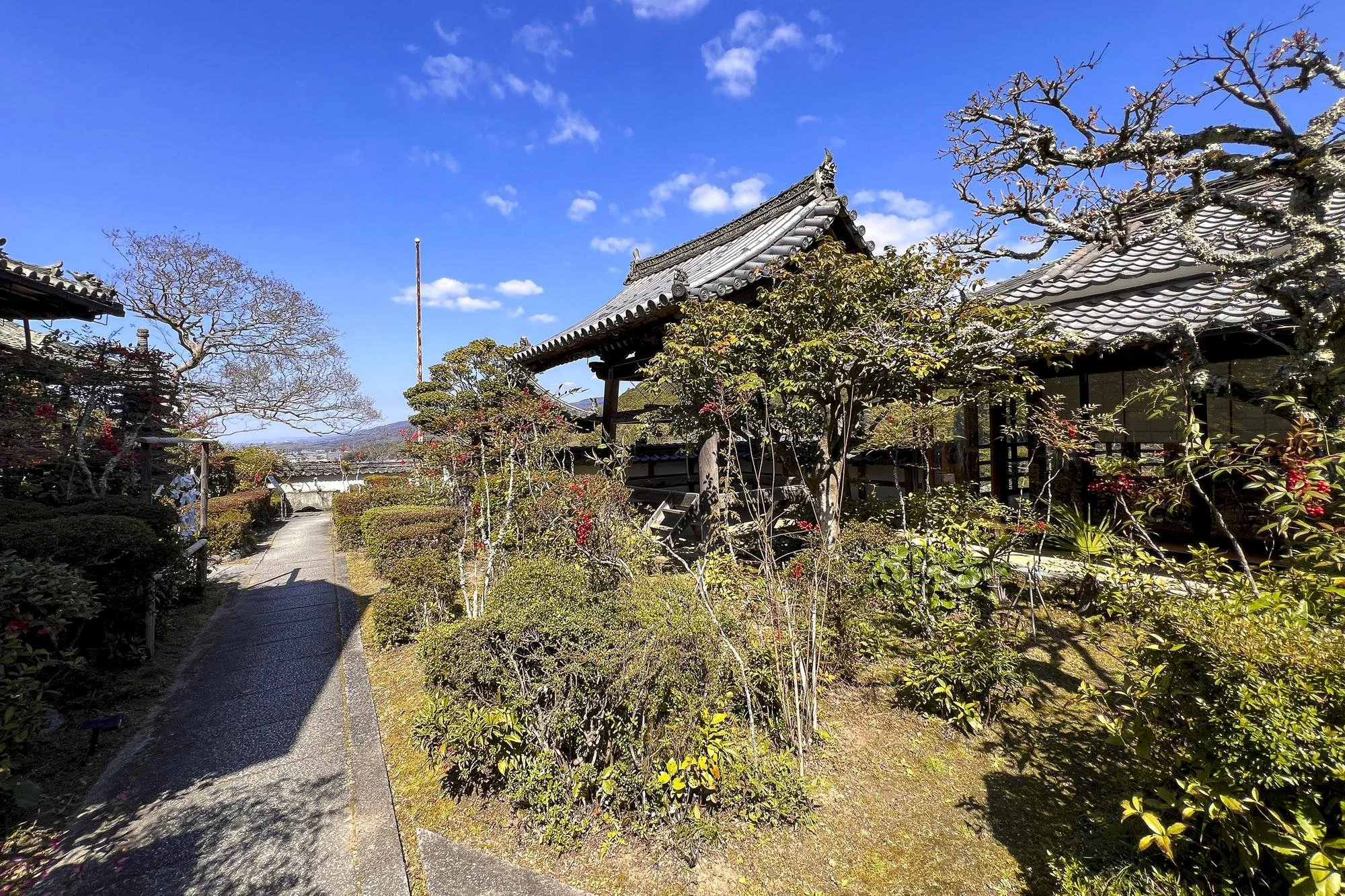
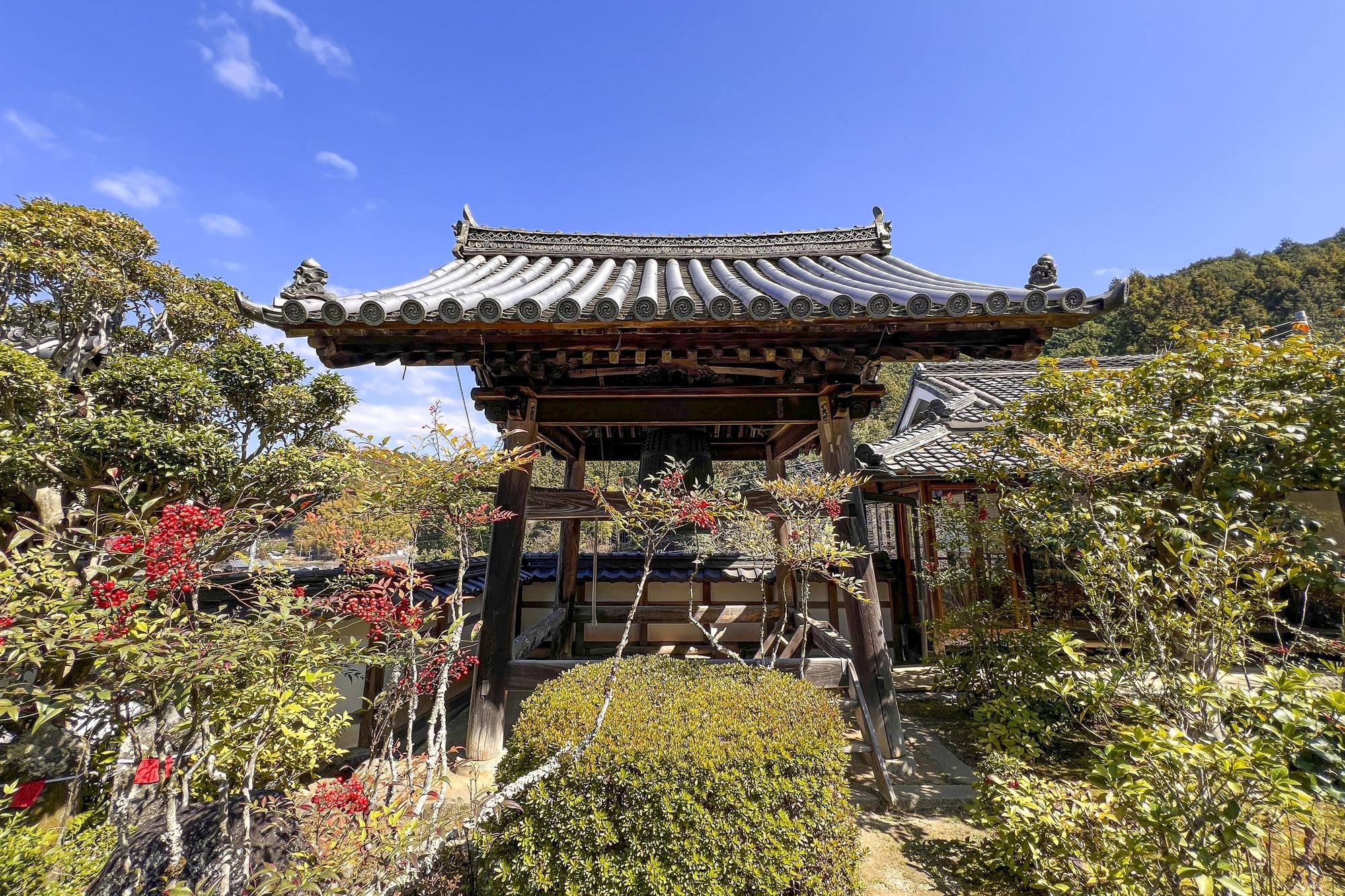
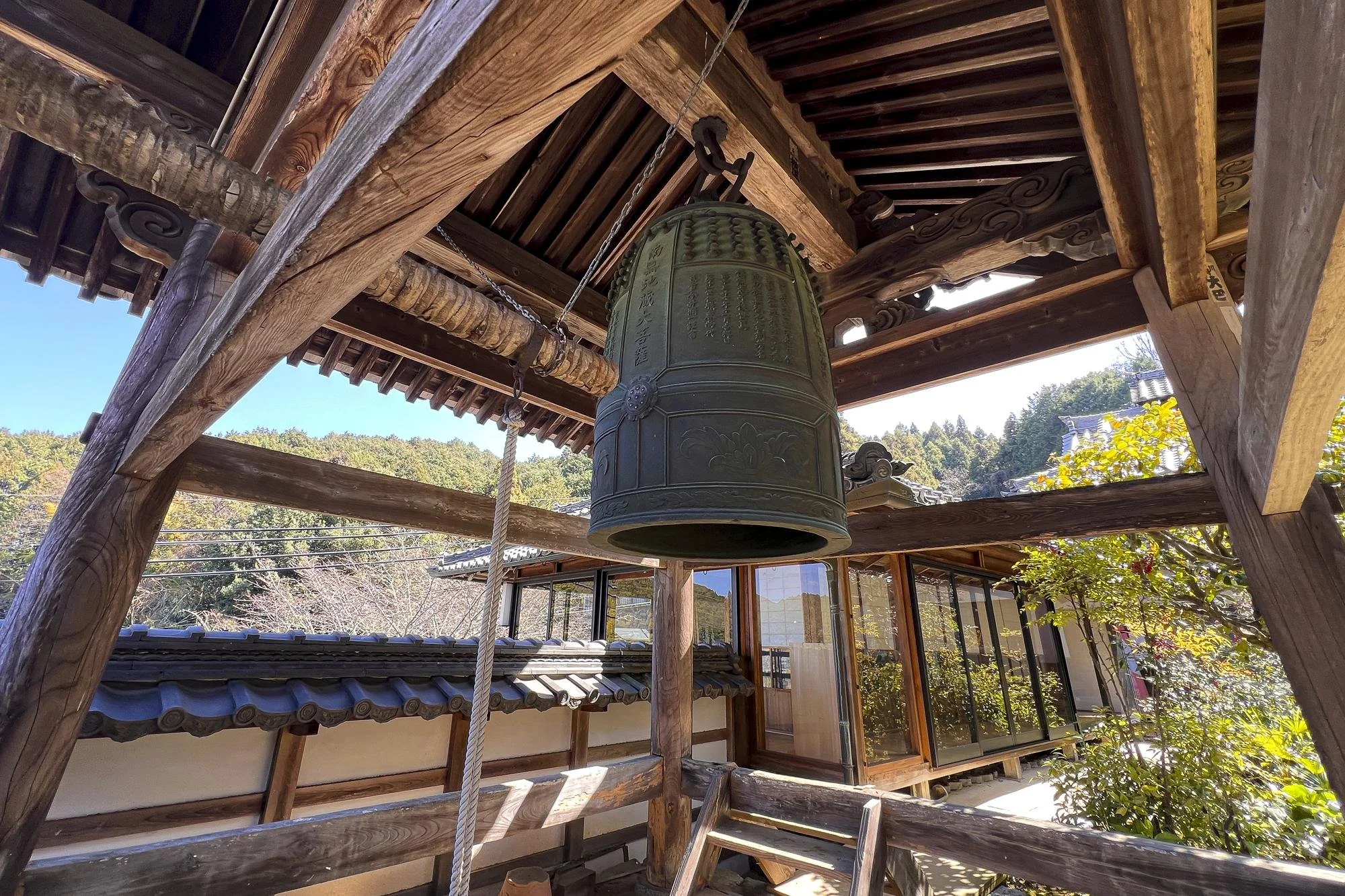
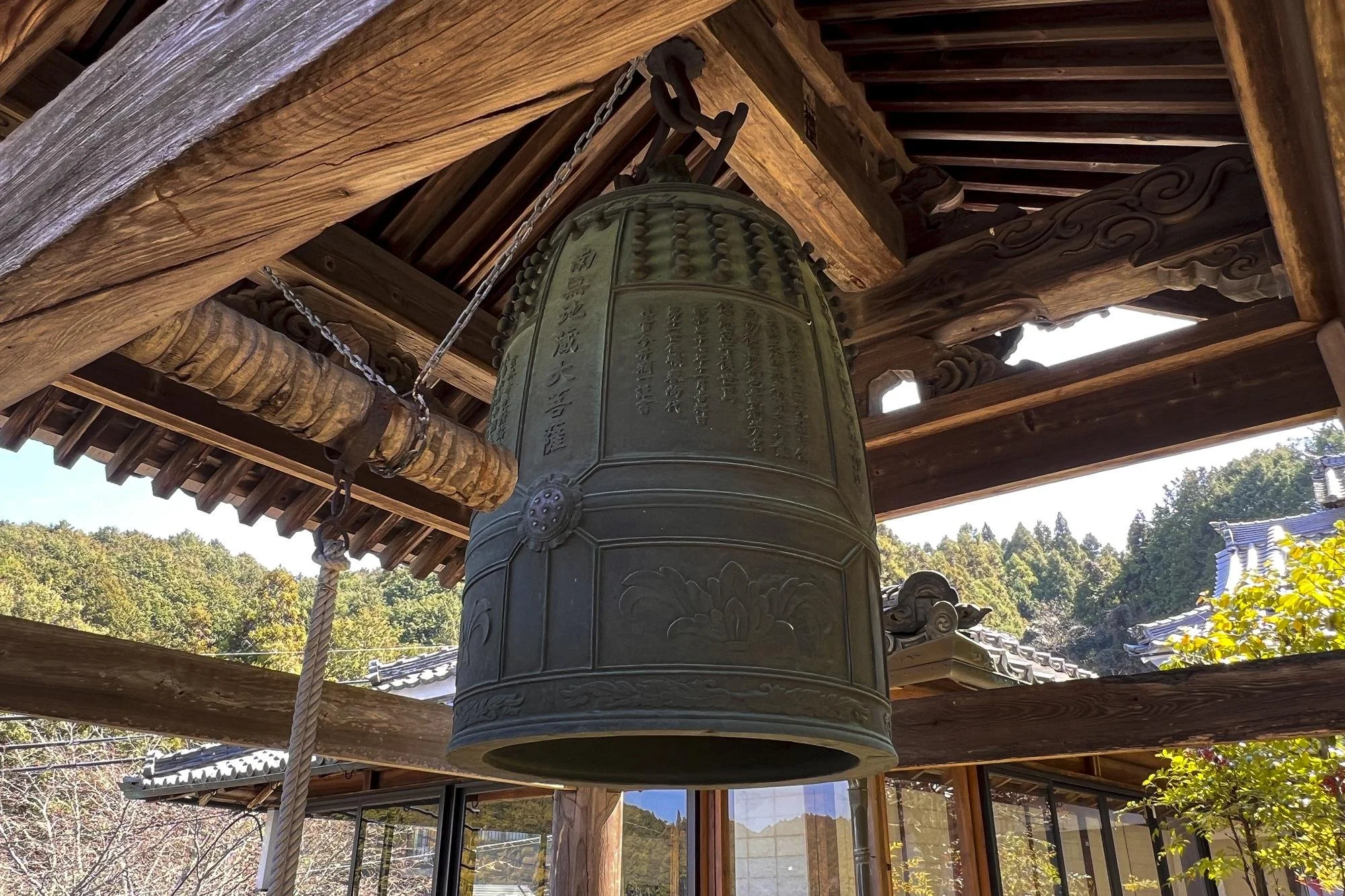
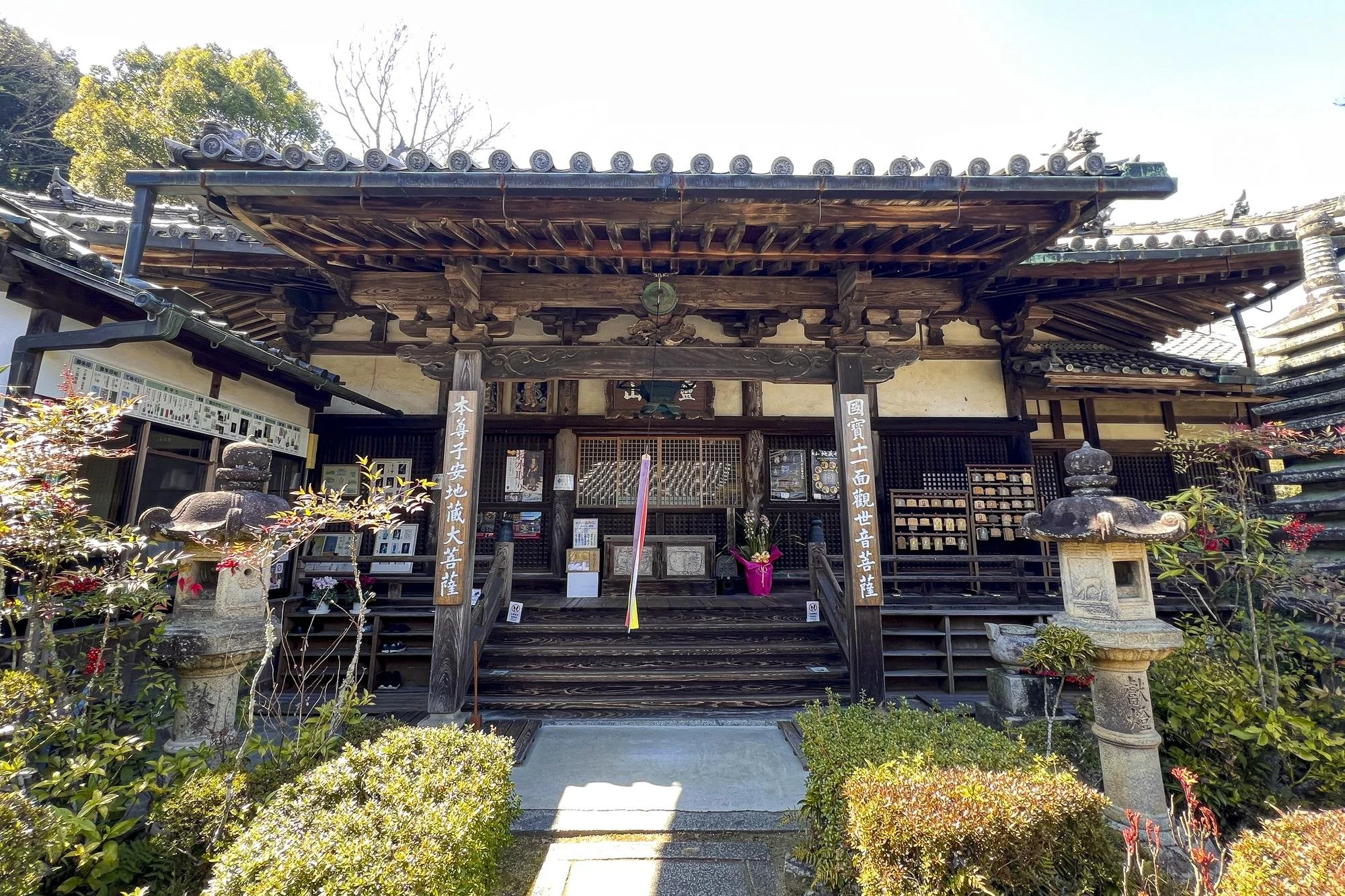
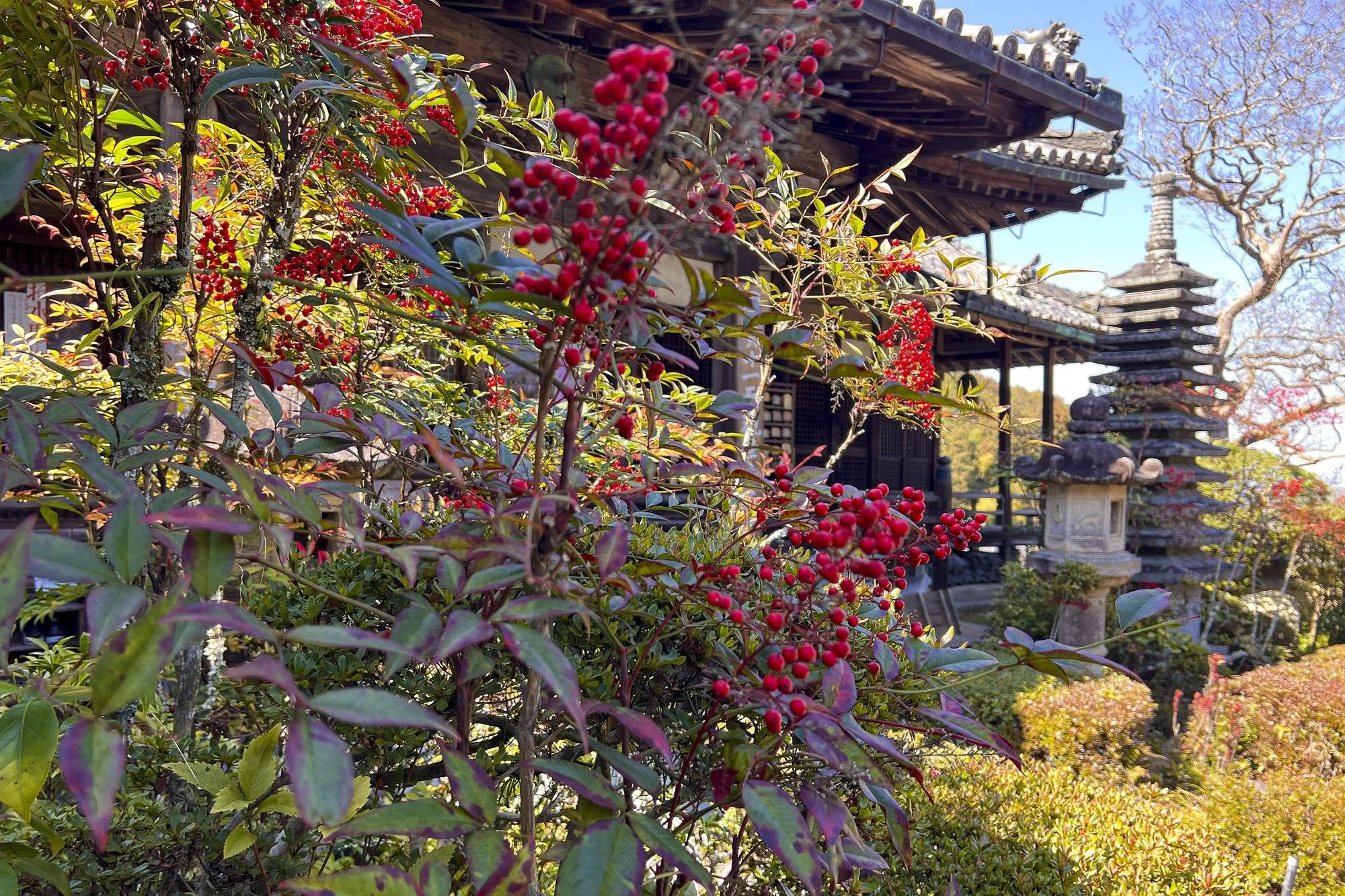
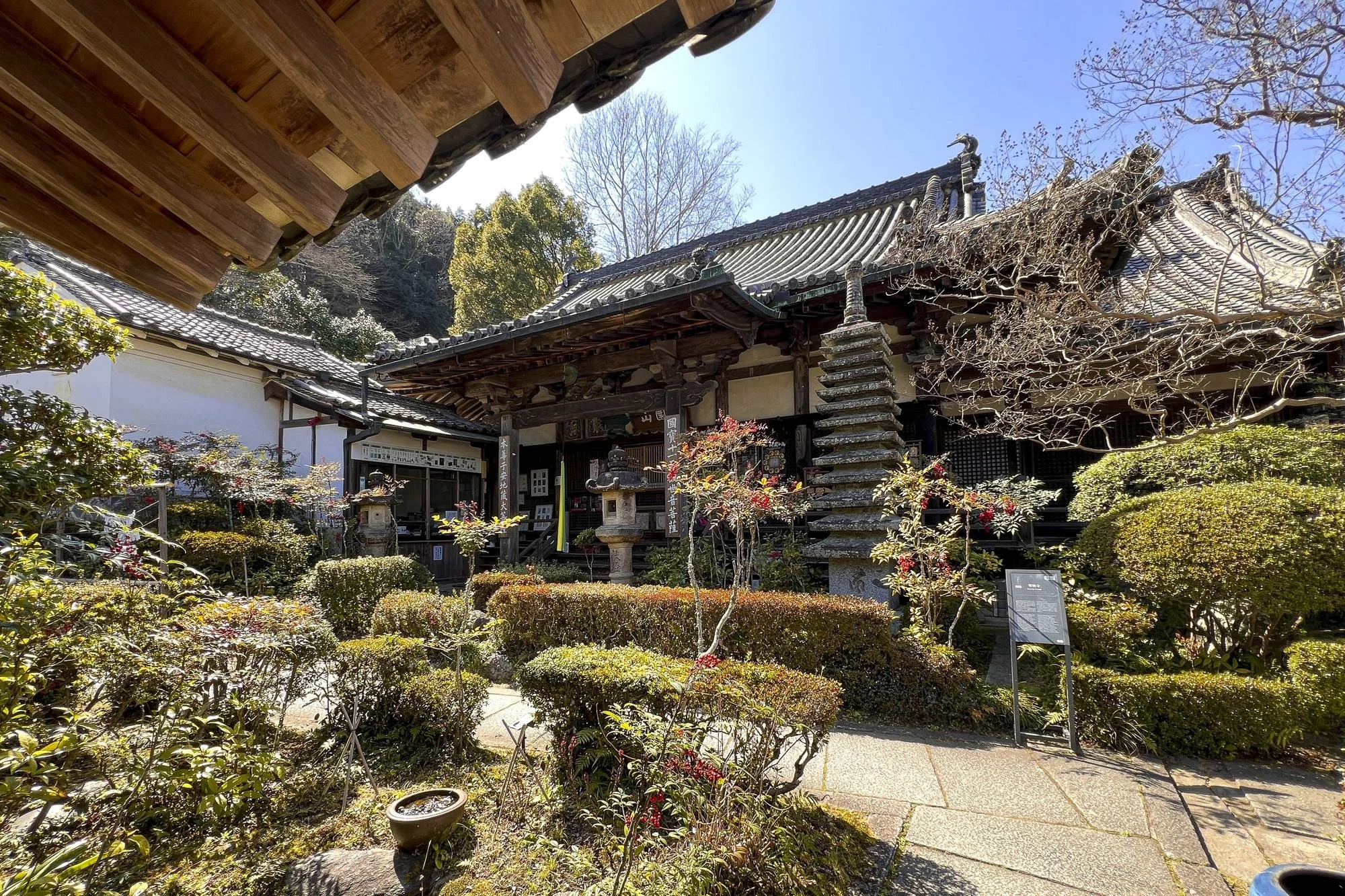
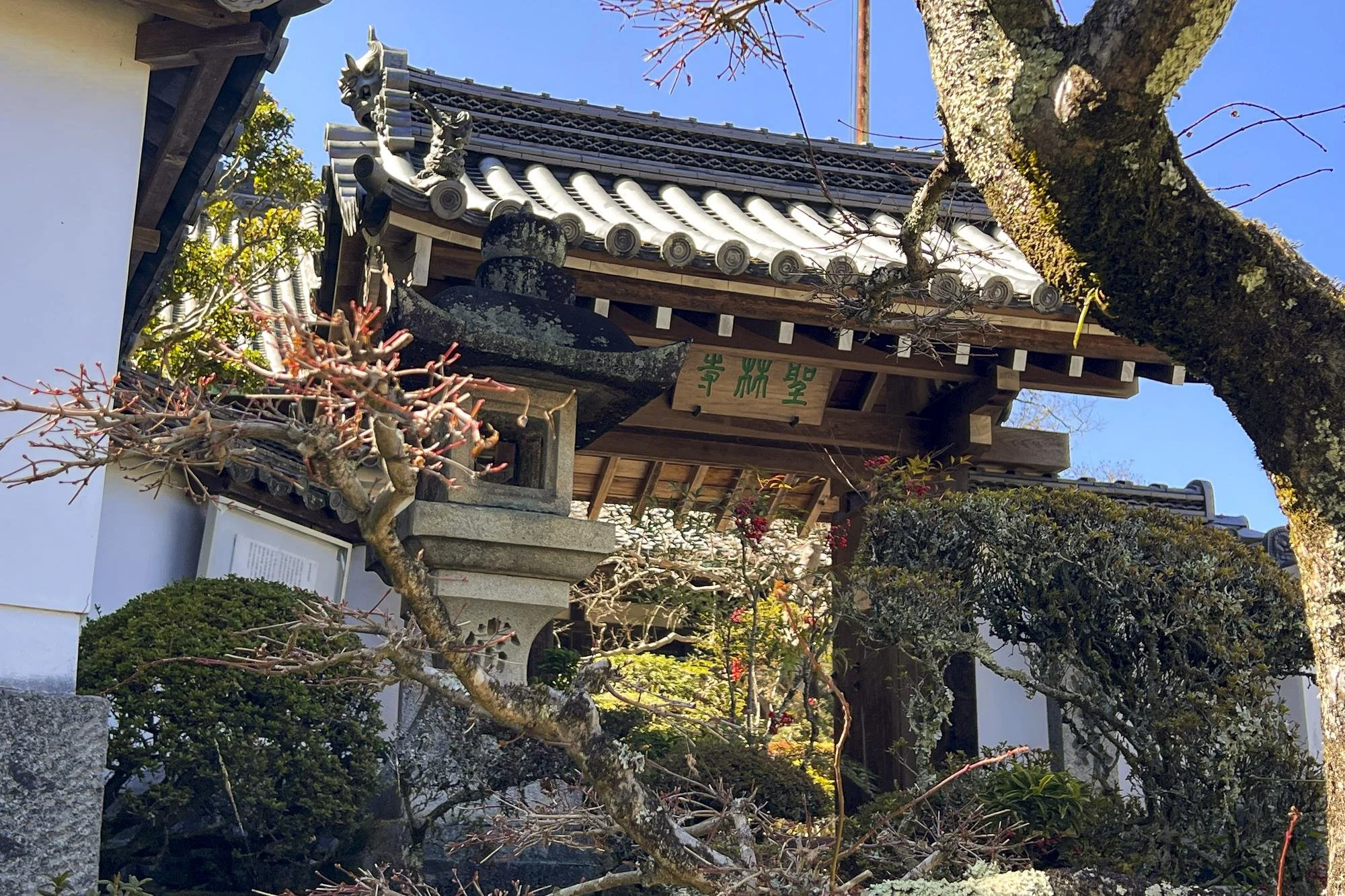
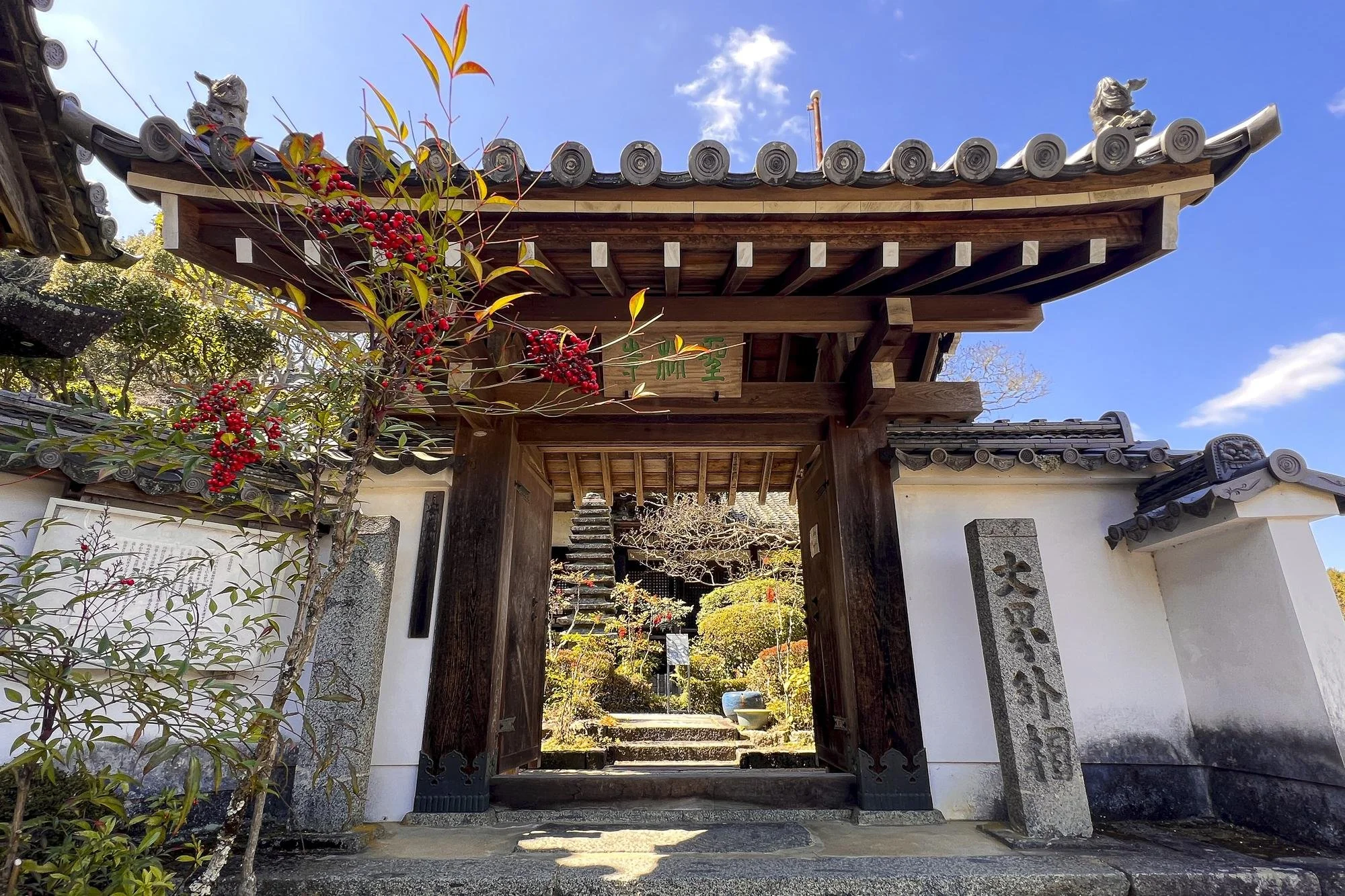
Shorin-ji Temple is a historic Buddhist temple in Sakurai, Nara, founded in 712 and now affiliated with the Murouji branch of Shingon Buddhism. Its principal image is Jizo Bosatsu, but the temple is especially known for the National Treasure standing Eleven-Headed Kannon, a Nara-period sculpture now enshrined in a modern Kannon Hall completed in 2022. Official temple sources explain that this image was formerly worshipped at Daigorin-ji near Mount Miwa and was moved to Shorin-ji in the Meiji period.
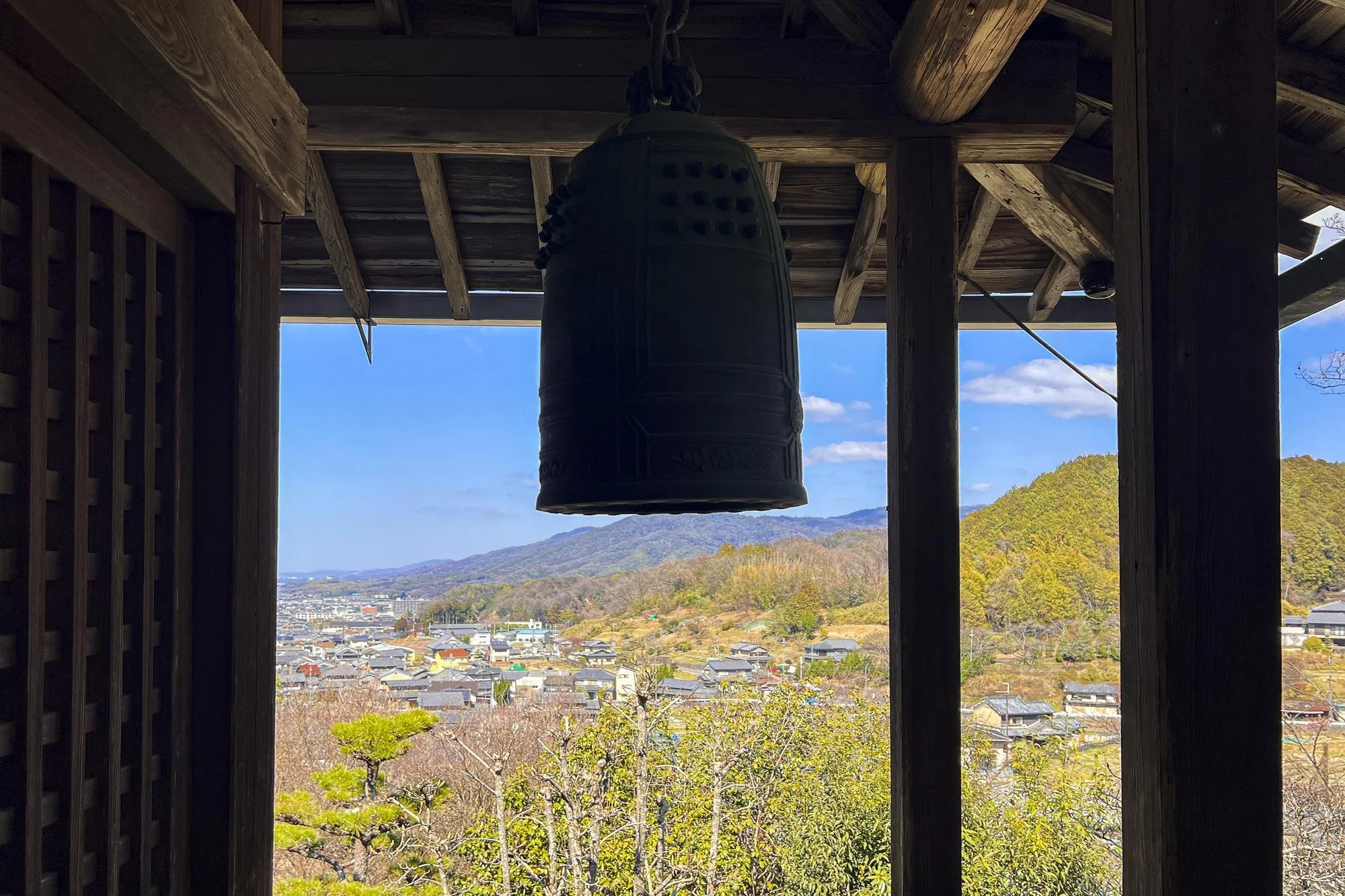
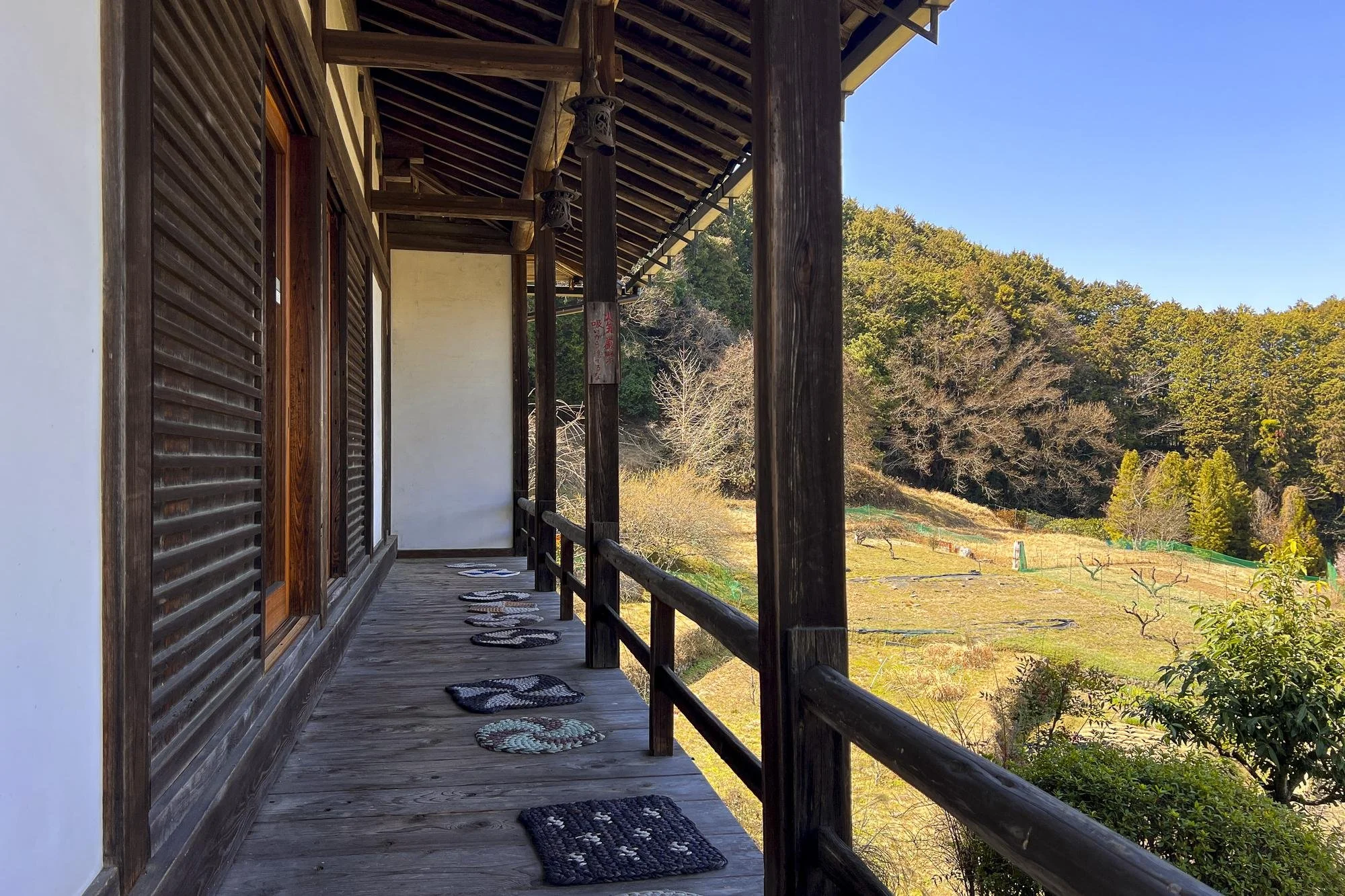
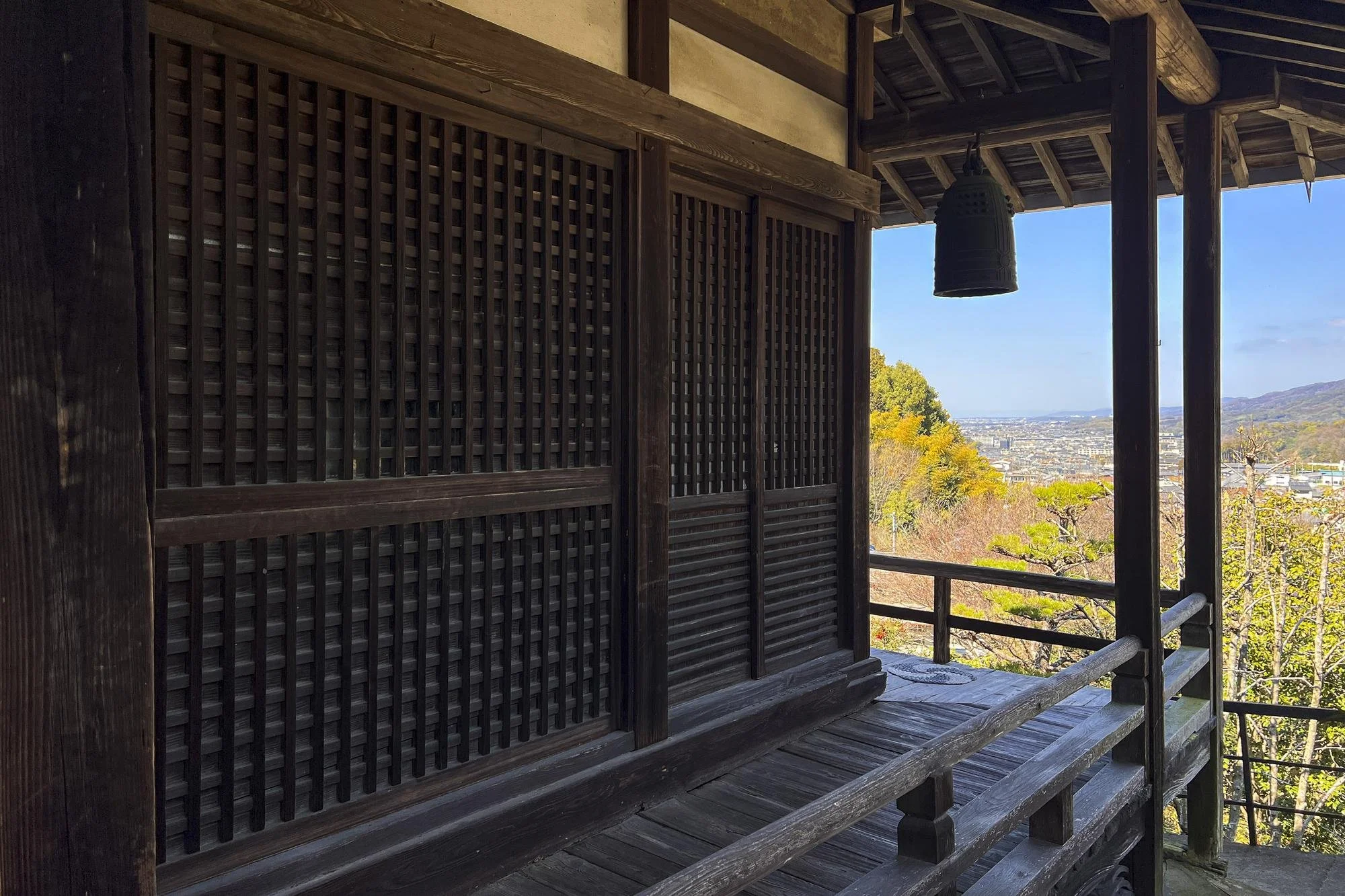
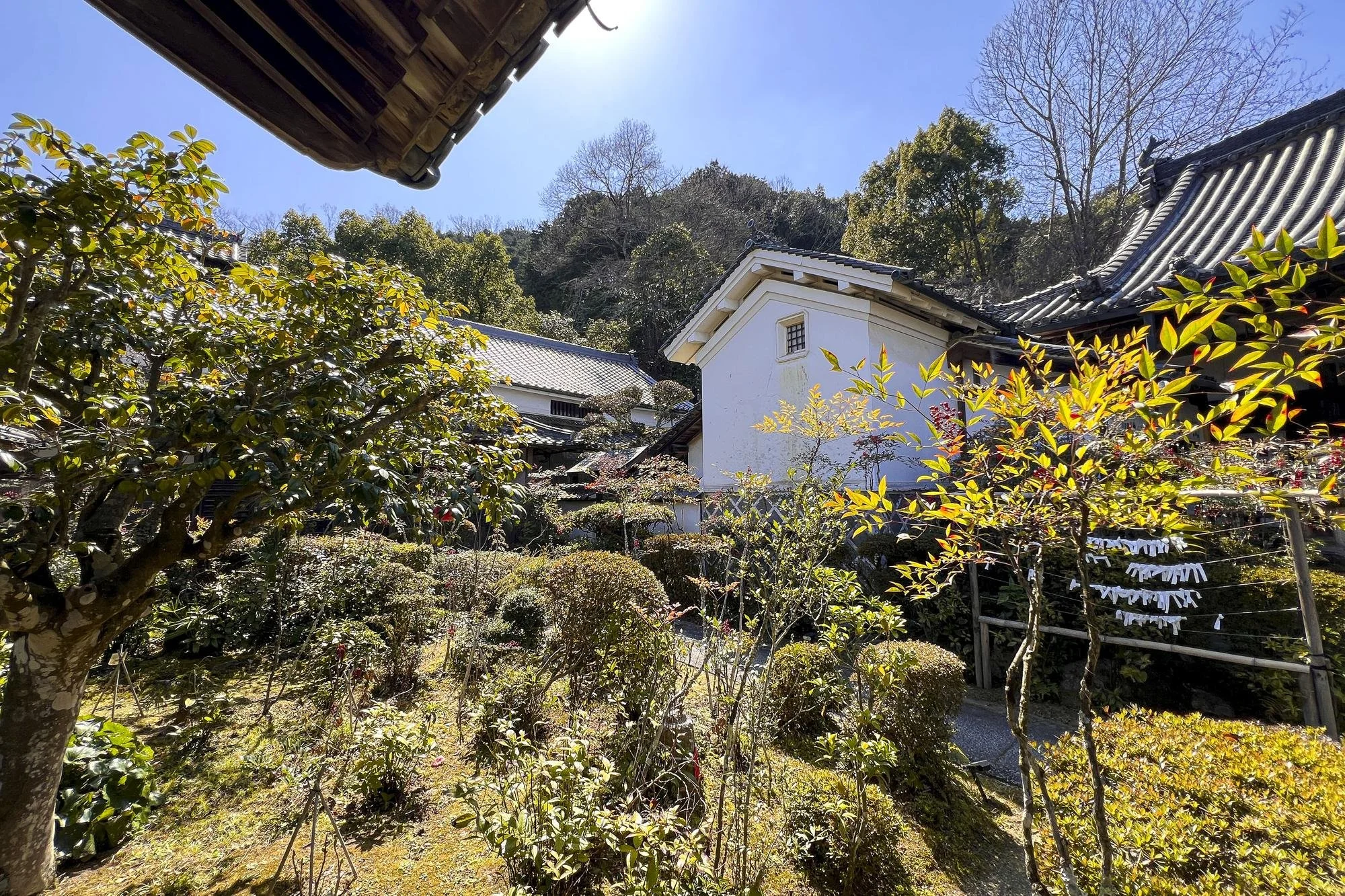
The temple grounds also offer broad views over the Yamato Basin, including Mount Miwa and nearby ancient sites. Because of this combination of sculpture, religious history, and landscape, Shorin-ji provides a useful introduction to the Buddhist culture of the Sakurai area and to the continuing importance of temple worship in southern Nara.
Explore the Sights
See photos that bring Shorin-ji Temple to life.