Toshodai-ji
Temple
唐招提寺
A Monument to Cross-Cultural
Faith and Perseverance
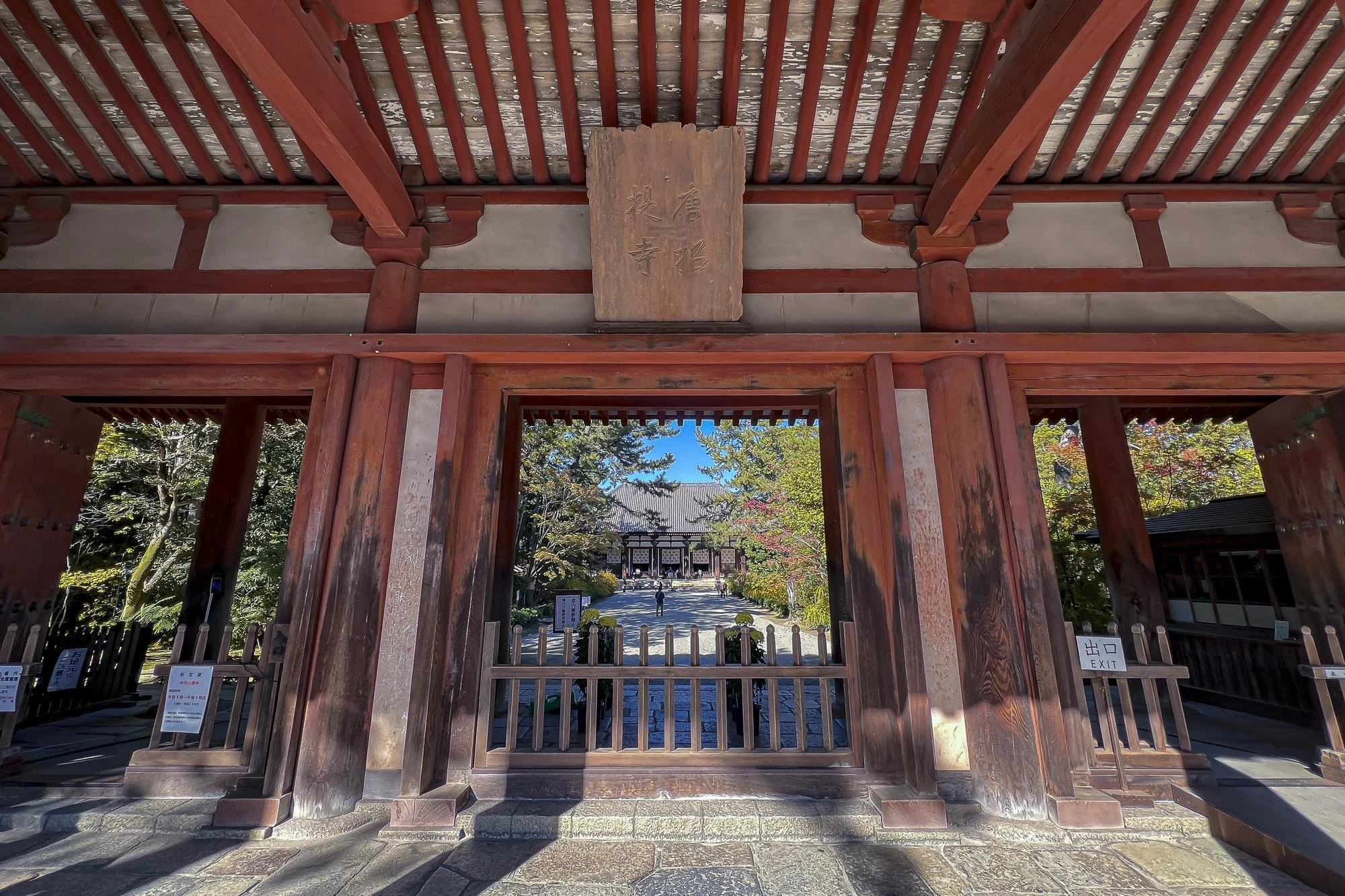
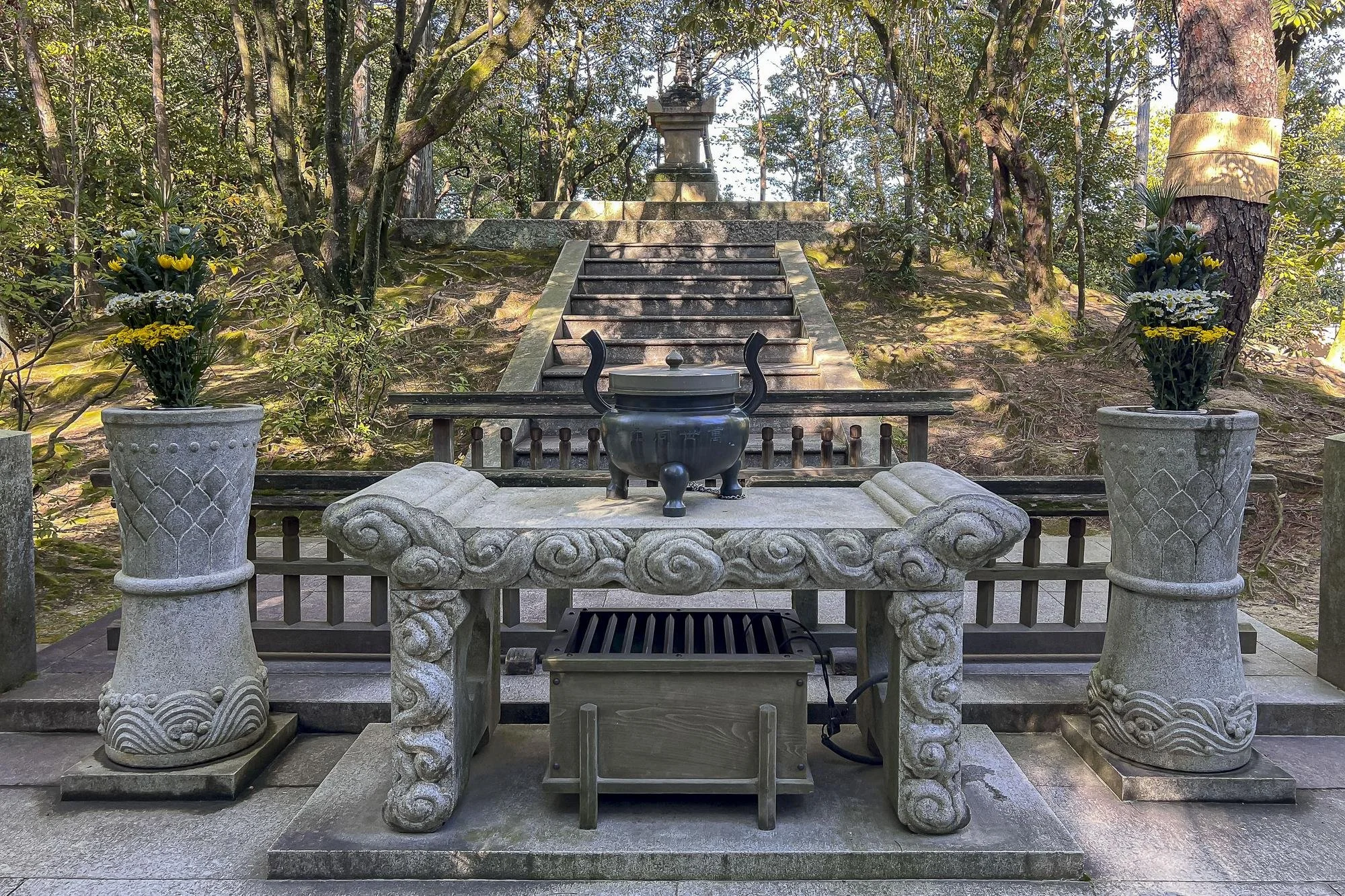
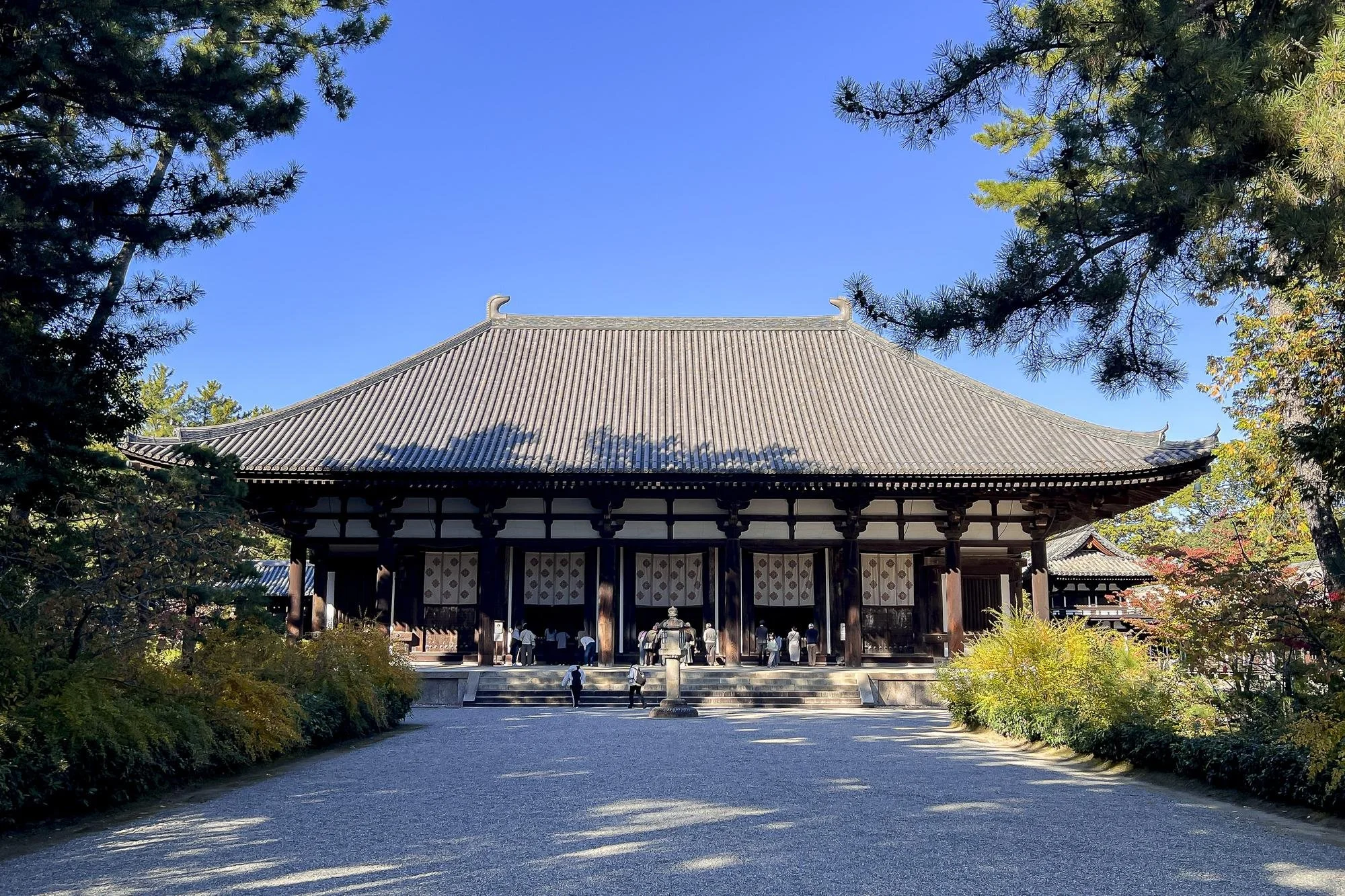
Founded in 759 by the Chinese monk Ganjin, Toshodai-ji Temple stands as one of Japan's most important Buddhist temples and a lasting symbol of cultural exchange between Japan and Tang China. Established with the support of the imperial court, the temple became a center for the study and practice of the Buddhist precepts and later developed into the head temple of the Ritsu school in Japan.
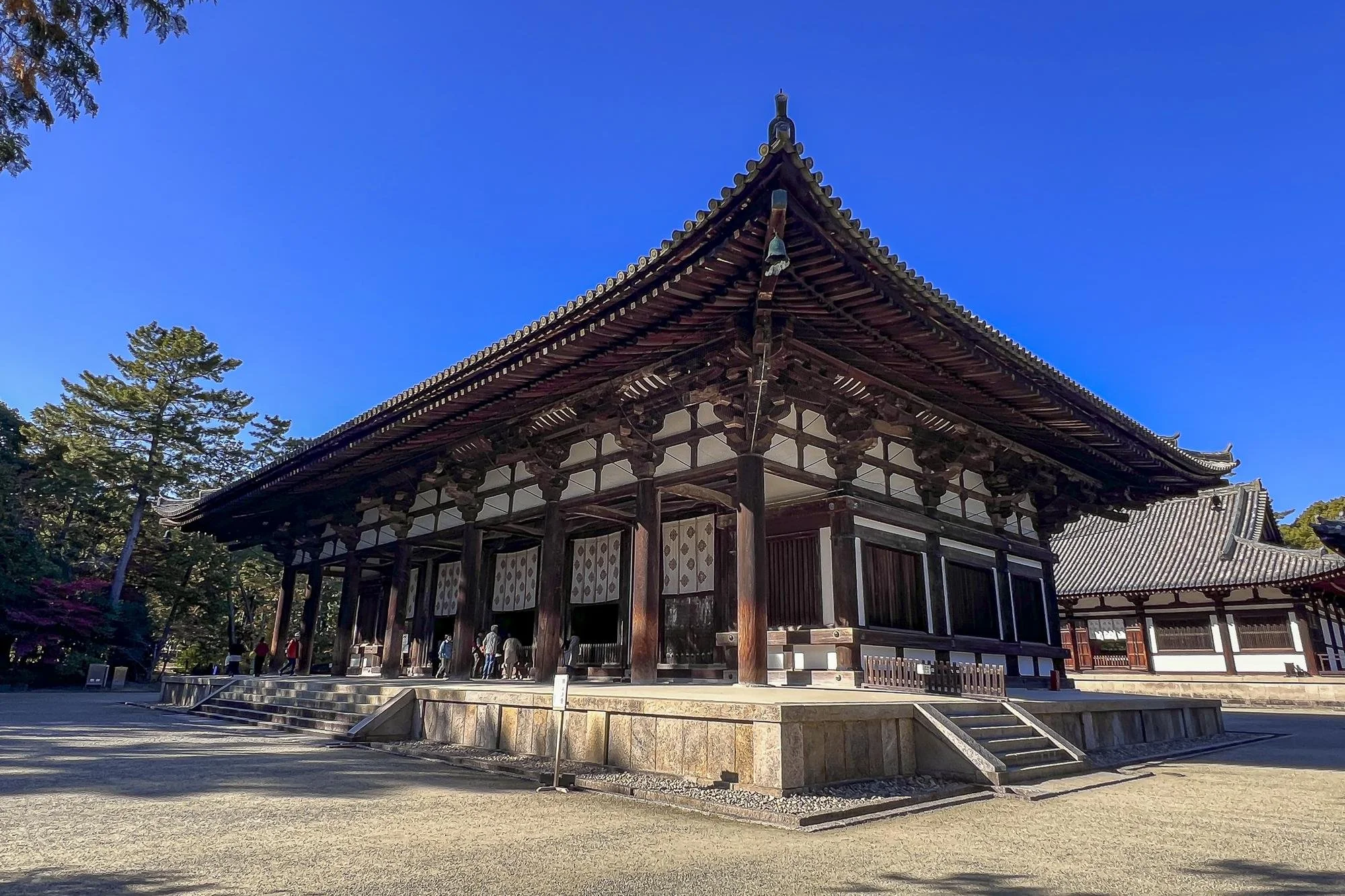
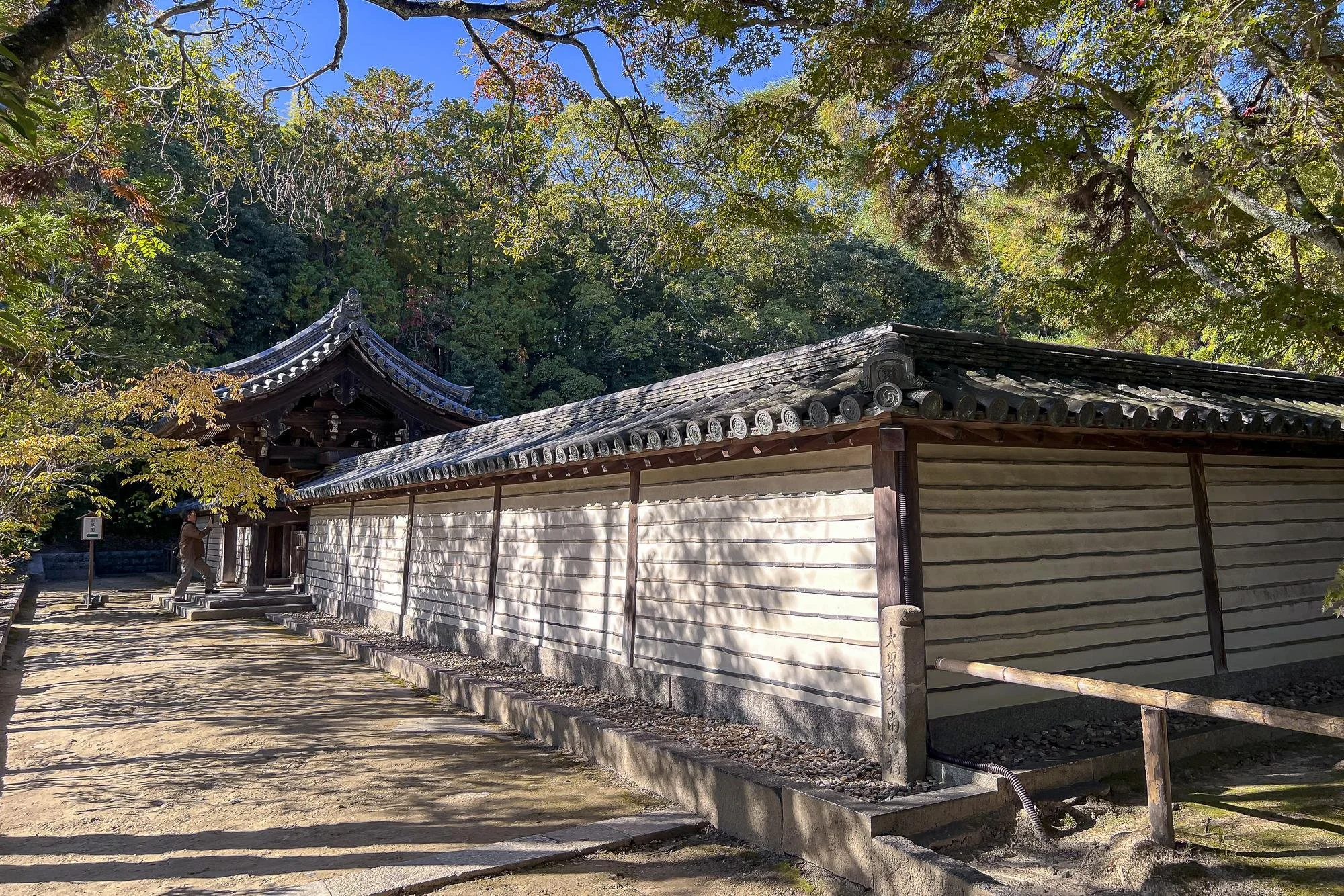
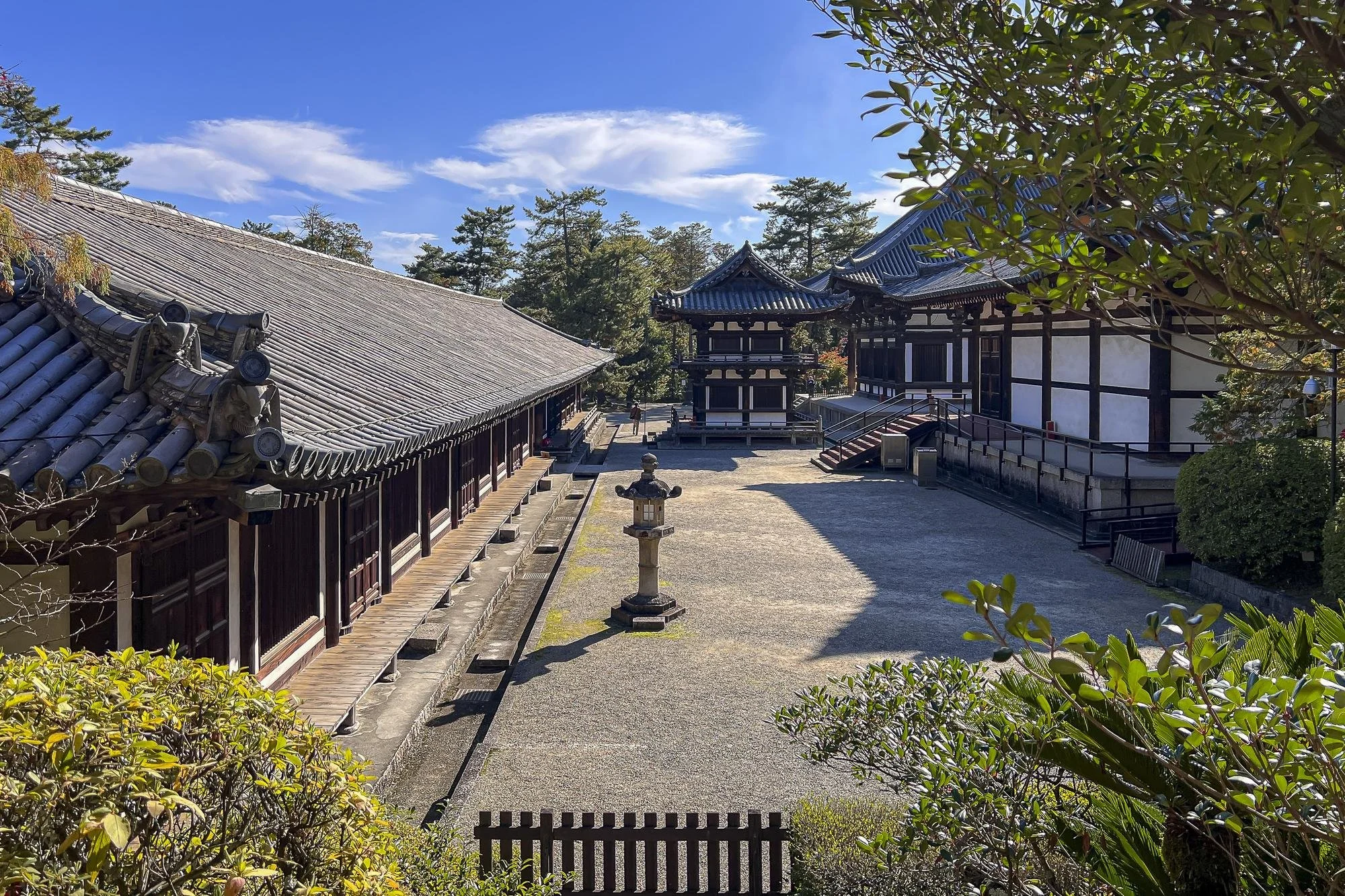
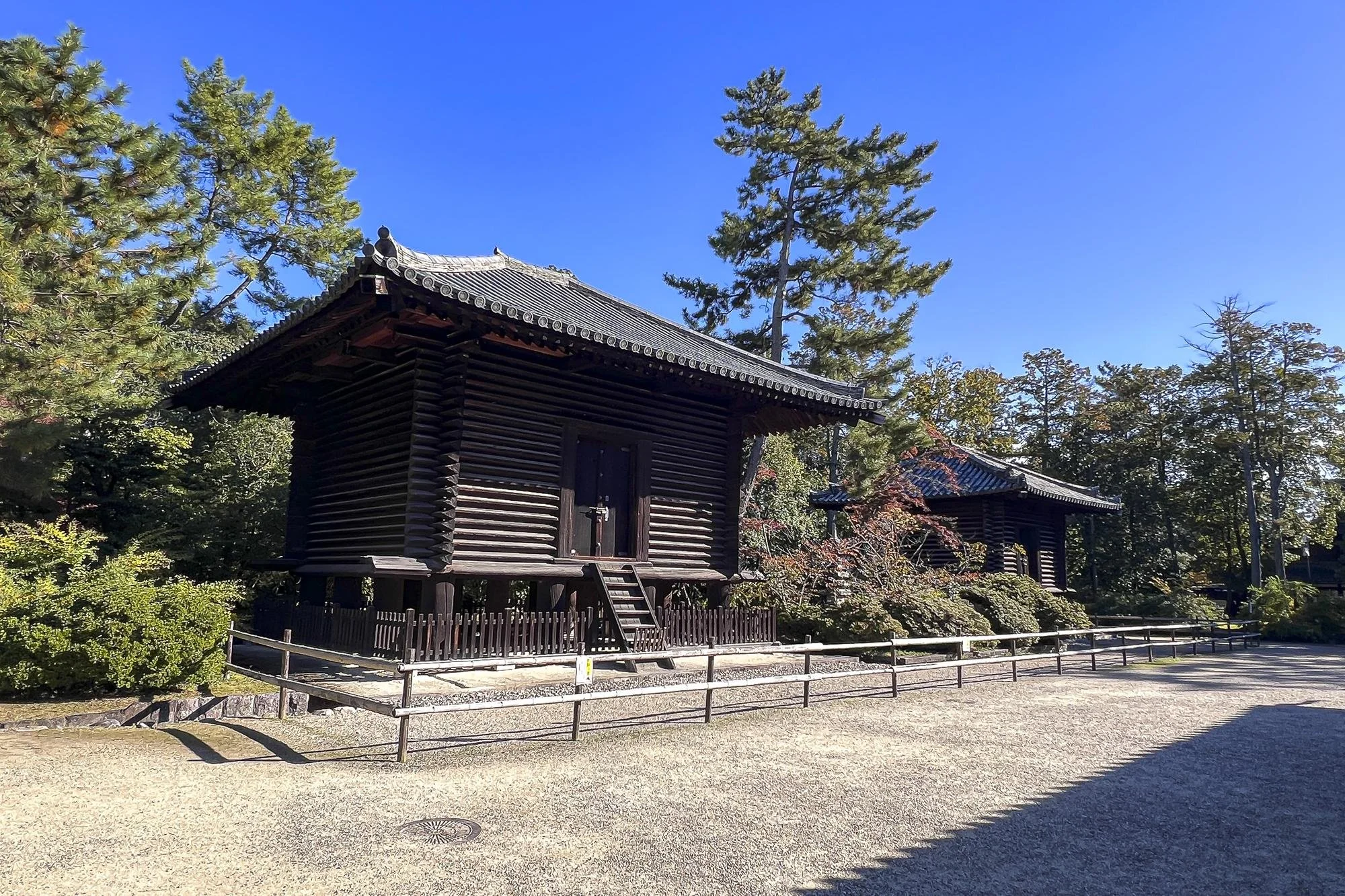
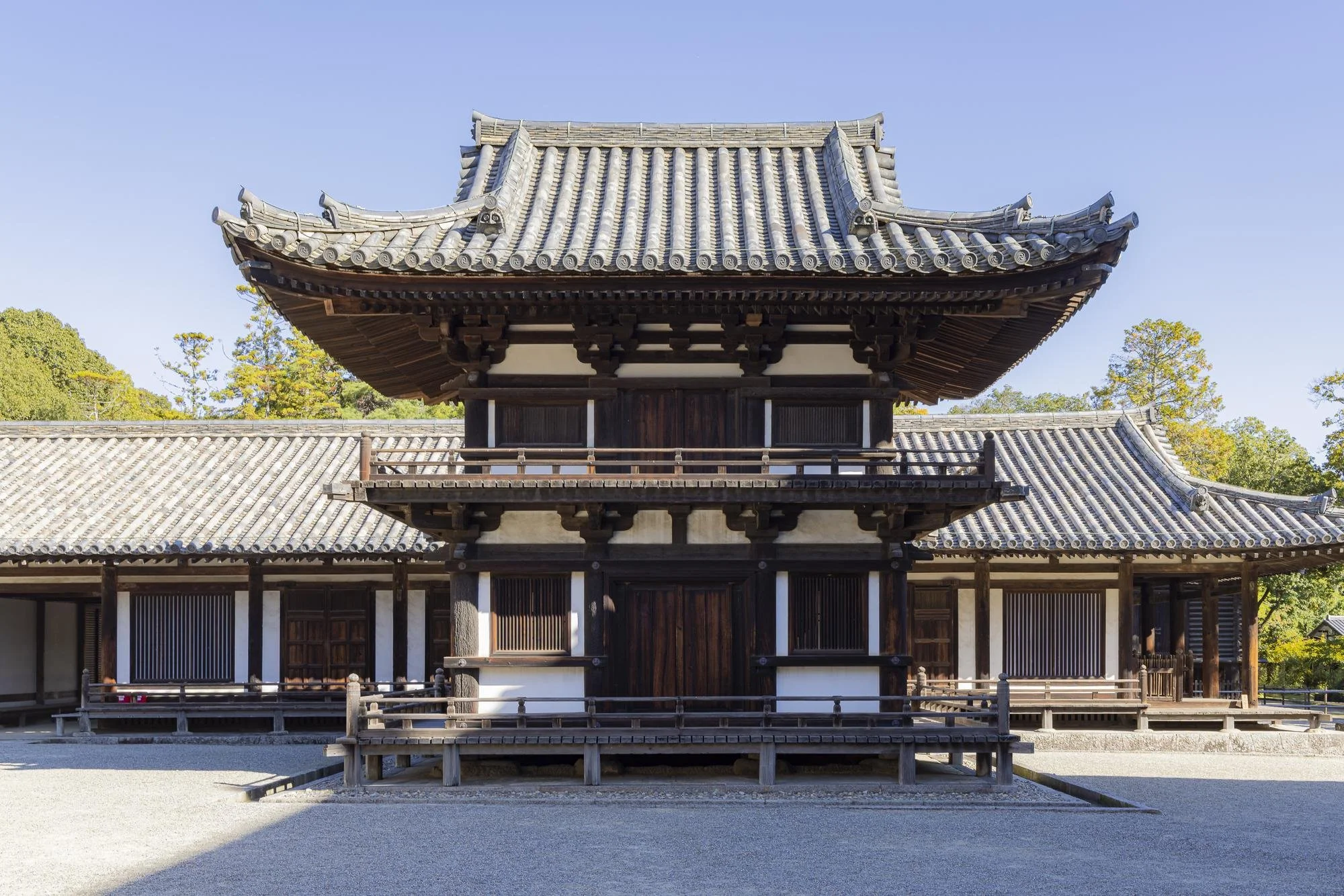
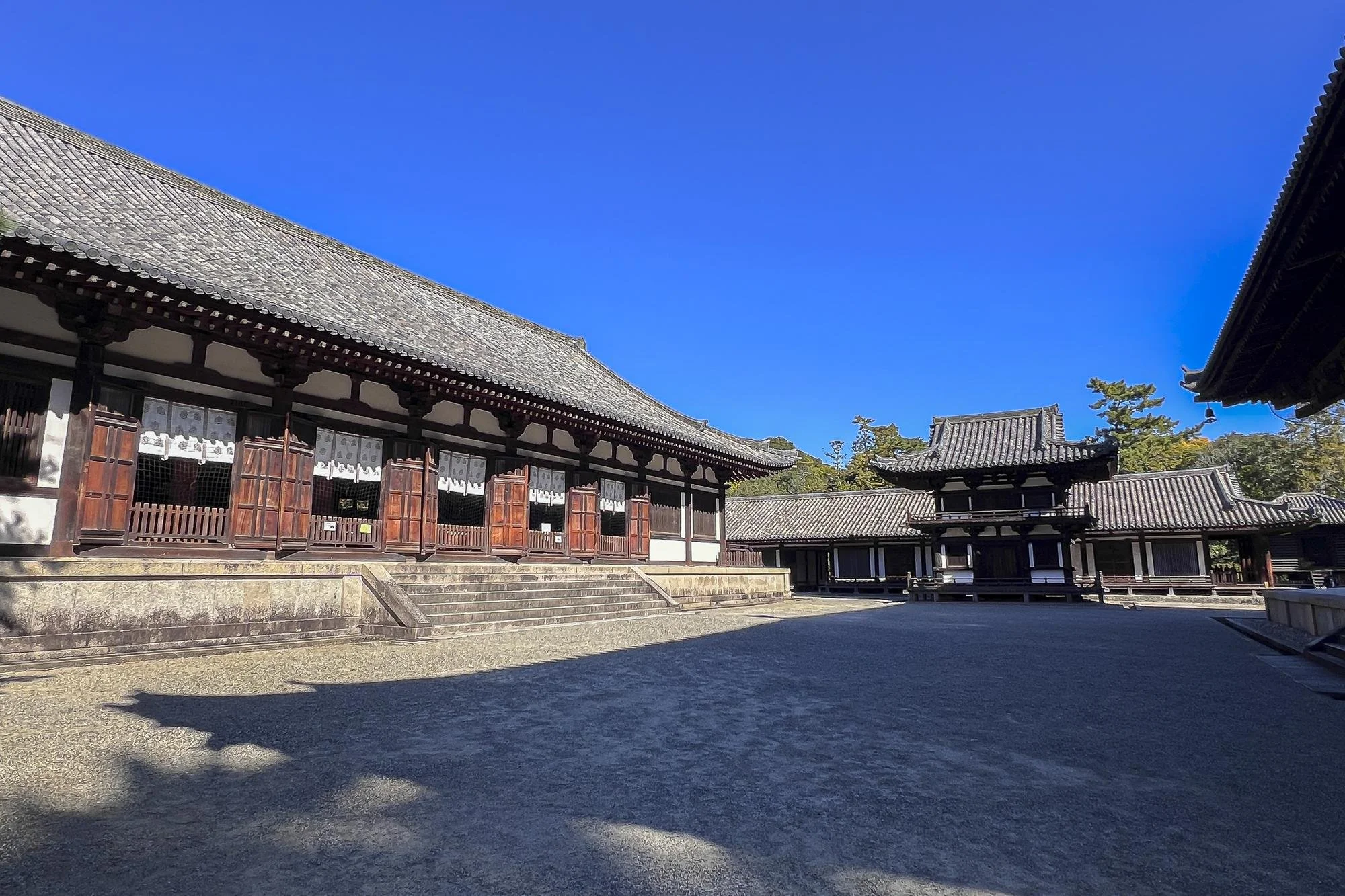
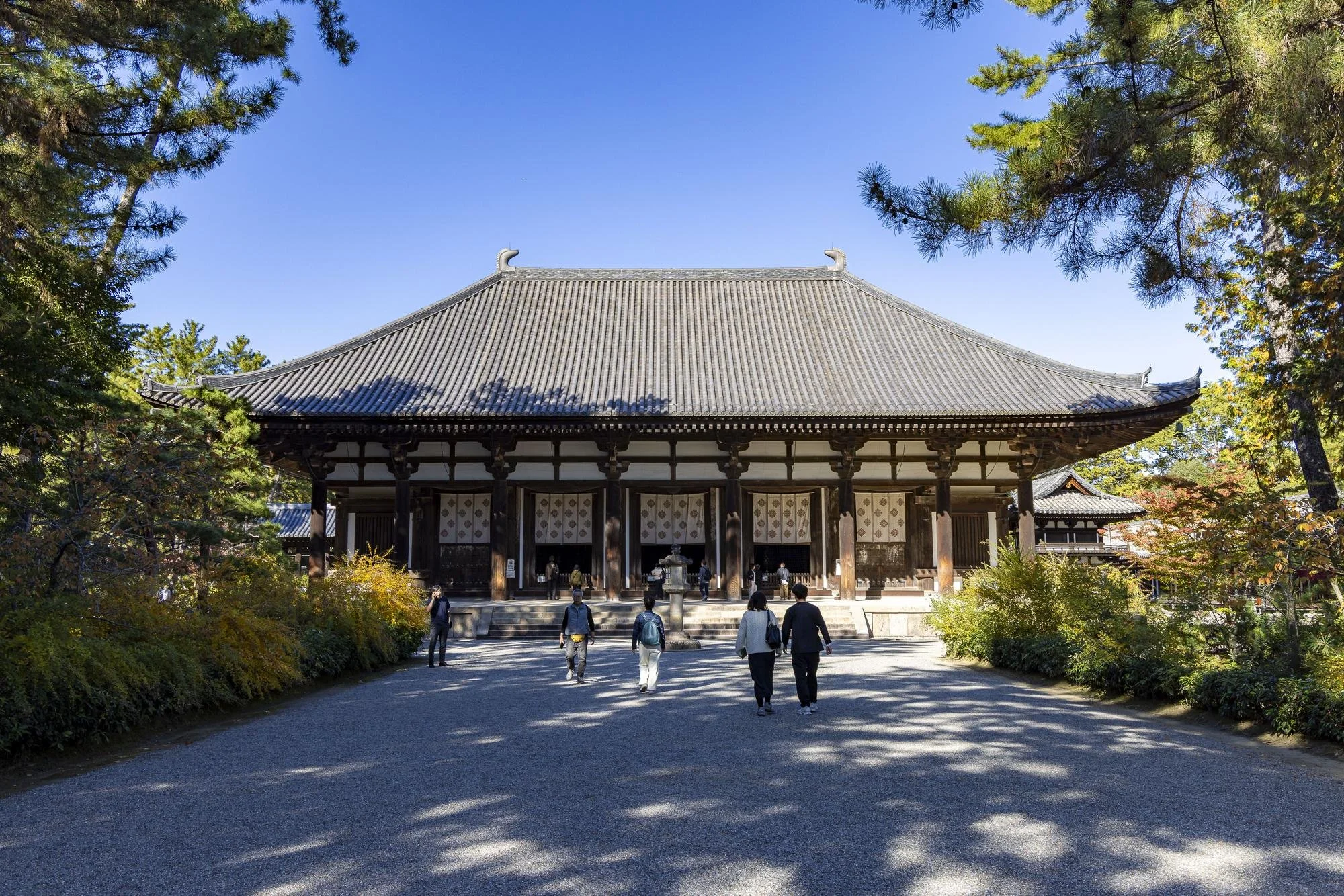
The temple precinct preserves several outstanding examples of Nara-period architecture, including the Kondo and Kodo, both of which are designated National Treasures. Together, these buildings provide valuable insight into the architectural design and religious life of the 8th century.
Today, Toshodai-ji forms part of the UNESCO World Heritage property Historic Monuments of Ancient Nara. For visitors, it offers an opportunity to explore the legacy of Ganjin and the enduring influence of Buddhism, architecture, and cultural exchange in ancient Japan.