Yamanobe
Sakurai
Journey Through the Sacred Landscape of Yamano-no-be and Sakurai
Stretching along the foothills of the ancient Yamato Basin, the Yamano-no-be and Sakurai region represents one of the oldest continuously inhabited cultural landscapes in Japan. This area flourished during the formative centuries of Japanese history, when early rulers, powerful clans, and spiritual leaders shaped the foundations of the nation. Dotted with sacred shrines, historic temples, and ancient pilgrimage routes, it offers a rare glimpse into the spiritual world that existed long before Japan became a unified state.
At the heart of this region stands Ōmiwa Shrine, one of Japan’s oldest Shinto shrines, where the sacred Mount Miwa itself is worshipped as a deity—an ancient form of nature worship that predates formal shrine architecture. Nearby, temples such as Hase-dera and Abe Monju-in reflect the deep integration of Buddhism into this sacred landscape, while sites like Tanzan Shrine preserve memories of political intrigue, including the events surrounding the Taika Reform of 645 AD, a turning point in Japan’s early state formation.
Following the historic Yamano-no-be no Michi, often considered Japan’s oldest road, visitors can walk through quiet countryside where myths, religion, and daily life have intertwined for over a millennium. Hidden temples like Shōrin-ji and secluded shrines such as Tomi Shrine add layers of depth to this journey, offering moments of stillness and reflection far from crowded tourist routes.
This immersive experience invites you to explore a landscape where ancient belief systems, political history, and natural beauty converge. With its gentle mountains, sacred peaks, and timeless atmosphere, the Yamano-no-be and Sakurai region offers one of the most authentic and spiritually rich journeys into the origins of Japan.
HIGHLIGHTS
-
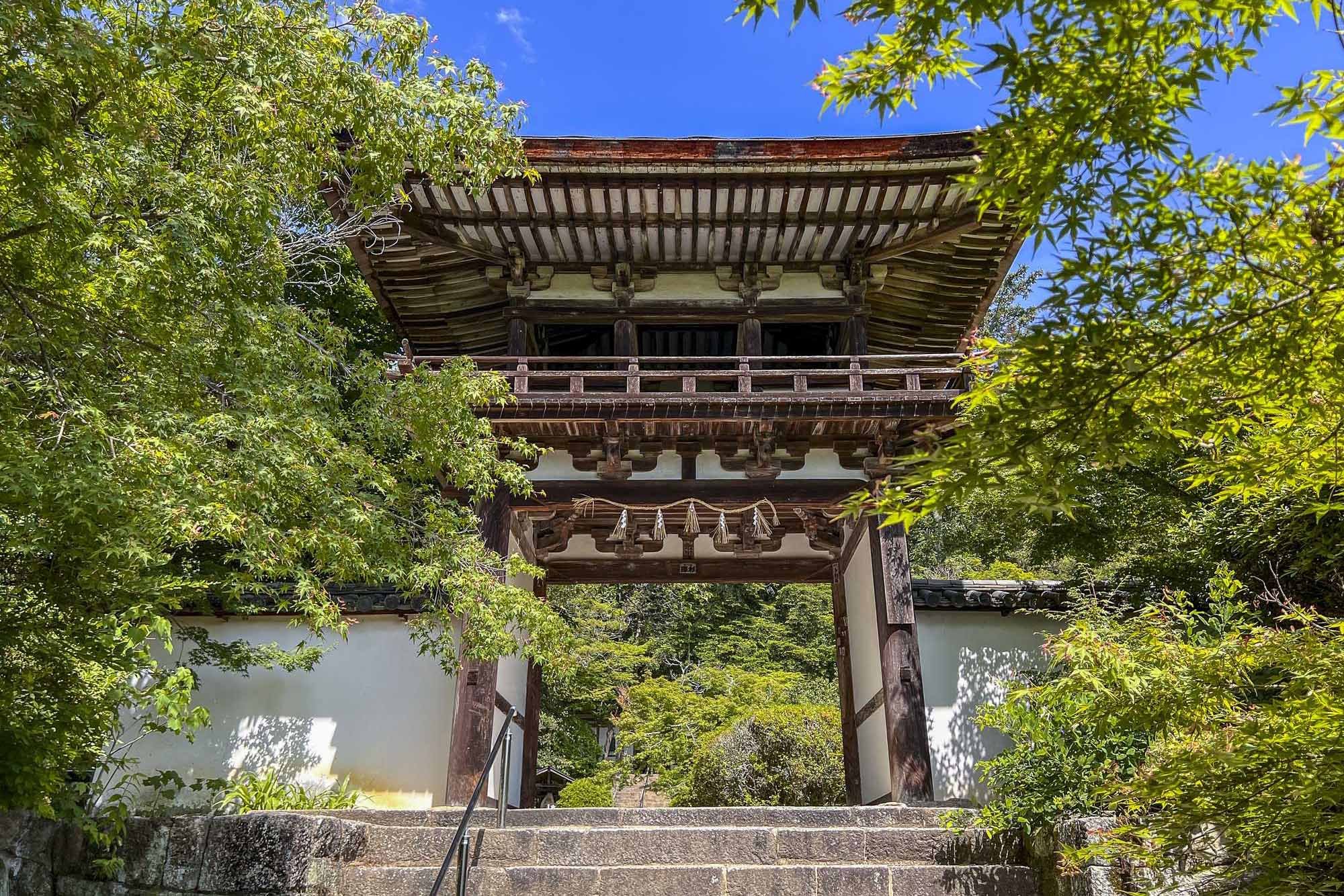
Chogaku-ji Temple | 長岳寺
Nestled along the Yamanobe-no-Michi, Japan’s oldest recorded road, Chōgaku-ji Temple in Tenri, Nara Prefecture, offers a peaceful retreat infused with rich history and scenic charm. Founded in 824 AD by the…
-
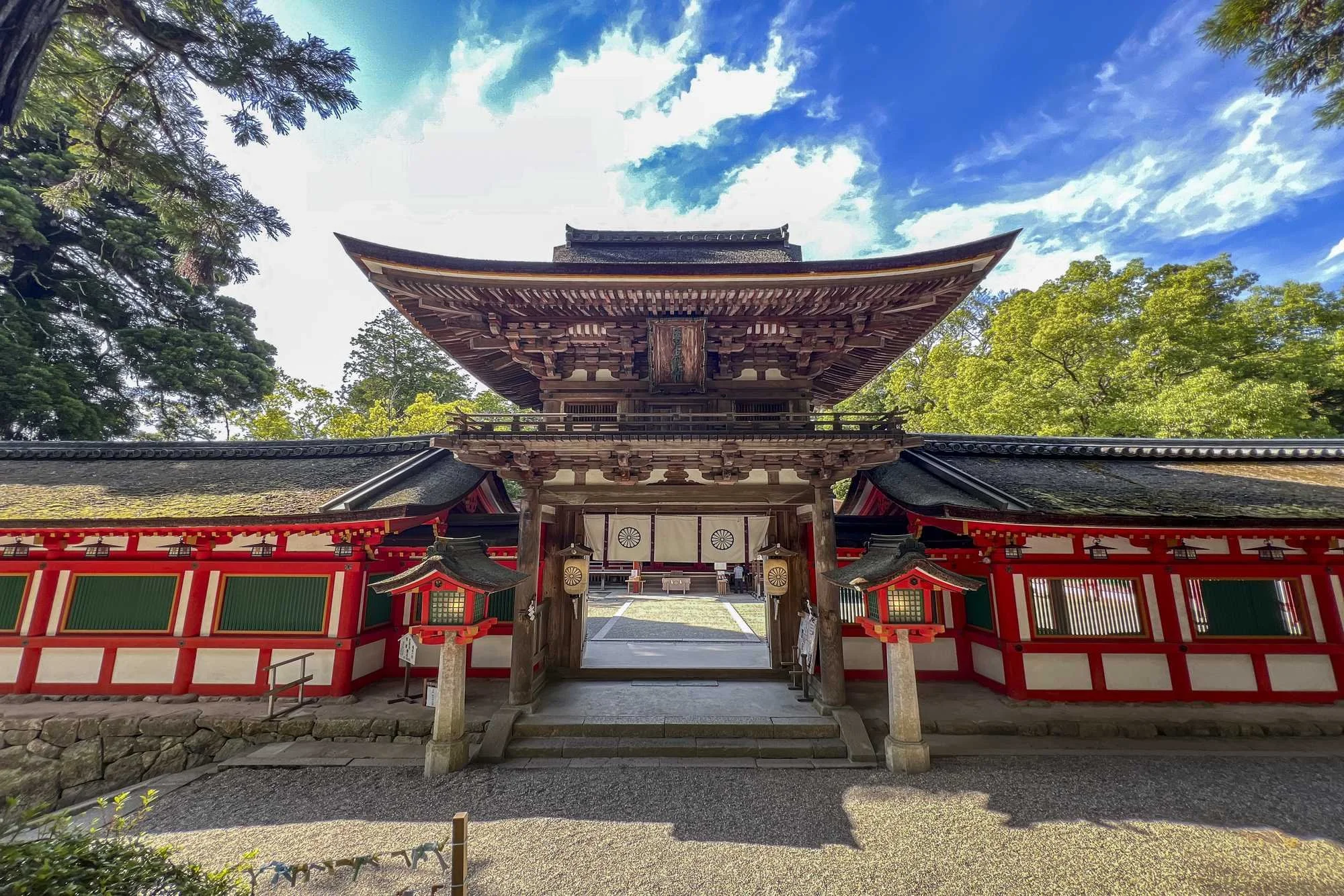
Ishonokami-jingu Shrine | 石上神宮
Located in Tenri City, Nara Prefecture, Isonokami Jingu is believed to be one of Japan’s oldest Shinto shrines, with roots tracing back to the 3rd or 4th century AD, well before the arrival of Buddhism. Deeply…
-
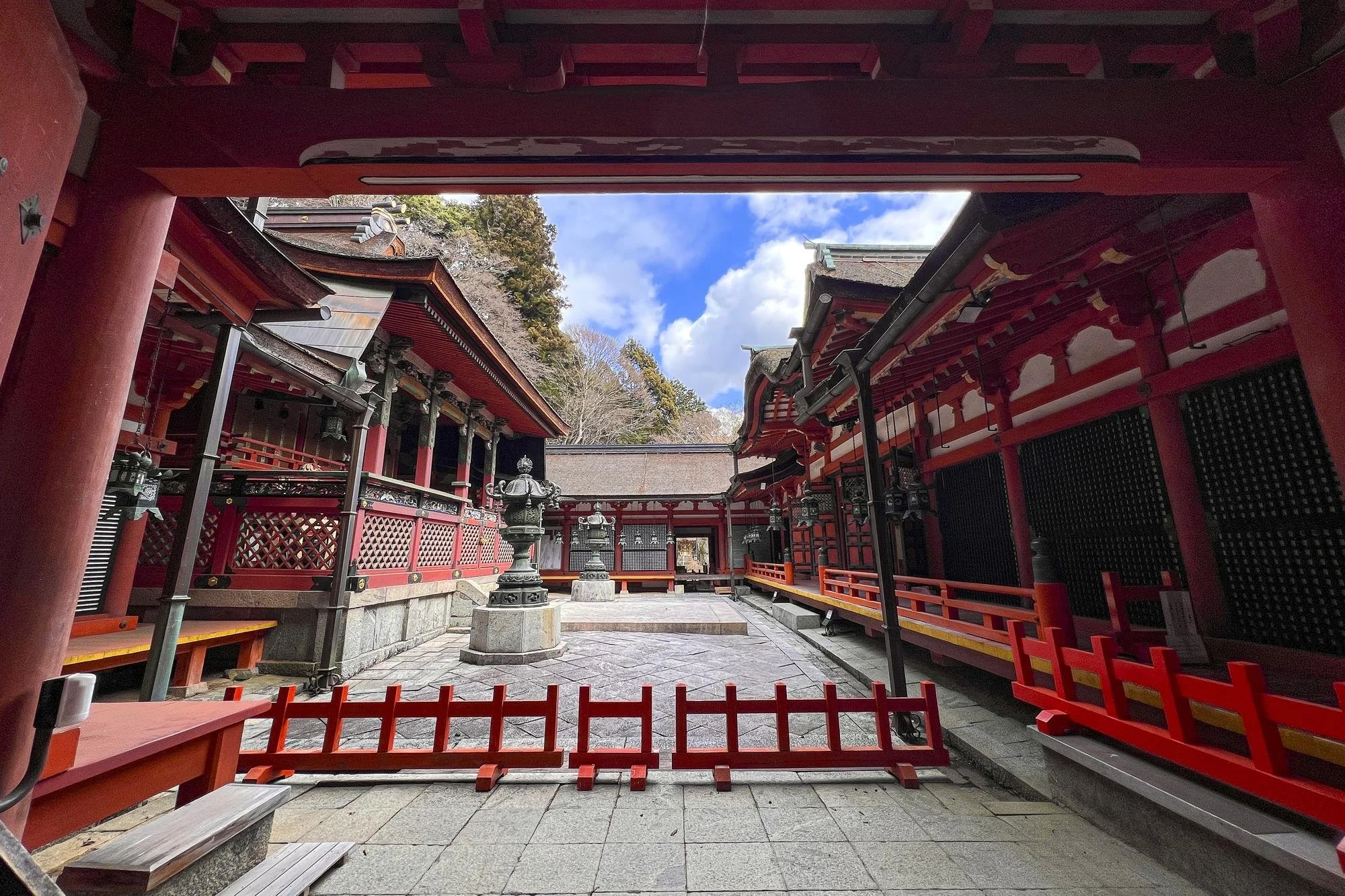
Tanzan-jinja Shrine | 談山神社
Hidden in the wooded mountains of Sakurai City in Nara Prefecture, Tanzan-jinja Shrine is one of Japan’s most historically significant and visually stunning Shinto shrines. This sacred site is famously associated with…
-
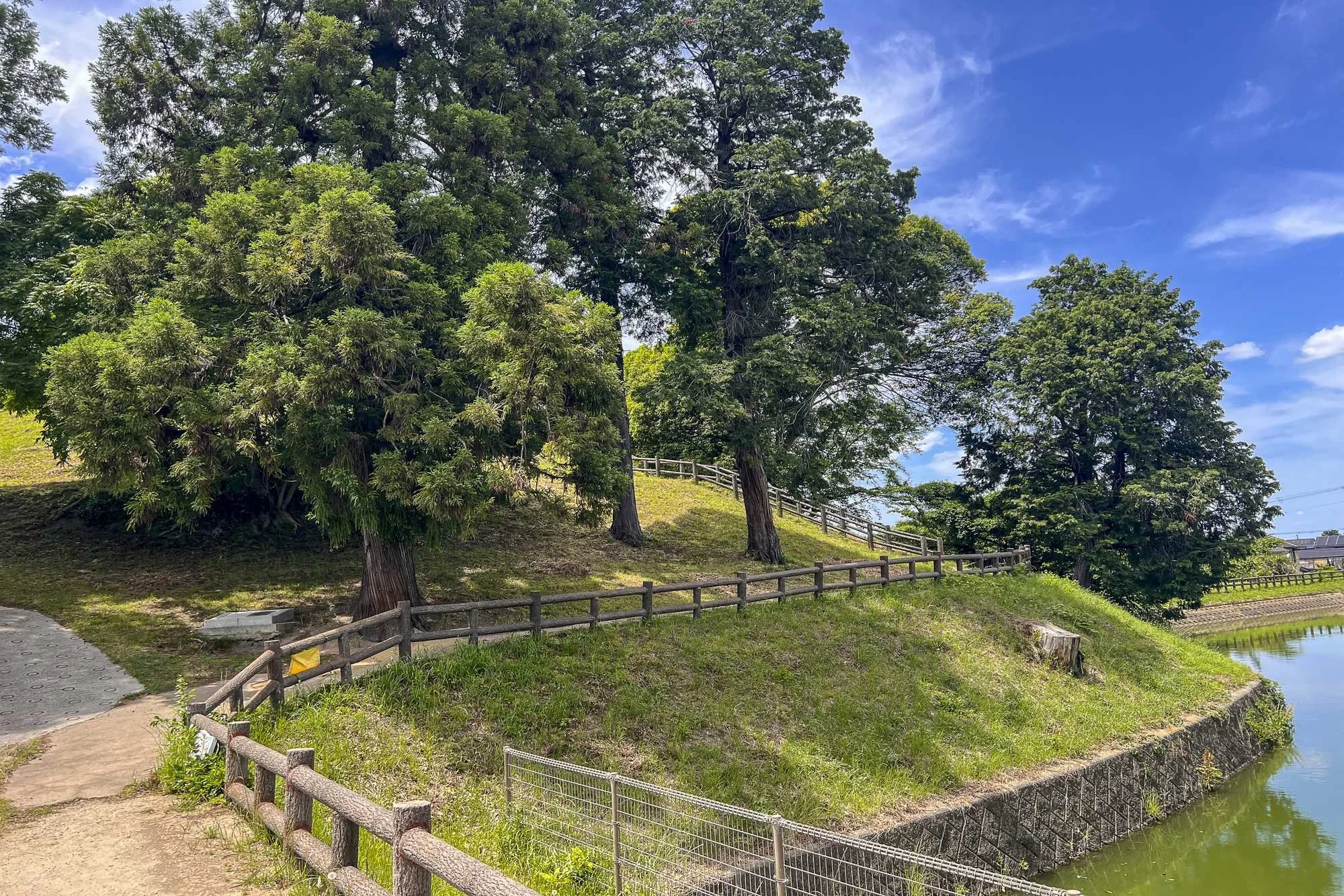
Kurozuka Kofun and Museum | 黒塚古墳
This tomb is designated a National Historic Site and is renowned for one of the country's most remarkable archaeological discoveries. During excavations in the late 1990s, archaeologists uncovered 33 triangular-rimmed bronze mirrors…
-
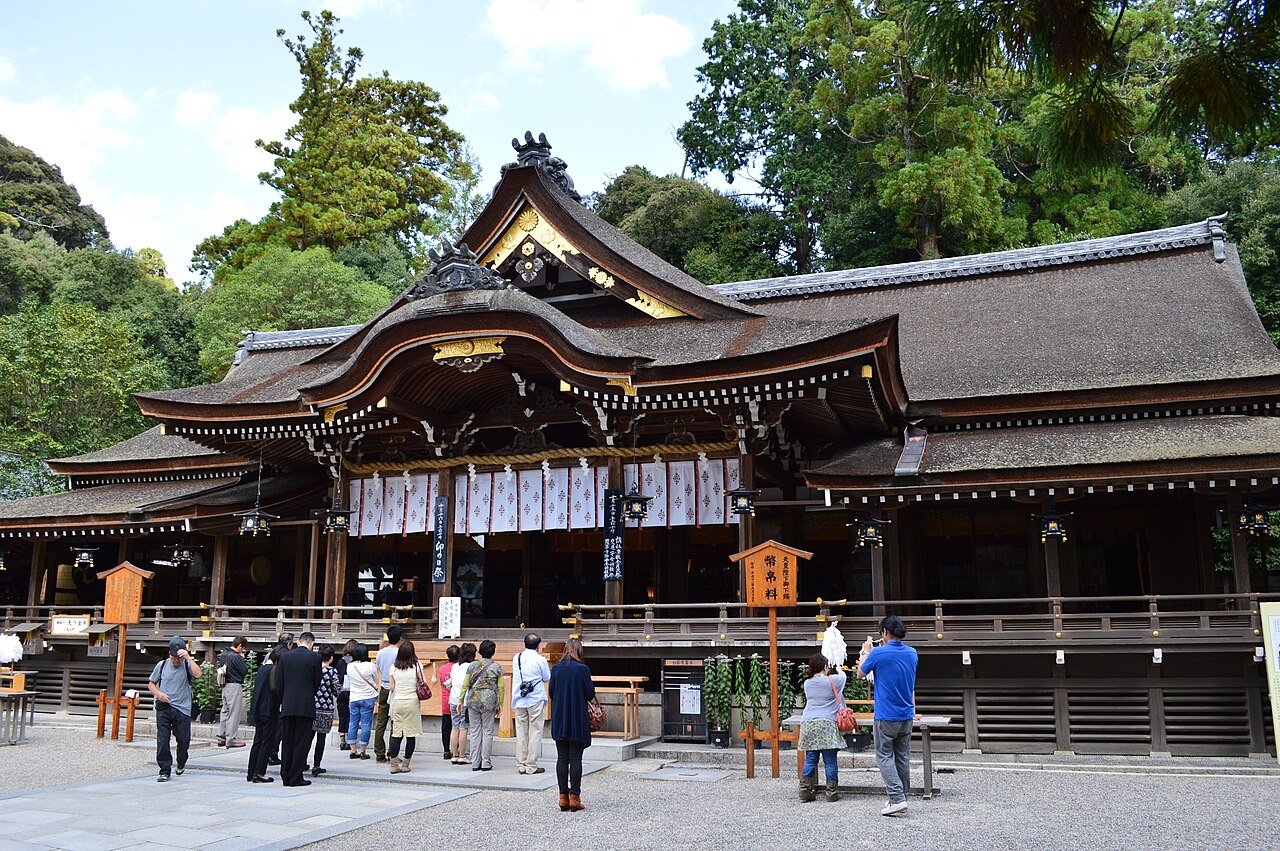
Omiwa-jinja Shrine | 大神神社
Tucked at the base of Mount Miwa in Sakurai, Nara Prefecture, Ōmiwa-jinja Shrine is widely regarded as the oldest Shinto shrine in Japan, with origins tracing back to the 3rd century AD, during the reign of…
-
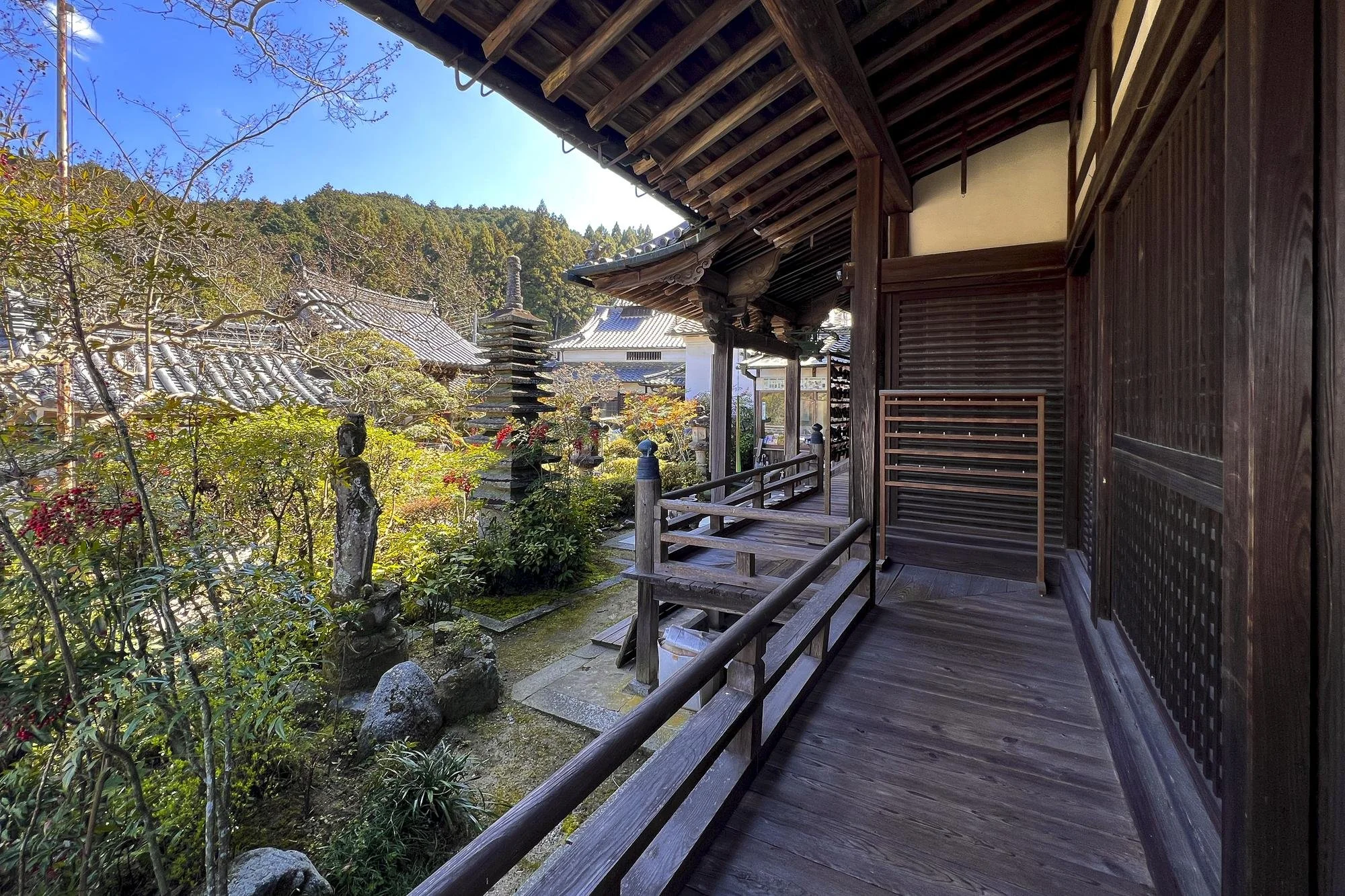
Shorin-ji Temple | 聖林寺
Located in Sakurai City in the heart of Japan’s ancient Yamato region, Shōrin-ji Temple is a quiet yet culturally significant site with origins tracing back to the 8th century (traditionally attributed to 712 AD, during the Nara period). The temple is…
-
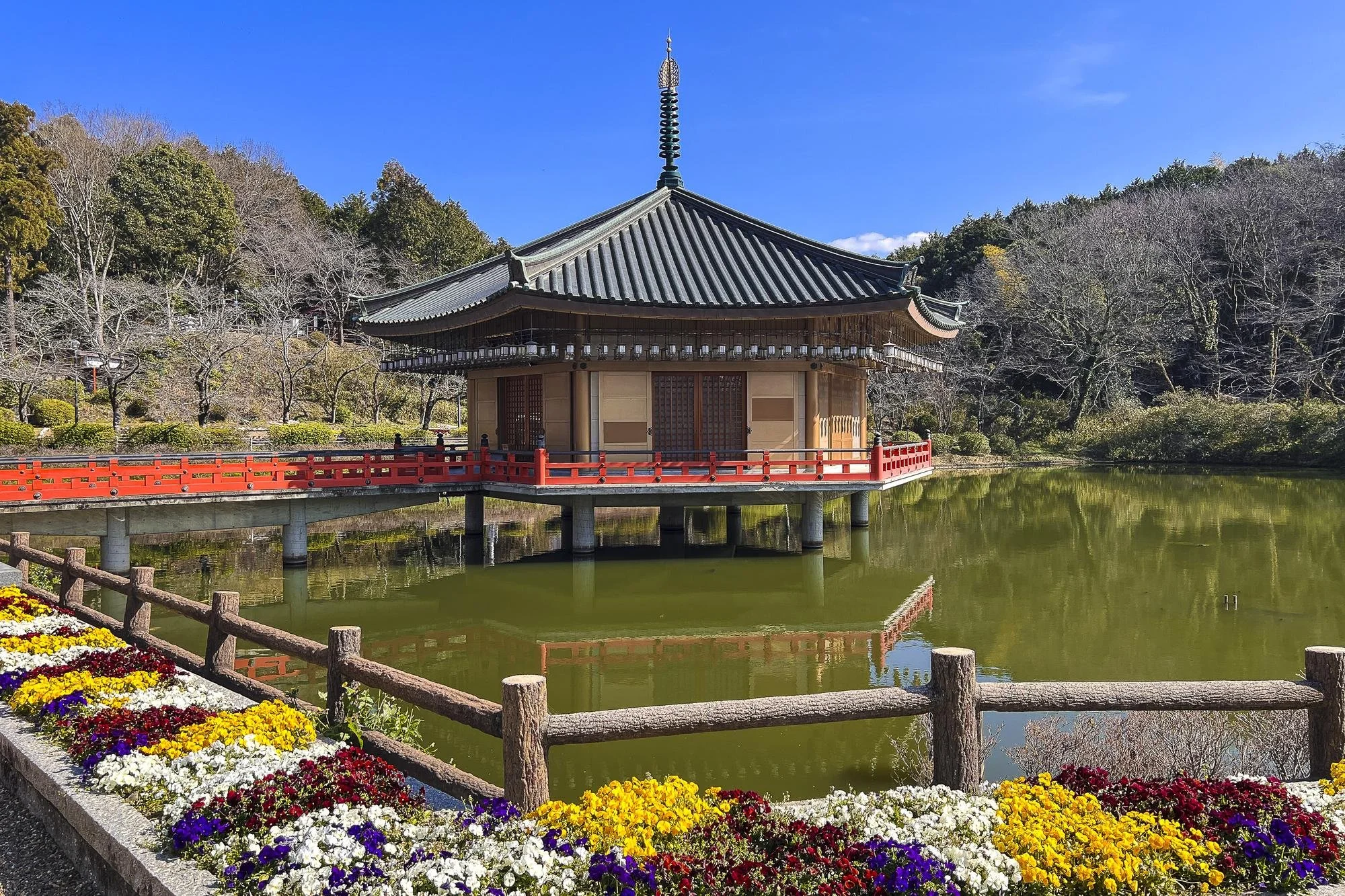
Abe Monju-in Temple | 安倍文殊院
Located in Sakurai City, Nara Prefecture, Abe Monju-in is a temple with deep intellectual and spiritual significance. Founded in 645 AD by the powerful Abe clan, the temple is dedicated to Monju Bosatsu (Manjushri),…
-
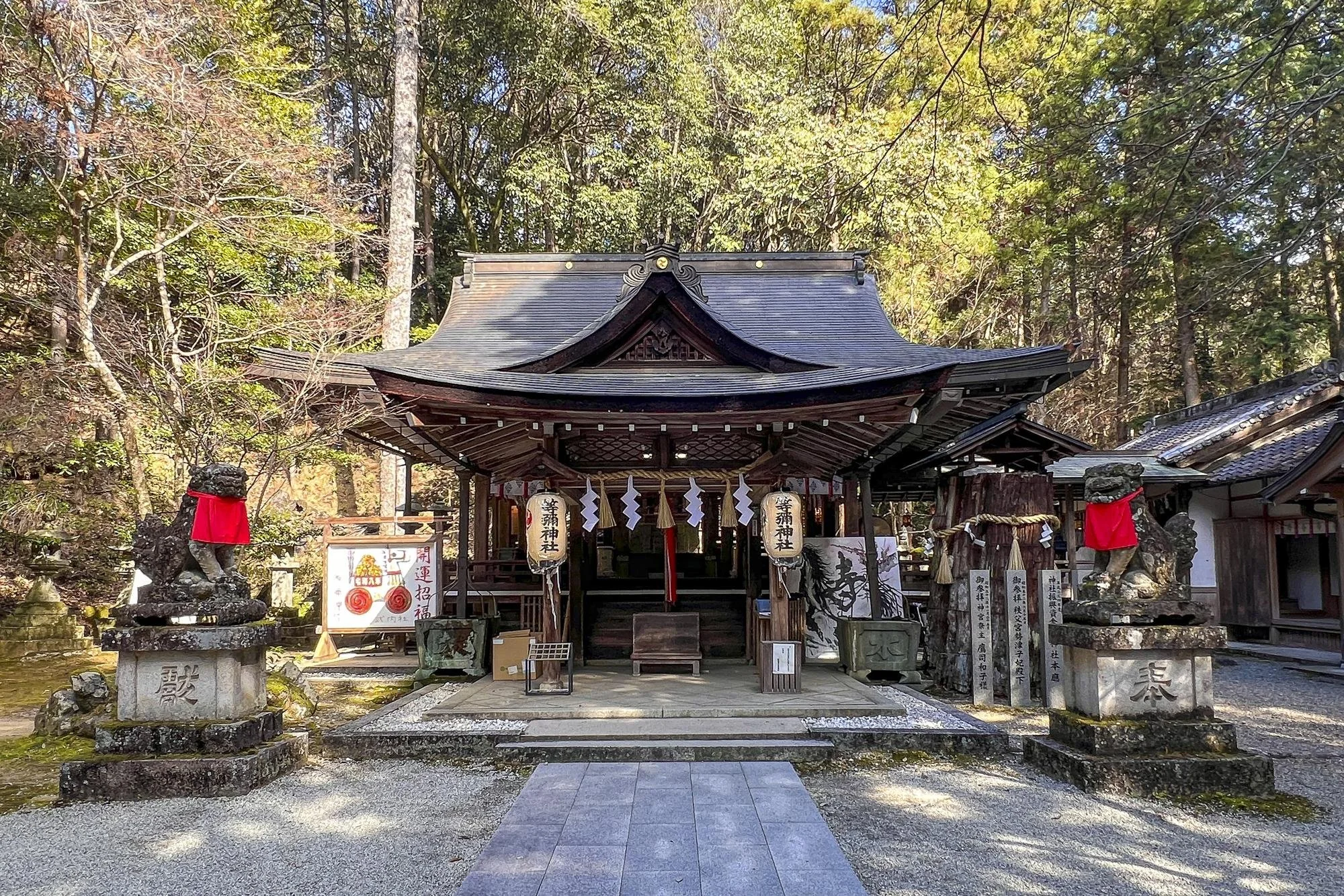
Tomi-jinja Shrine | 等彌神社
Located at the foot of Mount Miwa in Sakurai City, Nara Prefecture, Tomi-jinja Shrine is one of the oldest Shinto shrines in Japan, with a history believed to stretch back to the 1st century AD. This sacred site is said to have…
-
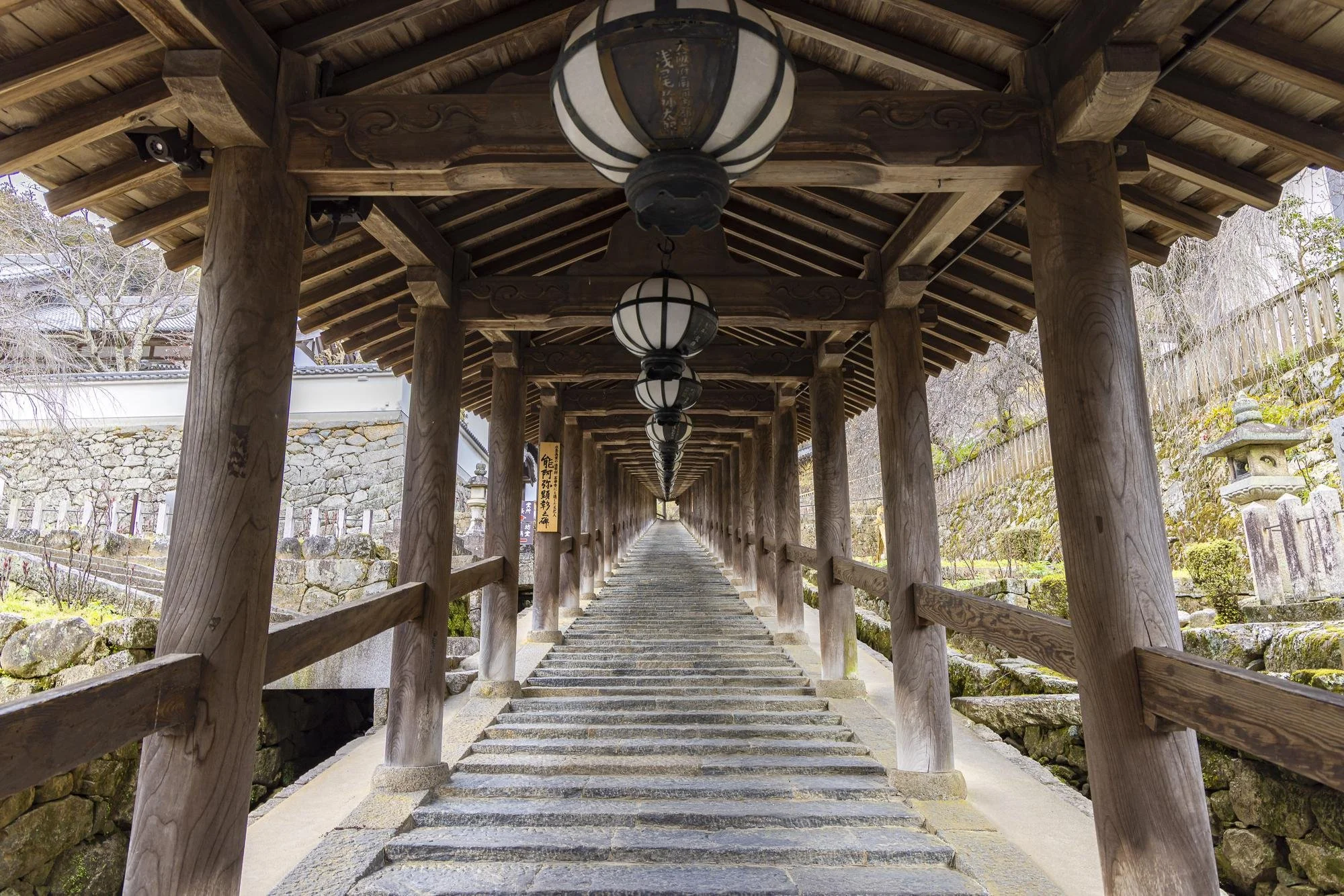
Hase-dera Temple | 長谷寺
Perched on a hillside in Sakurai City, Nara Prefecture, Hase-dera is one of Japan’s most picturesque and spiritually resonant temples. Founded in 686 AD during the Asuka period, it has long been revered as a…
-

Oyamato-jinja Shrine | 大和神社
Oyamato Shrine is one of the region's most historically significant Shinto shrines. The shrine enshrines Yamato Okunitama no Ōkami, the guardian deity of the ancient Yamato region, and…