
Chapter 13: Gift-Giving & Japanese Hospitality 1
The Spirit of Thoughtfulness
Visitors often describe Japan as one of the most welcoming countries they've ever explored.
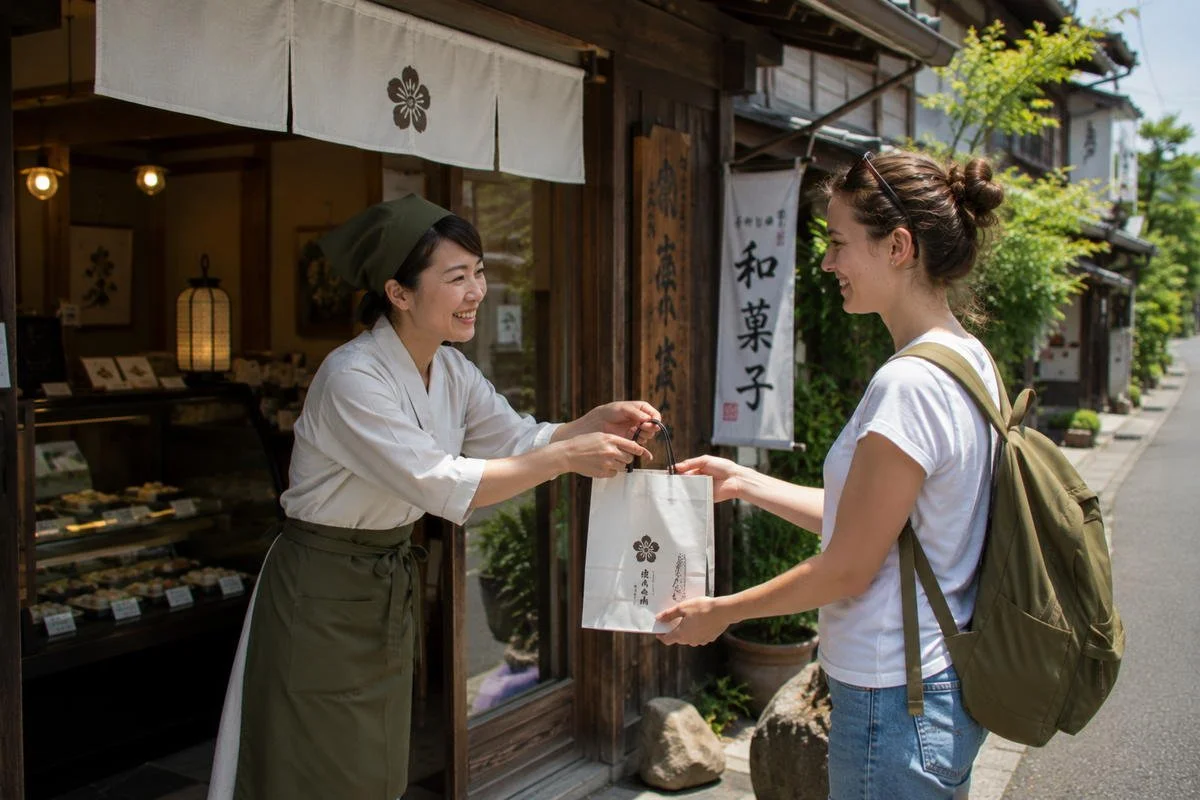
A shopkeeper carefully wrapping a purchase.
A hotel staff member walking outside to wave goodbye.
A station employee patiently helping a lost traveler find the correct platform.
These moments may seem small, but together they leave a lasting impression.
They reflect something that goes beyond good customer service.
They reflect a culture that places great value on thoughtfulness and consideration for others.
What Is Omotenashi?
You may hear the Japanese word omotenashi (おもてなし) translated as "hospitality."
While that's a good starting point, the idea goes a little deeper.
Omotenashi is the practice of caring for someone's needs with sincerity, often before they even have to ask.
Rather than expecting praise or a reward, the goal is simply to help another person feel comfortable and welcome.
This spirit can be found almost everywhere in Japan—not only in luxury hotels or fine restaurants, but also in everyday interactions.
Hospitality Isn't Limited to Businesses
When people think of hospitality, they often imagine customer service.
In Japan, however, thoughtfulness extends well beyond commercial settings.
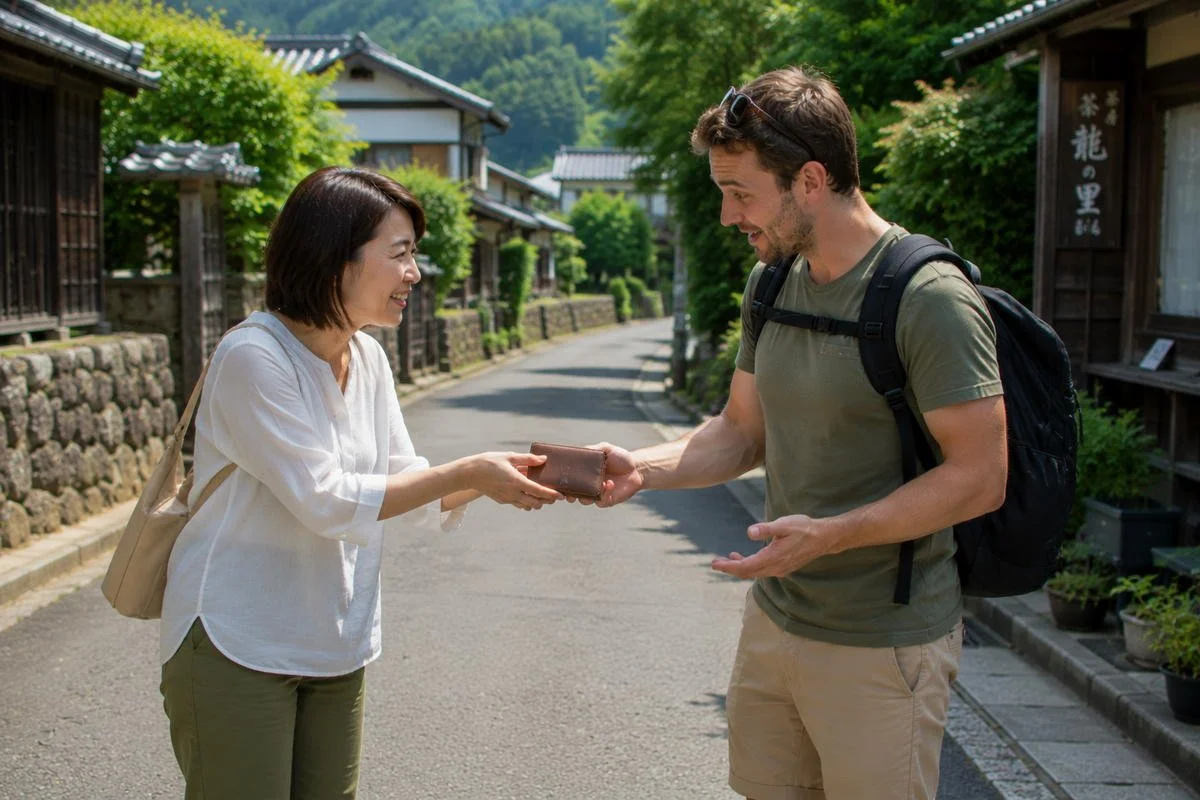
A neighbor may offer directions to a visitor.
A stranger might help pick up something you've dropped.
Someone may quietly hold a door or step aside to let you pass.
These gestures are usually simple and understated.
They aren't performed for recognition.
They're simply part of making shared spaces more pleasant for everyone.
Gifts as a Way of Expressing Gratitude
Gift-giving has long been an important part of Japanese culture.
Rather than measuring a gift by its price, many people place greater importance on the thought behind it.
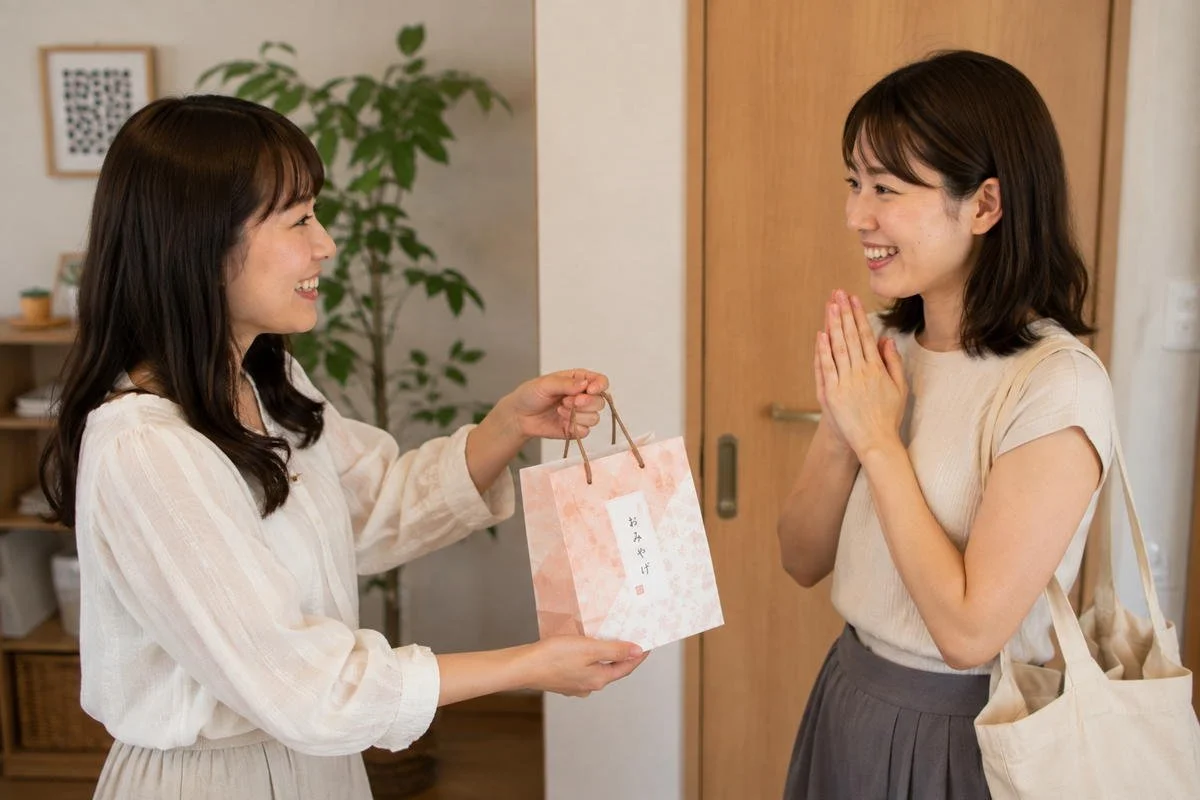
A carefully chosen local specialty.
A beautifully wrapped box of sweets.
A small souvenir from a recent trip.
Each quietly says, "I was thinking of you."
The gift becomes a symbol of appreciation rather than an obligation.
It's the Thought That Counts
One reason gift-giving remains so meaningful in Japan is that it reflects awareness of other people.
The act of choosing something appropriate, wrapping it neatly, and presenting it with care communicates respect.
Even modest gifts can carry great significance when they're chosen thoughtfully.
This same mindset appears throughout everyday life—from offering a seat on a train to remembering someone's favorite snack.
Thoughtfulness is often expressed through small actions rather than grand gestures.
Beautiful Presentation
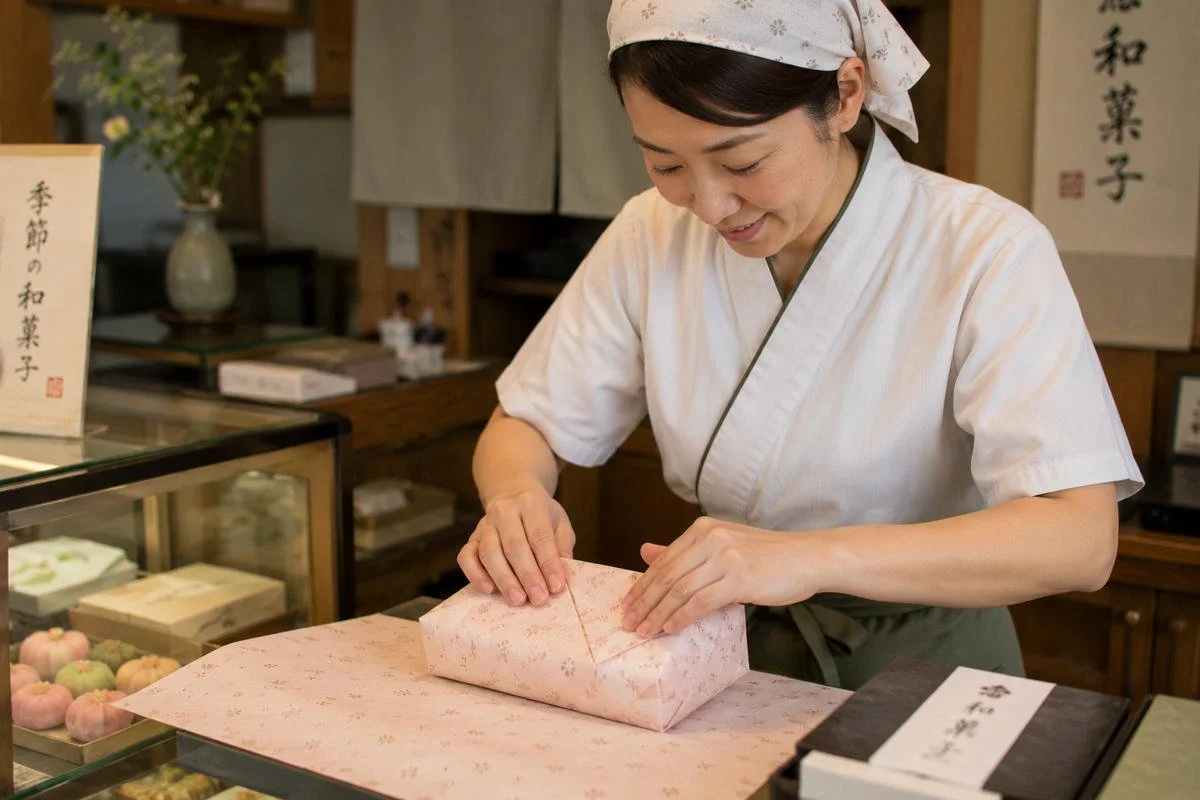
If you've ever purchased a gift in Japan, you've probably noticed the attention given to presentation.
Department stores, specialty shops, and even many neighborhood stores often wrap purchases carefully and elegantly.
Packaging isn't simply decorative.
It shows care for both the gift and the person receiving it.
Opening a beautifully wrapped package becomes part of the experience itself.
Everyday Hospitality
You don't need to stay at a luxury ryokan to experience Japanese hospitality.
You'll often encounter it in ordinary places:
A café owner remembering your order
A convenience store employee carefully packing your purchases
A museum volunteer offering directions with a smile
A local resident taking time to help despite a language barrier
These moments may last only a few seconds, but they often become some of the warmest memories of a trip.
Hospitality Is a Two-Way Experience
One of the nicest ways to appreciate omotenashi is to respond with kindness of your own.
A smile.
A sincere "Thank you."
A patient attitude.
A few words of Japanese, if you know them.
Hospitality isn't something that flows in only one direction.
When both guests and hosts show consideration for one another, even brief encounters can become meaningful.
Did You Know?
The Japanese tea ceremony is often associated with omotenashi because every movement is carefully considered to help guests feel comfortable and welcome.
Although few visitors experience a formal tea ceremony, the same spirit of thoughtful hospitality can be found in everyday situations throughout Japan.
Local Tip
When someone goes out of their way to help you, don't worry about finding the perfect Japanese phrase.
A warm smile, eye contact, and a heartfelt "Arigatō gozaimasu" are often the most meaningful response of all.