
Chapter 13: Gift-Giving & Japanese Hospitality 2
Gifts That Carry Thoughtfulness
Gift-giving in Japan is rarely about extravagance.
More often, it's a way of expressing gratitude, celebrating a relationship, or simply letting someone know they were remembered.
Whether it's a beautifully wrapped box of local sweets or a small handmade craft, the meaning behind the gift is usually more important than its monetary value.
Understanding this perspective can help you appreciate one of Japan's most thoughtful traditions.
The Culture of Omiyage
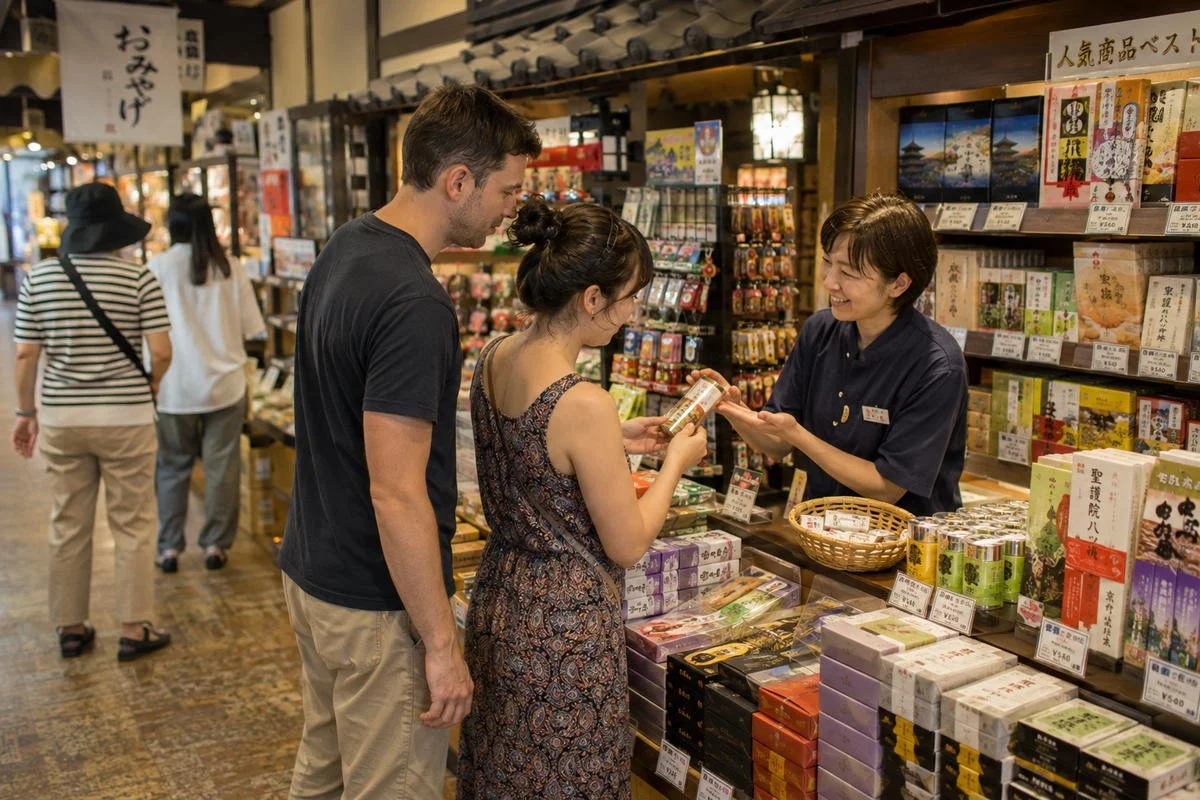
One of Japan's most familiar gift-giving customs is omiyage (お土産).
Although often translated as "souvenir,"omiyage has a slightly different meaning.
Instead of buying something only for yourself, many people purchase local specialties to share with family, friends, or colleagues after returning from a trip.
These gifts are usually regional foods, sweets, or small locally made products that represent the place they visited.
The message is simple:
"I enjoyed my trip, and I wanted to share a little of it with you."
This tradition reflects the importance of maintaining relationships through thoughtful gestures.
Regional Specialties
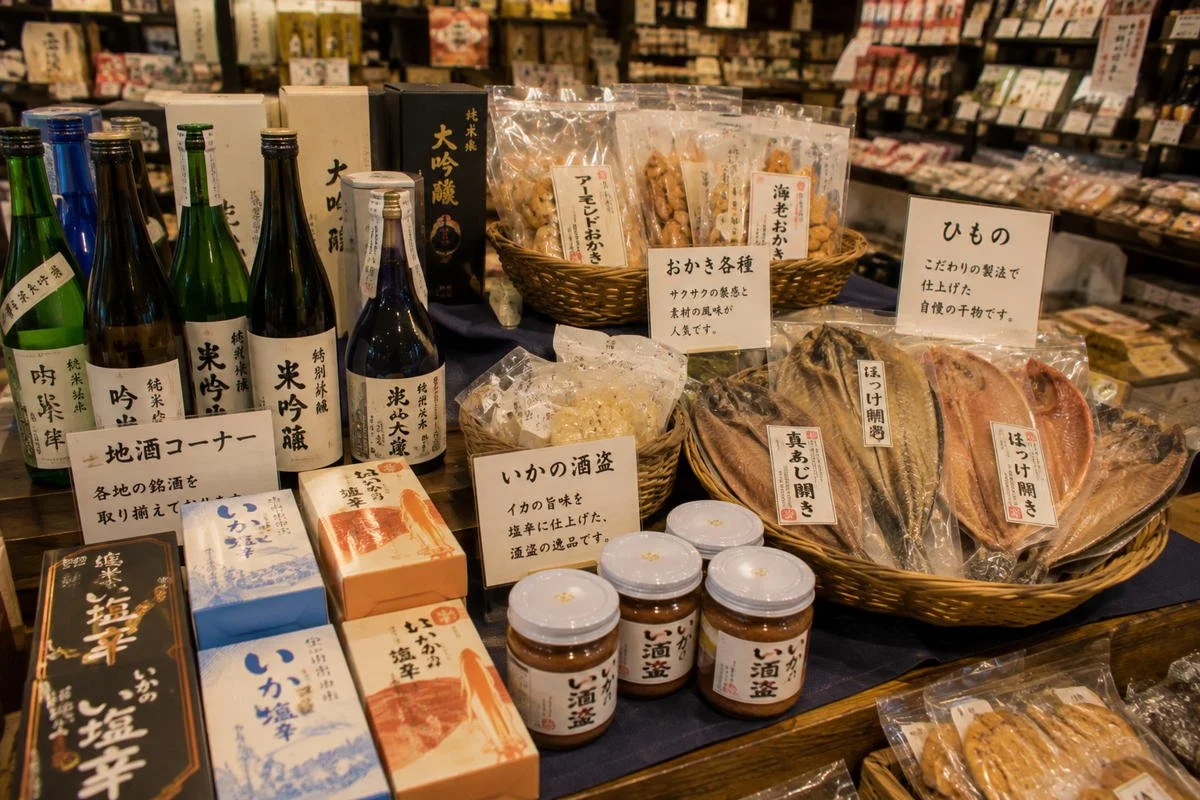
One reason Japanese train stations and airports have so many gift shops is the popularity of regional specialties.
Almost every region is known for something unique.
Perhaps it's a traditional confection, locally grown tea, handcrafted pottery, or a seasonal delicacy.
Choosing something connected to the place you visited makes the gift feel personal and meaningful.
It's another way of sharing the story of your journey.
Visiting Someone's Home
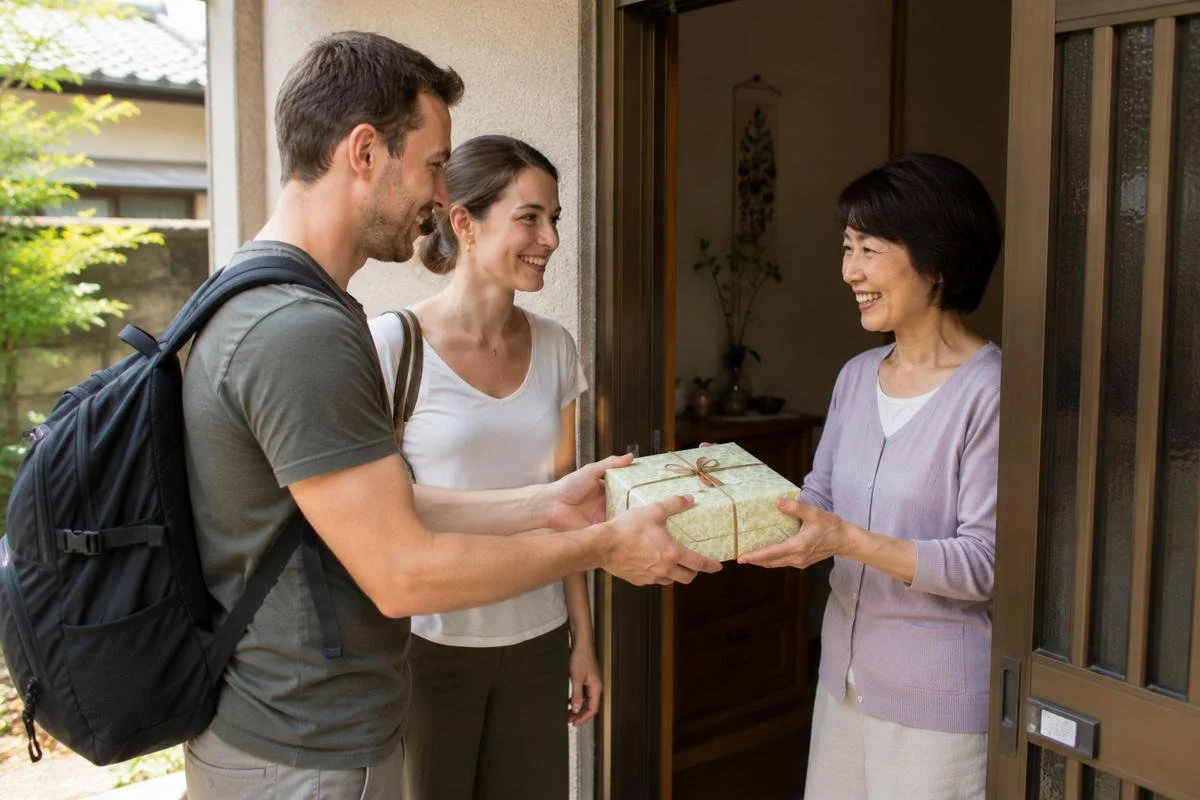
If you're invited to someone's home in Japan, bringing a small gift is a thoughtful gesture.
It doesn't need to be expensive.
Popular choices include:
Local sweets
Tea or coffee
Fruit
Specialty foods from your hometown
Nicely packaged snacks
The gift is simply a way of thanking your host for their hospitality.
In many cases, it's the gesture itself that matters most.
Receiving a Gift
If someone offers you a gift, it's customary to accept it with appreciation.
You may notice that some people initially respond with modest hesitation before accepting.
In certain situations, this reflects traditional etiquette rather than a genuine refusal.
As a visitor, however, you don't need to imitate every custom.
A sincere smile and a heartfelt "Thank you" are perfectly appropriate.
Likewise, don't be surprised if the recipient sets your gift aside instead of opening it immediately.
In Japan, gifts are often opened later so that attention remains focused on the person rather than the object.
Beautiful Wrapping Matters
Presentation plays an important role in Japanese gift culture.
Many stores offer complimentary gift wrapping, and the care taken with the packaging is often remarkable.
The wrapping isn't simply decorative.
It communicates respect for the recipient and shows that the gift was prepared thoughtfully.
Even a simple item can feel special when it's presented with care.
Seasonal Giving
Throughout the year, many Japanese people exchange gifts to express appreciation during particular seasons or milestones.
Some traditions have been practiced for generations, while others vary from family to family or workplace to workplace.
As a visitor, you aren't expected to know or participate in these customs.
However, recognizing that gift-giving often marks important relationships and occasions can help you better understand everyday life in Japan.
Hospitality Beyond Gifts
The spirit of giving isn't limited to physical presents.
Offering directions to a lost traveler.
Helping someone carry a stroller up a flight of stairs.
Sharing an umbrella during an unexpected rain shower.
These acts of kindness reflect the same culture of consideration.
Sometimes the most memorable gift is simply someone's willingness to help.
Did You Know?
Many Japanese department stores are famous for their gift-wrapping services.
The packaging is often prepared with such care that opening the gift becomes part of the experience, reflecting the respect shown to the recipient.
Local Tip
If you're looking for a meaningful souvenir to take home, consider choosing something made locally rather than a mass-produced item.
Not only will your gift tell a more personal story, but you'll also support the artisans, farmers, and small businesses that help preserve each region's unique character.