Kofuku-ji Temple
興福寺
A Temple at the Crossroads of
Power, Faith, and Art
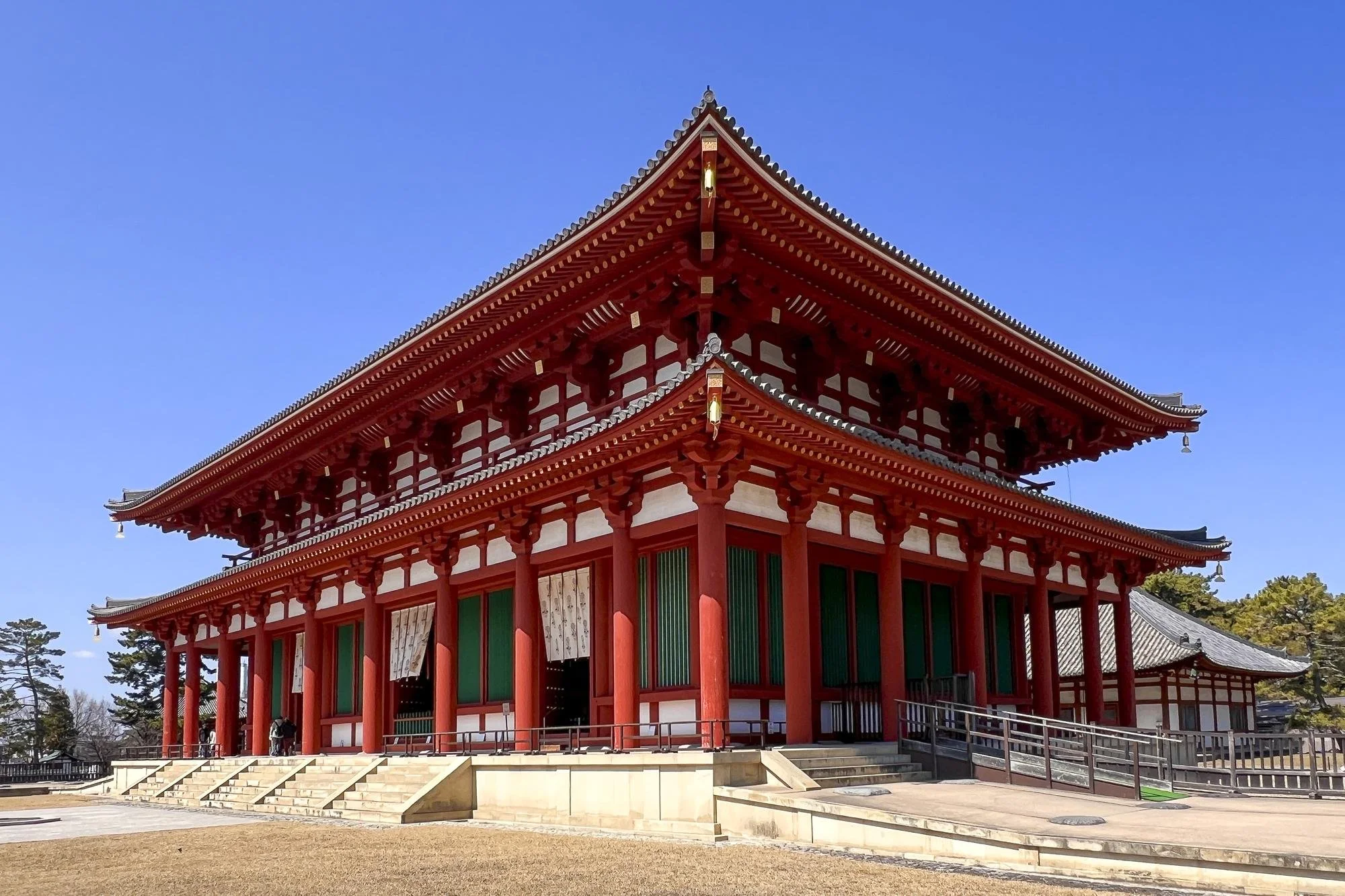
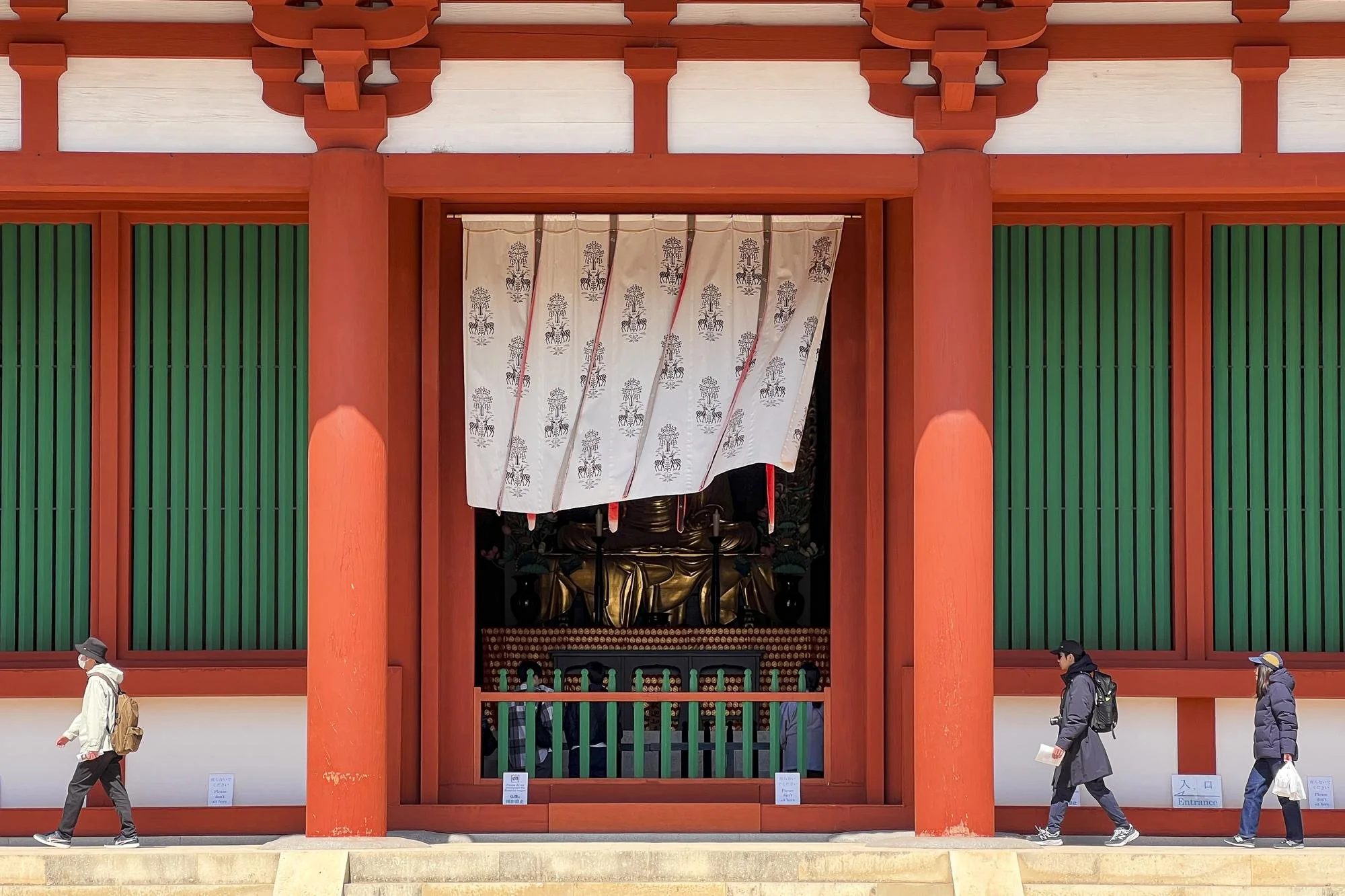
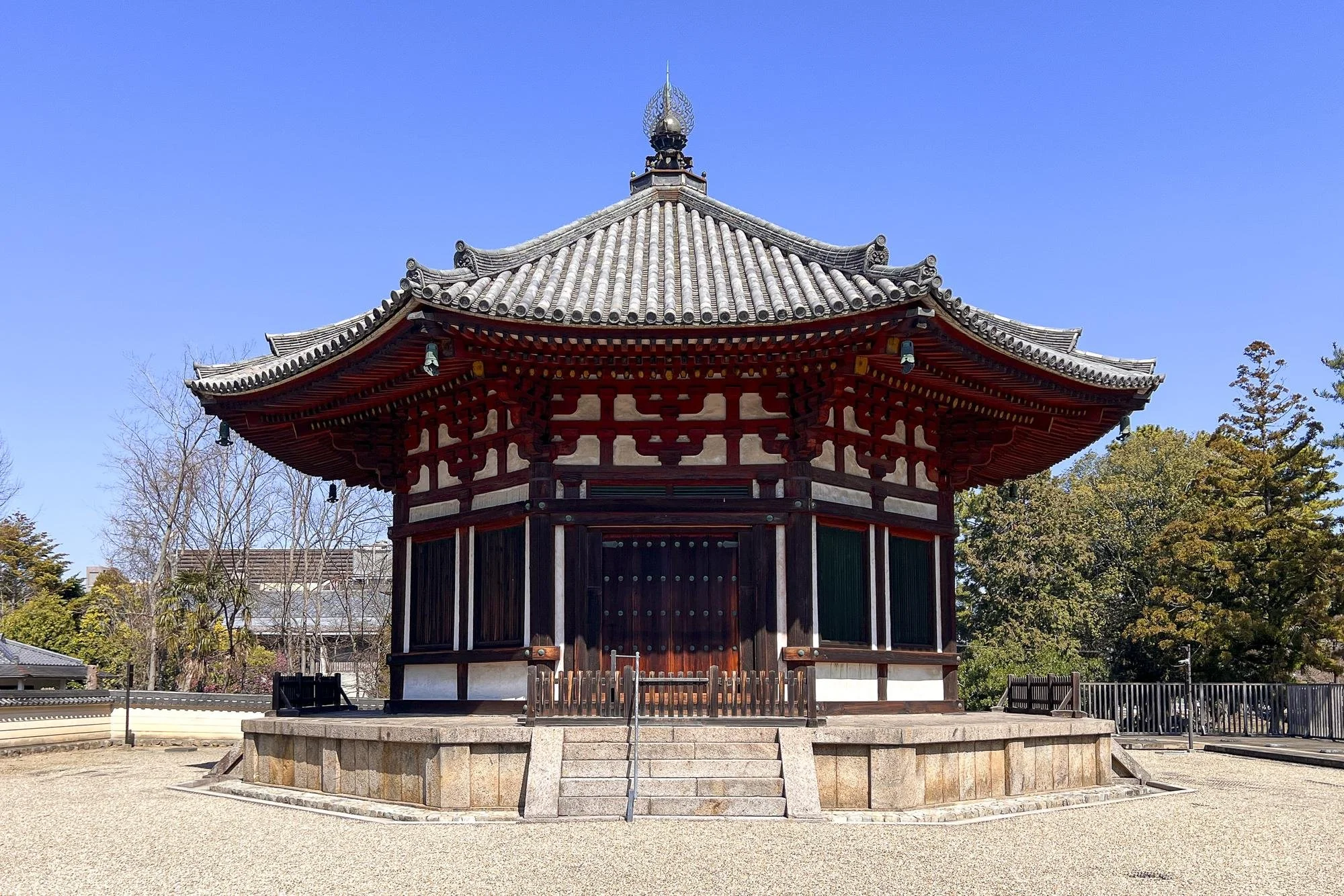
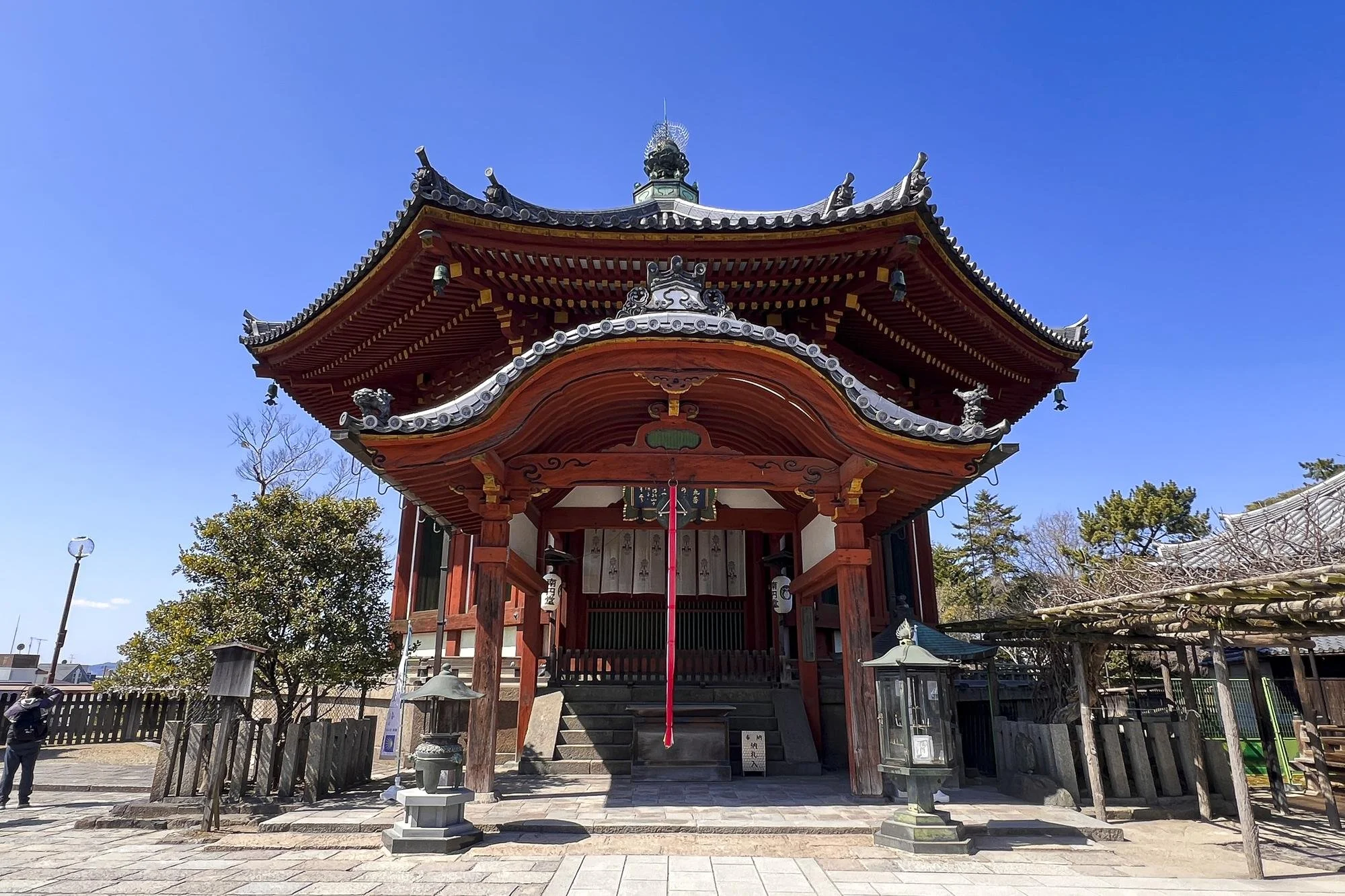
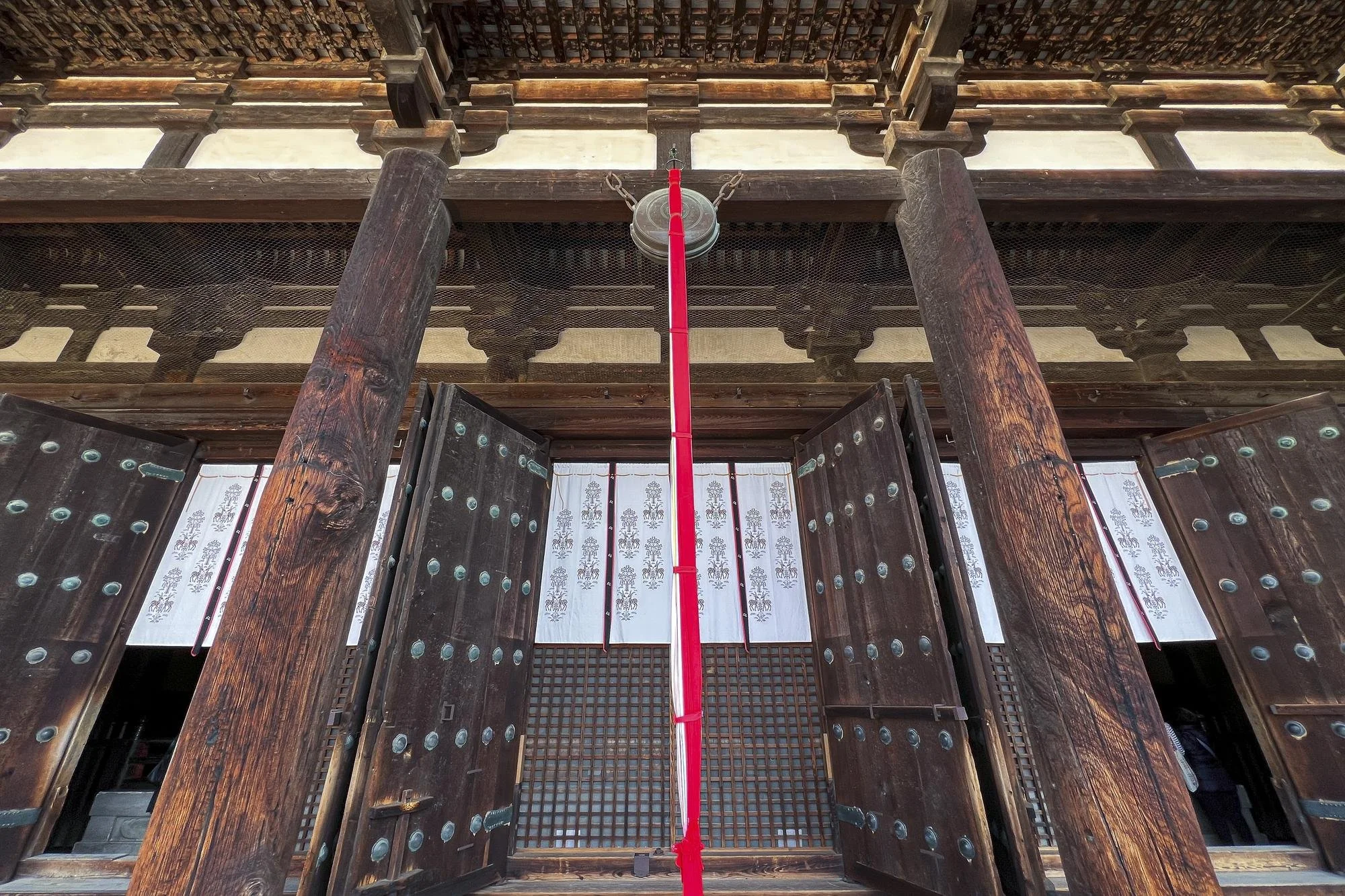
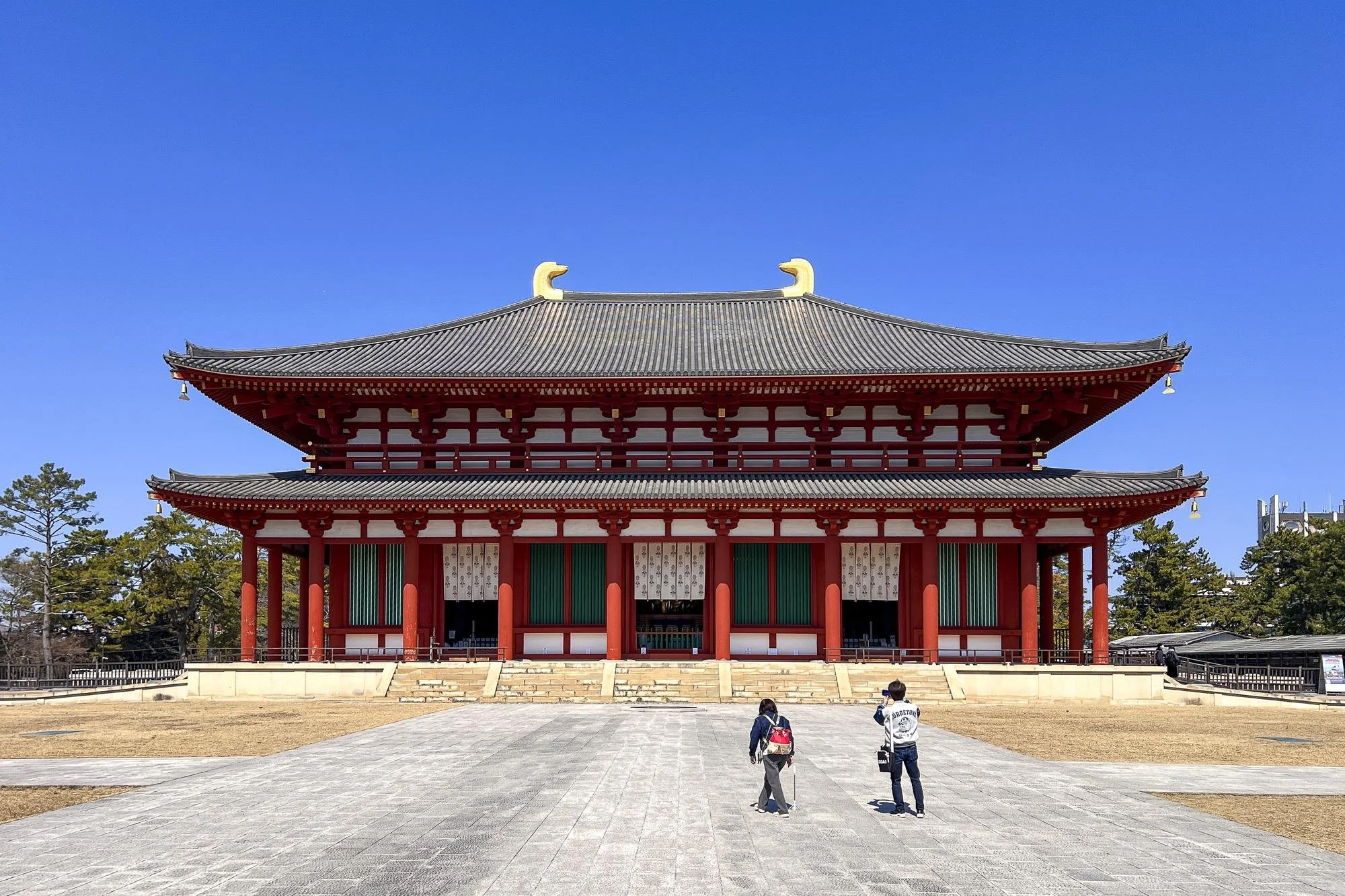
Founded by the powerful Fujiwara clan, Kofuku-ji stands as one of the most historically significant temples in Japan. Originally built in Yamashina (near present-day Kyoto) in 669, the temple was relocated to Heijo-kyo in 710 following the transfer of the imperial capital from Fujiwara-kyo. As the tutelary temple of the Fujiwara clan, Kofuku-ji played a central role in both religious life and political affairs throughout the Nara and Heian periods.
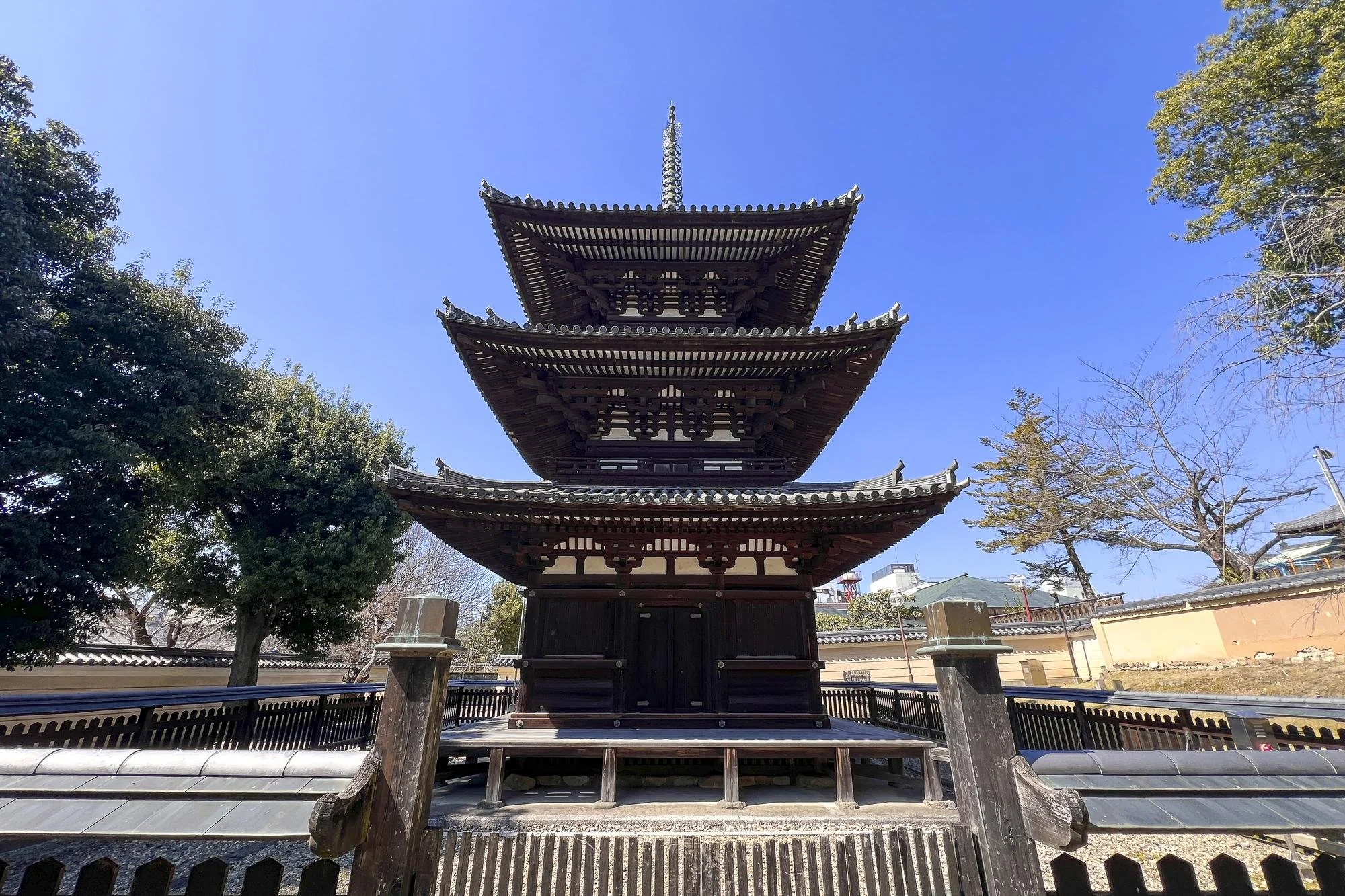
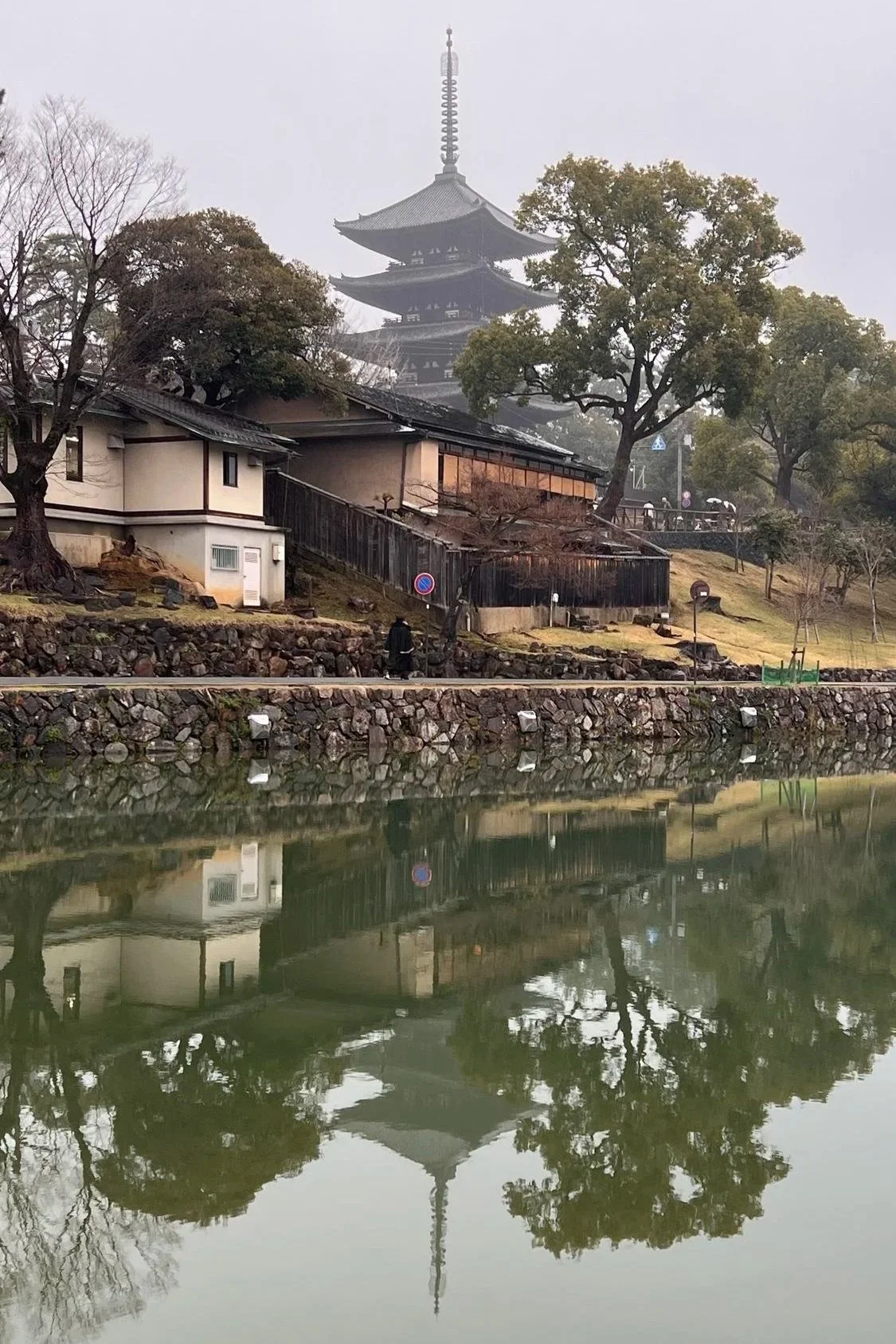
The temple complex once featured over 150 buildings, and while many were lost to fire and time, today you can still admire its iconic Five-Story Pagoda, the second tallest in Japan, and visit the National Treasure Museum, home to some of Japan’s finest ancient Buddhist sculptures. The Ashura statue, a 1,300-year-old masterpiece, is particularly beloved for its haunting beauty and grace.
Kofuku-ji’s location in Nara Park makes it easily accessible, yet it often surprises visitors with the depth of history and art it holds. For travelers interested in classical Japanese Buddhism, political history, or sacred architecture, Kofuku-ji offers an unmissable window into Japan’s early imperial era.
Note: Kofuku-ji’s Five-Story Pagoda is currently (as of 2026) enclosed within a protective structure as part of a long-term conservation and restoration project. As a result, the pagoda itself is not visible.