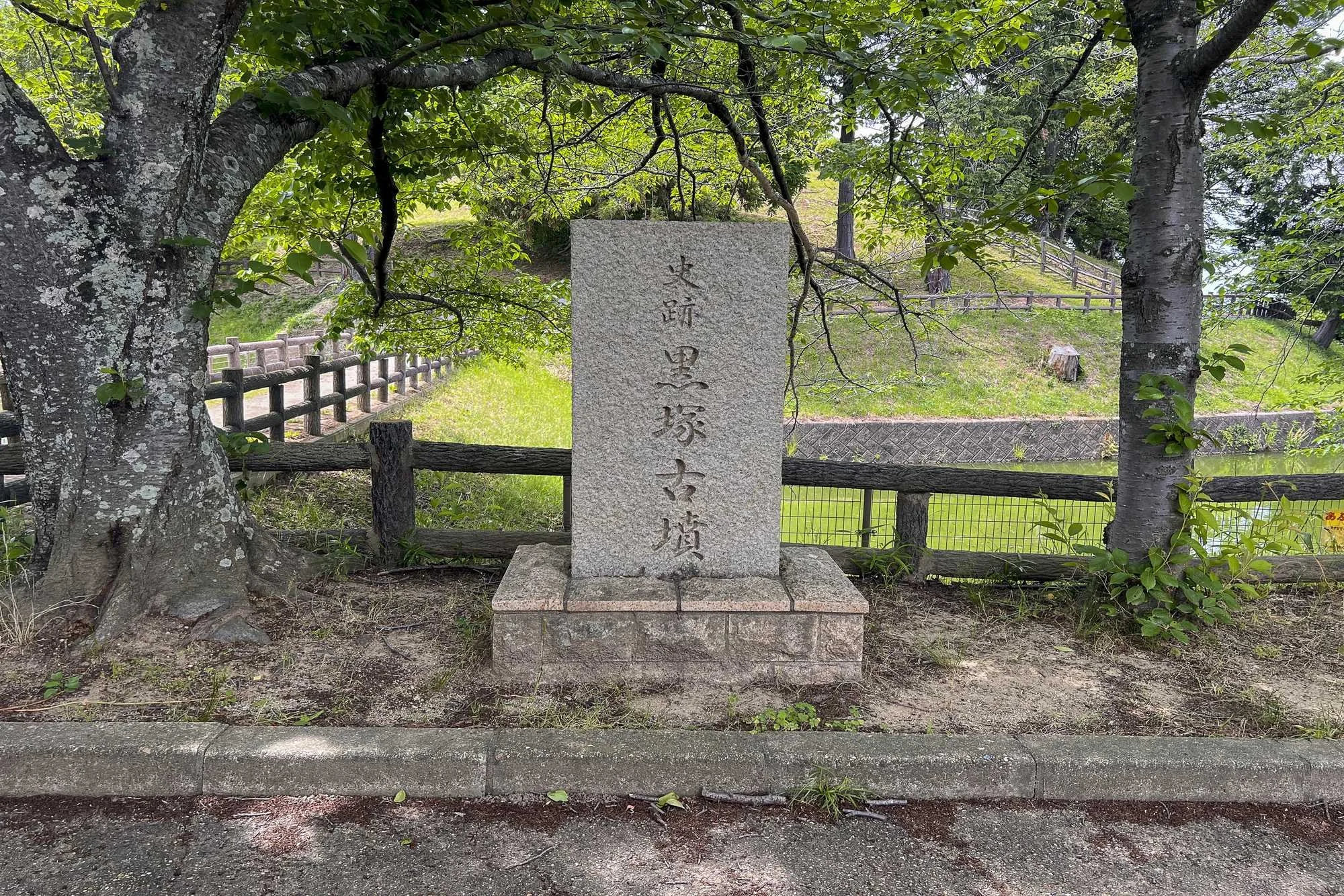
Kurozuka Kofun
黒塚古墳
One of Japan's Greatest
Archaeological Discoveries
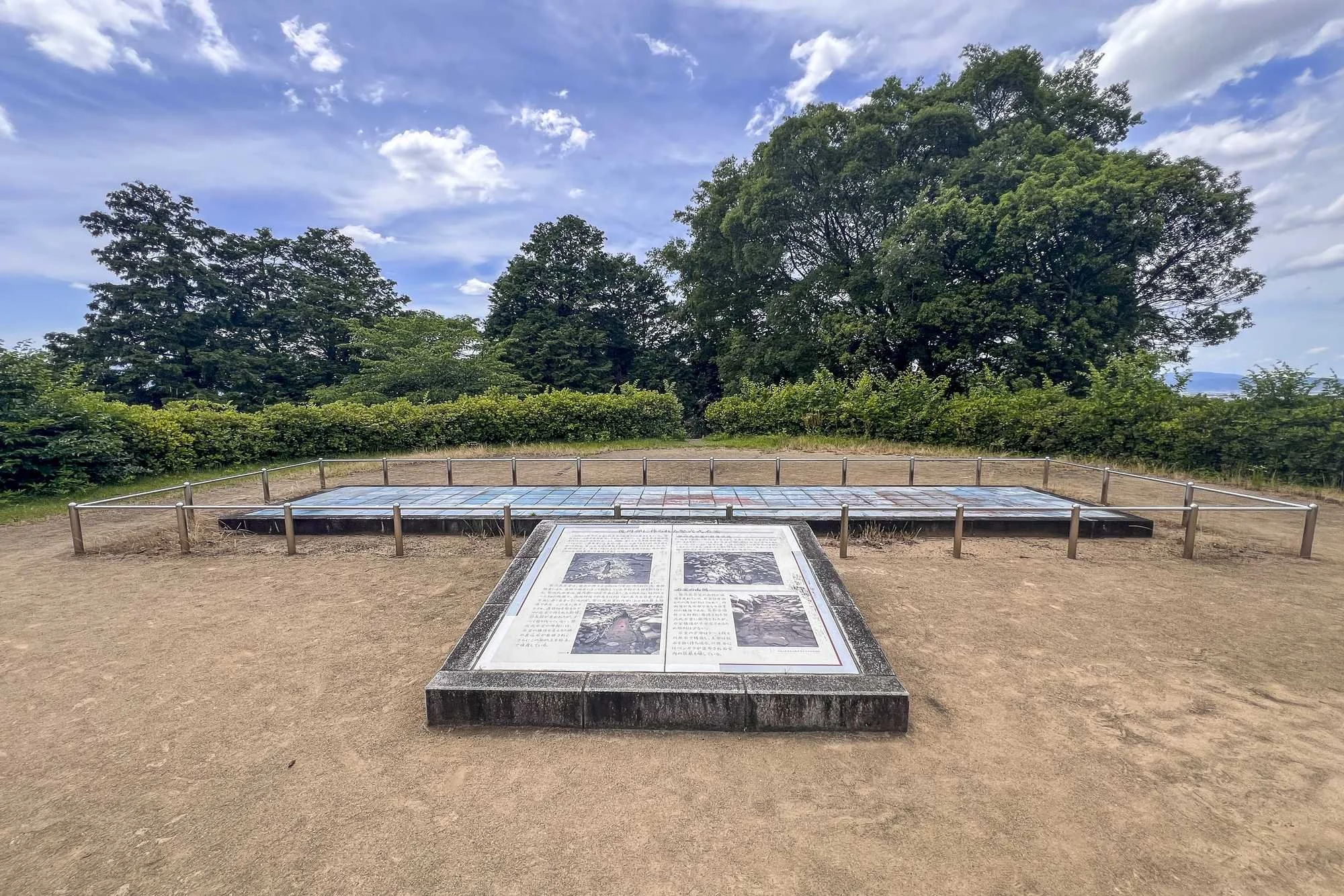
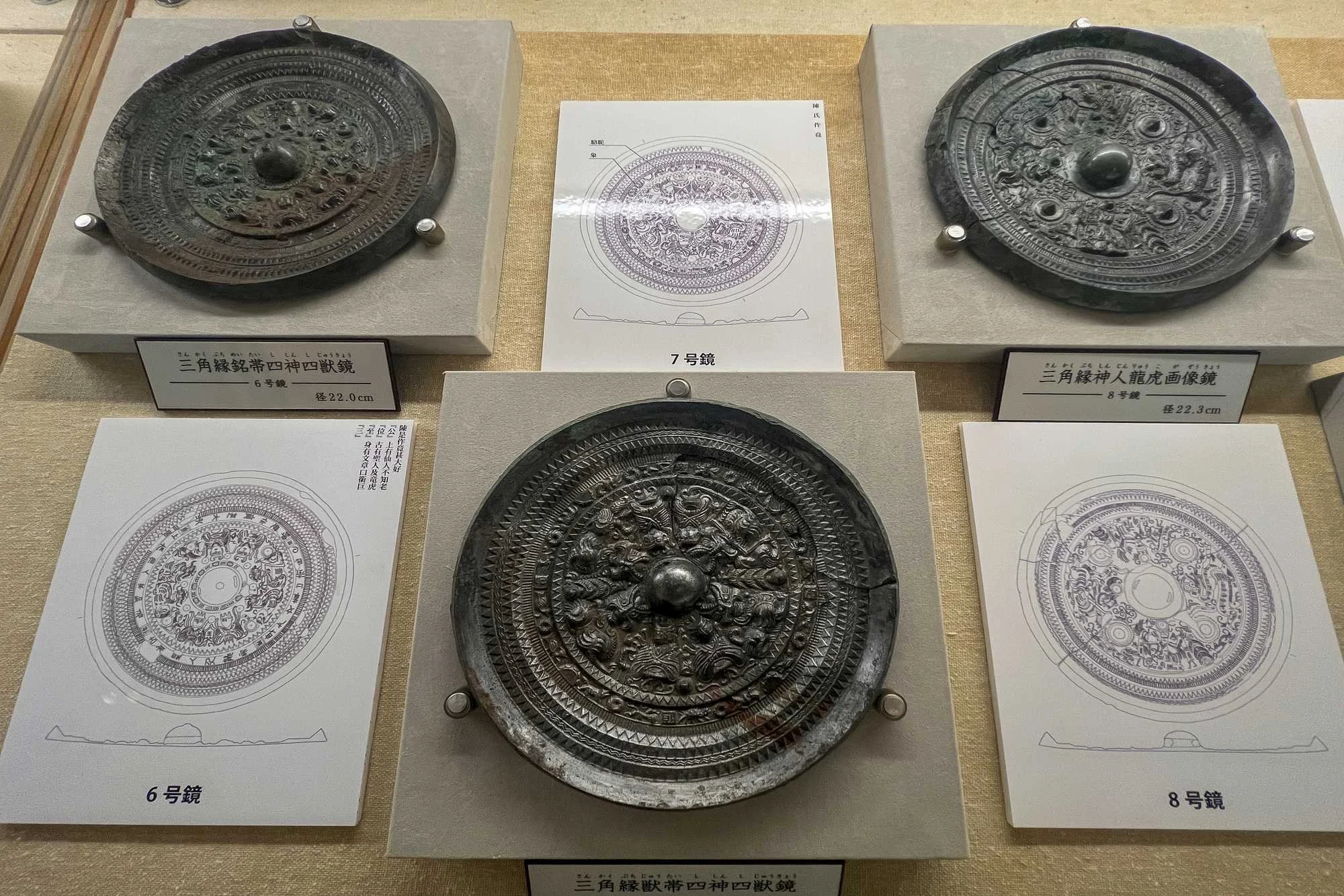
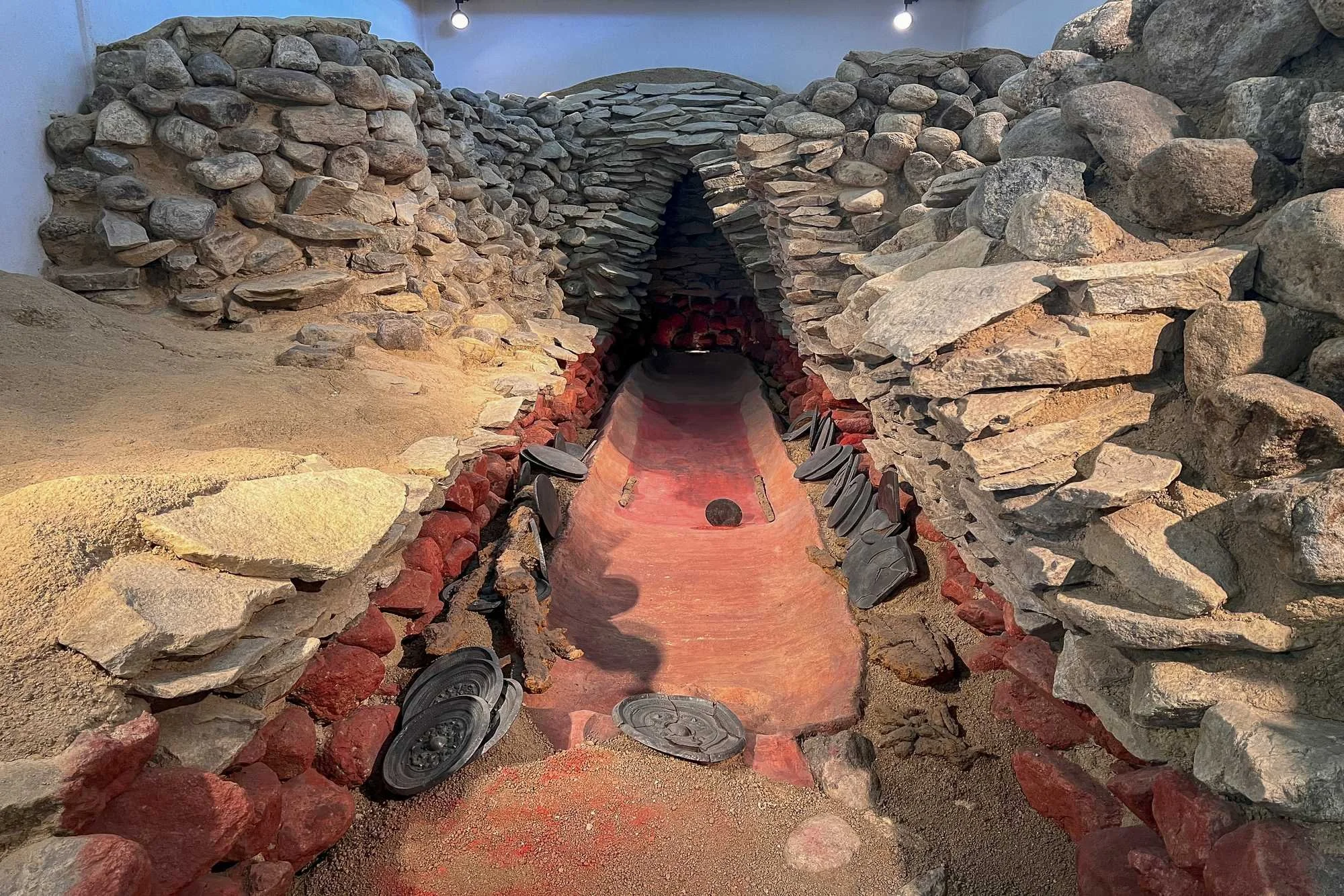
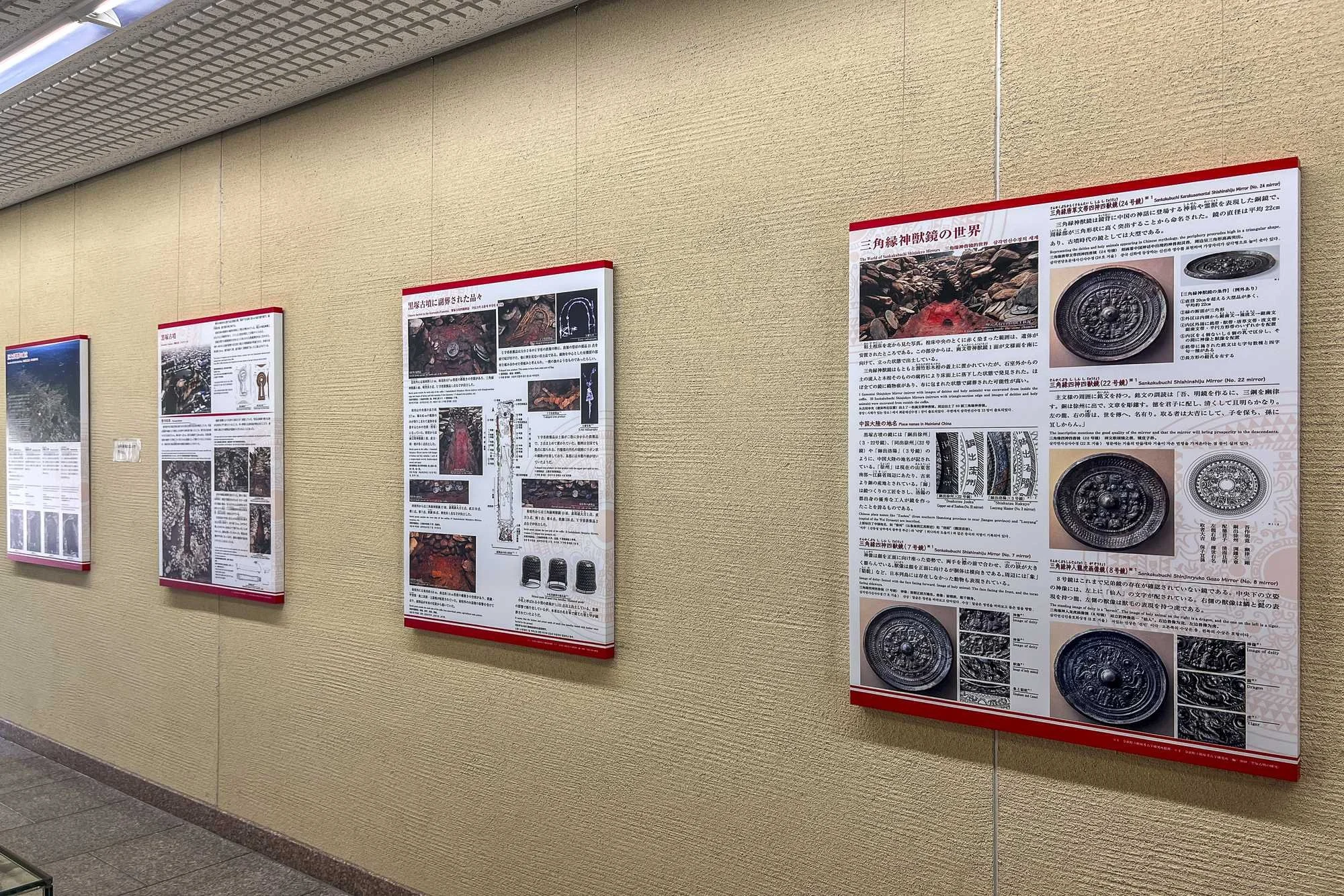
Among the most important archaeological sites of the Kofun period, Kurozuka Kofun is a keyhole-shaped burial mound in Tenri City, Nara, designated as a National Historic Site. During excavations in the late 1990s, archaeologists uncovered 33 triangular-rimmed bronze mirrors arranged around a wooden coffin almost exactly as they had been placed nearly 1,700 years ago. The discovery provided remarkable insight into early burial customs, political authority, and the formation of the ancient Yamato state.
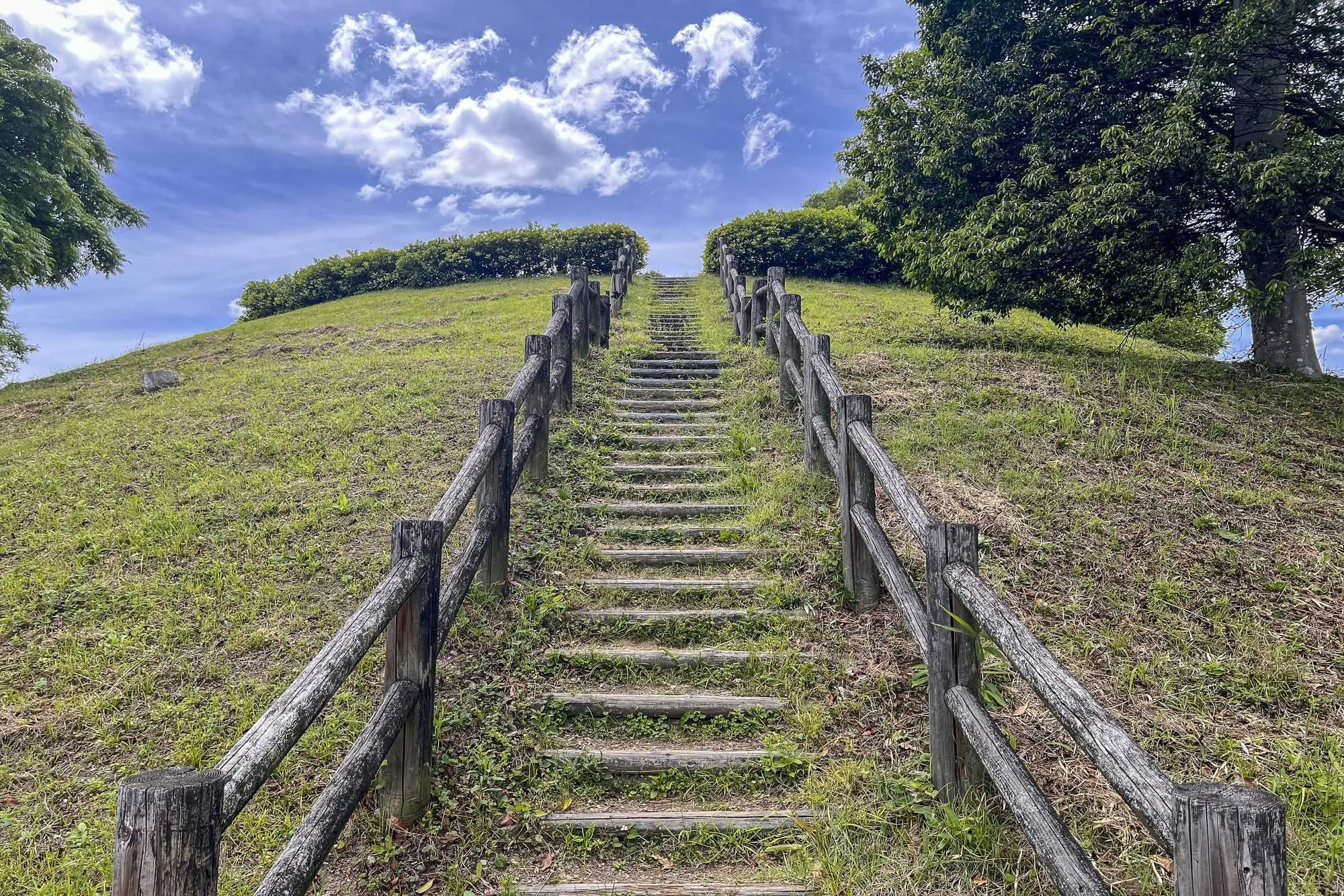
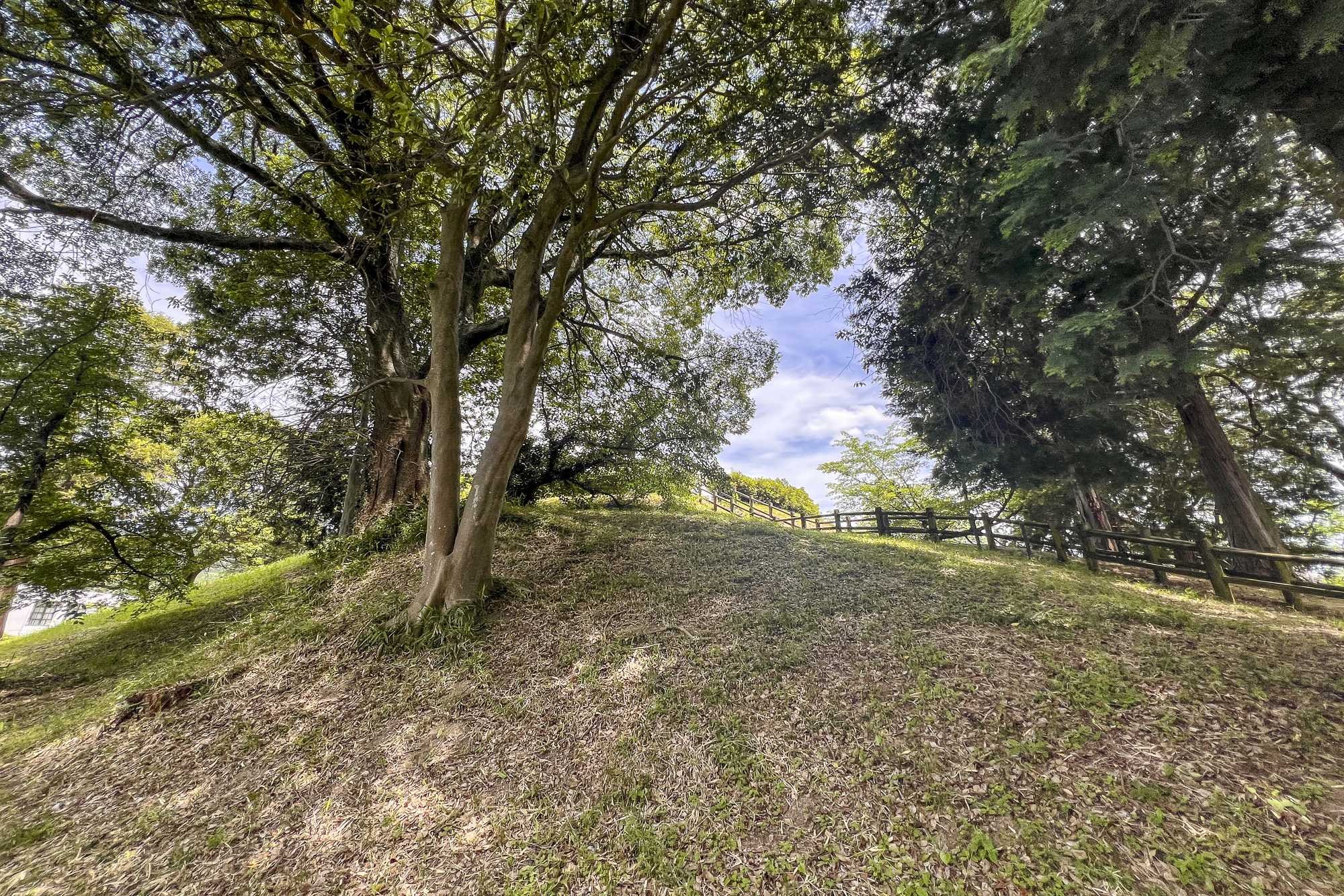
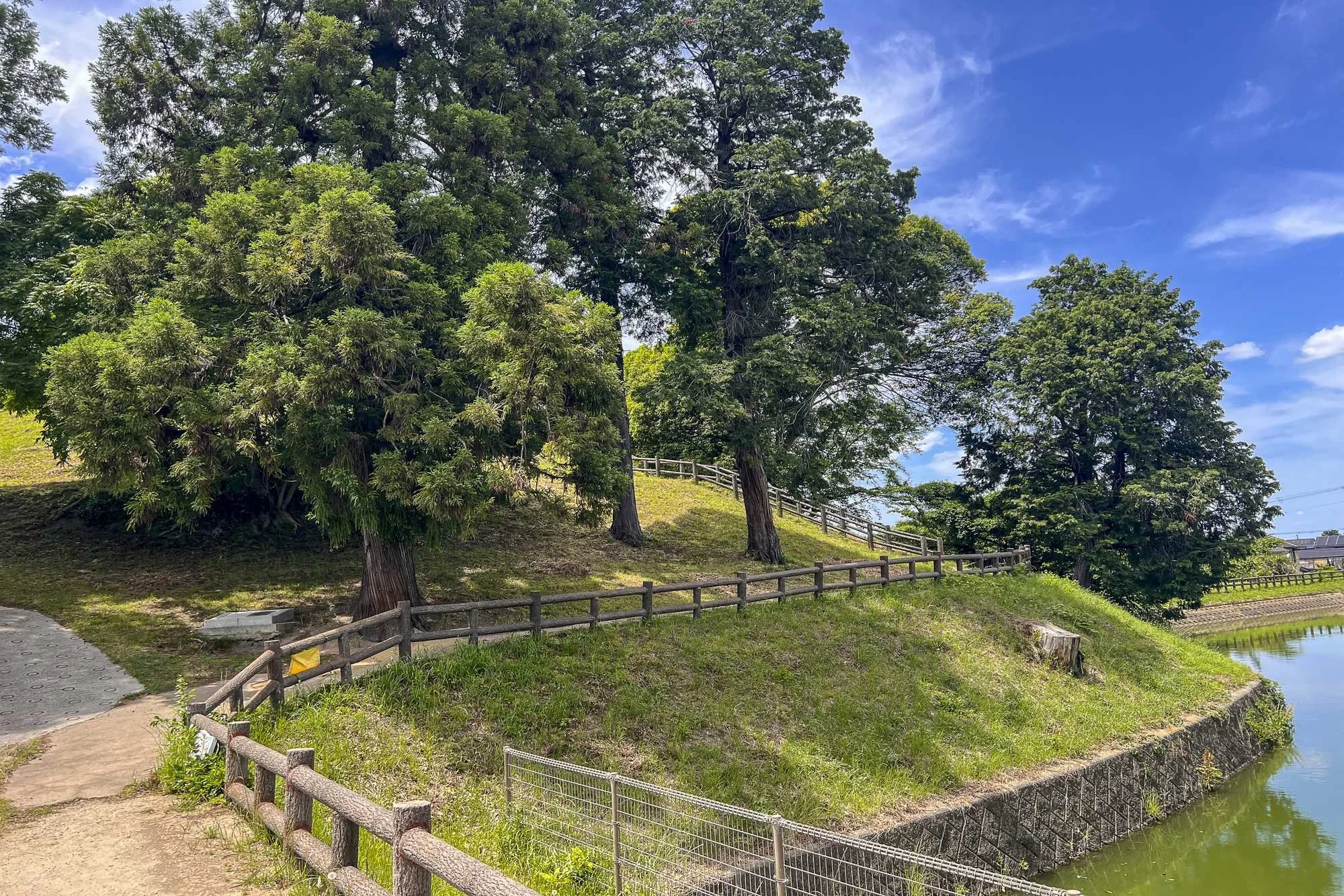
Unlike many ancient tombs in Japan, visitors can walk around the mound and climb to the top, gaining a closer appreciation of its scale and structure. Although the identity of the person buried here remains unknown, the extraordinary collection of bronze mirrors indicates that the tomb belonged to an individual of exceptionally high status.
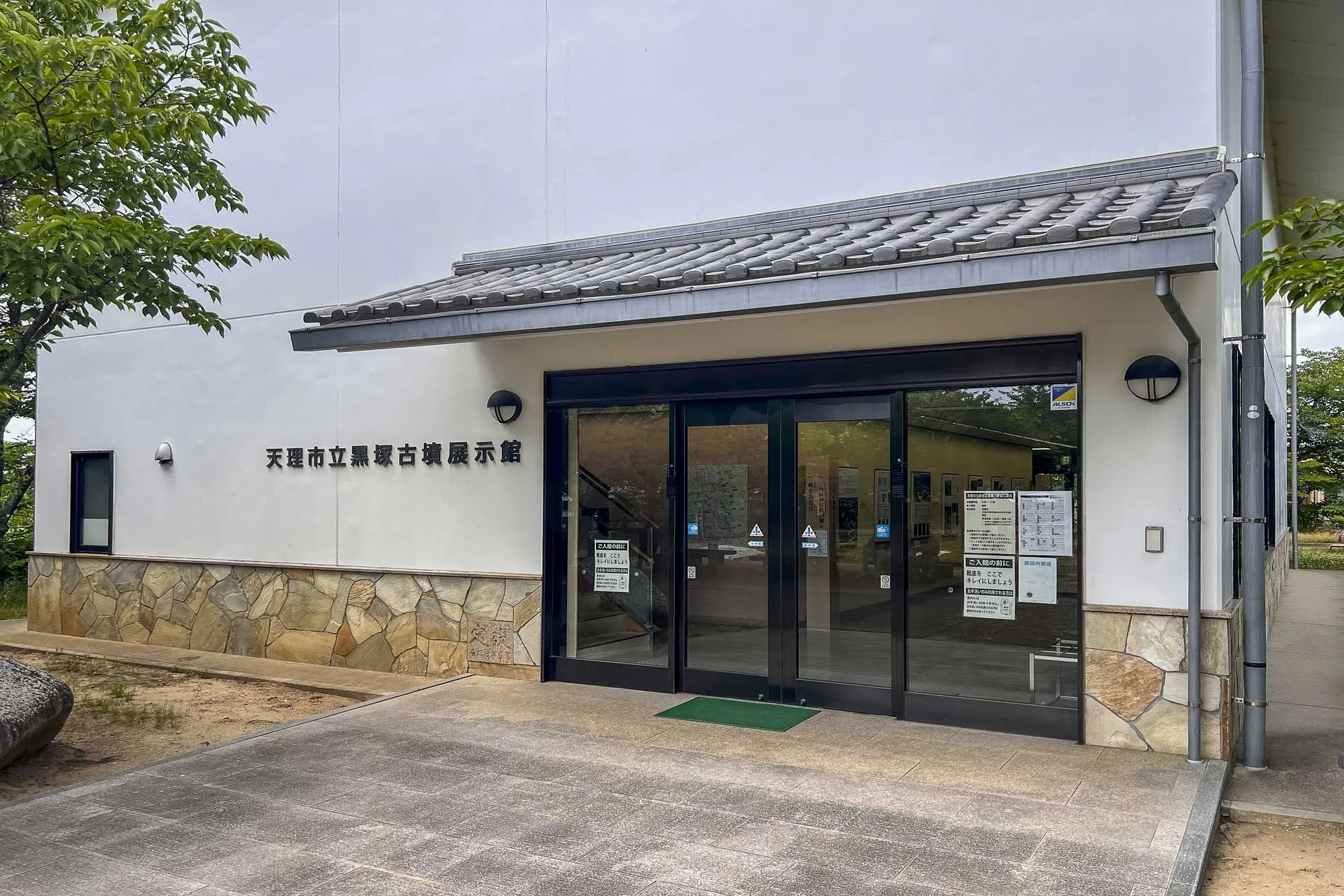
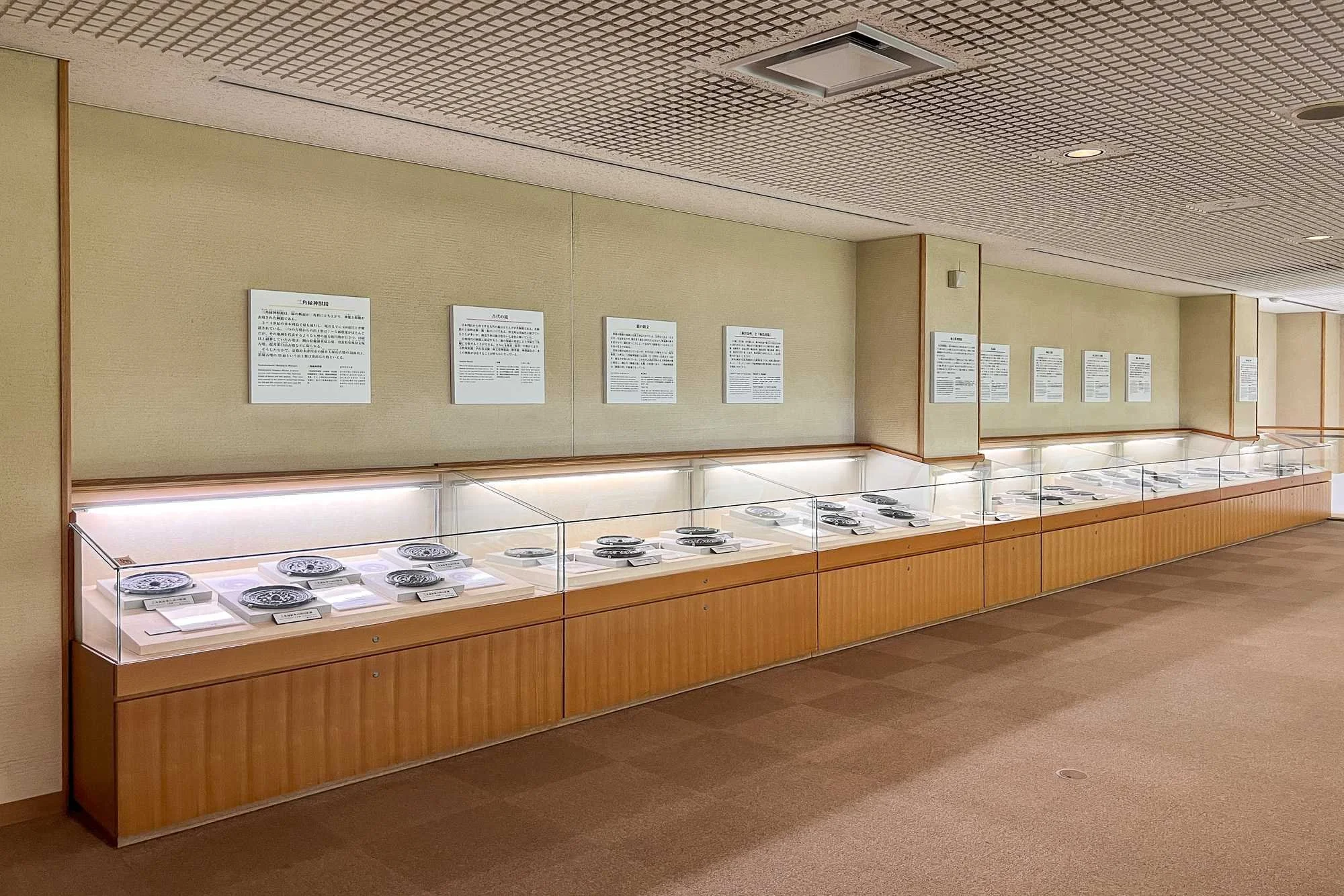
Beside the burial mound, the Kurozuka Kofun Exhibition Hall displays a full-scale reconstruction of the stone burial chamber, together with replicas of the bronze mirrors and other excavated artifacts. These exhibits help visitors understand the significance of one of Japan's most important archaeological discoveries before or after exploring the site itself.
For visitors interested in archaeology, ancient Japan, and the origins of the Yamato state, Kurozuka Kofun and its Exhibition Hall offer one of Nara's most rewarding historical experiences.