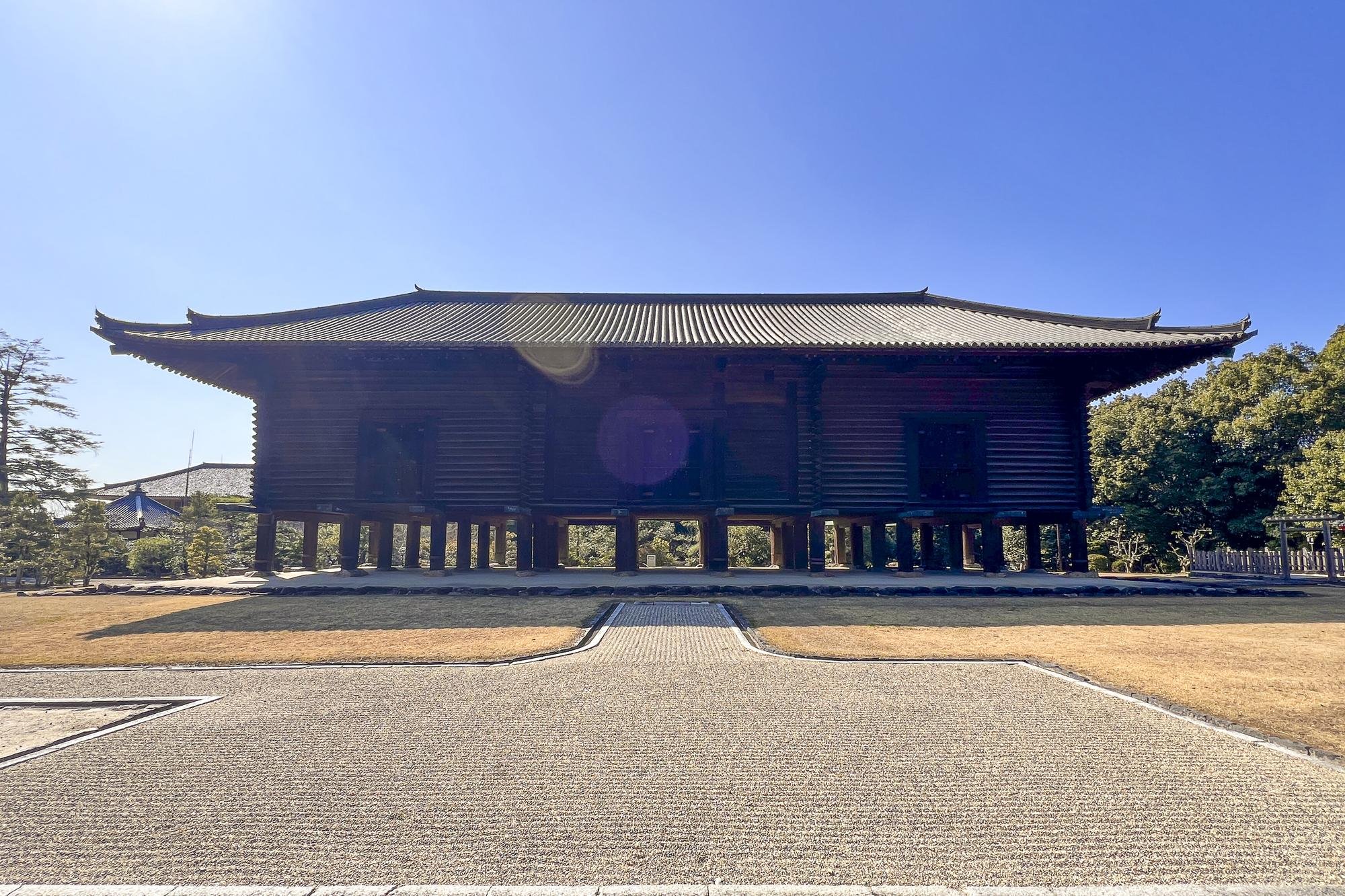
The Shōsō-in Repository in Nara, built in the 8th century to store valuable treasures associated with Tōdai-ji Temple and the imperial family. Its distinctive raised-floor wooden architecture has survived for more than 1,200 years.
Every autumn, the Shōsō-in Exhibition at the Nara National Museum offers visitors a rare opportunity to see treasures preserved for nearly 1,300 years.
The 78th exhibition opens on October 24, 2026. But what exactly is Shōsō-in, and why is it so special?
Shōsō-in Wasn't Originally a Building's Name
During Japan's Nara period (710–794), government offices and major temples maintained storehouses called shōsō to keep grain and other valuable goods.
An area containing these storehouses was known as a Shōsō-in. In other words, there were once many places called Shōsō-in throughout Japan.
Over the centuries, most disappeared. The remarkable storehouse preserved in Nara, originally belonging to Tōdai-ji Temple, is the surviving example best known today.
How Did Its Treasures Survive?
In 756, after Emperor Shōmu's death, his wife, Empress Kōmyō, donated many of his personal belongings to the Great Buddha at Tōdai-ji.
These objects became the foundation of the Shōsō-in collection, which also includes Buddhist ceremonial objects, documents, and exquisite works of art.
The treasures were protected through a special imperial sealing system called chokufū, under which opening the storehouse required the emperor's permission.
Generations of careful management, conservation, and repairs helped preserve this extraordinary collection.
The Great Buddha at Tōdai-ji also has a fascinating connection to the Buddhist monk Gyōki, who helped gather support for its construction. Read more in our article, The Gyōki Statue at Kintetsu Nara Station.
One Building, Three Different Storehouses
Here's a little architectural trivia.
The long wooden building is actually divided into three sections: the North, Middle, and South Storehouses.
The North and South Storehouses feature the famous azekura-zukuri construction, with walls made from interlocking triangular wooden beams.
Surprisingly, the Middle Storehouse uses a different technique called itakura-zukuri, with walls made from wooden boards.
Three storehouses, two different construction methods, all beneath one roof!
A Tradition That Continues Today
The imperial sealing tradition continues in a modern form. Each autumn, a ceremonial opening takes place so that the treasures can be inspected, studied, and conserved.
Most of the collection is now kept in modern, climate-controlled storage facilities rather than the original wooden building.
A selection of these remarkable treasures is displayed at the annual Shōsō-in Exhibition, giving visitors a glimpse into the craftsmanship, culture, and international connections of ancient Japan.
The 78th Annual Exhibition of Shōsō-in Treasures
Dates: October 24 – November 9, 2026
Venue: Nara National Museum, Nara City
Hours: 8:00 AM–6:00 PM (until 8:00 PM on Fridays, Saturdays, Sundays, and national holidays)
Admission: Timed-entry tickets are generally required.
For tickets and exhibition details, visit the official Nara National Museum website.
Knowing the history behind Shōsō-in makes seeing these extraordinary treasures even more meaningful.
Discover More of Historic Nara
From ancient temples to remarkable cultural treasures, Nara offers countless opportunities to explore Japan's history. Discover the stories behind its historic landmarks with a local guide.