Asuka
Fujiwara
Step into the Birthplace of Ancient Japan
In the heart of Nara Prefecture—spanning the historic cities of Kashihara, Asuka Village, and Sakurai—lies the Asuka-Fujiwara region, home to 19 archaeological sites officially inscribed as a UNESCO World Heritage Site in July 2026. These remarkably preserved ruins, dating back nearly 1,400 years, mark the dawn of Japan’s first centralized government. Between the late 6th and early 8th centuries, Japan underwent a dramatic transformation through cultural and technological exchange with China and the Korean Peninsula. The result was a fusion of imported innovations and native traditions that reshaped the layout of palaces, government offices, Buddhist temples, and imperial tombs—laying the foundation for the Ritsuryō legal system and the rise of a uniquely Japanese imperial state. This exclusive heritage tour invites you to walk through the very landscapes where Japan’s ancient identity was forged.
HIGHLIHGTS
-
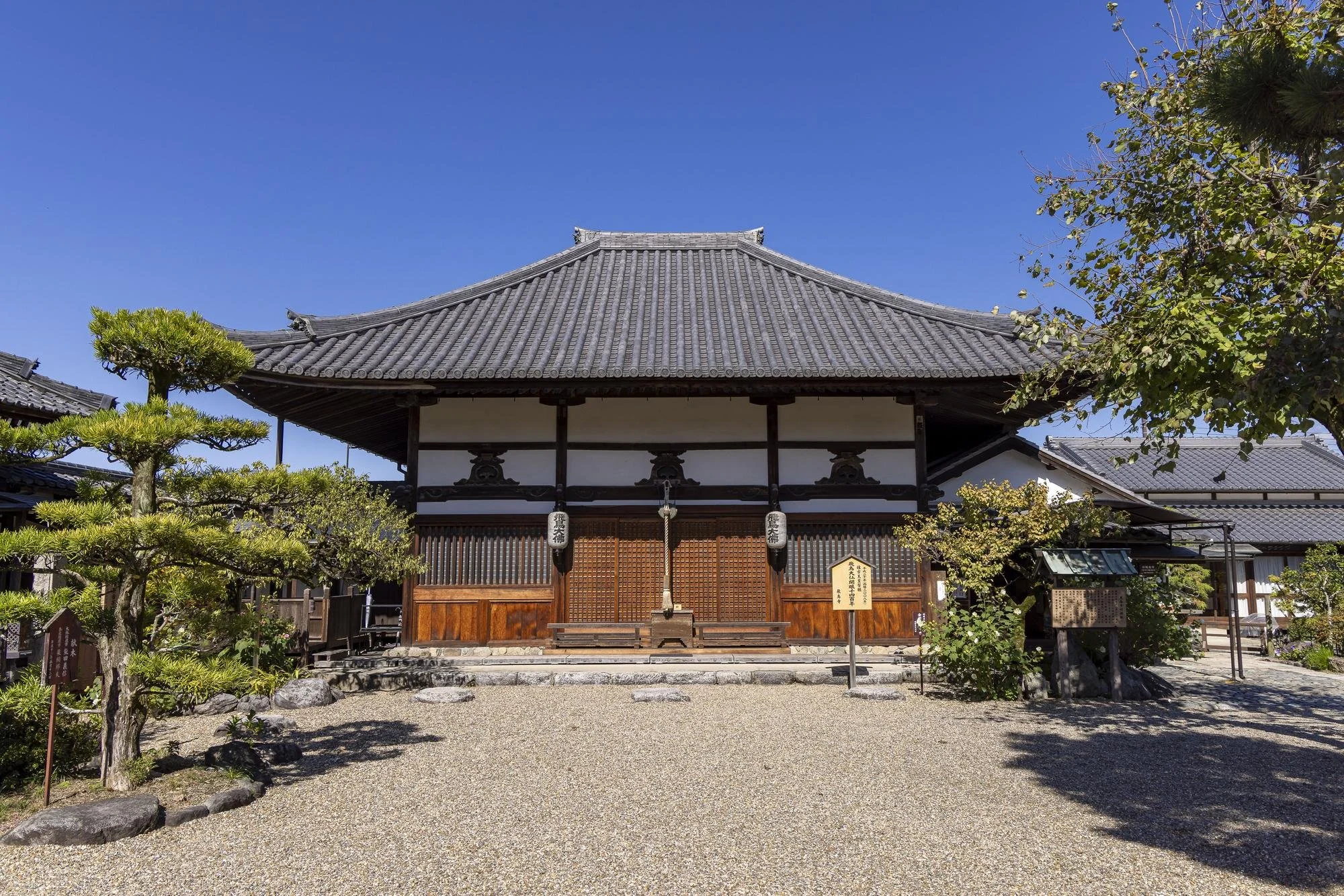
Asuka-dera Temple|飛鳥寺
Asuka-dera is one of Japan’s oldest temples, established in 596, marking the dawn of Buddhism in the country. It houses the Asuka Great Buddha—Japan’s oldest surviving Buddha statue—offering visitors a powerful connection to Japan’s ancient spiritual and cultural roots.
-
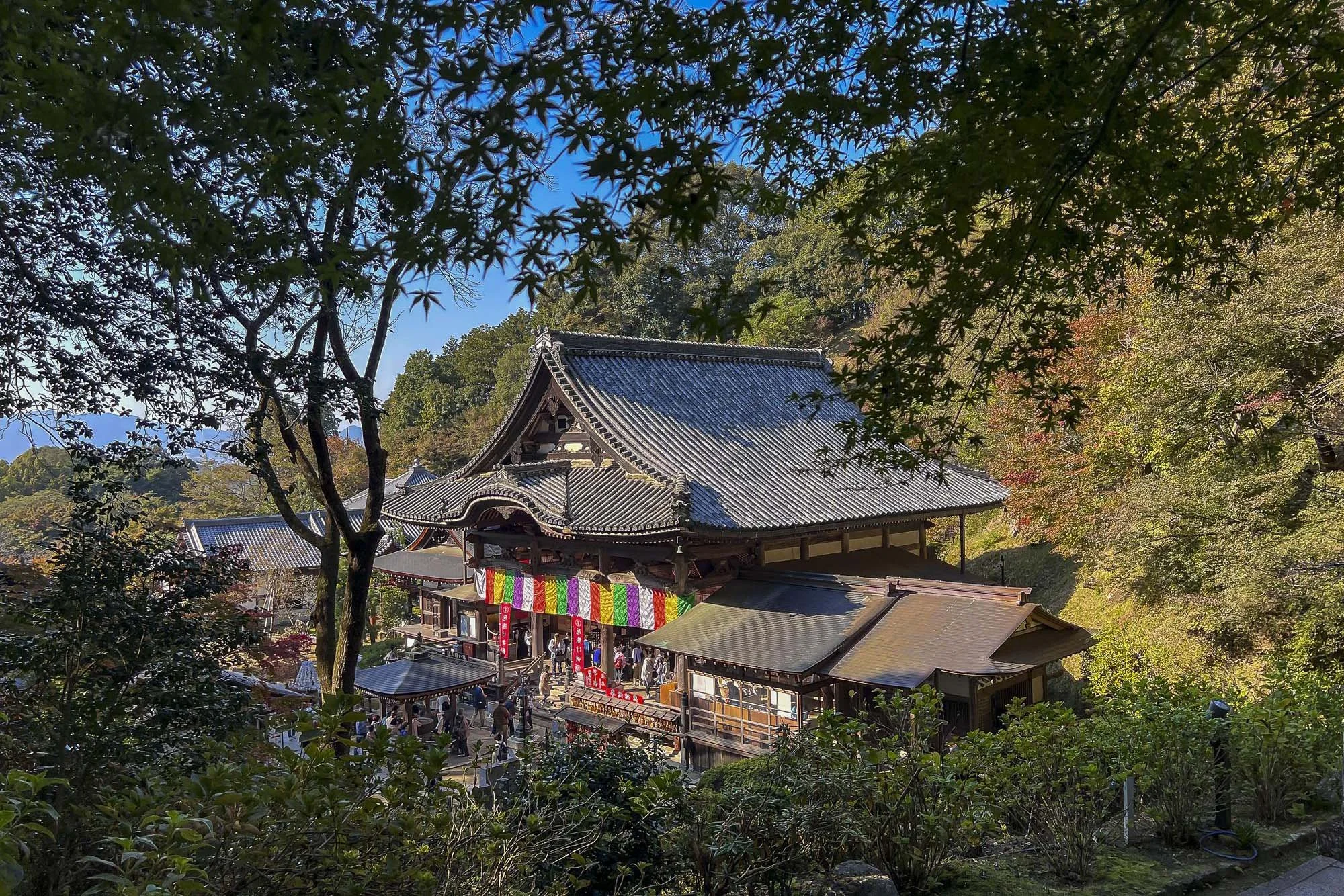
Oka-dera Temple|岡寺
Okadera, nestled in the hills of Asuka, is a historic temple known for its peaceful atmosphere and beautiful seasonal flowers. It houses Japan’s largest clay Buddha statue and is believed to offer protection from misfortune, attracting visitors seeking healing and spiritual comfort.
-
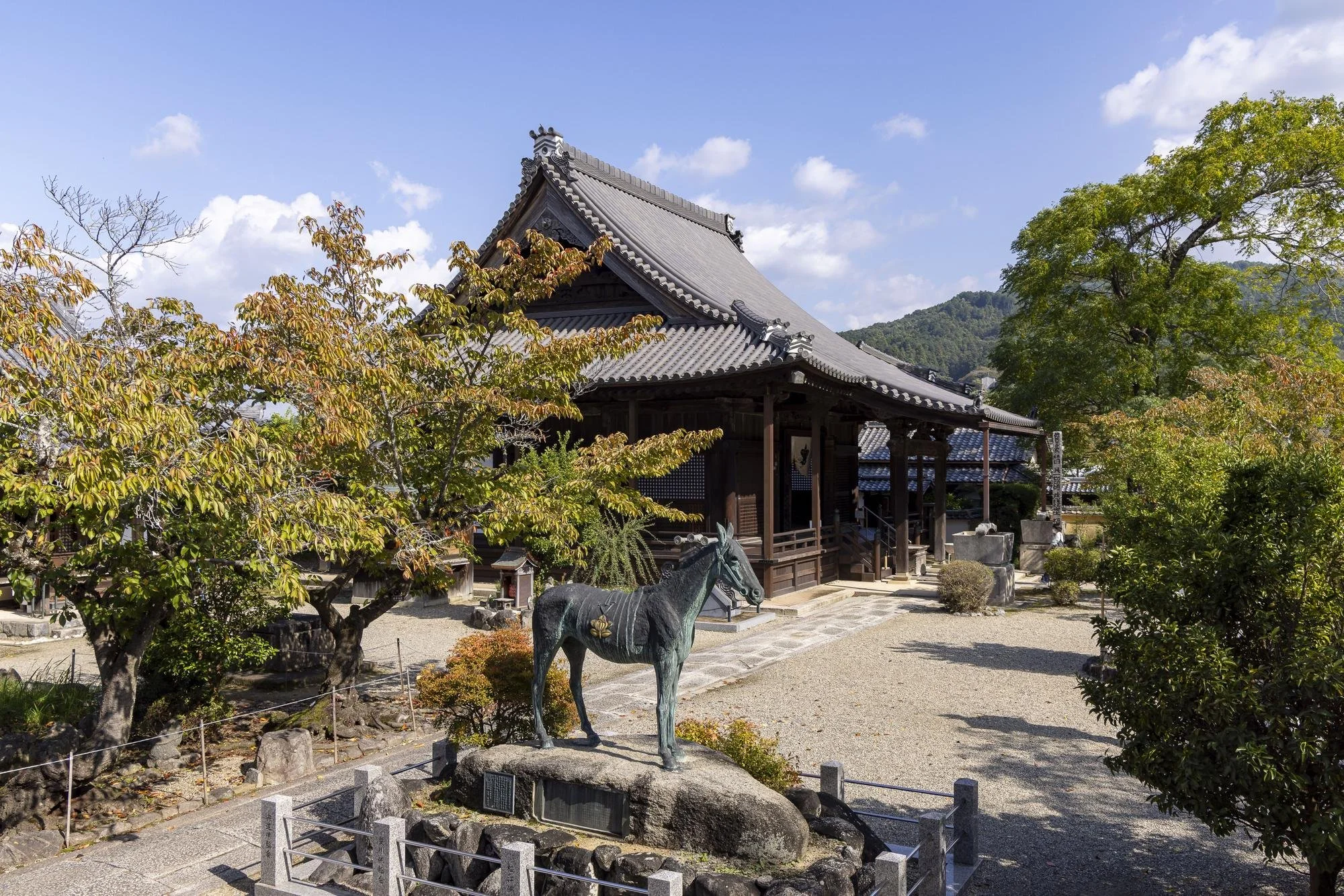
Tachibana-dera Temple|橘寺
Tachibana-dera is a serene temple in Asuka said to be the birthplace of Prince Shōtoku, a key figure in early Japanese Buddhism. Surrounded by quiet fields, the temple offers insight into Japan’s spiritual beginnings and a peaceful setting for reflection and exploration.
-
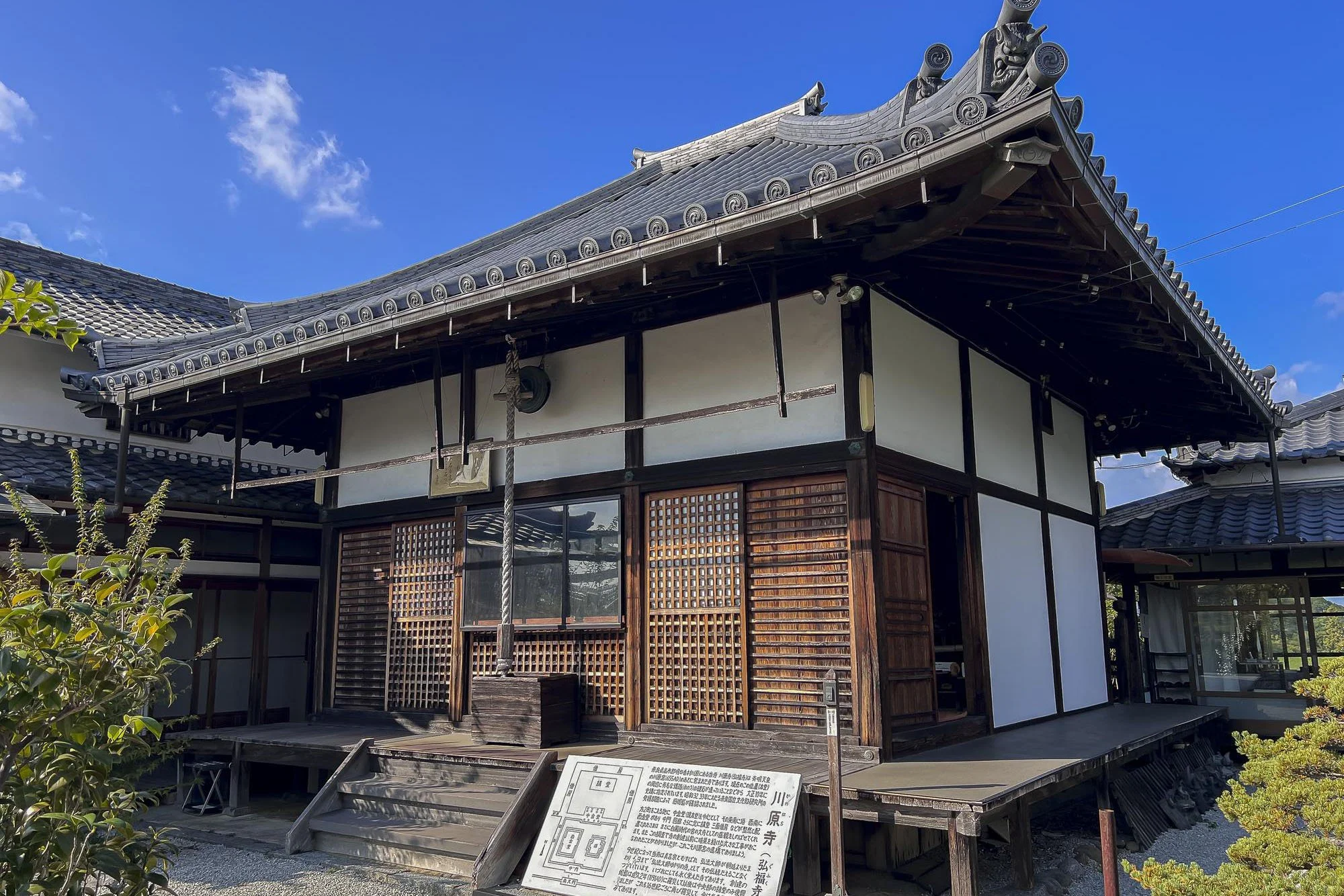
Kawara-dera Temple|川原寺
Kawara-dera was once one of the grandest temples in Asuka during Japan’s early Buddhist era. Though only ruins remain today, the site offers a quiet and powerful sense of history, with foundations that hint at the temple’s former scale and spiritual importance.
-
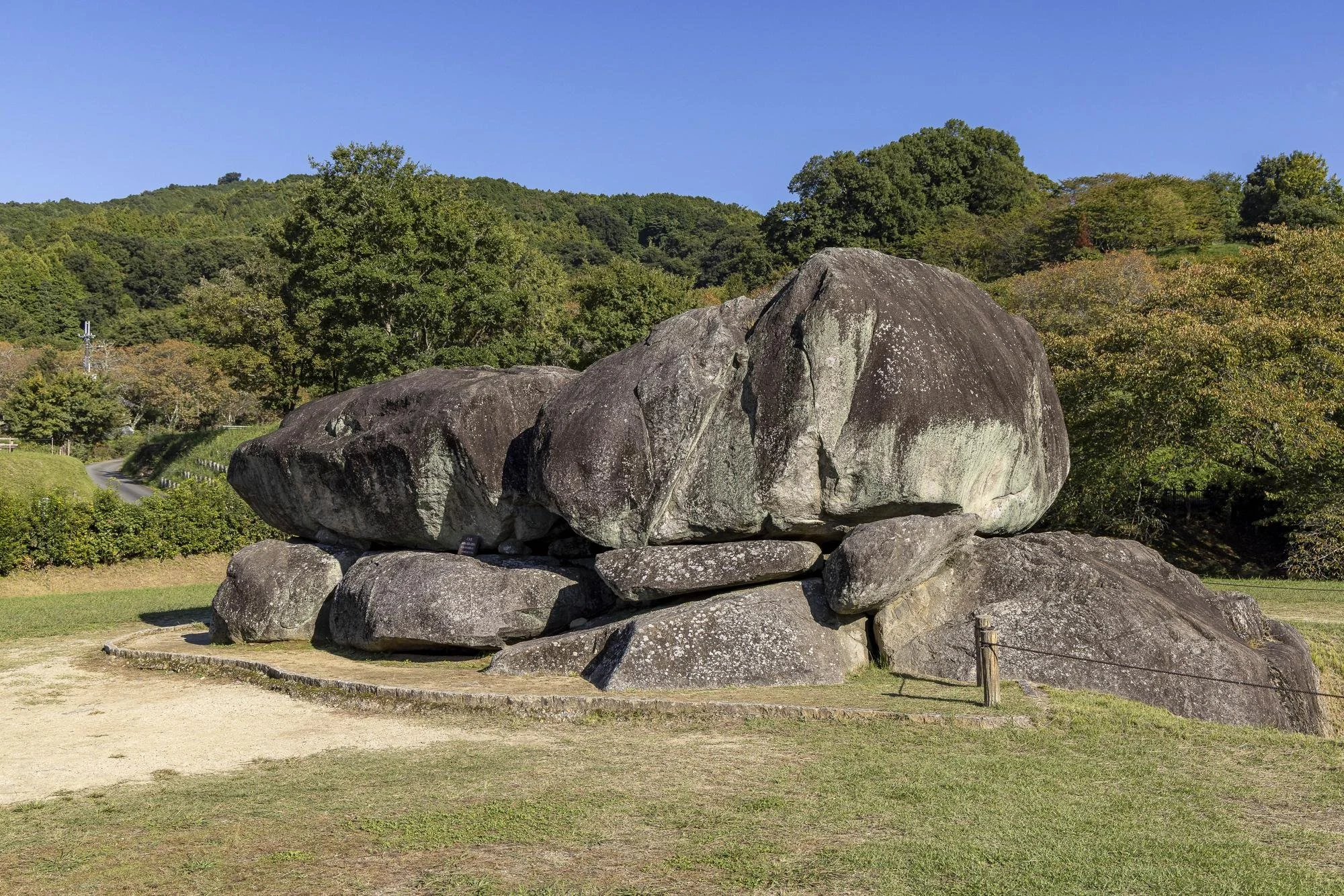
Ishibutai Tumulus|石舞台古墳
Ishibutai Kofun is a massive ancient stone tomb believed to be the burial site of a powerful 6th-century leader. Its impressive megalithic structure, open to walk inside, offers a rare and tangible connection to Japan’s mysterious early history and burial traditions.
-
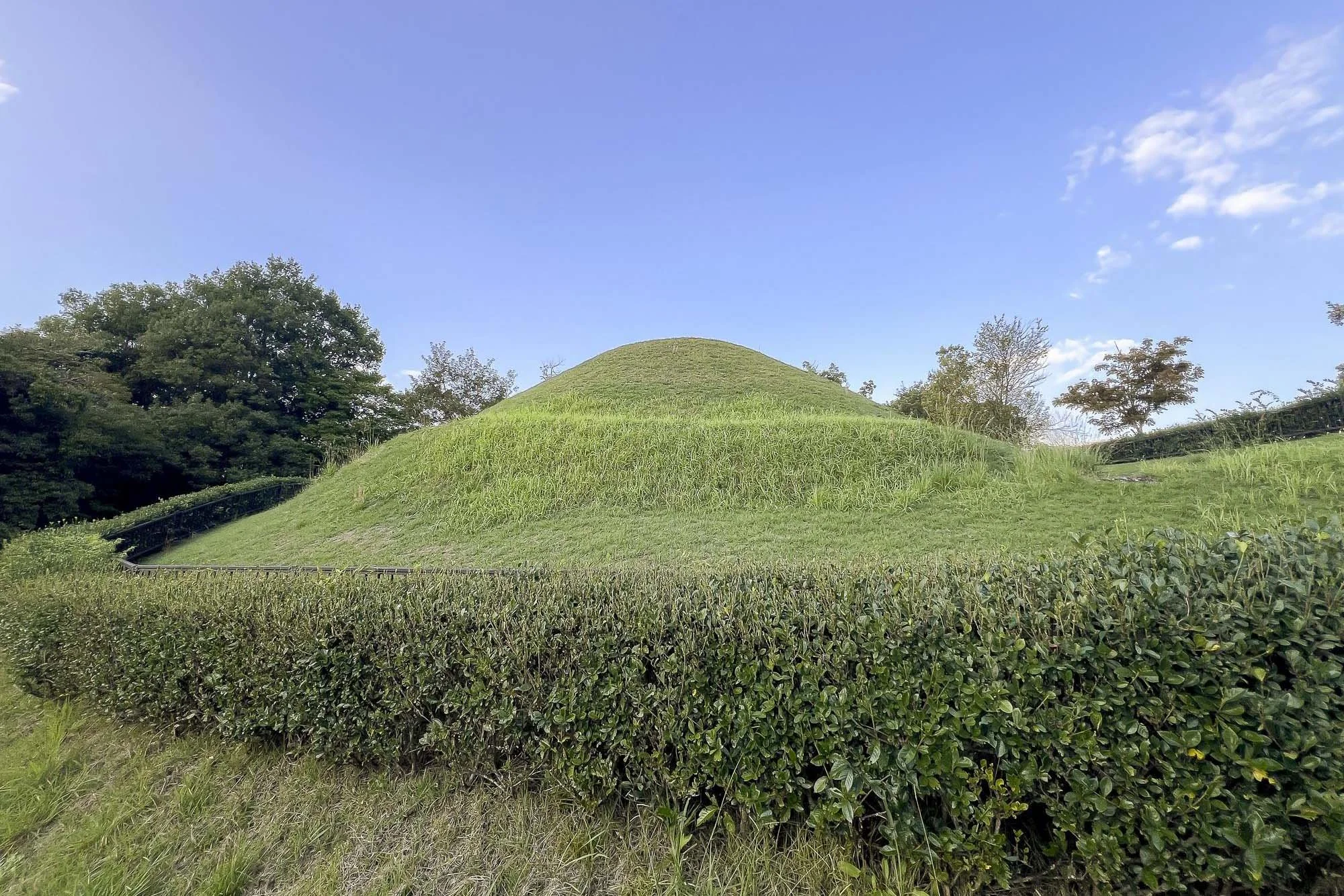
Takamatsuzuka Tumulus and Mural Museum|高松塚古墳と博物館
Takamatuzuka Kofun is a 7th-century burial mound famed for its vividly colored wall paintings, including the iconic “Asuka Beauties.” Though the original murals are preserved off-site, visitors can explore a detailed replica and learn about the tomb’s rich cultural and artistic legacy.
-
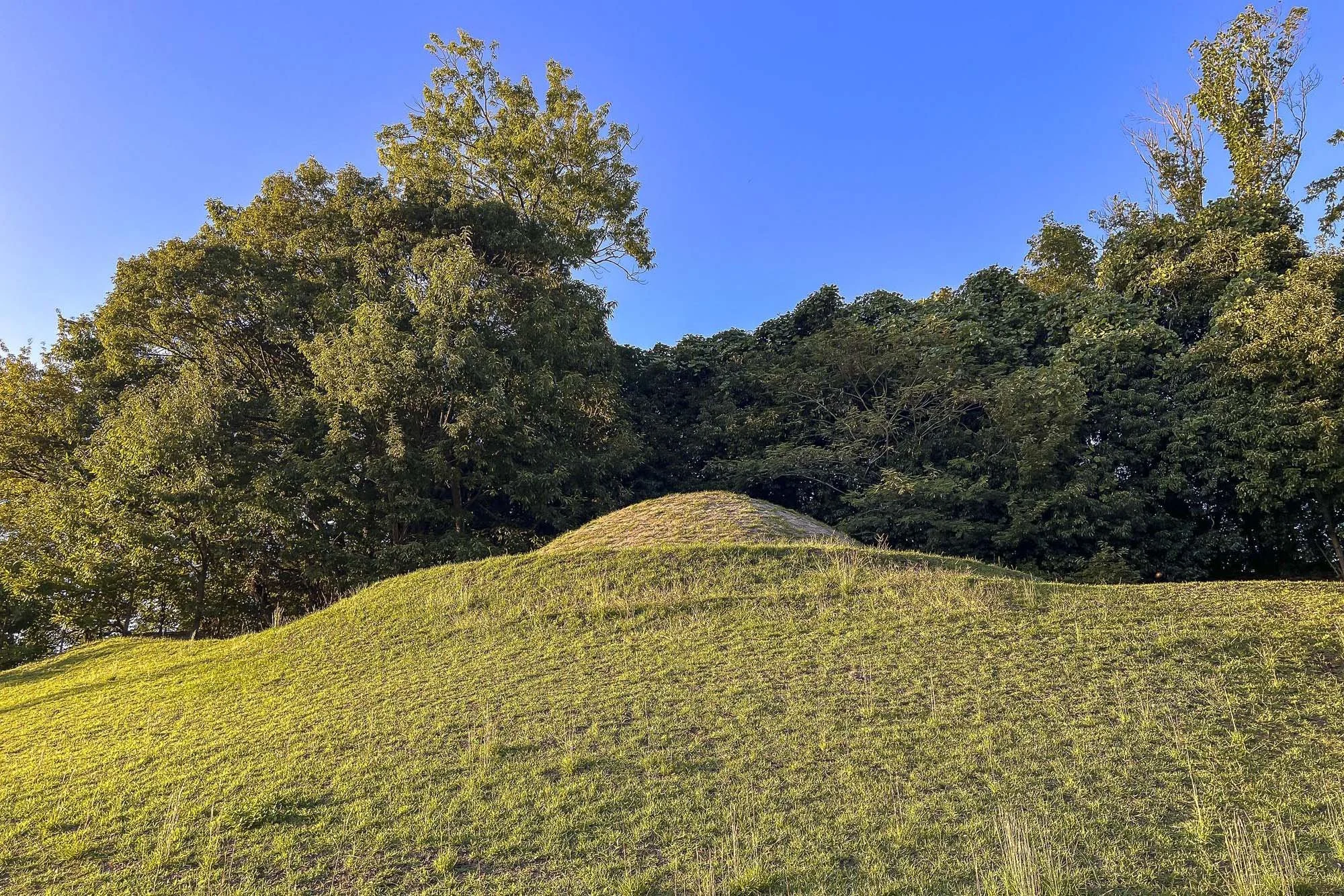
Kitora Tumulus and Mural Experiential Museum|キトラ古墳と博物館
Kitora Kofun is a 7th-century tomb renowned for its colorful celestial wall paintings, including the Four Guardian Gods and a star chart. The nearby museum offers an immersive experience, bringing the tomb’s ancient astronomy and artistry vividly to life for modern visitors.
-
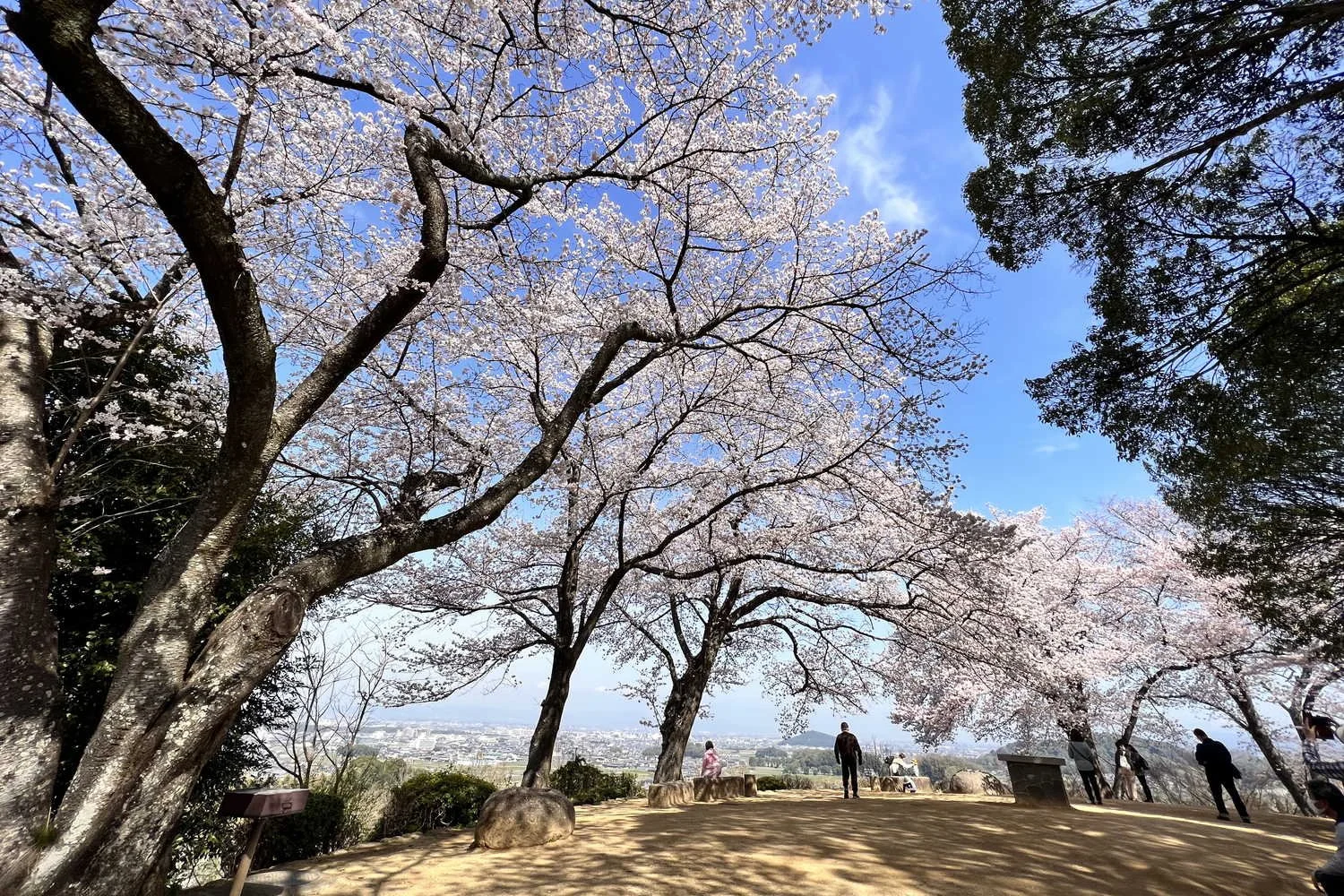
Amakashi no Oka|甘樫丘
Amakashi Hill offers sweeping views of the Asuka countryside and was once home to powerful court nobles in ancient Japan. Today, it’s a peaceful walking spot where visitors can enjoy nature, history, and panoramic scenery linked to Japan’s early political center.
-
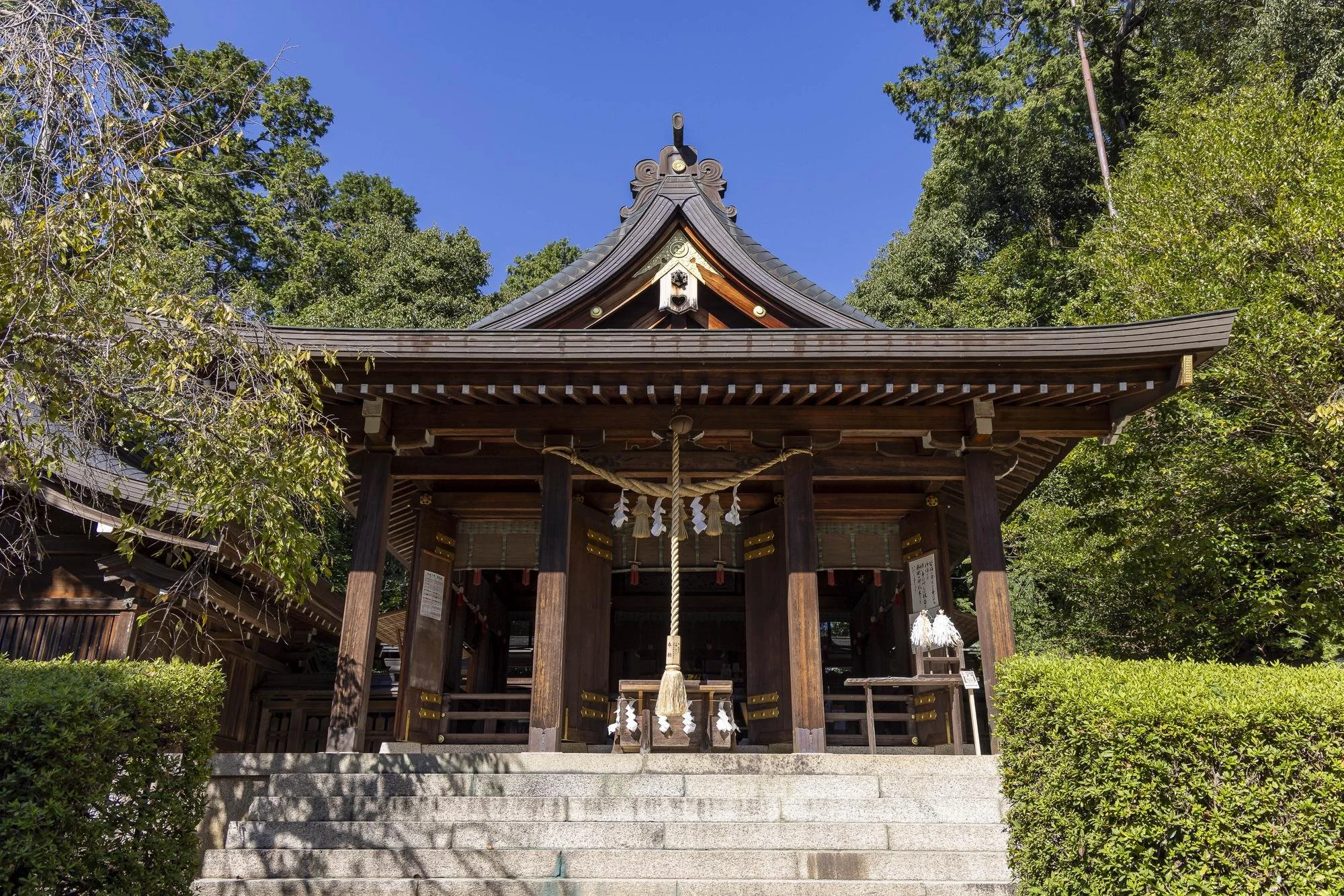
Asuka Niimasu Shrine|飛鳥坐神社
Asuka-niimasu Shrine is one of Japan’s oldest Shinto shrines, known for the annual Onda Festival—a lively and unique fertility rite held each February. Surrounded by peaceful forest, the shrine preserves ancient rituals that offer a rare window into Japan’s sacred past.
-
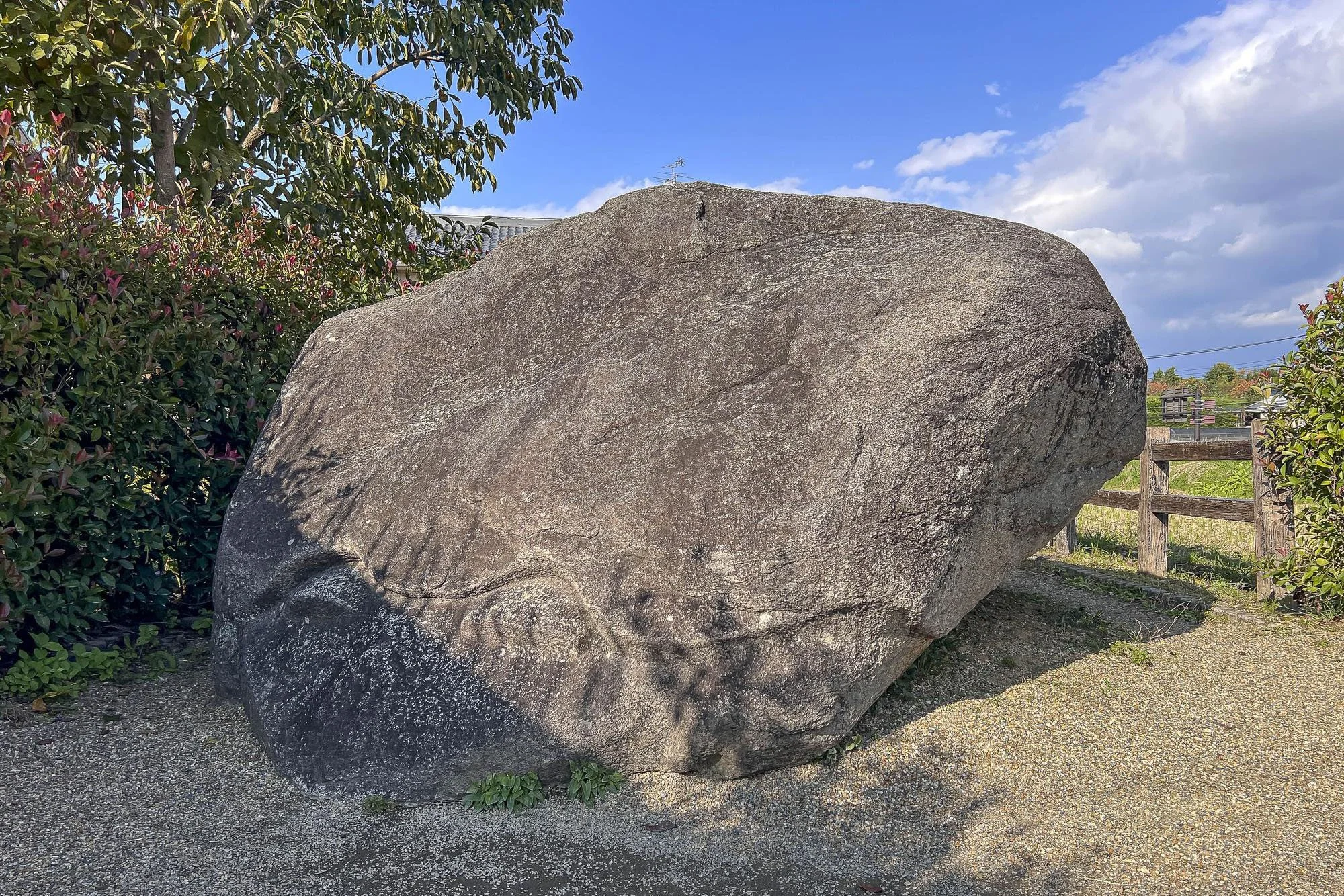
Kameishi|亀石
Kameishi, or the Turtle Stone, is a mysterious ancient carving shaped like a turtle, nestled quietly in the fields of Asuka. Its origins and purpose remain unknown, inspiring legends and curiosity. It’s a charming symbol of Asuka’s blend of history and folklore.
-
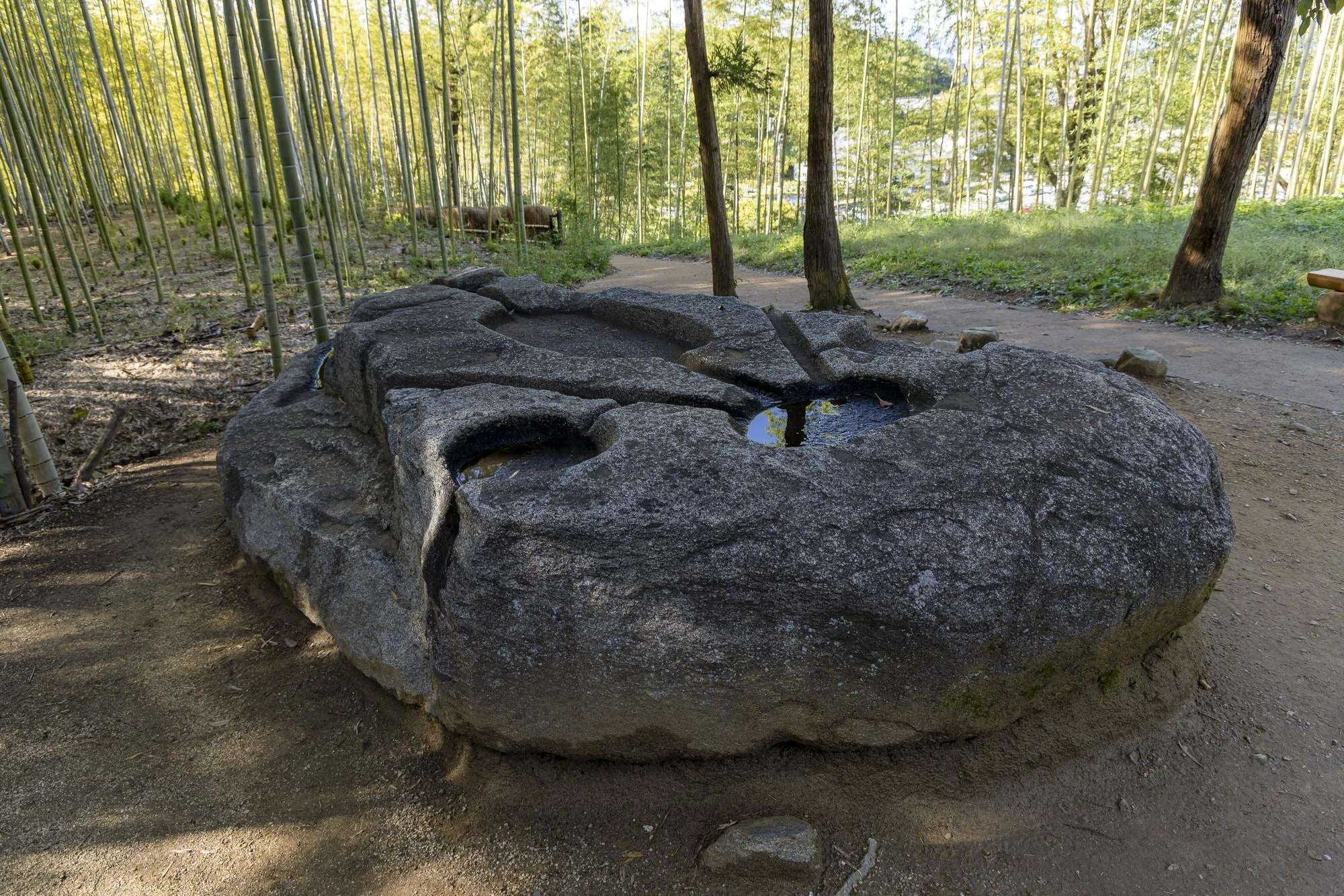
Sakafuneishi|酒船石
Sakafune-ishi is a large, ancient stone carved with mysterious channels, believed to have been part of ritual ceremonies or water-related rites. Its precise purpose remains unknown, adding intrigue to this sacred site that blends spiritual symbolism with early engineering.
-
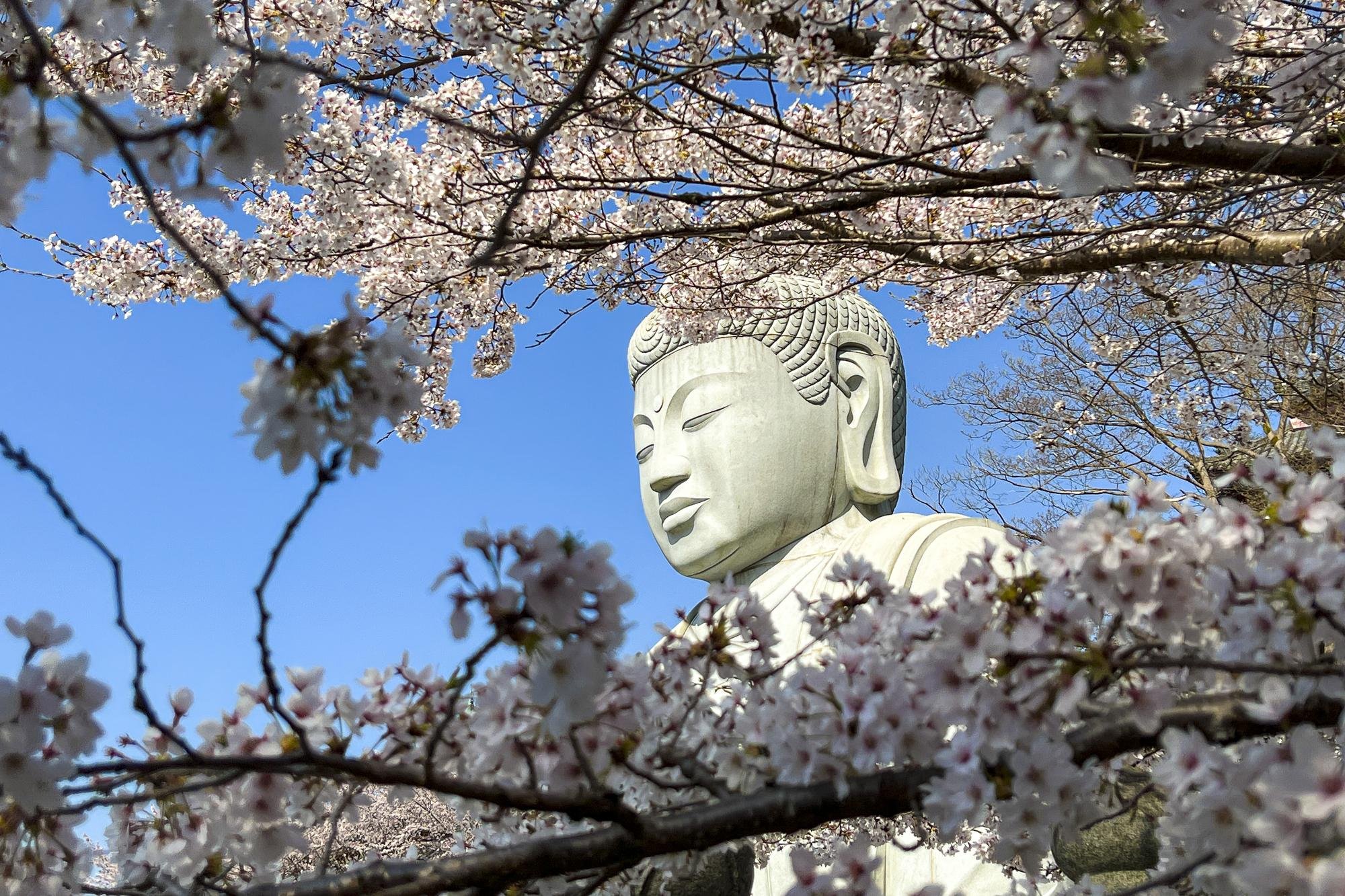
Tsubosaka-dera Temple|壷阪寺
Tsubosaka-dera is a mountainside temple known for its stunning cherry blossoms in spring and panoramic views of the Asuka valley. It houses impressive Buddhist statues and has long been a place of healing, especially for those seeking relief from eye ailments.
-
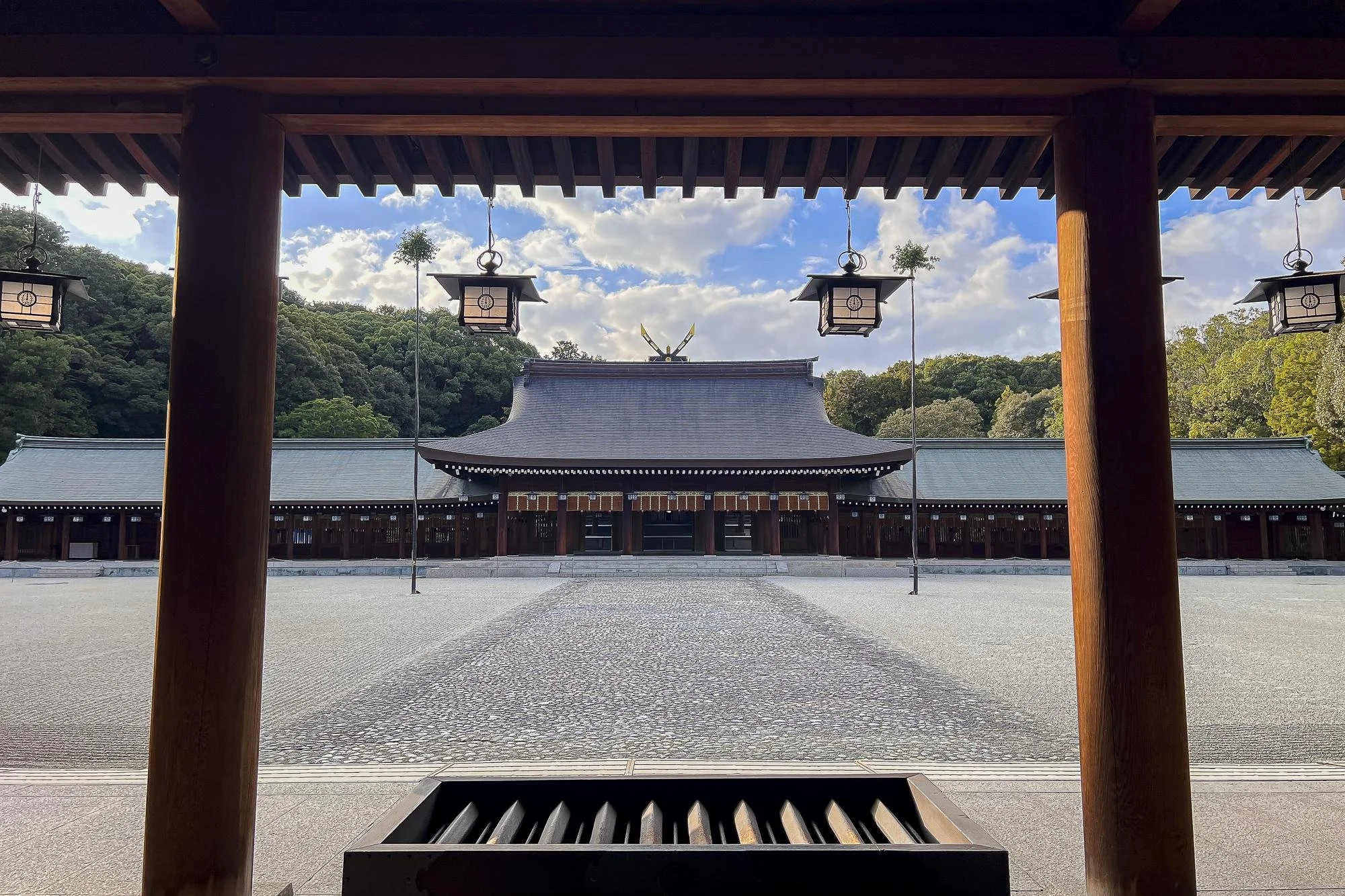
Kashihara Jingu Shrine|橿原神宮
Kashihara Jingu is a grand Shinto shrine dedicated to Emperor Jimmu, Japan’s legendary first emperor. Set at the foot of sacred Mount Unebi, the shrine’s peaceful grounds and majestic architecture offer a powerful connection to Japan’s imperial and spiritual origins.
-
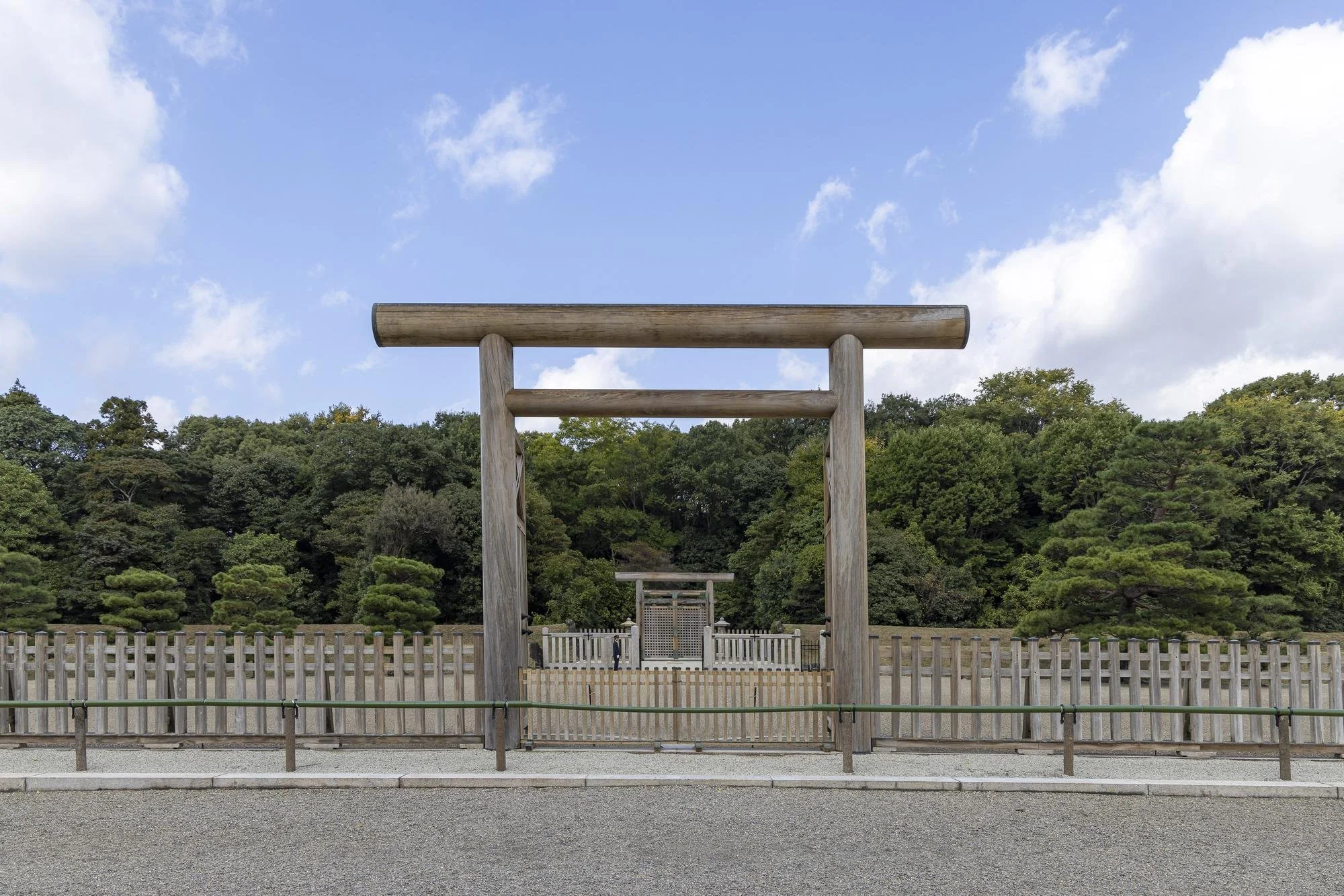
Mausoleum of Emperor Jimmu|神武天皇陵
Emperor Jimmu’s Mausoleum is a sacred site believed to be the resting place of Japan’s first emperor. Surrounded by tranquil forest and set near Mount Unebi, it offers a solemn and reflective atmosphere tied to the mythological origins of the Japanese nation.
-
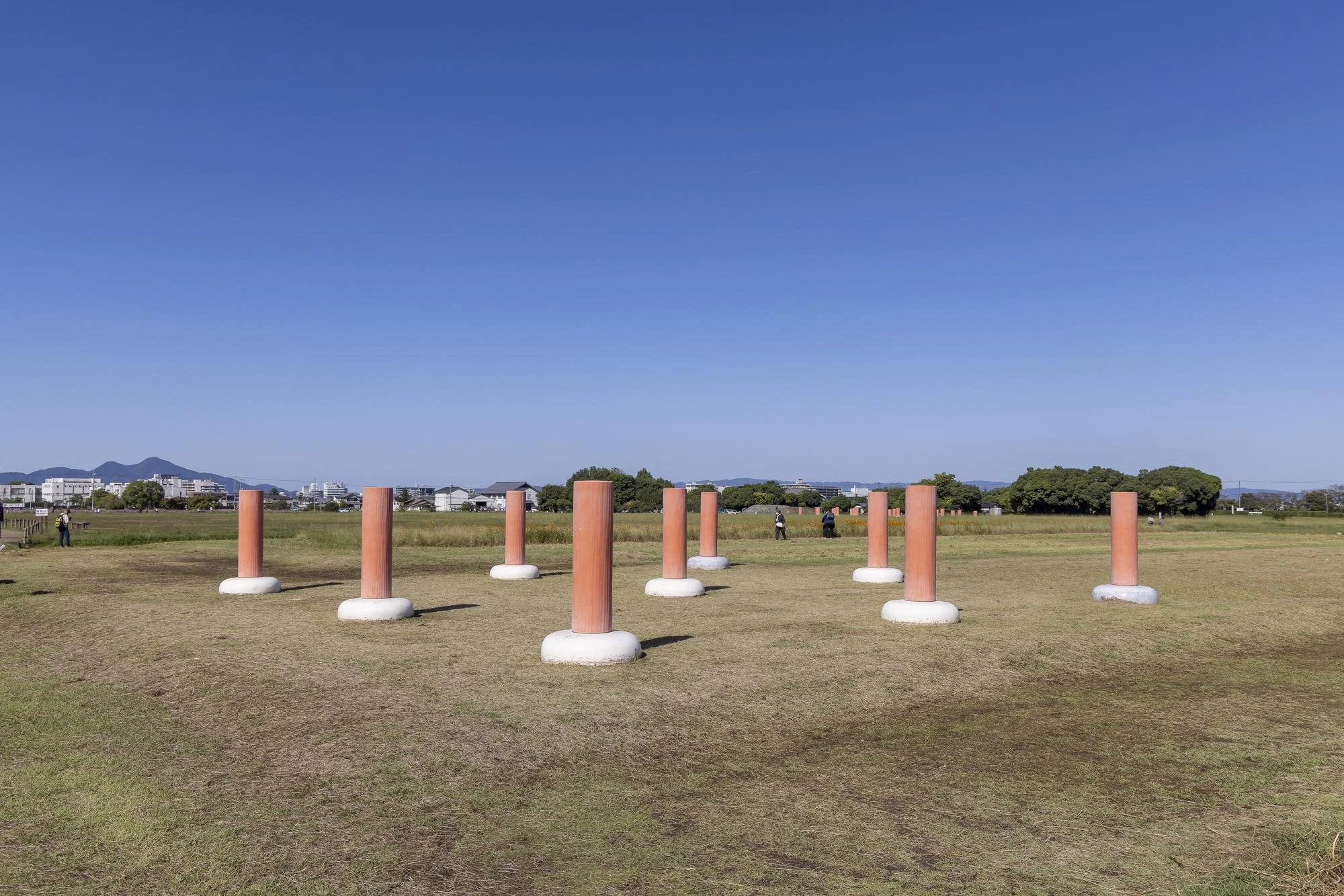
Fujiwara Palace Ruins|藤原宮跡
The Fujiwara Palace Site marks the location of Japan’s first full-scale capital, established in the late 7th century. Today, open fields and reconstructed markers evoke the scale and significance of this early political center set against a backdrop of seasonal flowers.
-
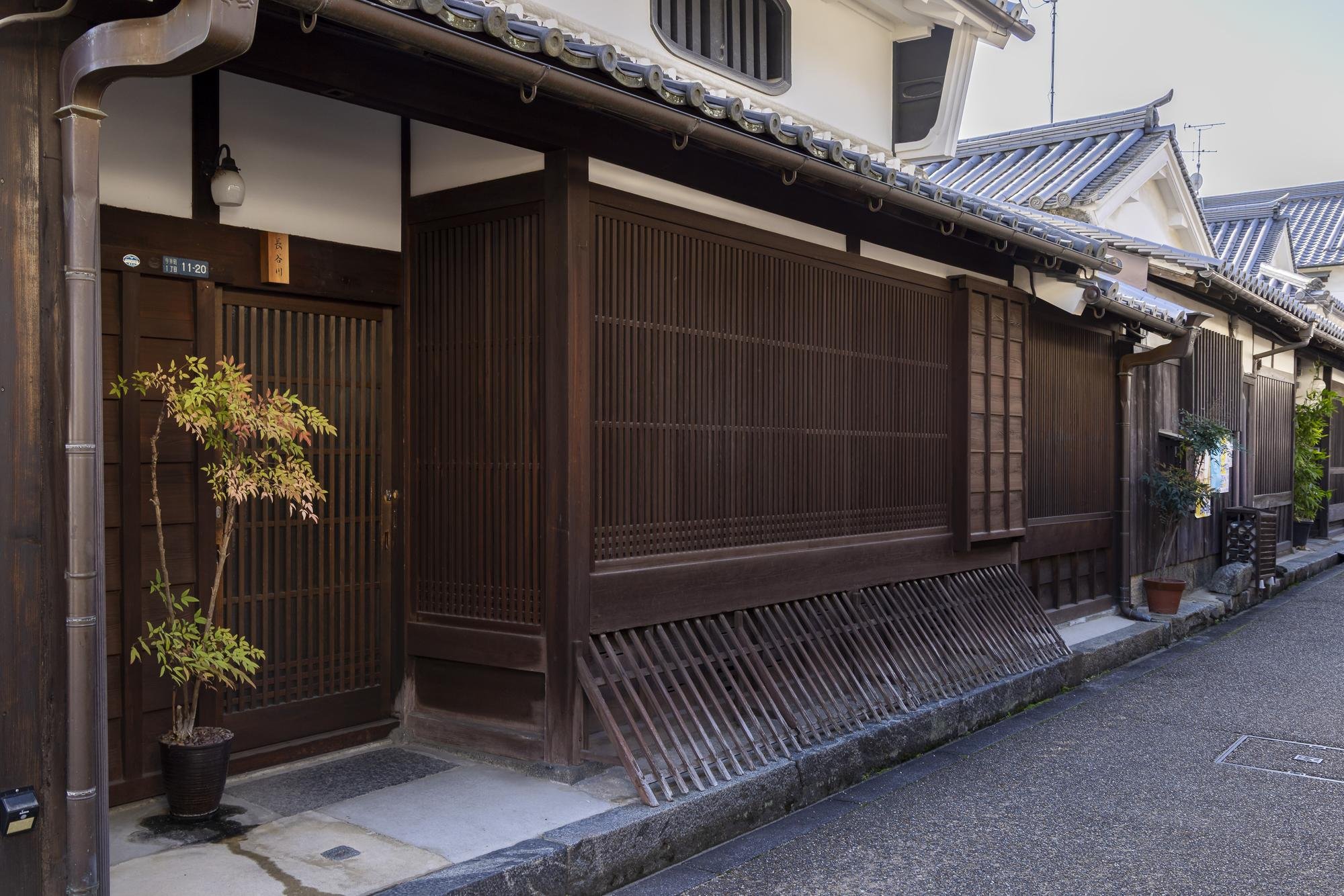
Imai-cho Town|今井町
Imai-cho Town is a beautifully preserved Edo-period merchant district with narrow lanes, white-walled buildings, and a timeless atmosphere. Once a wealthy self-governing community, it now offers a rare chance to walk through living history in the heart of modern Kashihara.
-
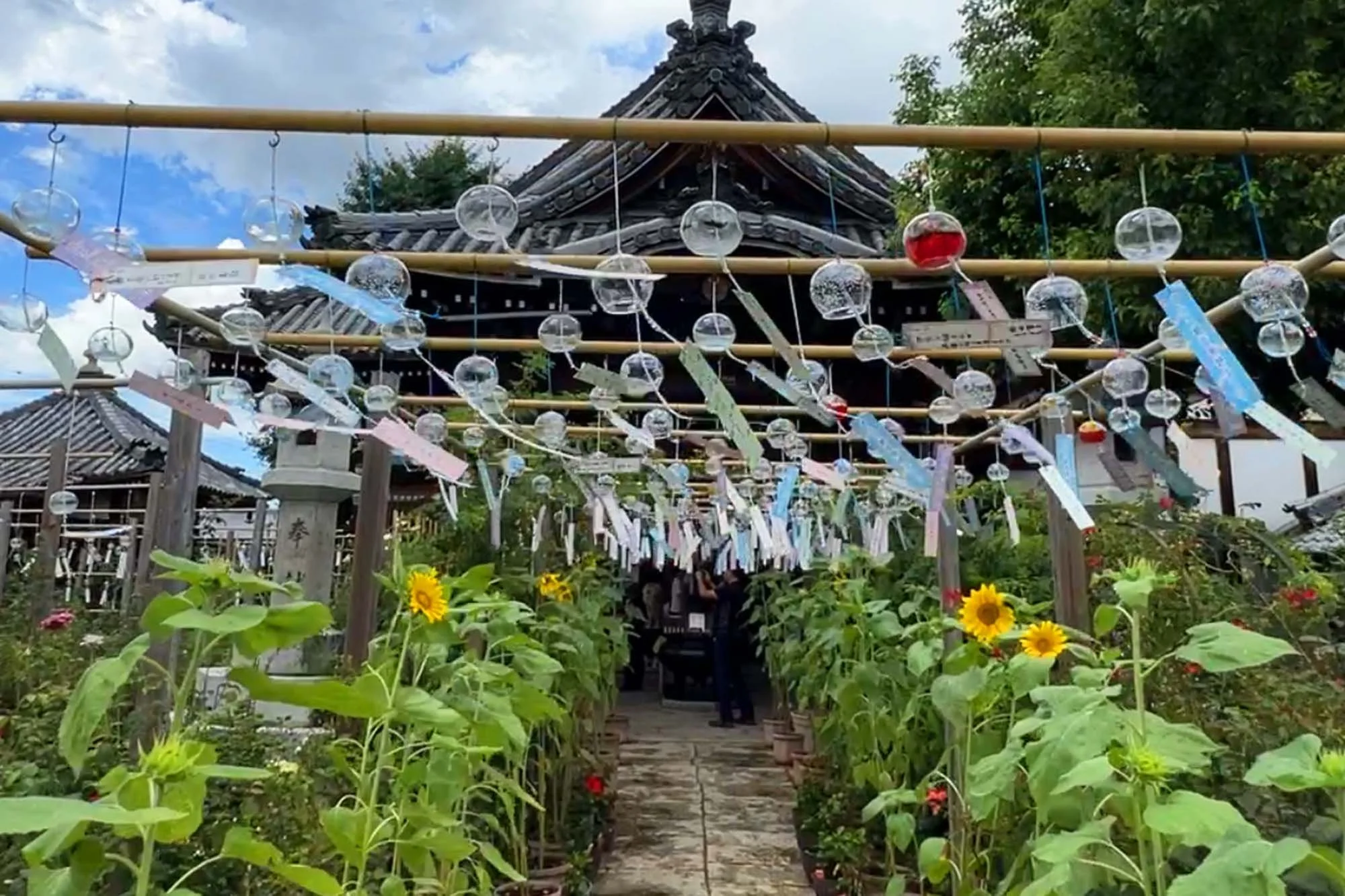
Ofusa Kannon Temple|おふさ観音
Ofusa Kannon Temple is known for its beautiful rose and wind chime festivals, filling the grounds with color and sound throughout the year. Dedicated to the Goddess of Mercy, it offers a peaceful space where nature and devotion blend in perfect harmony.
-
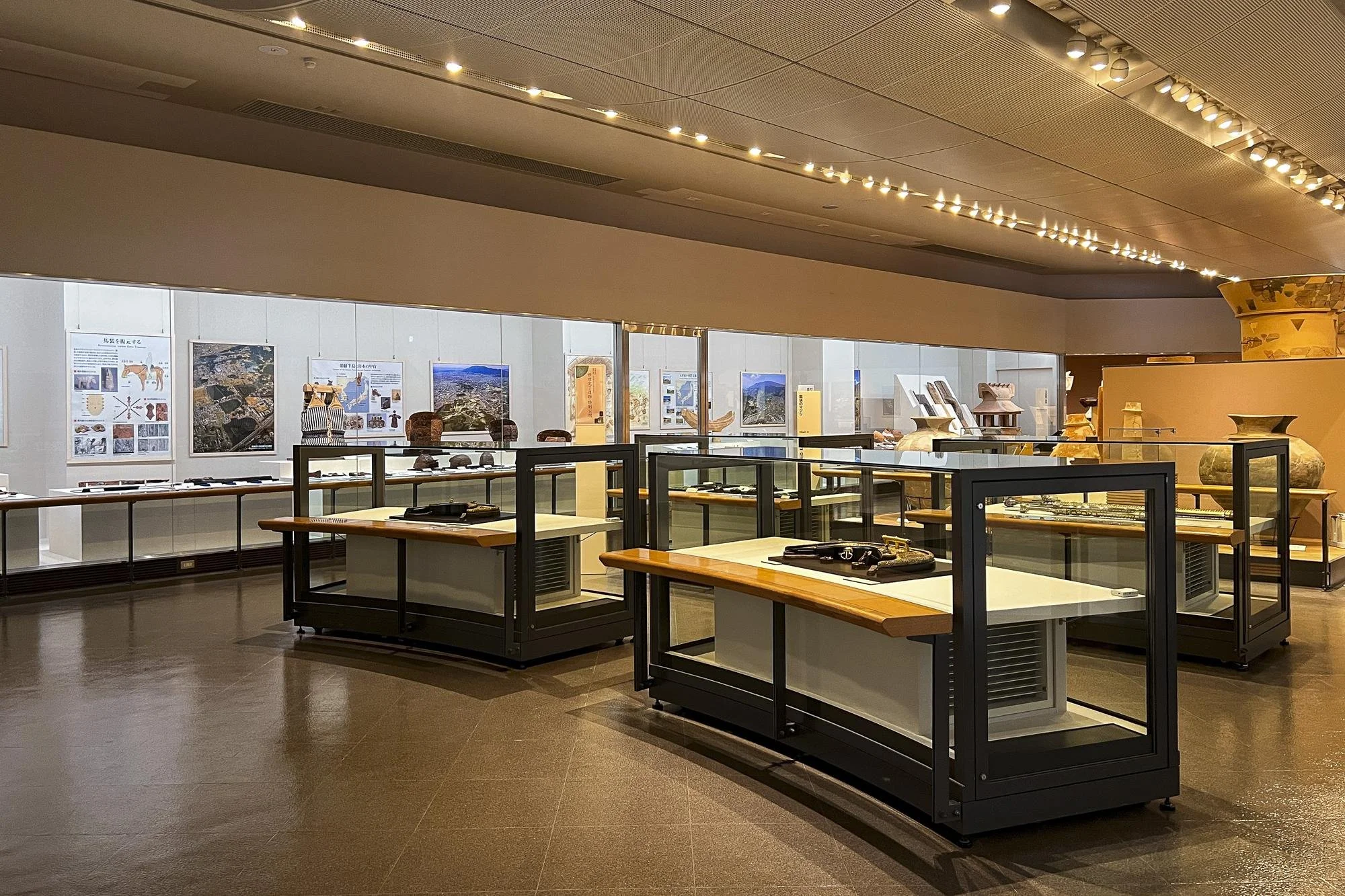
The Museum,Archaeological Institute of Kashihara | 橿原考古学研究所附属博物館
In Kashihara, where some of Japan’s earliest history took shape, this museum offers a fascinating way to explore the past through the discoveries left beneath the soil. Rather than presenting history as something distant or abstract, it reveals…
-
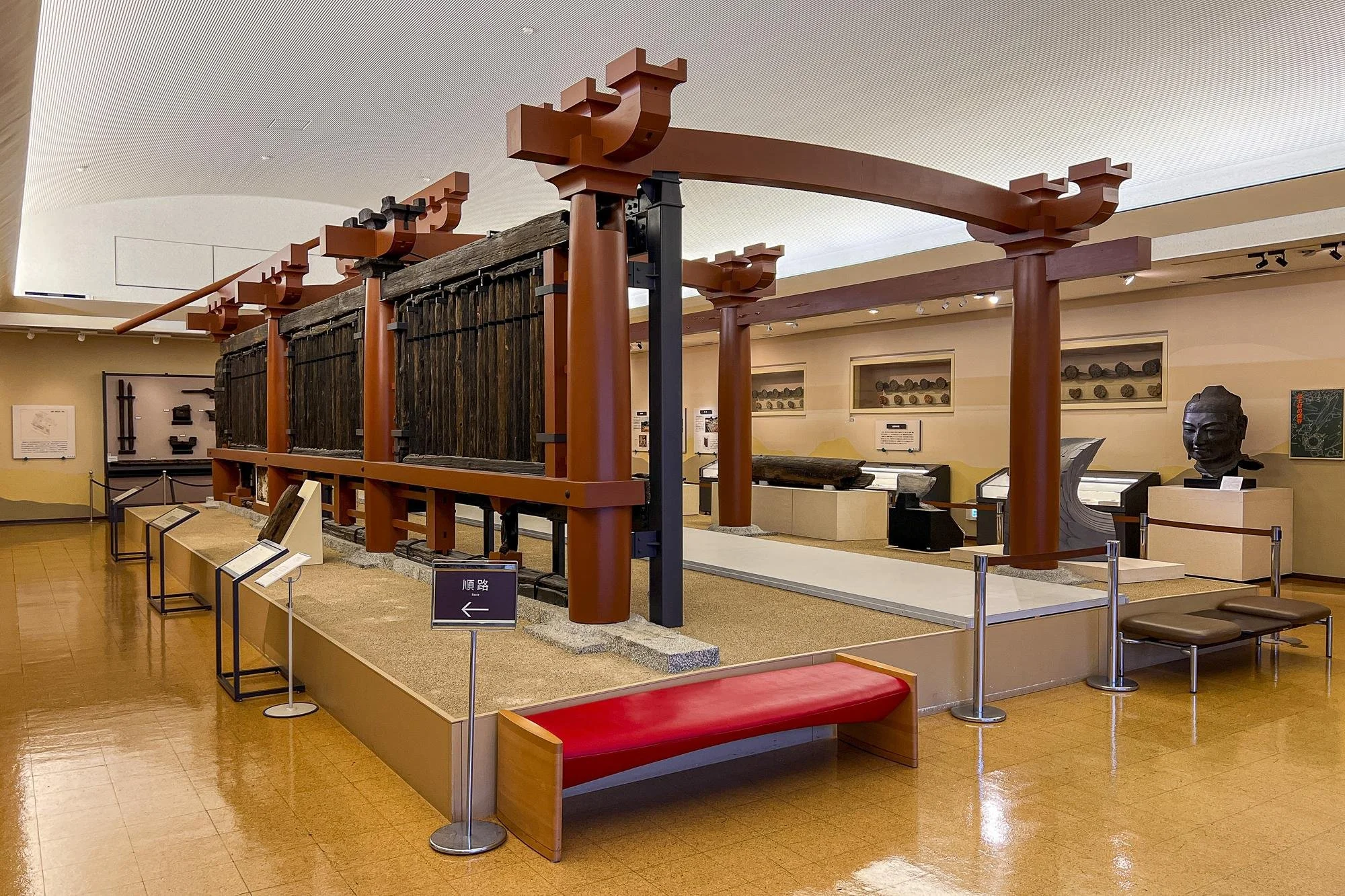
Asuka Historical Museum | 飛鳥資料館
Tucked into the quiet landscape of Asuka Village, the Asuka Historical Museum offers one of the most rewarding ways to understand the age when Japan first took recognizable cultural and political form. Rather than presenting the Asuka period…
-
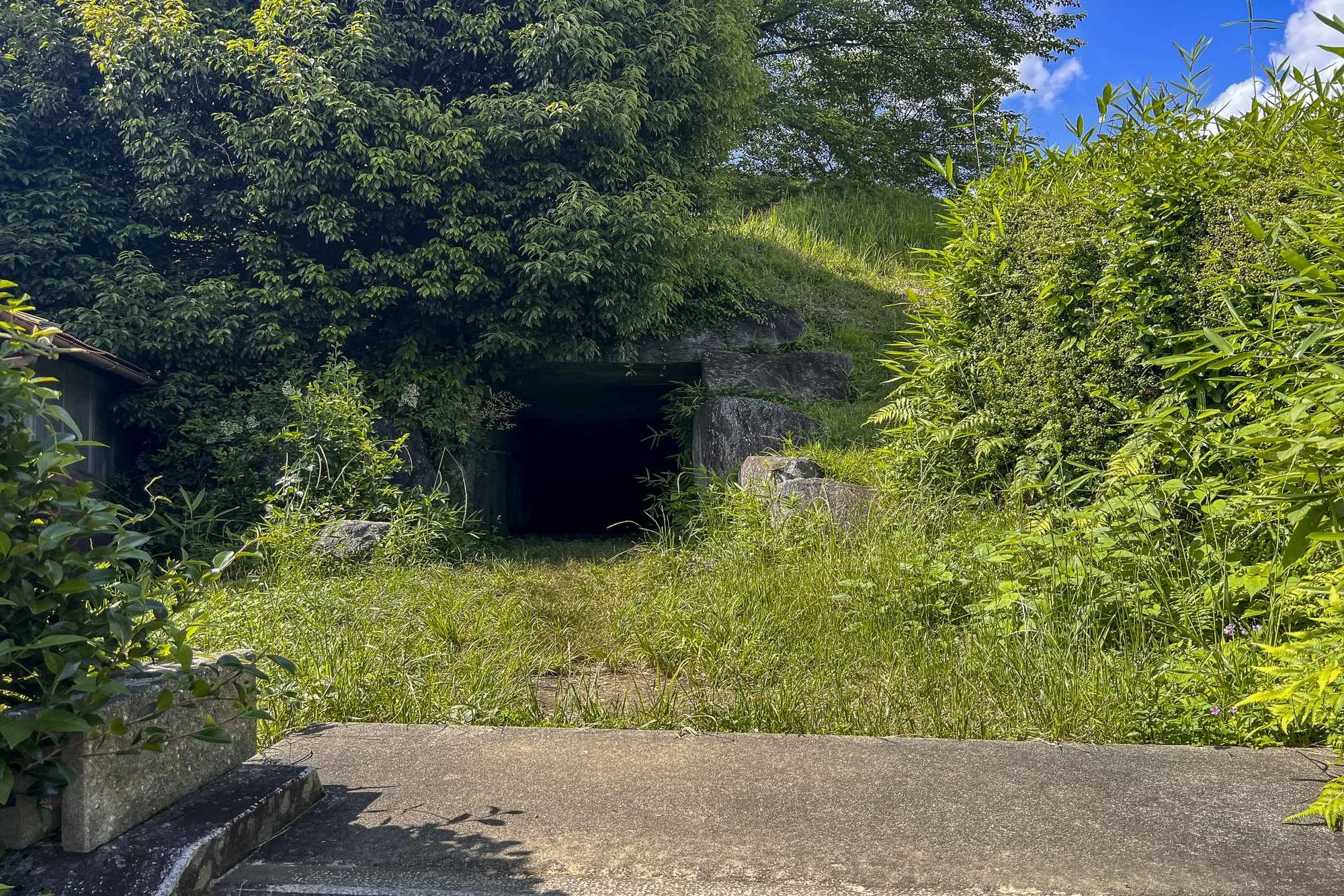
Iwayayama Kofun | 岩屋山古墳
Iwayayama Kofun is one of the region's most impressive ancient burial mounds. Designated a National Historic Site of Japan, it is best known for its exceptionally large horizontal stone burial chamber, constructed from precisely cut granite blocks. Although the tomb was looted in antiquity…
-
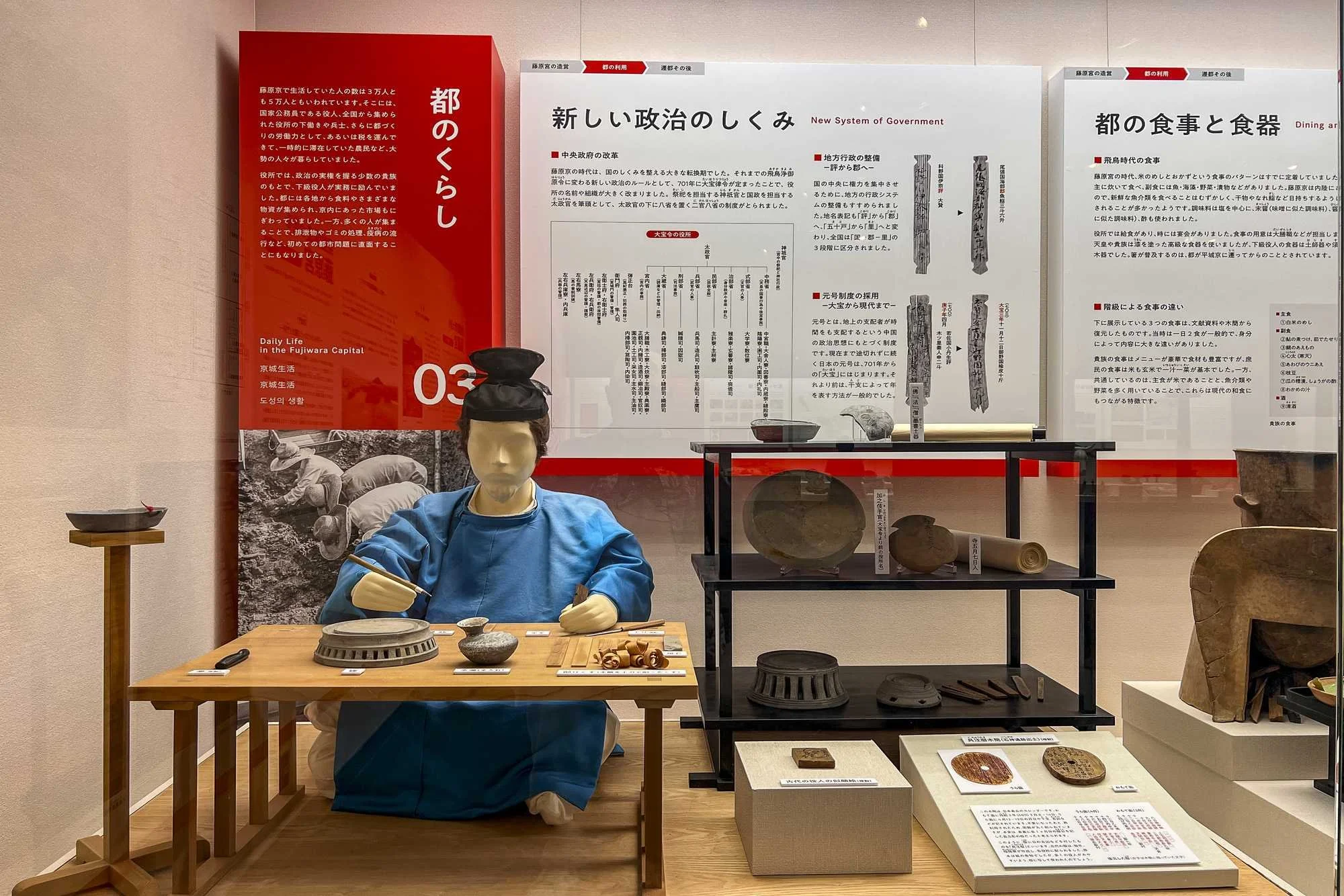
The Fujiwara Palace Site Museum | 藤原宮跡資料館
the Fujiwara Palace Site Museum offers an essential introduction to one of the most important archaeological landscapes in Japanese history. Operated by the Nara National Research Institute for Cultural Properties, the museum presents the results of decades of archaeological research,
-
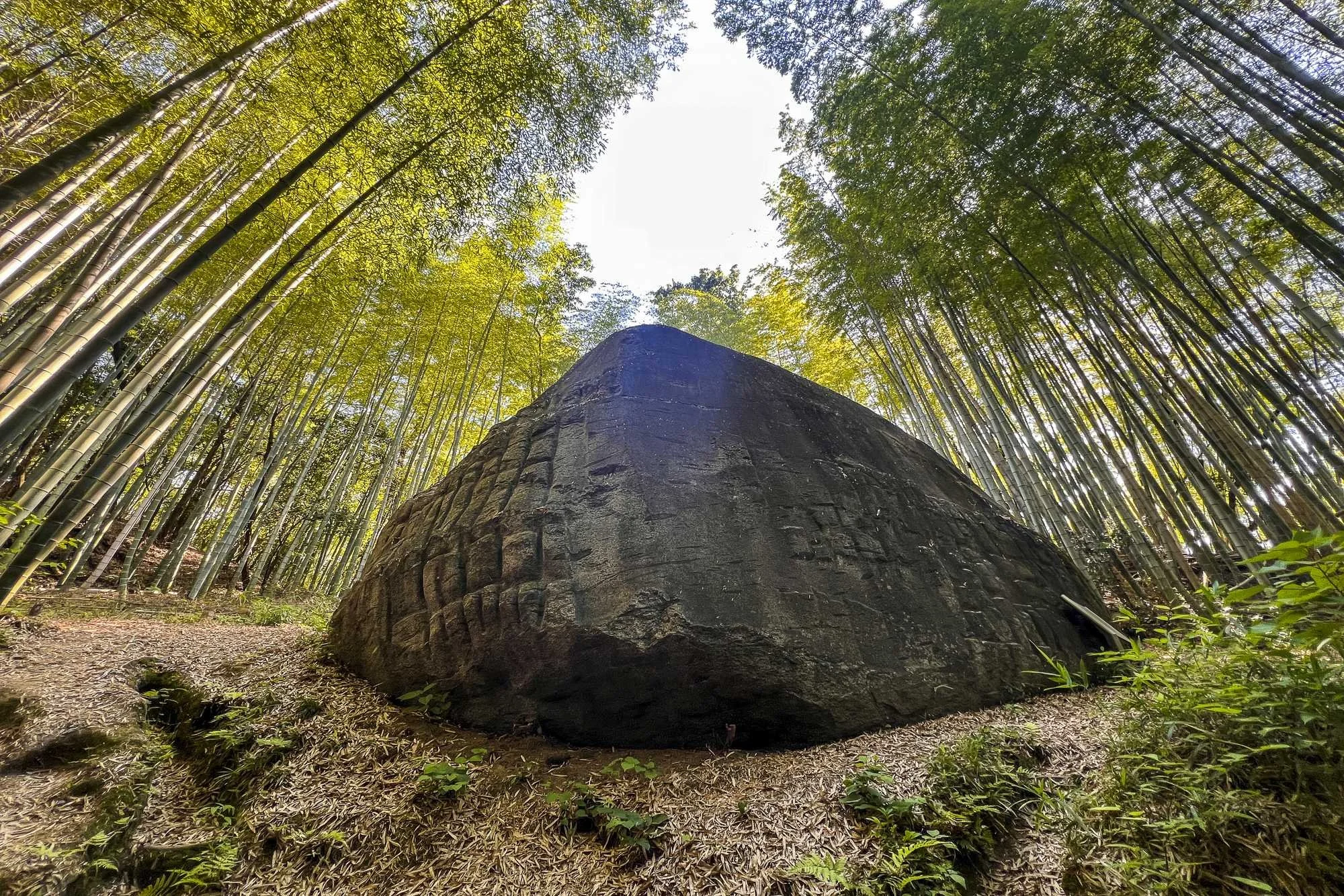
Masuda Iwafune | 益田岩船
Masuda Iwafune is one of Japan’s most enigmatic archaeological monuments. Carved from a single massive block of granite weighing an estimated 800 tons, this extraordinary megalith measures approximately 11 meters in length and…