
Chapter 9: Cash, Cards & Payments 1
Understanding How People Pay in Japan
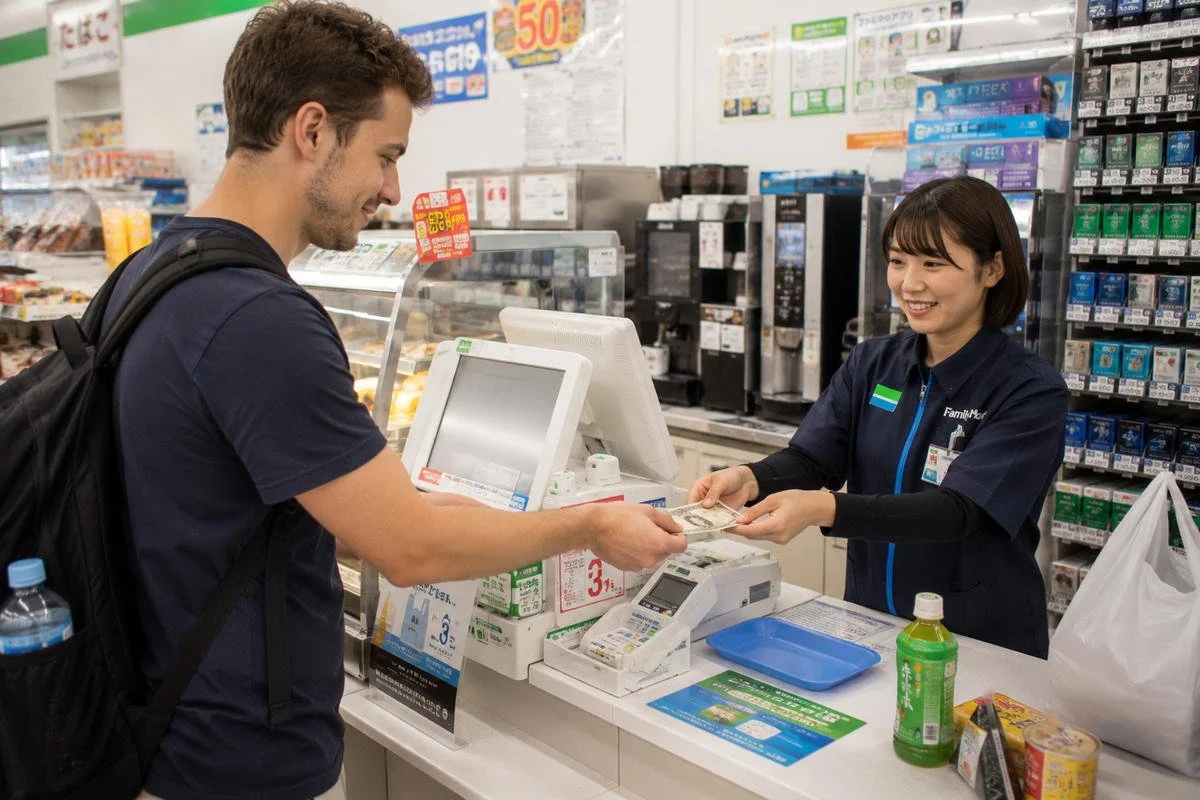
One of the biggest surprises for many first-time visitors is how people pay for things in Japan.
Some travelers arrive expecting a completely cashless society, while others have heard that Japan still relies almost entirely on cash.
The truth lies somewhere in between.
Japan has become much more cashless in recent years, especially in major cities and popular tourist destinations.
At the same time, cash continues to play an important role in everyday life.
Knowing when to use cash and when a card is accepted will make your trip much smoother.
Is Japan Still a Cash Society?
For many years, Japan was known as one of the world's most cash-oriented countries.
People carried cash because it was convenient, widely accepted, and considered safe.
Today, that is gradually changing.
Credit cards, IC transportation cards, and smartphone payments have become increasingly common.
You'll have little trouble using a credit card at places such as:
Hotels
Department stores
Most supermarkets
Large restaurants
Shopping malls
Chain cafés
Major tourist attractions
Cash, however, still plays an important role in many everyday situations.
When You Should Carry Cash
Although electronic payments are becoming more common, it's a good idea to carry some Japanese yen with you each day.
Cash is especially useful at:
Small family-owned restaurants
Local cafés
Traditional shops
Temple and shrine offering boxes
Street food stalls
Rural attractions
Farmers' markets
Some parking lots
Small museums
Many of these businesses proudly remain independent and may choose not to accept credit cards.
Having cash on hand means you won't miss out on memorable local experiences.
How Much Cash Should You Carry?
There's no single answer, and you don't need to carry large amounts.
For most travelers, enough cash to cover meals, transportation, and unexpected expenses for the day is usually sufficient.
Japan has a relatively low rate of street crime, and many people feel comfortable carrying cash.
Even so, it's always wise to keep your money secure, just as you would anywhere else in the world.
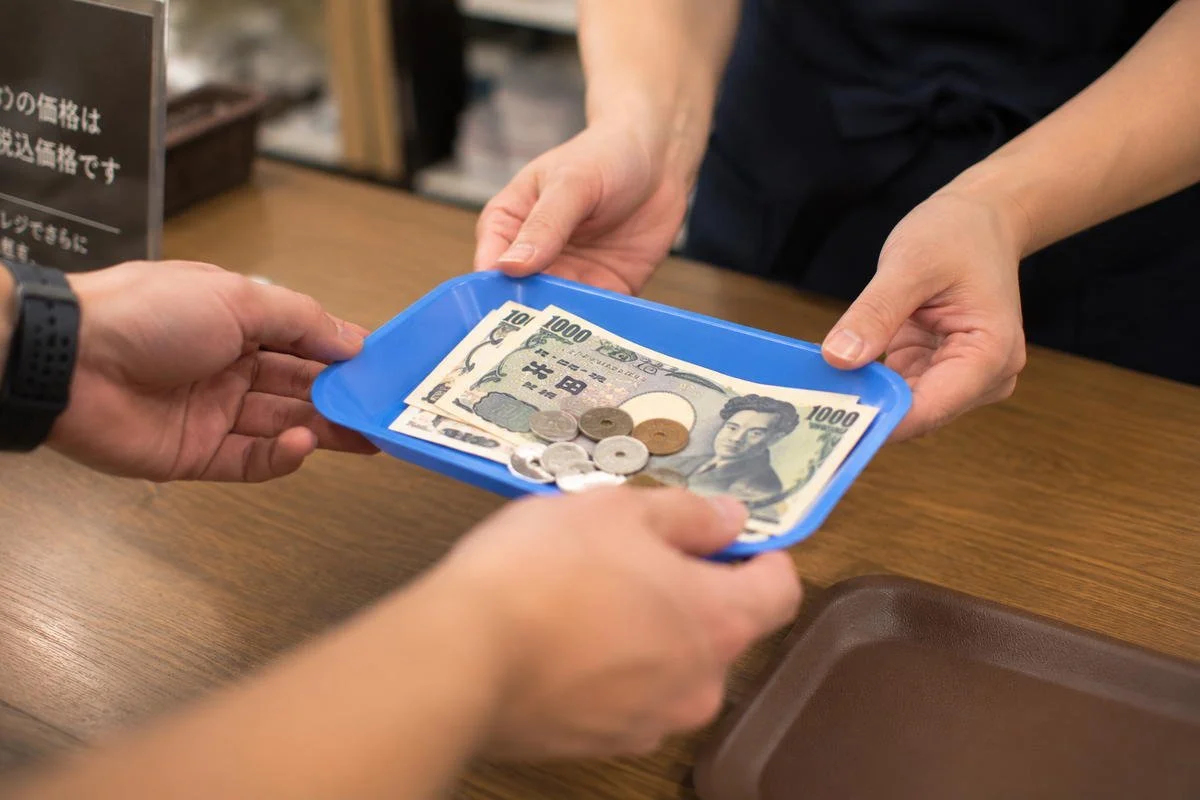
Japanese Yen
Japan's currency is the yen (¥).
Coins come in:
¥1
¥5
¥10
¥50
¥100
¥500
Banknotes include:
¥1,000
¥2,000
¥5,000
¥10,000
You'll probably notice that coins are used much more often than in many other countries.
Don't be surprised if your wallet feels noticeably heavier after a few days.
Many travelers find that carrying a small coin purse makes everyday purchases much easier.
Paying with Credit Cards
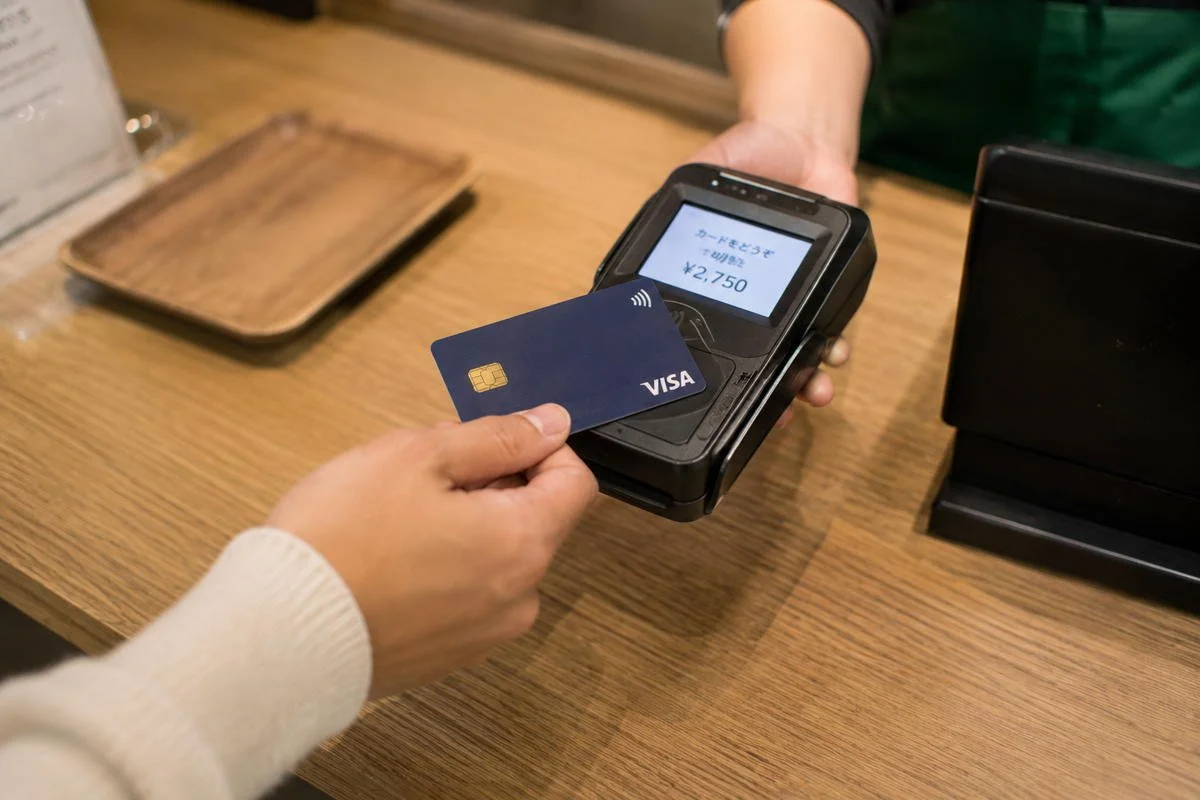
Visa, Mastercard, American Express, and JCB are widely accepted at larger businesses.
When paying by card, the cashier may ask you to:
Insert your card
Tap to pay
Sign
Enter your PIN
The process is usually straightforward.
If your card isn't accepted, there's no need to worry.
Simply pay with cash instead.
That's one of the reasons it's helpful to carry both payment methods.
IC Cards: More Than Transportation
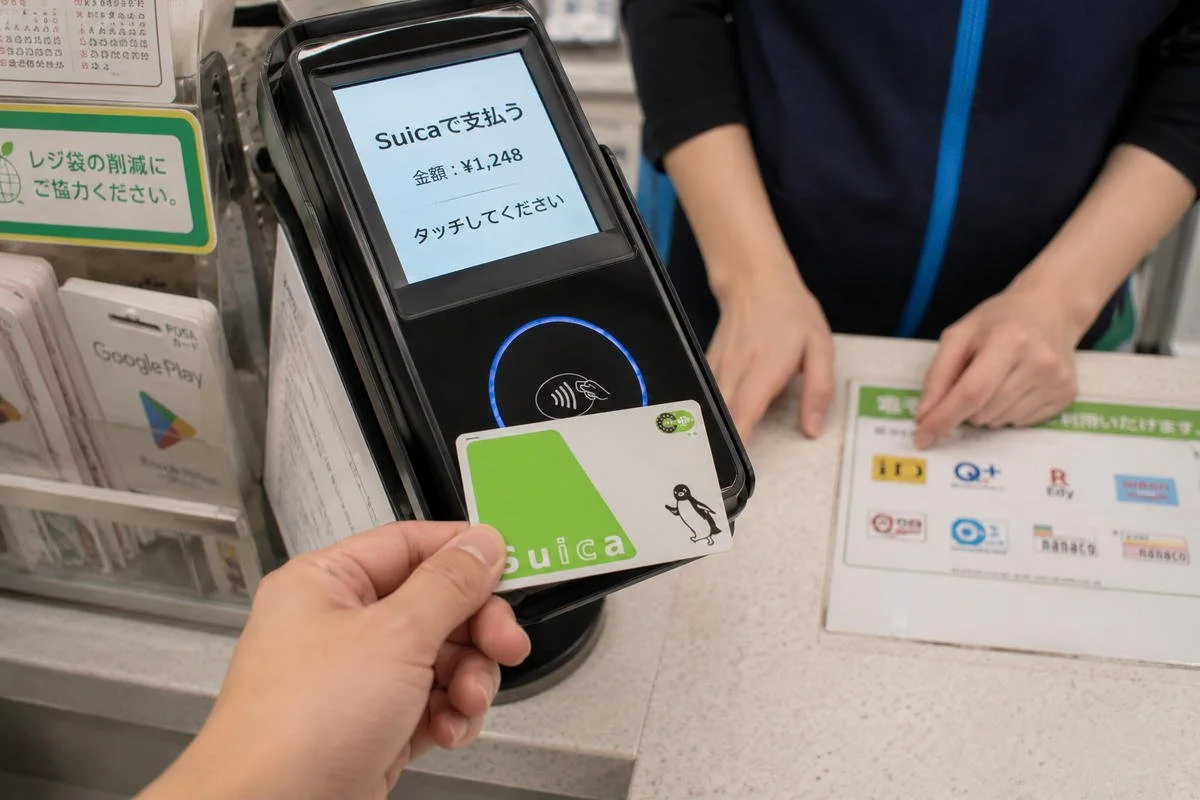
Rechargeable IC cards such as Suica, PASMO, and ICOCA were originally introduced for trains and buses.
Today, they're also accepted at many:
Convenience stores
Vending machines
Coin lockers
Restaurants
Drugstores
Cafés
For many visitors, an IC card quickly becomes one of the easiest ways to pay for everyday purchases.
Instead of searching for coins, you simply tap and go.
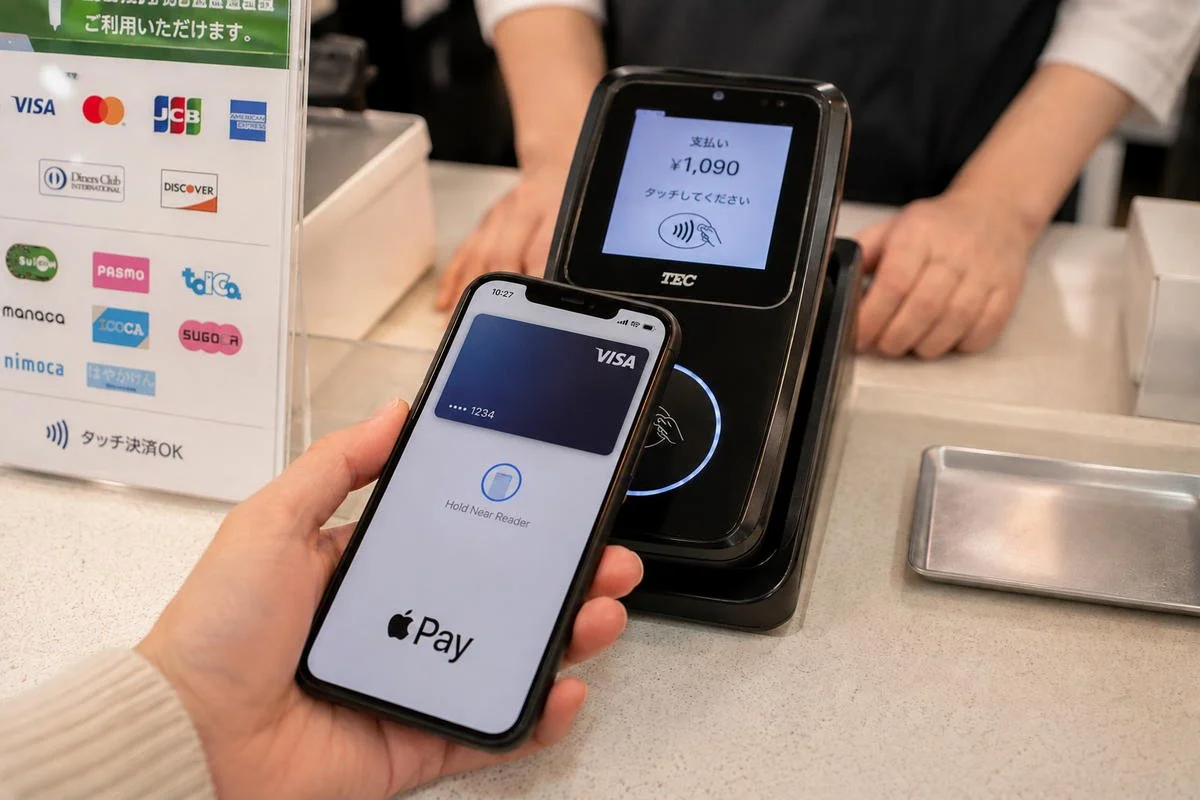
Mobile Payments
Japan has also embraced smartphone payments.
Services such as Apple Pay and Google Wallet are accepted at many businesses, particularly in larger cities.
However, availability varies depending on the store and the payment system being used.
Rather than relying entirely on your phone, it's still a good idea to carry both a physical payment card and some cash.
Having several payment options gives you greater flexibility throughout your trip.
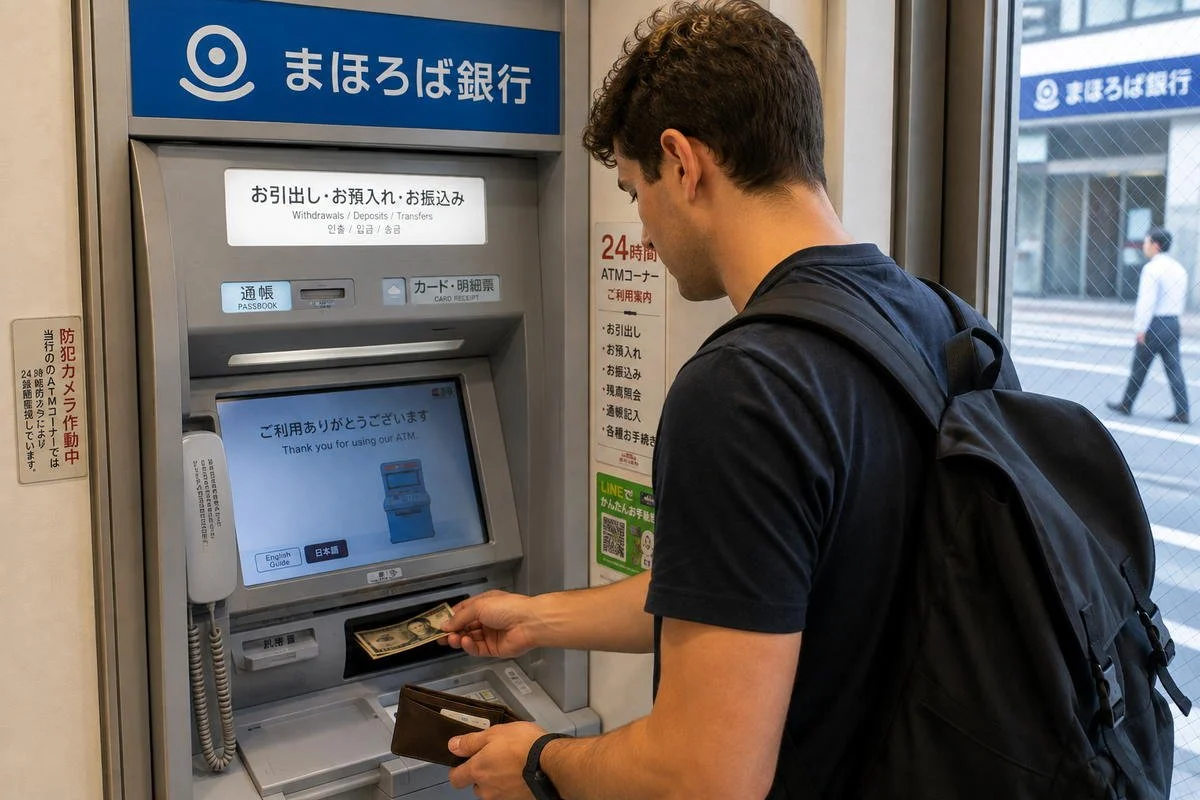
ATMs
If you need additional cash, don't worry.
International cards are accepted at many ATMs, especially those located in:
Convenience stores
Major post offices
Airports
Large train stations
Most of these machines offer English-language menus, making the withdrawal process straightforward for international visitors.
Before traveling, it's still worth checking with your bank about overseas withdrawal fees.
Did You Know?
Japan has one of the highest rates of lost-property recovery in the world.
Wallets are often returned—with the cash still inside.
While this reflects the country's strong culture of honesty, it's still important to keep your belongings secure throughout your trip.
Local Tip
Keep a small supply of ¥100 and ¥500 coins in an easily accessible pocket or coin purse.
They're handy for coin lockers, vending machines, temple offerings, and other small purchases, saving you from searching through your wallet each time you pay.