
Chapter 13: Gift-Giving & Japanese Hospitality 3
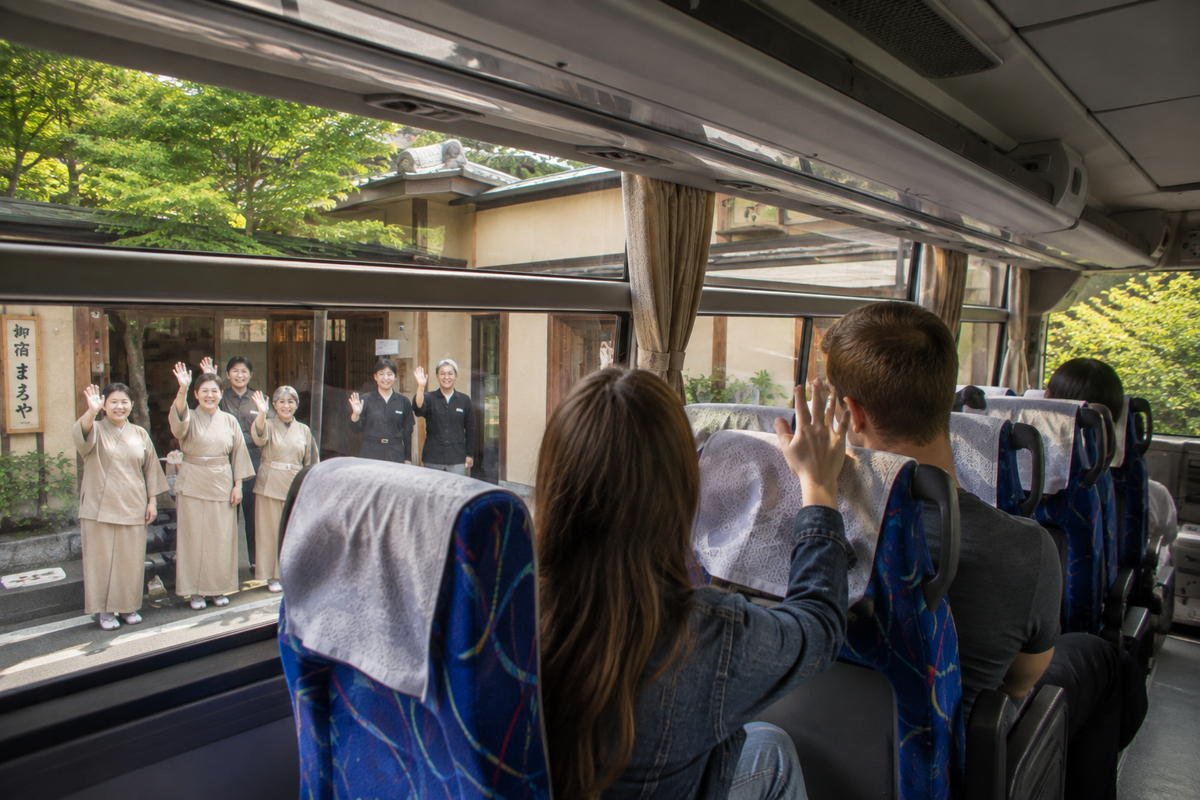
Hospitality Is Something We Create Together
Throughout this chapter, we've explored gifts, gratitude, and the spirit of omotenashi.
At first glance, these may seem like separate customs.
In reality, they all reflect the same idea:
Thoughtfulness creates meaningful connections between people.
Whether it's carefully wrapping a gift, offering directions to a visitor, or simply greeting someone with a warm smile, these small acts help make everyday life a little more pleasant for everyone.
Hospitality Is More Than Service
Visitors often describe Japanese hospitality as exceptional.
Hotels are attentive.
Restaurants are welcoming.
Shops provide careful service.
While these experiences are certainly memorable, omotenashi is not simply about excellent customer service.
It's about sincerely considering another person's comfort without expecting anything in return.
That spirit can appear almost anywhere:
A station employee patiently helping a lost traveler
A stranger picking up something you've dropped
A café owner remembering your favorite drink
These moments often happen quietly, without drawing attention to themselves.
You Don't Have to Be Perfect
Some visitors worry about making cultural mistakes.
They wonder whether they'll bow correctly, choose the right words, or understand every custom.
Fortunately, perfection isn't expected.
What people usually appreciate most is a genuine willingness to learn and show respect.
A sincere smile.
A polite attitude.
A simple "Thank you."
These gestures often matter far more than flawless etiquette.
Curiosity and kindness travel well in every language.
Kindness Is Universal
Although many customs in this guide are uniquely Japanese, the values behind them are familiar around the world.
Helping someone.
Sharing space thoughtfully.
Expressing gratitude.
Treating others with respect.
These ideas aren't exclusive to Japan.
What makes Japan especially interesting is how consistently these values appear in everyday life, often through quiet, understated actions.
As a visitor, you don't need to become Japanese.
You simply have the opportunity to experience another way of expressing kindness.
Common Misunderstandings
Sometimes visitors assume that Japanese hospitality means people are always formal or emotionally reserved.
In reality, warmth is often expressed differently.
Rather than dramatic gestures, you may notice:
Careful attention to small details
Quiet acts of consideration
Thoughtful preparation
Respect for another person's comfort
Sincere appreciation expressed through actions as well as words
Once you begin noticing these subtle forms of kindness, you'll start to see them almost everywhere.
Bringing a Little of Japan Home
One of the nicest things about travel is that it doesn't end when you return home.
Perhaps you'll find yourself wrapping a gift more carefully.
Taking a little extra time to help a stranger.
Thanking someone more often.
Being just a little more aware of the people around you.
These aren't specifically Japanese customs.
They're simply thoughtful habits that travel well across cultures.
In that sense, the most meaningful souvenir you bring home may not be something you bought—it may be a new way of seeing everyday life.
Did You Know?
The Japanese phrase okagesama de (おかげさまで) is often used to express gratitude by acknowledging that one's success or well-being is possible because of the support of others.
Rather than focusing only on individual achievement, it reflects an awareness that our lives are connected in countless small ways.
Local Tip
If someone in Japan shows you kindness, don't worry about finding the perfect response.
A genuine smile, eye contact, and a heartfelt "Arigatō gozaimasu" are often remembered far longer than any elaborate gesture.
Sometimes the simplest expressions of gratitude are also the most meaningful.
The Meaning Behind Gift-Giving & Hospitality
Japan's traditions of gift-giving and hospitality are not built around expensive presents or elaborate ceremonies.
They're built around something much simpler:
The belief that small acts of thoughtfulness can brighten another person's day.
As you continue your journey, you'll likely encounter countless examples of this spirit—some obvious, others so subtle that you might almost miss them.
Take a moment to notice them.
And when the opportunity arises, share that same kindness with someone else.
After all, the best journeys are remembered not only for the places we visit, but also for the people we meet and the moments of generosity we experience along the way.
If this guide has one hope, it's not that you'll remember every custom you've read.
It's that you'll travel with curiosity, consideration, and an open heart.
Those qualities will take you farther than any list of rules ever could.