
Chapter 7: Trash & Recycling 3
Everyday Habits That Help Keep Japan Clean
By now, you know why public trash bins are limited and how to dispose of waste responsibly while traveling.
But keeping Japan clean isn't just about throwing trash away correctly.
It's also about the everyday habits that help prevent litter from appearing in the first place.
Many of these customs are simple, thoughtful, and easy for visitors to adopt.
Eating While Walking
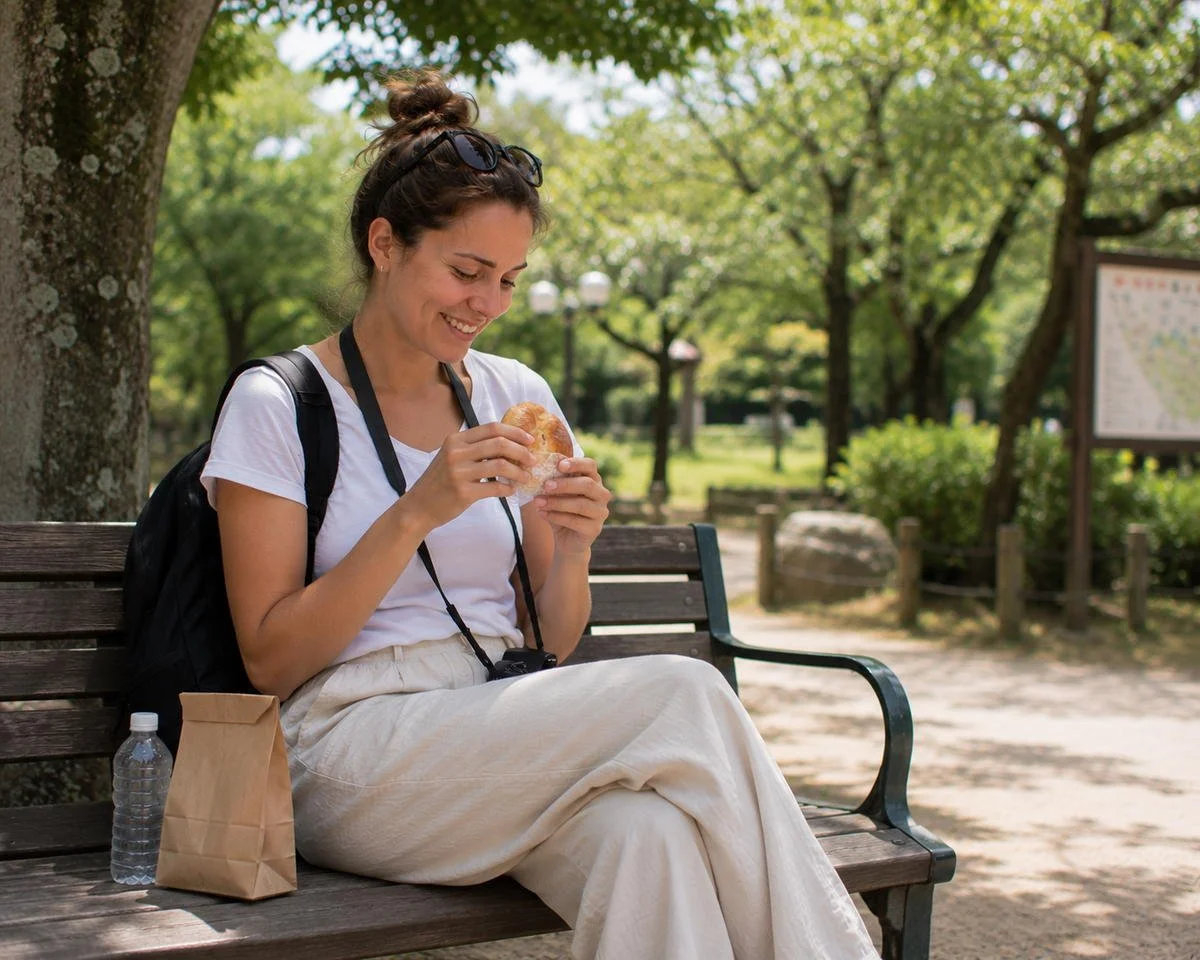
One of the first cultural differences many visitors notice is that relatively few people eat while walking down the street.
Unlike in some countries, where eating on the go is perfectly normal, many Japanese people prefer to stop, enjoy their food, and then continue on their way.
There is no nationwide rule that prohibits eating while walking.
Instead, it's largely a matter of consideration.
Walking while eating makes it easier to spill food, drop packaging, or accidentally bump into other people—especially in crowded areas.
If you've purchased food from a bakery, convenience store, or market, look for a nearby bench, rest area, or designated eating space.
Taking a few minutes to enjoy your food before moving on often makes the experience more relaxing as well.
Festivals and Street Food
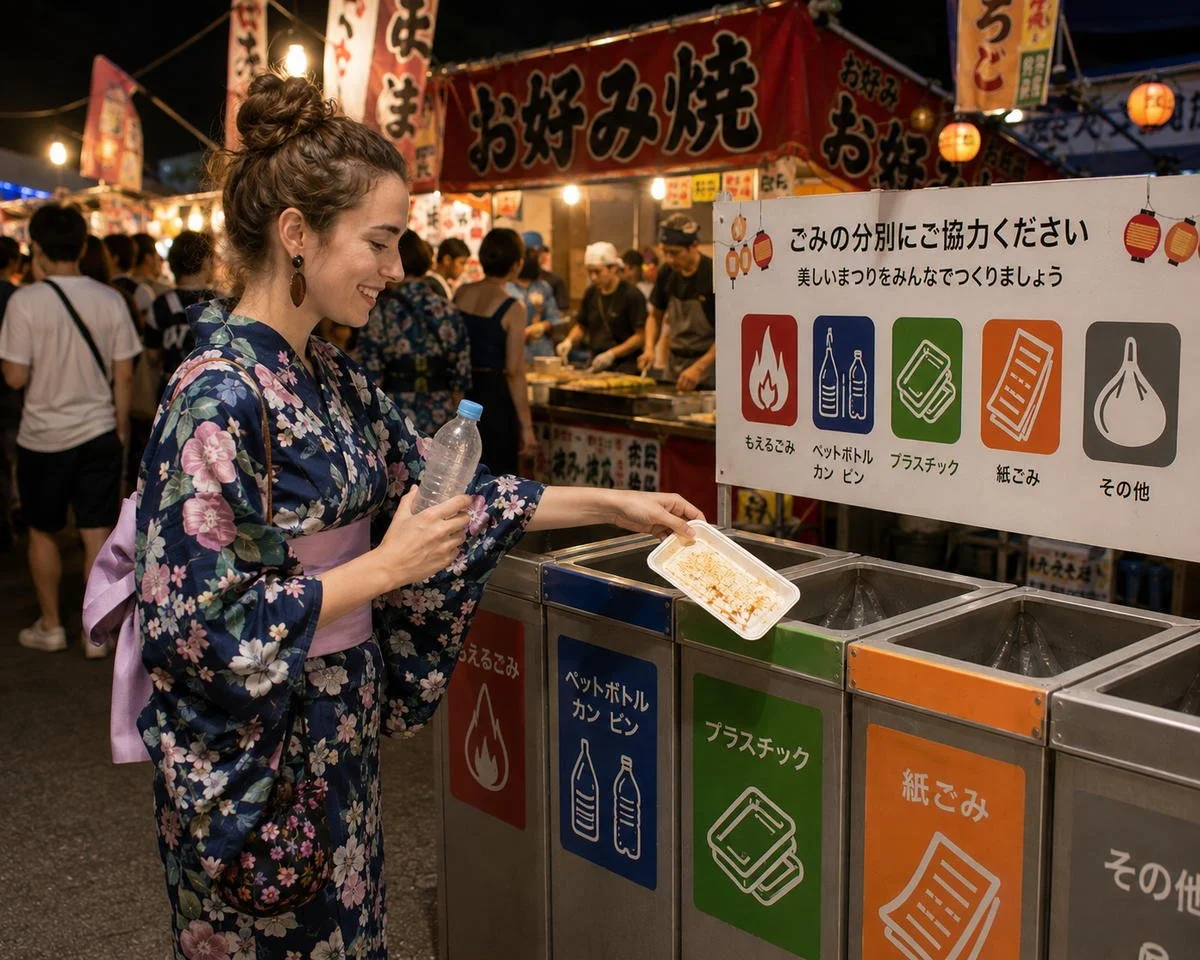
Japanese festivals, known as matsuri, are a little different.
People commonly enjoy food while strolling through the festival grounds.
Even then, you'll notice an important difference.
Many food vendors provide clearly marked trash bins near their stalls.
Visitors are generally expected to dispose of cups, skewers, trays, and wrappers there before moving on.
Using the bins provided by each vendor helps keep festival grounds remarkably clean, even when thousands of people are attending.
Parks, Beaches, and Nature
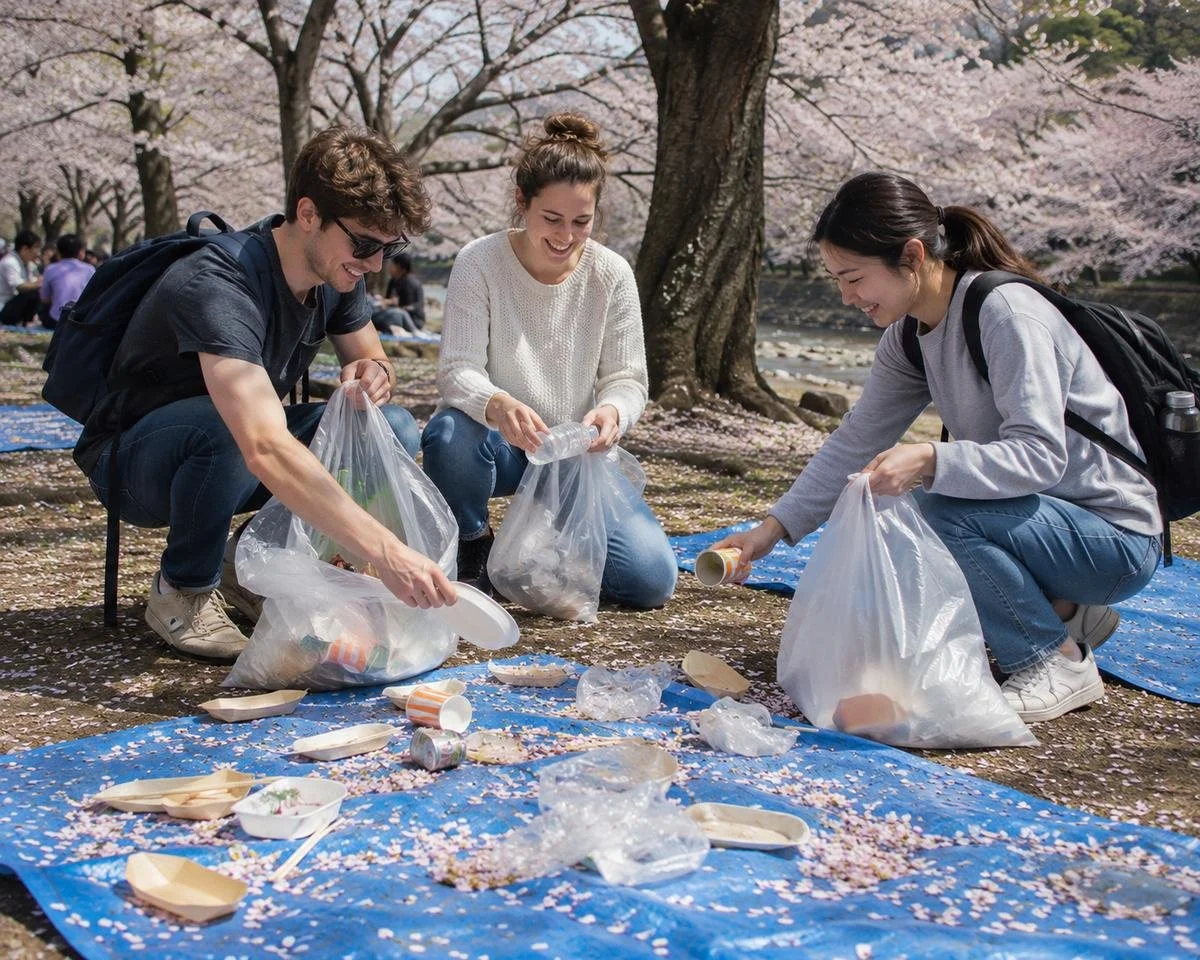
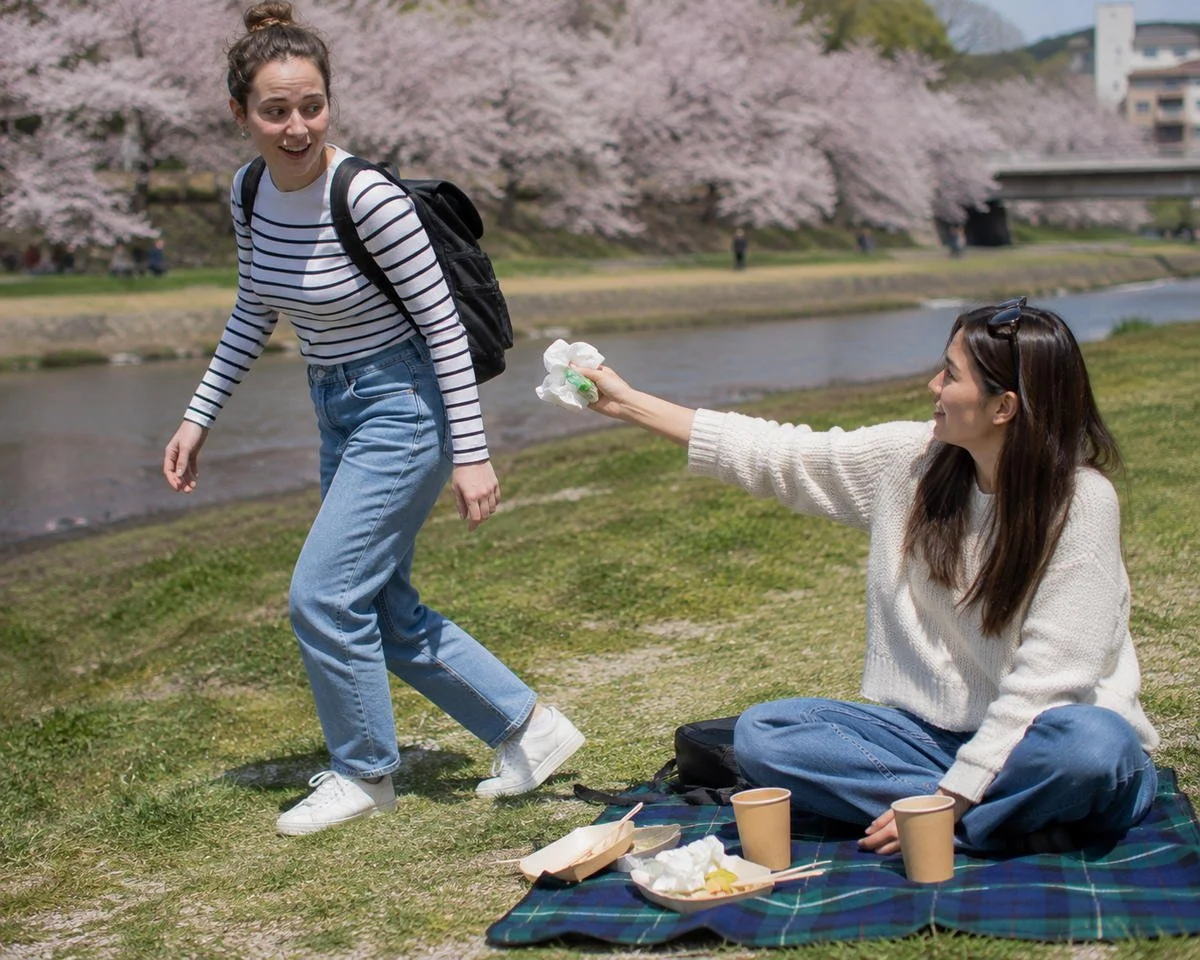
Whether you're enjoying a picnic beneath the cherry blossoms, relaxing on a beach, or hiking through the mountains, the same principle applies:
Take everything you brought with you when you leave.
Many parks and hiking trails have few—or no—trash bins.
This is intentional.
Visitors are expected to carry their own waste home or dispose of it later in an appropriate location.
This practice helps protect wildlife, preserves natural beauty, and reduces unnecessary maintenance.
When everyone takes responsibility for their own trash, everyone can continue to enjoy these special places.
Smoking and Cigarette Disposal
Smoking rules in Japan may be different from what you're used to.
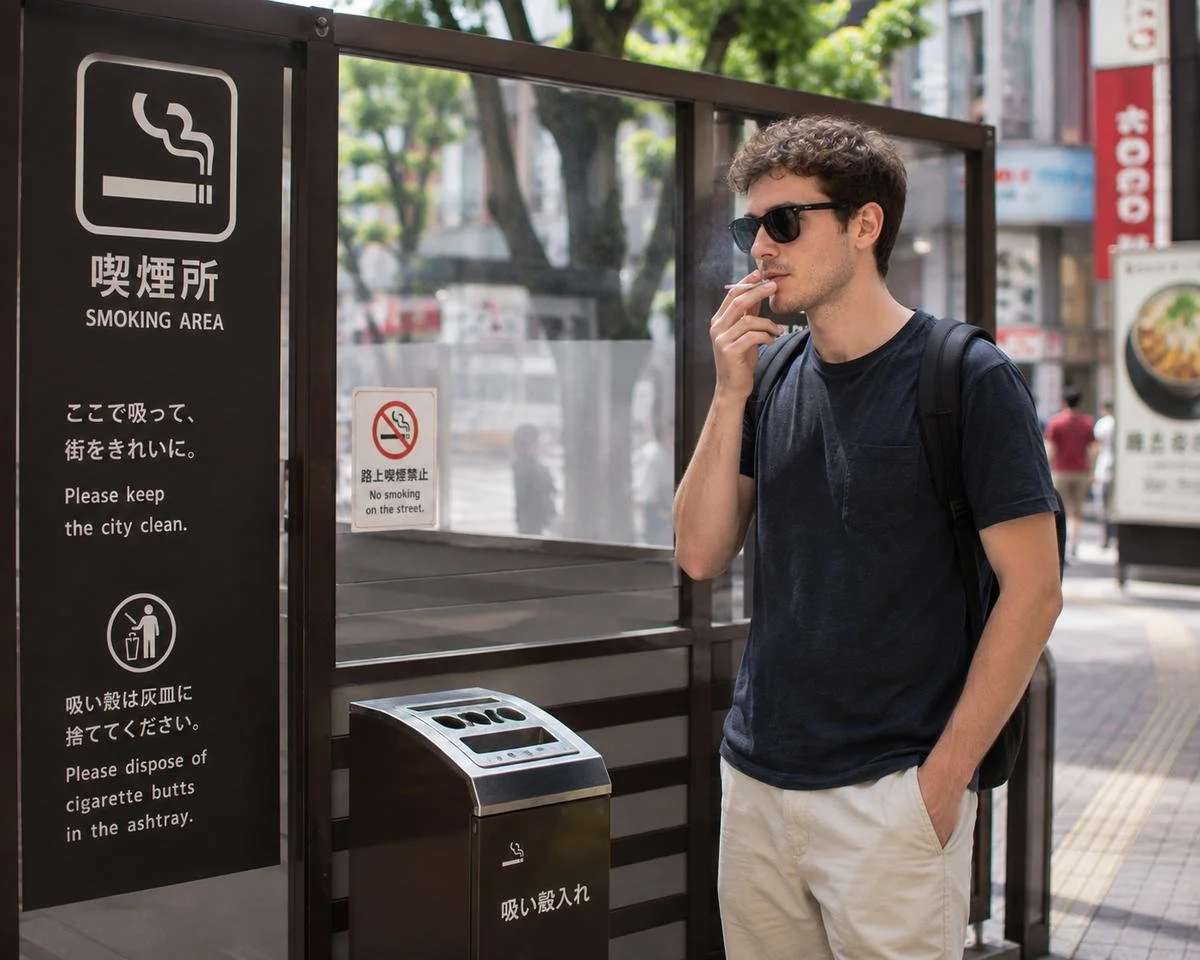
Many cities prohibit smoking while walking, particularly in busy shopping districts and around train stations.
Instead, smokers are expected to use designated smoking areas.
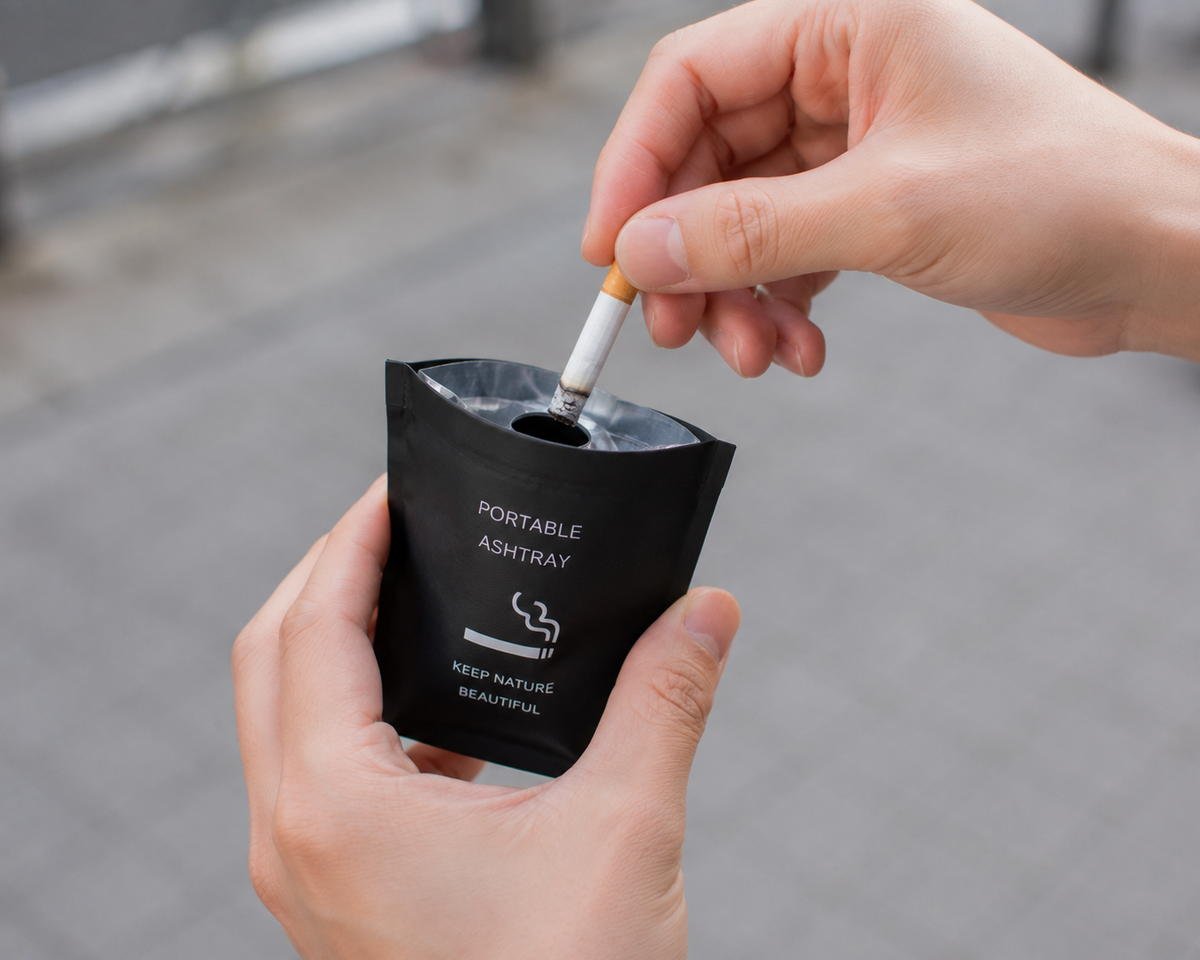
If you smoke, never discard cigarette butts on the ground or into storm drains.
Portable pocket ashtrays are widely used in Japan and make it easy to carry cigarette ash and butts until proper disposal is possible.
Even if you don't smoke, you may notice how carefully these rules are followed in public spaces.
What If You Accidentally Drop Something?
Everyone makes mistakes.
If you accidentally drop a tissue, bottle cap, or food wrapper, simply pick it up.
You'll often see Japanese people quietly doing exactly the same thing without drawing attention to themselves.
There's no embarrassment in correcting a small mistake.
In fact, taking responsibility right away is considered a sign of good manners.
Helping Keep Shared Spaces Pleasant
One of the most noticeable aspects of everyday life in Japan is the quiet cooperation between strangers.
People rarely think of keeping public spaces clean as someone else's responsibility.
Instead, many small actions contribute to the comfort of everyone around them.
You might notice people:
Returning shopping baskets neatly
Wiping a table before leaving
Picking up something they accidentally dropped
Closing a trash bin lid after using it
Leaving public restrooms clean for the next person
Individually, these actions seem insignificant.
Together, they create the orderly, welcoming environment that so many visitors admire.
Common Mistakes Visitors Make
Most travelers adapt quickly, but a few misunderstandings are common.
Try to avoid:
Looking for public trash bins on every street corner
Placing general waste in recycling bins beside vending machines
Leaving food packaging on park benches
Assuming convenience stores accept large amounts of unrelated trash
Dropping small items because "someone will clean them later"
Leaving picnic areas without checking for forgotten belongings or litter
Fortunately, all of these are easy to avoid once you understand the local customs.
More Than Clean Streets
Visitors often ask why Japan feels so clean.
The answer isn't simply that people dislike litter.
It's that many believe public spaces belong to everyone.
Whether it's a quiet shrine, a busy train platform, a neighborhood park, or a scenic mountain trail, the goal is the same:
Leave the place just as pleasant for the next person as it was for you.
That quiet sense of shared responsibility is one of the reasons Japan leaves such a lasting impression on so many travelers.
Did You Know?
The Japanese word mottainai (もったいない) expresses the feeling that something valuable should not be wasted.
While it originally referred to using resources with gratitude and avoiding waste, the idea has also come to encourage recycling, thoughtful consumption, and sustainable living.
Today, mottainai is recognized around the world as one of the values that reflects Japan's approach to caring for both resources and the environment.
Local Tip
Before leaving a train, café, picnic spot, or park bench, take one last look around.
Have you picked up all your belongings?
Is there a bottle under your seat?
Did a small wrapper fall out of your bag?
This simple five-second habit is one you'll notice many Japanese people practice without even thinking about it—and it's one of the easiest ways to travel respectfully.
The Meaning Behind Keeping Japan Clean
At first glance, Japan's cleanliness may seem like the result of strict rules or exceptional public services.
In reality, it's something much simpler.
People understand that public spaces are shared spaces.
Every small decision—carrying your trash a little longer, sorting recyclables correctly, or picking up something you've dropped—helps create a more pleasant environment for everyone.
None of these actions takes much effort on its own.
Together, however, they preserve the clean, welcoming atmosphere that visitors remember long after their trip.
As a traveler, you don't need to be perfect.
Simply being mindful of your surroundings and considering the people who will use the space after you is more than enough.
By doing so, you'll be taking part in one of Japan's most quietly admired traditions.