
Chapter 8: Photography Etiquette 2
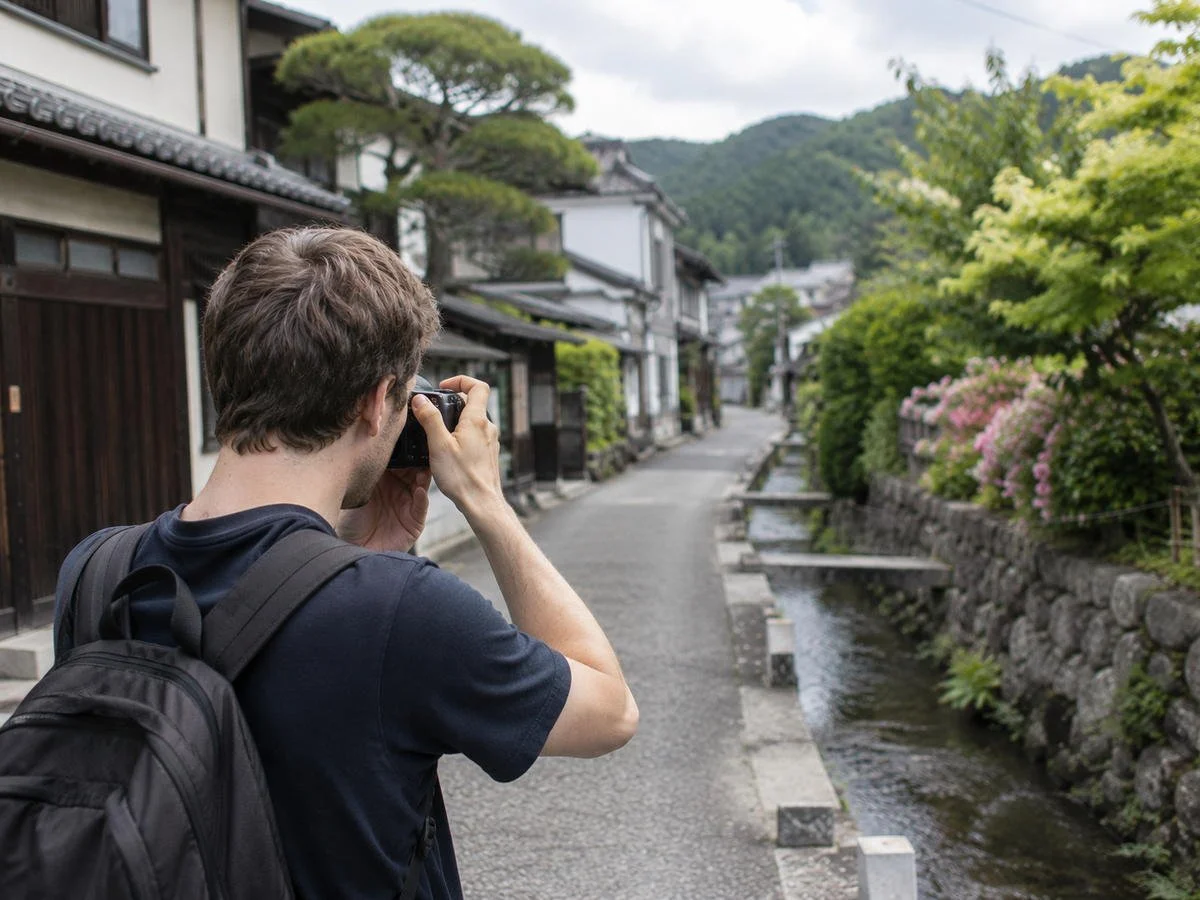
Photographing People and Everyday Life Respectfully
One of the greatest joys of traveling in Japan is discovering its everyday moments.
A shopkeeper arranging fresh flowers.
Schoolchildren walking home together.
Friends chatting beneath blooming cherry trees.
A chef carefully preparing a bowl of ramen behind the counter.
Scenes like these often tell the story of Japan just as vividly as its famous landmarks.
At the same time, photographs that include people deserve a little extra thought and consideration.
Respect People's Privacy
In many countries, photographing strangers in public is fairly common.
In Japan, however, many people value their privacy and prefer not to become the subject of someone else's photograph.
That doesn't mean street photography is forbidden.
It simply means photographers are expected to be considerate.
If someone is clearly the main subject of your image, asking for permission is always the most respectful approach.
A friendly smile and a simple gesture toward your camera can often communicate your intentions, even if you don't speak Japanese.
Many people will happily agree.
Others may politely decline.
Either response should be accepted graciously.
When People Are Part of the Scene
Sometimes it's impossible to photograph a famous location without including other visitors.
That's perfectly normal.
If people appear naturally as part of a wider scene rather than being the focus of the photograph, most won't mind.
However, avoid lingering with your camera pointed directly at someone or following them to capture multiple images.
If a photograph begins to feel intrusive, it's usually a sign that it's time to lower the camera.
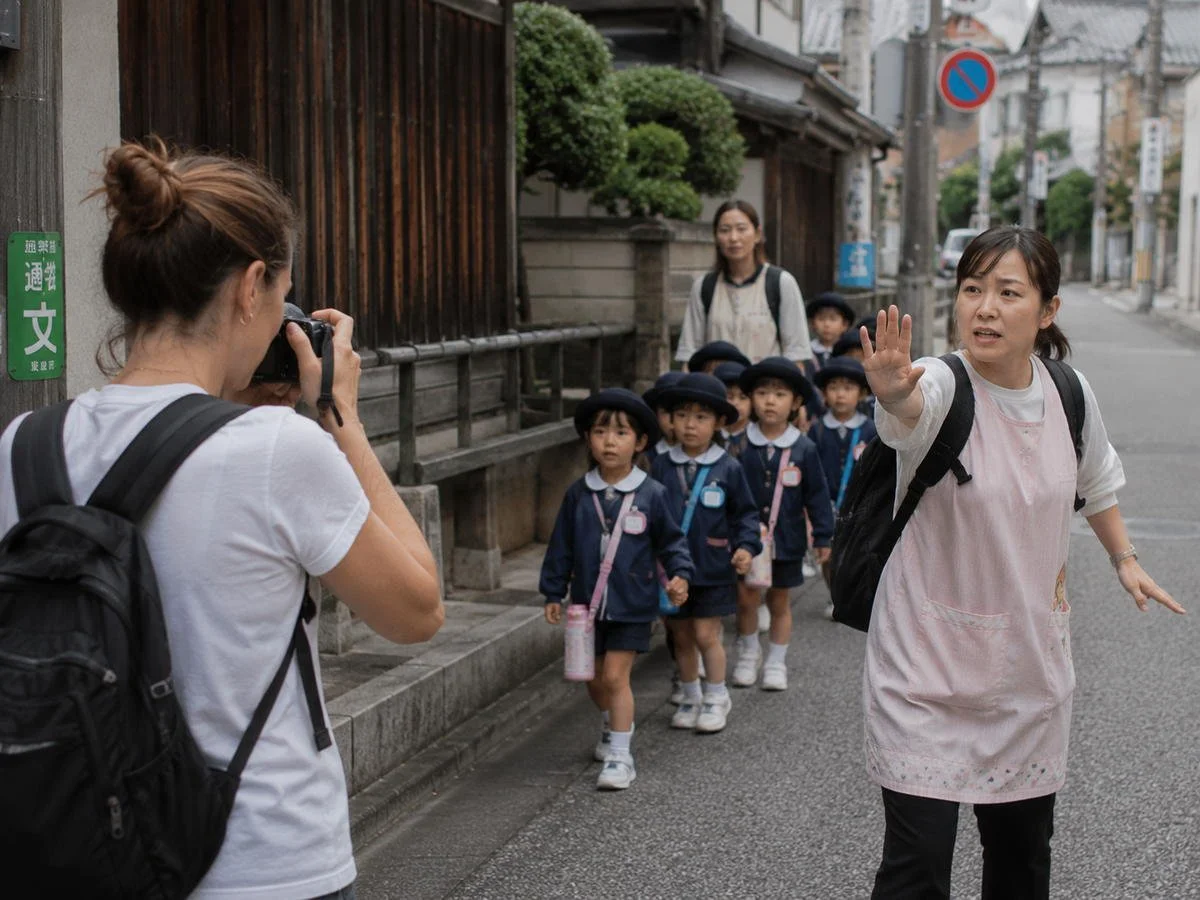
Be Especially Careful with Children
Children deserve particular care when it comes to photography.
Avoid photographing children you don't know, even if the moment seems charming.
Parents may understandably feel uncomfortable if a stranger is taking pictures of their child.
If you're attending a festival or community event where children are participating, always follow the organizers' guidance regarding photography.
Restaurants and Cafés
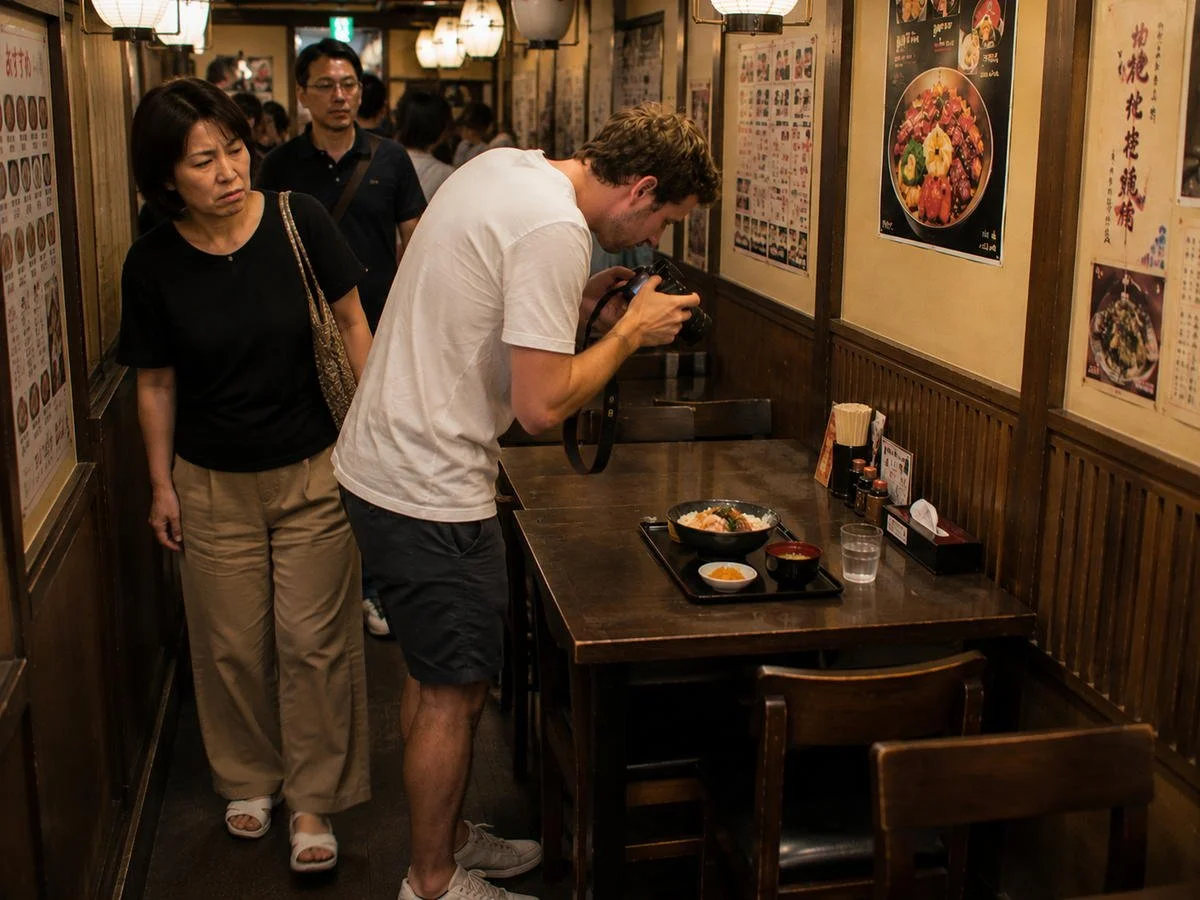
Japan has an incredible food culture, and photographing beautifully presented meals is very common.
In fact, many restaurants expect guests to take a quick photo before enjoying their meal.
Even so, it's good manners to keep a few things in mind.
Try not to:
Block the aisle while searching for the perfect angle.
Use bright flash in a small dining room.
Stand on chairs or move furniture.
Turn your meal into a lengthy photo session if others are waiting.
Your food is meant to be enjoyed while it's fresh.
A few thoughtful photos are usually all you need.
Photographing Staff
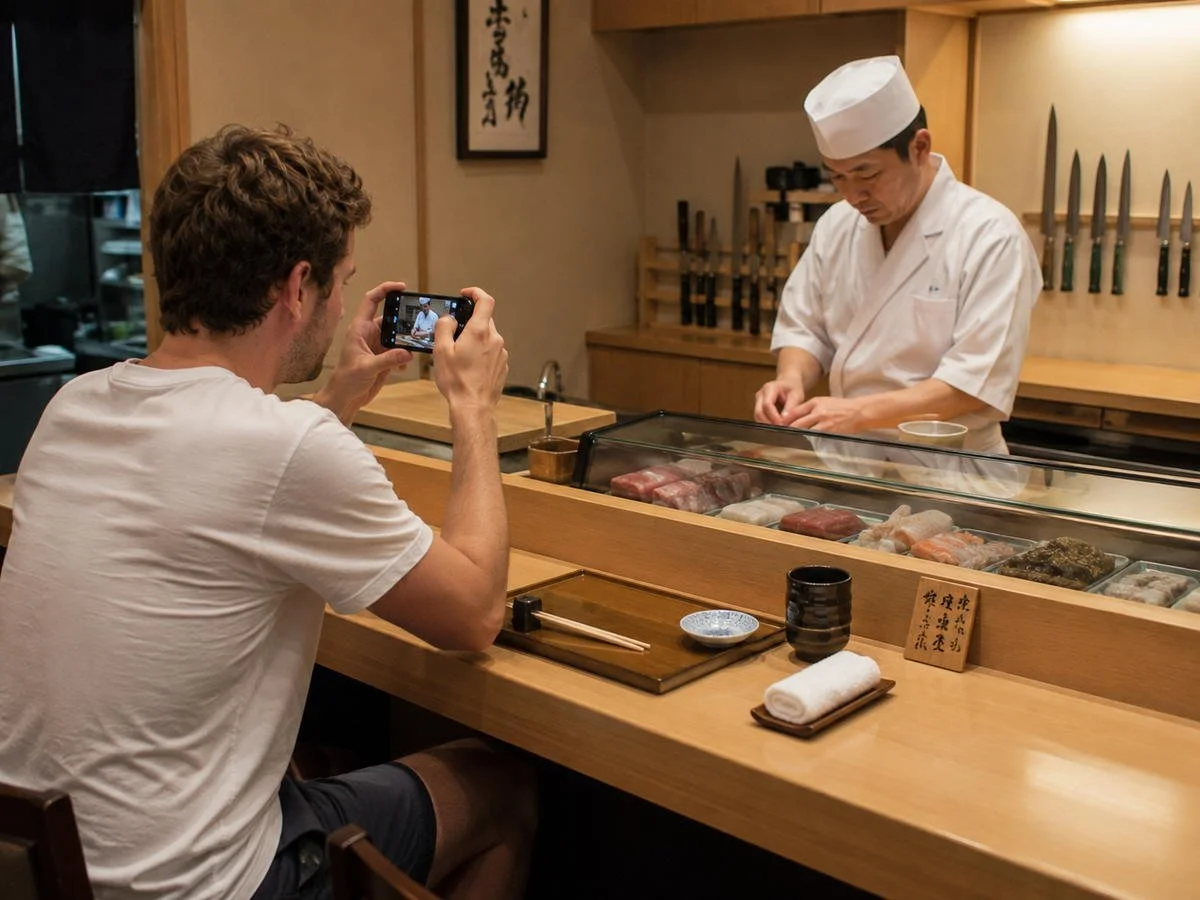
Watching sushi chefs, pastry makers, craftspeople, or baristas at work can be fascinating.
Before photographing someone while they're working, look for signs indicating whether photography is permitted.
If you're unsure, simply ask.
Most people appreciate being asked before becoming the subject of a photograph.
This is especially true in small family-run businesses, traditional workshops, and local markets.
Trains and Stations
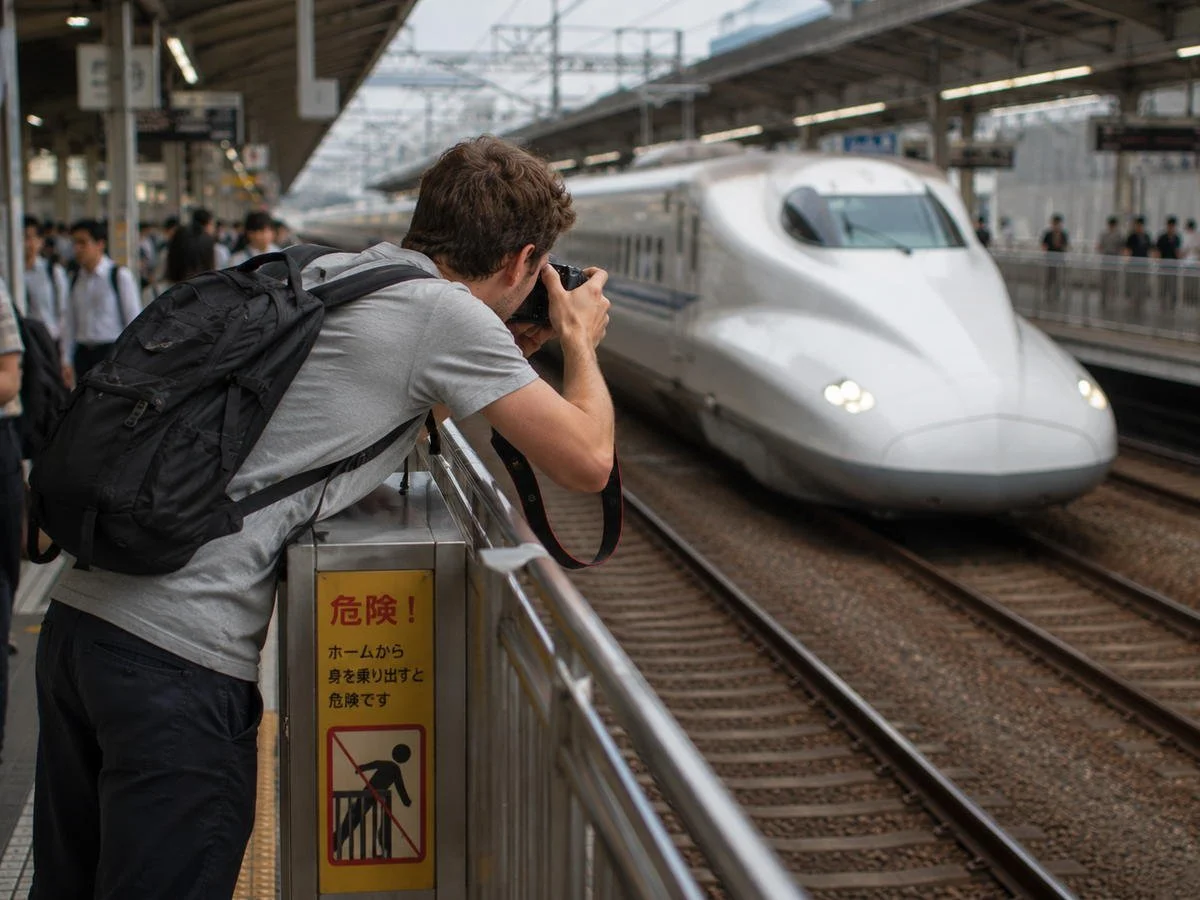
Japan's railways are famous around the world, and train photography is a popular hobby.
If you're taking pictures in stations, stay aware of the people around you.
Avoid:
Blocking ticket gates.
Standing too close to platform edges.
Using tripods during busy hours.
Stopping suddenly in crowded passageways.
Inside trains, it's generally best not to photograph other passengers without permission.
Remember that public transportation is part of everyday life—not simply another tourist attraction.
Festivals and Cultural Events
Festivals offer wonderful photographic opportunities.
Colorful floats, traditional costumes, musicians, and dancers create unforgettable scenes.
Photography is usually welcome, but good timing and awareness are essential.
Never step into the route of a procession or block the view of spectators who have been waiting patiently.
If performers pause for photographs after the event, that's often the ideal time to take portraits.
During the ceremony itself, try to remain as unobtrusive as possible.
Geiko and Maiko
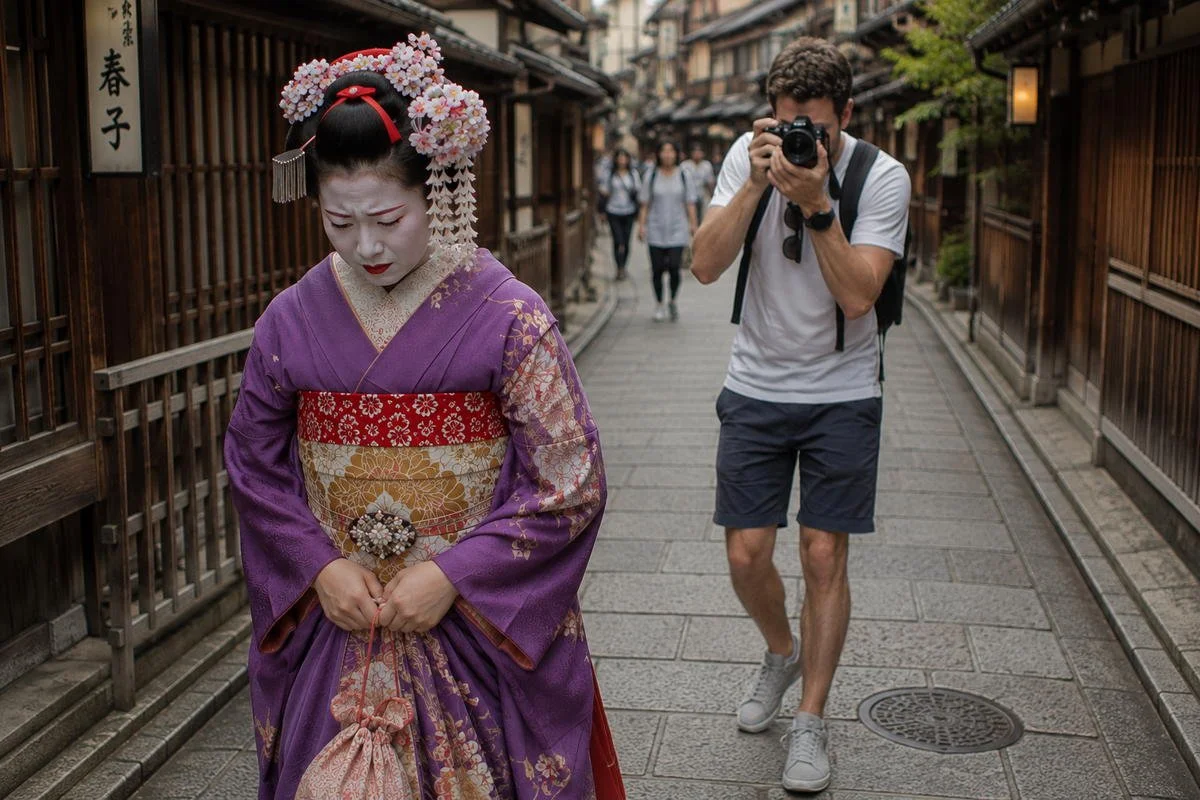
In places such as Kyoto's Gion district, you may occasionally see geiko (Kyoto's term for geisha) or maiko walking between appointments.
While they're admired by many visitors, they're professionals going about their work—not tourist attractions.
Please avoid:
Chasing after them
Blocking their path
Touching their clothing
Following them down narrow streets
Taking close-up photographs without permission
Capturing them naturally as part of a wider street scene while remaining respectful is very different from treating them as a spectacle.
A little courtesy goes a long way.
Ask Yourself One Simple Question
Before pressing the shutter, pause for a moment and ask yourself:
"If I were in this person's place, would I feel comfortable?"
If the answer is yes, you're probably making a respectful choice.
If you're unsure, consider waiting, changing your angle, or asking permission.
That brief moment of reflection often makes the difference between simply taking a picture and creating one with genuine respect.
Did You Know?
In Japan, many television programs blur the faces of people who happen to appear in the background of interviews or street scenes.
This reflects the country's strong awareness of personal privacy and the importance of respecting people who have not agreed to be photographed.
Local Tip
Some of the most memorable travel photographs don't include people at all.
Early mornings, quiet side streets, temple gardens after the crowds have gone, and peaceful countryside landscapes often capture the atmosphere of Japan more effectively than busy tourist hotspots.
Instead of searching for the most popular viewpoint, try seeking out the quietest one.
The photographs—and the memories—you bring home may be even more meaningful.