
Chapter 9: Cash, Cards & Payments 3
Shopping with Confidence and Courtesy
By now, you've probably noticed that paying for things in Japan is generally simple, organized, and remarkably stress-free.
Whether you're buying a train ticket, enjoying lunch at a neighborhood café, or shopping for souvenirs, the payment process is designed to be smooth for both customers and staff.
Knowing a few final tips will help you shop with even greater confidence throughout your trip.
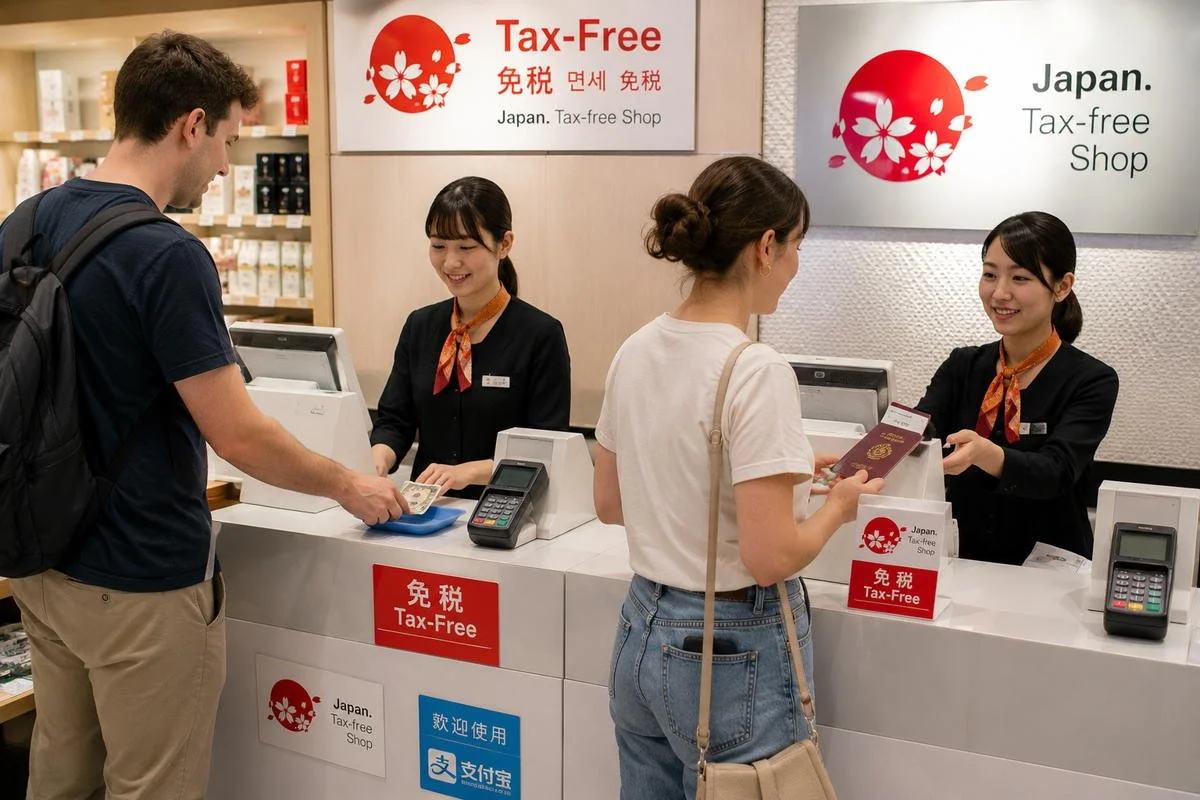
Tax-Free Shopping
Many stores in Japan offer tax-free shopping for eligible international visitors purchasing items for personal use.
If you plan to make larger purchases, look for "Tax-Free" signs near the entrance or checkout counter.
You'll usually need to present your passport at the time of purchase.
Because tax-free procedures and eligibility requirements may change over time, it's always best to confirm the current rules with the store before completing your purchase.
Staff at major retailers are generally familiar with the process and are happy to assist.
Currency Exchange
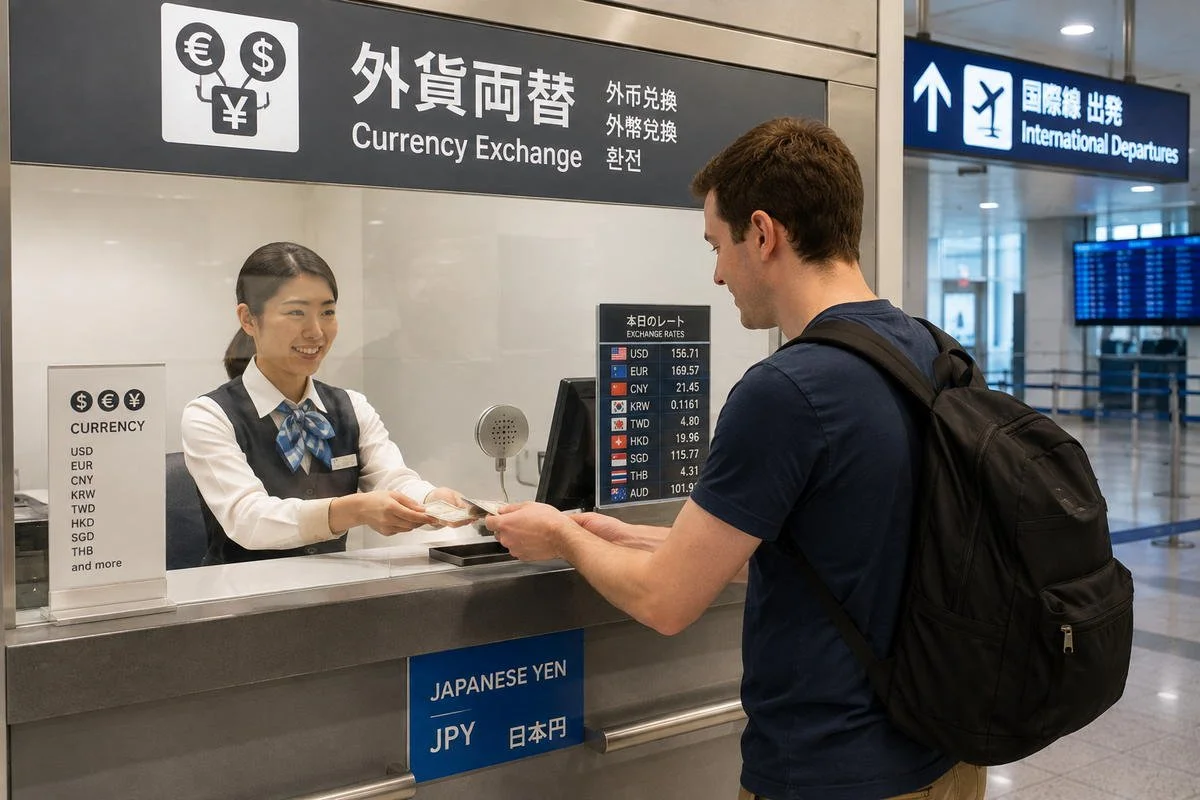
Although exchanging money before arriving in Japan can be convenient, it's certainly not your only option.
Currency exchange services are commonly available at:
International airports
Major train stations
Banks
Some hotels
Authorized exchange counters
Exchange rates and service fees vary, so comparing a few options can be worthwhile if you're exchanging a larger amount.
Many travelers also find that withdrawing Japanese yen directly from an international ATM is a simple and convenient alternative.
Keep Your Receipt
Receipts are provided for almost every purchase in Japan.
While it's easy to slip them into your pocket without a second thought, they can be surprisingly useful.
You may need a receipt for:
Tax-free purchases
Product exchanges or returns
Expense records
Warranty claims
Travel reimbursement
Even if you don't expect to use it, keeping your receipt until the end of your trip is a simple habit worth developing.
Returns and Exchanges
Many stores are happy to help if you've purchased the wrong item or discover a problem with your purchase.
However, return and exchange policies vary from store to store.
Some businesses may not accept returns on certain products, particularly food, cosmetics, or other hygiene-related items.
If you're making an expensive purchase, it's perfectly reasonable to ask about the store's return policy before paying.
Understanding the policy beforehand can help avoid misunderstandings later.
Common Payment Mistakes Visitors Make
Most payment-related misunderstandings are minor and easy to avoid.
Some of the most common include:
Assuming every business accepts credit cards
Forgetting to carry some cash
Leaving a tip after a meal
Waiting at the table to pay when payment is made at the register
Searching for your wallet only after reaching the checkout
Forgetting your passport when planning tax-free shopping
Fortunately, all of these are easy to avoid with a little preparation.
Small Moments of Courtesy
One of the nicest things about shopping in Japan isn't the payment itself.
It's the atmosphere surrounding it.
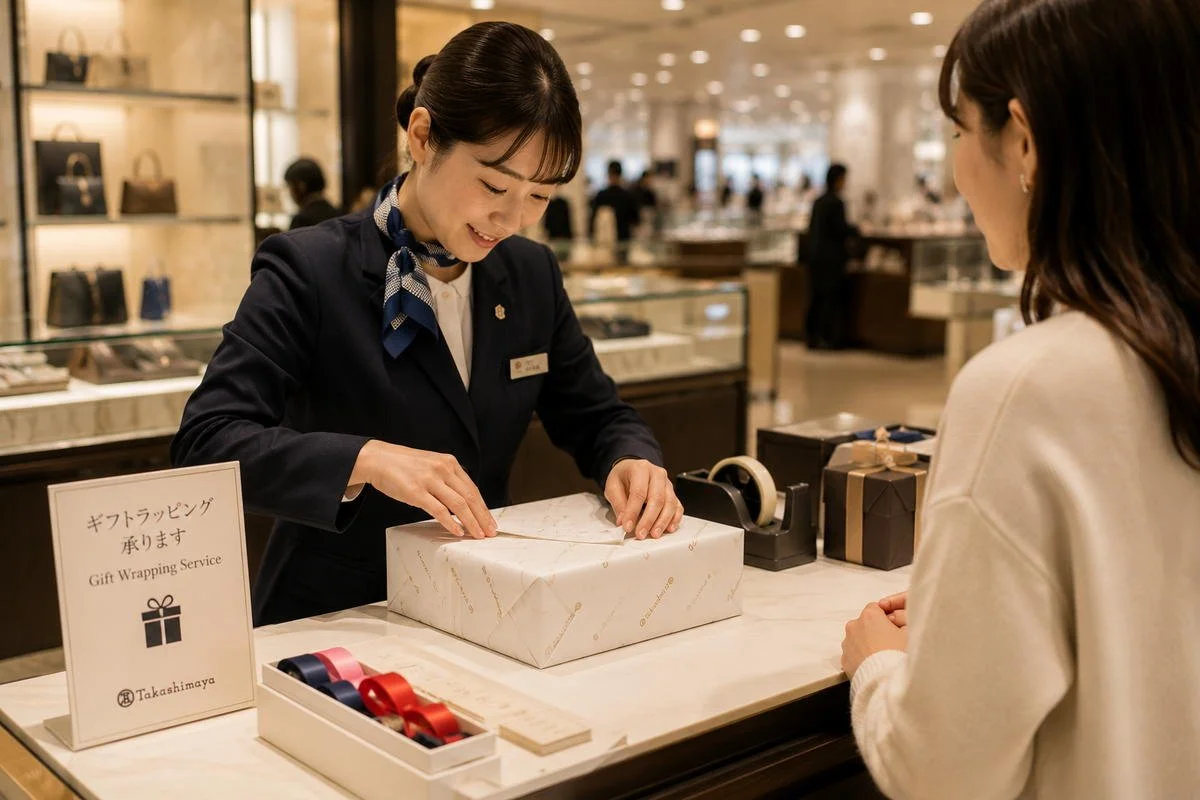
Cashiers often greet every customer warmly.
Purchases are handled with care.
Fragile items may be wrapped neatly.
Staff frequently thank customers several times before they leave.
These small gestures reflect Japan's emphasis on hospitality and mutual respect.
Responding with a smile or a simple "Thank you" is a wonderful way to take part in that shared courtesy.
Paying Is Part of the Experience
It's easy to think of payment as the final step in a transaction.
In Japan, however, it often feels like the conclusion of a pleasant interaction.
Whether you're buying a handcrafted souvenir from a family-run shop, enjoying fresh fruit at a local market, or purchasing a drink from a convenience store, each interaction offers a chance to appreciate the kindness, professionalism, and attention to detail that are part of everyday life.
The exchange isn't only about money.
It's also about respect between people.
Did You Know?
The Japanese word okyaku-sama (お客様) means "customer," but it also reflects a long-standing tradition of treating guests with genuine care and respect.
This spirit of hospitality is one of the reasons service in Japan is so often praised by visitors from around the world.
Local Tip
Before leaving a shop, take a quick moment to make sure you've collected everything—your purchases, receipt, credit card, passport (if you used it), and any change.
Japanese staff are exceptionally careful, but developing this simple habit helps every shopping experience end smoothly.
The Meaning Behind Paying in Japan
Paying for something may seem like a routine part of travel.
In Japan, however, it's often more than a simple financial transaction.
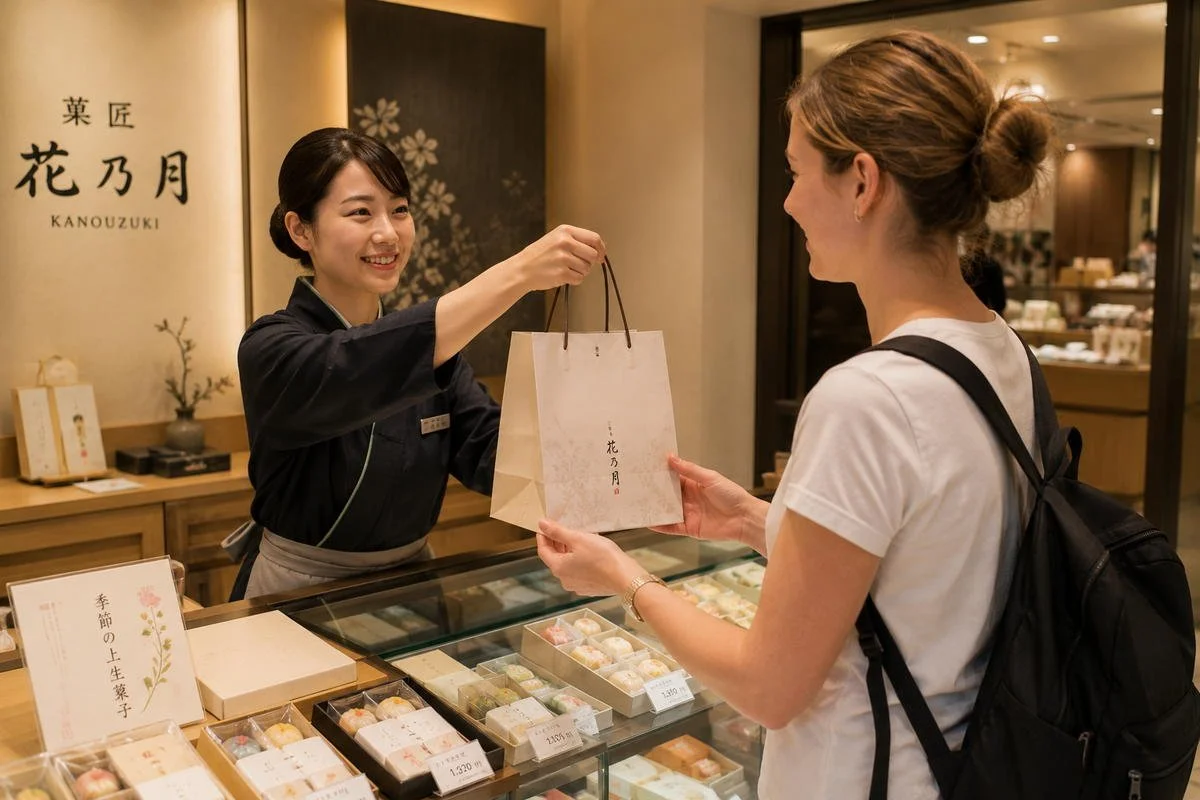
The care with which change is counted, purchases are wrapped, and customers are thanked reflects a broader way of thinking—one that values trust, consideration, and respect in even the smallest everyday interactions.
You don't need to master every payment method before arriving.
A combination of cash, a credit card, and an IC card will comfortably cover most situations you'll encounter.
What matters most is approaching each interaction with patience and appreciation.
Travel confidently.
Shop thoughtfully.
And enjoy the many moments of kindness that make everyday life in Japan so memorable.