
Chapter 6: Temple and Shrine 1
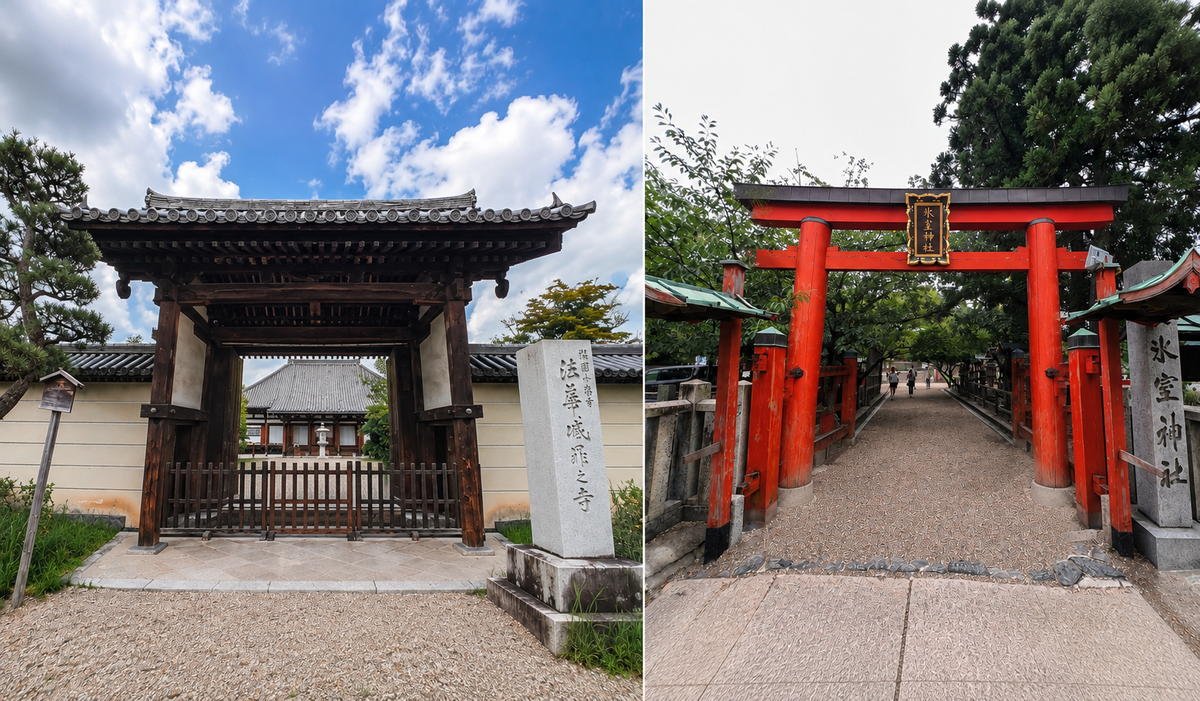
Understanding Sacred Spaces and Entering Respectfully
Visiting a temple or shrine is often one of the most memorable experiences of a trip to Japan.
You might walk beneath a bright red torii gate, hear the gentle sound of a temple bell, catch the scent of incense drifting through the air, or discover a quiet sacred site nestled among forests and mountains.
Some are world-famous landmarks. Others are small neighborhood sanctuaries visited mainly by local residents.
Regardless of their size, temples and shrines are much more than tourist attractions.
They are active places of worship where people come to pray, remember loved ones, celebrate important milestones, and find moments of peace and reflection.
Visitors are warmly welcomed at most sacred sites throughout Japan. You don't need to follow a particular religion, and nobody expects you to understand every custom before you arrive.
A calm attitude, a willingness to observe, and genuine respect are usually all that's required.
Temples and Shrines Are Not the Same
Many first-time visitors use the words temple and shrine interchangeably.
In fact, they belong to two different religious traditions.
A shrine, called a jinja (神社) in Japanese, is associated with Shinto, Japan's indigenous spiritual tradition.
A temple, known as an otera or simply tera (お寺・寺), is associated with Buddhism.
These two traditions have existed side by side for centuries, and their customs have influenced one another in many ways. Even today, many Japanese people visit both shrines and temples without seeing any contradiction.
For example, someone may visit a shrine to pray for good fortune at New Year, celebrate a wedding at another shrine, and later attend a Buddhist funeral at a temple.
For visitors, the most important distinction is that the prayer rituals are different.
We'll explain how to worship at both shrines and temples in the next part.
How to Recognize a Shinto Shrine
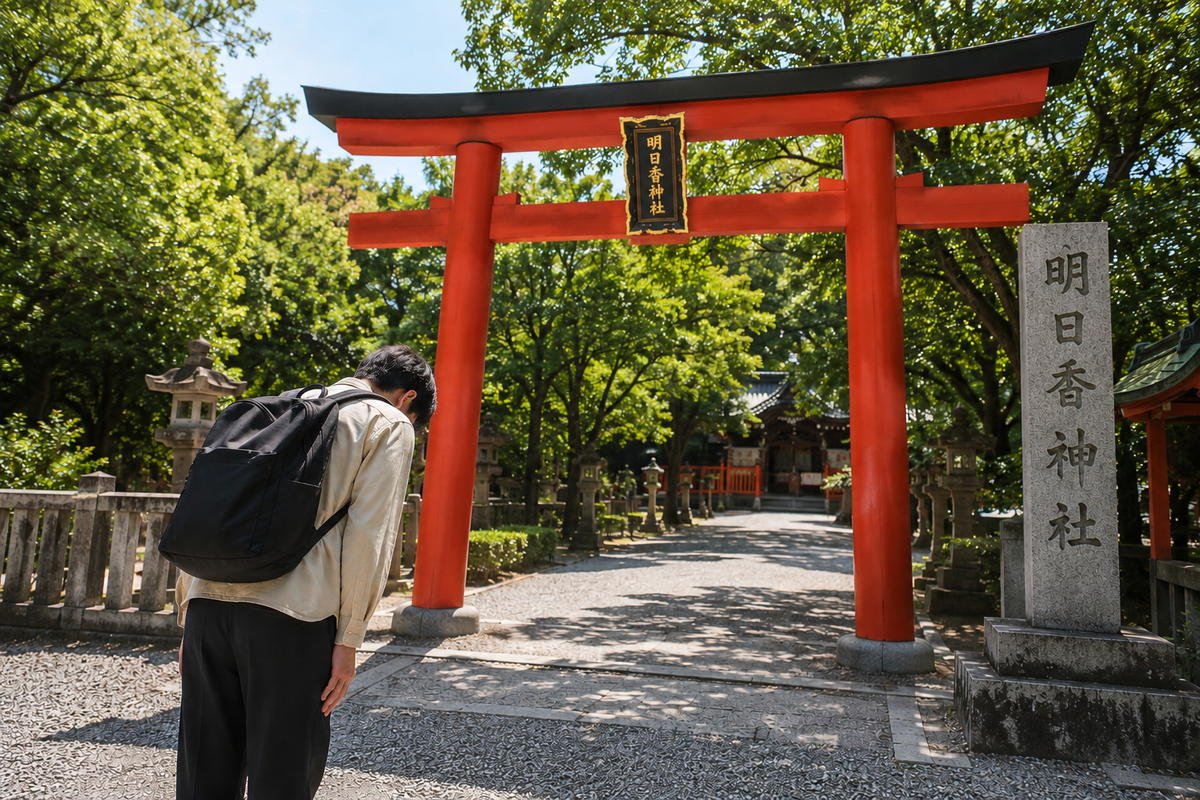
The easiest way to recognize a Shinto shrine is by its torii gate.
A torii marks the entrance to sacred ground, symbolically separating the ordinary world from the realm of the kami—the sacred presences or deities honored in Shinto.
Inside the grounds, you may also find:
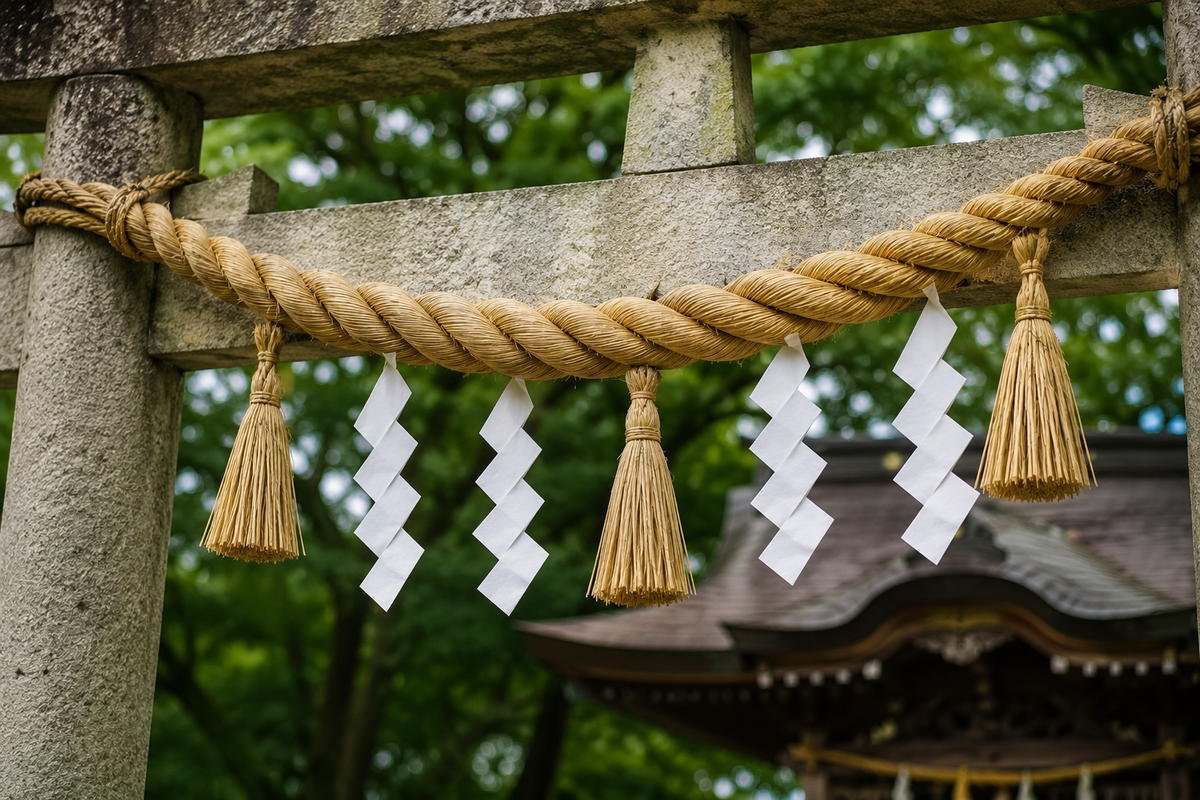
Shimenawa ropes decorated with white paper streamers called shide
Guardian statues such as komainu (lion-dogs) or foxes at Inari shrines
A purification basin where visitors wash their hands before worship
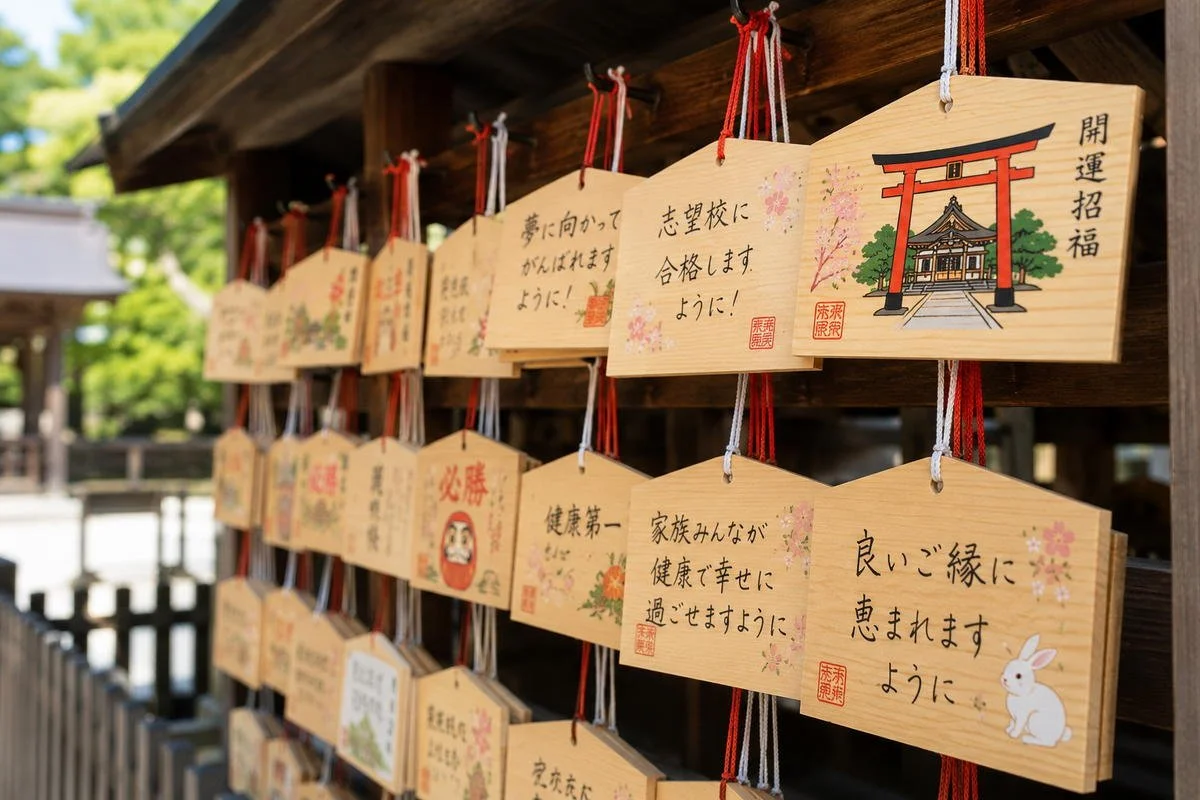
Wooden prayer plaques called ema
Bells and offering boxes in front of the worship hall
Sacred trees or other natural objects associated with the kami
Some of these features are not unique to Shinto shrines. Guardian figures, purification basins, ema, and offering boxes, for example, may also be found at Buddhist temples. Shinto and Buddhism have existed side by side in Japan for centuries, and their traditions have influenced one another in many ways.
For first-time visitors, the torii remains one of the clearest signs that you are entering a Shinto shrine.
Some shrines are painted in brilliant colors, while others are built from natural, unpainted wood. Because each shrine reflects its own history and traditions, there is no single architectural style shared by all shrines.
How to Recognize a Buddhist Temple
Buddhist temples usually have a traditional entrance gate rather than a torii.
Inside the grounds, you'll often find:
Statues of the Buddha, bodhisattvas, or other Buddhist deities
Incense burners where visitors offer incense
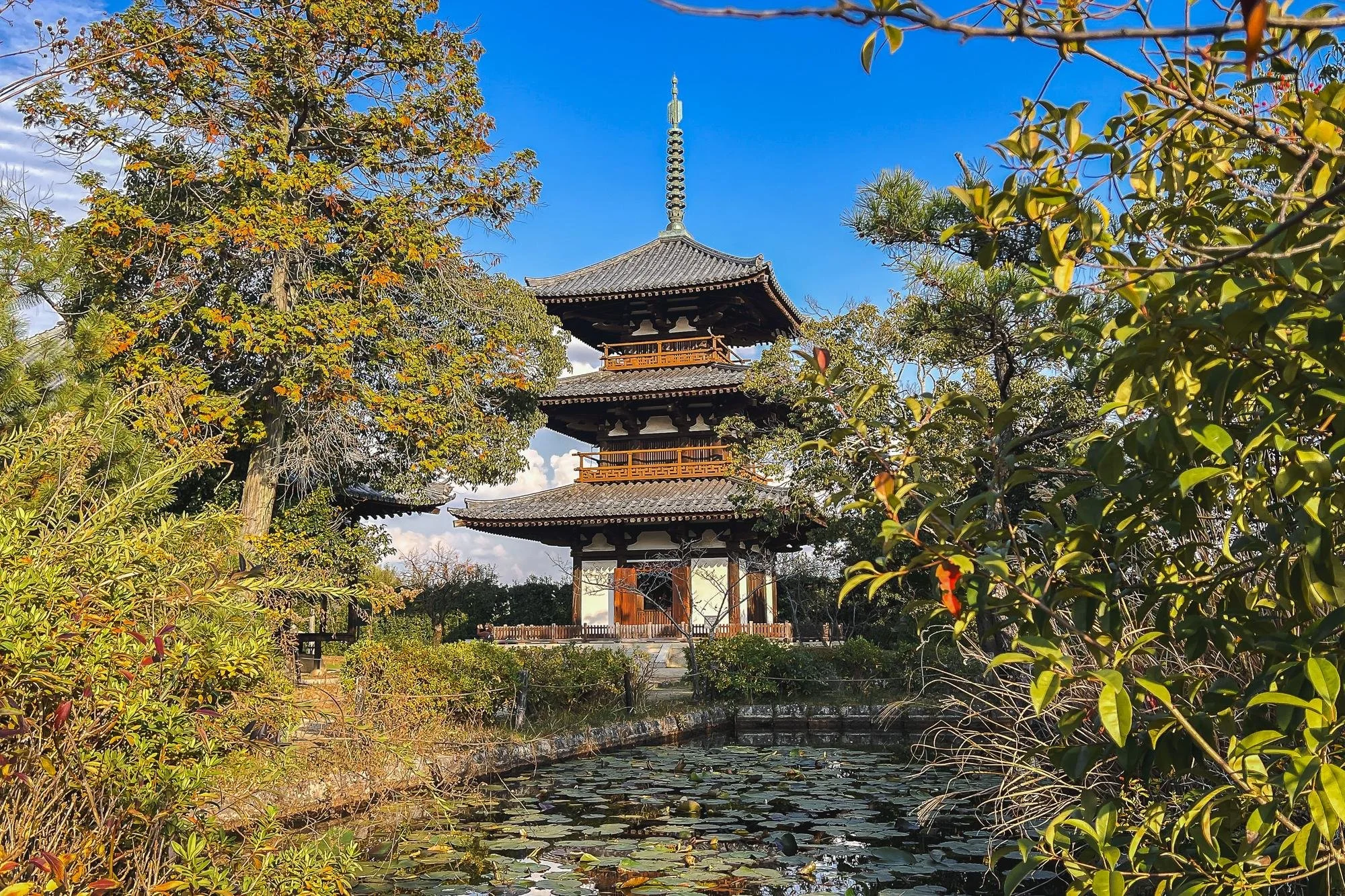
Pagodas of various sizes and styles
Large temple bells
Buddhist graveyards and memorial stones
Main halls and other buildings used for worship
Buddhist monks wearing traditional robes
Guardian figures such as Niō statues or, at some temples, komainu
Purification basins where visitors wash their hands
Wooden prayer plaques called ema at some temples
Offering boxes in front of worship halls
As you can see, some features found at Buddhist temples also appear at Shinto shrines. This overlap reflects the long history of interaction between Buddhism and Shinto in Japan.
For visitors, Buddhist statues, incense burners, pagodas, and temple halls are among the most recognizable signs that you are visiting a Buddhist temple.
Many temples also preserve beautiful gardens, historic buildings, painted screens, ancient sculptures, and other important cultural treasures.
Some temples charge an admission fee to enter special halls, gardens, or museums. These fees help preserve historic buildings, works of art, and cultural properties so future generations can continue to experience them.
A Sacred Place Is Still a Living Place
It's easy to think of famous temples and shrines as historical landmarks, especially when you've seen them in guidebooks or on social media.
In reality, many remain deeply connected to everyday life in Japan.
During your visit, you may encounter:
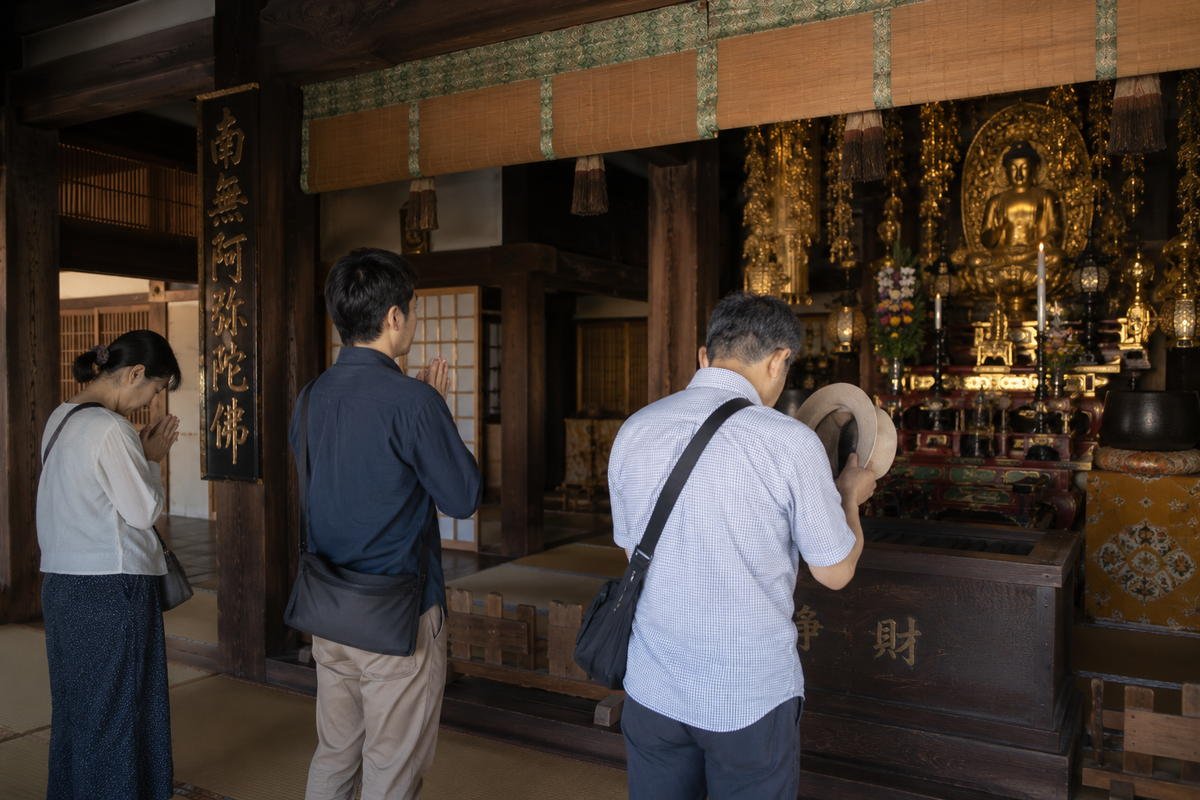
Someone offering a quiet prayer
A family celebrating a child's growth
A couple holding a wedding ceremony
Monks conducting a religious service
Local residents caring for the grounds
People visiting the graves of loved ones
These aren't performances for visitors—they're meaningful moments in people's lives.
If you happen to witness one, there's no need to leave immediately. Simply keep a respectful distance, speak quietly, and avoid interrupting the ceremony or those taking part in it.
Observing these moments respectfully can offer a deeper appreciation of the role temples and shrines continue to play in Japanese society.
Before Entering a Shrine
As you approach a torii gate, you may notice some Japanese visitors pause and give a small bow before passing through.
This simple gesture acknowledges that they're entering a sacred space.
While visitors are not expected to bow, doing so is a thoughtful way to show respect.
When leaving the shrine, some people turn back toward the torii and bow once again after passing through the gate.
A deep or formal bow isn't necessary.
A small, natural inclination of the head and upper body is perfectly appropriate.
Avoid Walking Through the Center of the Path
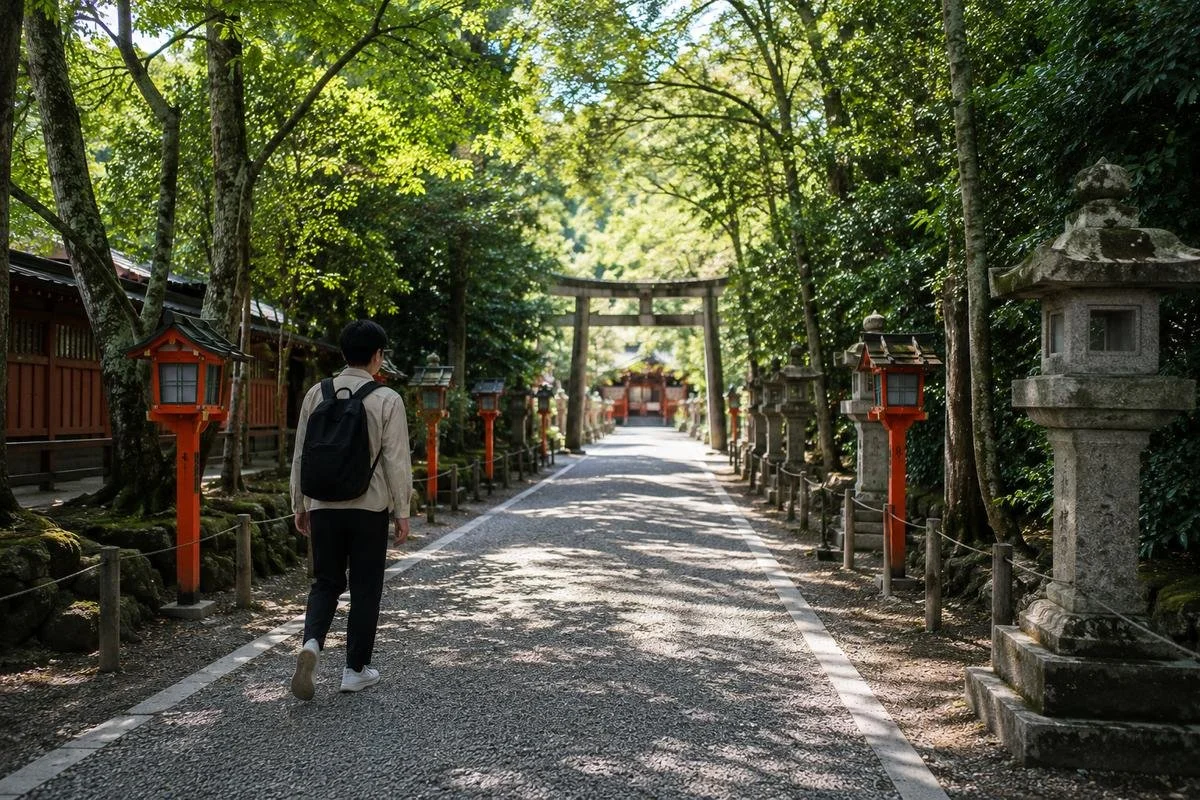
At many Shinto shrines, the center of the approach is traditionally regarded as the path of the kami.
For that reason, worshippers often walk slightly to the left or right instead of directly down the middle.
This custom is observed more carefully at some shrines than at others.
There's no need to worry about following it perfectly.
When space allows, simply avoiding the exact center is a thoughtful way to show consideration.
At busy shrines, however, it's more important to follow the natural flow of visitors and move safely than to focus on perfect etiquette.
Entering a Buddhist Temple
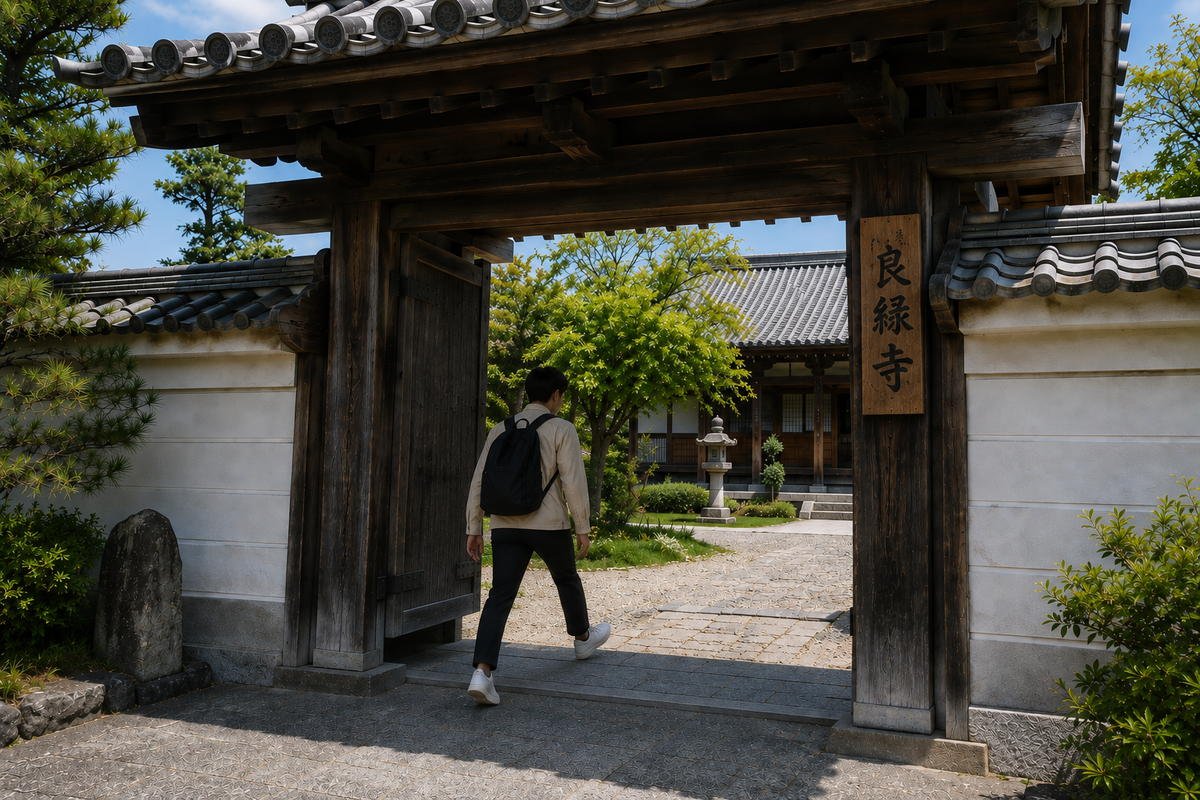
Buddhist temples often have a large entrance gate rather than a torii.
Some visitors pause and bow slightly before entering, although this custom is generally less formal than at a Shinto shrine.
As you pass through traditional gates or enter historic buildings, avoid stepping directly on raised wooden thresholds.
Instead, step over them.
Thresholds are part of the building's structure and may also carry symbolic significance.
Stepping on them repeatedly can cause unnecessary wear, especially in centuries-old buildings.