
Chapter 12: Visiting Rural Japan 1
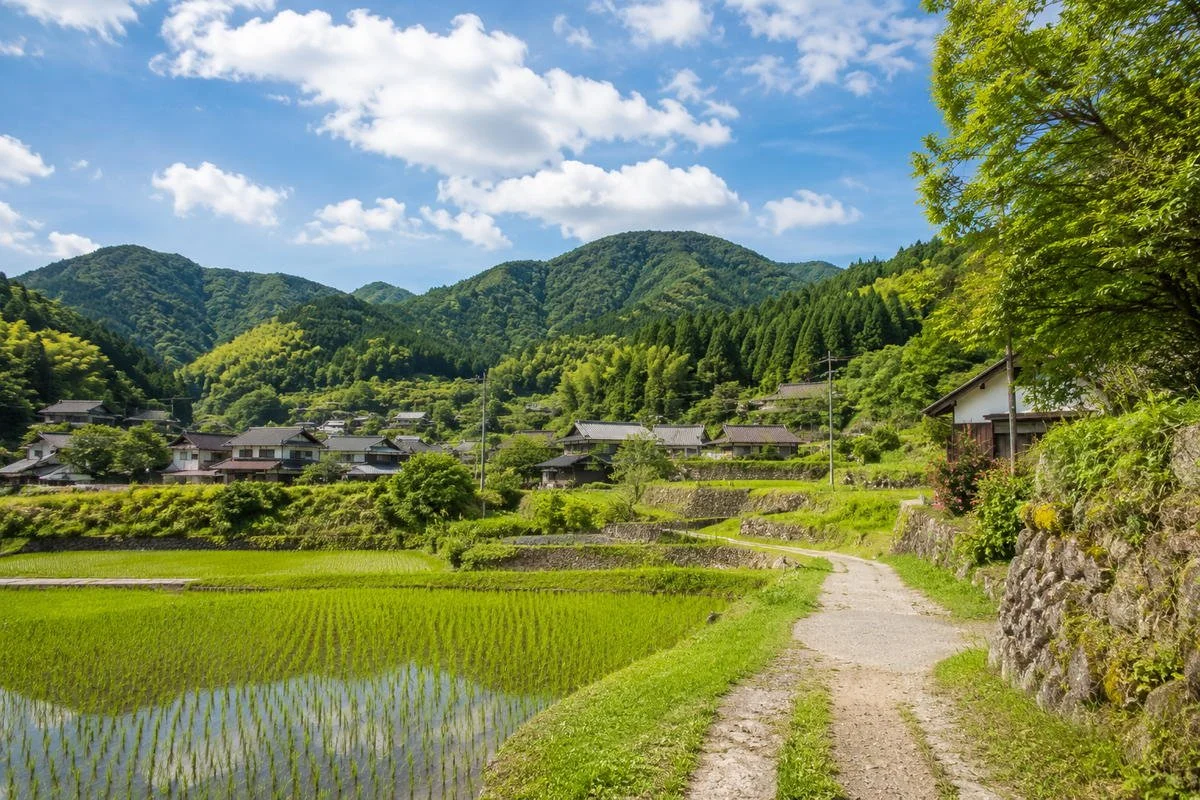
Discovering a Different Side of Japan
When many people imagine Japan, they picture Tokyo's dazzling skyline, Osaka's lively food streets, or Kyoto's famous temples.
These places are wonderful—but they represent only part of the country.
Beyond the major cities lies another Japan.
A quieter Japan.
A landscape of mountain villages, peaceful rice fields, ancient forests, traditional festivals, and communities where life follows the rhythm of the seasons.
For many travelers, visiting rural Japan becomes one of the most memorable parts of their journey.
Not because there are more famous attractions, but because life simply feels different there.
Life Moves at a Different Pace
One of the first things you'll notice in the countryside is the slower pace.
People often walk a little more slowly.
Traffic is lighter.
Conversations feel unhurried.
Shops may close earlier than you're used to.
Some businesses take regular days off during the week.
Rather than expecting rural areas to operate like large cities, embrace the slower rhythm.
It offers a chance to experience a side of Japan that many visitors never see.
You're Visiting a Community, Not Just a Destination
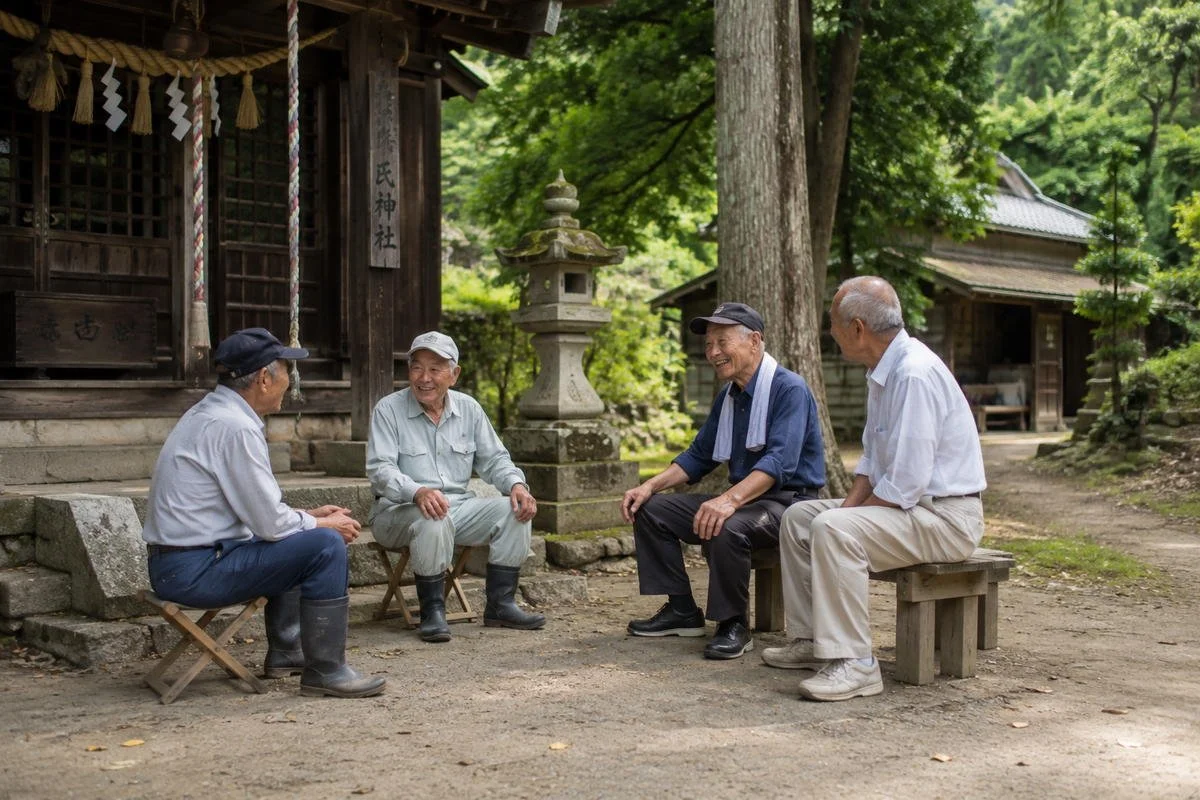
Historic villages, farming communities, and small towns may welcome visitors, but they're also places where people live, work, raise families, and know one another.
As you explore, remember that everyday life continues around you.
Simple habits such as speaking at a moderate volume, respecting private property, and avoiding unnecessary noise help preserve the peaceful atmosphere that makes these places so special.
Travel becomes far more rewarding when you see yourself as a guest in someone's community rather than simply a tourist visiting an attraction.
Small Businesses Are Part of the Experience
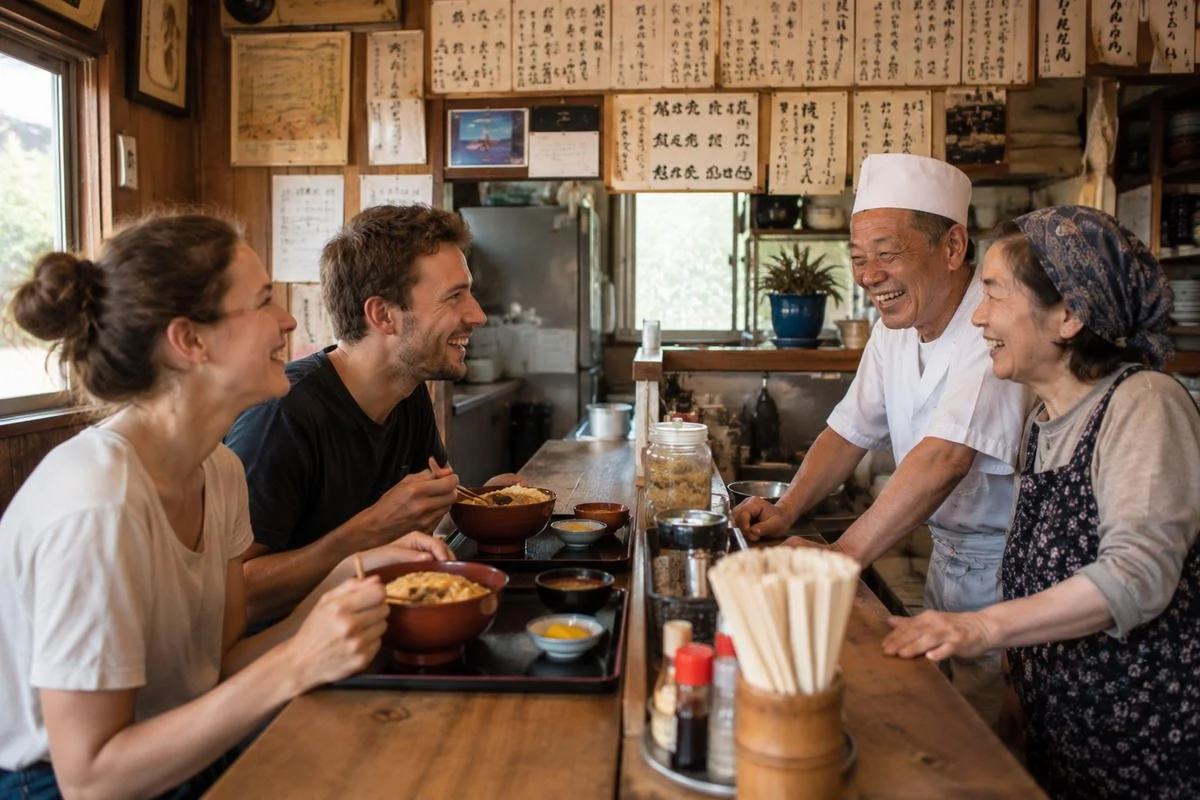
Many rural cafés, restaurants, inns, and shops are family-owned.
Some have been operated by the same family for generations.
Service may feel more personal than in large cities, and conversations with the owners are often part of the experience.
Because these businesses are usually small, a little patience goes a long way.
You may find that the owner is preparing meals, serving customers, answering the phone, and operating the register—all at the same time.
Rather than expecting fast service, enjoy the opportunity to slow down and appreciate the hospitality.
Quiet Is Part of the Landscape
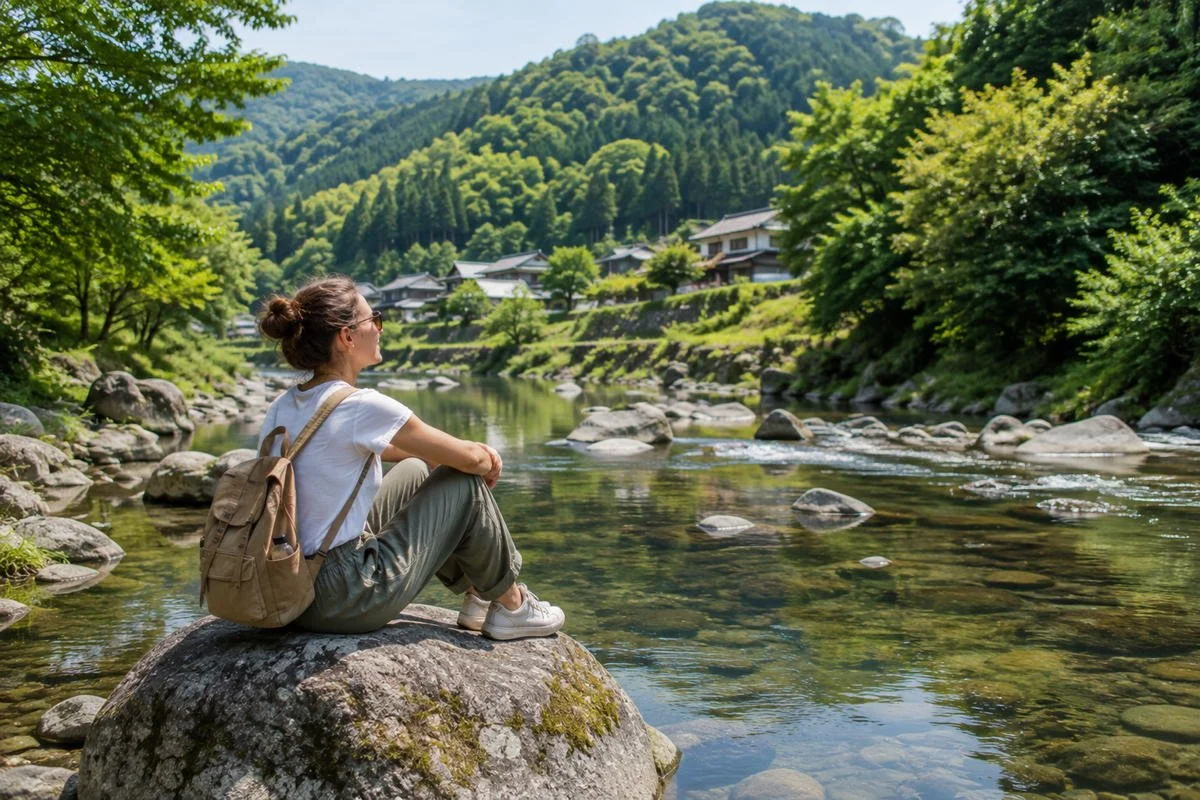
In many rural areas, one of the most memorable features isn't something you'll see.
It's something you'll hear.
Birdsong.
Flowing rivers.
Wind moving through bamboo.
Temple bells in the distance.
The quiet itself becomes part of the experience.
Speaking softly and avoiding unnecessary noise allows everyone to enjoy these sounds together.
Sometimes, silence becomes one of the most memorable parts of a journey.
Nature Is Meant to Be Respected
Japan's countryside is closely connected to nature.
Mountain trails, rivers, forests, and farmland are often cared for by local communities that have lived there for generations.
Stay on marked paths whenever possible.
Avoid entering fields, orchards, or private land without permission, even if there are no fences.
A beautiful photograph is never worth damaging crops or disturbing someone's livelihood.
Respecting nature also means leaving places exactly as you found them.
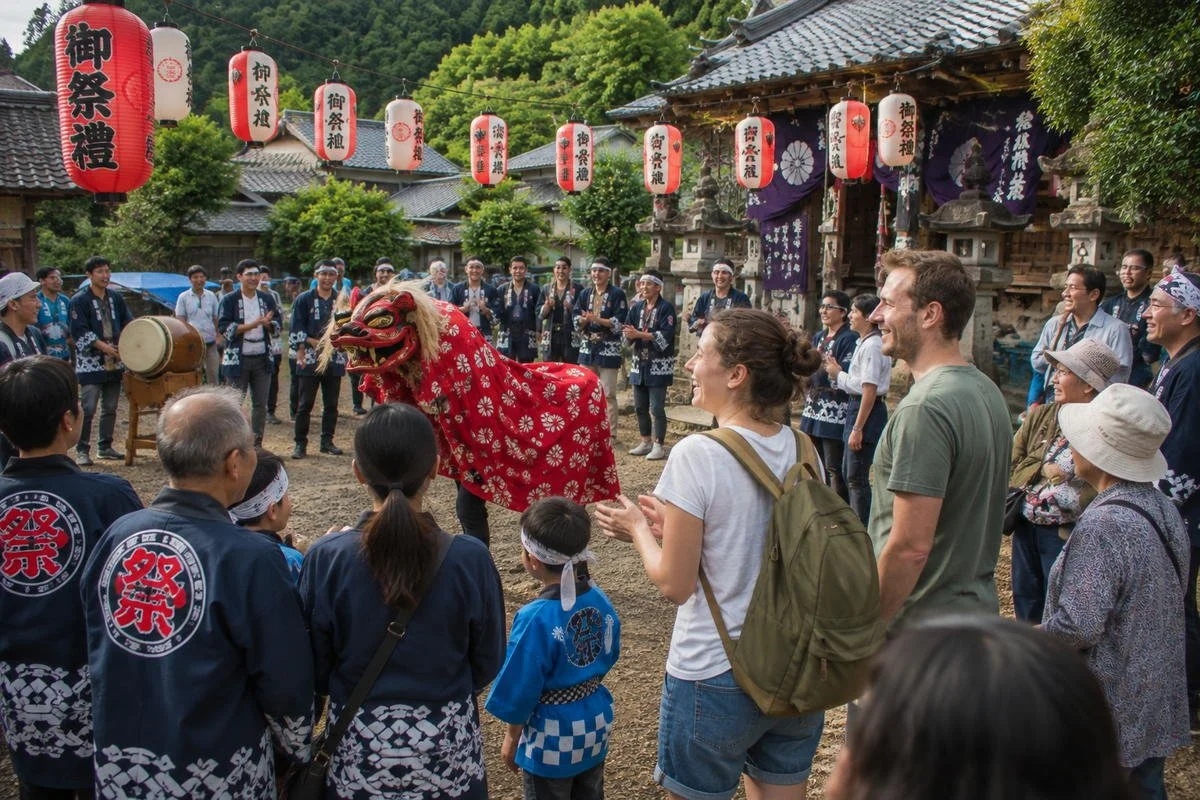
Local Traditions Are Living Traditions
You may come across seasonal festivals, roadside shrines, community gatherings, or local customs that feel unfamiliar.
These aren't performances created for visitors.
They're living traditions that continue to play an important role in community life.
If you're fortunate enough to witness one, observe respectfully and follow any instructions from organizers or local residents.
Simply being welcomed to observe can be a special privilege.
Take Time to Look Around
One of the greatest pleasures of rural travel is discovering the unexpected.
A tiny shrine hidden among cedar trees.
An elderly couple tending a vegetable garden.
A handmade sign pointing toward a scenic overlook.
A local bakery you've never read about online.
These quiet discoveries often become the memories that stay with you the longest.
Did You Know?
Around three-quarters of Japan is mountainous, and much of the country consists of forests, valleys, rivers, and small communities beyond the major metropolitan areas.
For centuries, these landscapes have shaped Japan's culture, traditions, and way of life.
Local Tip
When exploring a small town or village, leave yourself extra time.
Some of the best travel experiences aren't listed in guidebooks—they happen when you slow down enough to notice what's around you.