Ishibutai Kofun: Inside Asuka's Monumental Stone Tomb
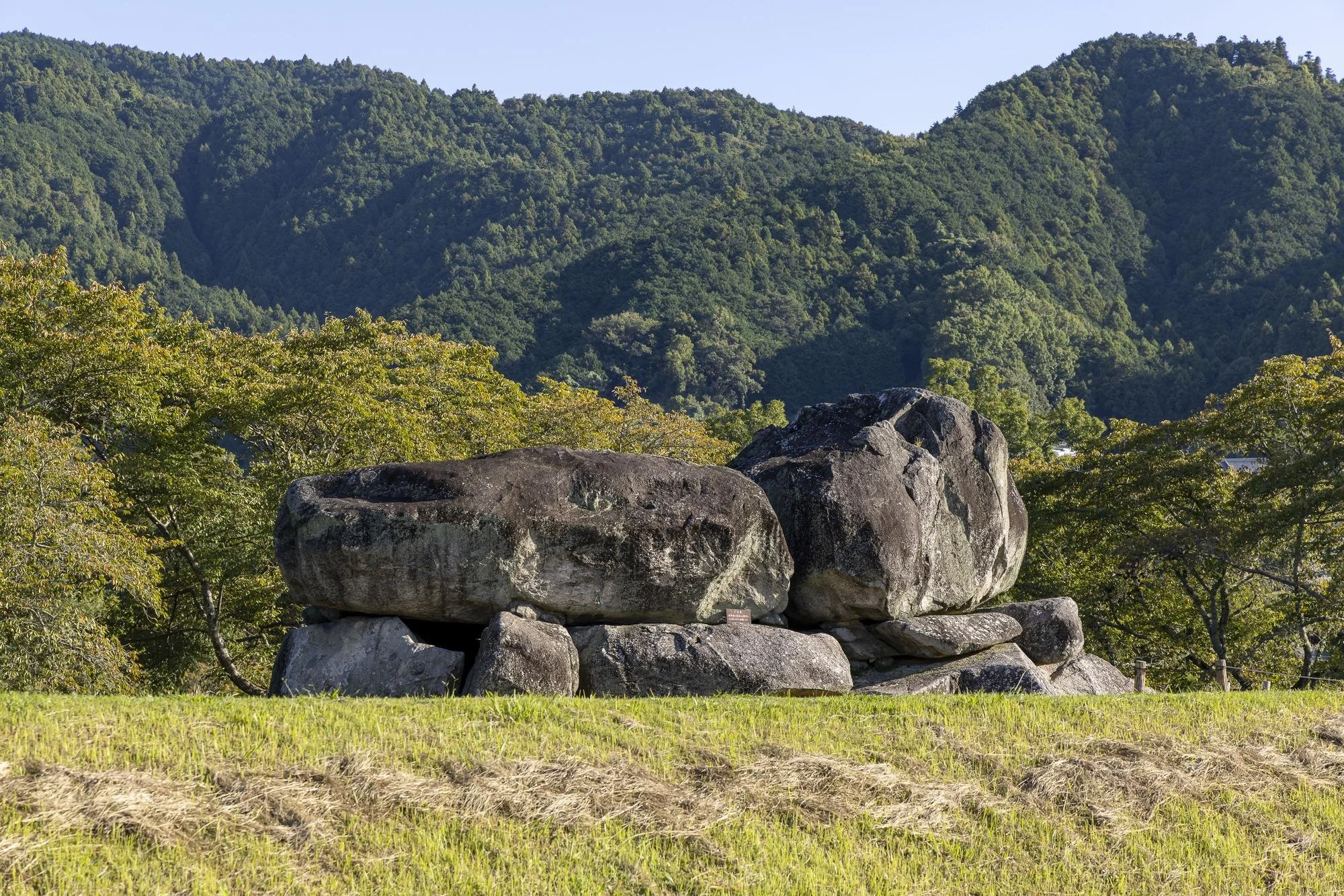
Ishibutai Kofun, where the loss of the original earthen mound left its enormous stone burial chamber exposed.
254 Shimasho, Asuka, Takaichi District, Nara, Japan
MAP
At first, Ishibutai Kofun hardly looks like a tomb.
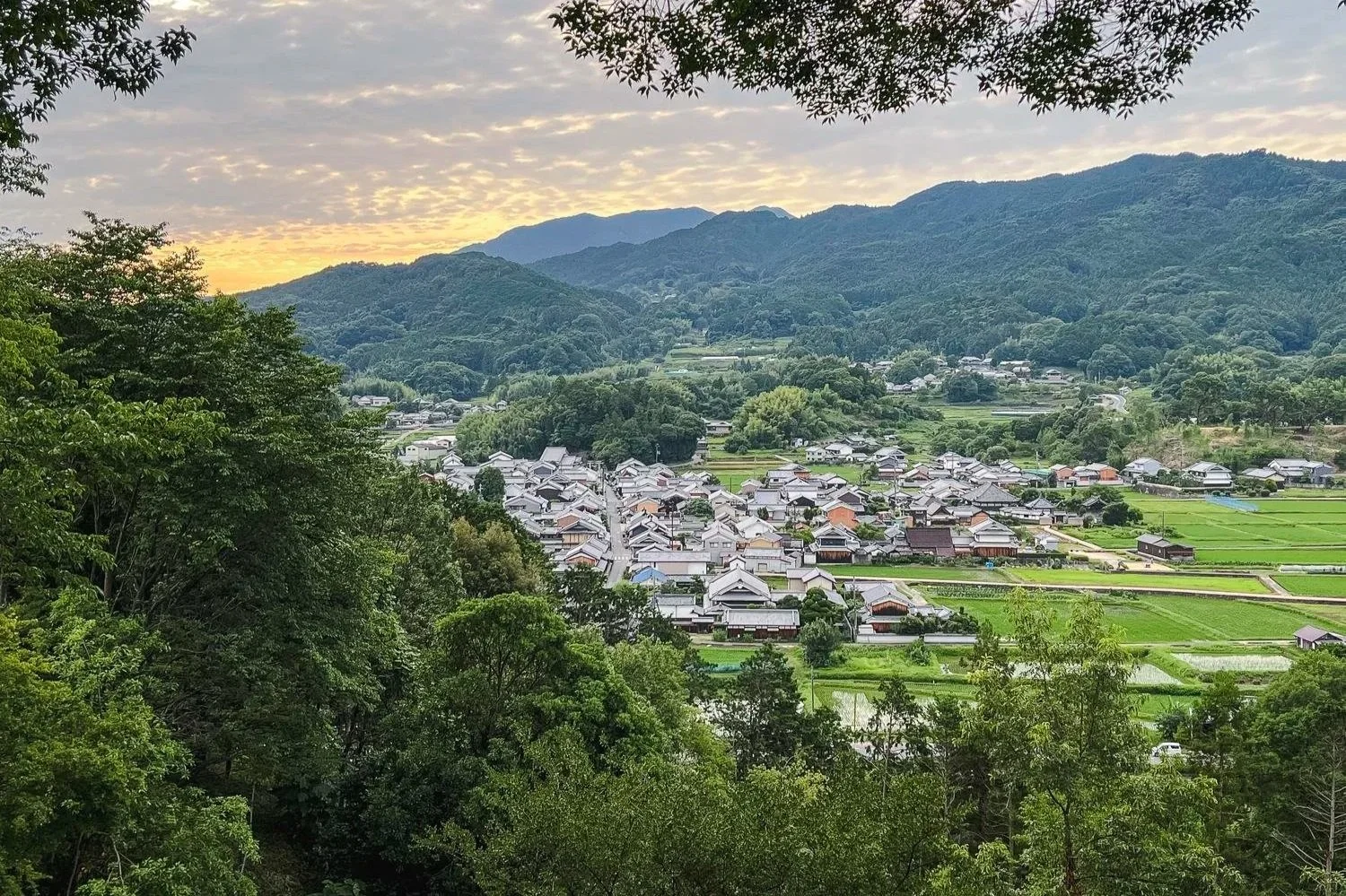
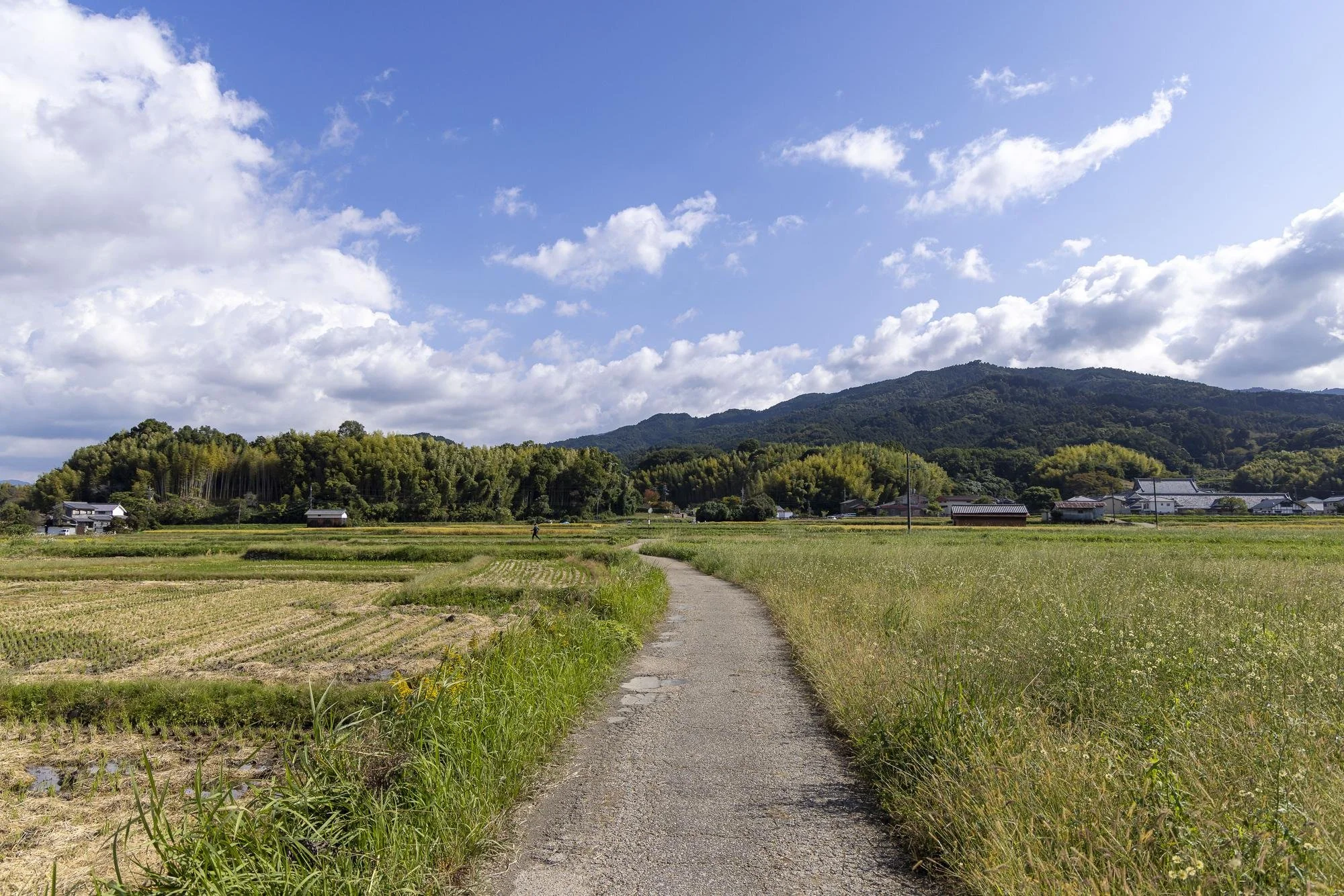
Huge stones rise from the ground in the middle of the peaceful Asuka countryside. Walk closer, however, and an entrance appears beneath them. Step through it, and you find yourself inside a stone burial chamber built more than 1,400 years ago.
This is Ishibutai Kofun, one of Asuka's most recognizable archaeological sites—and one of the few ancient tombs in Japan where you can actually walk inside the stone chamber.
But what we see today is only part of the original tomb.
What Is Ishibutai Kofun?
Ishibutai Kofun was constructed around the beginning of the seventh century, when Asuka was becoming the political center of ancient Japan.
Today, it is famous for its enormous exposed stone chamber. Originally, however, these stones were covered by a large mound of earth.
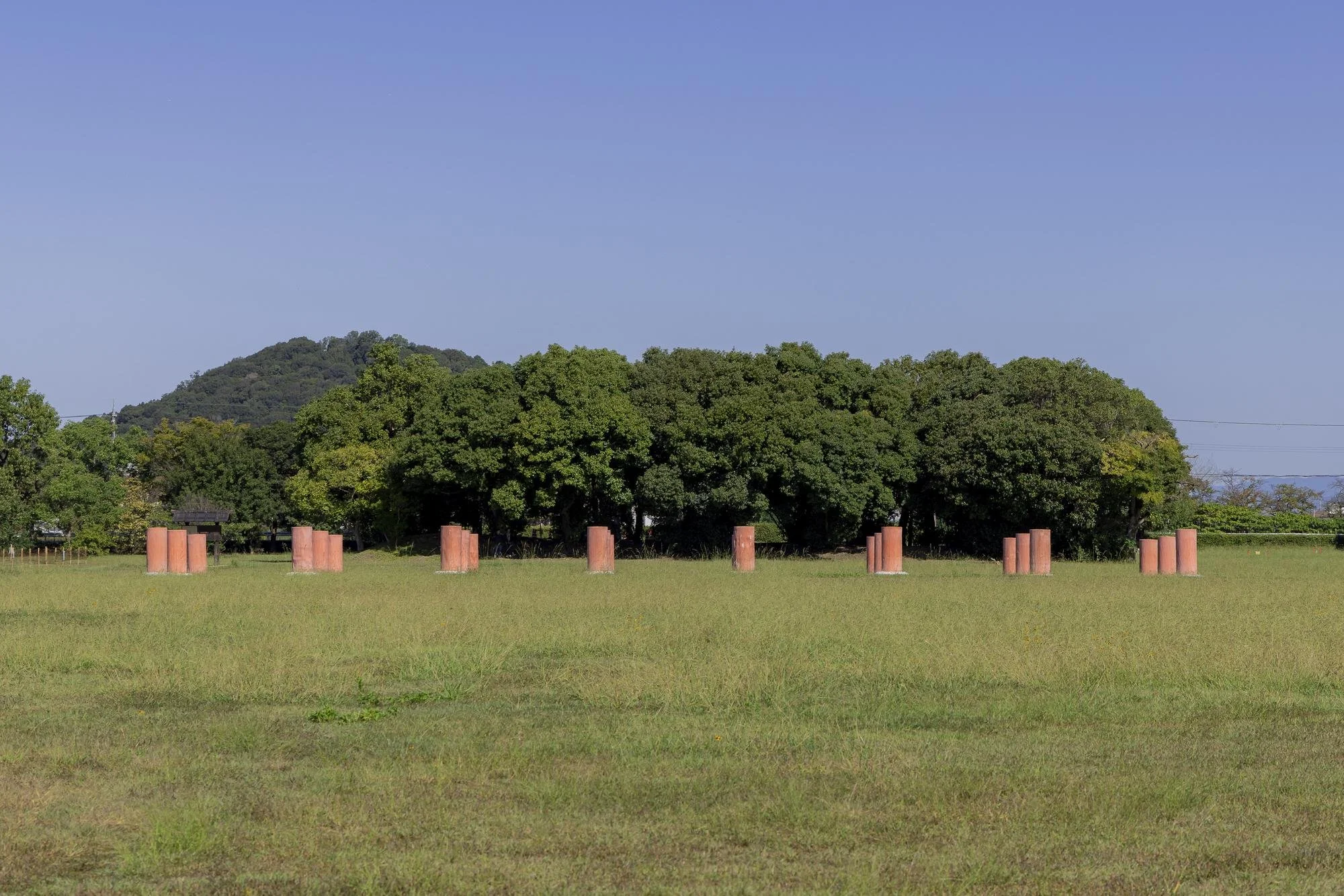
Excavations conducted from 1933 to 1935 confirmed that Ishibutai was originally a large square-shaped tomb surrounded by a moat and an outer moat.
By the Edo period, however, much of the earthen mound had already been lost and the massive stones of the burial chamber were exposed. Historical records from the eighteenth and nineteenth centuries describe the tomb in this unusual form.
That exposed stone chamber is what gives Ishibutai its distinctive appearance today.
That unusual appearance is what makes Ishibutai so striking today.
Why Is It Called “Ishibutai”?
The name Ishibutai literally means “stone stage.”
The upper surfaces of the enormous ceiling stones are broad and flat, giving them the appearance of a stage made of stone. This distinctive shape is believed to be the origin of the name by which the tomb has long been known.
Seen from outside, the stones are impressive.
Seen from underneath, they are even more remarkable.
How Big Are the Stones?
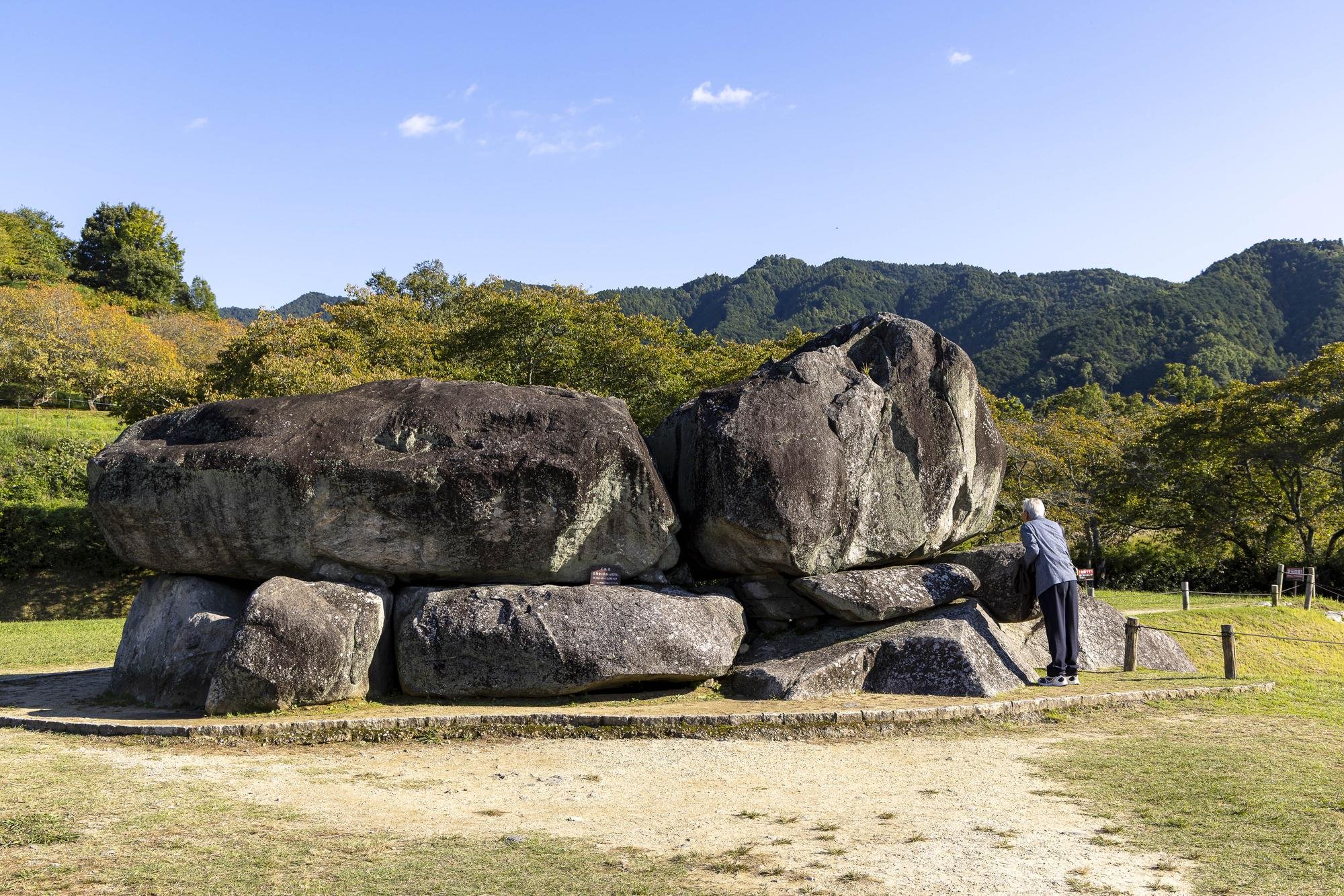
A visitor beside Ishibutai Kofun reveals the extraordinary scale of the massive stones used to construct the tomb.
More than 30 stones were used to construct the burial chamber, with a combined weight estimated at approximately 2,300 tons.
One of the massive ceiling stones alone weighs about 77 tons.
Those numbers are difficult to appreciate until you stand beside the tomb.
There were no modern cranes or trucks. The stones had to be transported, positioned, and assembled using the technology and labor available more than 1,400 years ago.
Ishibutai therefore tells us more than how an important person was buried. Its scale also gives us a glimpse of the engineering knowledge, organization, and human effort that could be mobilized in ancient Asuka.
How Was Ishibutai Built?
The exposed stones can make Ishibutai look almost like a giant stone structure assembled directly on the ground.
Its construction, however, was much more complex.
The walls of the burial chamber were built in stages. Earth was piled around and within the structure as construction progressed, helping workers position increasingly large stones at higher levels. Finally, the enormous ceiling stones were placed above the chamber.
The surrounding earth also formed the mound that originally concealed the stone chamber.
When you visit today, try to imagine the stones not as an exposed monument, but hidden beneath a large earthen tomb.
It completely changes the way Ishibutai looks.
Was Ishibutai the Tomb of Soga no Umako?
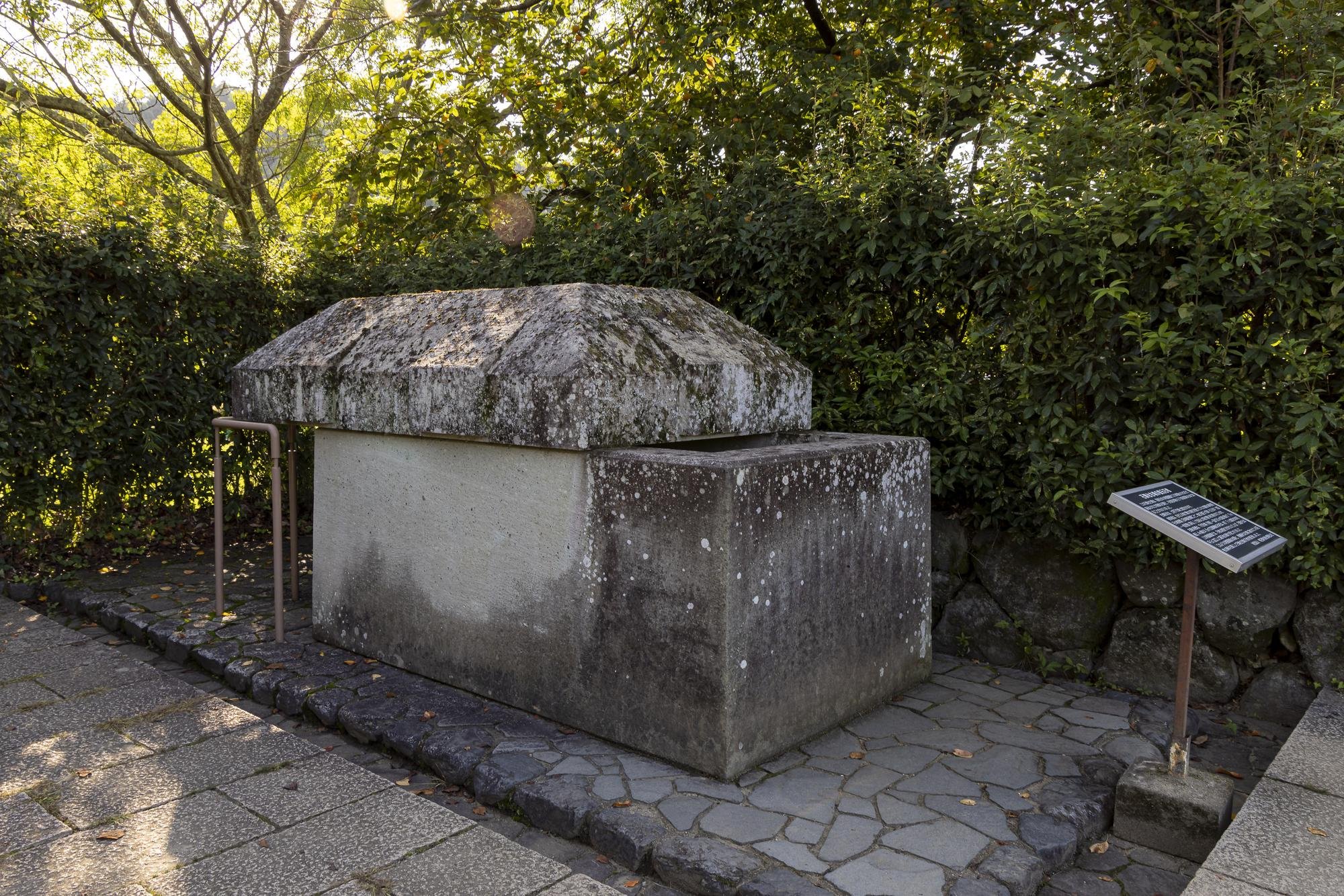
A reconstructed stone coffin near Ishibutai Kofun offers visitors an idea of how a coffin associated with a tomb of this period may have appeared.
One of the great mysteries of Ishibutai is the identity of the person buried here.
The tomb is widely believed to have been associated with Soga no Umako, one of the most powerful political figures of the late sixth and early seventh centuries.
The Soga clan played an important role in the politics of Asuka and in the establishment of Buddhism in Japan. Umako was also closely connected with the construction of Asuka-dera.
However, no definitive evidence has been found proving that Ishibutai was his tomb.
For that reason, it is better to say that Ishibutai is traditionally considered a possible tomb of Soga no Umako, rather than presenting the identification as established fact.
The uncertainty is part of what makes the site fascinating.
Step Inside the Stone Chamber
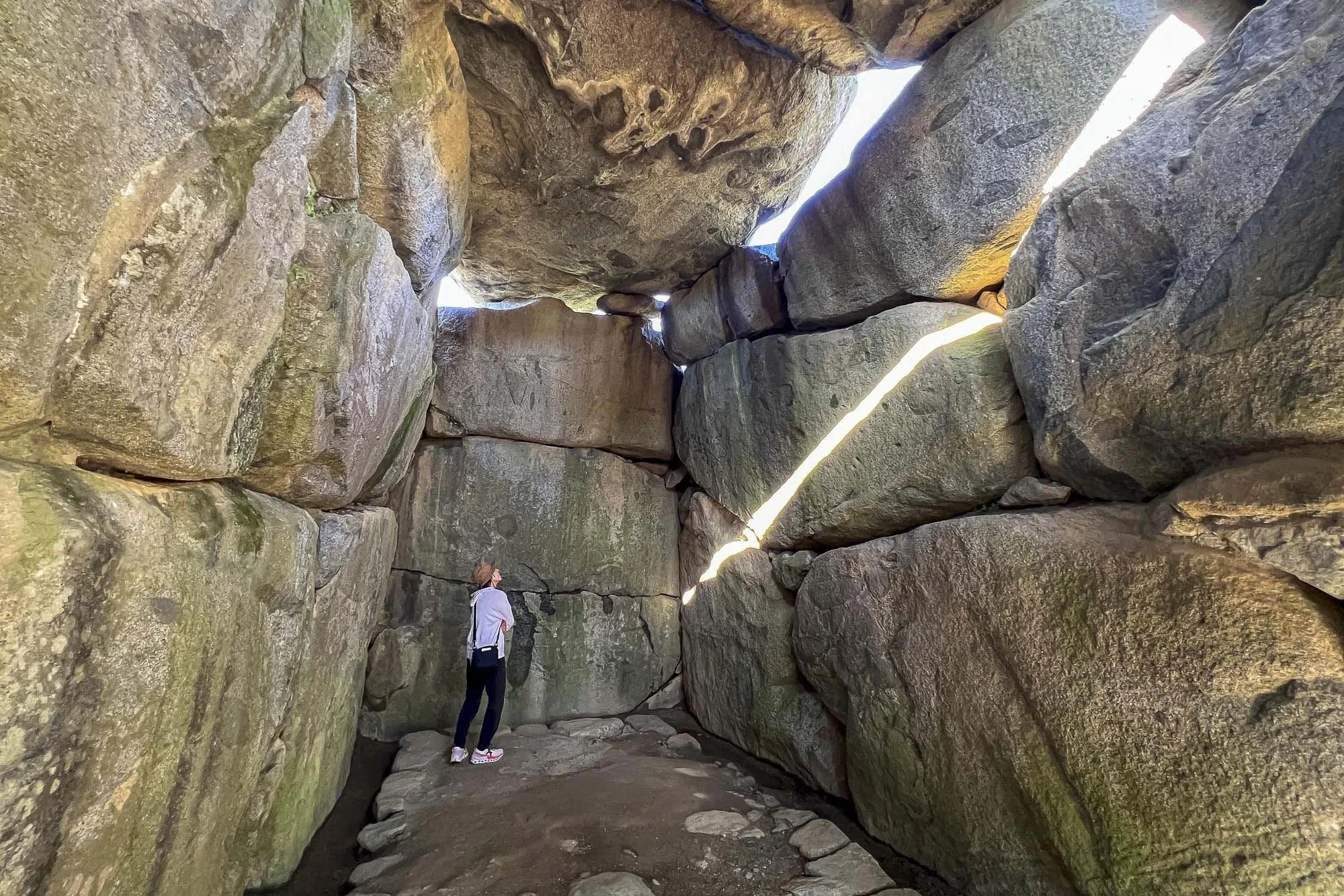
Standing inside Ishibutai Kofun makes the extraordinary scale of its massive stone burial chamber immediately clear.
This is where Ishibutai becomes more than something you simply look at.
Visitors can enter the stone chamber and stand beneath the enormous ceiling stones.
From outside, Ishibutai can feel monumental. Inside, the experience becomes much more personal.
You can see how the stones fit together, notice their uneven surfaces, and understand their scale in relation to your own body.
For a moment, the tomb stops being an archaeological site in a history book.
You are standing inside a space constructed by people more than fourteen centuries ago.
If you visit Ishibutai, do not stop after taking the classic photograph from outside. Go inside.
That is where the scale of the tomb truly becomes clear.
Ishibutai and the UNESCO World Heritage Site
In 2026, Ishibutai Kofun became one of the 19 component parts of the UNESCO World Heritage Site Ancient Capitals of Asuka and Fujiwara.
Learn more about all 19 component sites in our complete guide to the Ancient Capitals of Asuka and Fujiwara.
The World Heritage property brings together palace and government sites, Buddhist temple sites, and mounded tombs that illustrate the transformation of Asuka and Fujiwara during the formation of Japan's early centralized state.
Ishibutai represents one part of that story: the enormous resources and labor invested in the burial of a member of the ruling elite.
It becomes even more meaningful when seen alongside places such as Asuka-dera and the Asuka Palace Site.
Visiting Ishibutai Kofun
Ishibutai is located in the Ishibutai Area of Asuka Historical National Government Park, surrounded by the rural landscape of Asuka.
Allow about 30 to 45 minutes for the tomb itself. Give yourself a little more time if you want to walk around the surrounding park or simply enjoy the landscape.
Ishibutai also works particularly well as part of a route through central Asuka, together with Asuka-dera, the Asuka Palace Site, and Oka-dera.
Planning a full day in the area? Follow our suggested one-day Asuka itinerary for first-time visitors.
And there is no need to rush.
Sometimes the best way to appreciate Ishibutai is simply to stand beneath those enormous stones and ask the most obvious question:
How did people build this more than 1,400 years ago?
Explore Ishibutai and Asuka with Discover Nara
Ishibutai is impressive even before you know its story. But understanding what once covered these enormous stones, how the tomb was constructed, and who may have been buried here makes standing inside the chamber even more remarkable.
Discover Nara visits Ishibutai on our guided tours of Asuka, connecting the tomb with the temples, palace sites, people, and political changes that shaped this region more than 1,400 years ago.
Step inside the stone chamber, explore the surrounding countryside, and discover the story behind one of Asuka's most extraordinary ancient monuments.