One Day in Asuka: A Suggested Itinerary for First-Time Visitors
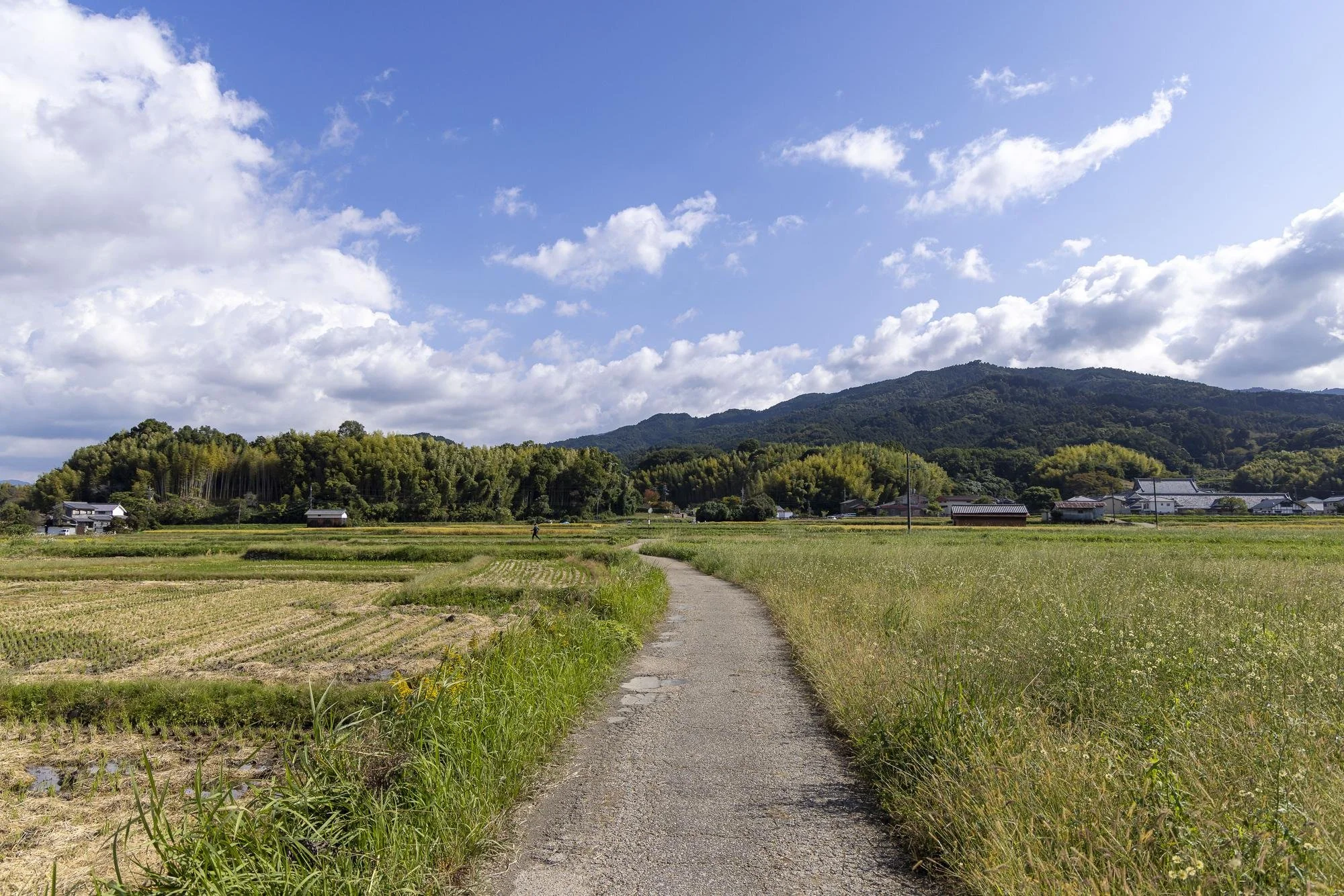
A day in Asuka is best enjoyed slowly, moving through ancient history and the peaceful countryside that connects it.
Asuka is not a place you simply arrive at, see one famous attraction, and leave.
Its history is spread across an entire landscape.
Ancient temples stand beside modern villages. Palace ruins lie among fields. Kofun burial mounds rise from the countryside. Small roads wind between rice paddies, wooded hills, shrines, archaeological sites, and places where some of the most important changes in early Japanese history took place.
That is part of what makes Asuka so rewarding.
It is also what makes planning your first visit a little different from planning a day in a compact sightseeing district.
You could spend a full day moving from one famous site to another and still miss the character of the place.
If you are new to the area, start with our guide to what Asuka is and why it played such an important role in the beginnings of ancient Japan.
A better approach is to choose a manageable route that introduces several different sides of Asuka—politics, Buddhism, kofun, archaeology, and the rural landscape that connects them.
This suggested one-day itinerary is designed for first-time visitors.
It does not attempt to include everything.
Instead, it follows a natural route from the northern side of Asuka toward Asuka Station, combining some of the region's most important historical sites with enough time to actually experience the countryside between them.
Before You Start: How Much Can You Really See in One Day?
Asuka looks small on a map.
In practice, its historic sites are spread across a broad rural area.
Asuka Historical National Government Park itself is divided among several separate areas across the village, including Amakashi-no-Oka, Ishibutai, Takamatsuzuka, and Kitora. The village's sightseeing buses likewise connect multiple sites between Kashiharajingu-mae Station and Asuka Station.
This is why trying to see "everything" in a single day is usually not the best goal.
For a first visit, six or seven meaningful stops are more than enough.
You will understand Asuka better if you have time to stand on a hill and look across the landscape, walk through a temple slowly, enter an ancient stone chamber, and notice how fields and villages exist beside archaeological remains.
The itinerary below assumes that you begin around 9:00 a.m. and finish near Asuka Station in the late afternoon.
It works best by bicycle, a combination of bus and walking, or with private transportation.
Exact travel times will vary, so think of the times below as a framework rather than a strict schedule.
Not sure how to reach Asuka? See our practical guide to getting to Asuka from Osaka and Kyoto before planning your day.
9:00 a.m. — Begin at Kashiharajingu-mae Station
For this itinerary, start at Kashiharajingu-mae Station East Exit.
The station is a useful northern gateway to Asuka and one of the main departure points for local transportation into the village. The official Asuka access information identifies both Kashiharajingu-mae and Asuka Station as convenient stations for exploring the area.
Starting here also makes geographical sense.
Instead of beginning in the south and repeatedly backtracking, you can gradually travel south through Asuka and finish the day near Asuka Station.
This is also the usual meeting point for Discover Nara's Asuka tours.
Before leaving the station area, make sure you have water, comfortable walking shoes, and a clear idea of how you will move between sites.
If you are cycling, this is also the time to check your route carefully.
Asuka is peaceful, but it is not completely flat.
9:20 a.m. — See Asuka from Amakashi-no-Oka Hill
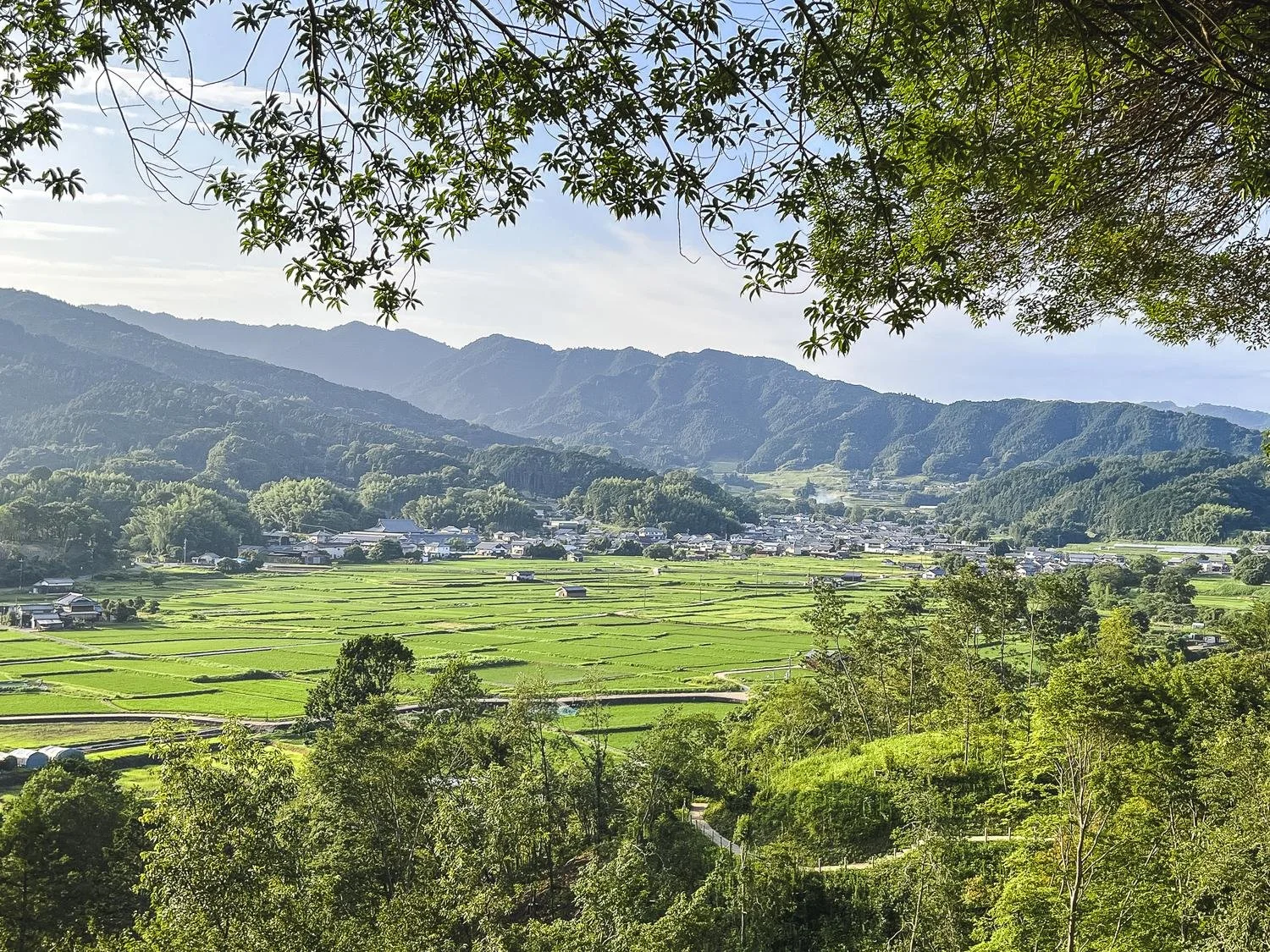
Looking across Asuka from Amakashi-no-Oka helps reveal how ancient sites, villages, fields, and mountains form one historic landscape.
Your first historical stop is not a temple or a kofun.
It is a viewpoint.
That is intentional.
Amakashi-no-Oka Hill is one of the best places to begin understanding Asuka because it allows you to see the landscape before you begin exploring individual sites.
From the hill, the villages, fields, mountains, and historic areas of Asuka spread out below you.
What may have seemed like a collection of disconnected names on a map begins to make sense as a real place.
Asuka-dera lies below.
The wider palace area extends across the landscape.
Mountains frame the basin.
Modern homes and farmland occupy the same setting in which ancient political and religious centers once stood.
Take your time here.
You do not need a long visit, but twenty or thirty minutes can completely change the way you see the rest of the day.
Asuka is easier to understand once you stop thinking of it as a list of attractions and begin seeing it as one historical landscape.
10:00 a.m. — Visit Asuka-dera
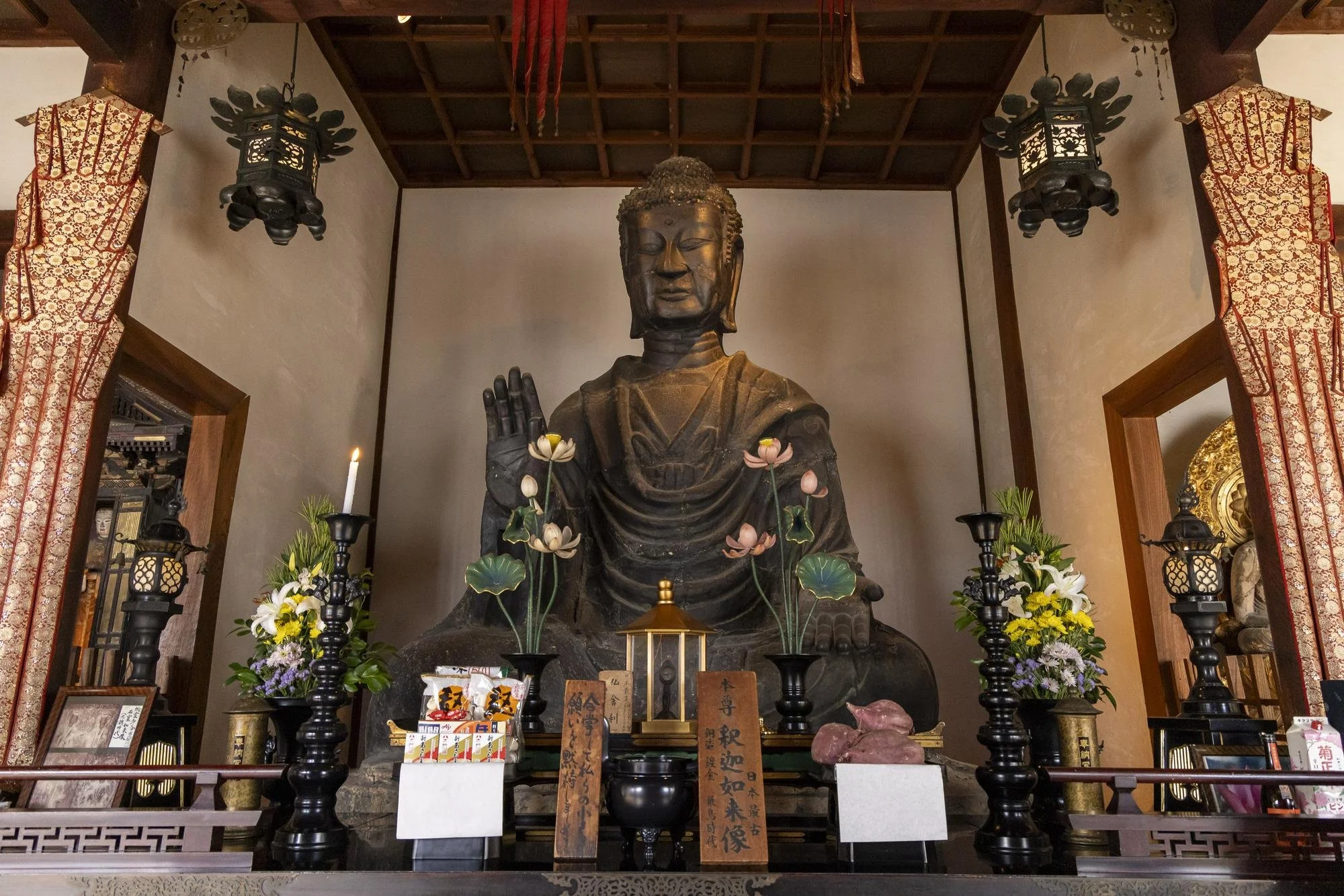
Asuka-dera introduces visitors to the period when Buddhism began transforming the religious and cultural landscape of ancient Japan.
From Amakashi-no-Oka, continue to Asuka-dera.
For a first-time visitor, this is one of the most important places to include.
Asuka-dera was established during the period when Buddhism was taking root in Japan and represents a major stage in the development of full-scale Buddhist temple culture. The World Heritage documentation places the Asuka-dera Temple Site among the Buddhist temple components that help illustrate the cultural and political transformation of Asuka and Fujiwara.
Today, the temple is much smaller than the original ancient complex.
That contrast is worth remembering.
More than 1,400 years ago, this area would have represented something profoundly new.
Buddhist architecture, religious images, craftsmen, construction techniques, and ideas arriving through connections with the Korean Peninsula and China were changing the cultural landscape of Japan.
Inside the temple, the Great Buddha of Asuka provides a powerful focal point.
But do not rush immediately back outside after seeing it.
Look around the grounds.
Notice the scale of the modern village surrounding the temple.
Part of Asuka's appeal lies in this relationship between a nationally important historical place and an ordinary living community.
Allow roughly 40 to 50 minutes here.
11:00 a.m. — Walk Through the Asuka Palace Site
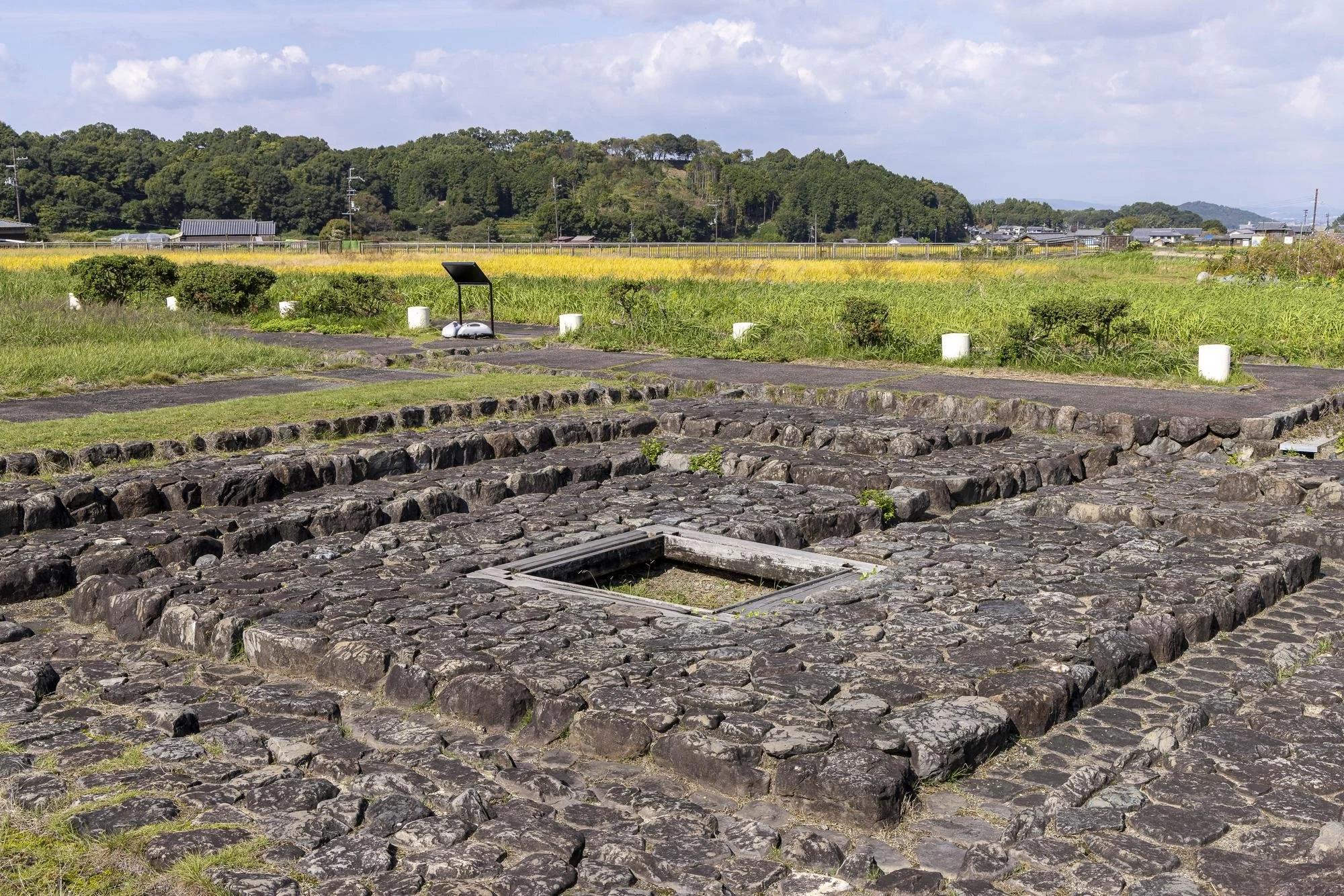
The Asuka Palace Site preserves the landscape where successive imperial palaces stood during a crucial period in Japan’s political development.
Next, move south toward the Asuka Palace Site.
This stop is very different from Asuka-dera.
There is no large temple hall and no monumental tomb.
Instead, you encounter archaeological remains and an open landscape.
That simplicity is precisely why the site matters.
Successive imperial palaces stood in this area during the seventh century, when Asuka was one of the central stages of Japan's political transformation.
The site preserves evidence connected with several successive palaces, including those associated with Emperors Jomei and Tenmu and Empresses Kōgyoku, Saimei, and Jitō. It was part of a period in which political institutions and centralized government were developing rapidly.
For some travelers, archaeological sites like this require more imagination than a surviving temple or stone tomb.
There may be stonework, reconstructed or marked features, open ground, and information explaining what once stood here.
But that is also one of the most authentic ways to experience Asuka.
You are not looking at a modern reconstruction pretending to be ancient.
You are standing where the political center actually existed.
Give yourself around 30 minutes.
Do not worry about understanding every archaeological detail.
The important thing on a first visit is to recognize what this place represents:
the landscape of political power before Japan's first large planned capitals developed farther north.
11:45 a.m. — Slow Down for Lunch
By this point, you have already experienced three very different aspects of Asuka:
the landscape from above,
the arrival and growth of Buddhism,
and the remains of political authority.
Now is a good time to slow down.
Plan approximately 45 minutes to one hour for lunch.
One important thing to know is that there are relatively few places to eat around the Asuka Palace Site. Some restaurants and cafés may also be closed depending on the day of the week or time of day.
For that reason, bringing your own lunch is a good idea, especially if you want to keep your itinerary flexible. Picking up some bread, onigiri rice balls, or other easy-to-carry food before arriving in Asuka can give you peace of mind and allow you to enjoy lunch without having to change your route in search of an open restaurant.
Drinks are less of a concern, as there are vending machines in the surrounding area.
If you prefer to eat at a restaurant or café, there are several options in and around central Asuka and the Oka area. I have listed a few suggestions below. Because opening days and hours can change, please check the latest information before your visit.
Recommended Restaurants & Cafés
And remember that Asuka is not central Osaka or Kyoto.
Part of the pleasure of the day is allowing the pace to become slower.
12:45 p.m. — Visit Oka-dera
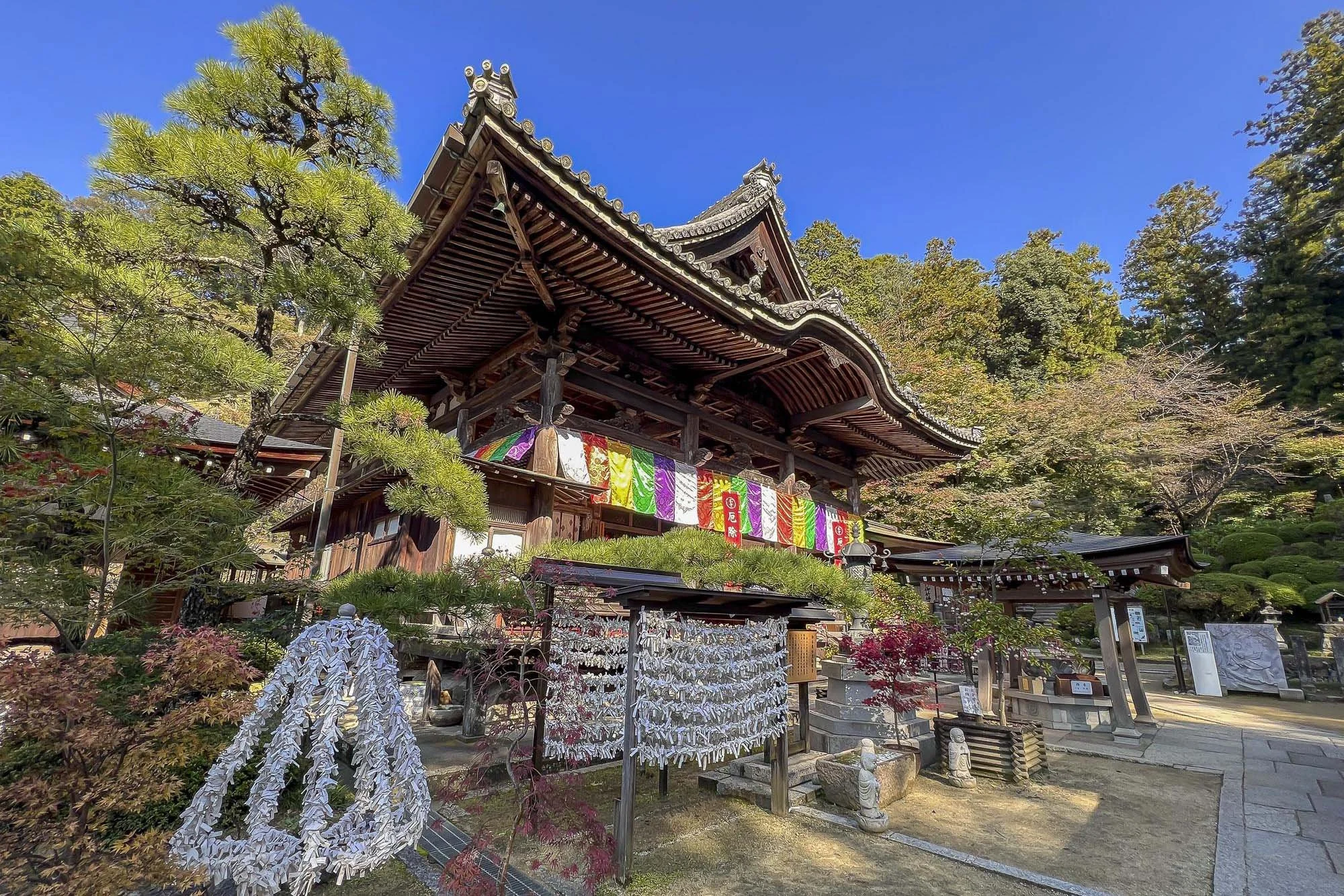
Oka-dera offers a quieter temple experience surrounded by the wooded hills and seasonal nature of Asuka.
After lunch, continue to Oka-dera.
Oka-dera is different from the archaeological sites you visited earlier.
The temple sits against the hillside, surrounded by trees and seasonal nature, creating a distinctly more secluded atmosphere.
It is not one of the 19 component parts of the Ancient Capitals of Asuka and Fujiwara World Heritage property, but it is one of Asuka's most rewarding historic temples and adds another dimension to a first visit.
The approach also reminds you that Asuka is not entirely flat.
There is an uphill walk to the temple.
Take it slowly.
Once inside, allow yourself time to enjoy the temple grounds rather than treating Oka-dera simply as another item on the day's checklist.
The setting changes noticeably with the seasons.
Spring flowers, fresh green leaves, summer vegetation, autumn colors, and the quieter atmosphere of colder months can make the same place feel completely different.
A visit of approximately 45 minutes to one hour works well.
2:00 p.m. — Experience the Scale of Ishibutai Kofun
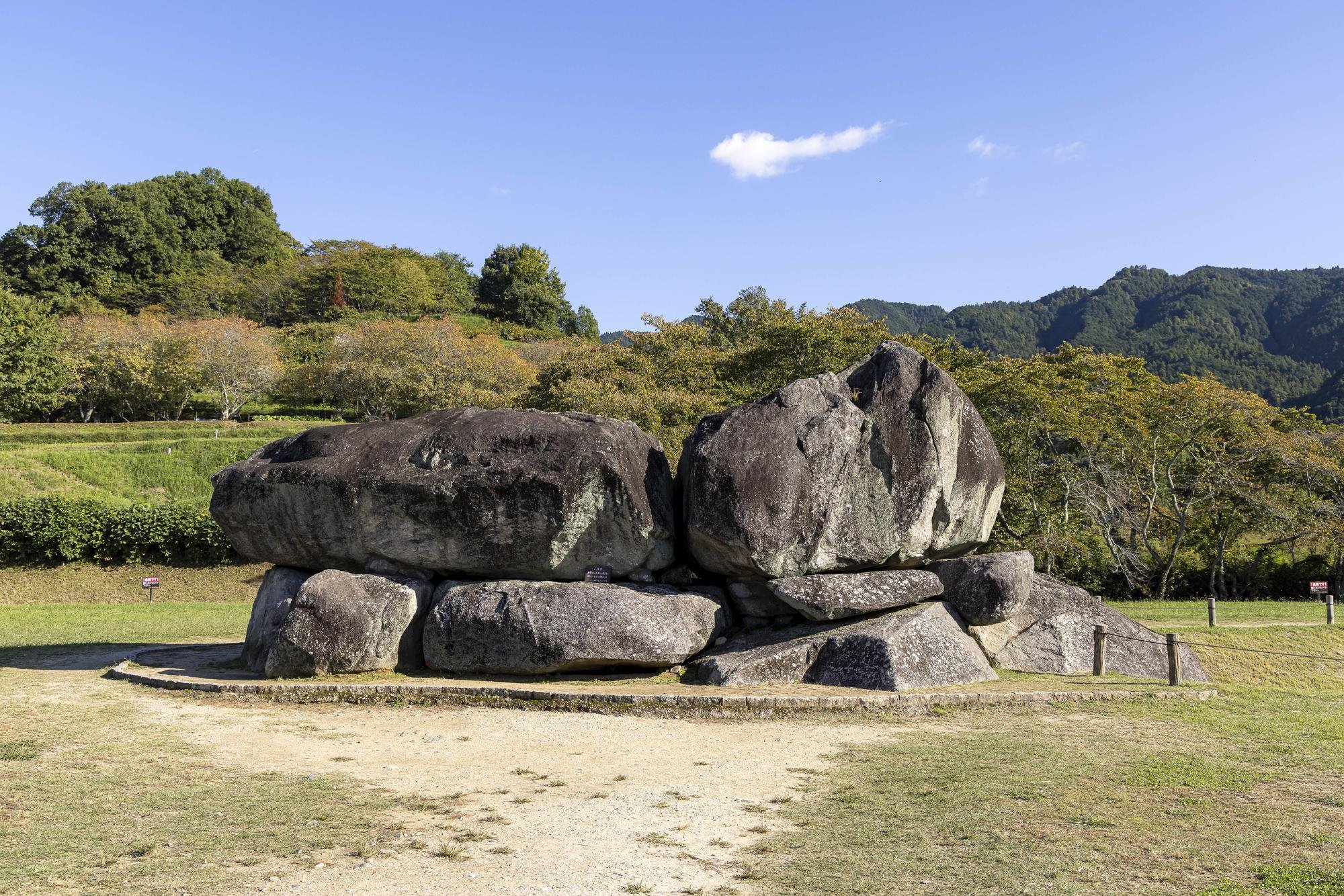
The enormous stones of Ishibutai Kofun make the scale of ancient construction immediately tangible.
From Oka-dera, continue toward Ishibutai Kofun.
If Asuka has one archaeological monument that immediately communicates its scale to almost anyone, this is probably it.
The original mound that once covered the tomb has largely disappeared, leaving the enormous stone burial chamber exposed.
Visitors can enter the chamber and stand beneath massive ceiling stones.
The official national park currently lists Ishibutai as open year-round, with visitor access to the stone chamber area.
The contrast with the Asuka Palace Site is striking.
At the palace site, you needed imagination to reconstruct buildings that are gone.
At Ishibutai, the physical power of ancient construction is directly in front of you.
Stand beside the stones.
Then enter the chamber.
Look upward.
A photograph may show that the stones are large, but being inside makes their scale much easier to understand.
The tomb is often associated with Soga no Umako, one of the most powerful political figures of the early seventh century, although the identity of the person buried here has not been conclusively established.
That uncertainty is important.
Archaeology can tell us an extraordinary amount, but not every question from ancient history has a final answer.
Allow about 40 minutes at Ishibutai.
2:50 p.m. — Enjoy the Journey, Not Just the Destination
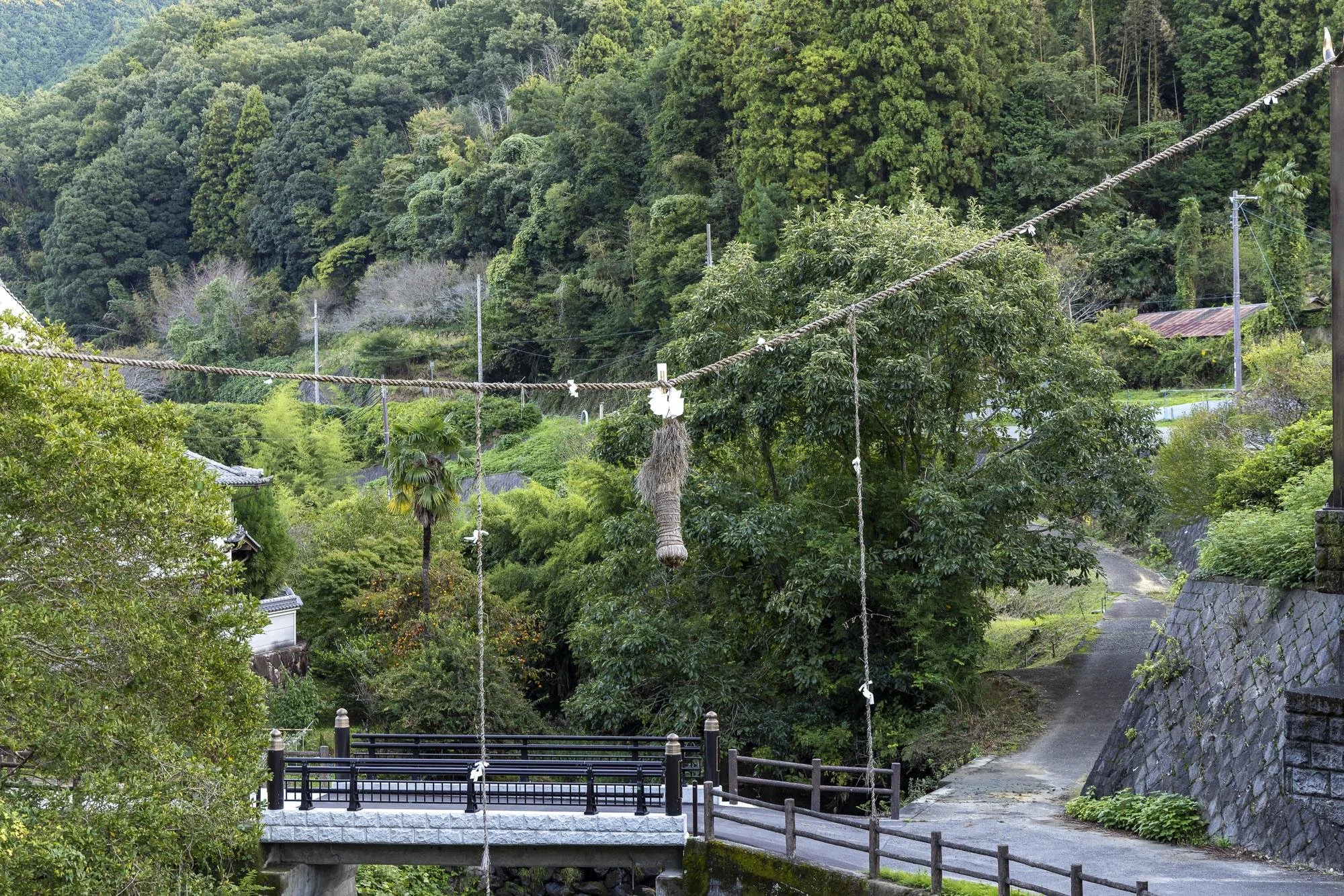
In Asuka, the roads, fields, villages, and hills between historic sites are part of the journey itself.
This next part is easy to underestimate.
You are now traveling from the Ishibutai area toward the southern and western side of Asuka.
Do not treat this simply as transportation time.
Look around.
You may pass fields, waterways, traditional homes, small shrines, wooded slopes, vegetable gardens, and narrow local roads.
This is the landscape that gives Asuka its character.
The National Government Park is not one enclosed park with a single gate. Its protected areas are scattered across the village and coexist with the surrounding rural environment.
This is one reason bicycles work particularly well in Asuka.
A car moves efficiently from one attraction to another.
A bicycle lets you experience what exists between them.
Walking does the same thing at an even slower pace.
The journey itself is part of the historical experience.
3:30 p.m. — Choose Takamatsuzuka or Kitora Kofun
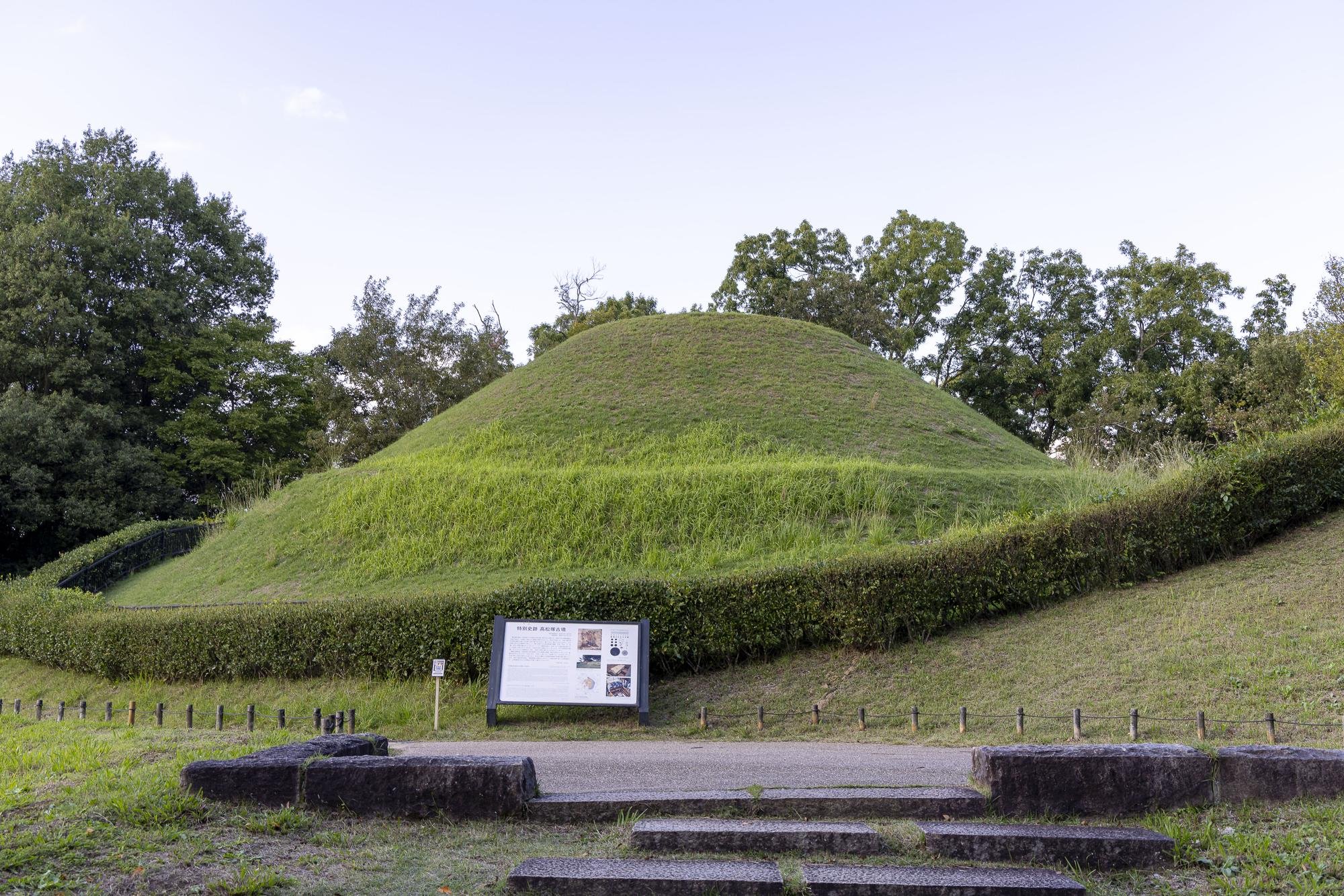
Takamatsuzuka Kofun appears modest from the outside, but its burial chamber revealed some of Japan’s most celebrated ancient wall paintings.
For the final major historical stop, choose one of two important kofun:
Takamatsuzuka Kofun
or
Kitora Kofun
For a first visit, there is no need to rush through both simply because they are famous.
They are related historically, but each deserves enough time to understand what makes it special.
Option A: Takamatsuzuka Kofun
Choose Takamatsuzuka Kofun if you want a convenient final stop closer to Asuka Station.
The tomb became internationally famous because of the remarkable wall paintings discovered inside its burial chamber.
The paintings include human figures, celestial imagery, and other motifs that provide important evidence of court culture and wider East Asian cultural connections during the late seventh and early eighth centuries.
The grass-covered mound itself appears surprisingly modest.
That is part of what makes the site memorable.
Something so visually quiet on the outside contained one of the most celebrated discoveries in Japanese archaeology.
Next to the tomb is the small Takamatsuzuka Mural Museum, where you can learn more about what was discovered inside the burial chamber.
The museum displays detailed reproductions of the murals as they appeared when they were discovered, as well as reconstructions created with plaster applied to tuff stone to reproduce the original interior of the tomb. Replicas of burial goods and other exhibits help visitors understand the tomb, its murals, and what the burial chamber may have looked like when it was created.
If you choose Takamatsuzuka as your final major stop, I recommend visiting both the mound and the museum. The tomb itself gives you a sense of the place and landscape, while the museum helps reveal the remarkable world that once existed inside it.
Option B: Kitora Kofun
Choose Kitora Kofun if you are particularly interested in astronomy, murals, and ancient ideas about the cosmos.
Its burial chamber contained paintings including the Four Divine Creatures, zodiac figures, and an astronomical chart.
The Kitora Tumulus Mural Experiential Museum, Shijin no Yakata, helps visitors understand the tomb and its paintings; the national park currently lists the facility as part of the Kitora area.
Kitora can add more travel time to the end of the day, so consider your transportation and energy level.
For many first-time visitors following this particular north-to-south itinerary, Takamatsuzuka is the easier ending.
If ancient murals are one of your main interests, however, Kitora is worth prioritizing.
4:30–5:00 p.m. — Finish at Asuka Station
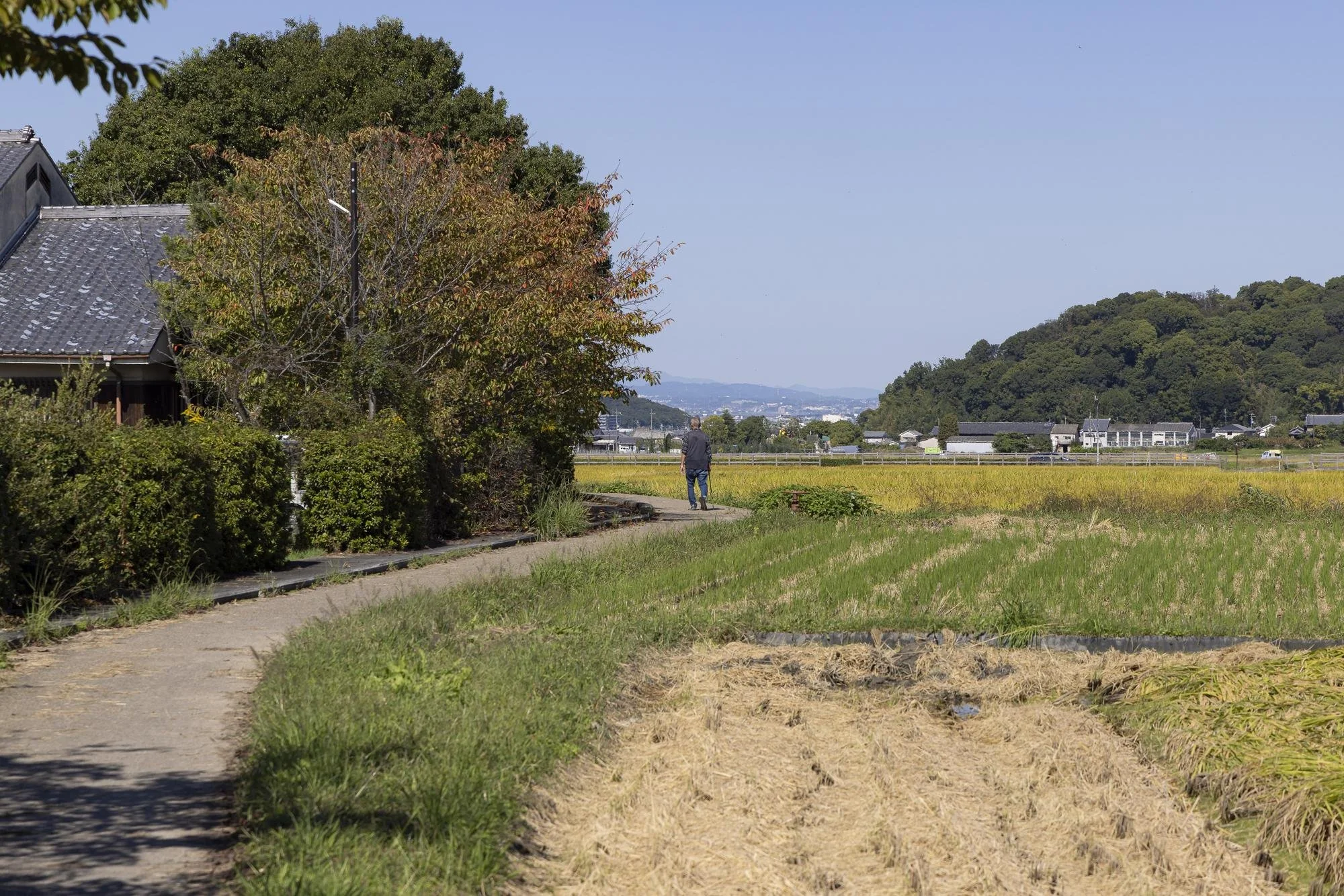
One day cannot reveal every story in Asuka, but it can be enough to understand why this quiet landscape deserves a slower journey.
From Takamatsuzuka or the southern part of Asuka, make your way toward Asuka Station.
The station is small.
After a full day among temples, palace ruins, kofun, fields, and hills, that modest scale feels appropriate.
This is also why beginning at Kashiharajingu-mae and ending at Asuka Station works so well.
You have moved through the landscape instead of repeatedly returning to the same point.
Asuka Village officially identifies both stations as convenient gateways and operates sightseeing transportation between them and the major visitor areas.
Before boarding your train, take a moment to think back over the day.
You began by looking over Asuka from a hill.
Then you moved through Buddhism, political power, temple culture, monumental burial, archaeology, and the rural landscape itself.
That is much more meaningful than simply saying:
"I visited six tourist attractions."
Should You Travel by Bicycle, Bus, or on Foot?
The itinerary works differently depending on how you move.
Bicycle: Best for Freedom
For many active travelers, a bicycle offers the best balance between efficiency and experience.
You can move faster than on foot while still feeling connected to the landscape.
It also gives you the freedom to stop when something catches your attention.
The disadvantage is that Asuka includes hills, particularly around places such as Oka-dera.
Weather also matters.
A bicycle that feels perfect on a mild spring morning may feel very different during heavy rain or intense heat.
Bus: Best for Travelers Who Prefer Public Transportation
The sightseeing bus known as the Red Kame runs between Kashiharajingu-mae Station East Exit and Asuka Station and serves major sightseeing areas.
The current official route includes stops around key visitor locations such as Ishibutai and Oka-dera.
The important limitation is frequency.
Do not arrive at a bus stop assuming another bus will appear in a few minutes.
Check the current timetable before you begin the day and build your route around it.
Walking: Best for a Smaller Itinerary
Walking the entire itinerary would make for a very long day.
But walking is excellent if you reduce the number of stops.
For example, choose one part of Asuka and explore it slowly.
A shorter walking itinerary can sometimes produce a deeper experience than an ambitious route that leaves you constantly checking the time.
What Would I Skip If I Had Less Time?
If you only have half a day, do not try to compress the full itinerary.
Choose three places that tell different parts of the story.
For example:
Asuka-dera — Buddhism
Asuka Palace Site — political history
Ishibutai Kofun — elite burial and monumental construction
This combination provides a strong introduction to Asuka without turning the visit into a race.
If you have a little more time, add Amakashi-no-Oka for the landscape.
If ancient murals are a particular interest, replace another stop with Takamatsuzuka or Kitora.
The best itinerary is not the one with the largest number of locations.
It is the one that helps you understand why the places you visited matter.
What About Fujiwara Palace Site?
Visitors sometimes ask whether Fujiwara Palace Site should be included in the same day.
It certainly can be.
But for a first-time visit focused specifically on Asuka Village, I would usually keep Fujiwara for a separate itinerary or combine it with sites in Kashihara.
The Ancient Capitals of Asuka and Fujiwara World Heritage property connects these places historically, but they cover a much wider geographical area than a single sightseeing route. The World Heritage property consists of 19 separate component parts across Asuka Village, Kashihara City, and Sakurai City.
For the full story behind the 19 component sites, read our complete guide to the Ancient Capitals of Asuka and Fujiwara UNESCO World Heritage Site.
Trying to include Asuka, Fujiwara, every major temple, and several kofun in one day can easily turn a meaningful historical journey into a transportation exercise.
There is nothing wrong with seeing fewer places.
Asuka rewards depth.
A Few Practical Tips for Your Day
Start early.
A morning start gives you more flexibility and lets you enjoy the quieter atmosphere before the middle of the day.
Check opening hours before traveling.
Temple, museum, and facility hours can change seasonally or for special closures.
Check the Red Kame timetable if you are using the bus.
The current schedule should always take priority over an old guidebook or saved screenshot.
Wear comfortable shoes.
Even with a bicycle or bus, you will walk.
Bring water.
You will spend much of the day outdoors.
Do not over-plan lunch.
Choose something that fits your route rather than sacrificing a large part of the day to transportation.
Leave some unscheduled time.
You may find a small shrine, a view across the fields, a seasonal flower, or a quiet road that becomes one of your favorite memories of Asuka.
And most importantly:
Do not judge the success of your day by the number of places you visited.
One Day Is Enough to Begin Understanding Asuka
You cannot understand every chapter of Asuka's history in one day.
Nor do you need to.
A good first visit gives you something more important:
a sense of how the pieces connect.
From Amakashi-no-Oka, you see the landscape.
At Asuka-dera, you encounter the spread of Buddhism.
At the Asuka Palace Site, you stand in the landscape of ancient political authority.
At Oka-dera, you experience the continuing religious traditions of Asuka.
Inside Ishibutai, ancient power becomes physical.
At Takamatsuzuka or Kitora, you encounter a sophisticated world of art, astronomy, belief, and cultural exchange.
And between all of them are fields, hills, villages, roads, and people living their everyday lives.
That is Asuka.
Its history is not contained inside one museum or behind one temple gate.
It exists across the landscape.
For a first-time visitor, the best one-day itinerary is not the one that allows you to say you saw everything.
It is the one that makes you want to come back and understand more.
Explore Asuka with Discover Nara
A map can tell you where Asuka's temples, kofun, and archaeological sites are. Understanding how they connect is what turns a day of sightseeing into a journey through early Japanese history.
Discover Nara offers guided tours of Asuka with a local guide from the region, connecting the places you visit with the people, events, beliefs, and political changes that shaped ancient Japan.
Spend your day exploring Asuka at a comfortable pace, and discover not only what to see, but why each place matters.
Opening hours, transportation schedules, and facility information may change.
Please check current official information before your visit.