Asuka-dera: Japan's First Full-Scale Buddhist Temple
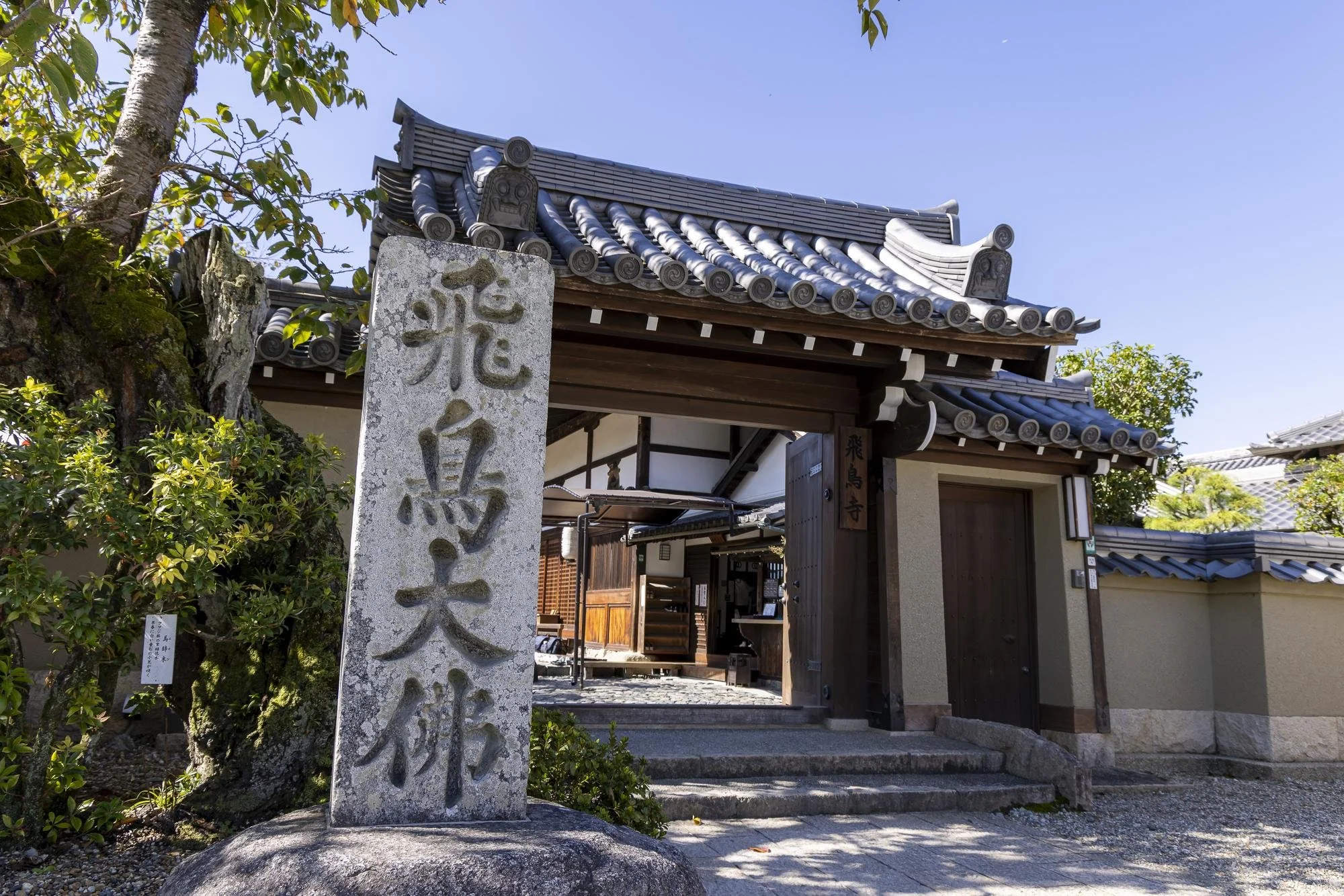
The entrance to Asuka-dera, Japan’s first full-scale Buddhist temple. The temple was founded in the late 6th century, when Buddhism was beginning to transform the culture and society of ancient Japan.
682 Asuka, Takaichi District, Nara, Japan
MAP
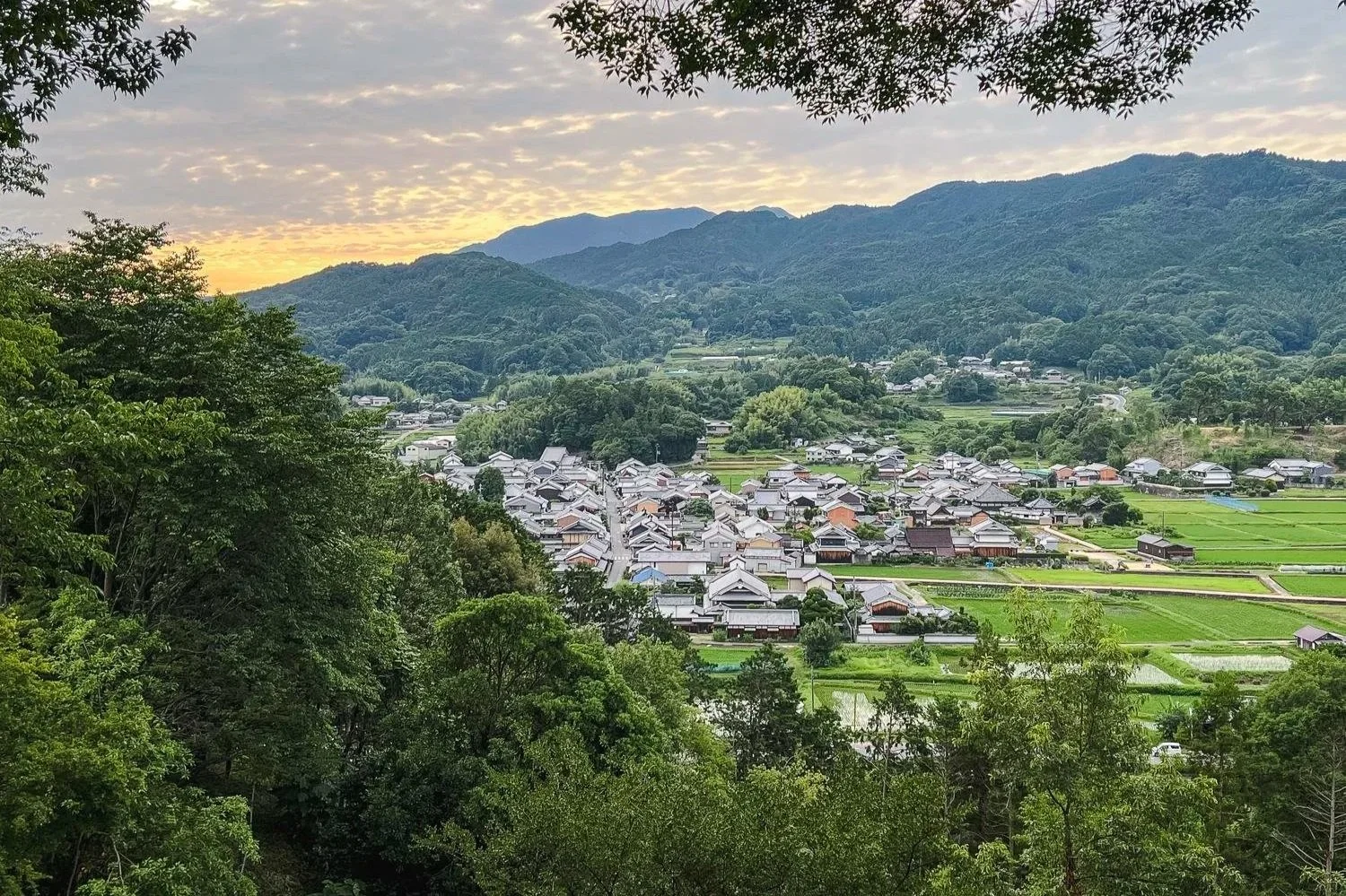
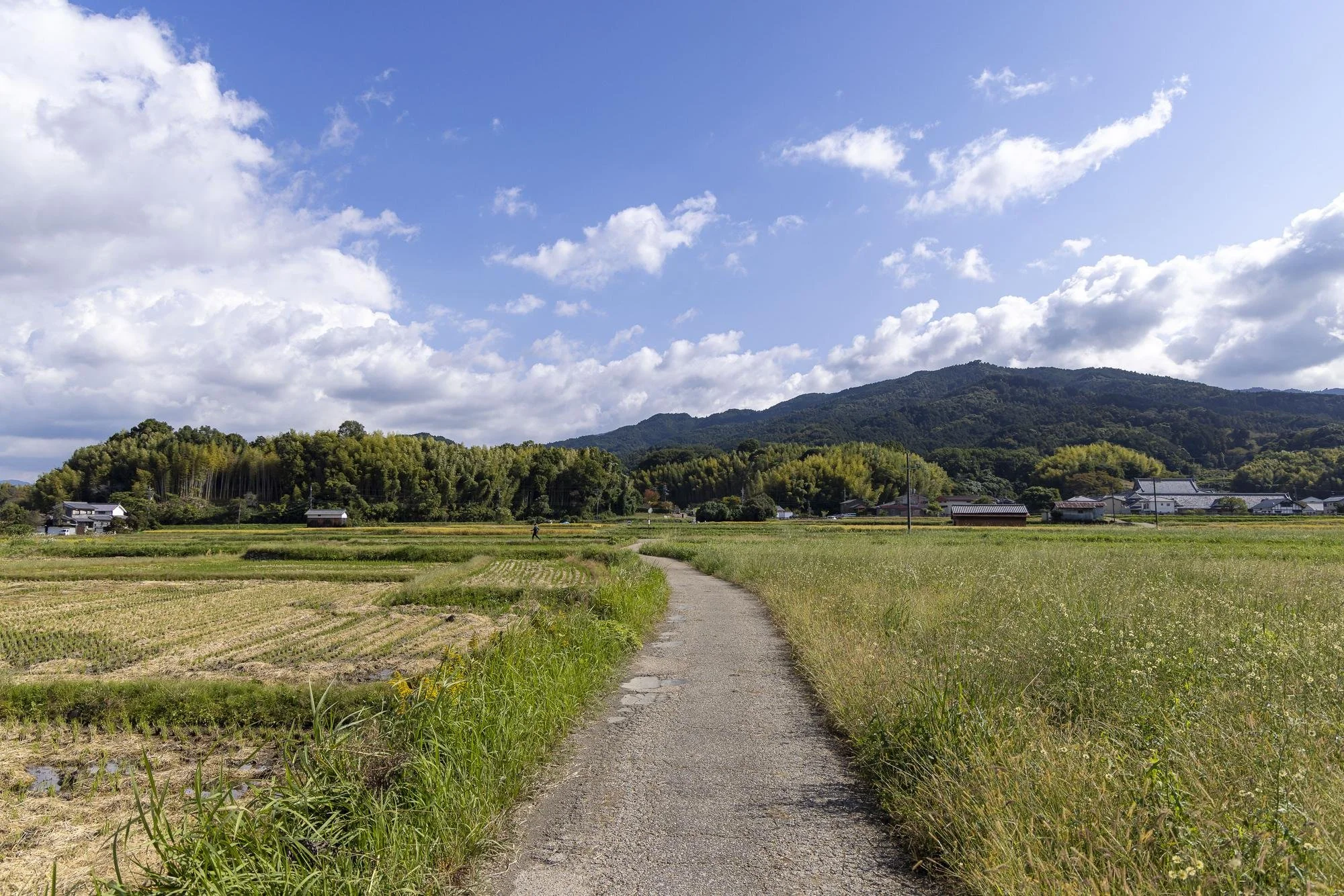
Today, Asuka-dera is a small and peaceful temple surrounded by the rural landscape of Asuka.
It is easy to walk through its gate without realizing how revolutionary this place once was.
More than 1,400 years ago, Asuka-dera became Japan's first full-scale Buddhist temple. Its construction marked an important turning point—not only in Japanese Buddhism, but also in architecture, technology, international exchange, and the formation of the early Japanese state.
Japan's First Full-Scale Buddhist Temple
Construction of Asuka-dera began in 588 under Soga no Umako, one of the most powerful political figures of the period. The temple complex was completed in 596.
Before this period, Buddhism was still relatively new to Japan. Building a large Buddhist temple required knowledge that did not yet have a long tradition in the Japanese archipelago.
Craftsmen and specialists from the Korean Peninsula contributed to the construction, bringing expertise in architecture, roof tiles, metalworking, and other technologies. Asuka-dera therefore represented more than the arrival of a new religion. It was also a place where knowledge and technology from East Asia became part of Japan's developing culture.
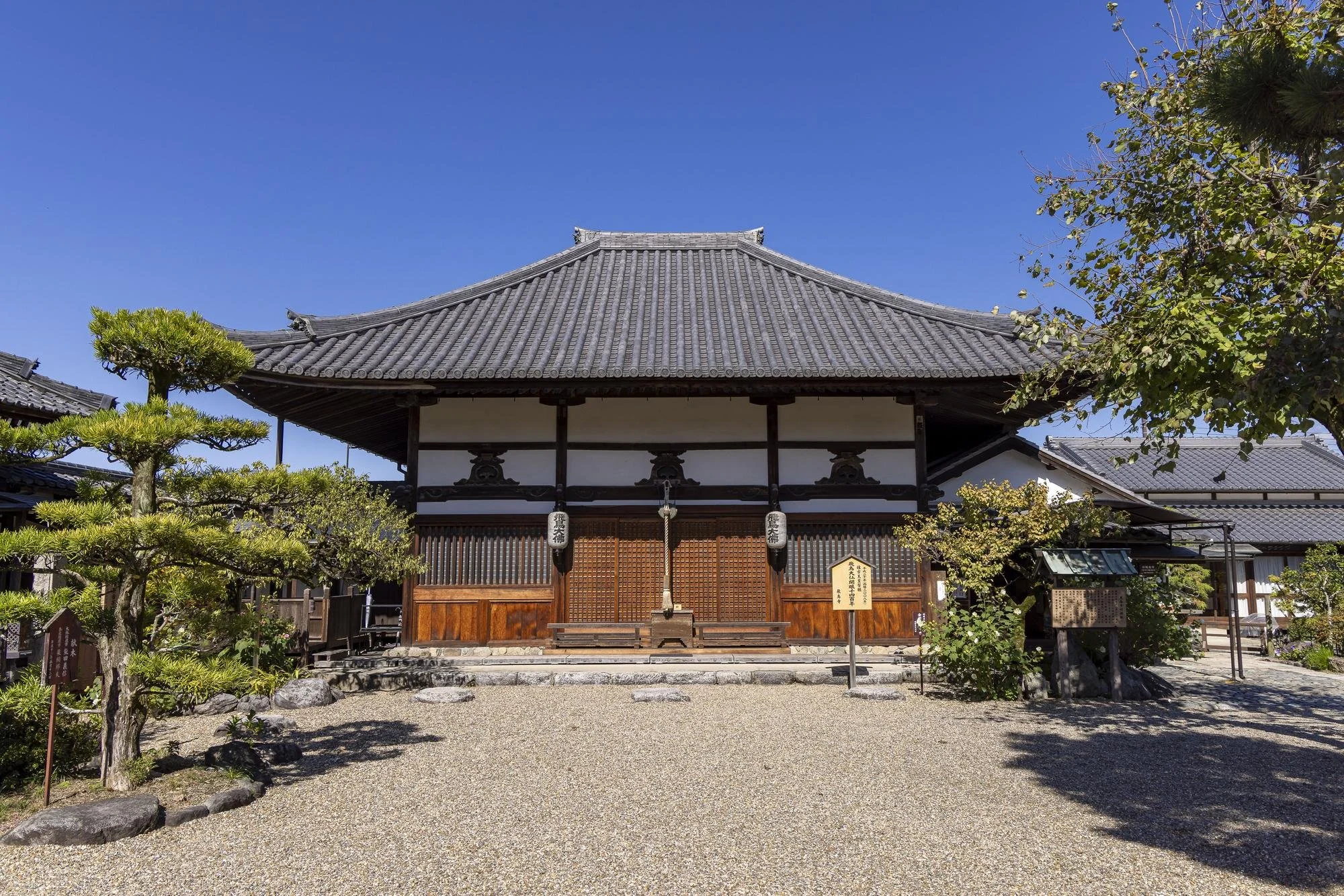
The present main hall of Asuka-dera. Although the temple is modest in size today, the original complex was far larger, with a pagoda, three main halls, corridors, and other buildings.
A Temple Much Larger Than What You See Today
The Asuka-dera you see today is only a small part of the original temple.
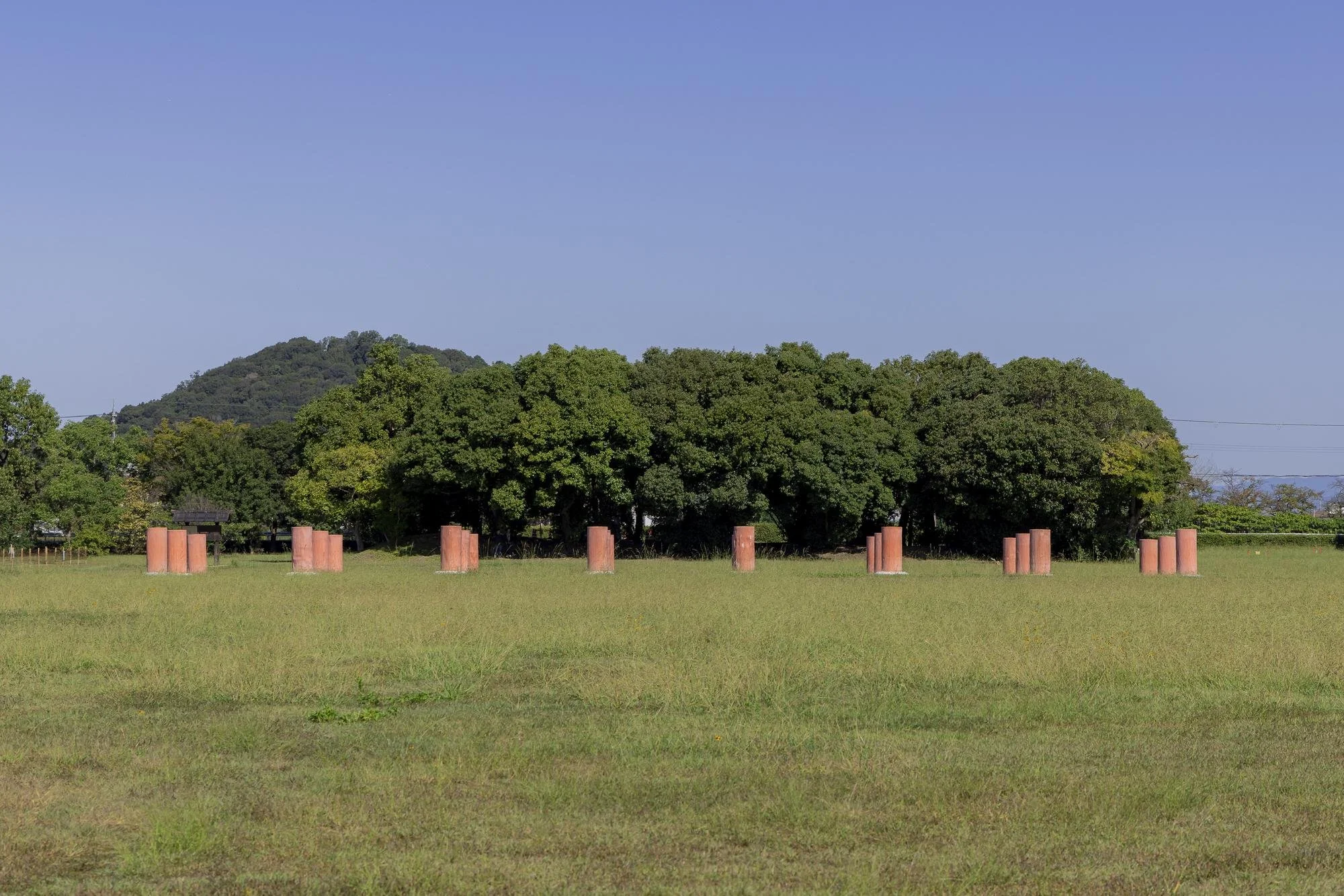
Excavations conducted by the Nara National Research Institute for Cultural Properties in the 1950s revealed an unusual layout. A pagoda stood near the center, with three main halls arranged to its north, east, and west. A corridor surrounded the central buildings, with a lecture hall farther north.
The layout shows strong connections with temple architecture on the Korean Peninsula.
When you visit today, try to imagine the surrounding houses and fields as part of a much larger temple precinct. The quiet temple in front of you once stood at the center of one of the most ambitious building projects Japan had ever undertaken.
Meet the Asuka Daibutsu
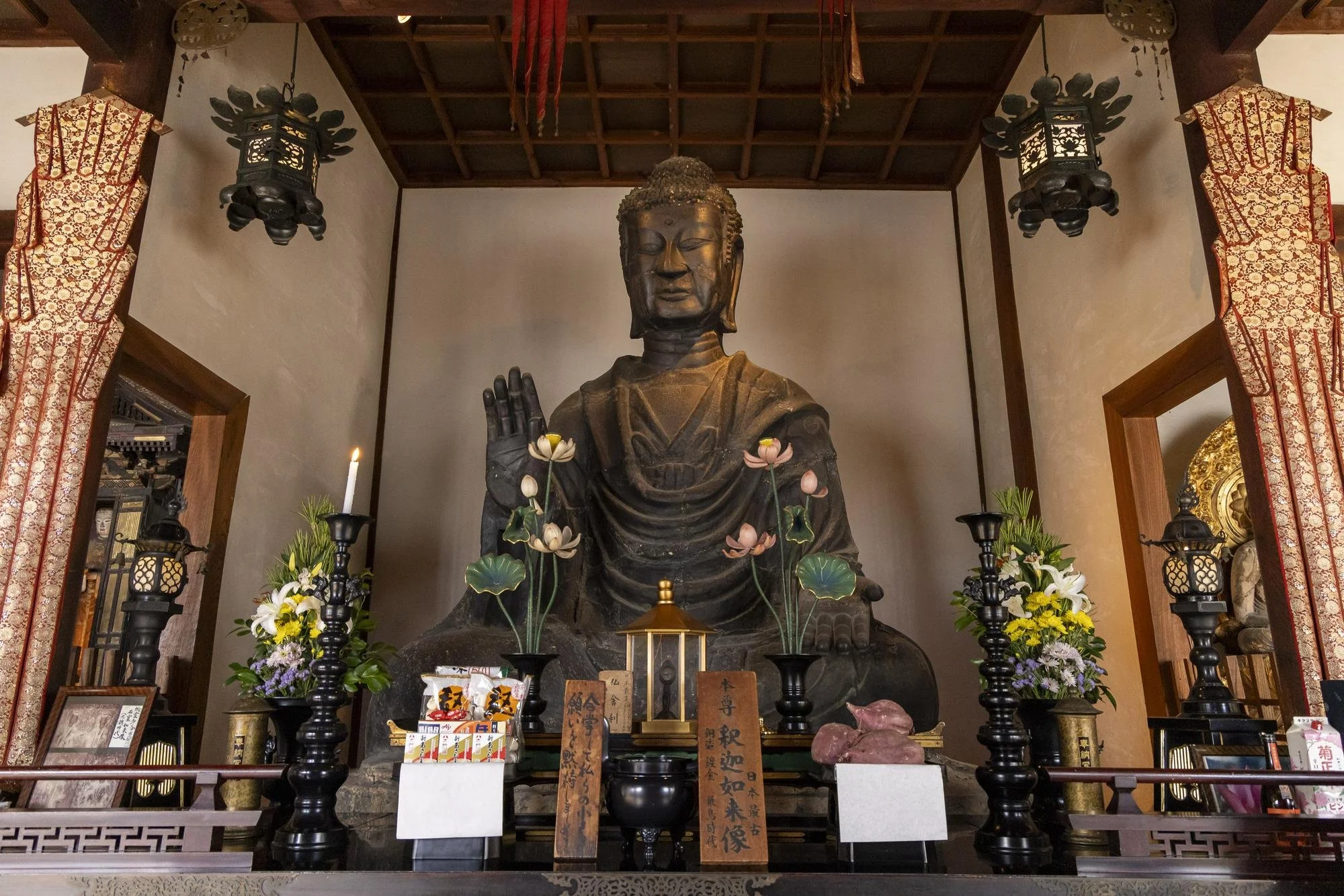
The Asuka Daibutsu, a seated image of Shakyamuni Buddha completed in 609. Traditionally attributed to Tori Busshi, it is regarded as Japan’s oldest surviving Buddhist image with a known date of creation.
Inside the present main hall sits Asuka-dera's most remarkable treasure: the Asuka Daibutsu, a seated image of Shakyamuni Buddha.
The bronze Buddha was completed in 609 and is traditionally attributed to the sculptor Kuratsukuri no Tori, also known as Tori Busshi. It is regarded as Japan's oldest surviving Buddhist image with a known date of creation.
The statue has experienced fires and extensive repairs over its long history, so not everything visible today necessarily dates from 609. Even so, research has identified ancient portions of the image, and the stone pedestal preserves elements of the original setting.
Perhaps even more remarkable is its location.
The Buddha remains where the original central main hall once stood. Archaeological research has helped confirm the relationship between the present statue and the original temple layout. For roughly fourteen centuries, generations of people have come to this same place to face the Buddha.
That continuity is one of the most powerful reasons to visit Asuka-dera.
Why Asuka-dera Matters
It can be tempting to think of Asuka-dera simply as Japan's first major Buddhist temple.
Its importance goes much further.
Building the temple required new architectural methods, tiled roofs, metalworking, surveying, and other specialized knowledge introduced through connections with the Korean Peninsula and China. Buddhism itself would also become deeply connected with government and state formation in the centuries that followed.
Asuka-dera therefore preserves evidence of a moment when Japan was changing rapidly through contact with the wider East Asian world.
That is also why the Asuka-dera Temple Site is one of the 19 component parts of the UNESCO World Heritage Site Ancient Capitals of Asuka and Fujiwara, inscribed in 2026. Within the World Heritage property, Asuka-dera represents the early acceptance of Buddhism and its role in the formation of the ancient Japanese state.
Complete guide to the Ancient Capitals of Asuka and Fujiwara
Visiting Asuka-dera
Asuka-dera is especially rewarding when you know what to look for.
Do not judge the historical importance of the temple by the size of the buildings you see today. Step inside the main hall and spend some time with the Asuka Daibutsu. Then, outside, look at the surrounding landscape and imagine the pagoda, three main halls, corridors, and other buildings that once occupied this area.
Asuka Palace Site is also nearby, making the two places particularly interesting to visit together. One shows the development of political power in ancient Asuka; the other reveals how Buddhism and new ideas from across East Asia became part of that changing world.
At Asuka-dera, the most important thing to see is not simply an old temple.
It is the place where a new chapter in Japanese history began.
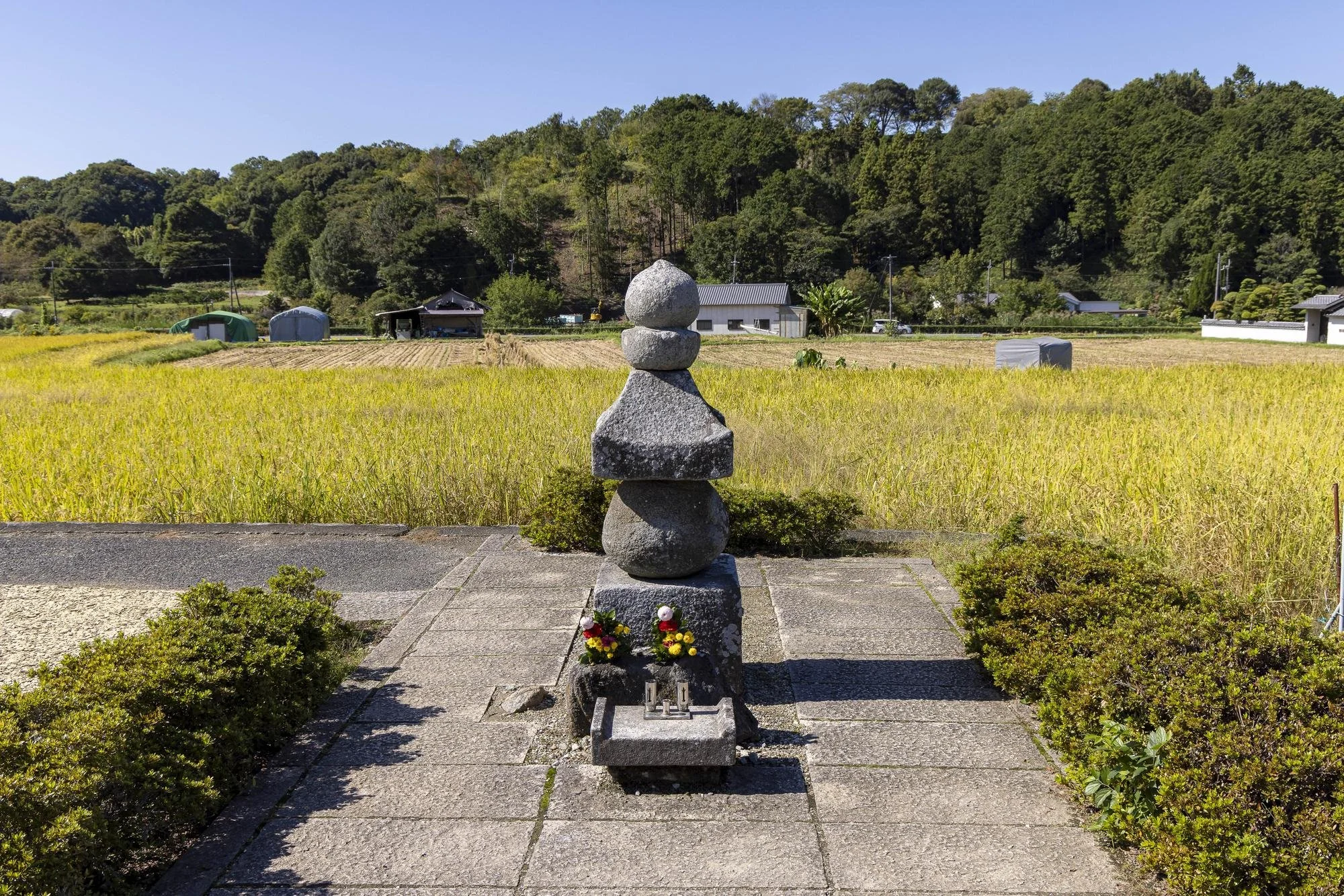
A stone monument traditionally known as the grave of Soga no Iruka stands just west of Asuka-dera. Iruka was assassinated nearby in 645 during the Isshi Incident, one of the defining political events of the Asuka period.
Explore Asuka-dera and Ancient Asuka with Discover Nara
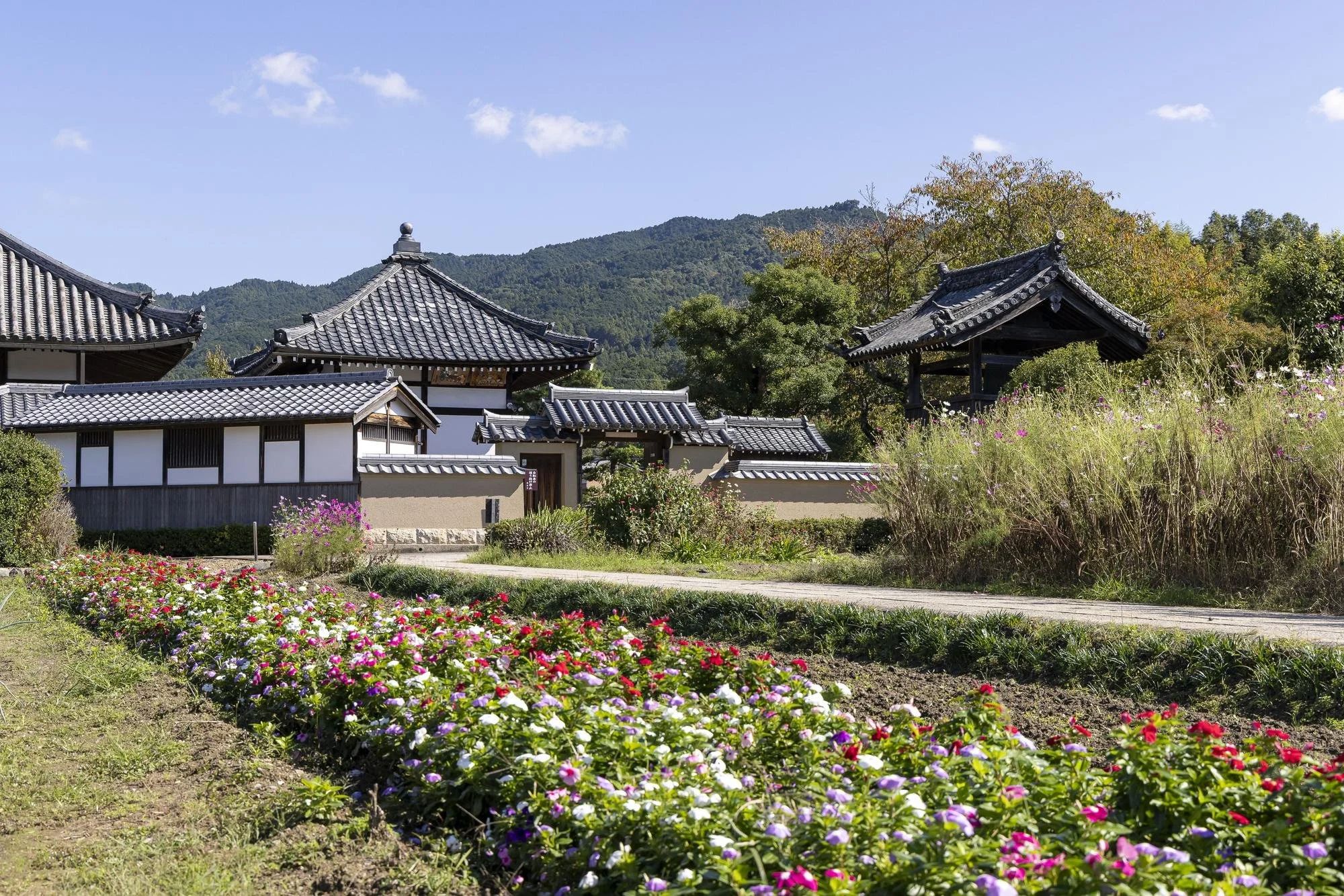
Asuka-dera seen within the peaceful rural landscape of Asuka. The quiet surroundings today give little indication of the much larger temple complex that occupied this area more than 1,400 years ago.
Asuka-dera may appear modest today, but understanding what once stood here transforms the experience. Its ancient Buddha, archaeological remains, and connections with the wider East Asian world reveal an important turning point in Japanese history.
Discover Nara visits Asuka-dera on our guided tours of Asuka, connecting the temple with the people, places, and political changes that shaped Japan more than 1,400 years ago.
Explore Asuka with a local guide and discover the stories behind the landscape.