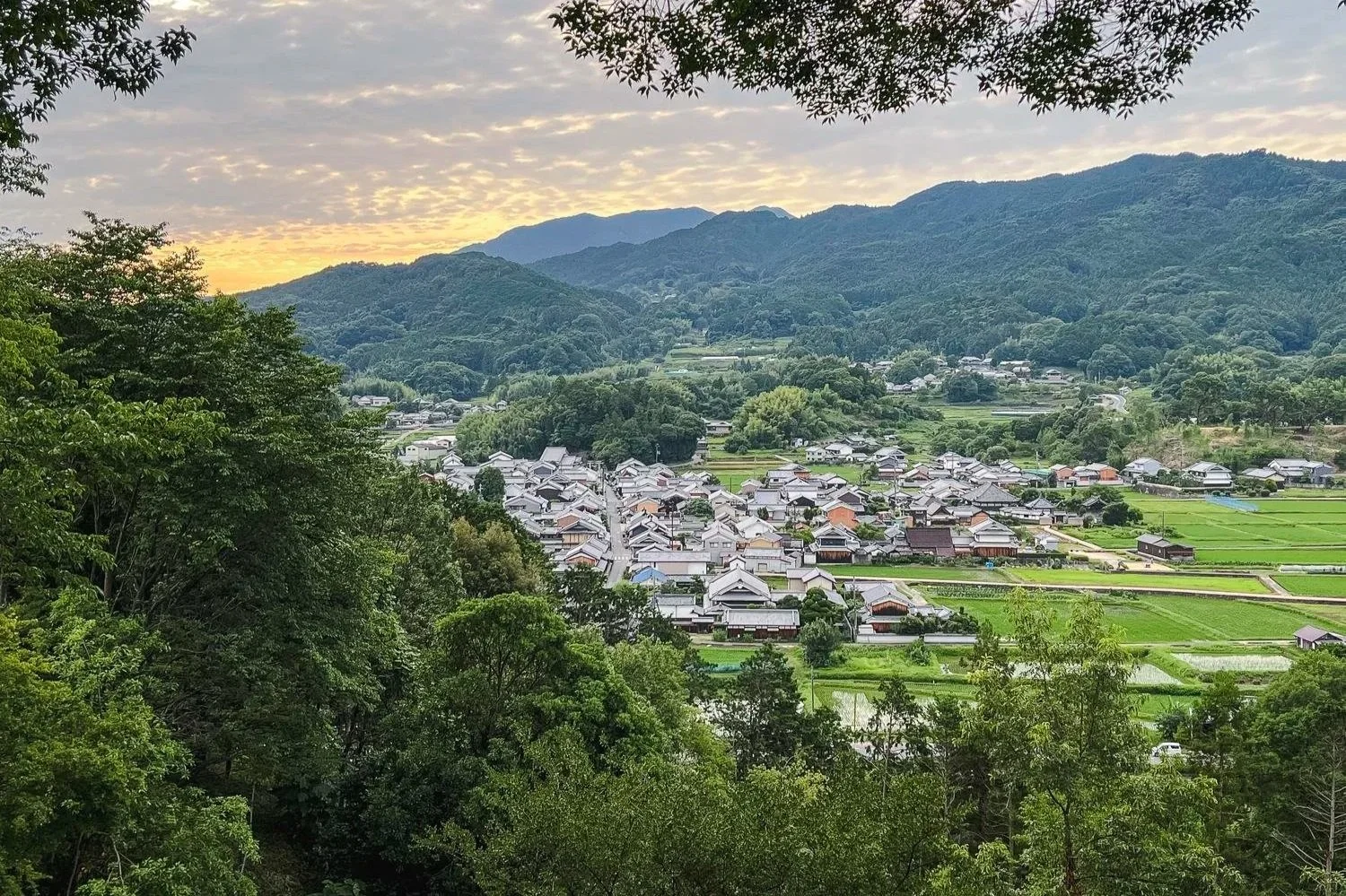
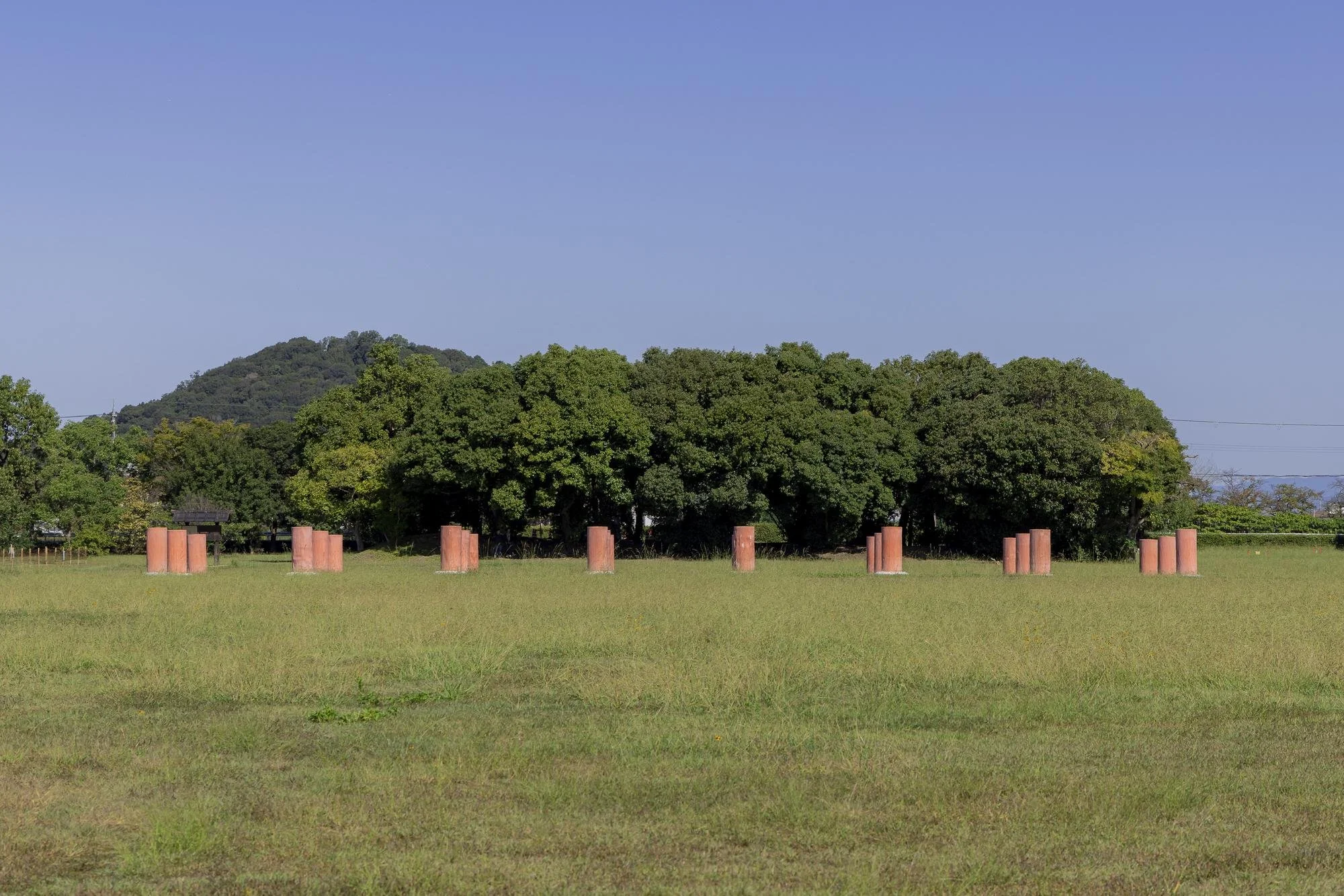
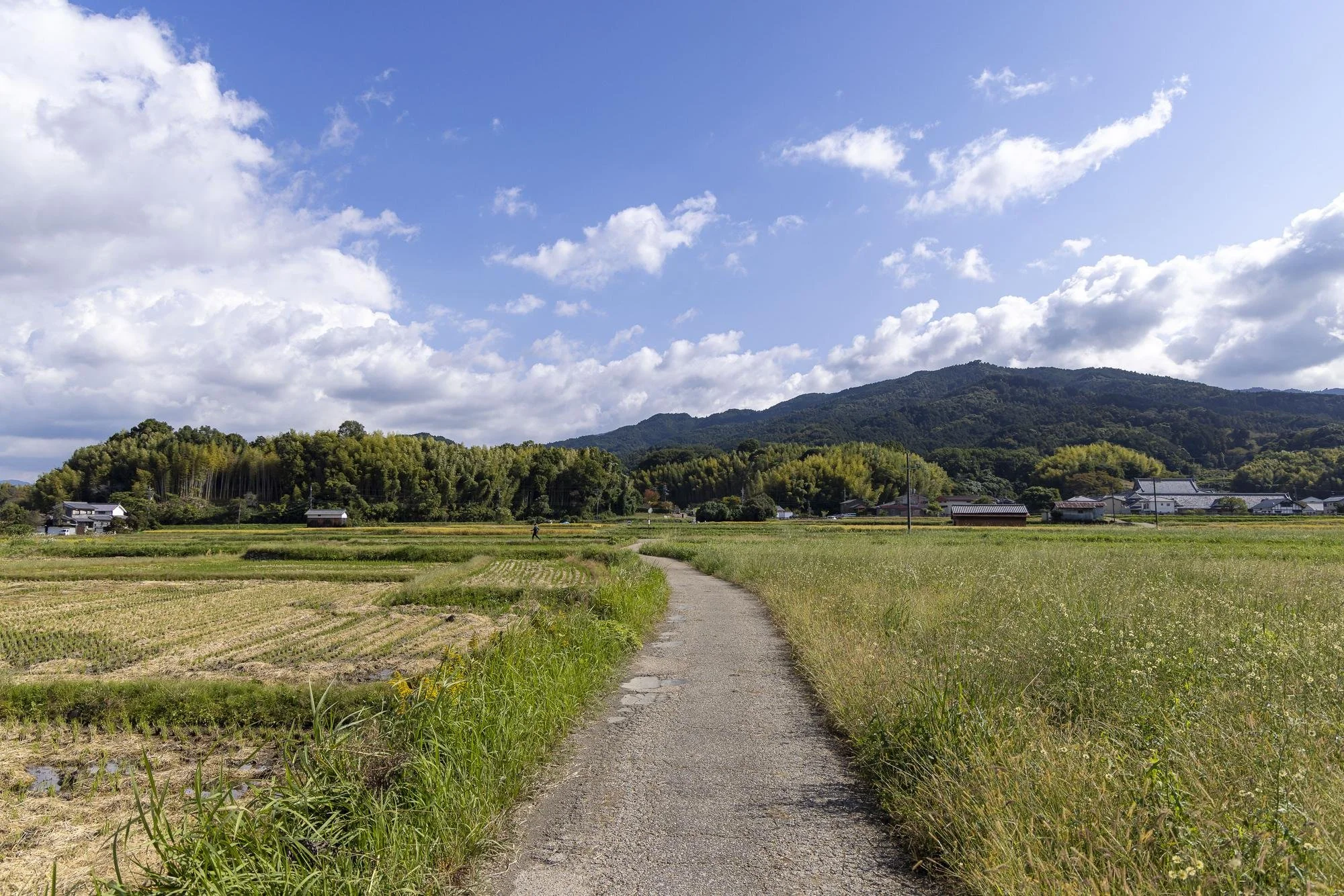
A stone marker identifies Kengoshizuka Kofun, also known as Asagao-zuka, or Morning Glory Mound. Its unusual octagonal shape is thought to have inspired this traditional nickname.
On a hillside in Asuka, Nara, stands one of Japan's most unusual ancient burial mounds: Kengoshizuka Kofun.
Unlike the enormous keyhole-shaped tombs built centuries earlier, this late 7th-century tomb has a distinctive octagonal design. Its carefully restored exterior offers visitors a rare opportunity to see how an imperial burial mound may have appeared more than 1,300 years ago.
Kengoshizuka Kofun is also one of the 19 component sites of the UNESCO World Heritage property Asuka & Fujiwara Palaces and Related Sites.
Learn more about the region's remarkable history in our complete guide to the Asuka & Fujiwara UNESCO World Heritage Site.
Why Is the Tomb Octagonal?
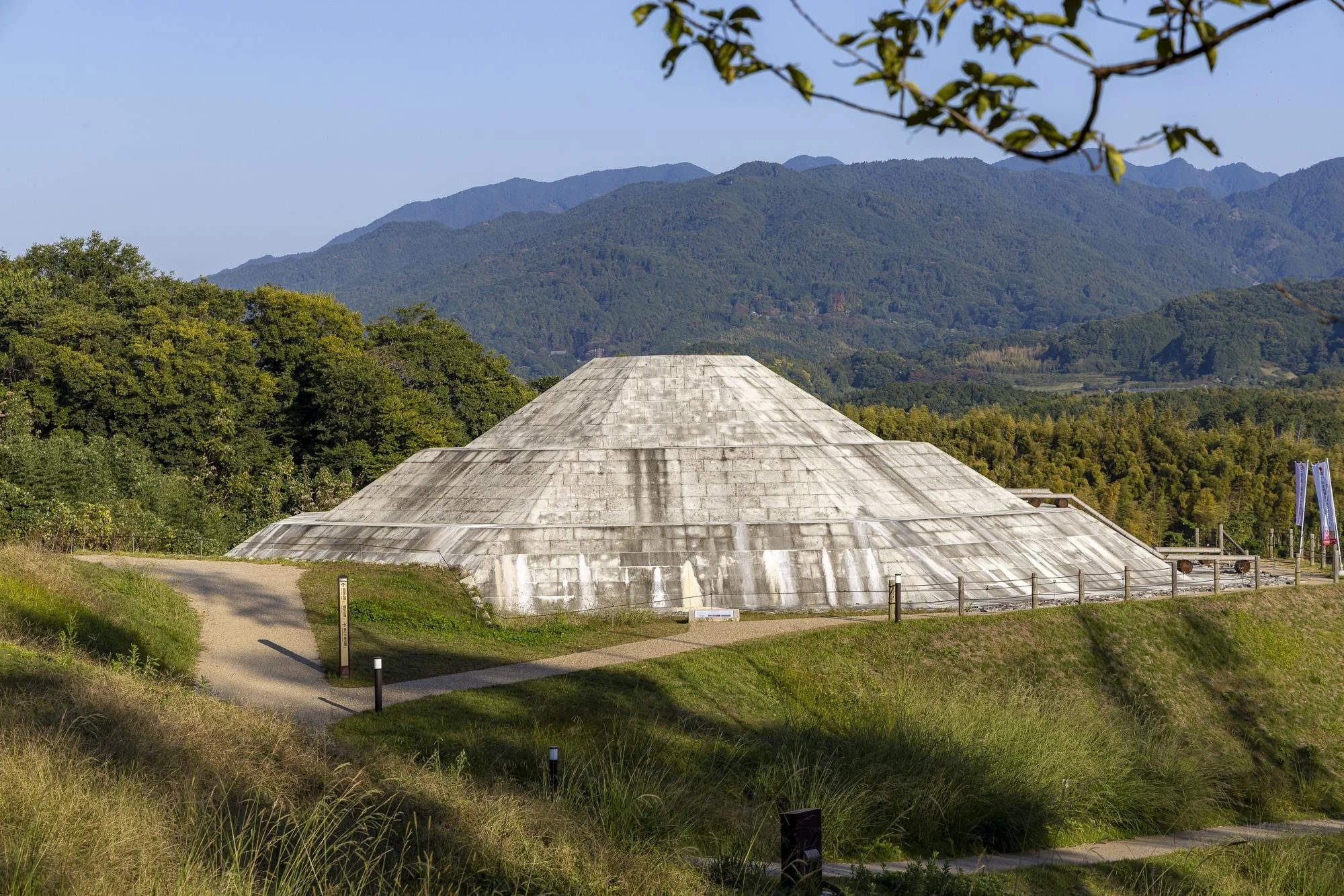
The reconstructed stone exterior of Kengoshizuka Kofun reveals the distinctive octagonal design associated with imperial burial mounds in late 7th-century Japan.
The tomb measures approximately 22 meters (72 feet) across its opposite sides. Archaeological investigations revealed that its eight-sided mound was originally covered with carefully cut stone blocks.
During the late Asuka period, octagonal tombs became a distinctive expression of imperial authority, replacing the monumental keyhole-shaped mounds of earlier generations.
The tomb's original appearance had largely disappeared over the centuries. Following archaeological research and extensive conservation work, its octagonal form was reconstructed and opened to the public in 2022.
Today, the stone-covered mound makes this remarkable ancient design easy to appreciate.
Who Was Buried Here?
Kengoshizuka Kofun is widely believed to be the joint burial place of Empress Saimei and her daughter, Princess Hashihito.
Empress Saimei was an extraordinary figure in Japanese history. She first ruled as Empress Kōgyoku from 642 to 645, abdicated, and later returned to the throne as Empress Saimei in 655. She was the first person in Japanese history to reign twice as emperor.
She died in 661, and historical records describe her later burial alongside Princess Hashihito.
The tomb's location, unusual structure, and archaeological discoveries support the theory that these two women were buried here. However, their identification remains a scholarly interpretation rather than a confirmed fact.
Two Burial Chambers Carved from One Stone
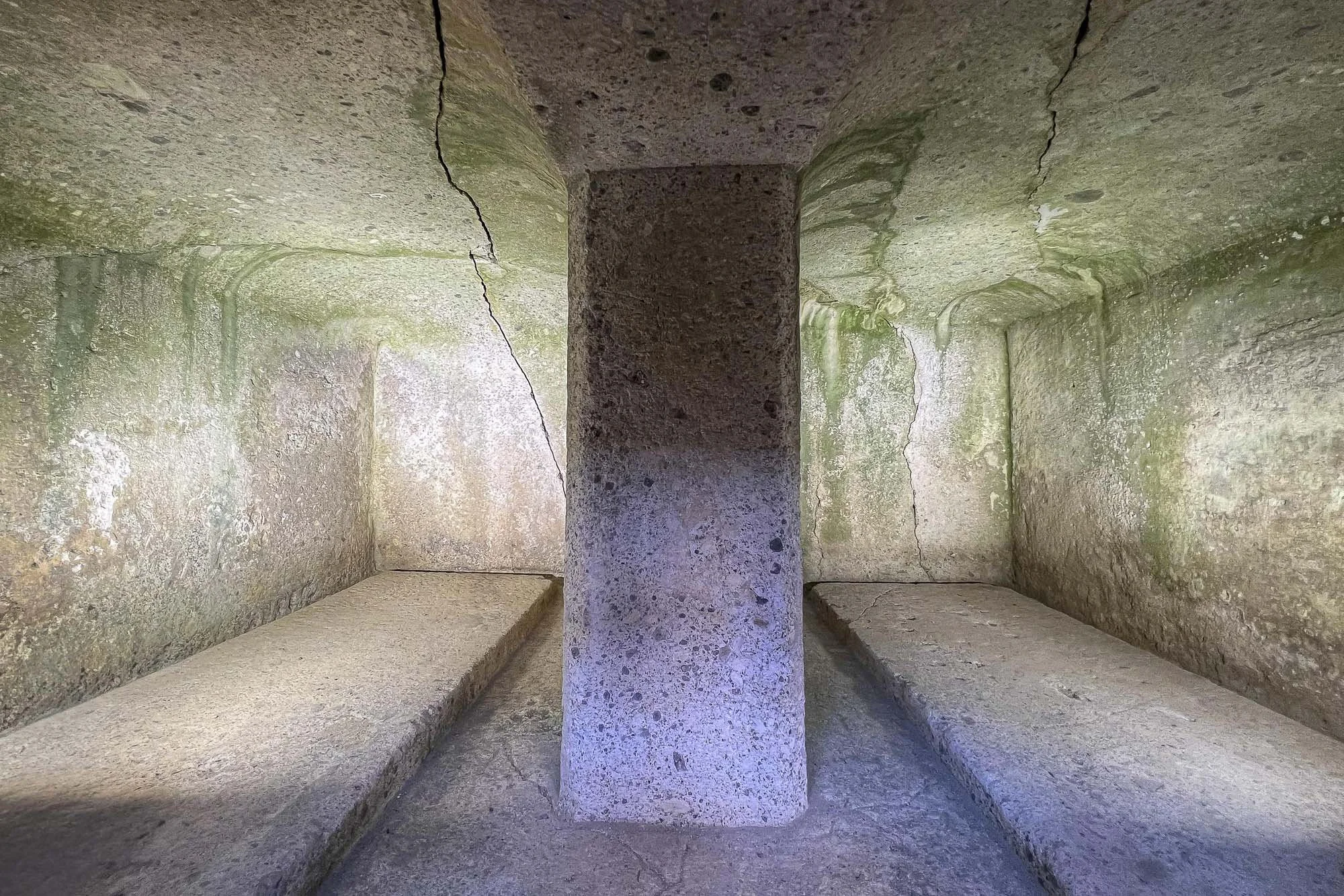
Inside Kengoshizuka Kofun's remarkable burial facility, carved from a single enormous block of volcanic tuff. A central partition separates the two burial chambers, suggesting a tomb designed for two individuals.
The tomb's most remarkable feature lies inside.
Its burial facility was carved from a single enormous block of volcanic tuff, creating two separate chambers side by side.
Archaeologists discovered fragments of lacquered coffins, decorative metal fittings, glass beads, and other objects. These finds provide valuable clues about the high status of the people buried here.
Immediately nearby is another small burial mound, Koshitsukagomon Kofun, discovered in 2010.
Researchers have suggested that it may be the tomb of Princess Ōta, Empress Saimei's granddaughter. This interpretation corresponds with an account in the Nihon Shoki, which describes her burial in front of the joint tomb of Empress Saimei and Princess Hashihito.
Together, the two tombs offer a fascinating glimpse into the imperial family of the 7th century.
Visiting Kengoshizuka Kofun
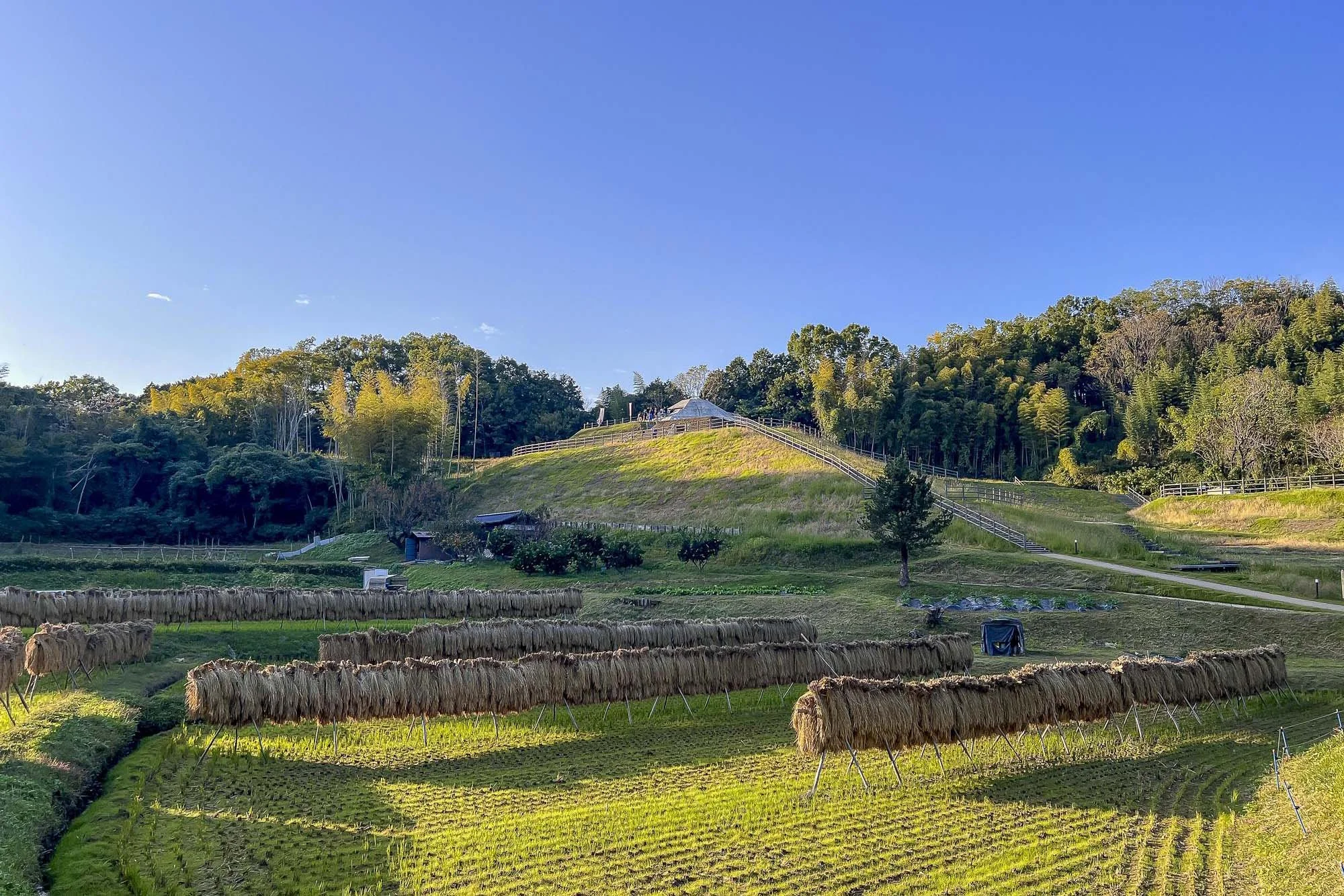
Kengoshizuka Kofun rises above the rural landscape of Asuka. The restored imperial tomb is surrounded by farmland, wooded hills, and the peaceful scenery of ancient Japan's former political heartland.
Kengoshizuka Kofun is located in the Koshi area of Asuka Village, approximately a 15-minute walk from Kintetsu Asuka Station.
The burial chambers can be viewed from behind protective barriers, although very little of the interior is visible from there. However, visitors can get a closer look inside by booking a paid guided tour in advance with a local guide.
The site is surrounded by wooded hills and farmland, offering beautiful views of Asuka's countryside.
If you have already visited the Tomb of Emperors Tenmu and Jitō, Kengoshizuka Kofun provides an especially interesting comparison. Both are octagonal imperial tombs, but here the reconstructed stone exterior makes the ancient design much easier to imagine.
It is a remarkable place to discover how burial traditions reflected the changing power and identity of Japan's early emperors.
Discover another remarkable octagonal imperial tomb in our guide to the Tomb of Emperors Tenmu and Jitō.
Discover Ancient Asuka with a Local Guide
From imperial tombs to ancient temples and palace ruins, Asuka offers a fascinating journey into the beginnings of Japan.
Discover Nara's guided tours help you explore the region's history, culture, and peaceful countryside with a local guide who knows the area.