Asuka & Fujiwara UNESCO World Heritage Site: A Complete Guide
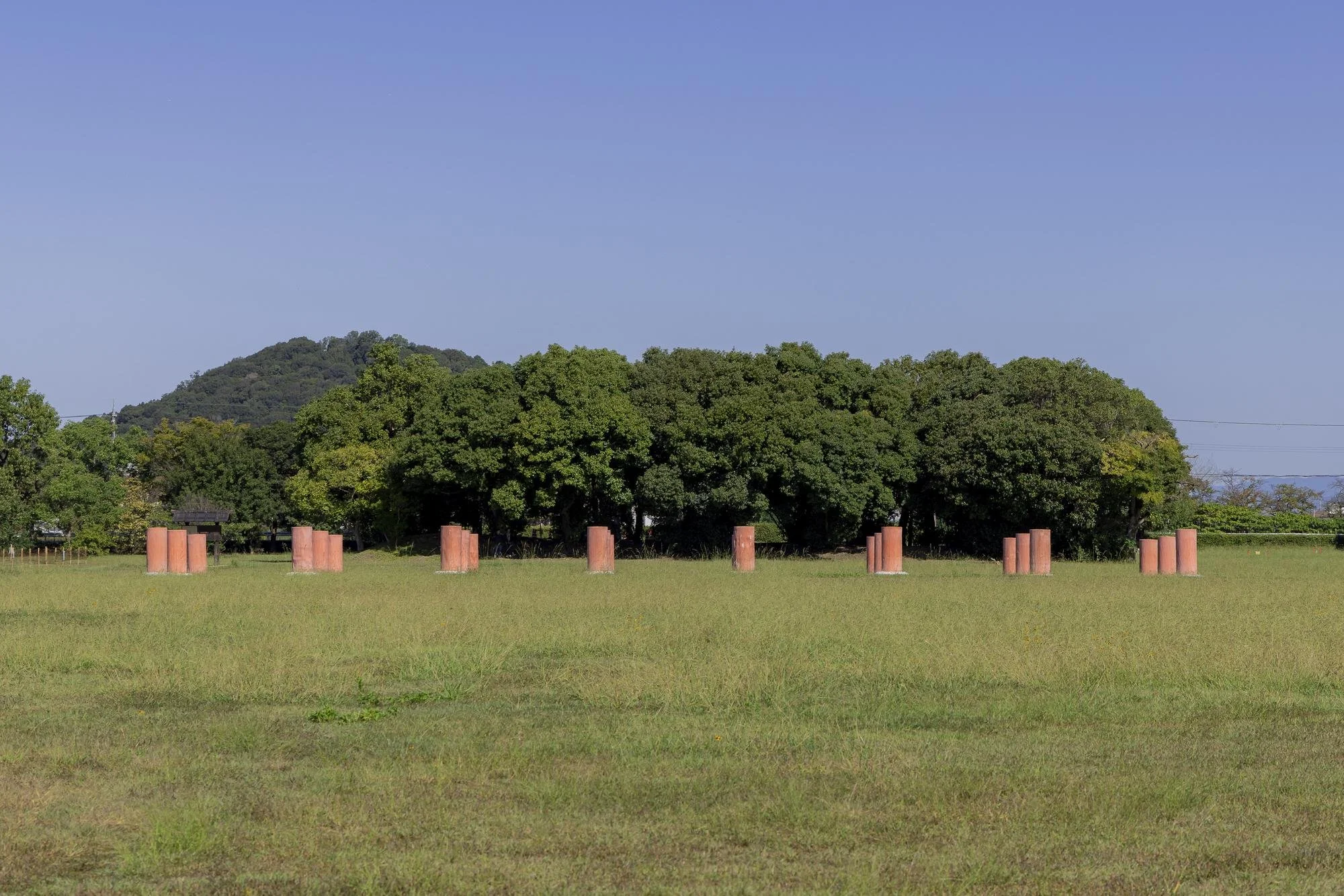
Fujiwara Palace Site, once the political heart of Japan’s first large-scale planned capital.
On July 26, 2026, one of the most important landscapes in the story of ancient Japan received international recognition.
The Ancient Capitals of Asuka and Fujiwara, located across Asuka Village, Kashihara City, and Sakurai City in Nara Prefecture, were officially inscribed on the UNESCO World Heritage List.
The property brings together 19 archaeological sites dating from the late sixth to early eighth centuries, when Japan was undergoing an extraordinary transformation.
This was an age when political power became increasingly centralized, Buddhism took root and reshaped society, knowledge and technology arrived through exchanges with China and the Korean Peninsula, and new systems of government developed. Over time, these changes helped create the foundations of the early Japanese state.
Today, the evidence of that transformation remains scattered across a remarkably peaceful landscape.
Ancient palace sites lie beneath open fields. The remains of early Buddhist temples stand among modern communities. Monumental tombs reveal changing ideas about power and rulership. Some of Japan's most remarkable ancient murals survive inside burial chambers built more than 1,300 years ago.
To understand Asuka and Fujiwara, therefore, it is not enough to look at one famous temple or tomb.
The real story emerges when these places are seen together.
New to Asuka? Start with our guide to Asuka and discover why this quiet region played such an important role in the beginnings of ancient Japan.
What Are the Ancient Capitals of Asuka and Fujiwara?
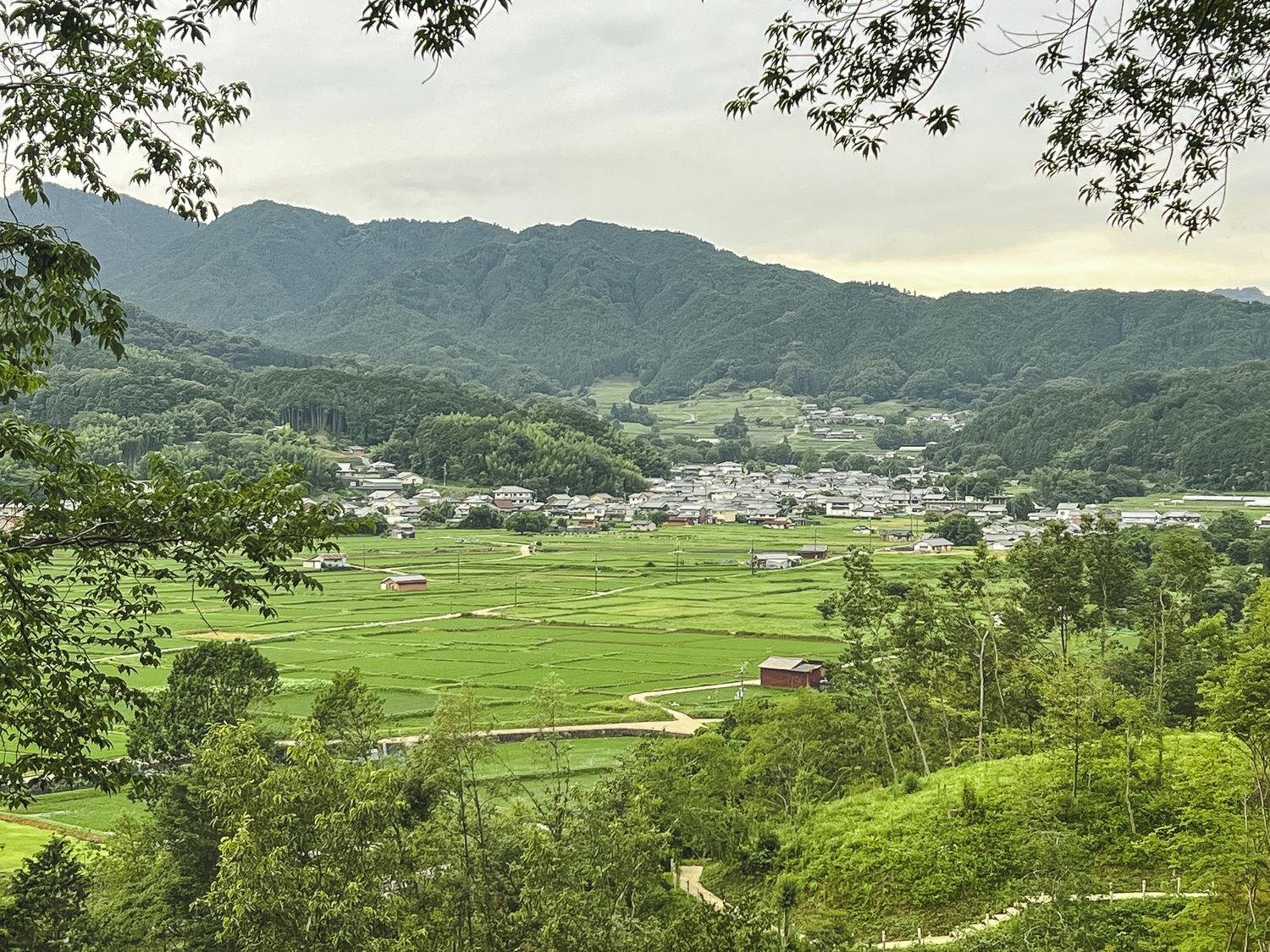
The rural landscape of Asuka, seen from Amakashi-no-oka, where ancient archaeological sites remain woven into fields, villages, and forested hills.
The Ancient Capitals of Asuka and Fujiwara is a World Heritage property made up of 19 component parts across Asuka Village, Kashihara City, and Sakurai City in southern Nara Prefecture.
Rather than a single monument, it is a collection of archaeological sites representing two successive centers of political power: Asuka, from the late sixth century until 694, and Fujiwara, from 694 until the capital moved to Heijō-kyō in 710.
The 19 component parts can be understood through three main groups:
palace and government-related sites
Buddhist temple sites
mounded tombs
Each group tells a different part of the same story.
The palace and government sites show how political institutions developed. The temples reveal the growing importance of Buddhism and cultural exchange with continental Asia. The tombs show how expressions of status and authority changed as a new political order emerged.
Together, they preserve the archaeological record of a period in which Japan was taking on many of the characteristics of a centralized state.
Why Are Asuka and Fujiwara So Important?
The Formation of a Centralized State
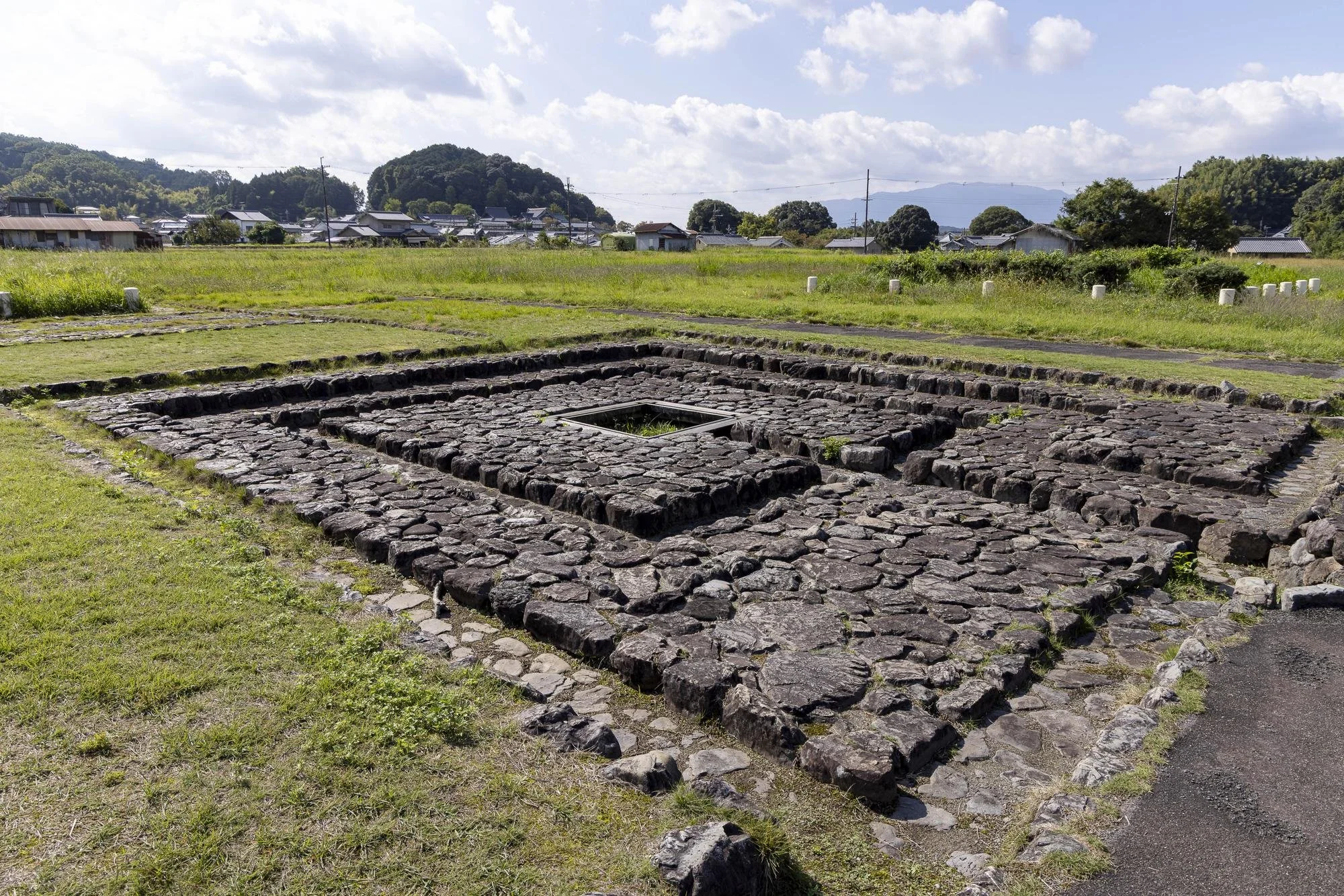
Stone remains at the Asuka Palace Site, where successive imperial residences stood during a pivotal period in the formation of Japan’s early state.
Before the rise of the political system represented at Asuka and Fujiwara, powerful clans played a major role in governing the Japanese archipelago.
During the seventh century, that balance gradually changed.
Political authority became increasingly centered on the ruler and the imperial court. New administrative institutions developed, and ideas of government influenced by systems from China were introduced and adapted to conditions in Japan.
Central to this transformation was the development of the ritsuryō system, based on codified administrative and penal laws.
Asuka allows us to see this transformation while it was still unfolding.
Successive rulers established palaces in the area, and important political events took place here. The surviving archaeological sites reveal an evolving center of government rather than a single permanent capital built all at once.
That would change at Fujiwara.
From the Palaces of Asuka to a Planned Capital
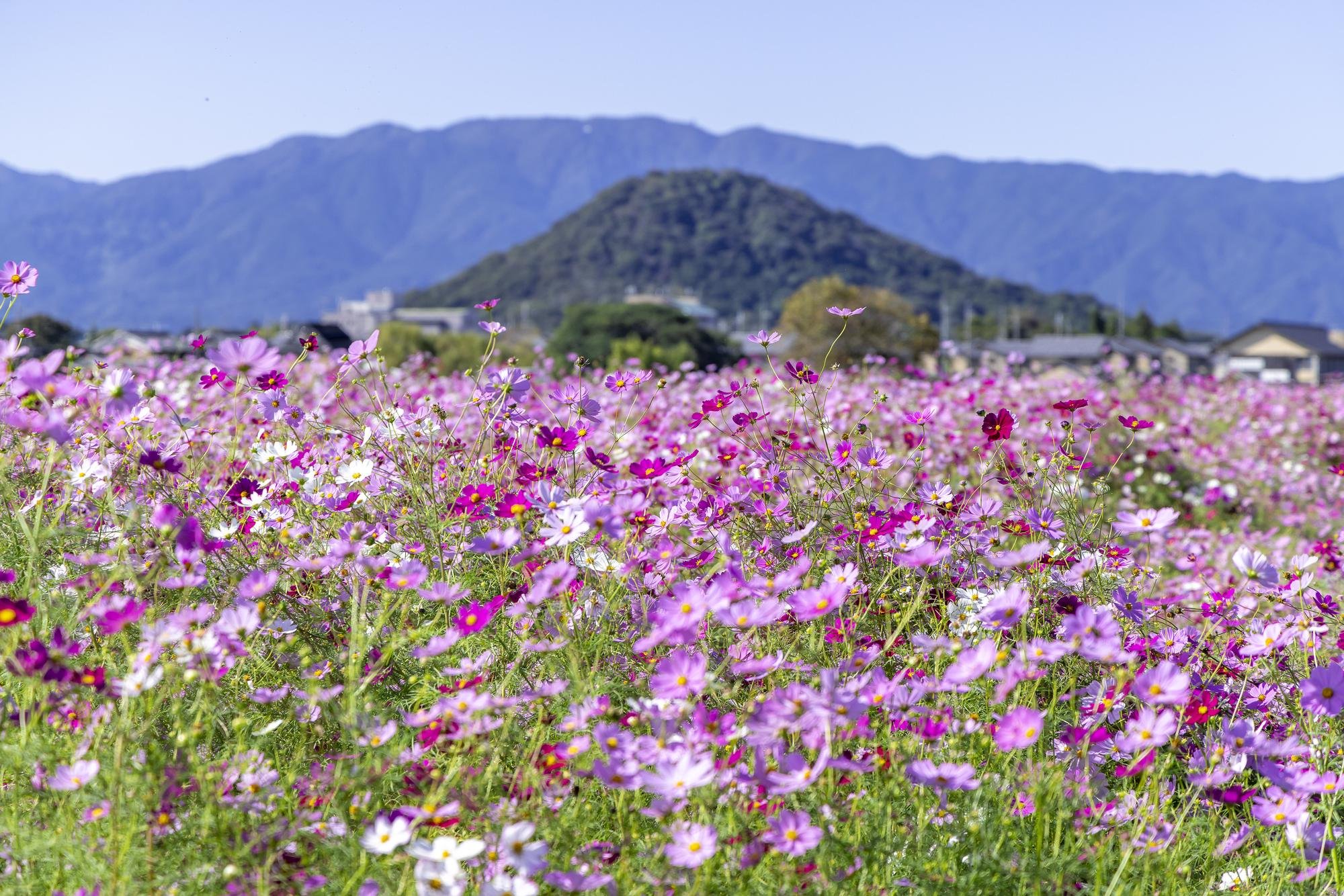
Cosmos flowers bloom across Fujiwara Palace Site, with Mount Unebi rising beyond the ancient capital.
In 694, the imperial court moved to Fujiwara.
The difference was significant.
Instead of another palace placed within the Asuka landscape, Fujiwara developed as a large, deliberately organized capital. At its center stood Fujiwara Palace, while an extensive urban grid spread around it.
The arrangement of ceremonial spaces, government offices, roads, temples, and other elements reflected a political system that had become far more structured than it had been a century earlier.
Fujiwara therefore represents an important turning point.
The political experiments and reforms that had developed during the Asuka period were now expressed physically in the design of a capital city.
The model did not end there. The experience gained at Fujiwara contributed to the development of later capitals, including Heijō-kyō in present-day Nara.
Today, Fujiwara Palace Site looks very different from what many travelers imagine when they hear the word "capital."
There are no towering palace buildings.
Instead, visitors encounter a broad open landscape beneath the mountains of the Nara Basin.
That quietness can be deceptive. More than 1,300 years ago, this was the political heart of an emerging state.
Buddhism and a New Cultural Landscape
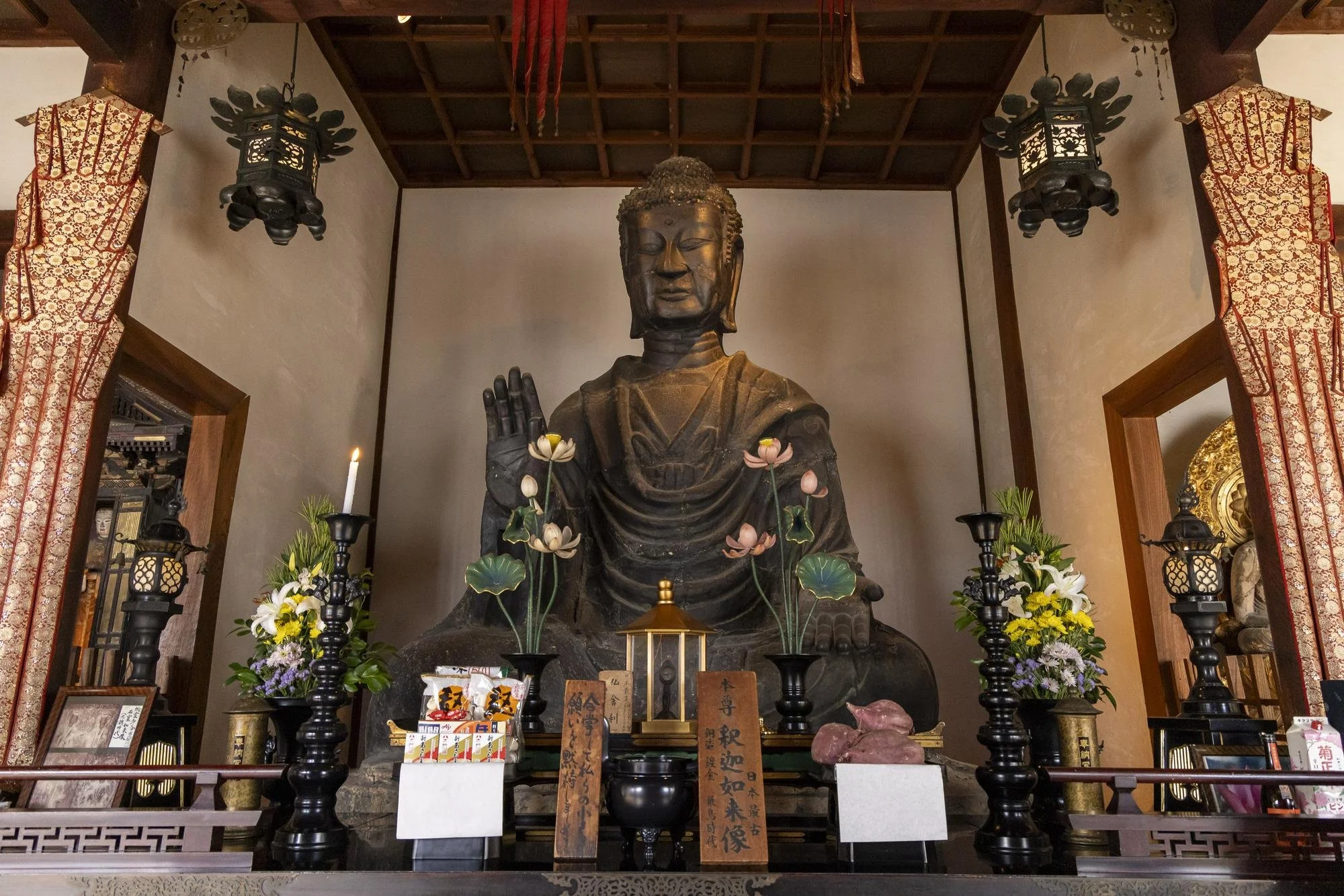
The Great Buddha of Asuka-dera, a powerful reminder of Buddhism’s early establishment in Japan more than 1,400 years ago.
Political change was only one part of what was happening.
The spread of Buddhism transformed the religious and cultural landscape as well.
Buddhism had reached Japan through networks linking the Japanese archipelago with the Korean Peninsula and China. Its arrival brought more than religious teachings. Temple construction required new architectural knowledge, craftsmanship, artistic techniques, and technologies.
Building a Buddhist temple was therefore not simply an act of faith.
It was also evidence of international exchange and of Japan's growing ability to absorb, adapt, and eventually develop ideas that had originated elsewhere in East Asia.
Asuka-dera and the Rise of Buddhist Temples
Asuka-dera occupies an especially important place in this history.
Constructed under the patronage of the powerful Soga clan, it marked a major new stage in Japanese Buddhist architecture and temple culture.
Other temple sites followed.
Tachibana-dera, Yamada-dera, Kawara-dera, and Hinokuma-dera show how Buddhist institutions spread and diversified during the Asuka period.
Later, Daikandaiji and Motoyakushiji demonstrate another development: Buddhism becoming increasingly connected with the centralized state itself.
Seen together, these temple sites tell a story that cannot be understood from a single surviving building.
They show Buddhism moving from something newly introduced into Japan toward becoming one of the defining forces of ancient Japanese religion, art, culture, and government.
Kofun and the Changing Expression of Power
Seven of the 19 component parts are mounded tombs.
At first, they may seem separate from the story of palaces and temples.
In fact, they are essential to it.
Burial practices reflected political authority. As the structure of government changed, the ways in which society represented its most powerful people in death changed as well.
Ishibutai Kofun
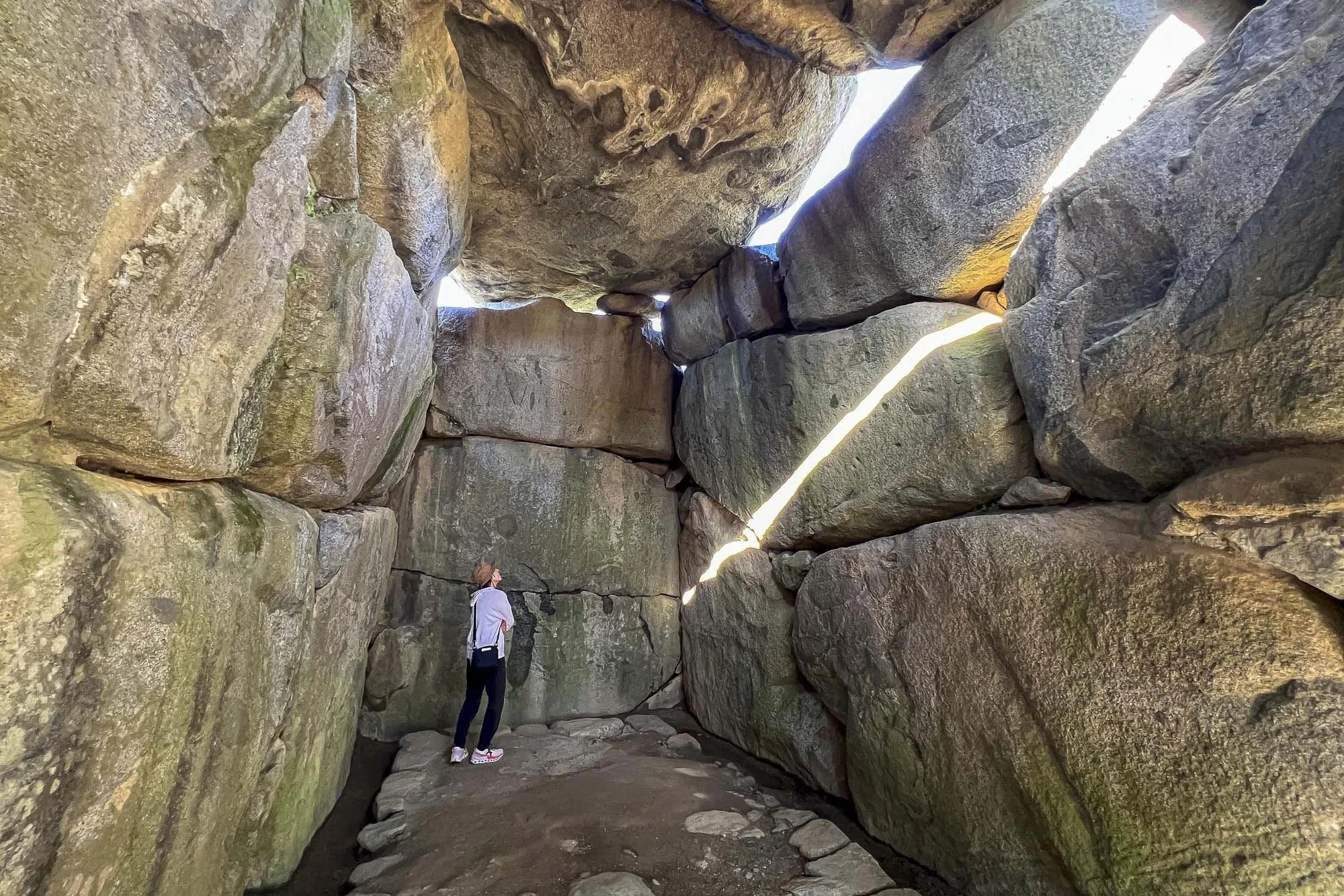
Inside the massive stone chamber of Ishibutai Kofun, where the scale of its ancient construction becomes impossible to ignore.
Among these tombs, Ishibutai Kofun has perhaps the greatest immediate visual impact.
Most of its original earthen mound has disappeared, exposing an enormous stone chamber constructed from massive stones.
The tomb is commonly associated with Soga no Umako, one of the most powerful political figures of the early seventh century, although the identity of the person buried there has not been conclusively established.
The historical questions surrounding Ishibutai are fascinating, but its physical presence is equally powerful.
Stand beside the stones—or enter the chamber—and the scale becomes difficult to ignore.
How were stones of this size transported?
How many people were required?
What kind of authority was necessary to organize such a project?
Ishibutai makes the political power of ancient Asuka feel tangible.
From Elite Tombs to Imperial Authority
Other component tombs reveal how burial architecture evolved.
Over time, enormous tombs associated with powerful elites gave way to different forms reflecting a changing political hierarchy.
One particularly important development was the appearance of octagonal tombs connected with the highest levels of rulership.
Kengoshizuka Kofun, the joint tomb of Emperor Tenmu and Empress Jitō, and Nakaoyama Kofun help illustrate this transition.
The shape, scale, construction, and placement of these tombs were not merely architectural choices.
They reflected changing ideas about authority and the position of the ruler within the new state.
Kitora and Takamatsuzuka: Ancient Worlds Inside the Tombs
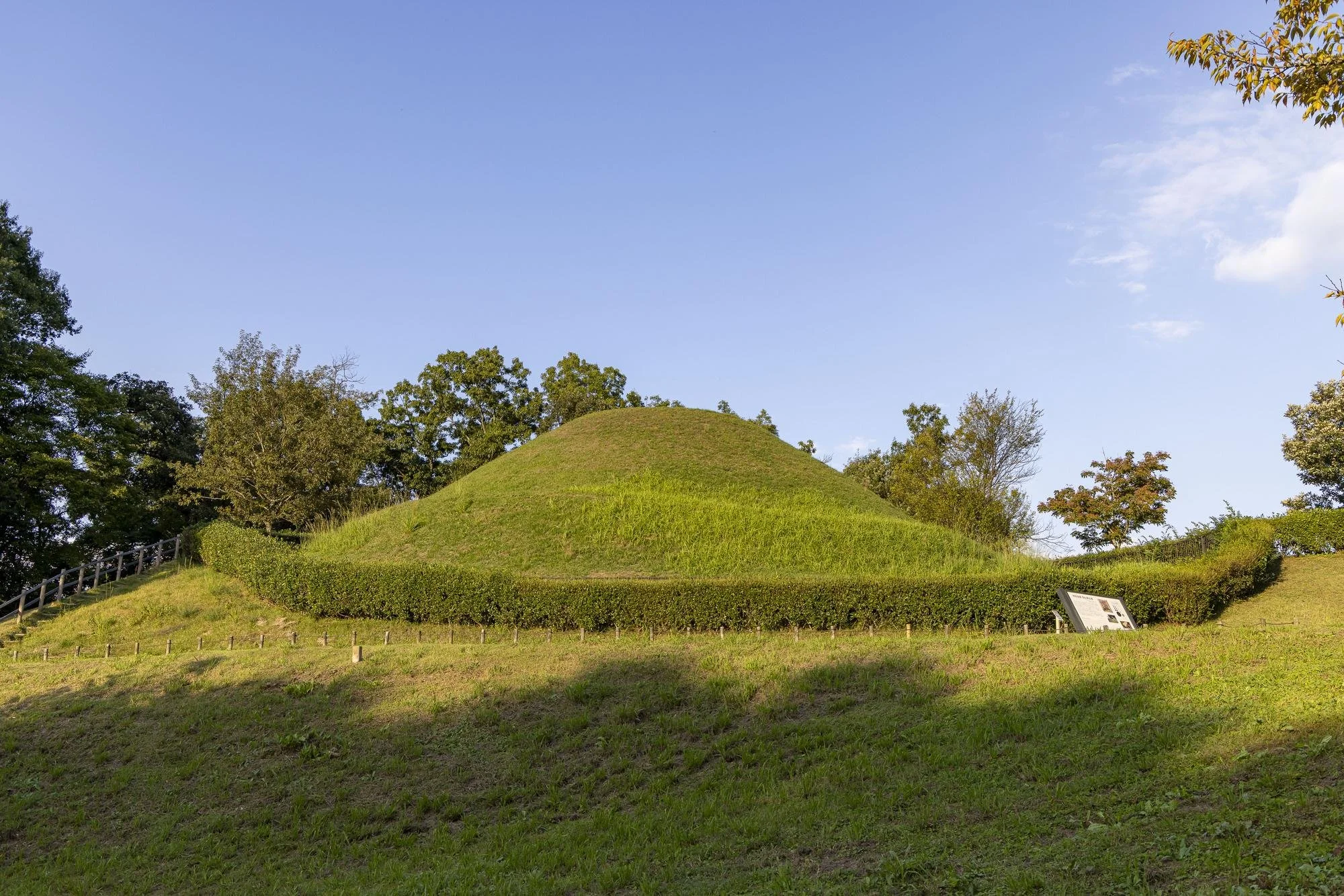
Takamatsuzuka Kofun, a small ancient tomb whose burial chamber revealed some of Japan’s most celebrated ancient wall paintings.
Kitora Kofun and Takamatsuzuka Kofun reveal yet another side of this period.
Inside their burial chambers were sophisticated mural paintings.
Kitora is particularly famous for its astronomical imagery and representations associated with the Four Divine Creatures and the zodiac.
Takamatsuzuka became famous after the discovery of its vividly colored wall paintings, including groups of men and women, celestial imagery, and motifs reflecting ideas that circulated across East Asia.
These paintings are important not simply because they are beautiful.
They provide evidence of how people in ancient Japan understood status, the cosmos, religion, and the wider cultural world around them.
The tombs are small compared with Ishibutai, but the world represented inside them is extraordinarily rich.
The 19 Component Parts
The World Heritage property consists of 19 component parts divided into three broad categories.
Palace and Government-Related Sites
These places preserve evidence of imperial residences, political and administrative activity, ceremonial spaces, gardens, technology, and the development of an increasingly organized center of government.
Buddhist Temple Sites
Together, they show how Buddhism expanded from temples associated with powerful clans toward religious institutions increasingly connected with the centralized state.
Mounded Tombs
Together, these tombs reveal changes in burial practices, political hierarchy, religious influence, and the expression of authority during the transition from the Kofun period to the early historical state.
Why Are 19 Separate Places One World Heritage Site?
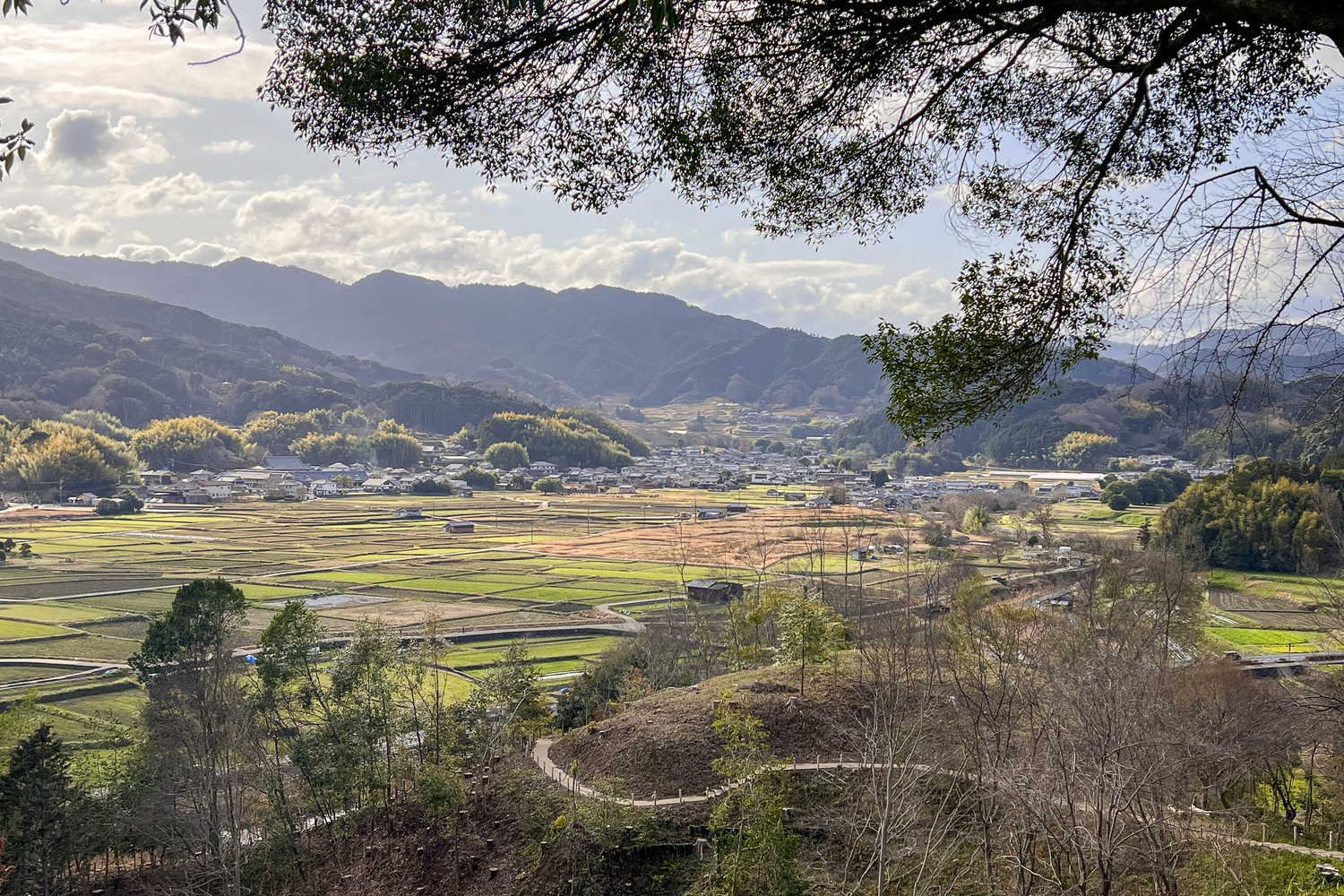
Asuka’s archaeological heritage survives within a living rural landscape of fields, villages, and mountains.
This is one of the most important things to understand before visiting Asuka and Fujiwara.
The World Heritage Site is not significant because it contains 19 individually famous attractions.
Its importance lies in the relationship between them.
A palace tells us about government, but not the whole society.
A Buddhist temple tells us about religion and cultural exchange, but not the entire political system.
A tomb tells us about power, belief, and social hierarchy, but not how a capital functioned.
When these places are considered together, a much larger picture appears.
We can see political institutions becoming more sophisticated. We can follow Buddhism from its early adoption to its increasingly important role in the state. We can observe changes in elite burial customs. We can see technology, landscape planning, ritual, and international influences interacting with one another.
The 19 sites are therefore not 19 separate stories.
They are different surviving parts of the same historical transformation.
Why Does the Landscape Matter?
The landscape is one of the reasons Asuka and Fujiwara feel so different from many famous historical destinations in Japan.
Much of Asuka remains rural.
Rice fields, villages, wooded hills, narrow roads, and small rivers occupy the same landscape as ancient tombs, temple sites, palace remains, and mysterious stone monuments.
Fujiwara Palace Site is similarly open, with the Three Mountains of Yamato—Mount Kagu, Mount Unebi, and Mount Miminashi—forming part of the surrounding scenery.
Many of the most important archaeological remains are preserved underground.
As a result, visitors do not encounter a fully reconstructed ancient capital.
Sometimes what you see is an open field.
Sometimes it is a series of markers showing where ancient columns once stood.
Elsewhere, a surviving mound or subtle change in the landscape is the visible clue to something much larger beneath the ground.
At first, this may require imagination.
But it also makes Asuka and Fujiwara unusual.
You are not walking through a modern recreation of ancient Japan.
You are moving through the actual landscape in which these changes took place.
What Does UNESCO World Heritage Status Mean?
The Ancient Capitals of Asuka and Fujiwara were inscribed on the World Heritage List under UNESCO criteria (ii) and (iii).
Their significance includes the exchange of ideas and cultural influences between the Japanese archipelago, China, and the Korean Peninsula, as well as the exceptional archaeological evidence they preserve of the development of a centralized state.
UNESCO recognition also draws attention to something easily overlooked: these archaeological sites do not exist in isolation from the places around them.
They are part of a cultural landscape that has continued to be farmed, inhabited, studied, protected, and cared for over many generations.
World Heritage status therefore brings both recognition and responsibility.
More people around the world may now discover Asuka and Fujiwara.
At the same time, protecting archaeological remains, respecting local communities, and preserving the character of the landscape become even more important.
Asuka and Fujiwara are not frozen in the past.
They are historic places within living communities.
How Should You Explore Asuka and Fujiwara?
There are 19 component parts, but visiting all 19 should not be the goal of a first trip.
They are spread across Asuka Village, Kashihara City, and Sakurai City, and some are much easier for visitors to understand than others.
A more rewarding approach is to choose places that reveal different parts of the story.
For example, in Asuka you might combine:
Asuka Palace Site — political power
Asuka-dera — Buddhism and cultural exchange
Ishibutai Kofun — elite burial and political authority
Those three places alone reveal very different dimensions of the Asuka period.
Add Fujiwara Palace Site, and the next stage becomes visible: the transition from successive palaces in Asuka to a large planned capital.
Visit Kitora Kofun or Takamatsuzuka Kofun, and another dimension appears through ancient art, astronomy, and beliefs about the cosmos.
The purpose is not to check 19 names off a list.
It is to begin seeing the connections between them.
Before planning your day, see our practical guide to getting to Asuka from Osaka and Kyoto.
A Landscape Where Japan Was Taking Shape
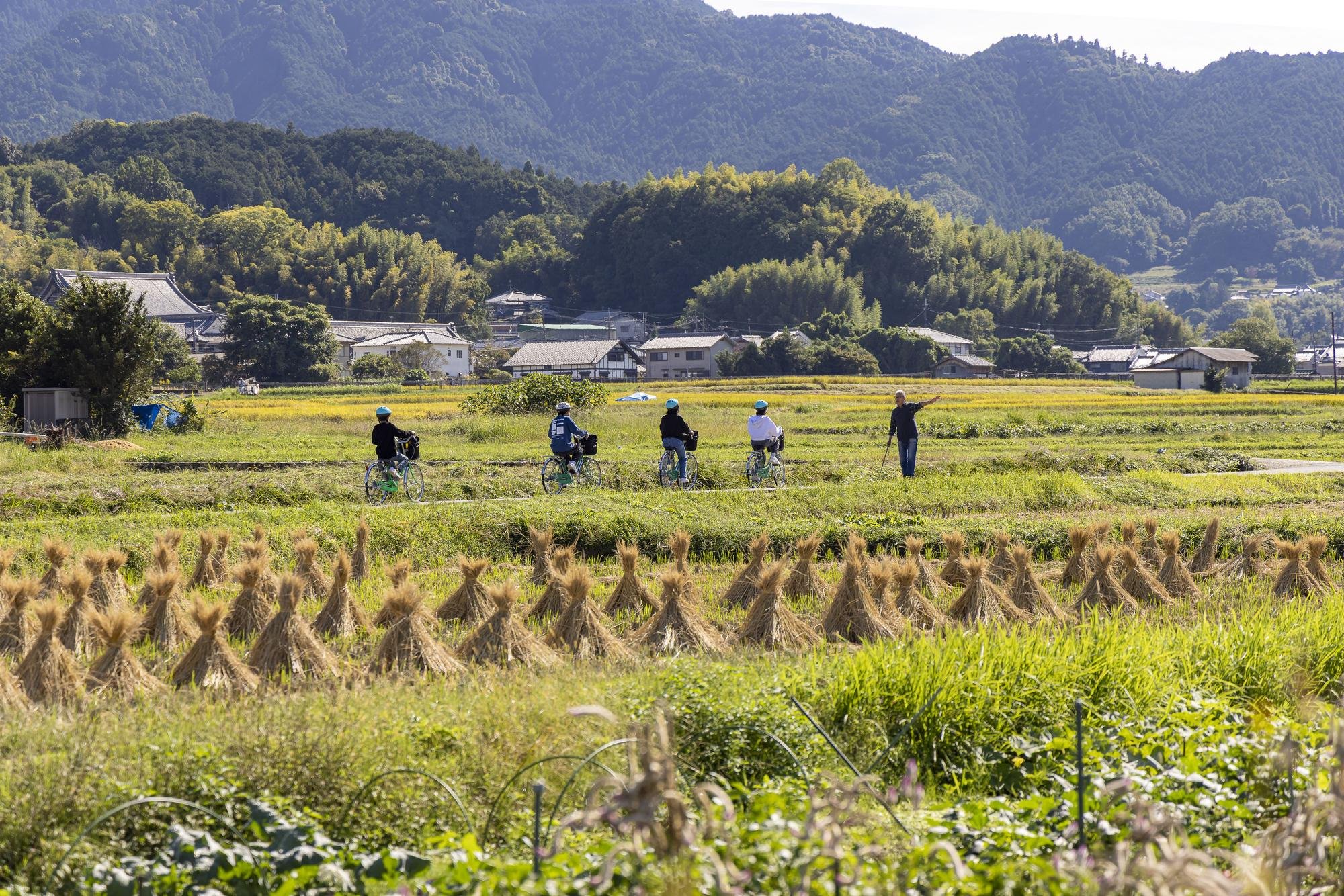
Exploring Asuka by bicycle offers a quiet way to experience ancient history within the countryside where it unfolded.
Today, Asuka and Fujiwara can seem almost surprisingly quiet.
You may find yourself standing in a rice field, beside a grassy archaeological site, in the grounds of a small temple, or in front of an ancient burial mound surrounded by countryside.
It can be difficult to imagine that this peaceful landscape was once at the center of profound change.
But that is exactly what makes the area remarkable.
Here, political authority was reorganized.
Buddhism became deeply rooted in Japanese society.
Knowledge, technology, religion, art, and systems of government arrived through connections with the wider East Asian world and were adapted to local traditions.
The way rulers governed changed.
The way temples were built changed.
The way the most powerful people were buried changed.
And eventually, a large planned capital appeared on the Nara Basin.
Each of the 19 component parts preserves only one piece of that story.
Together, however, they reveal something much larger:
a landscape in which the foundations of the early Japanese state were taking shape.
That is why the Ancient Capitals of Asuka and Fujiwara matter—and why visiting them is about far more than seeing ancient ruins.
Explore Asuka & Fujiwara with Discover Nara
The 19 World Heritage sites become far more meaningful when their connections are understood.
Discover Nara offers guided historical and cultural tours of Asuka and Fujiwara, connecting ancient palaces, Buddhist temples, kofun, and archaeological sites with the people, ideas, and events that shaped early Japan.
Explore this remarkable landscape with a local guide and discover not only what remains today, but why these places matter.