Tomb of Emperors Tenmu and Jitō: An Imperial Burial Mound in Asuka
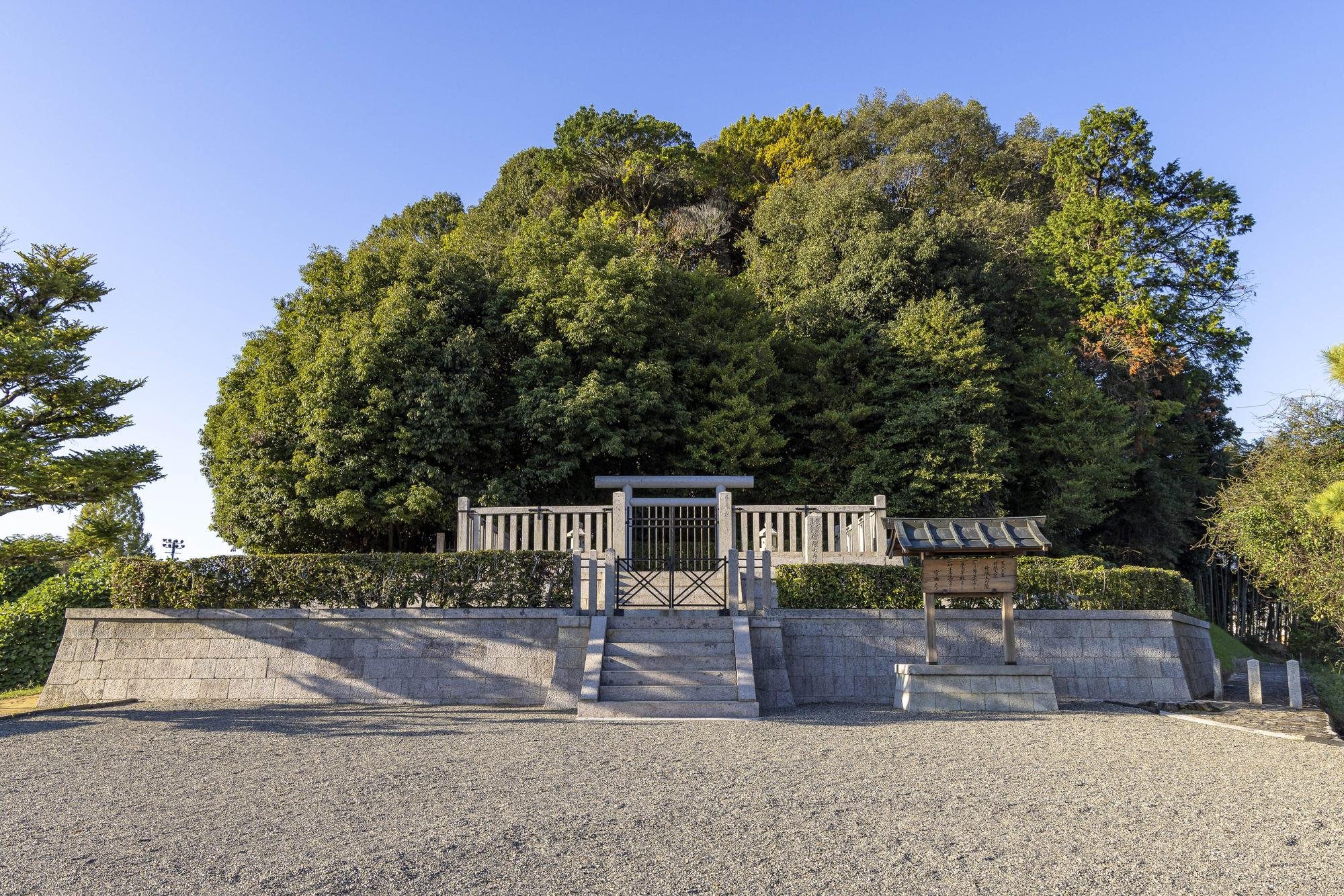
The southern entrance to the Tomb of Emperors Tenmu and Jitō in Asuka, Nara. Behind the stone fence lies the burial mound shared by two rulers who helped shape ancient Japan.
Mounded Tomb of Emperor Temmu and Empress Jito
45 Noguchi, Asuka, Takaichi District, Nara 634-0145, Japan
MAP
In the peaceful countryside of Asuka, Nara, a tree-covered burial mound holds the remains of two of Japan's most influential ancient rulers: Emperor Tenmu and Empress Jitō.
They were husband and wife, and both eventually ruled Japan as emperor. Their shared tomb, known as the Tomb of Emperors Tenmu and Jitō, is one of the 19 component sites of the UNESCO World Heritage property Asuka & Fujiwara Palaces and Related Sites.
Learn more about the 19 historic sites in our complete guide to the Asuka & Fujiwara UNESCO World Heritage Site.
Although the tomb looks like a small wooded hill today, its history reveals an extraordinary story of imperial power, changing burial customs, and the emergence of Japan's centralized state.
Two Rulers Who Shaped Ancient Japan
Emperor Tenmu (the 40th emperor) came to power after winning the Jinshin War of 672, a major conflict over imperial succession.
During his reign, he strengthened imperial authority and advanced reforms that helped establish a more centralized government.
After his death in 686, his wife eventually succeeded him as Empress Jitō (the 41st emperor). She continued his political vision and oversaw the relocation of the capital to Fujiwara-kyō in 694.
Together, their achievements helped shape the foundations of the Japanese state.
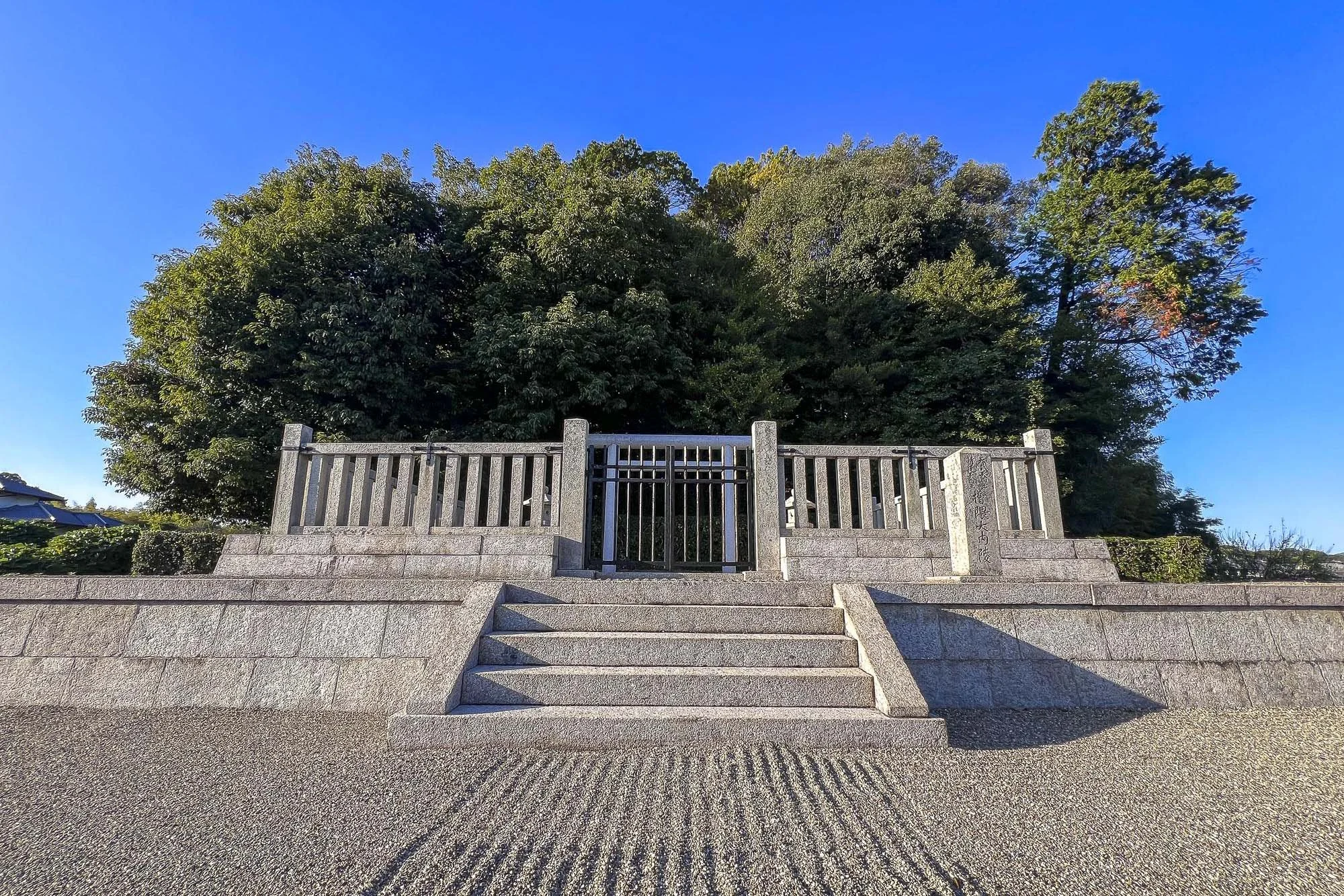
The tree-covered Tomb of Emperors Tenmu and Jitō, viewed from the southern worship area. Beneath the greenery is an ancient burial mound originally built in a distinctive octagonal shape.
An Unusual Octagonal Tomb
Built in the late 7th century, the tomb originally had a distinctive octagonal shape, measuring approximately 42 meters (138 feet) between opposite sides.
Unlike the enormous keyhole-shaped burial mounds associated with earlier centuries, octagonal imperial tombs reflected a new expression of imperial authority.
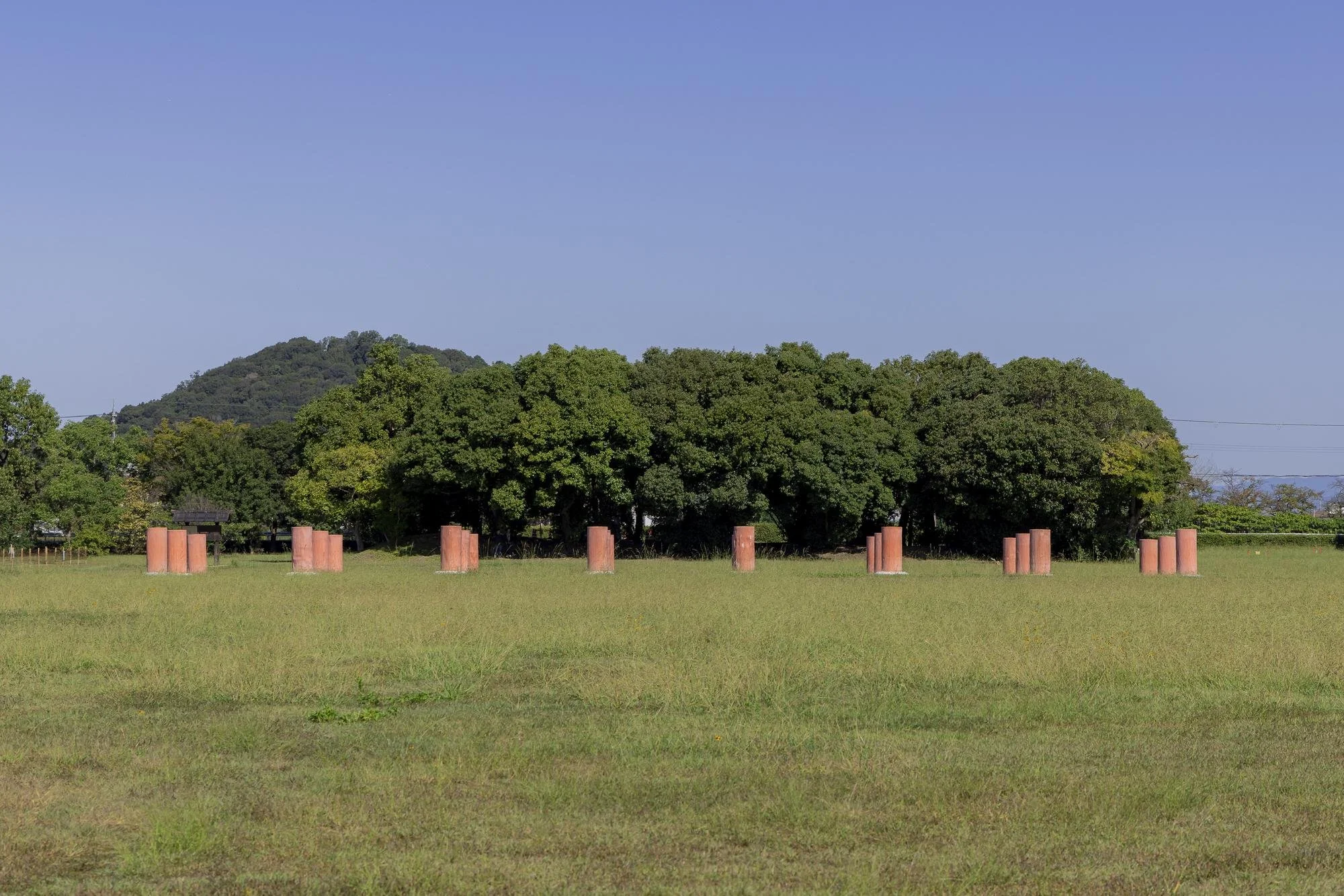
The tomb also stands directly south of the central axis of Fujiwara Palace. This carefully planned relationship between the imperial burial site and the capital illustrates how political authority was expressed through the landscape.
Buried Together, but in Different Ways
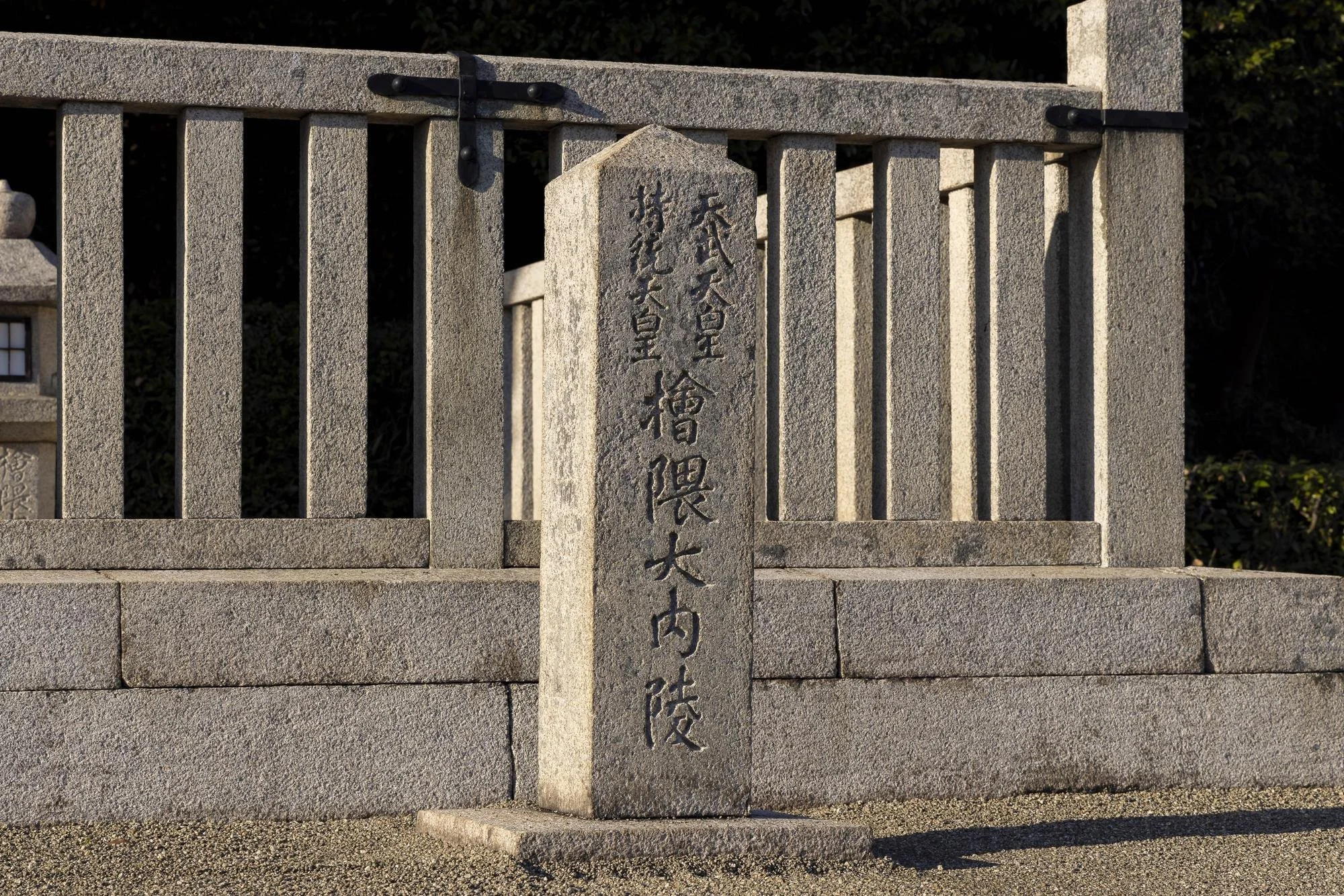
The stone marker identifies the imperial mausoleum as Hinokuma no Ōuchi no Misasagi, the shared resting place of Emperor Tenmu and Empress Jitō.
One of the tomb's most fascinating features is that the two rulers were buried using different methods.
Emperor Tenmu was interred in a coffin in 688, following traditional burial practices.
Empress Jitō, who died in 702, was cremated and her remains were placed in an urn before being buried alongside her husband in 703.
She is remembered as the first Japanese emperor to be cremated, marking an important change in imperial burial customs influenced by Buddhism.
Their shared tomb therefore preserves evidence of two different burial traditions at a turning point in Japanese history.
A Medieval Robbery That Revealed the Tomb's Secrets
Here is an unexpected part of the story.
In 1235, the tomb was robbed. A surviving account of the incident, known as the Aoki no Sanryōki, describes the burial chamber and its contents.
According to the record, the stone chamber contained a coffin associated with Emperor Tenmu and a container for Empress Jitō's cremated remains.
Although the robbery was a destructive event, the written account became an important historical source. It is one reason historians can identify this imperial tomb with unusual confidence.
The burial chamber itself is not open to visitors.
Visiting the Tomb Today
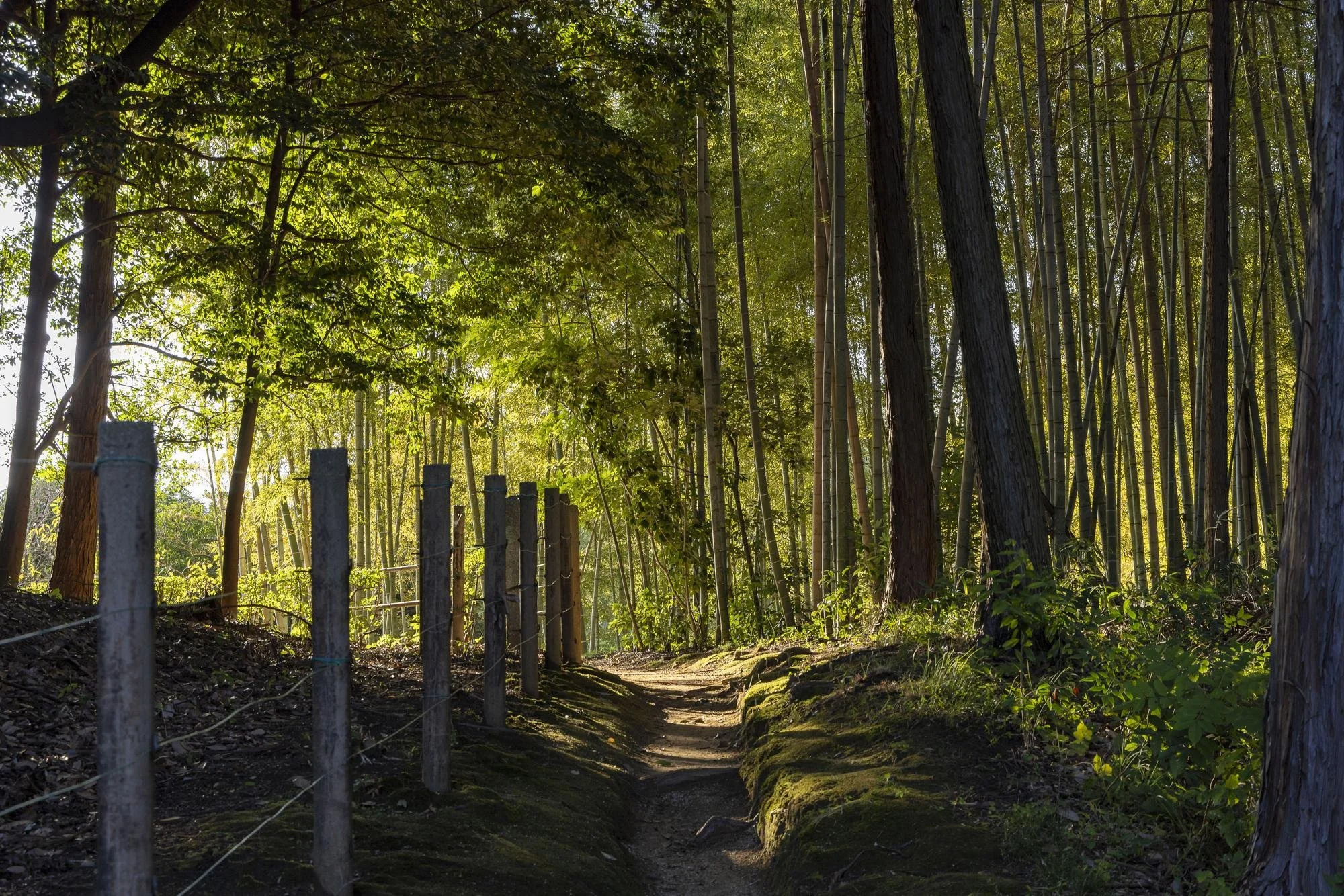
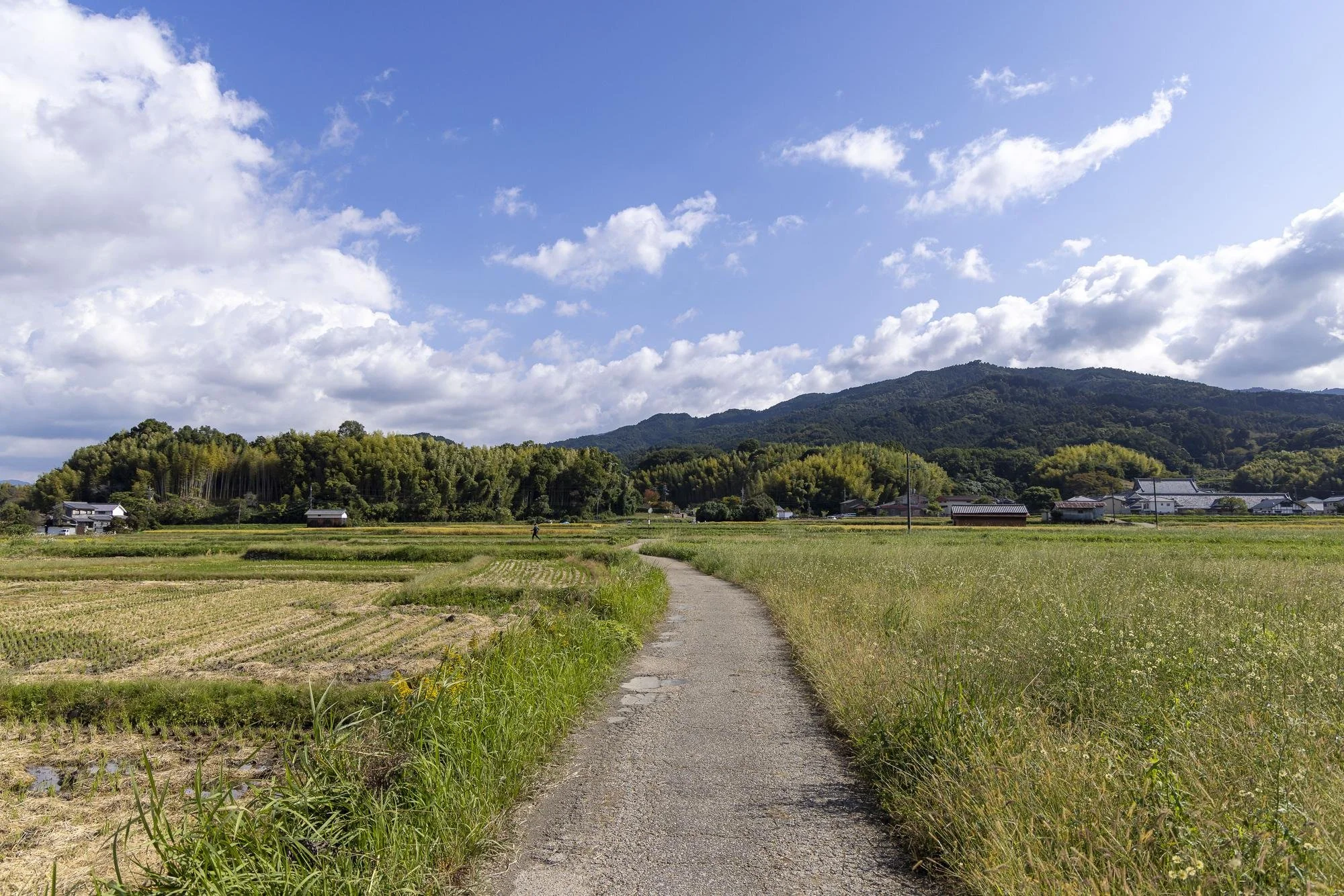
A quiet wooded path near the imperial tomb. The surrounding trees and bamboo create a peaceful atmosphere around one of Asuka's most historically significant burial sites.
The tomb is located in the Noguchi area of Asuka Village, surrounded by trees and quiet agricultural scenery.
Visitors can approach the formal worship area at the southern side of the mound, but the burial mound itself is protected and cannot be entered.
The site is approximately a 17-minute walk from Kintetsu Asuka Station. The local Aka Kame sightseeing bus also serves the area.
Unlike some of Asuka's more visually dramatic archaeological sites, this tomb is best appreciated through an understanding of its history.
Standing before it, you are looking at the resting place of two rulers who helped transform ancient Japan.
Their legacy extends far beyond this wooded hill—to the remains of Fujiwara Palace and the political institutions that shaped the centuries to come.
New to the area? Discover more about the history and landscapes of Asuka in our introduction to the birthplace of ancient Japan.
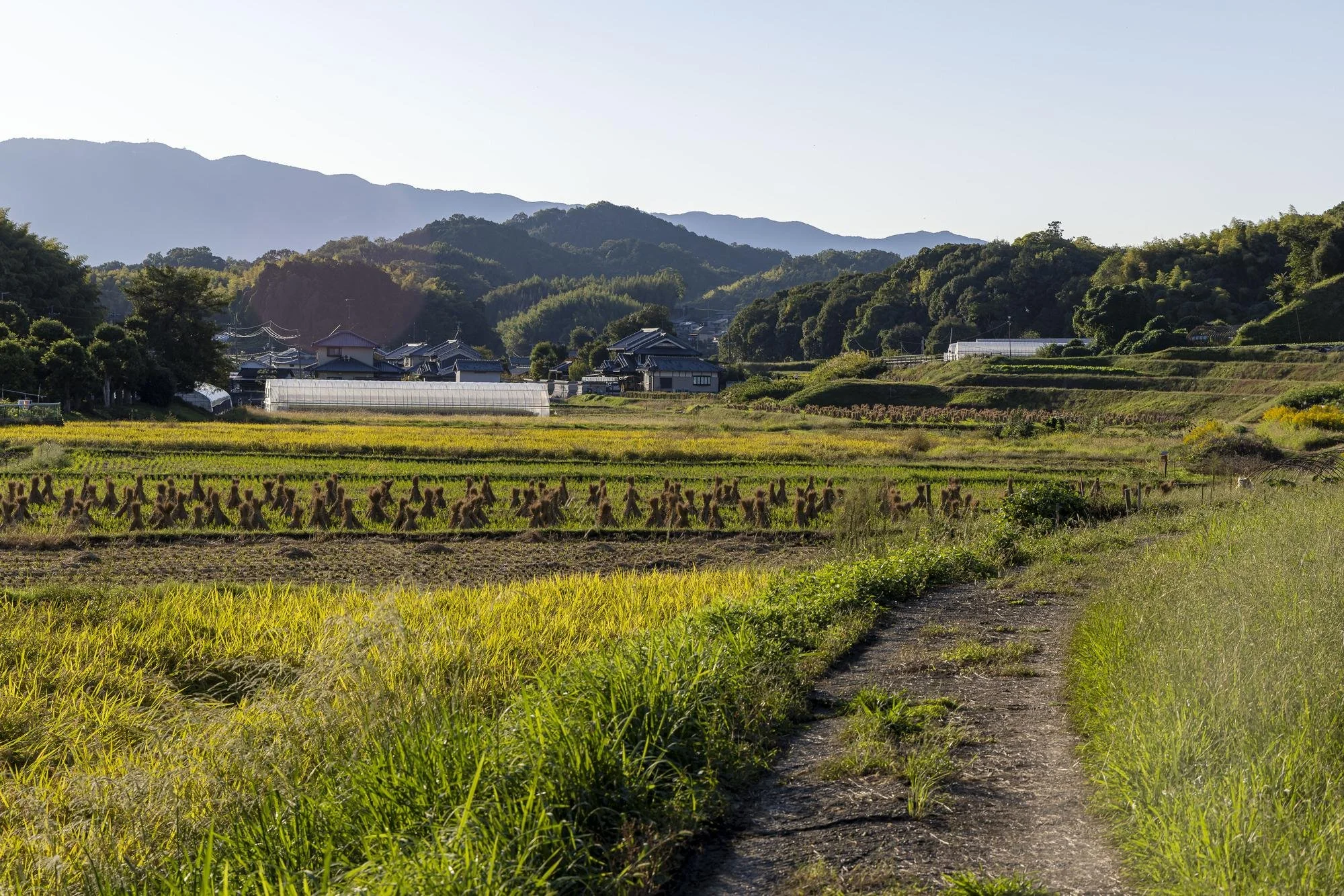
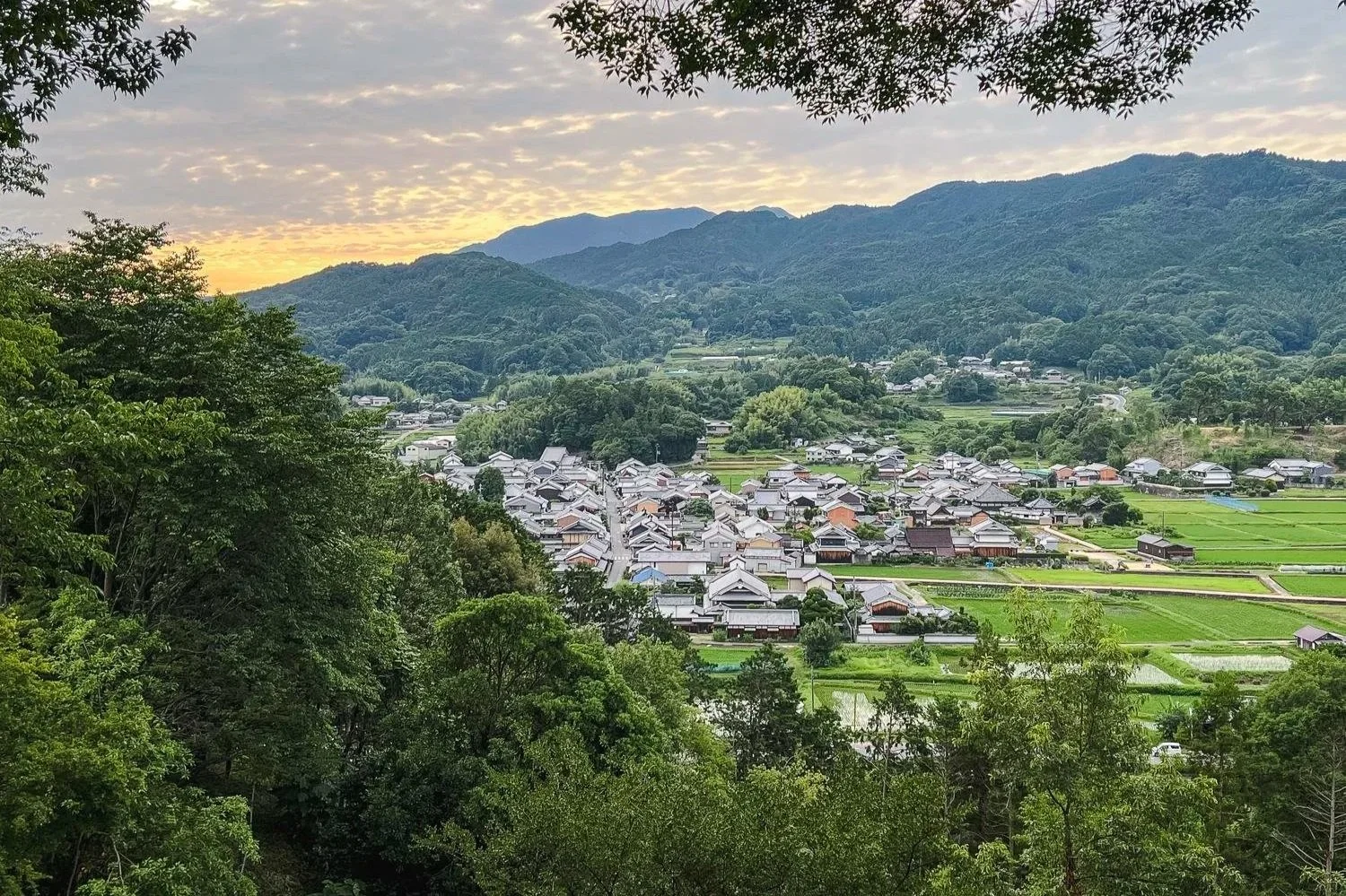
The rural landscape surrounding the imperial tomb in Asuka. Rice fields, traditional houses, and wooded hills preserve the peaceful setting of this ancient historic region.
Discover the History of Asuka with a Local Guide
Asuka's ancient tombs, temples, and palace ruins tell the story of Japan's beginnings. Discover Nara offers guided tours that bring this remarkable history to life, connecting historic sites with the people and events that shaped the country.
Explore the peaceful countryside of Asuka and discover the stories behind its extraordinary heritage.