Nara's Deer Population Reaches a Record High: What Visitors Should Know
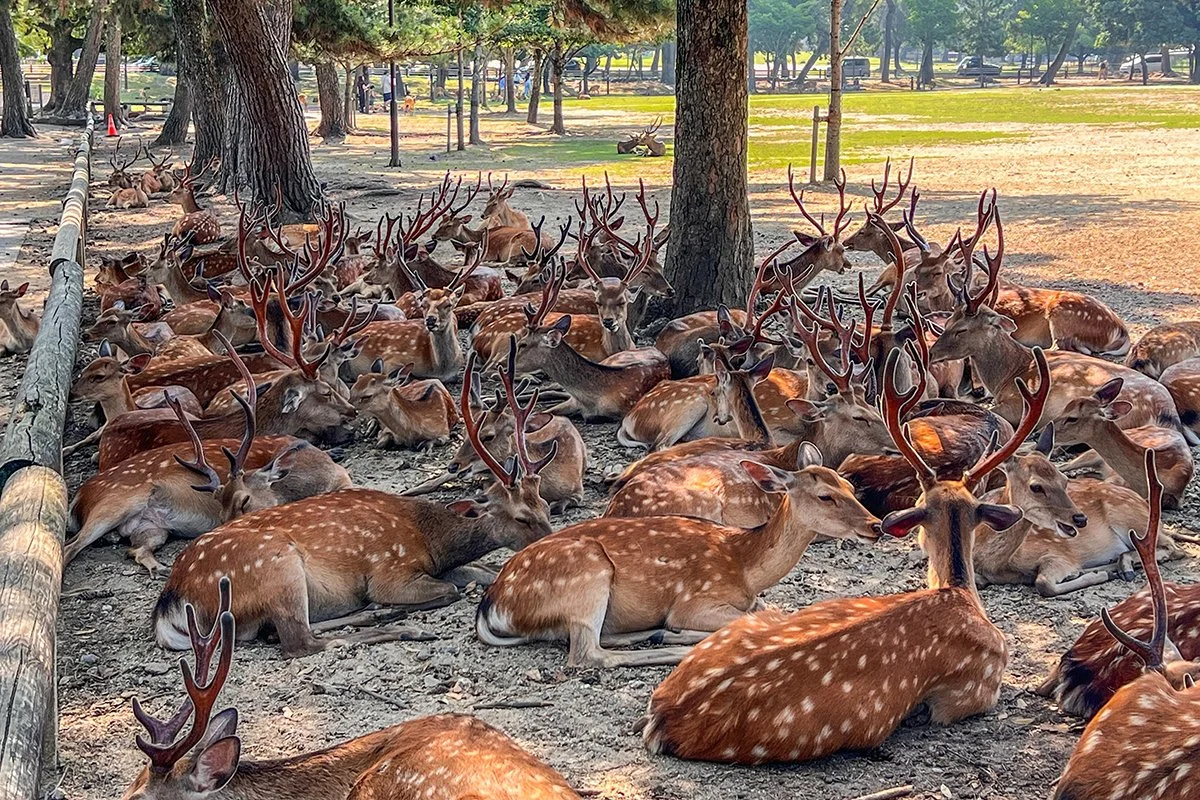
Nara Park is now home to a record 1,687 deer. The growing population highlights the importance of maintaining a healthy balance between the deer, their natural environment, and the people who visit and live around the park.
If you have visited Nara Park recently, you may have wondered: Are there more deer than before?
The answer is yes.
According to the annual survey conducted by the Nara Deer Preservation Foundation, 1,687 deer were living in Nara Park as of July 2026—the highest number ever recorded.
That is an increase of 222 deer in just one year.
But behind that record number is a more complicated story.
How Many Deer Are in Nara Park?
The 2026 survey counted:
411 male deer
990 female deer
286 fawns
1,687 deer in total
The population has now increased for five consecutive years. In 2021, the survey counted 1,105 deer. Five years later, the number has risen by more than 50 percent.
Interestingly, however, the number of fawns actually decreased in 2026—from 334 the previous year to 286.
This suggests that the record population may not continue growing indefinitely. The Nara Deer Preservation Foundation has also pointed to increasing deaths and overcrowding in the park, and has suggested that the population could begin to decline.
Why Are There So Many Deer?
There is probably no single explanation.
One concern is the feeding of deer with food other than the official shika senbei, or deer crackers.
Nara's deer naturally eat grass, leaves, acorns, and other plants growing in and around the park. The official deer crackers are intended only as a treat. Nara City specifically asks visitors not to give the deer bread, sweets, vegetables, leftovers, or other human food.
The Nara Deer Preservation Foundation has raised concerns that additional feeding may be improving the animals' nutritional condition and contributing to population growth. At the same time, inappropriate feeding can cause health problems and encourage deer to depend too heavily on people for food.
So feeding a deer something that seems harmless may have consequences far beyond that one encounter.
Shika Senbei Are a Treat, Not Their Main Food
This is something many visitors misunderstand.
The deer of Nara Park do not depend on tourists to survive.
Their natural diet consists mainly of plants found in the park. Shika senbei are a traditional way for visitors to interact with the deer, but they are not a substitute for their natural food.
The crackers are specially made as a safe treat for the deer, and part of the proceeds from their sale supports deer conservation.
If you would like to feed the deer during your visit, buy official shika senbei and give them only those.
More Deer Is Not Necessarily Better
Seeing 1,687 deer might sound like good news.
But a larger population also means more pressure on the environment and a more complicated relationship between deer and people.
The deer of Nara are wild animals, even though they are accustomed to humans. Managing their population while protecting their welfare, the park environment, and the people who live and work nearby requires a careful balance. Nara Prefecture continues to study deer numbers, habitat conditions, feeding, human-deer interactions, and other factors as part of its conservation efforts.
For visitors, the most important lesson is much simpler:
Enjoy the deer, but let them remain deer.
Feed them only official shika senbei, do not give them human food, do not leave garbage behind, and remember that they are wild animals rather than pets.
A small amount of consideration from each visitor can help protect one of Nara's most distinctive landscapes—and the animals that have been part of it for centuries.
Discover More of Nara with a Local Guide
Nara's deer are one of the city's most famous sights, but they are also part of a much larger story connecting Nara's history, religion, landscape, and people.
Discover Nara's guided tours explore the temples, shrines, historic sites, and cultural stories that make this ancient city much more than a place to see deer.
Experience Nara with a local guide and discover the stories behind what you see.