Best Ways to Explore Asuka: Bicycle, Bus, or Walking?
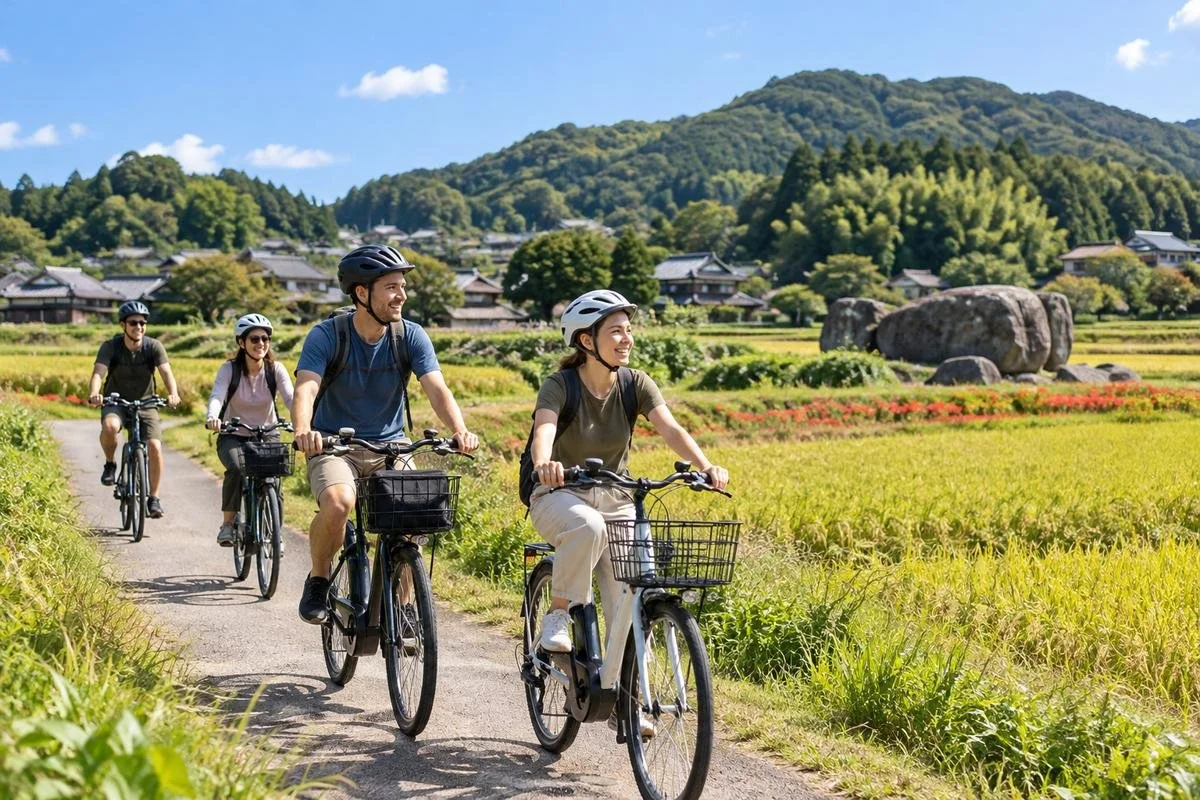
Cycling through Asuka's peaceful countryside offers visitors the freedom to explore ancient historic sites, traditional villages, and beautiful rural landscapes at their own pace. (Illustrative image)
Asuka is one of the most rewarding places to explore in Nara, but getting around requires a little planning.
Unlike a typical tourist destination where major attractions are concentrated in one area, Asuka's ancient temples, burial mounds, palace ruins, and archaeological sites are scattered across a broad rural landscape.
So, what is the best way to explore Asuka?
For most visitors, the three main options are renting a bicycle, taking the local sightseeing bus, or walking. Each offers a different experience, and the best choice depends on your interests, fitness level, the weather, and how much time you have.
If you're still planning your journey, start with our guide to reaching Asuka from Osaka and Kyoto.
1. Exploring Asuka by Bicycle
For independent travelers visiting on a pleasant day, renting a bicycle is often the best option.
Cycling gives you the freedom to travel between historic sites at your own pace, stop for photographs, and discover quiet country roads that you might otherwise miss.
Rental bicycles are available near Kintetsu Asuka Station and Kashiharajingu-mae Station, as well as at several locations within the area. Some shops offer electric-assist bicycles, which are especially useful when visiting hillier destinations such as Oka-dera.
Best for: Active travelers who want flexibility and enjoy exploring independently.
Keep in mind: Asuka is not entirely flat. Some roads have hills, narrow sections, or vehicle traffic. Choose a bicycle that suits your ability, and check rental return locations and hours before setting out.
2. Exploring Asuka by Bus
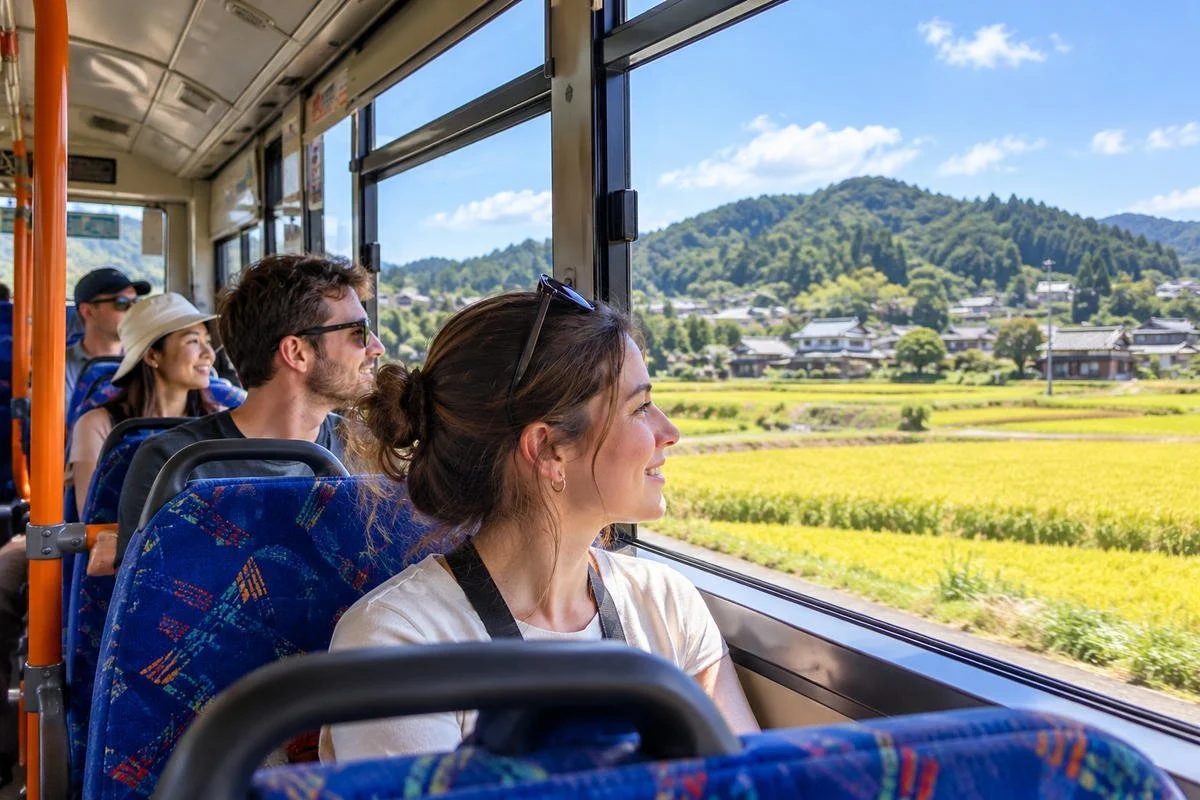
The local sightseeing bus offers a convenient alternative to cycling, allowing visitors to enjoy Asuka's rural scenery while traveling between its historic attractions. (Illustrative image)
If you prefer not to cycle, the local sightseeing bus is a practical alternative.
The Aka Kame (Red Turtle) Bus connects Kintetsu Kashiharajingu-mae Station and Asuka Station, serving major destinations including Asuka-dera, Ishibutai Kofun, and the Takamatsuzuka area.
A sightseeing bus pass is also available for travelers planning to make several stops.
The main limitation is frequency. Buses do not run as often as those in large Japanese cities, so missing one can mean a considerable wait.
I recommend checking the timetable before your visit and choosing your sightseeing stops around the bus schedule rather than simply arriving and hoping for the next bus.
Best for: Visitors who prefer public transportation, do not want to cycle, or wish to reduce the amount of walking between major sites.
Keep in mind: Some historic sites still require walking from the nearest bus stop, and not every attraction is directly served.
3. Exploring Asuka on Foot
Traveling in Japan is about more than visiting famous places. Respecting local customs, appreciating everyday life, and sharing memorable moments can make the journey even more meaningful. (Illustrative image)
Walking is perhaps the most immersive way to experience Asuka.
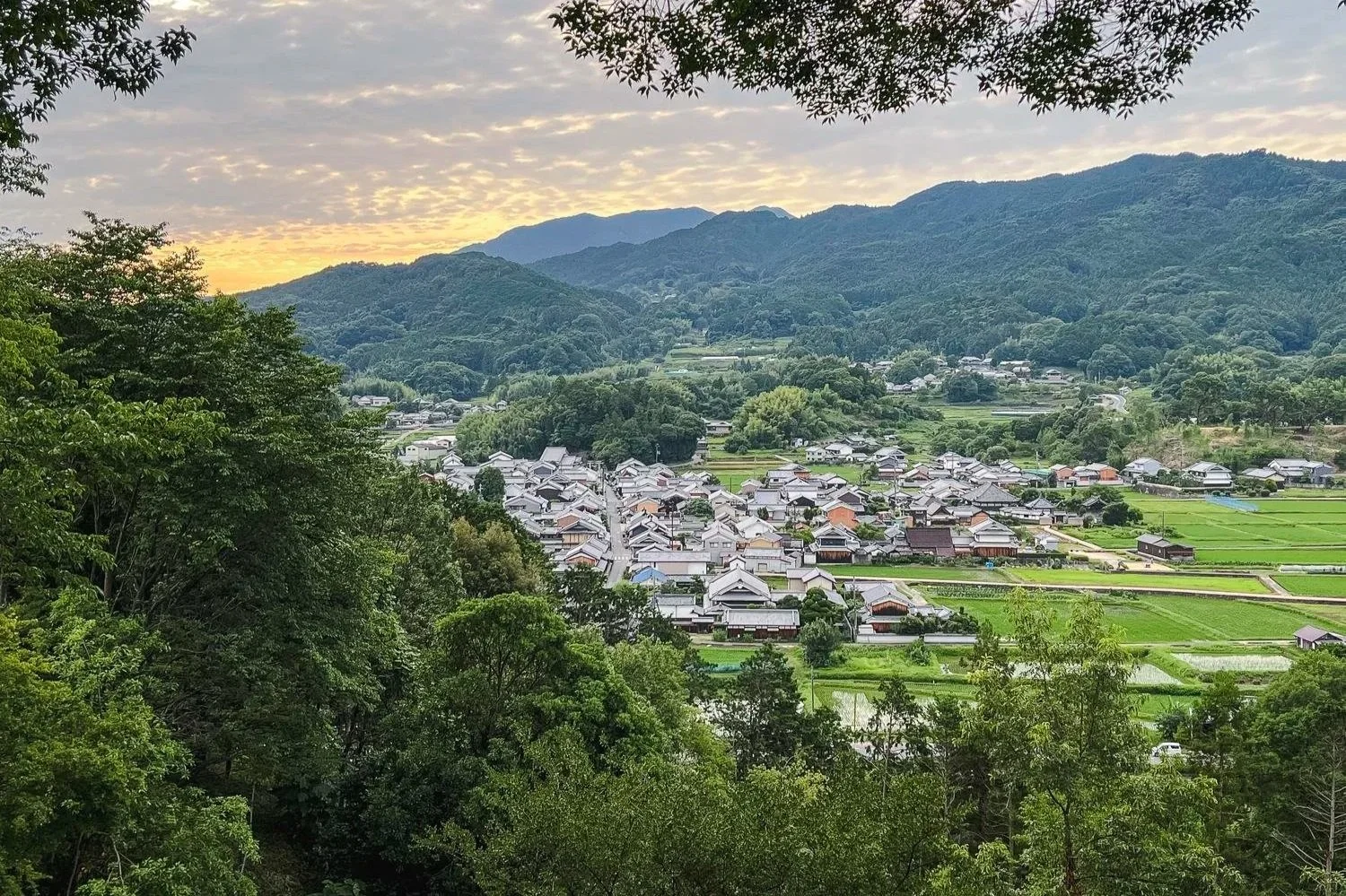
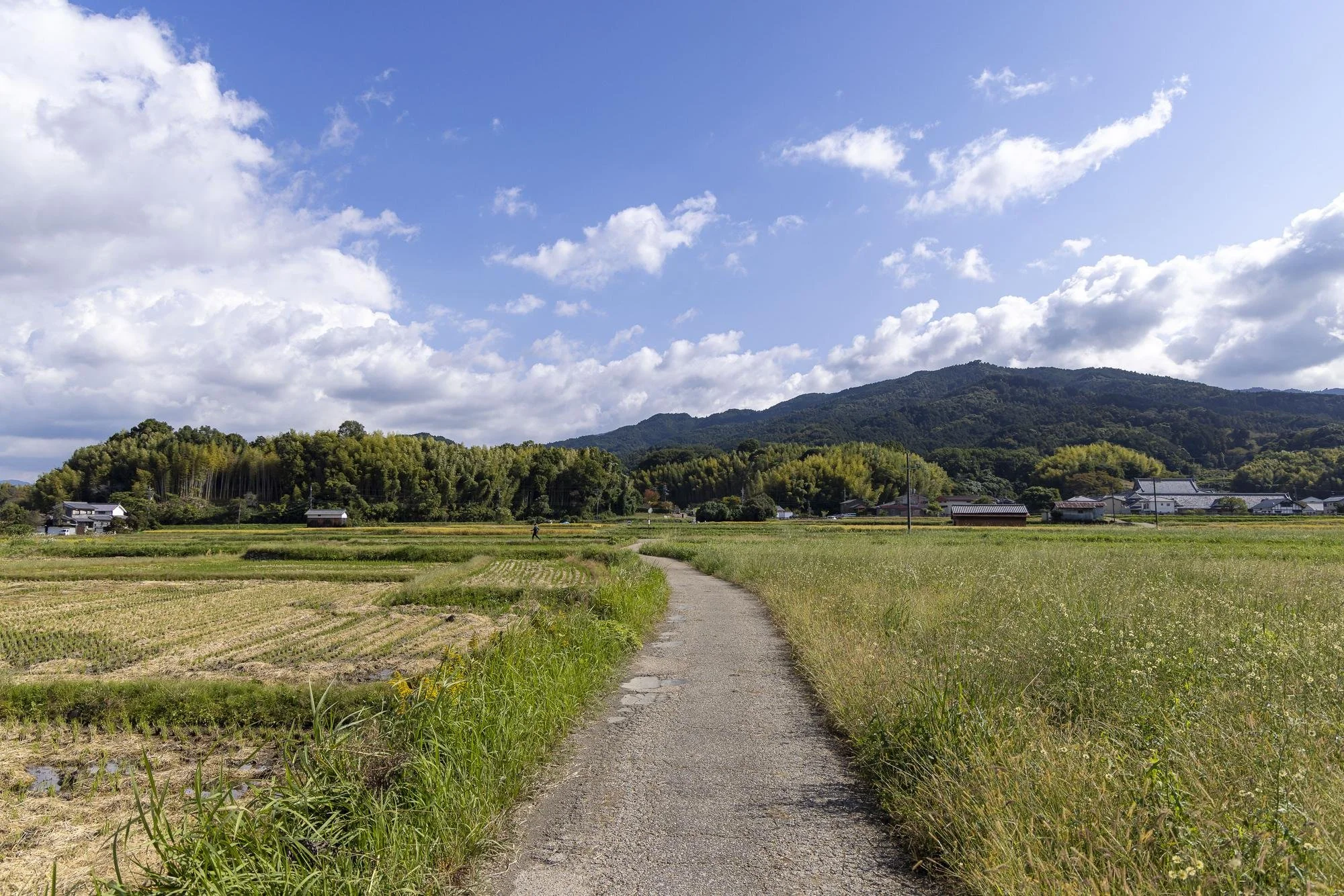
You can follow small village roads, pass traditional houses and rice fields, and appreciate the countryside that surrounds the ancient monuments.
However, exploring all of Asuka on foot in a single day is not realistic for most visitors.
The distances between major sites can be considerable. The National Government Park even offers walking routes of approximately 10 kilometers and longer, illustrating just how spread out the area's attractions are.
A better approach is to choose one section of Asuka and explore it thoroughly. For example, you could concentrate on Asuka-dera, Asuka Palace Site, and nearby historic remains rather than trying to visit every major destination.
Best for: Travelers who enjoy walking, photography, and exploring a smaller area in greater detail.
Keep in mind: Summer heat, limited shade, and the distances between attractions can make long walks tiring. Comfortable shoes, drinking water, and realistic planning are essential.
Which Way Is Best for You?
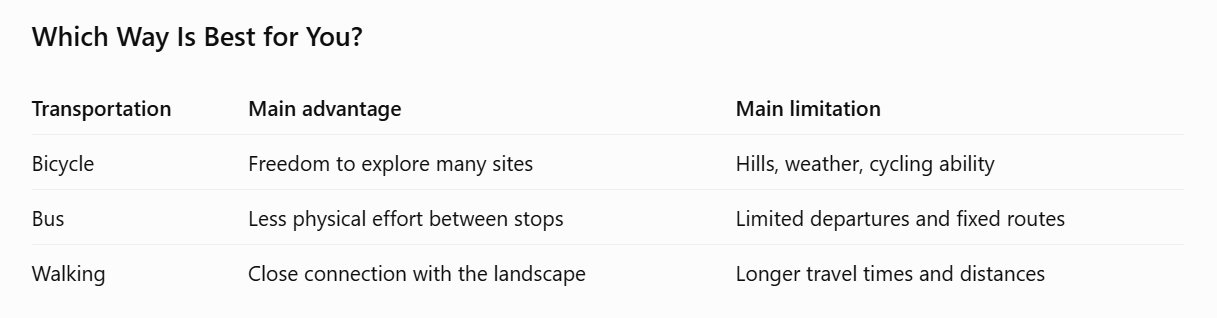
For a full day of independent sightseeing, I generally recommend an electric-assist bicycle if you are comfortable cycling.
If cycling is not your preference, the Aka Kame Bus is a good alternative, especially when you plan your route around its timetable.
Walking is wonderful for a focused visit, but I would not recommend relying on it alone to cover all of Asuka in one day.
You can also combine transportation methods, such as taking a bus to a particular area and exploring the nearby sites on foot.
A Few Practical Tips Before You Go
Asuka has two useful railway gateways: Kashiharajingu-mae Station to the north and Asuka Station to the southwest. You do not necessarily need to begin and end your visit at the same station.
Check the weather, bus schedules, and bicycle rental arrangements in advance. Remember that restaurants and cafés are limited in some parts of Asuka, so bringing a light lunch or snack can make your day more flexible.
Most importantly, avoid trying to see everything. Whether you choose a bicycle, bus, or walking route, a well-planned visit will give you more time to appreciate the remarkable history and peaceful scenery of Asuka.
For help choosing which historic sites to visit, see our suggested one-day Asuka itinerary.
Explore Asuka with Discover Nara
Exploring Asuka independently can be a wonderful experience, but understanding the history behind its ancient temples, burial mounds, and palace ruins makes the journey even more rewarding.
Discover Nara offers guided tours that connect these remarkable places with the people and events that shaped early Japan.
Enjoy Asuka's peaceful countryside while discovering its fascinating history with a local guide.