Nara City
Discover the Cultural Treasures of Japan’s Timeless Capital
Located in the heart of Nara Prefecture, Nara City is Japan’s permanent capital, established in 710 AD during the Nara period. As the cradle of Japanese civilization, the city is home to some of the country’s most iconic cultural landmarks, including Todai-ji Temple, which houses the amazingly huge bronze statue of the Great Buddha (Daibutsu), and Kasuga Taisha Shrine, known for its thousands of stone and bronze lanterns.
Nara City boasts eight UNESCO World Heritage Sites, collectively known as the Historic Monuments of Ancient Nara, offering visitors a rare opportunity to walk through landscapes that have remained largely unchanged for over 1,300 years. The city’s layout, inspired by Chinese capital design, reflects the early fusion of Buddhism, Shinto, and imperial governance, shaping the spiritual and political foundations of Japan.
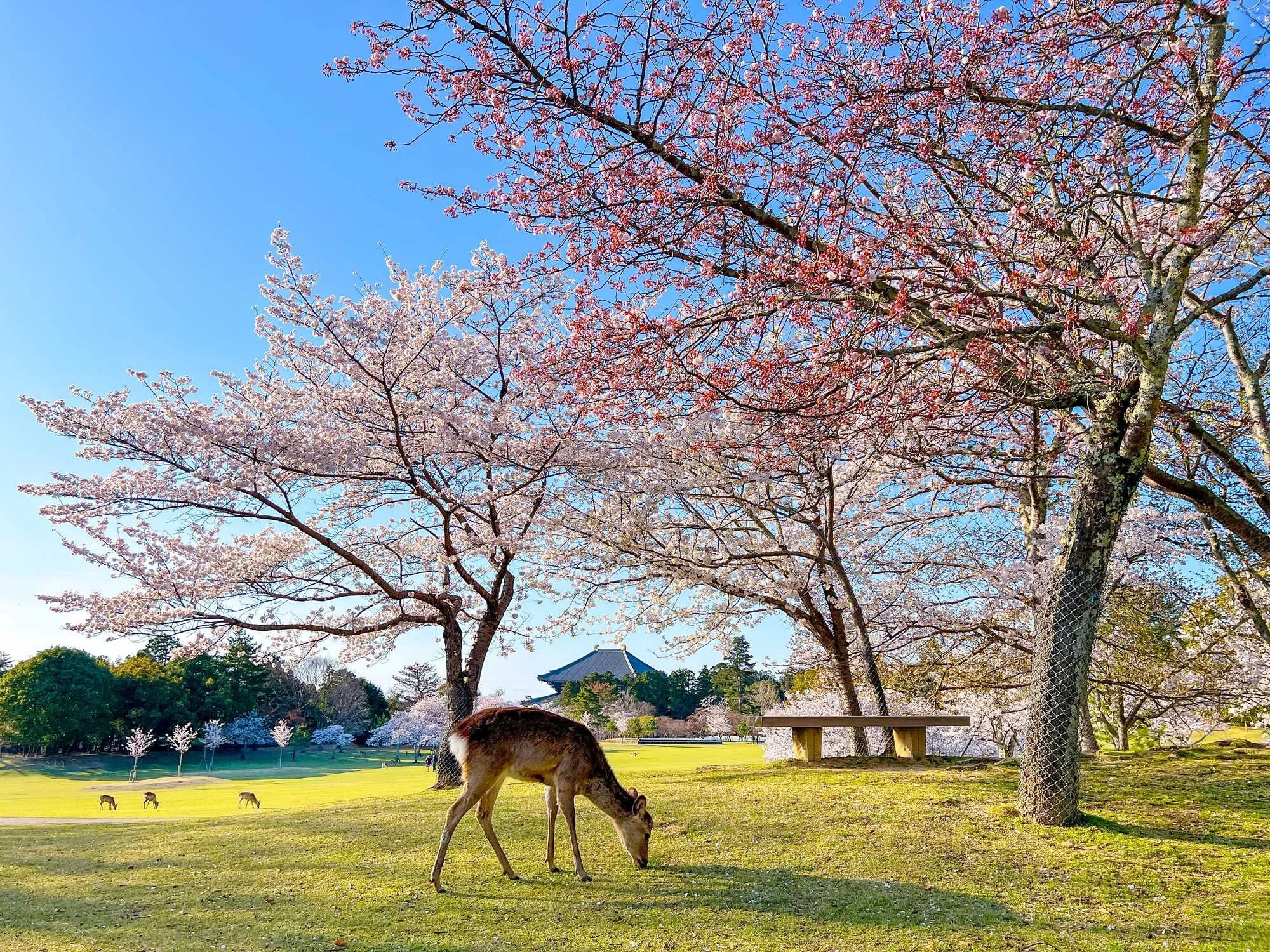
One of Nara’s most beloved attractions is Nara Park, where over 1,000 free-roaming sacred deer greet visitors with gentle bows. These animals are considered messengers of the gods and symbolize the city’s deep connection to nature and faith.
Whether you're exploring ancient temples, strolling through traditional neighborhoods, or tasting local delicacies like kakinoha sushi, Nara City offers a rich and immersive journey into Japan’s cultural heart.
HIGHLIGHTS
-
Nara Park|奈良公園
Established in 1880, Nara Park is one of Japan’s oldest public parks and remains a cherished symbol of harmony between nature, history, and spirituality. Spanning over 500 hectares in the heart of Nara City,…
-
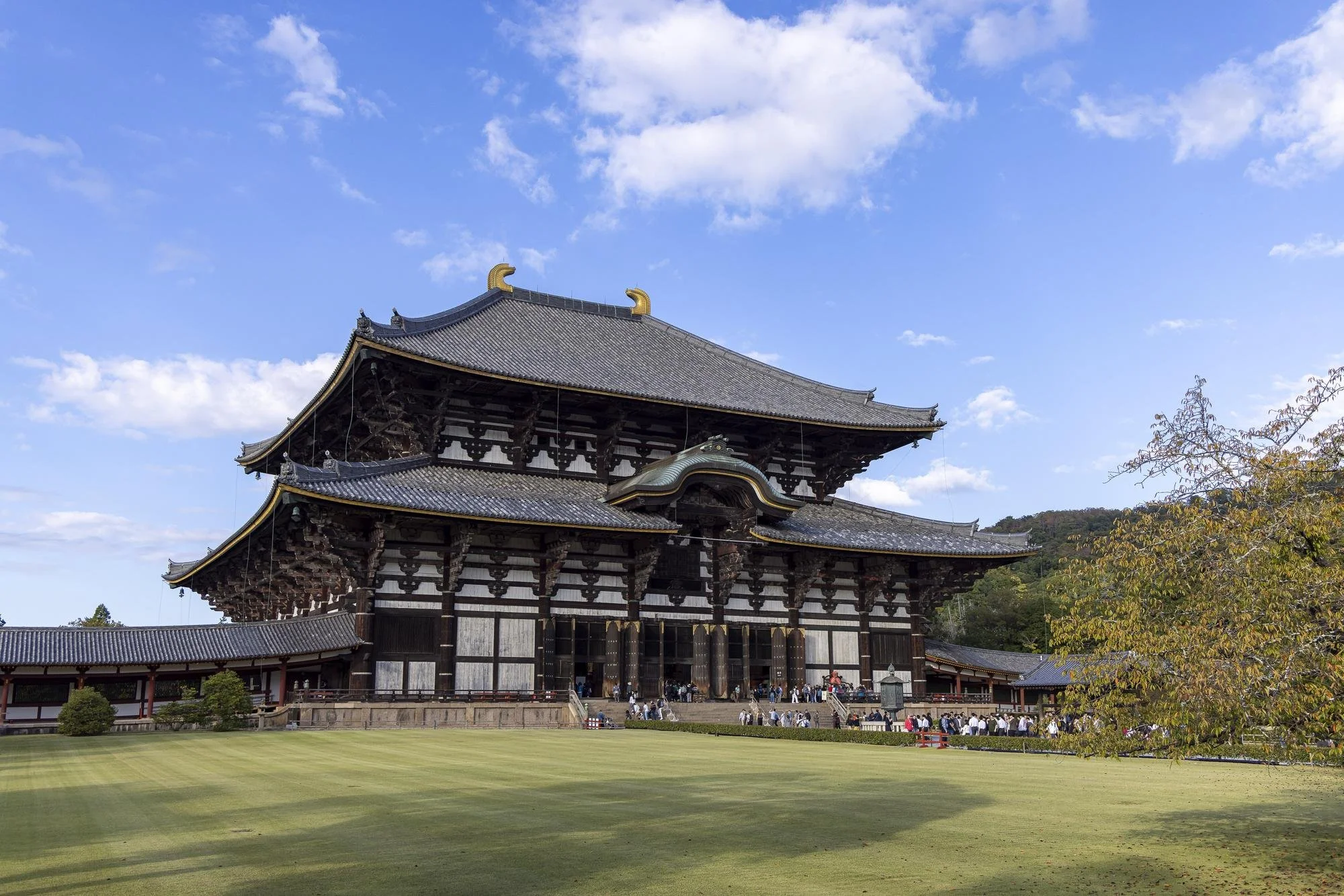
Daibutsu-den, Todai-ji|東大寺大仏殿
Founded in 752 CE during the Nara period, Tōdai-ji Temple stands as one of Japan’s most iconic and influential religious landmarks. Commissioned by Emperor Shōmu as part of a national project to…
-
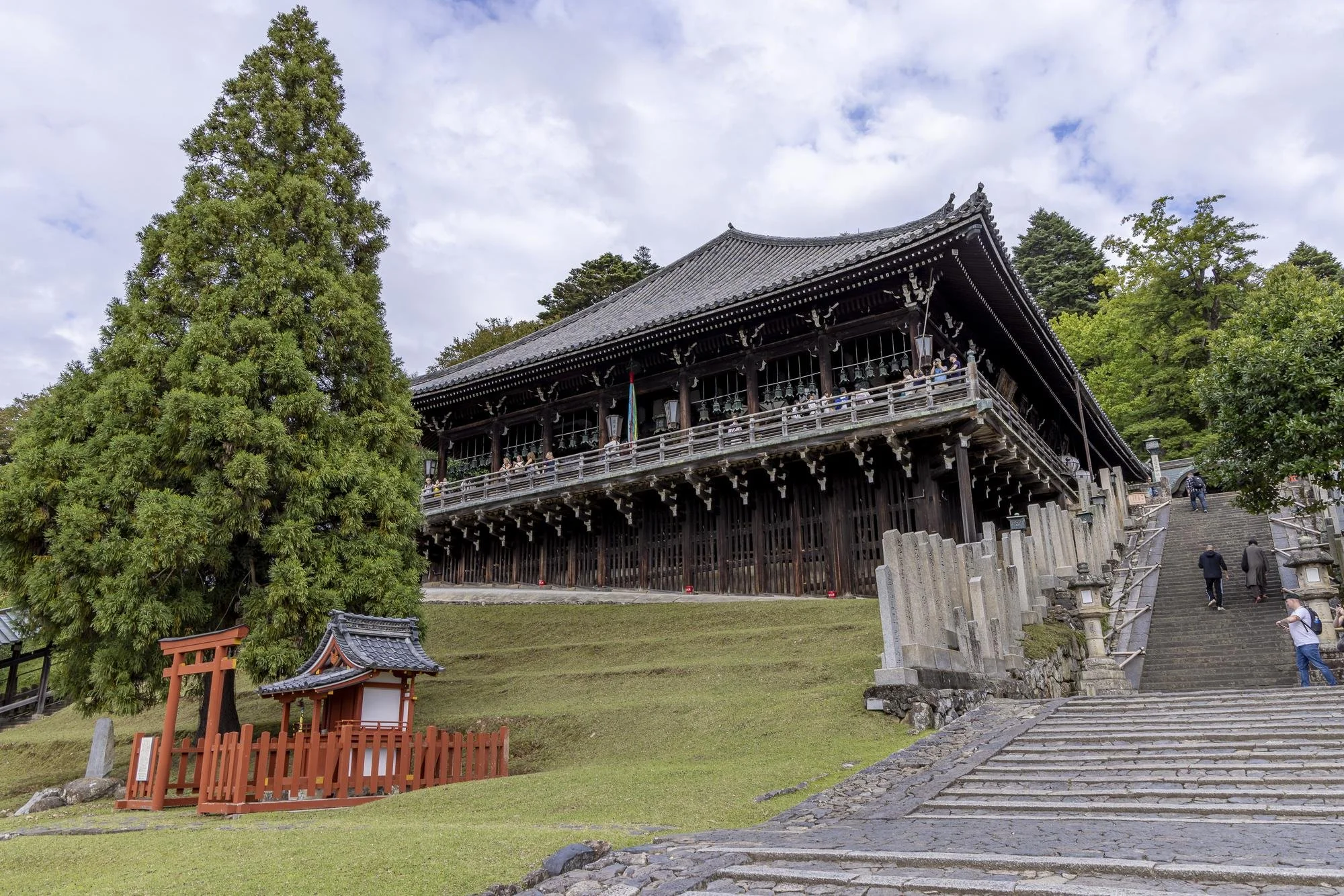
Nigatsu-do, Todai-ji|東大寺二月堂
Perched on the eastern hillside of Todai-ji Temple, Nigatsu-do (“Hall of the Second Month”) is a hidden gem with deep spiritual roots and one of the best panoramic views in all of Nara. Originally constructed in…
-
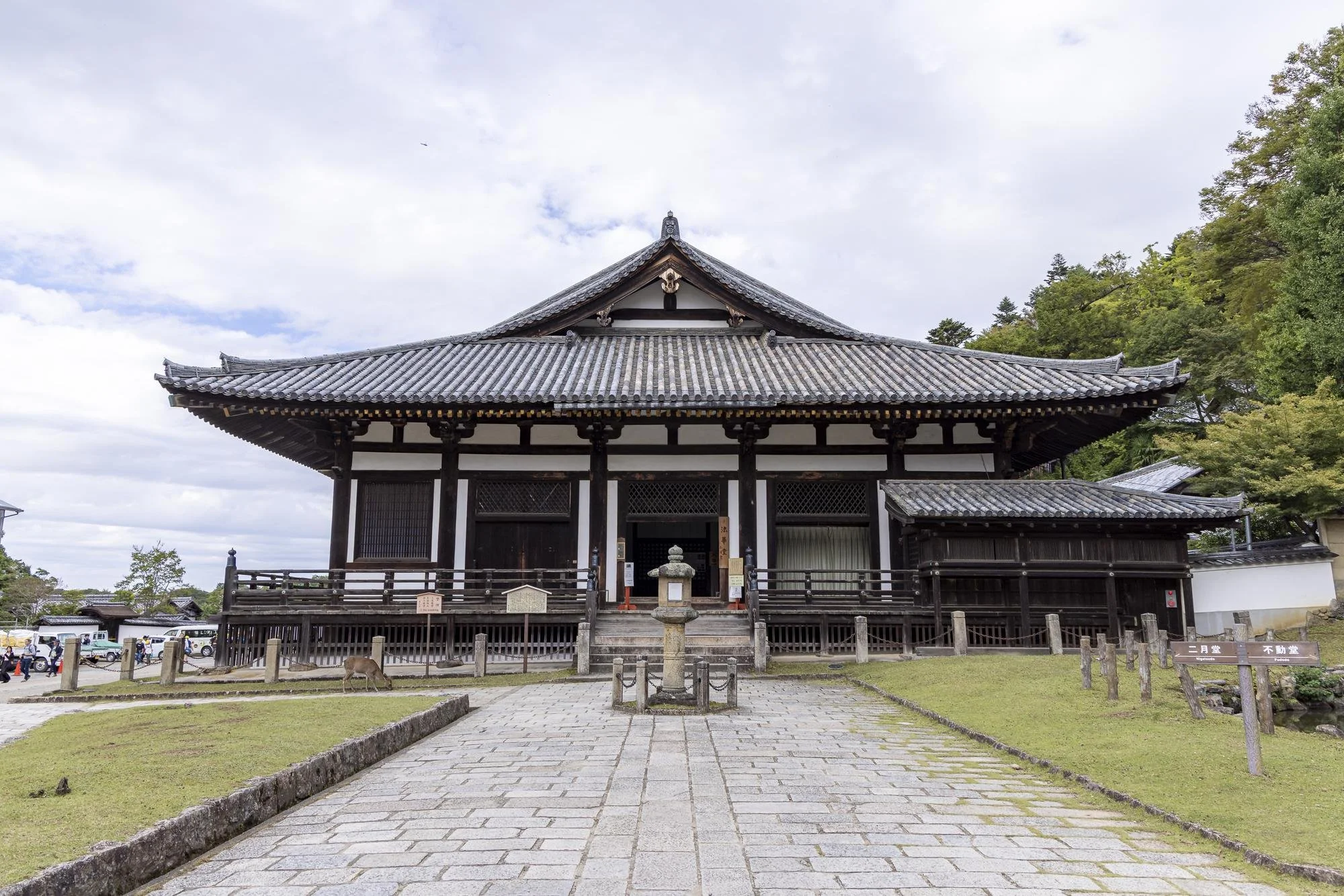
Hokke-do (Sangatsu-do), Todai-ji|東大寺法華堂(三月堂)
Tucked away northeast of the Great Buddha Hall, Todai-ji Hokke-do—also known as Sangatsudo (Hall of the Third Month)—is the oldest surviving structure of the vast Todai-ji temple complex. Originally…
-
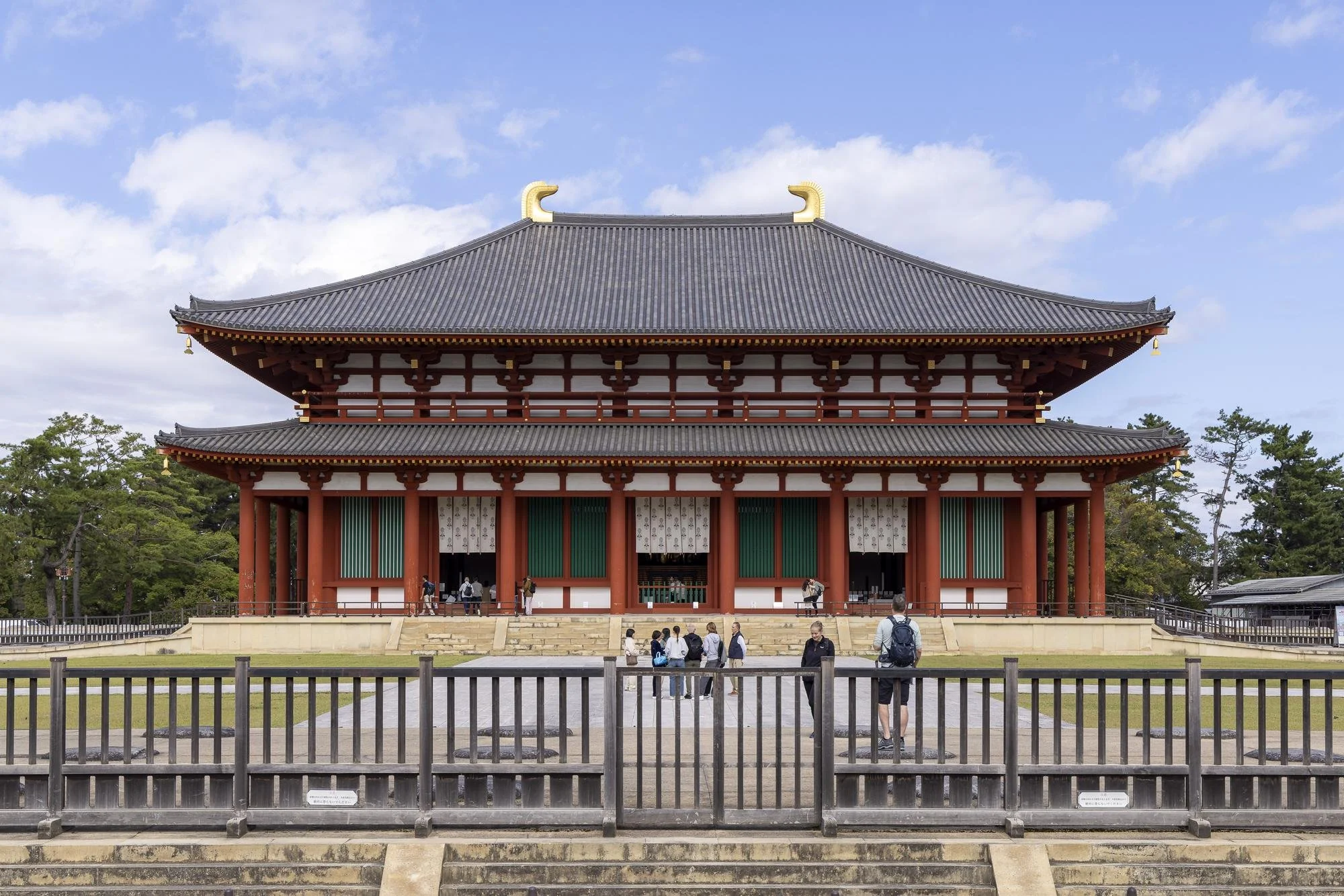
Kofuku-ji Temple|興福寺
Founded in 669 CE by the powerful Fujiwara clan, Kofuku-ji stands as one of the most historically significant temples in Japan. Originally built in Yamashina (near Kyoto), the temple was moved to Nara…
-
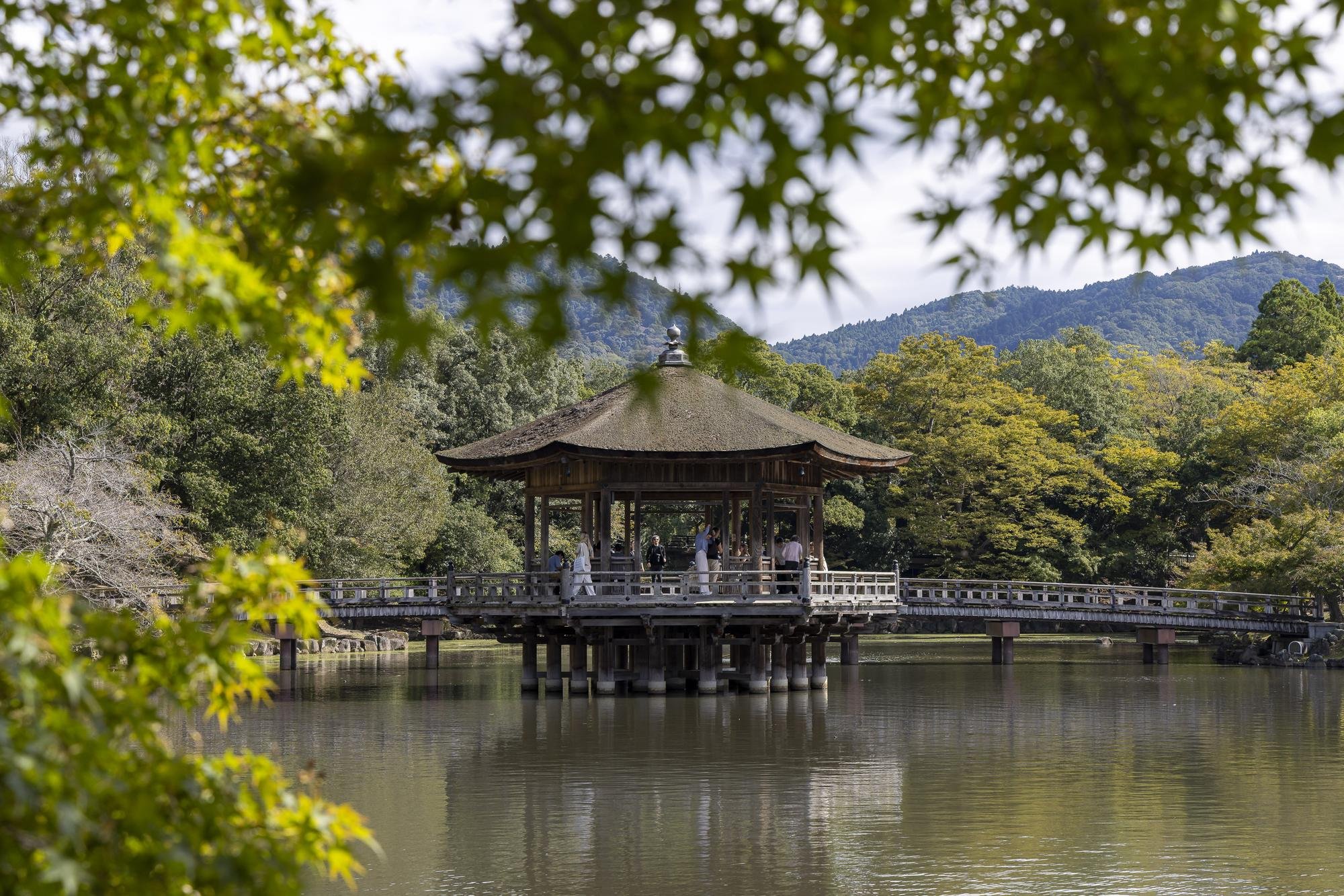
Ukimi-do|浮見堂
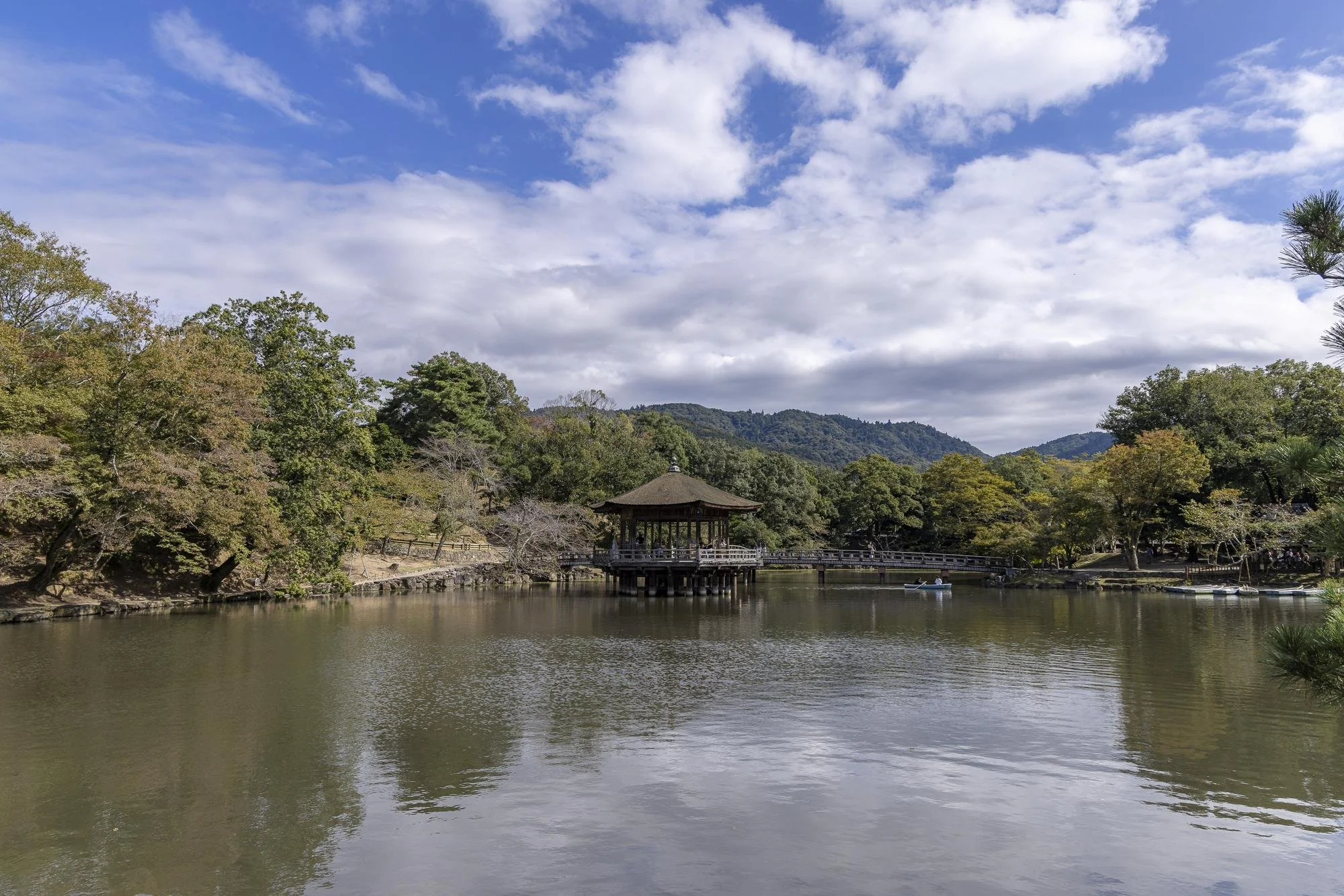
Tucked away in a quiet corner of Nara Park, Ukimidō Pavilion—literally “floating temple hall”—is a scenic wooden structure that seems to drift peacefully on the surface of Sagi-ike Pond. The current hexagonal…
-
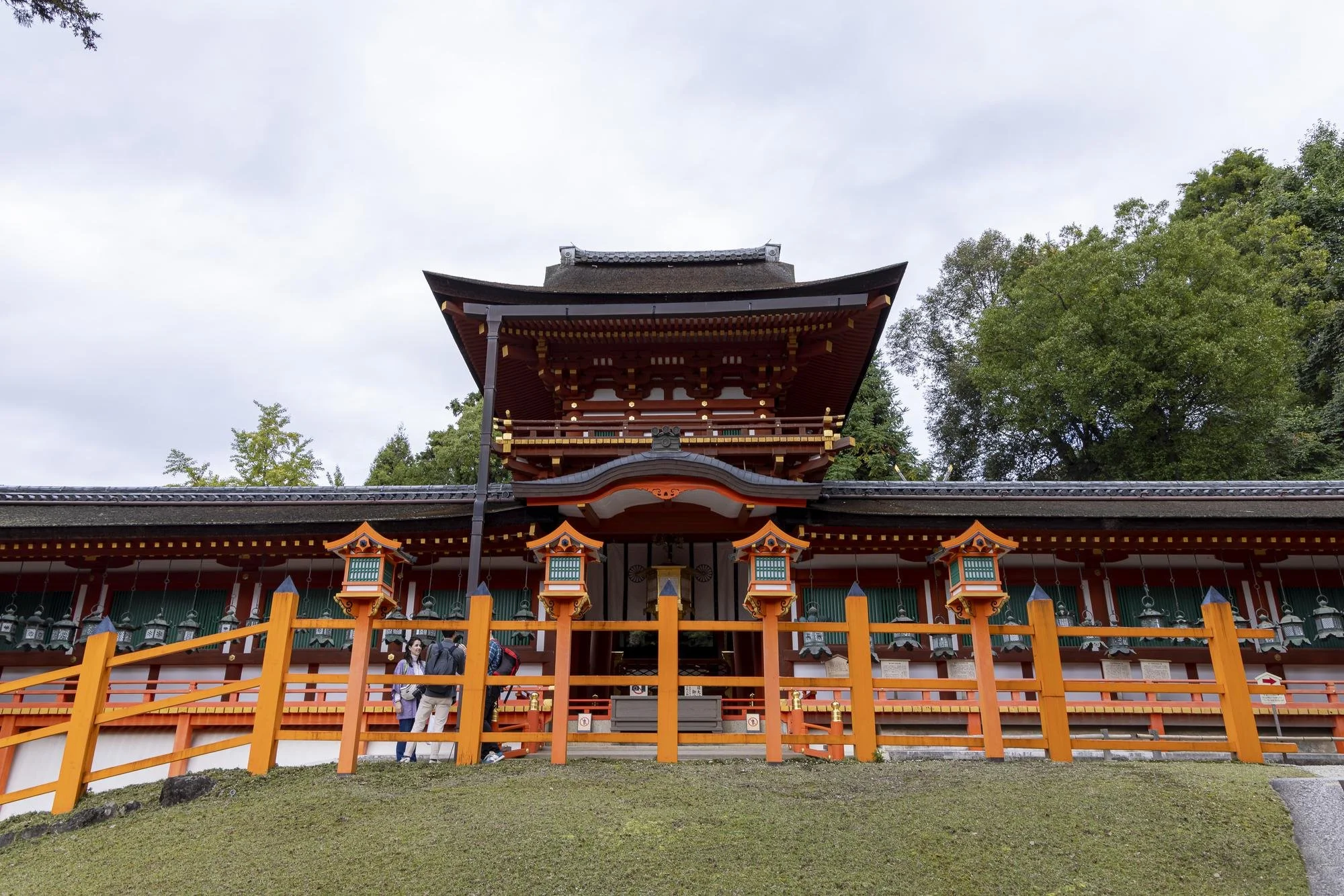
Kasuga Grand Shrine|春日大社
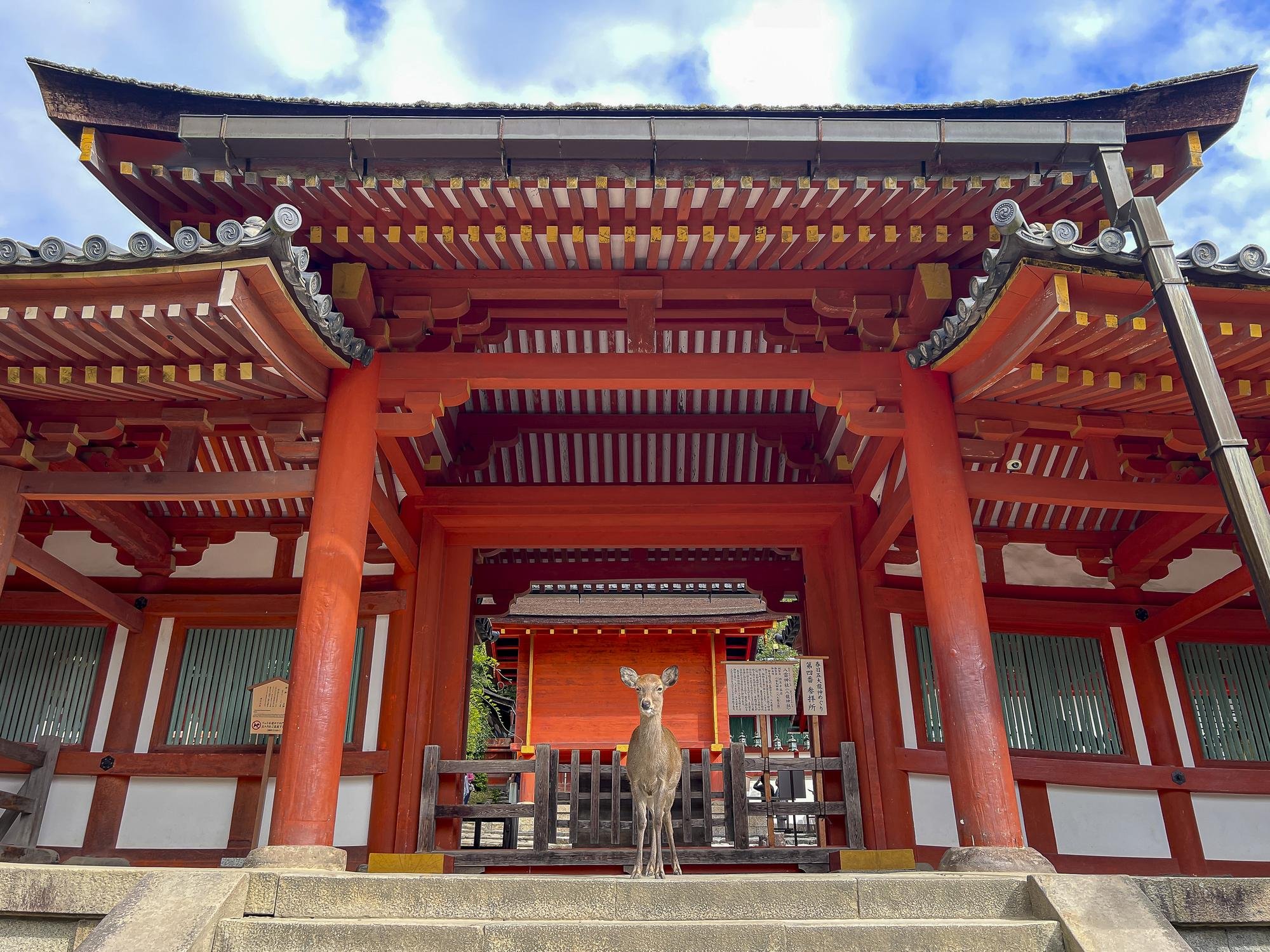
Founded in 768 AD during the Nara period, Kasuga Taisha is one of Japan’s most iconic Shinto shrines, deeply tied to the ancient capital’s history and spirituality. It was established by the powerful…
-
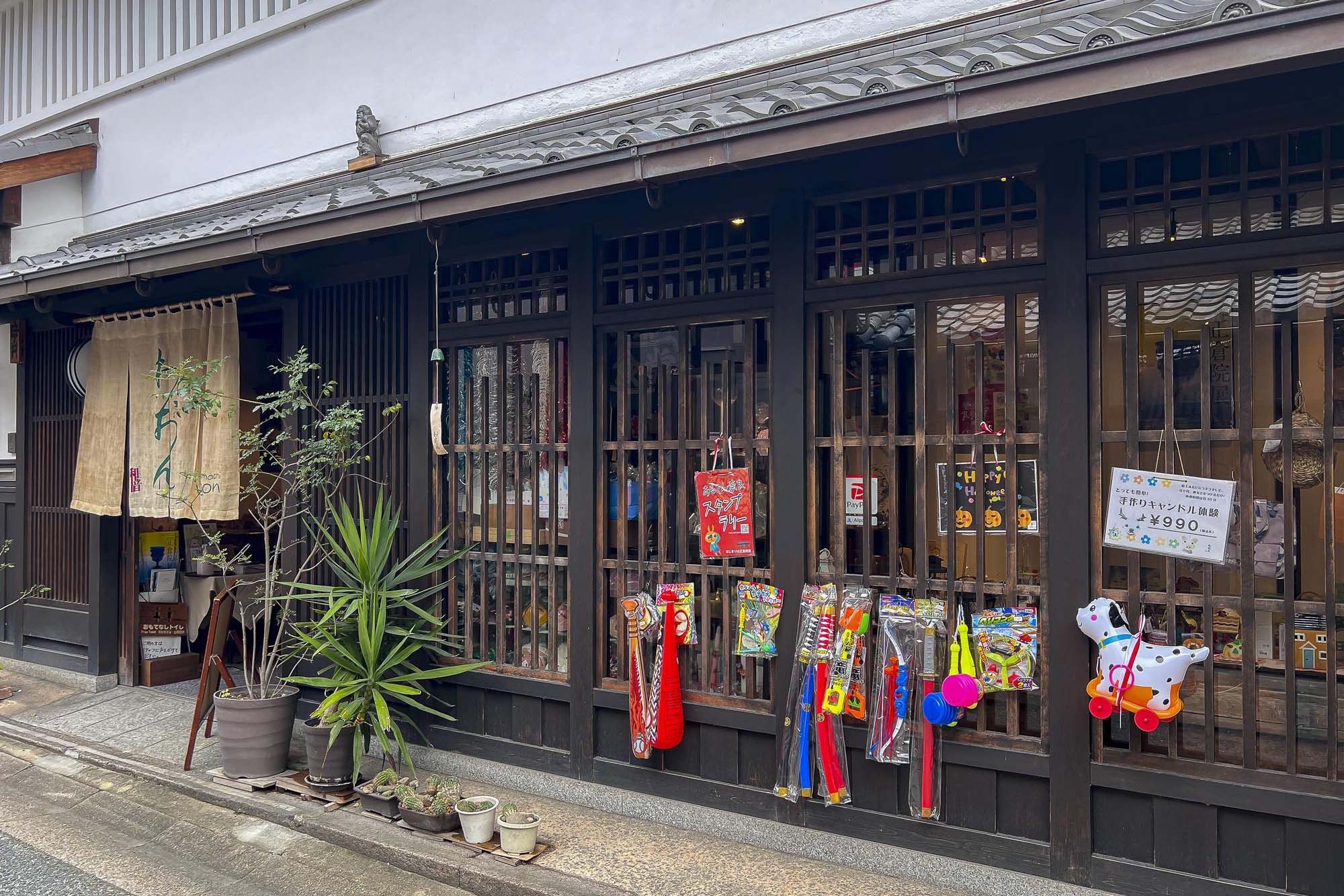
Naramachi|ならまち
Just south of Nara Park, the atmospheric district of Naramachi invites visitors to step into a world where Edo-period charm meets modern creativity. Once the temple town of Gango-ji, one of Japan’s oldest Buddhist temples, Naramachi has evolved into…
-
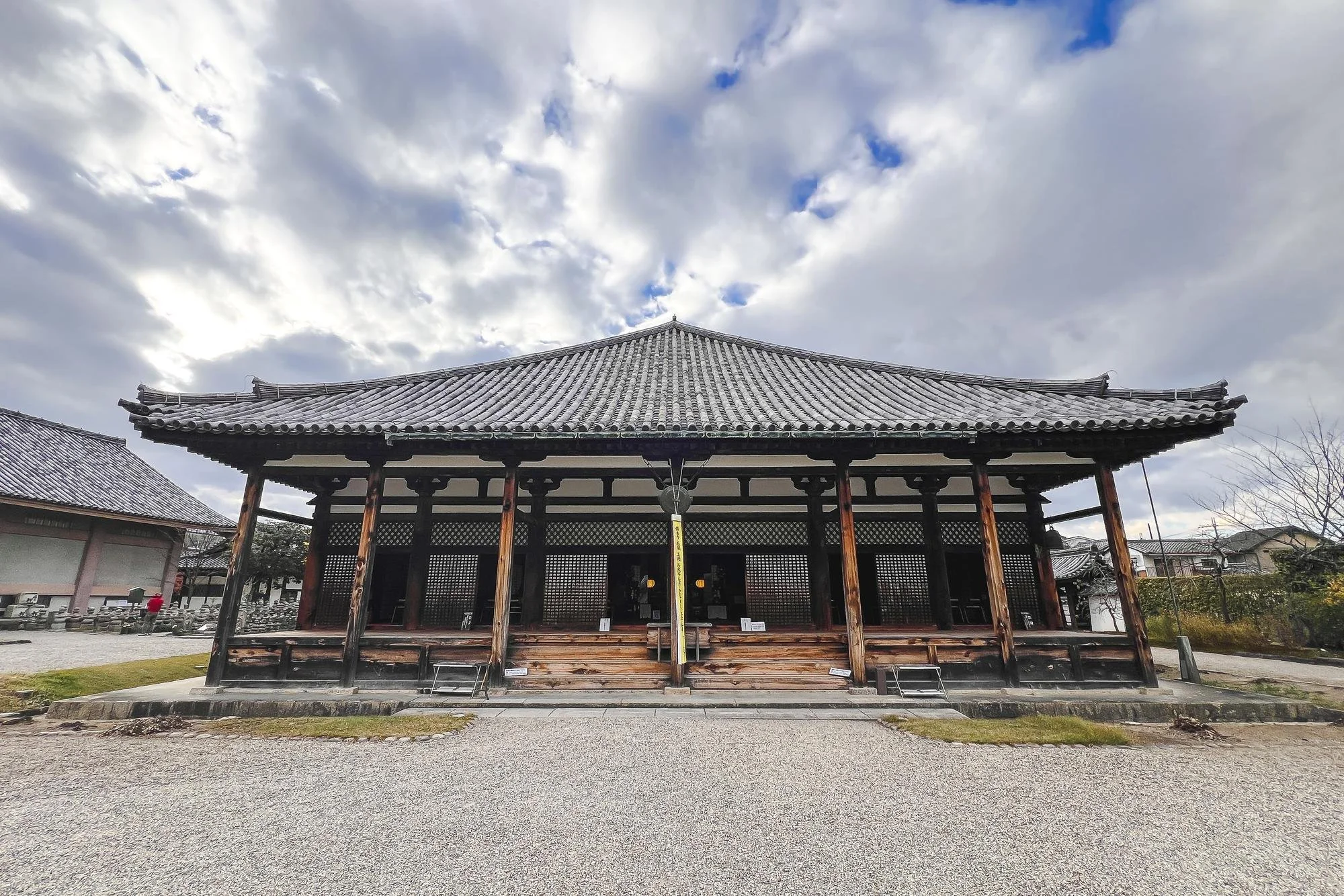
Gango-ji Temple|元興寺
Hidden among the narrow lanes of Nara-machi, Gango-ji Temple offers a peaceful window into the very beginnings of Buddhism in Japan. Originally established as Asuka-dera in the 6th century by the…
-
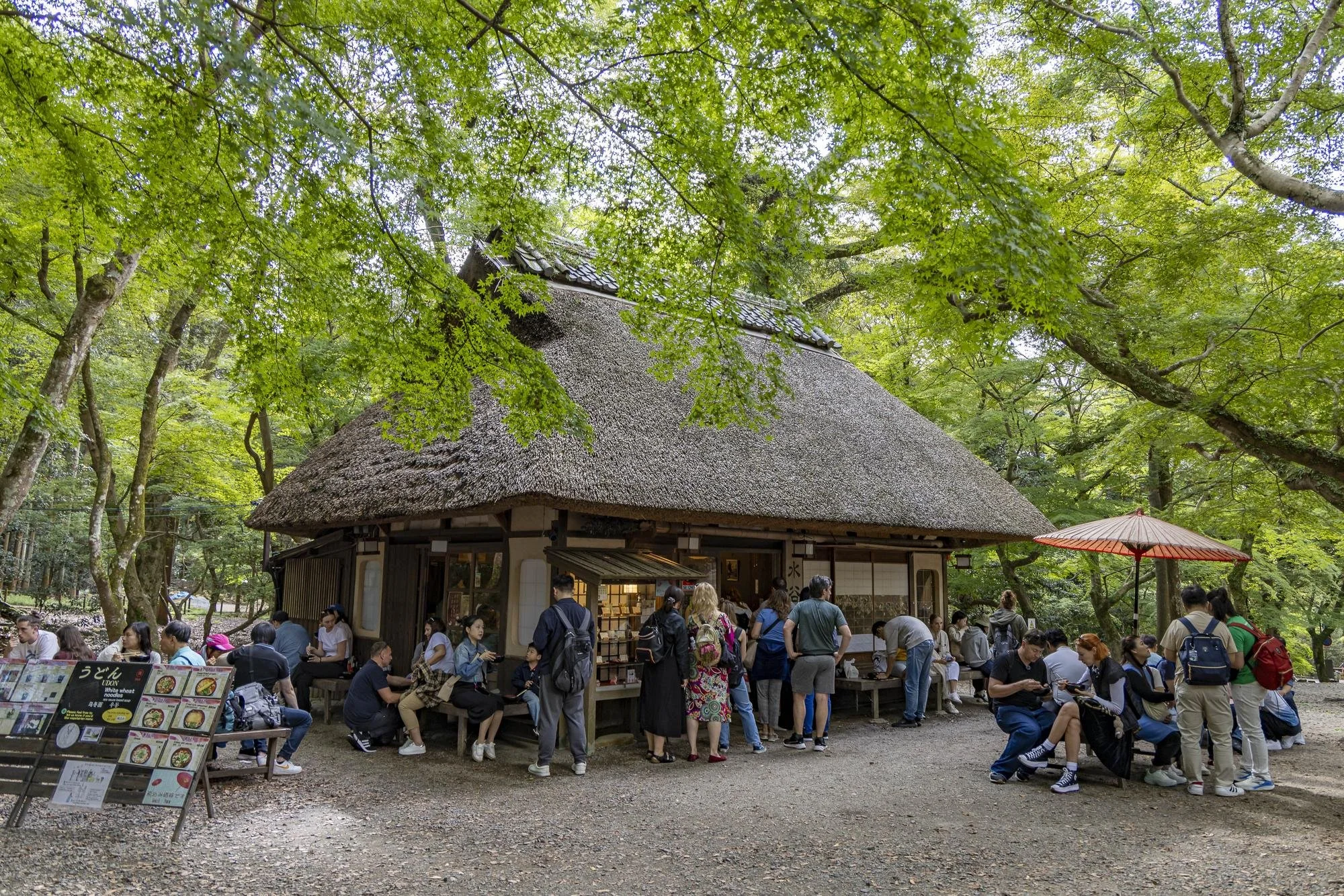
Mizuya Chaya|水谷茶屋
Tucked away along a quiet forest path in Nara Park, Mizuya Chaya is a traditional Japanese tea house that has welcomed travelers. This rustic retreat once served pilgrims and visitors walking between…
-
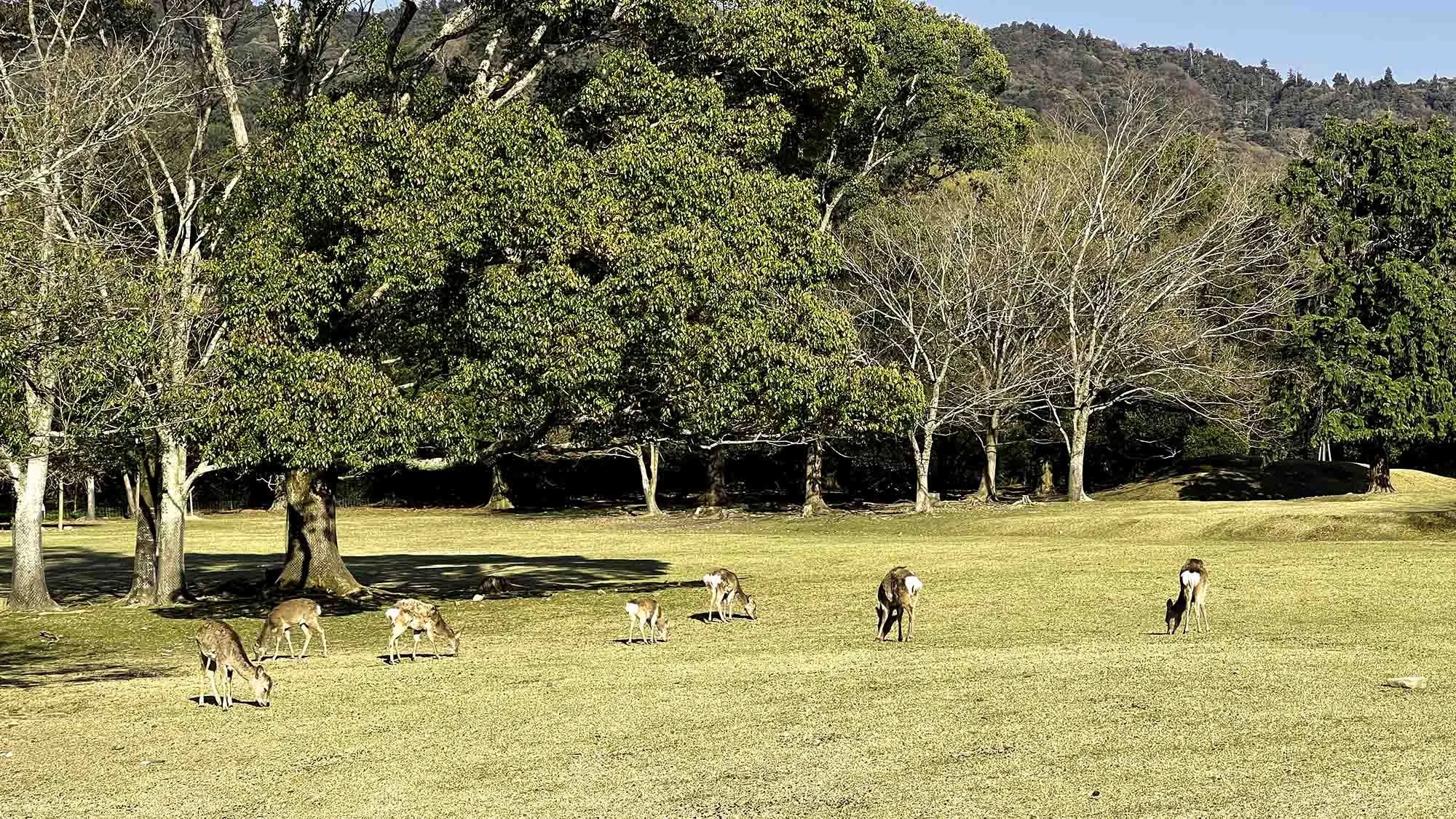
Tobihino|飛火野
Nestled between Kasuga Taisha Shrine and Mt. Wakakusa, Tobihino is a vast open grassland that has remained largely untouched for centuries. Meaning “Flying Fire Field,” this serene expanse was…
-
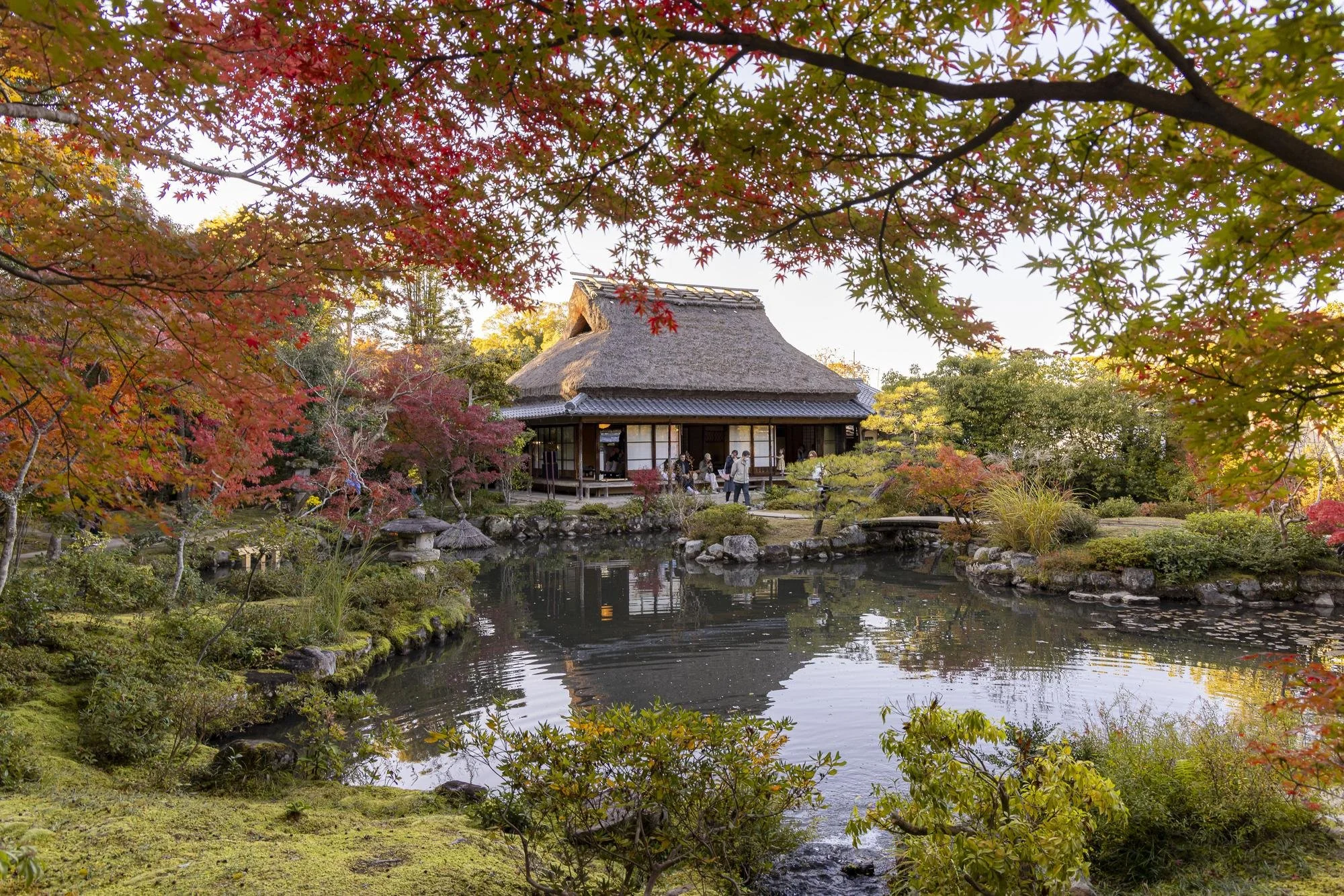
Isuien Garden|依水園
Tucked quietly behind the hustle of central Nara, Isuien Garden is one of the few remaining examples of a traditional Japanese stroll garden that blends landscape, architecture, and philosophy into one…
-
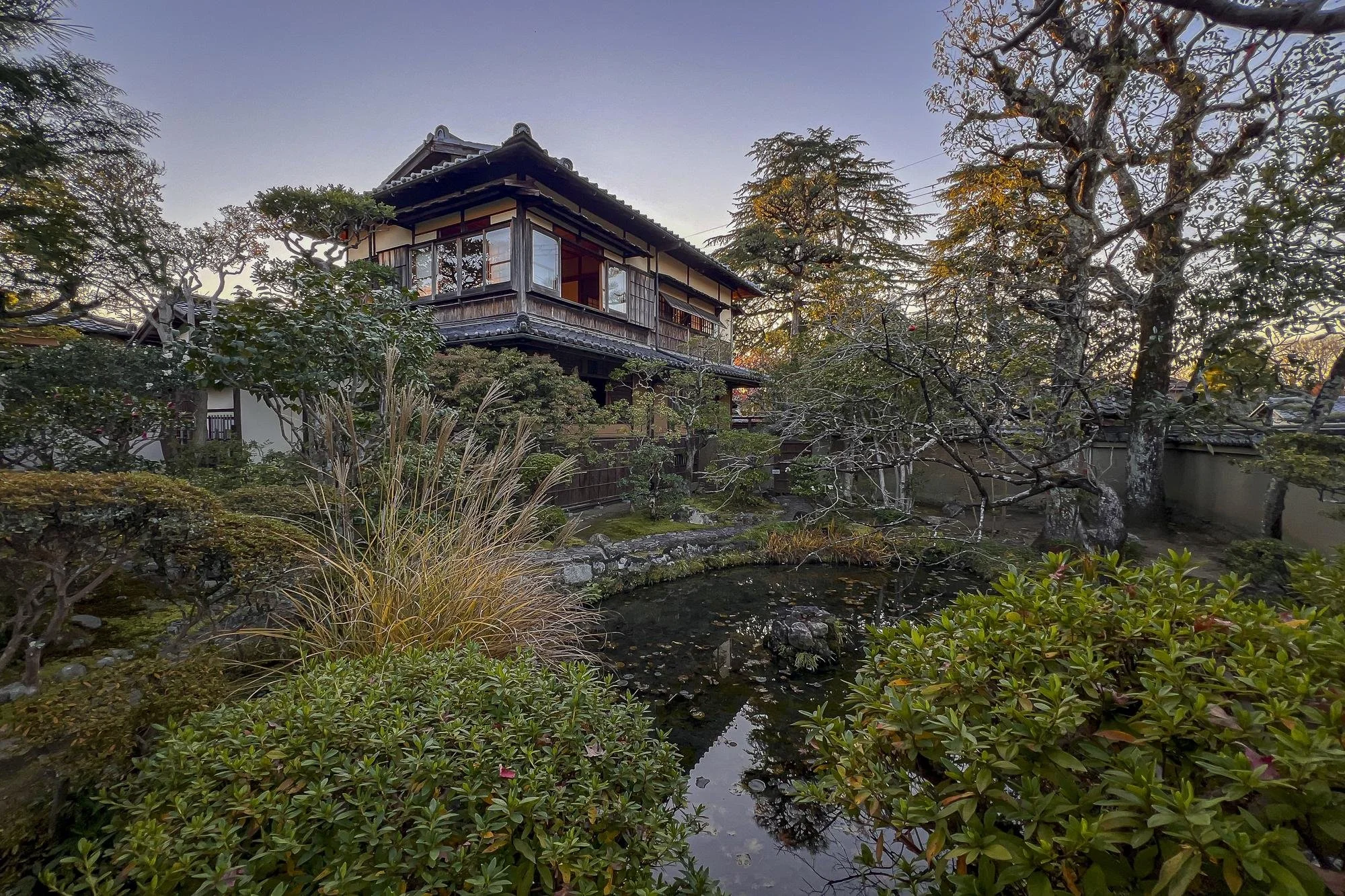
The former residence of Naoya Shiga|志賀直哉旧居
Tucked into the serene hills of Nara, the Former Residence of Naoya Shiga offers a rare glimpse into the daily life and creative mind of one of Japan’s most celebrated modern authors. Known as the…
-
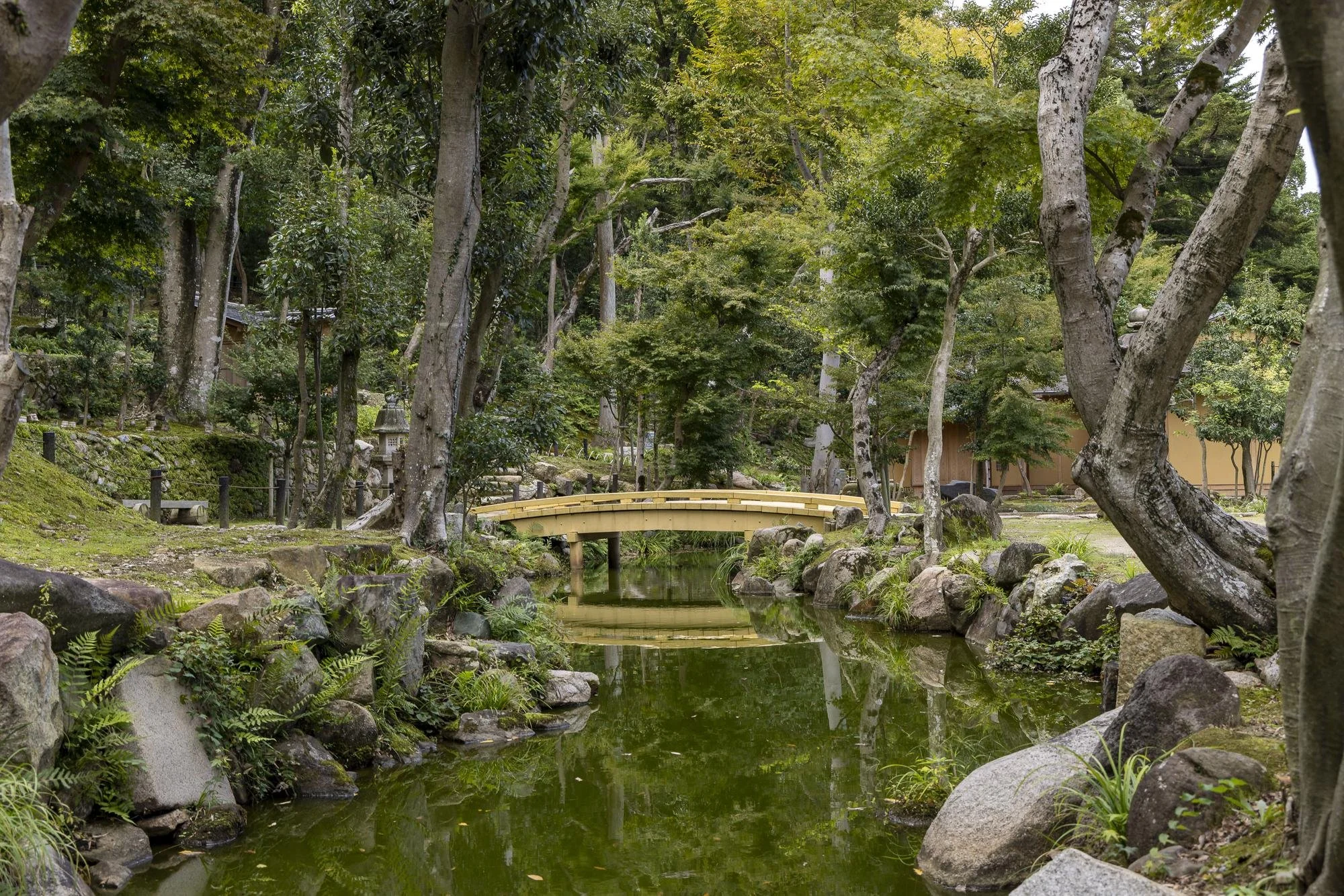
Yugayama Enchi Garden|瑜伽山園地
Located on the eastern edge of Nara Park, Yugayama Enchi Garden is a tranquil green space that blends natural beauty with deep spiritual and historical significance. The garden sits on the slopes of…
-
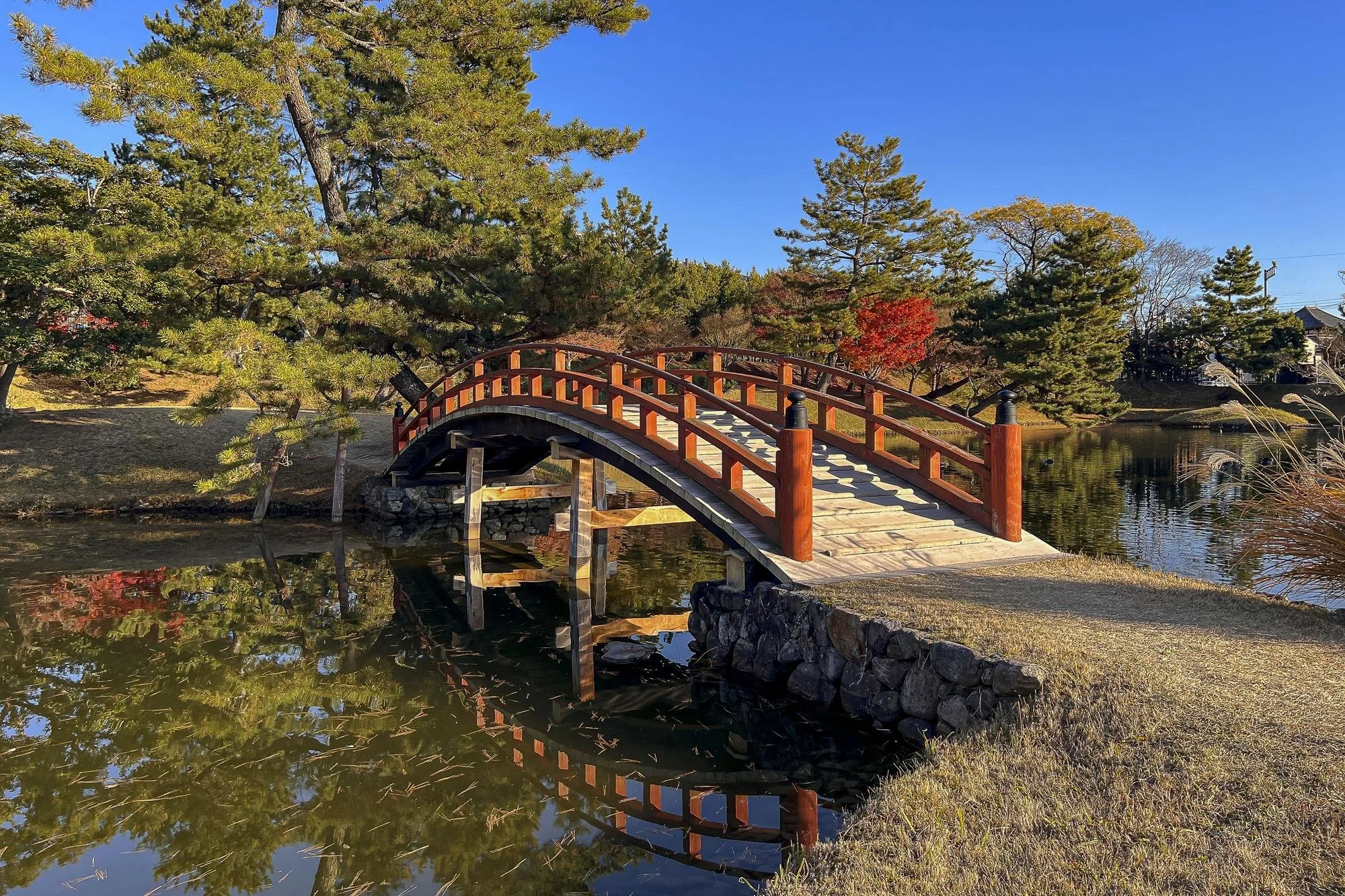
The Garden of the former Daijo-in Temple|旧大乗院庭園
Tucked away just south of Nara Park, the Garden of the Former Daijo-in Temple is a beautifully restored Japanese landscape garden with deep historical and…
-
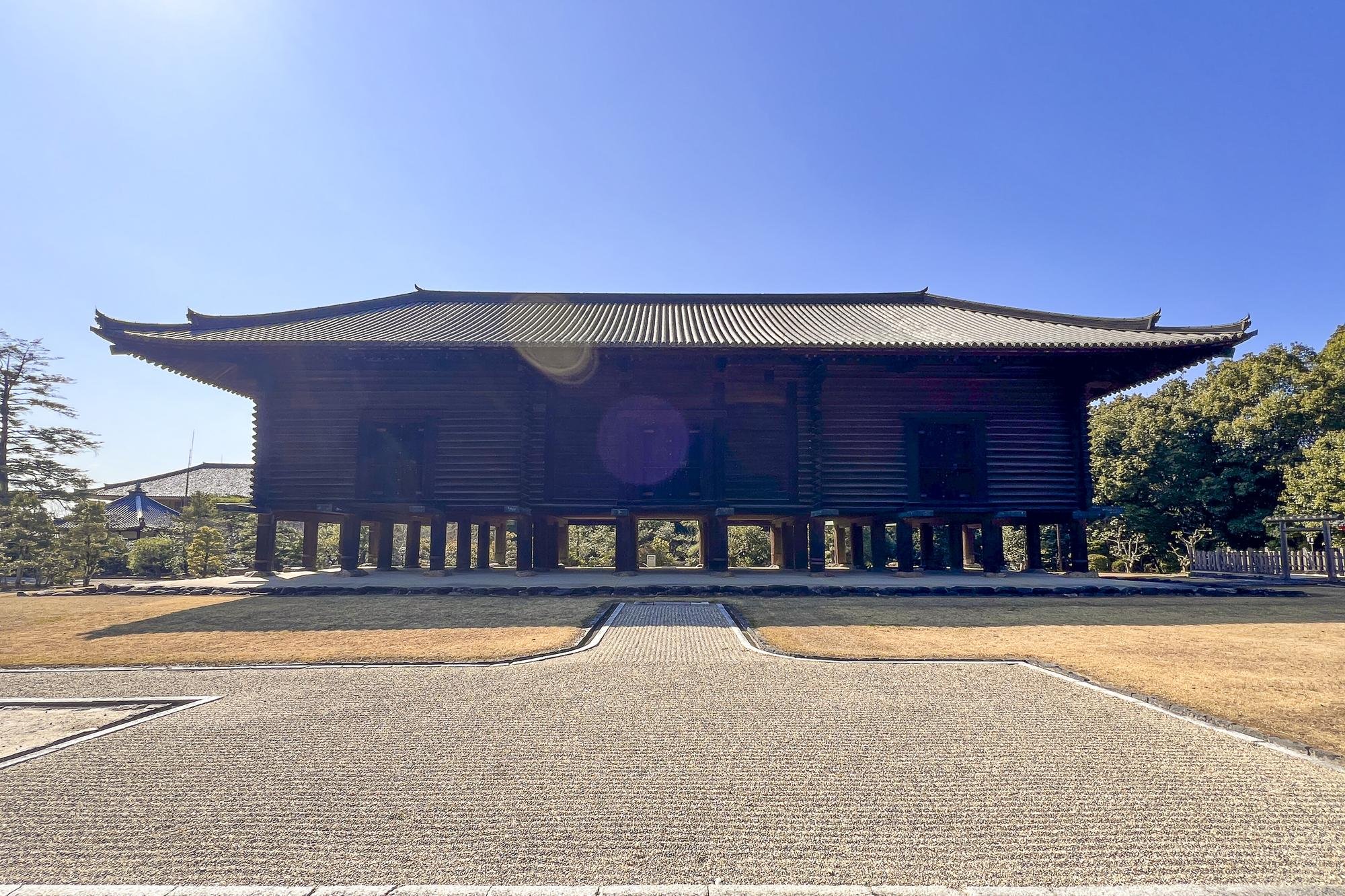
Shoso-in|正倉院
Standing just northwest of Tōdai-ji Temple in Nara, the Shōsō-in is one of Japan’s most extraordinary cultural landmarks—a treasure repository that dates back to the 8th century (circa 756 AD). Originally built to store sacred objects belonging to…
-
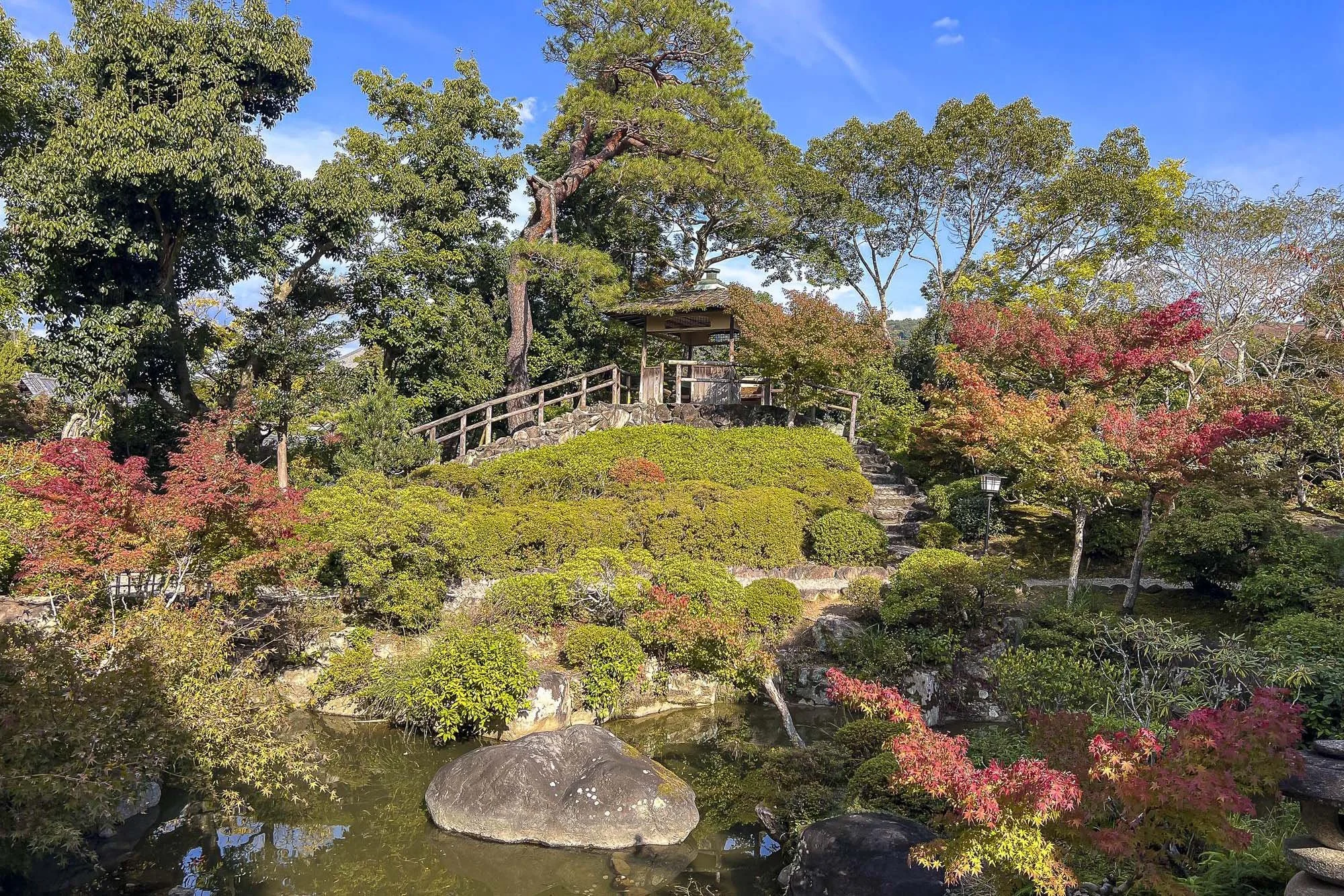
Yoshikien Garden | 吉城園
Tucked away just a short walk from Nara Park and Kōfuku-ji Temple, Yoshikien Garden offers a peaceful retreat into the elegance of traditional Japanese landscaping. Built on the site of a former priest's residence from nearby Kōfuku-ji, the garden was…
-
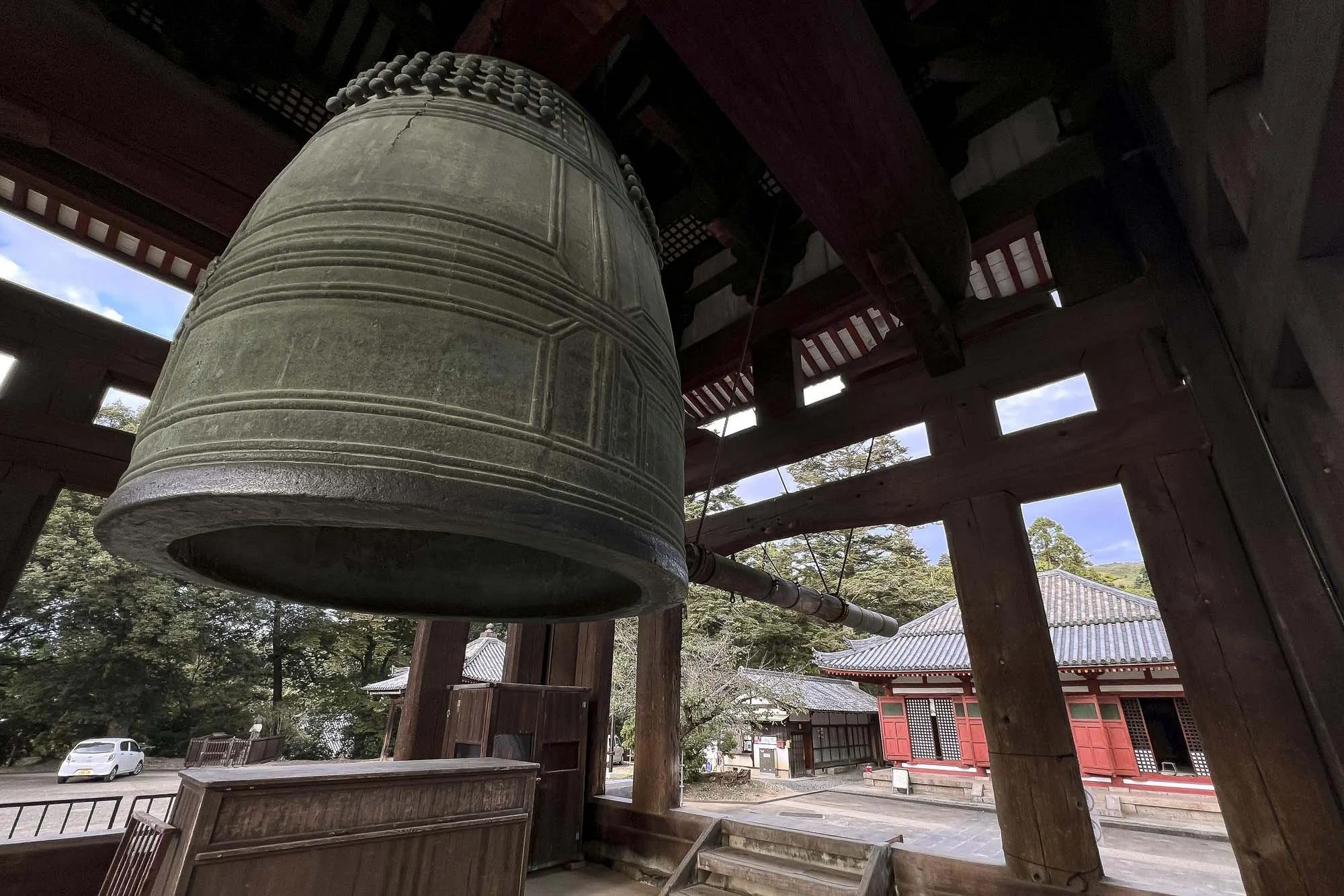
Todai-ji Temple Shoro|東大寺鐘楼
Just north of the Great Buddha Hall in Tōdai-ji Temple stands the Tōdai-ji Bell Tower (Shōrō), a remarkable structure that houses one of Japan’s largest and oldest temple bells. The current bell was cast in 752 CE, the same year as…
-
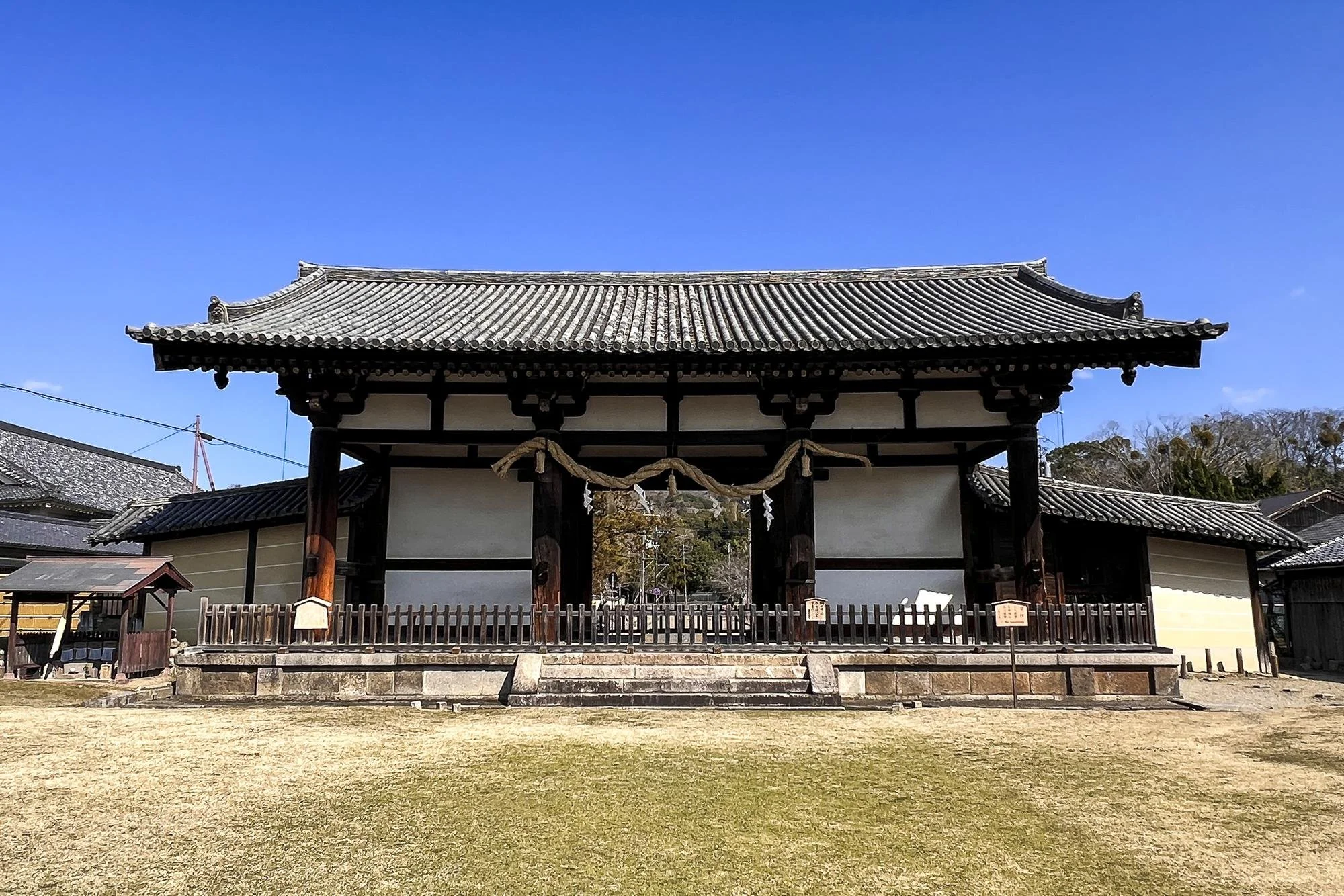
Tegai-mon Gate | 転害門
Tour #10
Standing quietly on the northwestern edge of Tōdai-ji Temple, Tegai-mon is one of the oldest surviving structures in the temple complex and one of the few buildings that still conveys the appearance of…
-
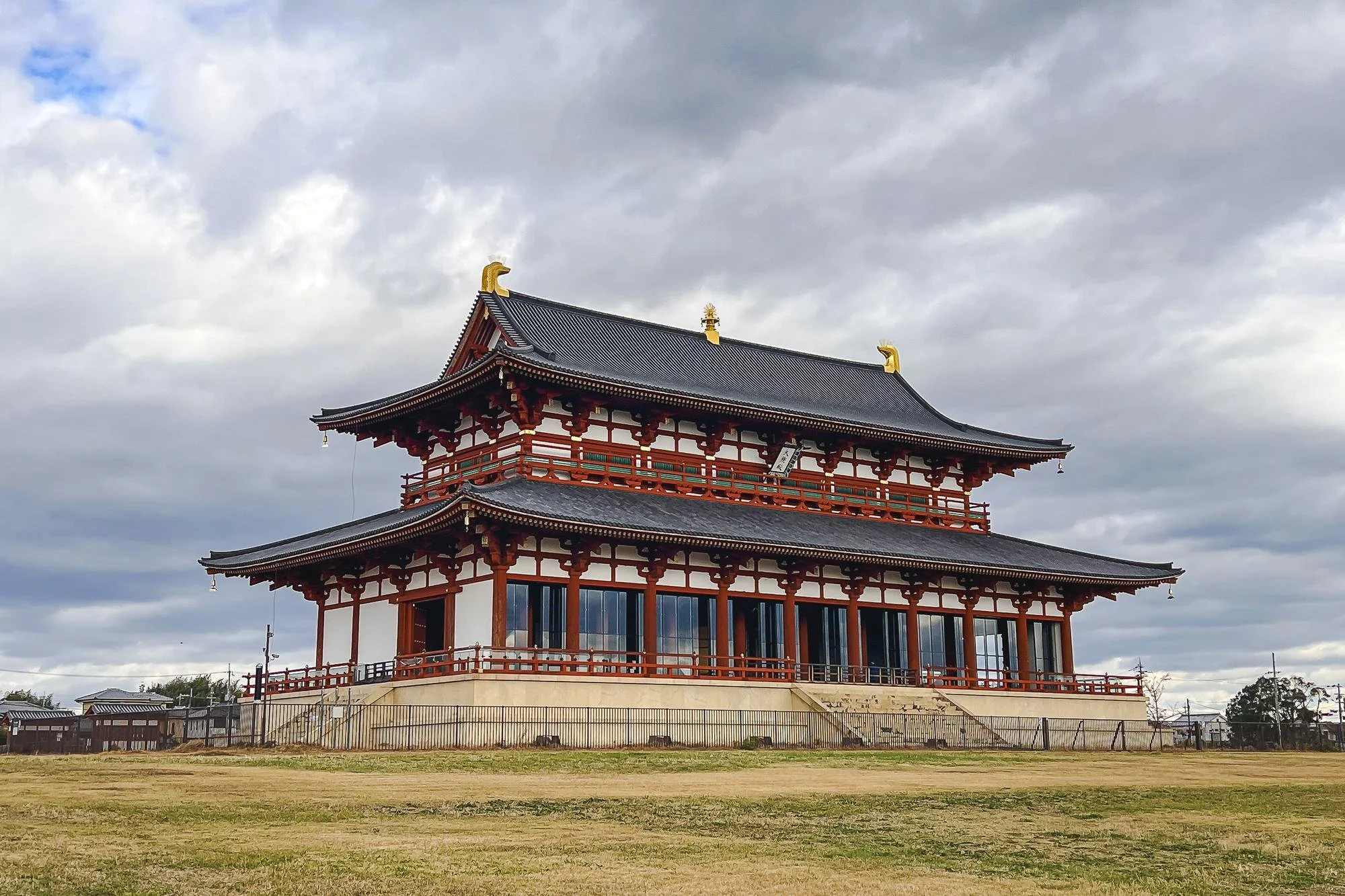
Heijo Palace Site | 平城宮跡
Step into the political heart of 8th-century Japan at the Heijō Palace Site, once the centerpiece of Heijō-kyō—the imperial capital from 710 to 784 AD. Modeled after Chang’an, the capital of Tang Dynasty China…
-
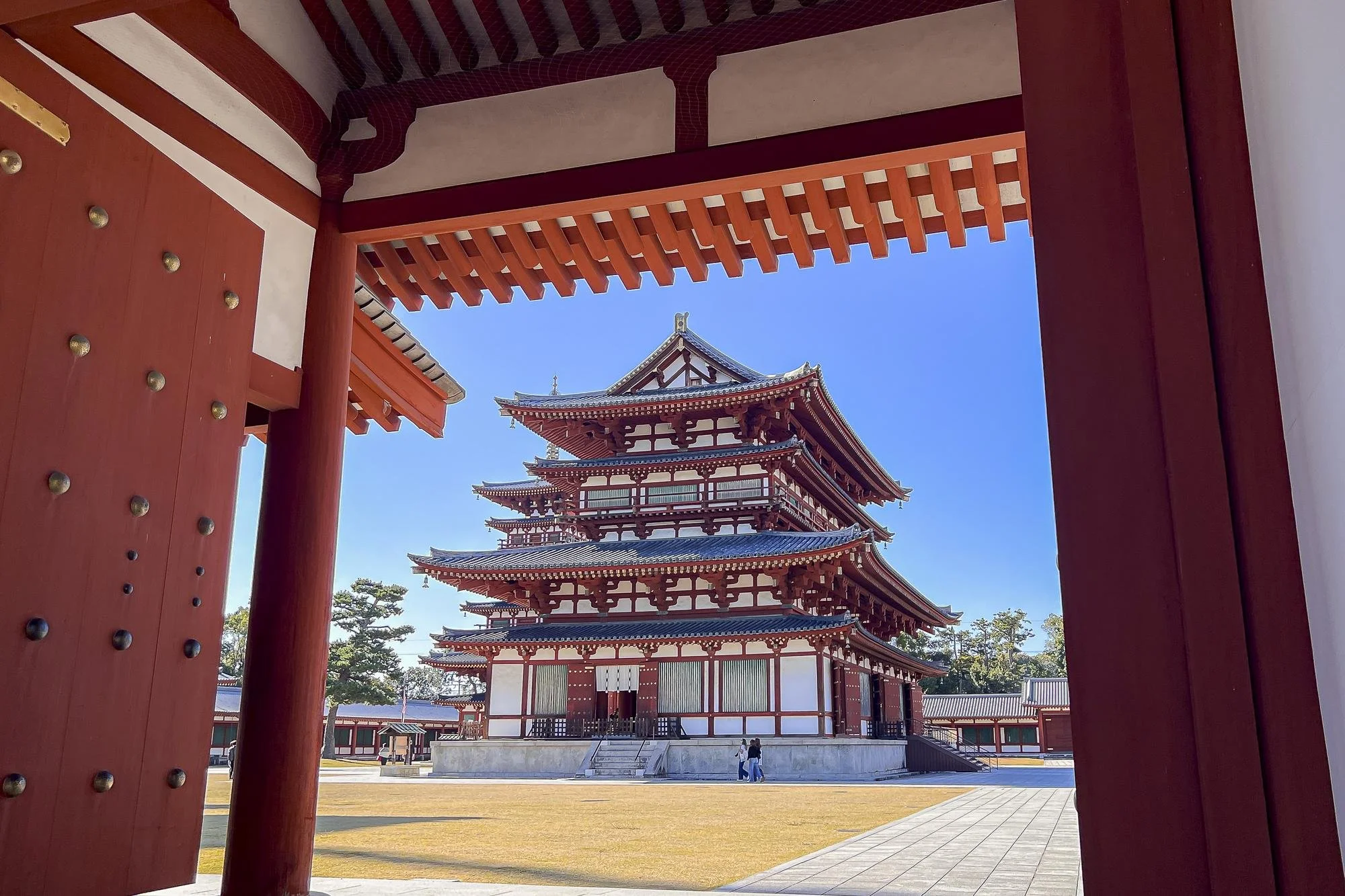
Yakushi-ji Temple | 薬師寺
Founded in 680 AD by Emperor Tenmu to pray for the recovery of his ailing wife, Yakushi-ji Temple stands as one of Japan’s most important early Buddhist temples. Originally built in Fujiwara-kyō and later relocated to…
-
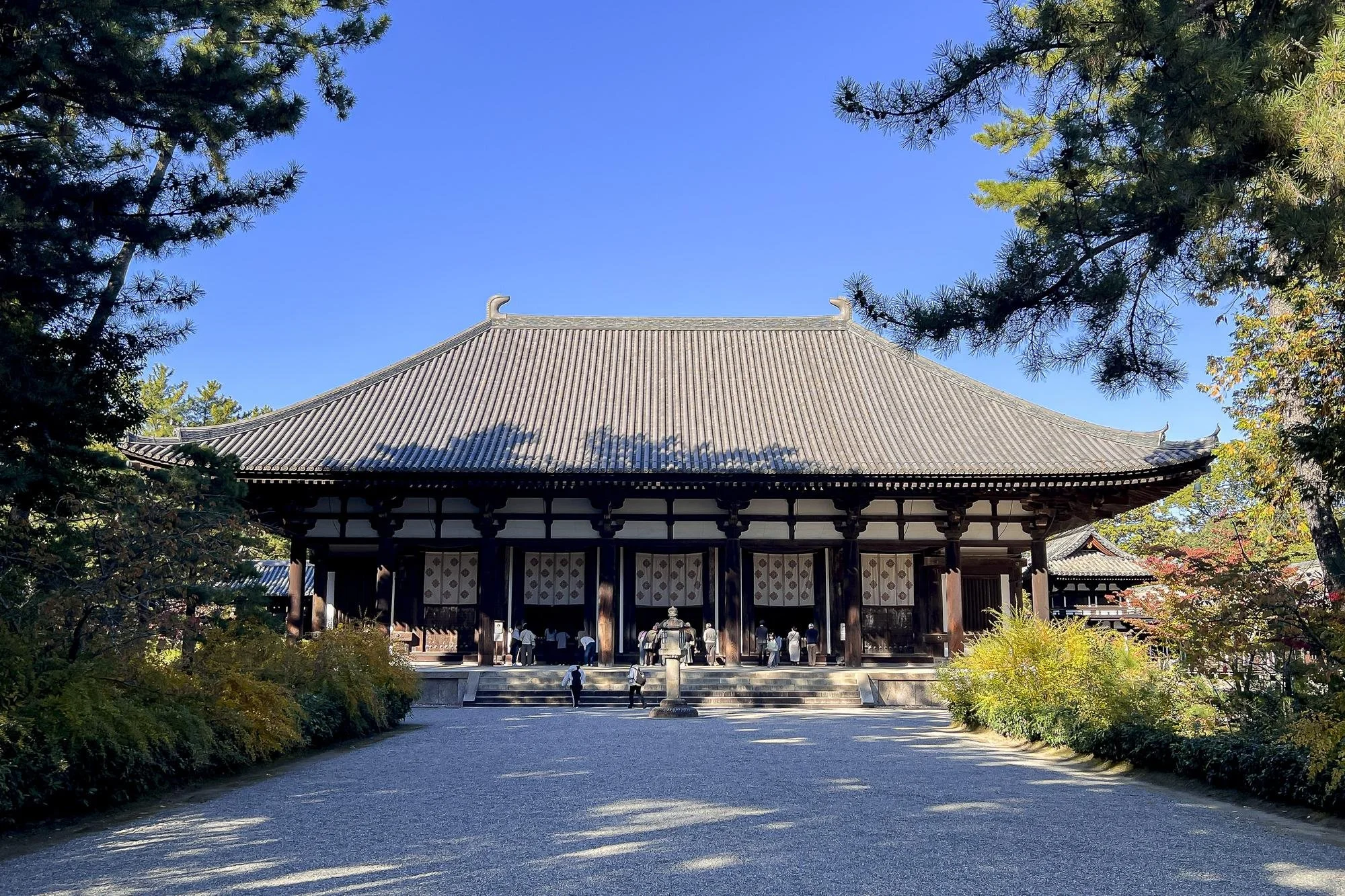
Toshodai-ji Temple | 唐招提寺
Founded in 759 AD by the Chinese monk Jianzhen (Ganjin in Japanese), Tōshōdai-ji represents a pivotal moment in the cultural and spiritual exchange between China and Japan. After five failed attempts, Ganjin successfully…