What Is Asuka? A Guide to the Birthplace of Ancient Japan
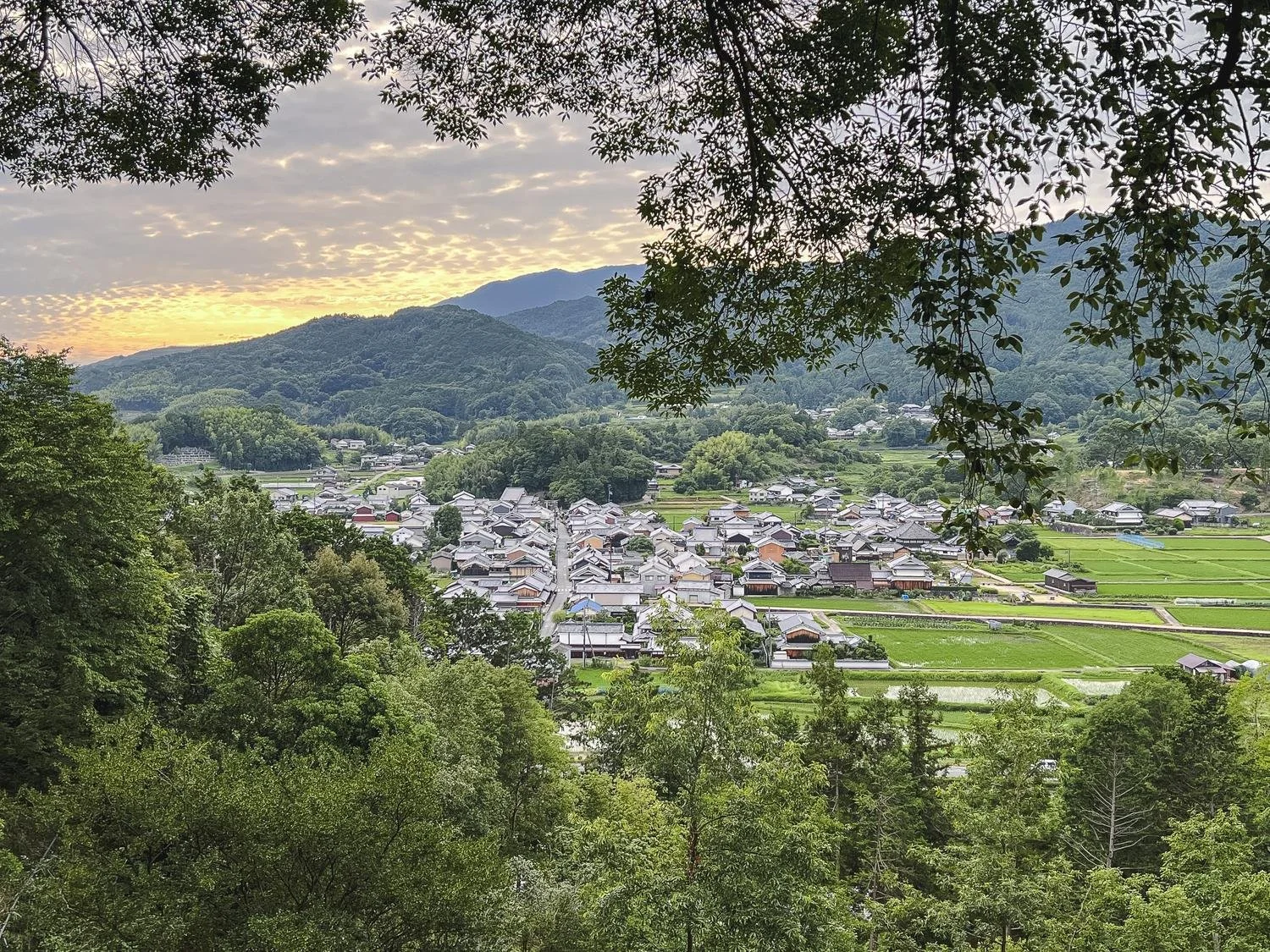
Early morning view of Asuka Village from Amakashi-no-Oka Hill.
Travel south from the famous temples and deer of Nara City, and the landscape gradually changes. Mountains draw closer, rice fields spread between small villages, and traces of ancient Japan appear almost unexpectedly among the quiet countryside.
This is Asuka.
Located in central Nara Prefecture, Asuka is one of the most important places for understanding the beginnings of Japan as a nation. More than 1,400 years ago, emperors built their palaces here, Buddhism began to transform Japanese culture, and political reforms helped lay the foundations of a centralized state.
Today, Asuka is remarkably peaceful. Ancient temple sites, imperial palace ruins, mysterious stone monuments, and enormous kofun burial mounds remain scattered throughout a rural landscape that feels far removed from Japan's major cities.
For travelers interested in history, archaeology, Buddhism, or simply a quieter side of Japan, Asuka offers something very different from the country's better-known destinations.
Where Is Asuka?
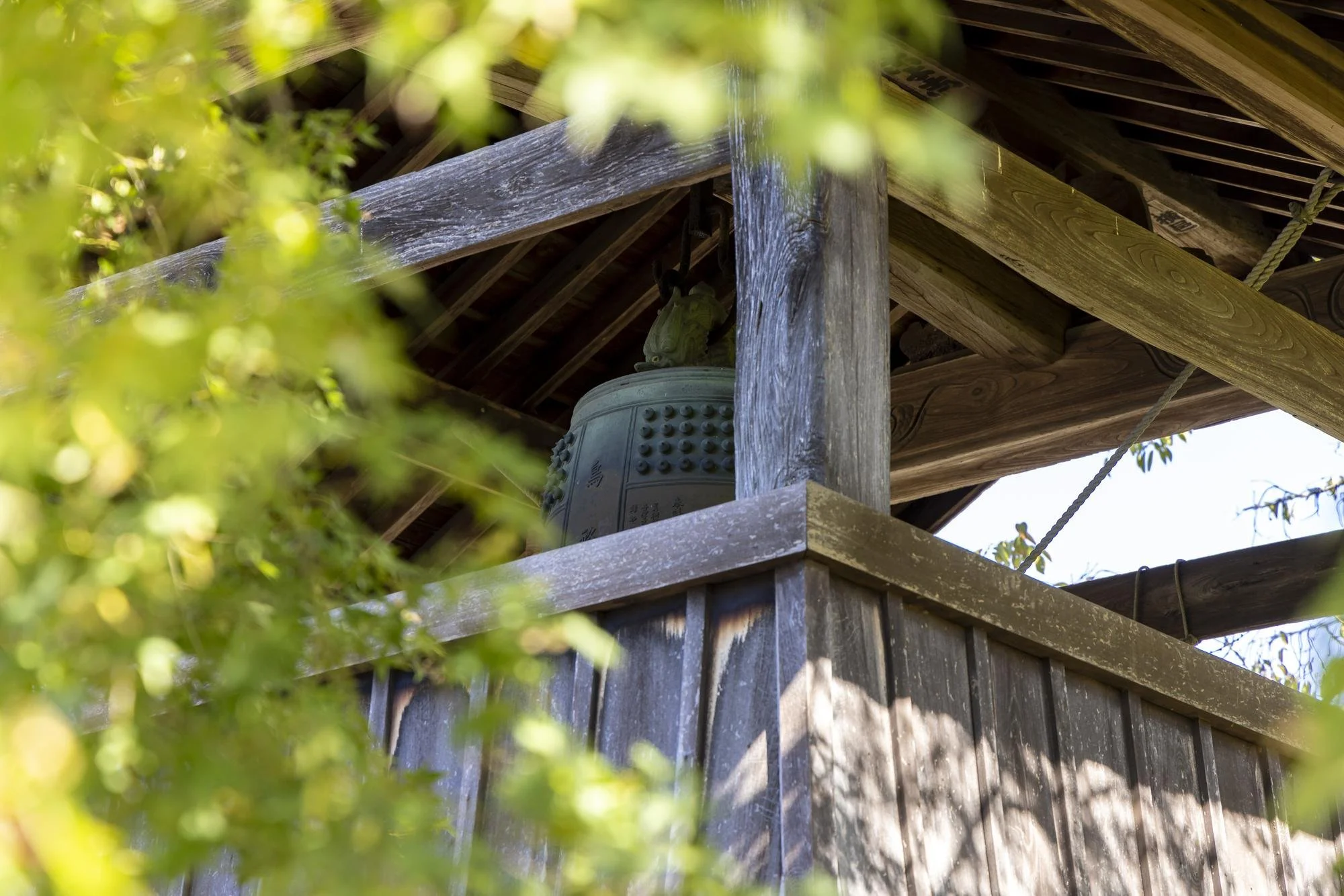
The bell of Asuka-dera seen through the trees.
Asuka is located in Nara Prefecture in the Kansai region of Japan, southeast of Osaka and south of Kyoto.
Modern Asuka Village is a small rural community surrounded by mountains and agricultural land. The historic Asuka region, however, played a role in Japanese history far greater than its present size might suggest.
Unlike Nara City, where major temples and attractions are concentrated around Nara Park, Asuka's historic sites are spread across the countryside. Ancient tombs stand beside fields, archaeological remains lie between villages, and temples occupy places associated with events that took place more than a millennium ago.
This scattered landscape is part of what makes visiting Asuka special. Rather than entering a single historic district, you travel through the landscape in which ancient Japanese history actually unfolded.
Why Is Asuka Important in Japanese History?
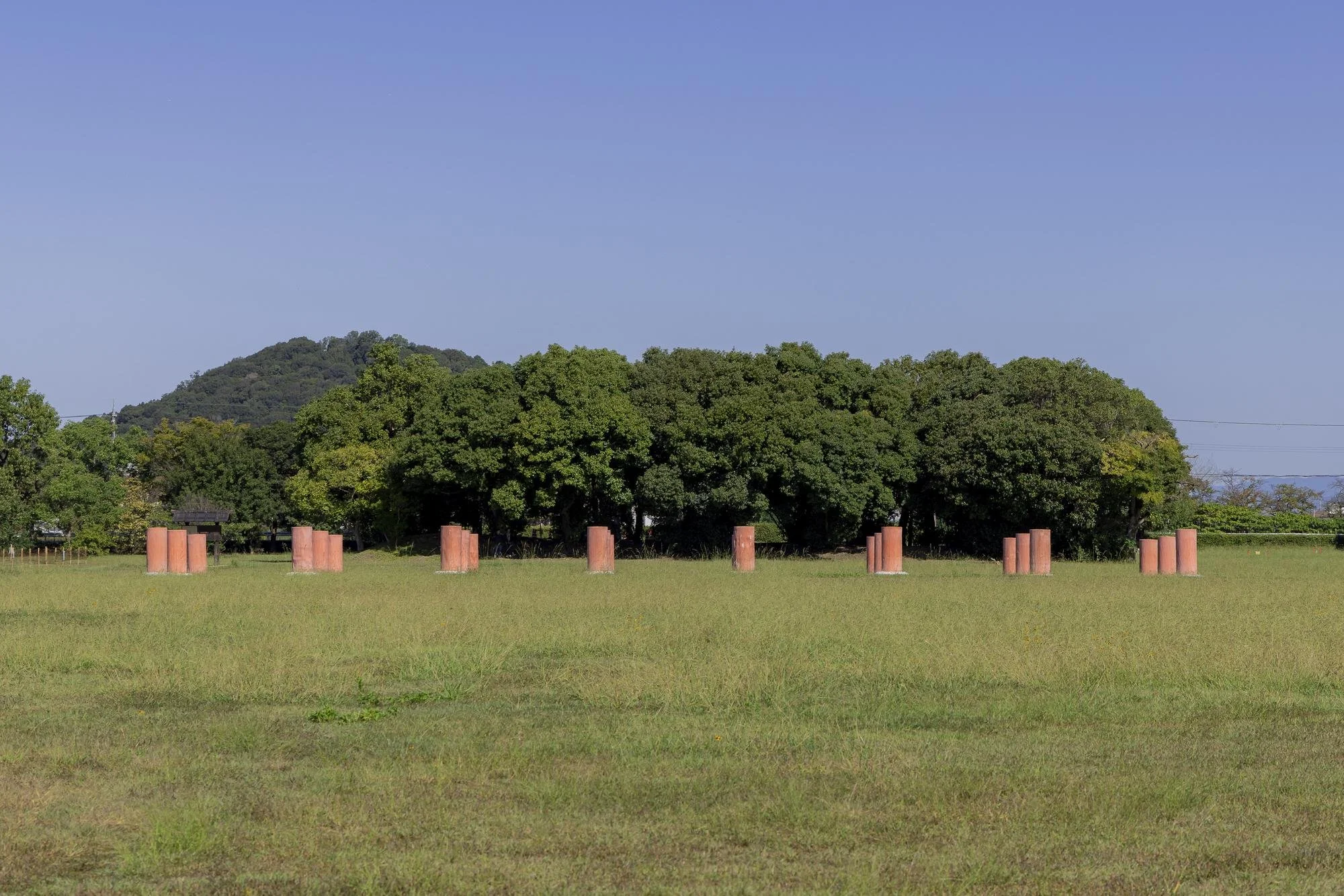
Pillar markers at the ancient Fujiwara Palace Site in Kashihara.
A Center of Politics and Culture
Asuka became a major center of imperial politics from the late sixth century.
According to the Asuka Historical Museum, successive imperial palaces were located in Asuka for almost a century, from the enthronement of Empress Suiko at Toyura Palace in 592 until the capital moved to Fujiwara in 694.
During this period, Asuka became a center of political power, diplomacy, religion, technology, and culture.
The palaces themselves have disappeared, but archaeological excavations have revealed foundations, stone structures, gardens, and other remains that help us understand how this early political center developed.
Buddhism and New Ideas from Continental Asia
The Asuka period was also a time of extraordinary cultural change.
Buddhism, which had reached Japan through the Korean Peninsula, became increasingly influential. Temples were constructed on a scale that Japan had not seen before, while new knowledge, technologies, artistic styles, and systems of government arrived through exchanges with China and the Korean kingdoms.
Asuka-dera, founded in the late sixth and early seventh centuries, occupies a particularly important place in this story. It was one of Japan's earliest full-scale Buddhist temples and became a major center of the new religion.
These developments were not simply copies of continental culture. Over time, imported ideas interacted with existing beliefs and traditions, contributing to cultural forms that developed distinctively in Japan.
The Foundations of a Centralized State
Asuka was also the setting for political changes that transformed the structure of government.
Power had long been shared among influential clans, but during the seventh century the imperial court increasingly sought to establish a centralized system of rule.
Events such as the Isshi Incident of 645 and the reforms that followed formed part of this long transformation. Administrative institutions, legal concepts, taxation, land organization, and court practices gradually developed as Japan moved toward the ritsuryō state that would take clearer form in the following decades.
For this reason, Asuka is often described as one of the birthplaces of the Japanese state.
What Remains of Ancient Asuka Today?
One of the remarkable things about Asuka is that its history is not confined to museums.
The archaeological landscape itself remains visible.
Ancient Temples
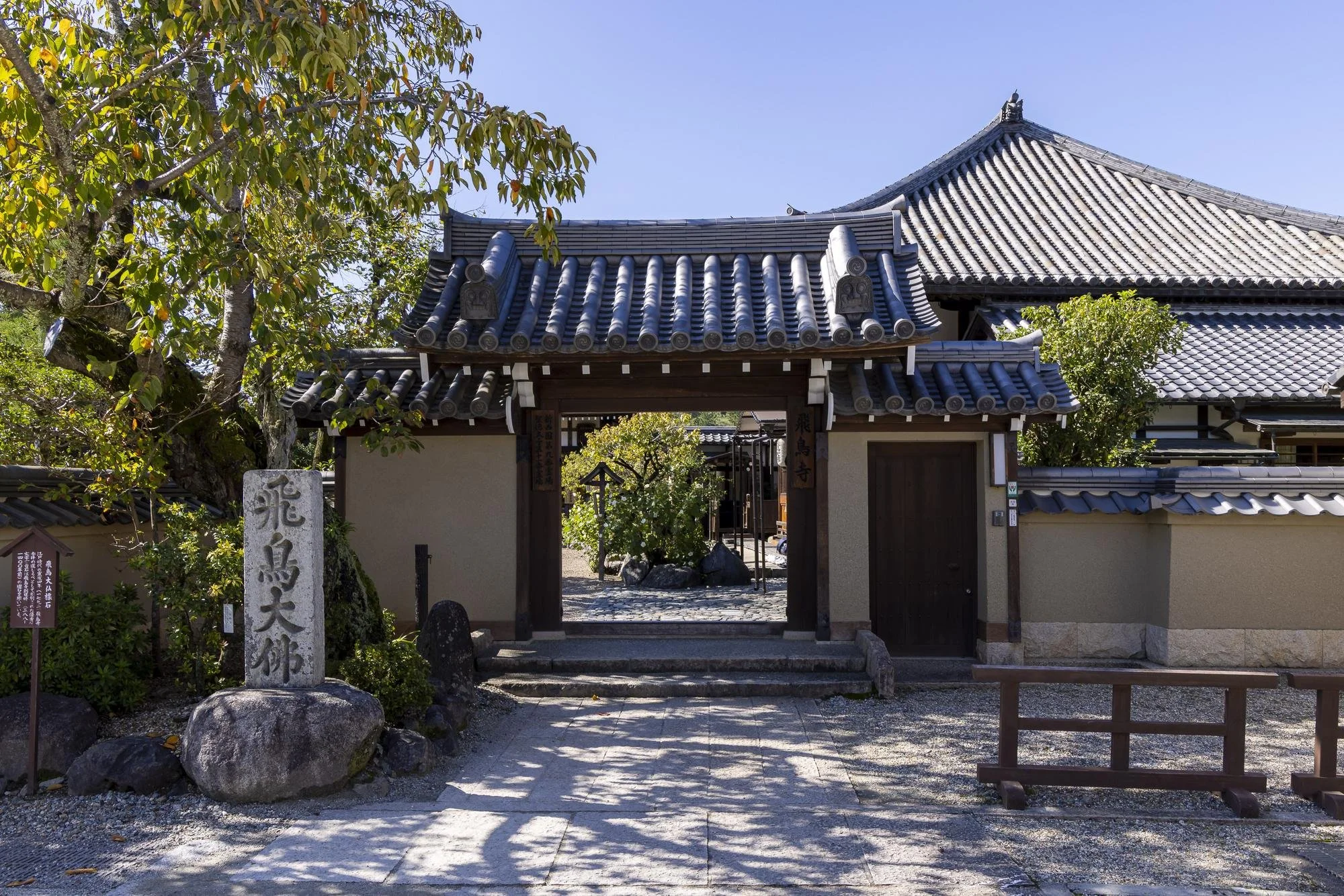
The main entrance gate of Asuka-dera, one of Japan's earliest Buddhist temples.
Asuka is home to temples connected with the earliest centuries of Japanese Buddhism.
At Asuka-dera, visitors can encounter a site closely associated with the introduction and establishment of Buddhism in Japan. Oka-dera and Tachibana-dera add further layers to the religious history of the region.
Although buildings have changed over the centuries, these places continue traditions rooted in Asuka's ancient past.
Kofun Burial Mounds
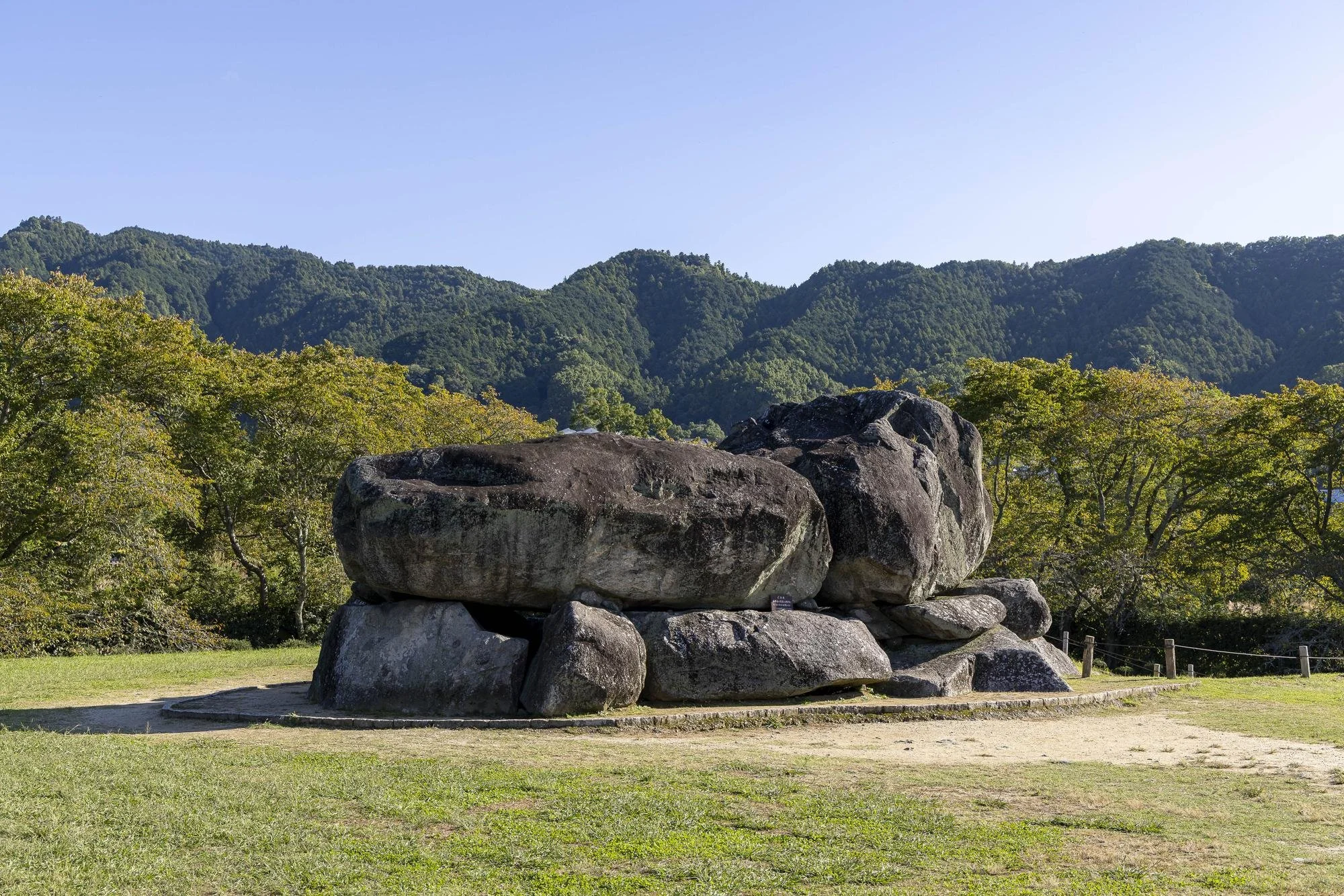
Ishibutai Kofun, famous for its massive exposed stone burial chamber.
Some of Asuka's most impressive remains are its kofun—ancient burial mounds constructed for powerful individuals.
The best known is Ishibutai Kofun.
Its enormous stone chamber is now exposed, creating one of the most striking sights in Asuka. Standing beside the massive stones naturally raises a question: how were people able to transport and position stones of this size more than 1,400 years ago?
Other tombs reveal an entirely different side of ancient burial culture.
Takamatsuzuka and Kitora kofun became famous for their extraordinary painted murals, while Kengoshizuka Kofun is notable for its rare octagonal form associated with elite imperial burials.
Together, these tombs offer glimpses into the beliefs, technology, art, and political hierarchy of ancient Japan.
Palace Ruins and Archaeological Sites
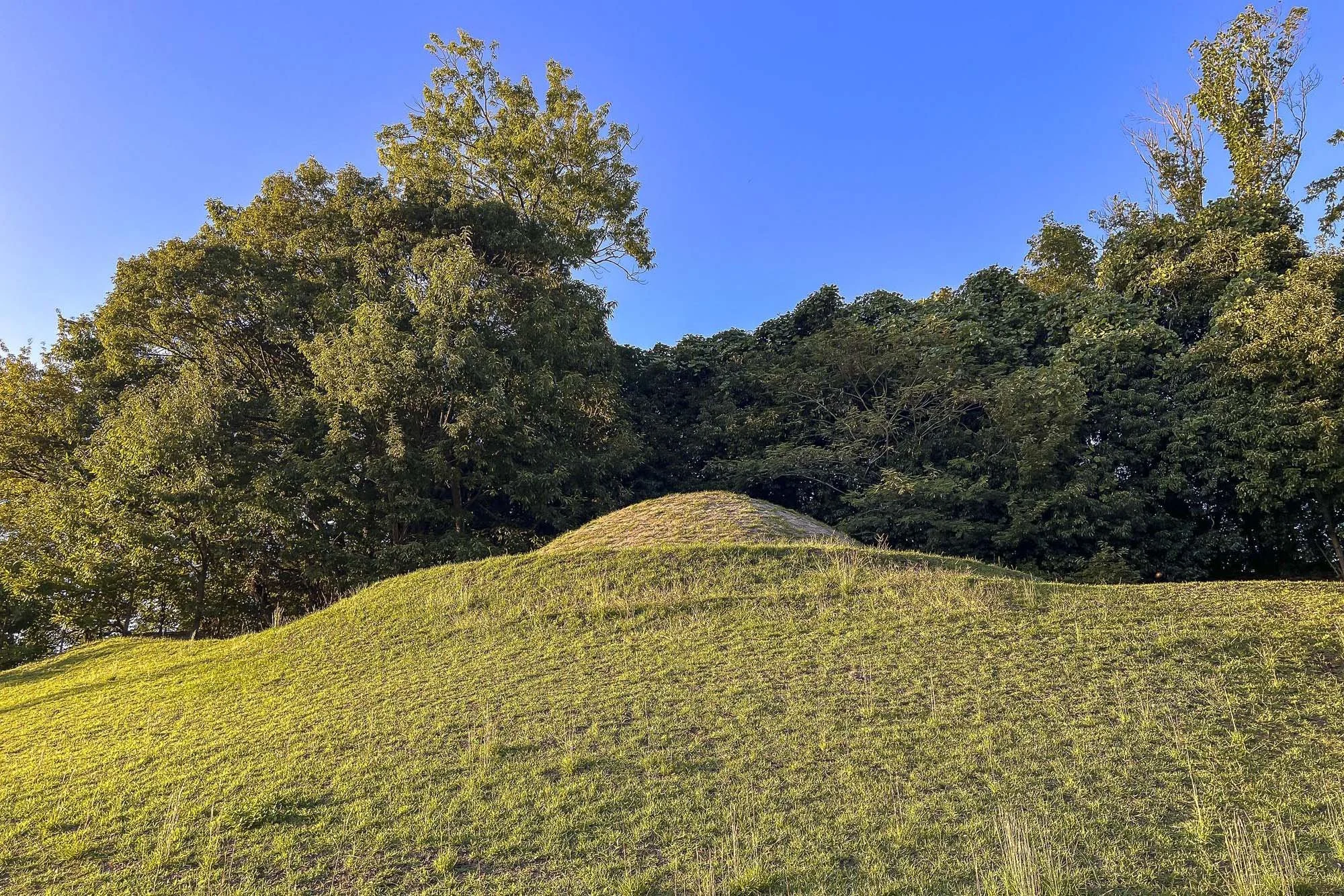
Kitora Kofun, known for its ancient murals and astronomical ceiling.
Asuka once contained a succession of imperial palaces, but visitors should not expect reconstructed castles or monumental palace buildings.
Much of ancient Asuka survives underground.
Archaeological excavations have uncovered palace compounds, gardens, workshops, water facilities, and other structures. At sites such as the Asuka Palace ruins, subtle traces in the landscape mark places where emperors once governed.
Understanding Asuka therefore requires a little imagination—but that is also part of its appeal.
You are not walking through a reconstructed historical theme park. You are standing in the actual landscape where these events took place.
Mysterious Stone Monuments
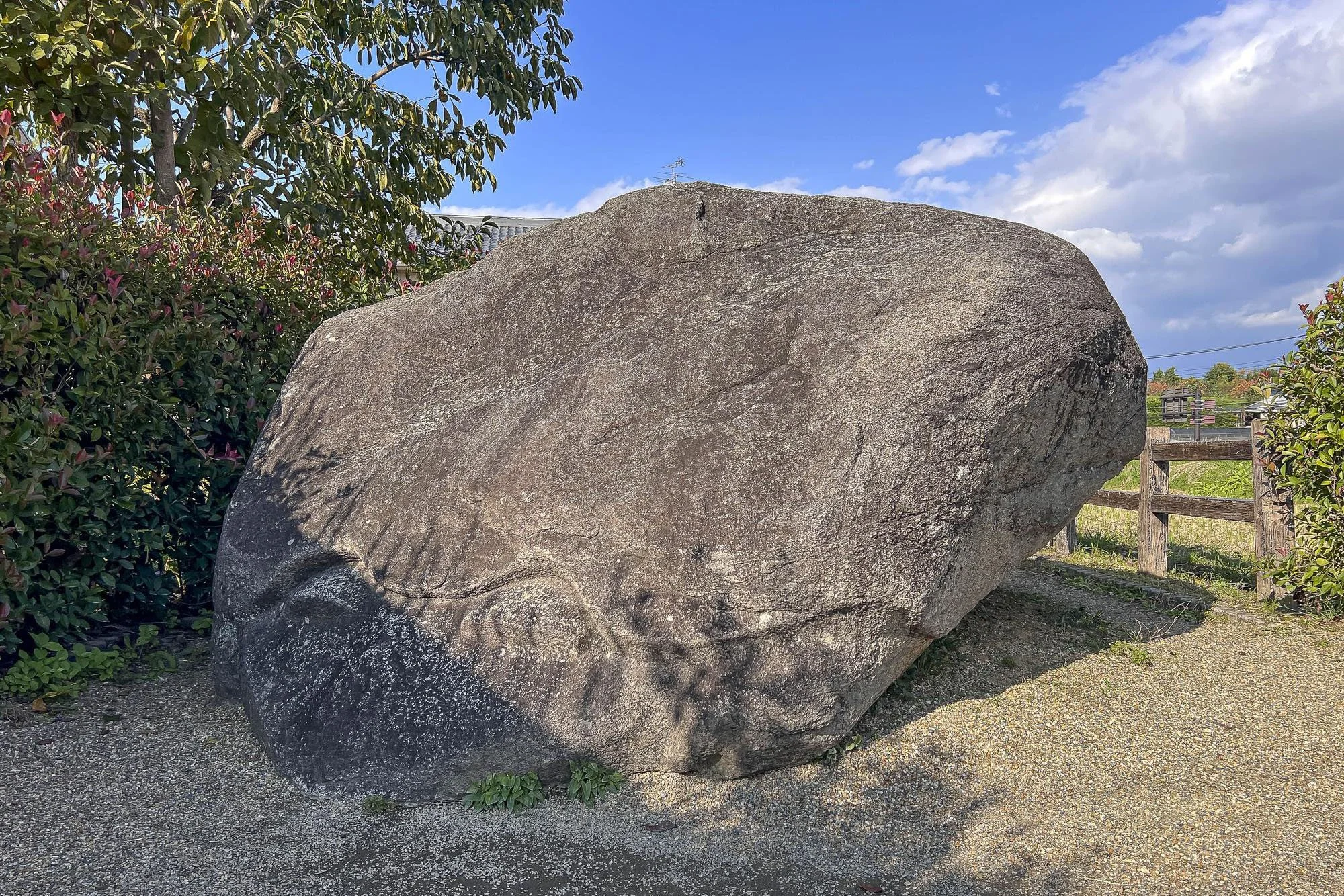
Kameishi, the mysterious ancient stone monument known as the “Turtle Stone.”
Scattered around Asuka are unusual carved stones whose original purposes are not always fully understood.
Kameishi, or the "Turtle Stone," resembles a large stone animal. Sakafuneishi contains carefully carved channels whose function remains debated.
Other stone features throughout the region hint at sophisticated construction, ritual activity, water management, and beliefs that archaeologists are still working to understand.
These mysteries give Asuka another dimension: not every question about ancient Japan has a definite answer.
Asuka and the UNESCO World Heritage Site
In July 2026, the Asuka & Fujiwara Palaces and Related Sites were inscribed on the UNESCO World Heritage List.
The World Heritage property brings together 19 archaeological sites across Asuka Village, Kashihara City, and Sakurai City. These include palace and government remains, Buddhist temple sites, and elite burial mounds that illustrate the formation of the ancient Japanese state.
The inscription is important because Asuka cannot be fully understood as a collection of isolated monuments.
Palaces, temples, tombs, ritual spaces, and the surrounding landscape were all connected to the political and cultural transformation taking place here.
Asuka and nearby Fujiwara together tell a much larger story—the emergence of an early centralized state and the development of institutions and cultural traditions that would shape Japan for centuries.
Read our complete guide to the Ancient Capitals of Asuka and Fujiwara, including all 19 World Heritage component sites.
What Is Asuka Like Today?
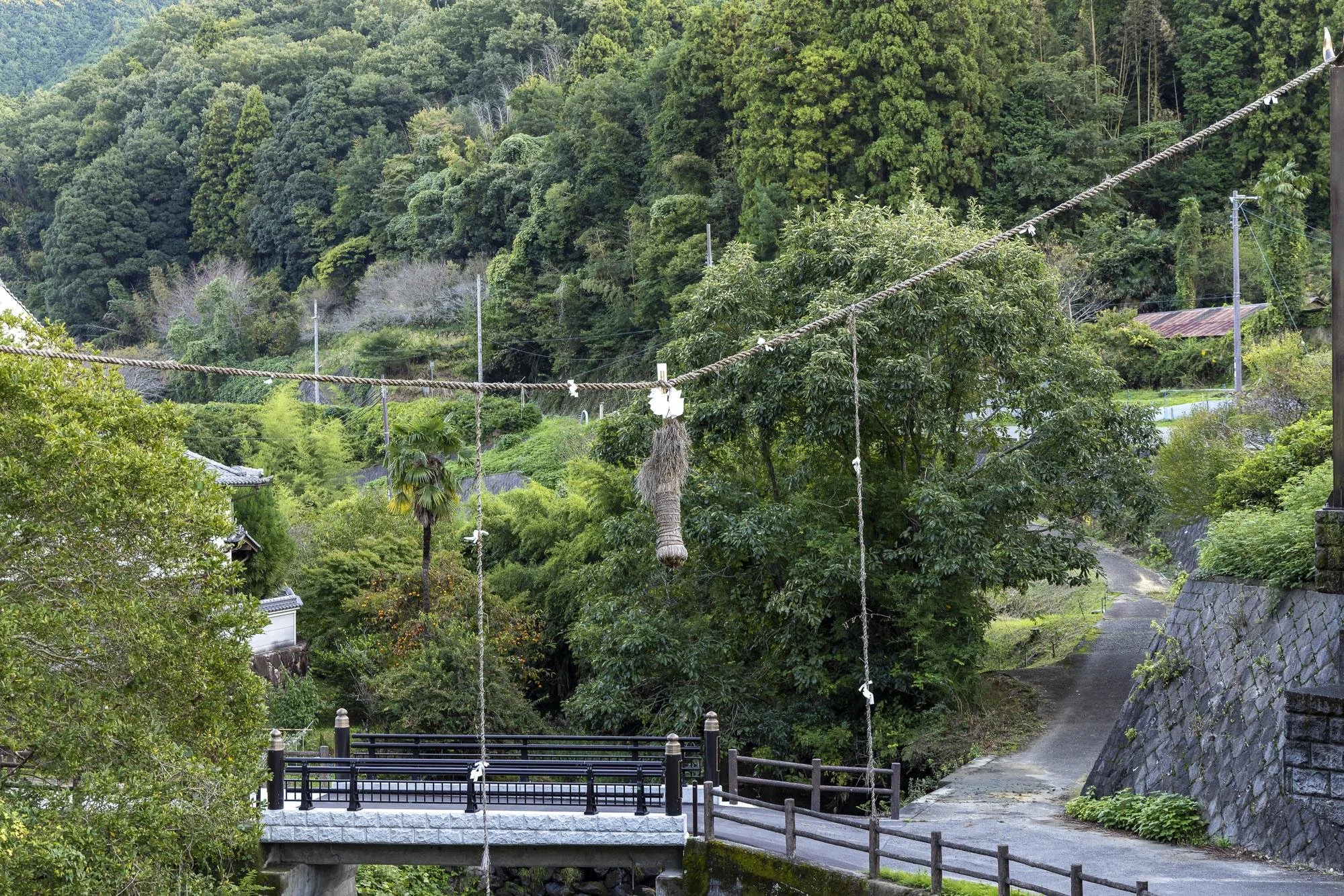
Ozuna, a sacred rope suspended across the river in Inabuchi, Asuka.
Perhaps the most surprising thing about Asuka is how quiet it feels.
There are no skyscrapers and few large commercial developments. Rice fields stretch between villages, wooded hills rise behind ancient sites, and narrow roads wind through the countryside.
A temple may stand only a short distance from an archaeological excavation. A kofun may appear beside farmland. A stone monument that has survived for centuries may sit quietly near an ordinary village road.
This relationship between history and everyday life is one of Asuka's greatest attractions.
The landscape has changed over 1,400 years, of course, but the surrounding mountains and the broad shape of the countryside still provide a sense of the geography known to the people who lived here in ancient times.
Walking, cycling, or traveling between the sites allows you to experience Asuka not simply as a list of attractions, but as a historical landscape.
Is Asuka Worth Visiting?
Asuka will not appeal to every traveler in the same way—and that is part of what makes it special.
If your priority is shopping, nightlife, or large entertainment districts, other destinations will offer much more.
But if you are fascinated by ancient history, archaeology, Buddhism, Japanese culture, rural scenery, or places away from the busiest tourist routes, Asuka can be one of the most rewarding destinations in Nara Prefecture.
It is particularly worth considering if you have already visited famous destinations such as Kyoto and Nara City and want to understand an earlier chapter of Japanese history.
Here, the experience is less about seeing one spectacular building after another and more about discovering how temples, tombs, palace ruins, mountains, villages, and fields fit together.
Asuka rewards curiosity.
How to Visit Asuka
Asuka can be visited as a day trip from Osaka, Kyoto, or Nara City.
Kintetsu Railway provides the most convenient train access to the area, with Kashiharajingu-mae and Asuka stations serving as useful gateways depending on your itinerary.
Once you arrive, the historic sites are spread over a relatively wide rural area. Walking and cycling are popular ways to explore, while a car can make it easier to visit several sites efficiently in a single day.
Because Asuka contains far more than can be understood from a map alone, deciding what you most want to see—temples, kofun, archaeology, scenery, or a combination of them—can help you plan your time.
Planning your visit? Read our complete guide to getting to Asuka from Osaka and Kyoto.
If you have a full day, see our suggested Asuka itinerary for first-time visitors.
Explore Asuka with Discover Nara
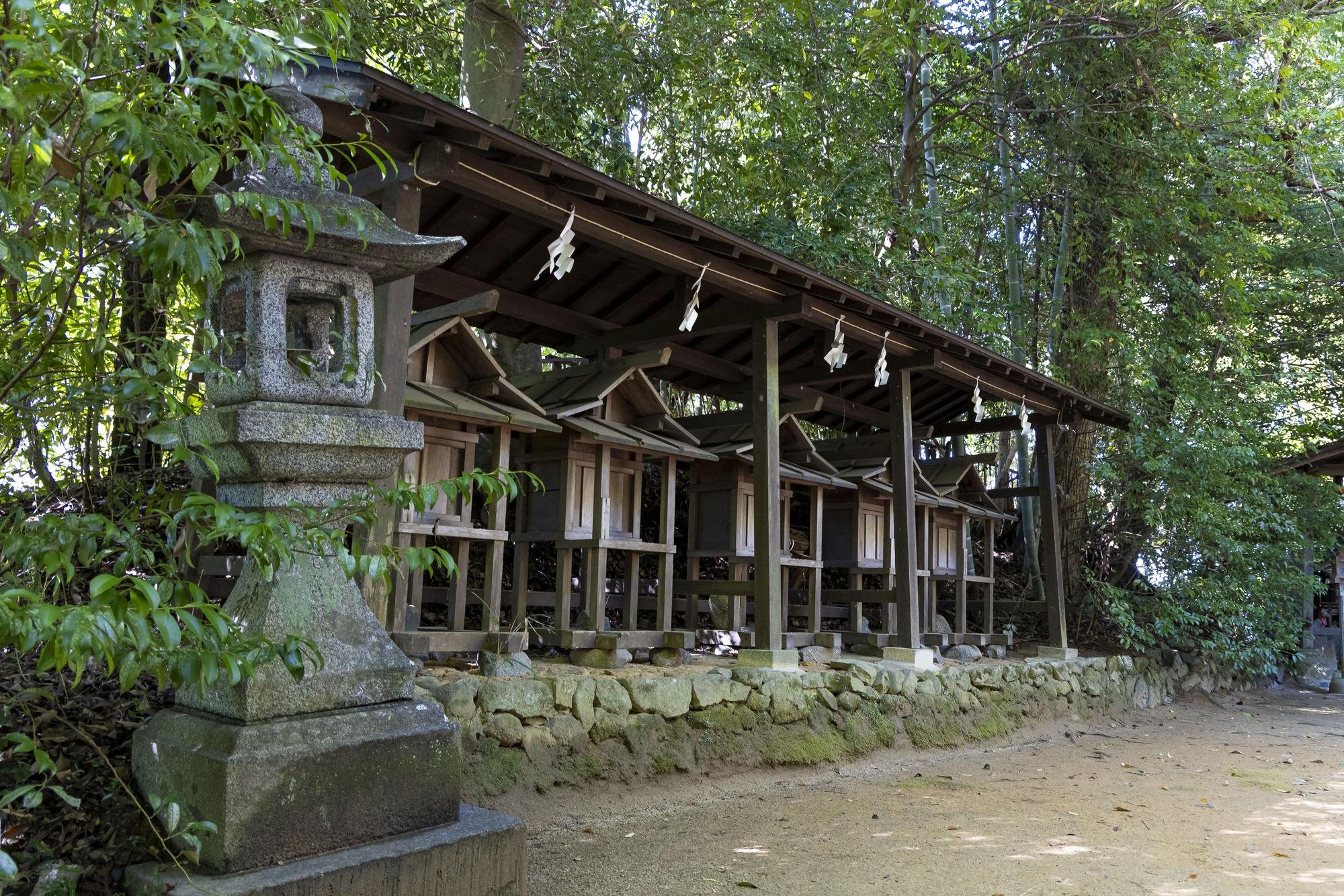
A small Shinto shrine surrounded by trees at Asuka Niimasu Shrine.
Asuka is a place where the beginnings of ancient Japan remain surprisingly close to the surface.
A giant stone tomb beside a field, the remains of an imperial palace, an early Buddhist temple, or a mysterious carved stone may seem like separate attractions at first. Together, however, they tell the story of a society undergoing profound political, religious, and cultural change.
Discover Nara specializes in historical and cultural tours of Asuka and Fujiwara, helping visitors connect these individual places with the larger story of ancient Japan.
Whether you have only a few hours or a full day, exploring Asuka with an understanding of what happened here can transform a quiet rural landscape into one of Japan's most fascinating historical destinations.