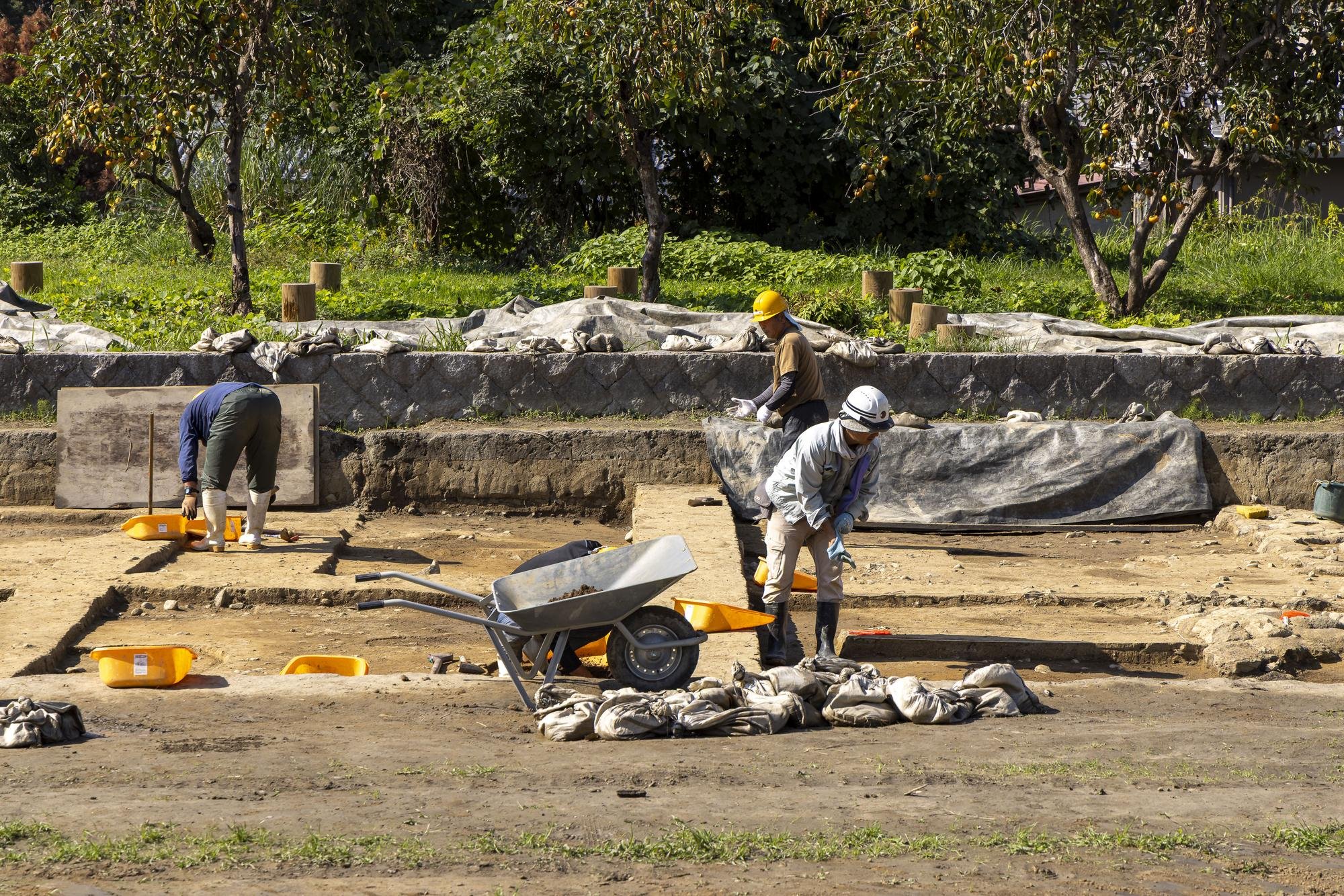
Archaeological workers carefully examine exposed soil layers at an excavation site in Asuka, Nara. Detailed investigations help reveal traces of buildings and activities from centuries ago.
Have you ever wondered why archaeologists carefully uncover ancient ruins, only to bury them again?
In Asuka and Fujiwara, Nara, excavations frequently reveal the remains of ancient palaces, temples, and other structures. Yet once the investigation is complete, many sites are carefully covered again, sometimes returning to what looks like an ordinary field.
Discover the ancient palaces, temples, and burial mounds of the region in our Asuka & Fujiwara UNESCO World Heritage guide.
Why bury something after going to all the trouble of excavating it?
There are two main reasons.
Protecting Ancient Remains
Archaeological remains can be surprisingly fragile. Once exposed, they may deteriorate through rain, sunlight, changes in temperature and moisture, and other environmental conditions.
Carefully covering them again helps protect the remains underground, preserving them in their original location for future generations.
Before a site is reburied, archaeologists document their discoveries through photographs, drawings, measurements, and detailed excavation reports. These records preserve valuable information for future research.
Preserving the Local Landscape
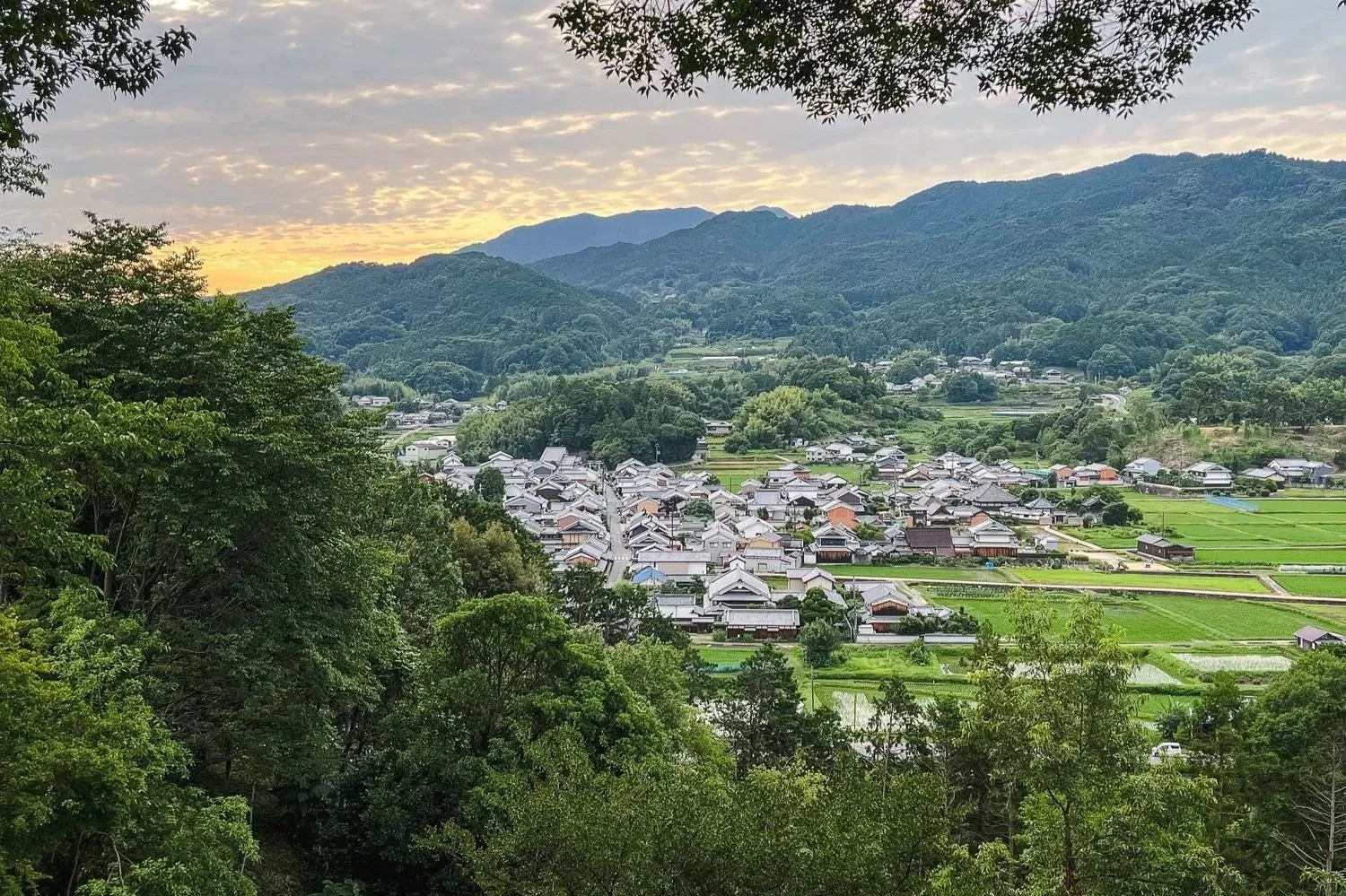
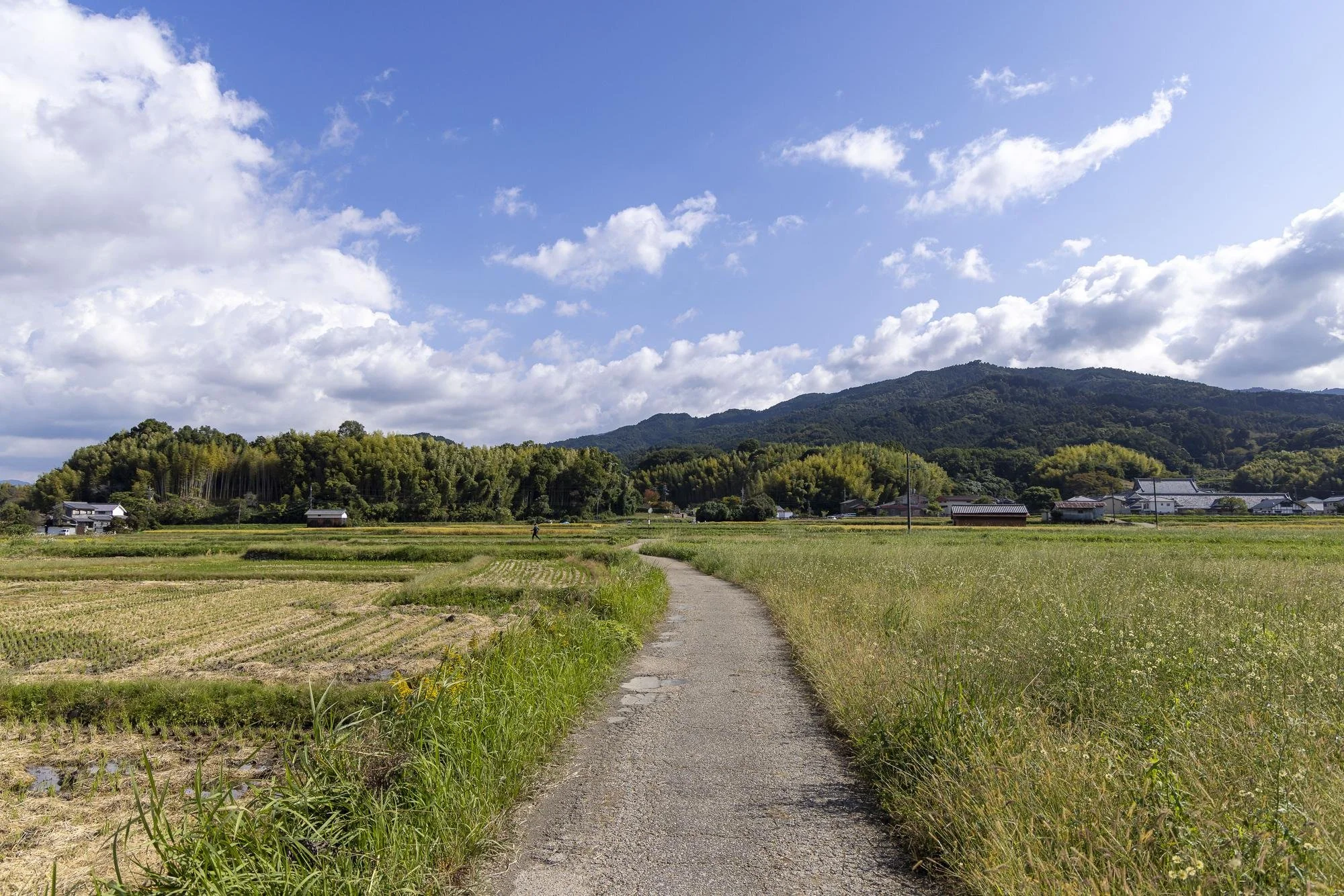
Many archaeological sites in Asuka and Kashihara lie beneath farmland and land still used in everyday life.
After excavation, reburial can allow farming and other activities to continue while protecting the archaeological remains below. It also helps preserve the rural landscape that makes this region so distinctive.
Discovering What Lies Beneath
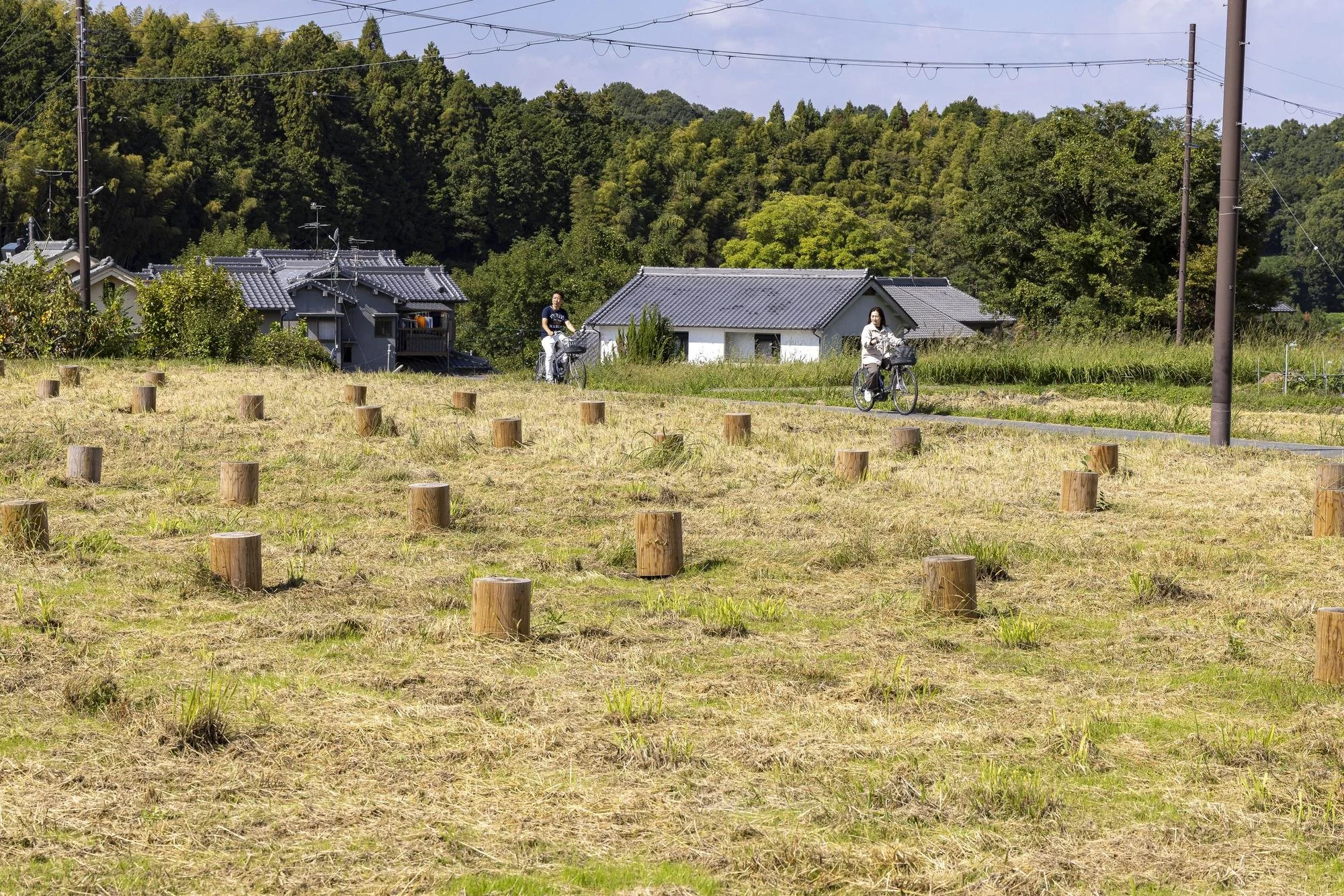
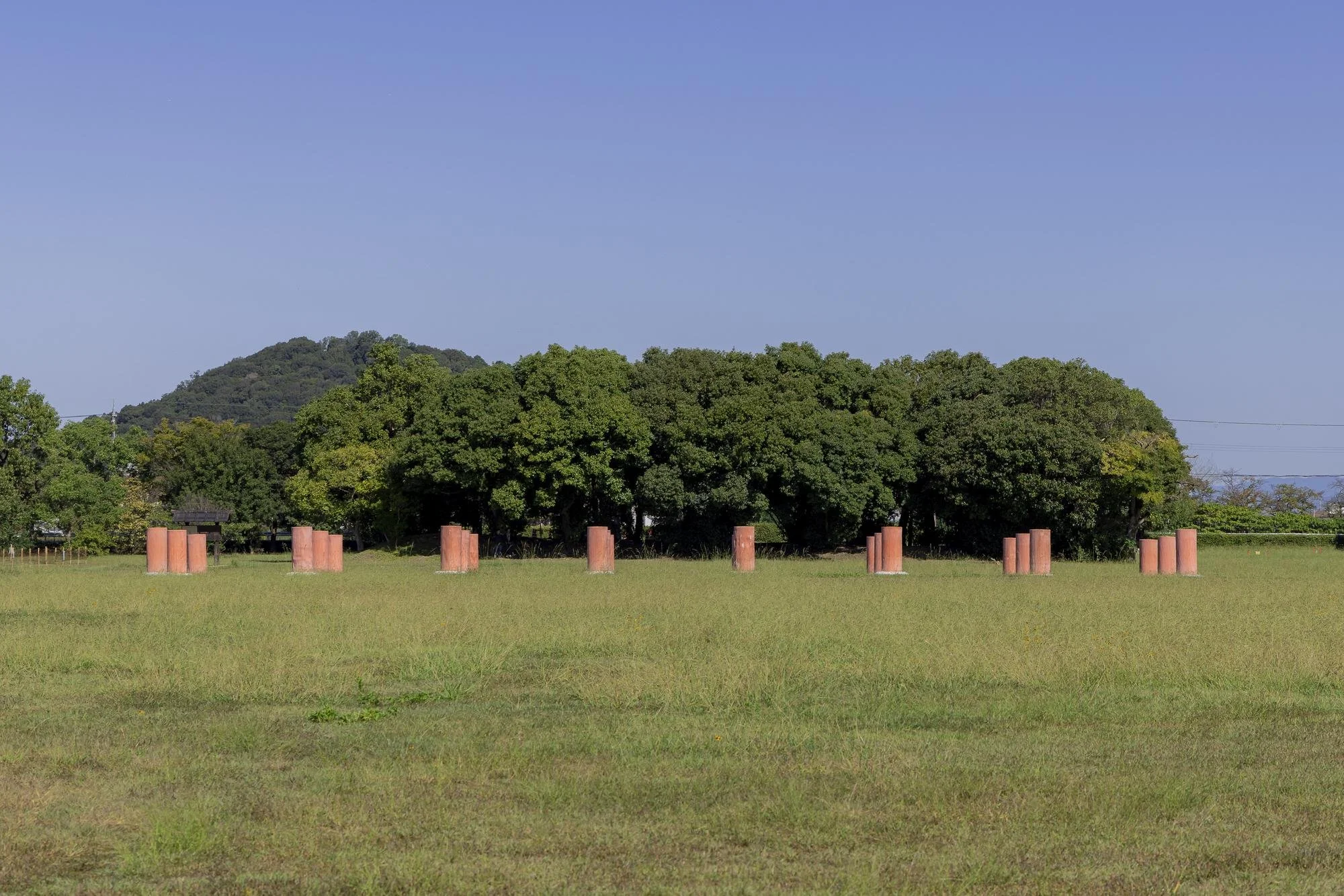
Wooden markers indicate the positions of ancient building pillars at a historic site in Asuka. Although the original structures have disappeared, these markers help visitors imagine what once stood here.
At some historic sites in Asuka and Fujiwara, visitors can see markers showing where ancient pillars once stood. Other locations feature reconstructed stone paving, drainage channels, or wells.
These features help us imagine buildings and landscapes that disappeared more than 1,000 years ago.
Unlike Tōdai-ji or Hōryū-ji, where historic buildings still stand, many of Asuka's ancient palace and temple sites offer little to see at first glance.
But that is part of their fascination.
Standing in a quiet field, you might be looking at the remains of a grand imperial palace or an important Buddhist temple buried just beneath your feet.
Understanding what once stood there—and imagining the people who lived and worked in this landscape some 1,400 years ago—is one of the most rewarding ways to explore Asuka and Fujiwara.
Learn more about this remarkable region in our introduction to Asuka, the birthplace of ancient Japan.
Explore the Hidden History of Asuka
Much of Asuka's remarkable history lies beneath its peaceful countryside. Discover Nara's guided tours help bring these ancient sites and their stories to life.